

Carter Caves State Resort Park Travel Guide - Free Web & App
Your ultimate guide to Carter Caves State Resort Park. Discover top landmarks, proposed trips, and local tips. Free on the web or via the Evendo companion app.


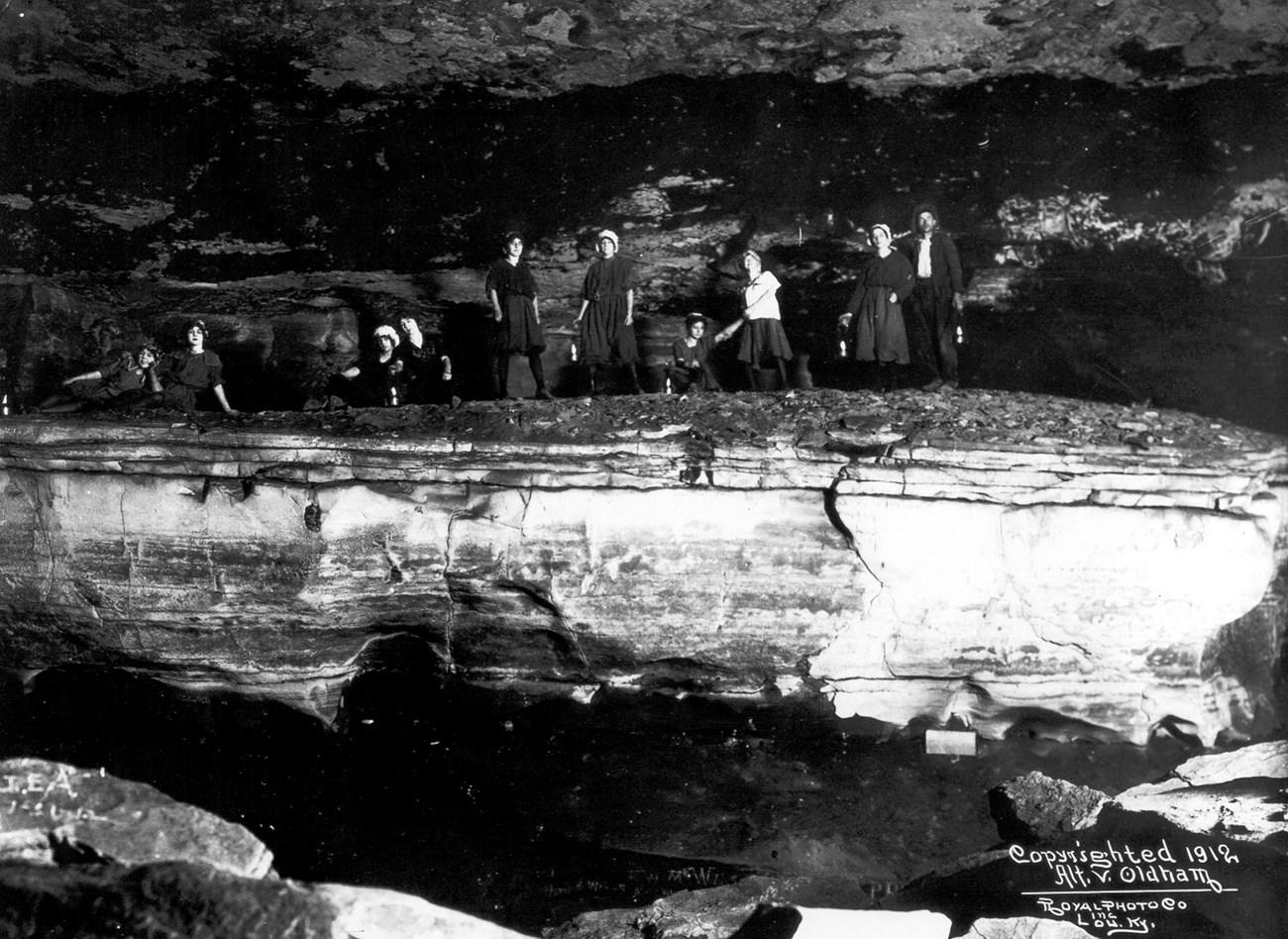


Discover the hidden wonders of Carter Caves State Resort Park in Kentucky, where underground adventures meet breathtaking above-ground beauty.
Read more about Carter Caves State Resort Park
When is the best time to visit Carter Caves State Resort Park?
Best: May–June, September · 23–28°C| Month | High (°C) | Rainfall (mm) |
|---|---|---|
| January | 6 | 80 |
| February | 8 | 80 |
| March | 14 | 90 |
| April | 18 | 90 |
| May (best) | 23 | 100 |
| June (best) | 28 | 100 |
| July | 31 | 110 |
| August | 29 | 100 |
| September (best) | 25 | 90 |
| October | 20 | 80 |
| November | 14 | 90 |
| December | 9 | 90 |
Getting to and around Carter Caves State Resort Park
How to get there
Transportation
Best attractions in Carter Caves State Resort Park
Carter Caves State Resort Park offers a mesmerizing blend of natural beauty and historical intrigue, with its sprawling network of caves, verdant hiking trails, and captivating limestone formations. Visitors can explore the underground wonders of Cascade Cave, take a scenic boat tour through X Cave, or embark on a thrilling zip lining adventure through the lush forest canopy. History buffs will be delighted by the park's rich heritage, including the restored 19th-century Carter Caves Museum and the fascinating geological displays at the visitor center. Whether you're seeking outdoor adventure or cultural exploration, Carter Caves State Resort Park promises an unforgettable experience for all types of travelers.
-
Lodge
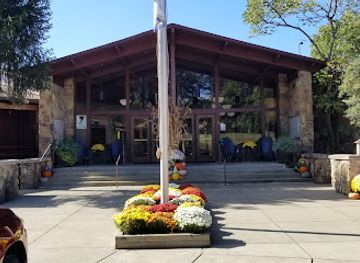
Lewis Caveland Lodge
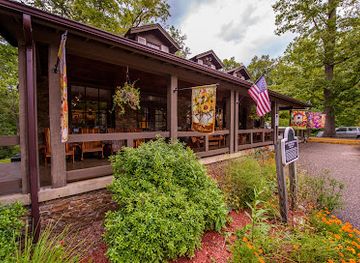
Experience serenity and adventure at Lewis Caveland Lodge in Olive Hill, KY, surrounded by nature's beauty and local attractions.
-
Hiking area
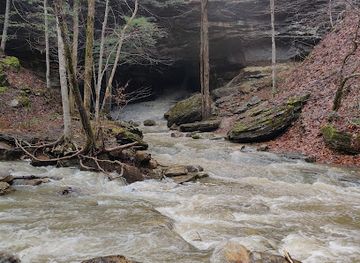
Laurel Cave
Explore the stunning hiking trails and unique geological formations at Laurel Cave in Upper Tygart, Kentucky, a must-visit destination for nature lovers.
Explore Carter Caves State Resort Park on the map
Plan your trip on one map. See where the top attractions, landmarks, restaurants and hotels are, and book hotels and experiences in a few clicks.
Best hotels in Carter Caves State Resort Park
Best restaurants in Carter Caves State Resort Park
The dining scene at Carter Caves State Resort Park offers a unique blend of traditional Southern cuisine and modern culinary delights, making it a must-visit for food enthusiasts. From cozy cafes serving up homemade comfort food to upscale restaurants featuring farm-to-table dishes, visitors can expect a diverse range of dining options that showcase the best of Kentucky's culinary scene. With a focus on fresh, locally sourced ingredients and a warm, inviting atmosphere, dining at Carter Caves State Resort Park is an experience that will delight the senses and leave visitors craving more.
-
Resort hotel
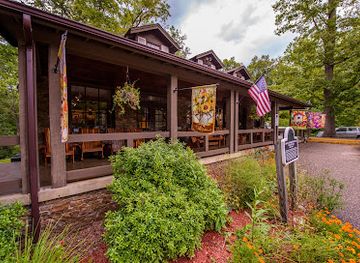
Carter Caves State Resort Park
Discover breathtaking caves and serene landscapes at Carter Caves State Resort Park – your ultimate outdoor escape in Kentucky.
Best bars in Carter Caves State Resort Park
While Carter Caves State Resort Park is known for its natural beauty and outdoor activities, visitors can also enjoy a vibrant nightlife scene in the area. From cozy bars serving up local brews to lively nightclubs with live music and dancing, there is something for everyone to enjoy after dark. Whether you're looking to unwind with a cocktail or hit the dance floor, Carter Caves has a variety of options to keep you entertained well into the night.
-
Lodge
Lewis Caveland Lodge
Experience the tranquility of nature at Lewis Caveland Lodge, your perfect retreat in Olive Hill, Kentucky, with outdoor adventures just around the corner.
-
Park
Cascade Cave Parking Lot
Explore the captivating Cascade Cave Parking Lot, your gateway to Kentucky's stunning underground wonders and outdoor adventures.
-
Restaurant
Tierney's Cavern
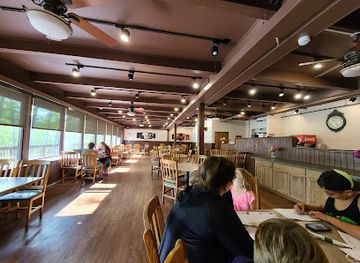
Discover the culinary delights of Tierney's Cavern in Olive Hill, Kentucky, where local flavors meet a cozy dining atmosphere.
-
Camping cabin
Cliffside
Discover the tranquility of Cliffside, a charming camping cabin retreat in Olive Hill, Kentucky, surrounded by nature's beauty and adventure.


Best shops in Carter Caves State Resort Park
Visitors to Carter Caves State Resort Park can expect a charming shopping scene filled with unique local crafts, handmade souvenirs, and one-of-a-kind treasures. From artisanal pottery and jewelry to handcrafted woodwork and delicious homemade treats, the park's gift shops and boutiques offer a diverse selection of items that showcase the rich culture and heritage of the region. Whether you're looking for a special keepsake to remember your trip or searching for the perfect gift for a loved one, the shopping scene at Carter Caves State Resort Park is sure to delight and surprise visitors of all ages.
-
Resort hotel
Carter Caves State Resort Park
Explore the beauty of Carter Caves State Resort Park, a premier destination for outdoor adventures, cave exploration, and serene camping in Kentucky.
-
Lodge
Lewis Caveland Lodge
Experience the tranquil beauty of Lewis Caveland Lodge in Olive Hill, Kentucky, where nature and comfort meet for an unforgettable stay.
-
Park
Cascade Cave Parking Lot
Discover the breathtaking beauty of Cascade Cave Parking Lot in Carter Caves State Resort Park, Kentucky, where adventure and nature await your exploration.
-
Restaurant
Tierney's Cavern
Experience authentic Southern flavors at Tierney's Cavern, a cozy restaurant in Olive Hill, Kentucky, known for its warm hospitality and delicious local cuisine.

Get your free copy of our complete guide to Carter Caves State Resort Park, delivered straight to you.
Everything on this page, from attractions and restaurants to essentials and local phrases, in one PDF you can read offline, print or share.
Already have an account? Sign in
Your Carter Caves State Resort Park guide is ready.
We'll send it to · Not you? Sign out

Getting your guide ready…
We are putting together a fresh copy of the Carter Caves State Resort Park guide. This can take up to a minute.
This can take a few moments. If your browser asks, choose Allow so the download can start. You'll find the guide in your Downloads folder.
Nothing happened? Download it again
Sorry, the guide is taking longer than usual. Please try again in a minute, or get it by email instead.
Carter Caves State Resort Park essentials
Currency and Payment
Safety
Emergency Situations
Do's and Don'ts
Local Tips
From Eve
Local phrases worth knowing
You don't need to get them perfect. A few words go a long way, and locals appreciate the effort.
Basics
| English | Local | Say it |
|---|---|---|
| Hello | Howdy | [hah-dee] |
| Goodbye | See ya later | [see yuh lay-tur] |
| Yes | Yep | [yep] |
| No | Nah | [nuh] |
| Please/You're welcome | Please | [pleez] |
| Thank you | Thanks | [thanks] |
| Excuse me/Sorry | Pardon me | [par-dun me] |
| How are you? | How y'all doin'? | [hao y'all doin'] |
| Fine. And you? | Fine. How 'bout you? | [fain. how 'bout yuh] |
| Do you speak English? | Y'all speak English? | [y'all speak ing-glish] |
| I don't understand | I ain't catchin' on | [I aint katch-in on] |
Eating & Drinking
| English | Local | Say it |
|---|---|---|
| I'd like to see the menu, please | Can I take a peek at the menu? | [kan ah take uh peek at the menu] |
| I don't eat meat | I don't eat no meat | [I don't eat no meat] |
| Cheers! | Cheers! | [cheers] |
| I would like to pay, please | I reckon it's time to settle up | [I reckon it's time to settle up] |
Emergencies
| English | Local | Say it |
|---|---|---|
| Help! | Help! | [help] |
| Go away! | Git! | [git] |
| Call the Police! | Summon the Sheriff! | [Summon the Sheriff!] |
| Call a doctor! | Fetch the doc! | [Fetch the doc!] |
| I'm lost | I'm plum turned around | [I'm plum turned around] |
| I'm ill | I'm feelin' poorly | [I'm feelin' poorly] |
Shopping
| English | Local | Say it |
|---|---|---|
| I'd like to buy... | I'm fixin' to buy... | [I'm fixin' to buy...] |
| I'm just looking | I'm just browsin' | [I'm just browsin'] |
| How much is it? | How much do I owe? | [How much do I owe?] |
| That's too expensive | That's a mite pricey | [That's a mite pricey] |
| Can you lower the price? | Can you do better on the price? | [Can you do better on the price?] |
Time & Numbers
| English | Local | Say it |
|---|---|---|
| What time is it? | What's the time o' day? | [What's the time o' day?] |
| It's one o'clock | It's one on the dot | [It's one on the dot] |
| Half past (10) | Half past ten | [Half past ten] |
| Morning | Mornin' | [Mornin'] |
| Afternoon | Afternoon | [Afternoon] |
| Evening | Evenin' | [Evenin'] |
| Yesterday | Yestiddy | [Yestiddy] |
| Today | Today | [Today] |
| Tomorrow | Tomorrah | [Tomorrah] |
| 1 | One | [Wun] |
| 2 | Two | [Too] |
| 3 | Three | [Three] |
| 4 | Four | [Four] |
| 5 | Five | [Five] |
| 6 | Six | [Six] |
| 7 | Seven | [Seven] |
| 8 | Eight | [Eight] |
| 9 | Nine | [Nine] |
| 10 | Ten | [Ten] |
Transport & Directions
| English | Local | Say it |
|---|---|---|
| Where's a/the...? | Where's the nearest...? | [Where's the nearest...?] |
| What's the address? | What's the street number? | [What's the street number?] |
| Can you show me (on the map)? | Can you point it out (on the map)? | [Can you point it out (on the map)?] |
| When's the next (bus)? | When's the next bus comin'? | [When's the next bus comin'?] |
| A ticket (to ....) | A ticket (to ...) | [A ticket (to ...)] |
History of Carter Caves State Resort Park
Prehistoric Inhabitants
Long before European settlers discovered the area, Carter Caves State Resort Park was home to Native American tribes. Evidence suggests that prehistoric peoples used the caves for shelter and possibly ceremonial purposes. Artifacts such as stone tools and pottery fragments have been discovered within the cave systems, providing a glimpse into the lives of these ancient inhabitants.
The Legend of Saltpetre Mining
During the War of 1812, the caves at Carter Caves State Resort Park played a crucial role in the production of saltpetre, a key ingredient in gunpowder. Local settlers mined the caves extensively, contributing to the war effort. The remnants of these early mining operations can still be seen today, offering a tangible connection to this pivotal period in American history.
The Discovery of Cascade Cave
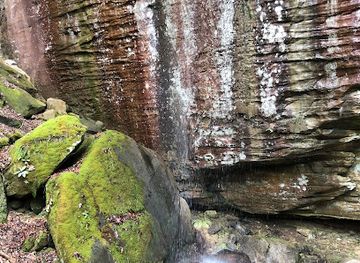
In the late 19th century, the discovery of Cascade Cave drew significant attention to the region. Cascade Cave, known for its stunning underground waterfall and large chambers, quickly became a popular destination for adventurous explorers and scientists. The cave's natural beauty and unique geological formations continue to attract visitors from around the world.
Establishment of the Park
Carter Caves State Resort Park was officially established in 1946, thanks to the efforts of local citizens and state officials who recognized the area's natural and historical significance. The park was developed to protect the cave systems and surrounding forests while providing recreational opportunities for the public. Over the decades, it has grown to include hiking trails, campgrounds, and the well-known lodge.
The Civilian Conservation Corps Era
During the Great Depression, the Civilian Conservation Corps (CCC) played a significant role in developing the infrastructure of Carter Caves State Resort Park. The CCC built many of the park's original trails, bridges, and shelters, some of which are still in use today. Their work not only provided employment for young men during a difficult economic period but also helped to preserve the park's natural beauty.
The Bat Conservation Efforts
In recent years, Carter Caves State Resort Park has become a focal point for bat conservation. The park's caves provide crucial habitats for several bat species, including the endangered Indiana bat. Conservation efforts, such as the installation of bat-friendly gates and ongoing research, aim to protect these important mammals while educating the public about their ecological significance.
Carter Caves State Resort Park in Photos
Browse through our photo collection highlighting the charm and character of the destination.
Neighbouring destination travel guides
The closest destinations to Carter Caves State Resort Park, if you have time for more than one.
-

-

-

-

-


Swipe for more destinations
Explore more
Explore more of Appalachian Plateau
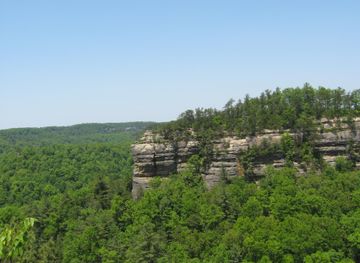
Explore Kentucky’s Appalachian Plateau for sandstone gorges, forest trails, coal heritage, mountain music and welcoming small towns.
Explore Appalachian Plateau
Explore more of Kentucky
Discover Kentucky, a land of natural wonders, historic landmarks, and rich cultural heritage. From horse racing to bourbon distilleries, this state has it all.
Explore Kentucky