

LSU North (Baton Rouge) Travel Guide - Free
Explore LSU North in Baton Rouge with Evendo's free guide. Find the best shops, historic streets, restaurants, and gems on web or mobile.


LSU North in Baton Rouge pairs campus architecture, Tiger Stadium traditions, North Gates dining and easy access to Louisiana State University culture.
A Campus-Edge Neighbourhood
LSU North is best understood as an informal Baton Rouge area immediately north of Louisiana State University’s main campus, where student life, older residential streets and busy university-facing businesses meet. Its character is shaped less by a compact historic centre than by its relationship with LSU: the campus lies directly to the south, North Gates provide a familiar orientation point, and streets leading towards downtown and Mid City carry a steady flow of students, staff, residents and visitors. The area feels practical and lived-in, with low-rise buildings, shaded streets and the unmistakable presence of collegiate Louisiana.Read more about LSU North
Stadium Traditions and Everyday Movement
Food, Streets and Local Orientation
Best attractions in LSU North
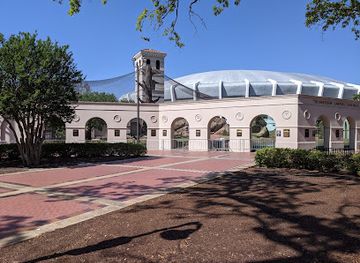
The principal attraction of LSU North is its immediate access to Louisiana State University’s historic and cultural campus. From the North Gates, visitors can explore the university’s landscaped core, academic quadrangles, public art and views towards the sporting grounds, subject to campus access arrangements. Tiger Stadium, just within the LSU campus, is the area’s defining event venue and has a powerful presence even when no match is taking place. The LSU Rural Life Museum and LSU Museum of Art are elsewhere in Baton Rouge and should not be treated as LSU North attractions, while the campus’s museums and galleries may sit beyond the informal neighbourhood boundary. Around the northern edge, Highland Road and Nicholson Drive provide a more everyday picture of student-oriented Baton Rouge, with casual dining, coffee and busy pedestrian movement. The attraction lies in seeing how a major public university shapes streets, routines and seasonal crowds.
-
Museum
LSU Museum of Natural Science
Explore the LSU Museum of Natural Science in Baton Rouge, a free attraction showcasing the rich biodiversity and natural history of Louisiana.
2 min walk · 0.2 km from neighbourhood centre

Best landmarks in LSU North
LSU’s North Gates are the clearest symbolic landmark associated with LSU North, marking a ceremonial approach to the university and providing a useful visual threshold between surrounding streets and the campus grounds. Beyond them, the formal campus layout and early twentieth-century university buildings express the institution’s expansion after LSU moved from downtown Baton Rouge in 1926. Tiger Stadium, within the campus to the south, is the area’s most recognisable structure and a central part of Baton Rouge’s sporting identity, although it is not a separate neighbourhood building. Together, the gates, landscaped university spaces and stadium approaches show how LSU North developed as a campus-edge district rather than around a historic commercial square. Nicholson Drive and Highland Road are important movement corridors, but their significance is primarily practical, connecting the university setting with surrounding Baton Rouge neighbourhoods.
-
Tourist attraction
Mike the Tiger's Habitat
Explore the iconic Mike the Tiger's Habitat in Baton Rouge, a unique attraction showcasing LSU's beloved mascot in a conservation-focused environment.
8 min walk · 0.7 km from neighbourhood centre
-
Historical landmark
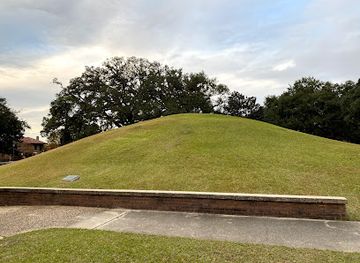
LSU Campus Mounds
Explore the LSU Campus Mounds, a historical landmark in Baton Rouge, where ancient Native American heritage meets scenic university views.
5 min walk · 0.4 km from neighbourhood centre
-
Historical landmark
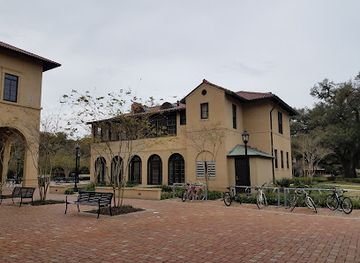
Old LSU President's House
Explore the Old LSU President's House, a captivating historical landmark in Baton Rouge, showcasing the rich heritage of Louisiana State University.
4 min walk · 0.3 km from neighbourhood centre
-
School
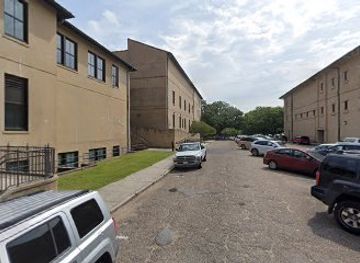
Nicholson Hall
Explore the academic heart of Louisiana State University at Nicholson Hall, a hub of knowledge and architectural beauty in Baton Rouge.
3 min walk · 0.2 km from neighbourhood centre
Explore LSU North on the map
A handpicked selection of must-see spots in LSU North, mapped for you.
Best hotels in LSU North
Best restaurants in LSU North
Dining in LSU North is closely tied to Louisiana State University and the student population, with casual restaurants, cafés and late-opening food options concentrated around the campus edge and corridors such as Highland Road and Nicholson Drive. The selection generally favours relaxed meals, burgers, pizza, sandwiches, coffee and Louisiana-influenced cooking rather than a formal restaurant quarter. The Chimes, near the LSU campus on Highland Road, is a long-established university-area restaurant and a recognisable meeting place, while Louie’s Café on Highland Road is associated with the campus dining scene. Visitors should distinguish businesses immediately around LSU from those farther along Nicholson Drive or in adjacent districts. The area is useful for informal eating before or after campus visits and sporting events, but it is not a traditional food market district; experiences are shaped by university routines, game days and the wider culinary culture of Baton Rouge.
-
American
The Chimes
Experience authentic American cuisine infused with Southern charm at The Chimes in Baton Rouge - a must-visit culinary destination near LSU.
5 min walk · 0.4 km from neighbourhood centre
-
Restaurant
Louie's Cafe
Discover Louie's Cafe in Baton Rouge: A breakfast haven offering hearty meals and friendly service near LSU.
5 min walk · 0.4 km from neighbourhood centre
-
Japanese
Umami Japanese Bistro
Experience authentic Japanese flavors at Umami Japanese Bistro in Baton Rouge, featuring exquisite sushi and traditional dishes.
17 min walk · 1.4 km from neighbourhood centre
-
Sushi
Rock-n-Sake Bar & Sushi
Experience exceptional sushi and vibrant Asian flavors at Rock-n-Sake Bar & Sushi in Baton Rouge—where tradition meets innovation.
7 min drive · 2.3 km from neighbourhood centre


Best bars in LSU North
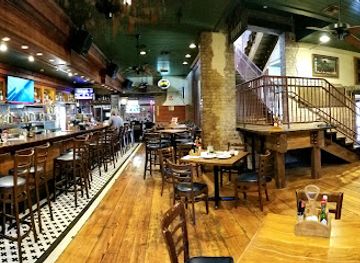
Nightlife in LSU North is primarily university-oriented rather than club-centred, with casual bars and restaurants around the LSU edge becoming busiest when students are in session or football events draw visitors. The Chimes on Highland Road is a well-known campus-area gathering place, while other nearby venues tend to combine food, drinks and televised sport rather than operate as large nightclubs. Game days can bring a louder, more crowded atmosphere around the university, whereas ordinary evenings may feel comparatively subdued away from the principal dining corridors. Visitors looking for a broader late-night choice can continue towards downtown or Mid City, but those areas are outside LSU North and should be treated as separate destinations. Event access, transport and alcohol policies can change during university fixtures, so visitors should follow posted requirements and plan their journey home rather than assuming that every venue remains convenient after dark.
-
Restaurant
Walk-On's Sports Bistreaux - Burbank Restaurant
Enjoy a lively atmosphere, delicious Louisiana cuisine, and thrilling sports action at Walk-On's Sports Bistreaux in Baton Rouge.
17 min walk · 1.4 km from neighbourhood centre
-
Sports bar
Ivar's Sports Bar & Grill
Discover Ivar's Sports Bar & Grill in Baton Rouge for a lively mix of sports, delicious food, and a welcoming atmosphere perfect for all visitors.
7 min drive · 2.2 km from neighbourhood centre
-
Bar
Fred's Bar & Grill
Enjoy delicious food, refreshing drinks, and live music at Fred's Bar & Grill, the heart of Baton Rouge's nightlife scene.
6 min drive · 2.0 km from neighbourhood centre
-
Grill
LSU Club at Union Square
Discover the best grilled dishes in Baton Rouge at LSU Club at Union Square, where flavor meets Southern hospitality.
3 min walk · 0.3 km from neighbourhood centre

Best nightclubs in LSU North
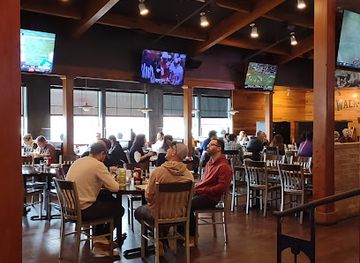
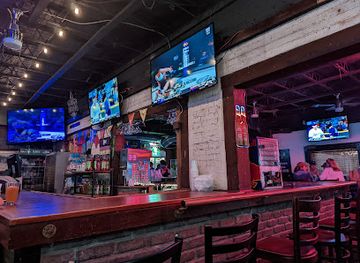
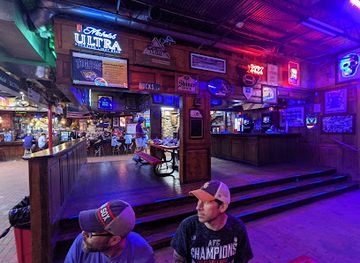
Nightlife in LSU North is primarily university-oriented rather than club-centred, with casual bars and restaurants around the LSU edge becoming busiest when students are in session or football events draw visitors. The Chimes on Highland Road is a well-known campus-area gathering place, while other nearby venues tend to combine food, drinks and televised sport rather than operate as large nightclubs. Game days can bring a louder, more crowded atmosphere around the university, whereas ordinary evenings may feel comparatively subdued away from the principal dining corridors. Visitors looking for a broader late-night choice can continue towards downtown or Mid City, but those areas are outside LSU North and should be treated as separate destinations. Event access, transport and alcohol policies can change during university fixtures, so visitors should follow posted requirements and plan their journey home rather than assuming that every venue remains convenient after dark.
-
Night club
SPLASH NIGHTCLUB
Dive into the electrifying atmosphere of Splash Nightclub, where Baton Rouge's nightlife comes alive with music, dancing, and unforgettable memories.
18 min walk · 1.4 km from neighbourhood centre

Best shops in LSU North
Shopping in LSU North is limited and service-oriented, reflecting the area’s university setting rather than a traditional retail street. Around the LSU edge, visitors will find practical student-focused businesses, convenience shops, university-related merchandise and everyday services, with additional cafés and casual businesses along Highland Road and Nicholson Drive. LSU’s campus bookstore and official university retail outlets are relevant for clothing, gifts and Tigers memorabilia, although access and locations can vary within the wider campus. The district does not have a substantial antiques quarter, craft market or independent fashion scene of its own. For broader retail, visitors generally need to travel towards downtown, Mid City or larger commercial areas elsewhere in Baton Rouge. The shopping experience here is therefore tied to campus life: branded purple-and-gold goods, study necessities, food and services take precedence over destination shopping.
-
Boutique
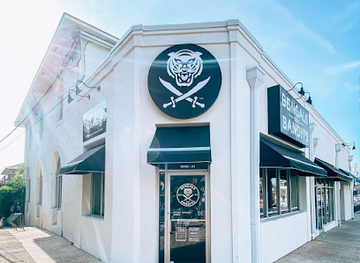
Bengals & Bandits (LSU Northgates)
Discover the vibrant spirit of LSU at Bengals & Bandits, your go-to boutique for apparel and gifts in Baton Rouge.
4 min walk · 0.4 km from neighbourhood centre
-
Sports memorabilia store
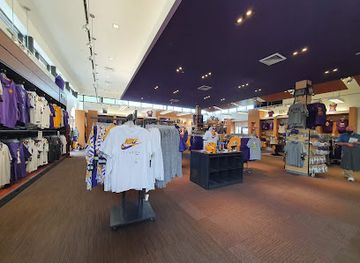
LSU SportShop
Explore LSU SportShop for the best in sports memorabilia and apparel, celebrating the vibrant culture of Louisiana State University.
9 min walk · 0.7 km from neighbourhood centre
-
Boutique
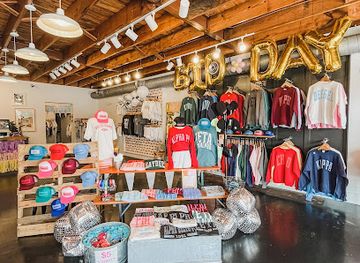
B-Unlimited : LSU
Explore B-Unlimited in Baton Rouge, the ultimate boutique for LSU apparel and accessories, celebrating school spirit with unique, stylish designs.
7 min drive · 2.3 km from neighbourhood centre
-
Gift shop
LSU Alumni Gift Shop
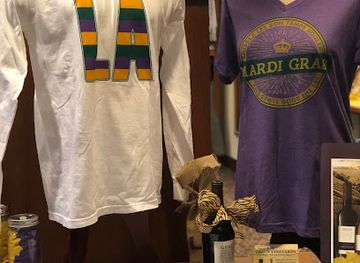
Explore the LSU Alumni Gift Shop for unique LSU merchandise and local artisan crafts that embody the spirit and pride of Louisiana State University.
10 min walk · 0.8 km from neighbourhood centre
LSU North essentials
Getting There
Getting Around
Safety
Emergency Situations
Do's and Don'ts
Local Tips

From Eve
Local phrases worth knowing
You don't need to get them perfect. A few words go a long way, and locals appreciate the effort.
Basics
| English | Local | Say it |
|---|---|---|
| Hello | Howdy | [haʊ-di] |
| Goodbye | See y'all later | [si y'all ley-ter] |
| Yes | Yeah | [yeh] |
| No | Nah | [nɑː] |
| Please/You're welcome | Please/No problem | [pliːz / no prɑː-blem] |
| Thank you | Thanks | [θæŋks] |
| Excuse me/Sorry | Excuse me/Sorry | [ɪkˈskjuz mi / ˈsɔri] |
| How are you? | How you doin'? | [haʊ juː ˈdɔɪn] |
| Fine. And you? | Fine. How 'bout you? | [faɪn. haʊ baʊt juː] |
| Do you speak English? | Ya speak English? | [jə spiːk ˈɪŋɡlɪʃ] |
| I don't understand | I ain't catchin' on | [aɪ eɪnt ˈkætʃɪn ɑn] |
Eating & Drinking
| English | Local | Say it |
|---|---|---|
| I'd like to see the menu, please | Lemme see the menu, please | [ˈlɛmi si ðə ˈmɛnju pliːz] |
| I don't eat meat | I don't eat no meat | [aɪ doʊnt it noʊ mit] |
| Cheers! | Cheers! | [ʧɪrz] |
| I would like to pay, please | I need to settle up, please | [aɪ nid tu ˈsɛtl ʌp pliːz] |
Emergencies
| English | Local | Say it |
|---|---|---|
| Help! | Help! | [hɛlp] |
| Go away! | Git! | [ɡɪt] |
| Call the Police! | Call the 5-O! | [kɔl ðə faɪv oʊ] |
| Call a doctor! | Get a doc! | [ɡɛt ə dɑk] |
| I'm lost | I done got turned around | [aɪ dʌn ɡɒt tɜrnd əˈraʊnd] |
| I'm ill | I'm feelin' bad | [aɪm ˈfiːlɪn bæd] |
Shopping
| English | Local | Say it |
|---|---|---|
| I'd like to buy... | I wanna get... | [aɪ ˈwɑnə ɡɛt] |
| I'm just looking | I'm just lookin' | [aɪm ˈdʒʌst ˈlʊkɪn] |
| How much is it? | How much that cost? | [haʊ mʌt ðæt kɔst] |
| That's too expensive | That's too high-priced | [ðæts tuː haɪ praɪst] |
| Can you lower the price? | Can you come down on the price? | [kæn juː kʌm daʊn ɒn ðə praɪs] |
Time & Numbers
| English | Local | Say it |
|---|---|---|
| What time is it? | What time you got? | [wɑt taɪm juː ɡɒt] |
| It's one o'clock | It's one | [ɪts wʌn] |
| Half past (10) | Half past ten | [hæf pæst tɛn] |
| Morning | Mornin' | [mɔrnɪn] |
| Afternoon | Afternoon | [ˌæftərˈnun] |
| Evening | Evenin' | [ˈivnɪn] |
| Yesterday | Yestiddy | [ˈjɛstɪdi] |
| Today | Today | [təˈdeɪ] |
| Tomorrow | Tomorra | [təˈmɔrə] |
| 1 | One | [wʌn] |
| 2 | Two | [tuː] |
| 3 | Three | [θriː] |
| 4 | Four | [fɔr] |
| 5 | Five | [faɪv] |
| 6 | Six | [sɪks] |
| 7 | Seven | [ˈsɛvən] |
| 8 | Eight | [eɪt] |
| 9 | Nine | [naɪn] |
| 10 | Ten | [tɛn] |
Transport & Directions
| English | Local | Say it |
|---|---|---|
| Where's a/the...? | Where's the... at? | [wɛrz ðə æt] |
| What's the address? | What's the addy? | [wɑts ðə ˈædi] |
| Can you show me (on the map)? | Can you point me out (on the map)? | [kæn juː pɔɪnt mi aʊt ɒn ðə mæp] |
| When's the next (bus)? | When's the next (bus) comin'? | [wɛnz ðə nɛkst ˈbʌs ˈkʌmɪn] |
| A ticket (to ....) | A tick (to ....) | [ə tɪk tə] |
History of LSU North
From Rural Edge to University Setting
The land around present-day LSU North was historically part of the broader rural and semi-rural landscape west and south of Baton Rouge rather than an independent historic town. Its later identity followed the development of Louisiana State University, whose campus moved from downtown Baton Rouge to its present location in 1926. That relocation redirected roads, housing and commercial activity towards the university grounds, creating the conditions for the campus-edge district now commonly described as LSU North. The area’s character therefore developed through its proximity to an institution rather than through a separate civic centre or incorporated municipality.
The Campus Takes Shape
During the early twentieth century, LSU expanded its new campus with academic buildings, residential facilities, roads and landscaped grounds. The North Gate became an important visual and ceremonial approach to the university, while the campus’s formal planning and architecture established a strong identity along its northern edge. Nearby streets gradually absorbed housing, services and food businesses connected to the growing student and staff population. This period made the area more urban and institutionally focused, linking LSU North to the university’s long-term expansion rather than to the commercial history of downtown Baton Rouge.
Football and the Modern LSU Identity
Tiger Stadium, which opened in 1924 before LSU’s campus relocation, helped establish the sporting culture that now influences the entire university district. As LSU football grew in regional and national importance, game days brought large crowds, temporary street activity and a strong seasonal rhythm to the roads around the campus, including approaches from the north. The stadium is technically within the university grounds rather than a separate LSU North landmark, but its traditions have shaped nearby businesses, traffic patterns and the public image of the neighbourhood for generations.
A Changing University Corridor
In recent decades, LSU North has remained a university-oriented area while Baton Rouge’s wider growth has altered its surroundings. Student housing, casual dining, transport demand and redevelopment have continued to influence the streets around the campus, alongside the established residential presence of nearby areas. The district’s contemporary identity is consequently layered: it serves as a daily route for students and workers, a hospitality zone on sporting weekends and a gateway to LSU’s cultural and academic facilities. Its changes reflect the continuing importance of the university within Baton Rouge rather than a wholesale replacement of a historic neighbourhood core.
LSU North in Photos
Browse through our photo collection highlighting the charm and character of the destination.
Neighbourhoods near LSU North
The closest neighbourhoods to LSU North, if you have time for more than one stop.
-

-

-


Swipe for more neighbourhoods
Explore more

Explore more of Baton Rouge
Baton Rouge blends Louisiana history, Cajun and Creole food, riverfront museums, live music and grand Capitol architecture for curious visitors.
Explore Baton Rouge