

Zona Centro (Tijuana) Travel Guide - Free
Explore Zona Centro in Tijuana with Evendo's free guide. Find the best shops, historic streets, restaurants, and gems on web or mobile.


Zona Centro Tijuana brings together Avenida Revolución, historic markets, Caesar’s restaurant, border culture, street art, nightlife and authentic city life.
Border-City Origins
Zona Centro is the urban core of Tijuana, a compact and intensely lived-in district between the international border and the newer commercial areas to the east. Its streets carry the overlapping marks of a frontier town, a cross-border meeting place and a working Mexican city: Spanish-language shop signs, long-established cantinas, pharmacies, taquerías, pedestrian passages and the constant movement of visitors arriving from San Diego. Avenida Revolución is the district’s best-known artery, but the surrounding blocks reveal a more varied character, from the cathedral and municipal buildings to traditional markets and modest residential streets.Read more about Zona Centro
Streets, Plazas and Cultural Memory
Food, Music and Everyday Life
Best attractions in Zona Centro
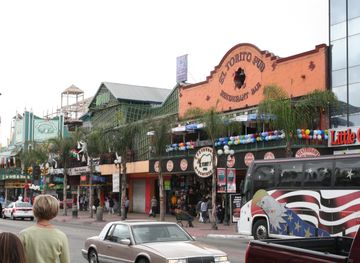
Zona Centro’s main sightseeing route follows Avenida Revolución from the Tijuana Arch towards Plaza Santa Cecilia and the former Jai Alai building, now El Foro Antiguo Palacio Jai Alai. Along the way, visitors encounter historic façades, souvenir shops, restaurants, public art and the layered street life that defines the central district. The Catedral de Nuestra Señora de Guadalupe provides a quieter cultural stop, while Mercado El Popo introduces the practical, sensory world of a traditional central market through stalls selling food, household goods, herbs and regional items. Side streets around Calle Segunda reveal smaller businesses, murals and older commercial buildings, and the central passages can be more revealing than the broad avenue itself. Attractions here are closely tied to movement, food, architecture and cross-border culture rather than enclosed museum collections, so a self-guided walk is the most natural way to connect them.
-
Tourist attraction
MULLME Museo de La Lucha Libre Mexicana
Explore the vibrant world of Lucha Libre at MULLME Museo de La Lucha Libre Mexicana in Tijuana, where history, culture, and excitement collide.
12 min walk · 0.9 km from neighbourhood centre
-
Tourist attraction
Señalamiento México 1
Experience the vibrant culture and rich heritage of Tijuana at Señalamiento México 1, a must-visit landmark in the heart of Avenida Revolución.
14 min walk · 1.2 km from neighbourhood centre


Best landmarks in Zona Centro
The Tijuana Arch at the northern end of Avenida Revolución is Zona Centro’s most recognisable visual marker and frames the district’s principal commercial promenade. Farther along the avenue, Caesar’s restaurant represents the neighbourhood’s twentieth-century hospitality history through its connection with the Caesar salad. The Antiguo Palacio Jai Alai, now El Foro, is significant for its large scale and for the role jai alai once played in Tijuana’s entertainment culture. The Catedral de Nuestra Señora de Guadalupe contributes a religious landmark amid commercial streets, while Mercado El Popo preserves the central-market tradition through its dense stalls and practical trade. Older façades, painted signs and surviving entertainment buildings are also part of the neighbourhood’s heritage, even where individual structures function primarily as shops, restaurants or offices today.
-
Park
Parque Teniente Guerrero
Explore the serene beauty and cultural richness of Parque Teniente Guerrero, a must-visit park in the heart of Tijuana that offers relaxation and history.
17 min walk · 1.3 km from neighbourhood centre
-
Museum
Tijuana Historic Archive
Discover Tijuana's vibrant history at the Historic Archive, a captivating museum showcasing the city's rich cultural heritage and evolution.
18 min walk · 1.5 km from neighbourhood centre


Explore Zona Centro on the map
A handpicked selection of must-see spots in Zona Centro, mapped for you.
Best hotels in Zona Centro
Best restaurants in Zona Centro
Eating in Zona Centro ranges from long-established restaurants on Avenida Revolución to taquerías, cafés, bakeries, market stalls and casual establishments on the surrounding streets. Caesar’s Restaurant is the district’s best-known culinary landmark, associated with the creation and international spread of the Caesar salad, while the wider central area offers opportunities to explore Tijuana’s border-influenced food culture through Mexican cooking, Baja seafood and contemporary interpretations of local ingredients. Mercado El Popo is more useful for seeing everyday food retail and traditional products than for expecting a polished food hall, and small businesses change over time. Visitors will find the greatest concentration of recognisable dining along and just off Avenida Revolución, but quieter streets contain more modest local options. Menus, service styles and payment methods vary, so checking details before ordering is sensible.
-
Mexican
Restaurant Ricardo's Centro
Experience authentic Mexican flavors at Restaurant Ricardo's Centro in Tijuana – perfect for breakfast, brunch, or lunch with friends!
12 min walk · 1.0 km from neighbourhood centre
-
Italian
Vittorio's Italian Restaurant
Discover authentic Italian cuisine at Vittorio's Restaurant in Tijuana - where flavor meets tradition in every bite.
8 min walk · 0.7 km from neighbourhood centre
-
Restaurant
Downtown Food Court
Discover a diverse array of flavors at Downtown Food Court in Tijuana—where local delicacies meet international cuisine in a vibrant atmosphere.
18 min walk · 1.5 km from neighbourhood centre
-
Mexican
La Casa de La Tlayuda
Experience authentic Oaxacan cuisine at La Casa de La Tlayuda in Downtown Tijuana—where every dish tells a story.
14 min walk · 1.2 km from neighbourhood centre


Best bars in Zona Centro
After dark, Zona Centro concentrates much of its evening activity along Avenida Revolución and the streets around Plaza Santa Cecilia. The scene includes cantinas, casual bars, music venues and late-night establishments serving visitors alongside local customers, with mariachi and other live entertainment appearing in parts of the central nightlife area. El Foro Antiguo Palacio Jai Alai adds a cultural and performance dimension when its programme includes concerts or other events. The atmosphere is not uniform: some blocks are devoted to restaurants and bars, while others quieten once shops and offices close. Busy nightlife requires the usual care with belongings, drinks and transport, and visitors should confirm current event details rather than assuming a venue operates on a fixed schedule.
-
Bar
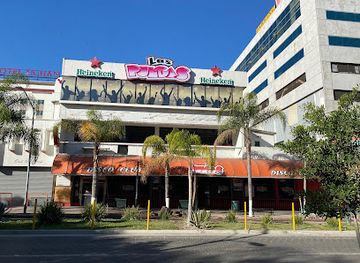
Las Pulgas
Experience the vibrant nightlife of Tijuana at Las Pulgas, where bar meets disco in an unforgettable atmosphere filled with music, dancing, and delicious food.
11 min walk · 0.8 km from neighbourhood centre
-
Bar
El Copeo
Experience the vibrant nightlife at El Copeo, Tijuana's premier bar and disco offering a lively atmosphere and delicious drinks.
13 min walk · 1.0 km from neighbourhood centre
-
Piano bar
Chip's
Experience the vibrant nightlife of Tijuana at Chip's, a lively piano bar offering live music and creative cocktails in a welcoming atmosphere.
14 min walk · 1.1 km from neighbourhood centre
-
Restaurant
Drinks Tijuana
Experience the vibrant culinary scene at Drinks Tijuana - a must-visit restaurant in Downtown Tijuana for delicious drinks and authentic local cuisine.
13 min walk · 1.0 km from neighbourhood centre


Best nightclubs in Zona Centro
After dark, Zona Centro concentrates much of its evening activity along Avenida Revolución and the streets around Plaza Santa Cecilia. The scene includes cantinas, casual bars, music venues and late-night establishments serving visitors alongside local customers, with mariachi and other live entertainment appearing in parts of the central nightlife area. El Foro Antiguo Palacio Jai Alai adds a cultural and performance dimension when its programme includes concerts or other events. The atmosphere is not uniform: some blocks are devoted to restaurants and bars, while others quieten once shops and offices close. Busy nightlife requires the usual care with belongings, drinks and transport, and visitors should confirm current event details rather than assuming a venue operates on a fixed schedule.
-
Bar
Las Pulgas
Experience the electrifying nightlife at Las Pulgas, Tijuana's premier bar and disco club, where vibrant music and delicious food come together.
11 min walk · 0.8 km from neighbourhood centre
-
Night club
Sticky Social Savage Club
Dive into Tijuana's nightlife at Sticky Social Savage Club, where music, dancing, and unforgettable memories await you in the heart of the city.
16 min walk · 1.3 km from neighbourhood centre
-
Girl bar
Amnesia Tijuana
Discover the electrifying nightlife at Amnesia Tijuana, a premier girl bar in downtown offering lively performances and an unforgettable atmosphere.
8 min walk · 0.7 km from neighbourhood centre
-
Night club
Rumors by Deck 22
Discover the electrifying nightlife at Rumors by Deck 22, Tijuana's ultimate destination for dancing, drinks, and unforgettable late-night fun.
14 min walk · 1.1 km from neighbourhood centre


Best shops in Zona Centro
Shopping in Zona Centro combines tourist-oriented Avenida Revolución with the more practical retail streets around Calle Segunda and Mercado El Popo. The market is known for stalls carrying food products, herbs, household goods, religious items and other everyday merchandise, while nearby shops sell crafts, leather goods, textiles, souvenirs and Mexican gift items. Independent pharmacies, clothing stores, small cafés and specialist businesses add to the district’s working-commercial character. Avenida Revolución is the easiest place to browse in English and to compare visitor-focused merchandise, but the side streets provide a less polished view of central retail life. Stock, prices and opening patterns vary between businesses, so visitors should inspect goods carefully, clarify prices in pesos and ask before photographing stalls or handling products.
-
Souvenir store
I Love 664 Tijuana
Explore I Love 664 Tijuana, your go-to destination for unique souvenirs and stylish clothing that embody the culture of Tijuana.
16 min walk · 1.2 km from neighbourhood centre
-
Business management consultant
MEXICO CURIOS
Explore authentic Mexican crafts and souvenirs at Mexico Curios, a vibrant shop in Downtown Tijuana.
17 min walk · 1.3 km from neighbourhood centre
-
Leather goods store
Shop 12
Discover exquisite handcrafted leather goods in the heart of Tijuana, where tradition meets style.
14 min walk · 1.1 km from neighbourhood centre
-
Clothing store
Doratto
Explore the vibrant fashion scene at Doratto in Downtown Tijuana, where trendy clothing meets local flair for an unforgettable shopping experience.
12 min walk · 1.0 km from neighbourhood centre


Zona Centro essentials
Getting There
Getting Around
Safety
Emergency Situations
Do's and Don'ts
Local Tips

From Eve
Local phrases worth knowing
You don't need to get them perfect. A few words go a long way, and locals appreciate the effort.
Basics
| English | Local | Say it |
|---|---|---|
| Hello | Hola | [oh-lah] |
| Goodbye | Adiós | [ah-dee-ohs] |
| Yes | Sí | [see] |
| No | No | [noh] |
| Please/You're welcome | Por favor/De nada | [por fah-vor/de nah-dah] |
| Thank you | Gracias | [grah-see-ahs] |
| Excuse me/Sorry | Perdón/Lo siento | [pair-dohn/loh see-en-toh] |
| How are you? | ¿Cómo estás? | [koh-moh es-tahs] |
| Fine. And you? | Bien. ¿Y tú? | [byen. ee too] |
| Do you speak English? | ¿Hablas inglés? | [ah-blahs een-glays] |
| I don't understand | No entiendo | [noh en-tee-en-doh] |
Eating & Drinking
| English | Local | Say it |
|---|---|---|
| I'd like to see the menu, please | Me gustaría ver el menú, por favor | [may goo-stah-ree-ah ver el meh-noo, pour fah-vor] |
| I don't eat meat | No como carne | [noh koh-moh kahr-neh] |
| Cheers! | ¡Salud! | [sah-lood] |
| I would like to pay, please | Me gustaría pagar, por favor | [may goo-stah-ree-ah pah-gar, pour fah-vor] |
Emergencies
| English | Local | Say it |
|---|---|---|
| Help! | ¡Ayuda! | [ah-yoo-dah] |
| Go away! | ¡Vete! | [veh-teh] |
| Call the Police! | ¡Llama a la policía! | [yah-mah ah lah poh-lee-see-ah] |
| Call a doctor! | ¡Llama a un doctor! | [yah-mah ah oon dohk-tohr] |
| I'm lost | Estoy perdido | [es-toy pair-dee-doh] |
| I'm ill | Estoy enfermo | [es-toy ehn-fehr-moh] |
Shopping
| English | Local | Say it |
|---|---|---|
| I'd like to buy... | Me gustaría comprar... | [may goo-stah-ree-ah kohm-prar] |
| I'm just looking | Sólo estoy mirando | [soh-loh es-toy mee-rahn-doh] |
| How much is it? | ¿Cuánto cuesta? | [kwan-toh kwehs-tah] |
| That's too expensive | Esto es demasiado caro | [es-toh es deh-mah-see-ah-doh kah-roh] |
| Can you lower the price? | ¿Puedes bajar el precio? | [pweh-dehs bah-har el preh-see-oh] |
Time & Numbers
| English | Local | Say it |
|---|---|---|
| What time is it? | ¿Qué hora es? | [keh oh-rah es] |
| It's one o'clock | Es la una | [es lah oo-nah] |
| Half past (10) | Media (10) | [meh-dee-ah (deez-eez)] |
| Morning | Mañana | [mah-nyah-nah] |
| Afternoon | Tarde | [tahr-deh] |
| Evening | Noche | [noh-cheh] |
| Yesterday | Ayer | [ah-yehr] |
| Today | Hoy | [oy] |
| Tomorrow | Mañana | [mah-nyah-nah] |
| 1 | Uno | [oo-noh] |
| 2 | Dos | [dohs] |
| 3 | Tres | [trehs] |
| 4 | Cuatro | [kwa-troh] |
| 5 | Cinco | [seen-koh] |
| 6 | Seis | [says] |
| 7 | Siete | [syeh-teh] |
| 8 | Ocho | [oh-choh] |
| 9 | Nueve | [nweh-veh] |
| 10 | Diez | [dyehs] |
Transport & Directions
| English | Local | Say it |
|---|---|---|
| Where's a/the...? | ¿Dónde está el/la...? | [dohn-deh es-tah el/lah] |
| What's the address? | ¿Cuál es la dirección? | [kwal es lah dee-rek-syon] |
| Can you show me (on the map)? | ¿Puedes mostrarme (en el mapa)? | [pweh-dehs mohs-trar-meh (en el mah-pah)] |
| When's the next (bus)? | ¿Cuándo pasa el siguiente (autobús)? | [kwan-doh pah-sah el see-gwee-en-teh (ow-toh-boos)] |
| A ticket (to ....) | Un boleto (a ....) | [oon boh-leh-toh (ah)] |
History of Zona Centro
A Ranching Settlement Becomes a Border Town
The land around present-day Tijuana was part of the Kumeyaay cultural region before Spanish colonisation and the later development of ranches in the Tijuana River area. The settlement grew in importance after the international boundary was established in the nineteenth century, when Tijuana became Mexico’s northern gateway opposite San Diego. The town’s central area developed around roads, commerce and public services rather than a large colonial plaza, reflecting its relatively recent foundation and frontier role. Cross-border movement, trade and visitors from California would remain central to the neighbourhood’s identity.
Prohibition and the Rise of Tourism
During the United States Prohibition era from 1920 to 1933, Tijuana attracted visitors seeking alcohol, entertainment and gambling unavailable north of the border. Zona Centro’s hotels, restaurants, bars and performance venues expanded to serve this market, and Avenida Revolución became the city’s principal tourism corridor. The period also encouraged a durable association between the central district and nightlife, although the neighbourhood continued to house shops, public institutions and ordinary local businesses. Caesar’s restaurant, established on Avenida Revolución in the 1920s, belongs to this era of cross-border dining and hospitality.
Jai Alai and an Entertainment District
The opening of the Tijuana Jai Alai Palace in 1947 gave the central district a substantial sports and entertainment venue. Basque pelota, known locally as jai alai, connected Tijuana to a wider transnational sporting culture and helped attract spectators from both sides of the border. The building later became a venue for concerts and cultural events, now known as El Foro Antiguo Palacio Jai Alai. Its changing use mirrors Zona Centro’s broader transformation, from a tourism economy centred on casinos and sporting spectacles to a mixed district of restaurants, nightlife, retail and cultural programming.
A Changing Central District
Late twentieth-century Tijuana brought rapid metropolitan growth, and newer commercial areas such as Zona Río drew some offices, hotels and investment away from the historic core. Zona Centro nevertheless remained the city’s principal pedestrian and visitor district, anchored by Avenida Revolución, its markets, religious buildings and entertainment venues. More recent efforts by artists, independent businesses and cultural organisers have added galleries, murals, cafés and renovated passages to the older commercial fabric. The result is a district where tourism, local commerce, nightlife and long-standing public institutions continue to occupy the same dense central streets.
Zona Centro in Photos
Browse through our photo collection highlighting the charm and character of the destination.
Neighbourhoods near Zona Centro
The closest neighbourhoods to Zona Centro, if you have time for more than one stop.

Swipe for more neighbourhoods
Explore more
Explore more of Tijuana
Tijuana, Mexico, pairs Pacific-border energy with Baja cuisine, contemporary art, lively markets, historic avenues and distinctive cultural experiences.
Explore Tijuana