
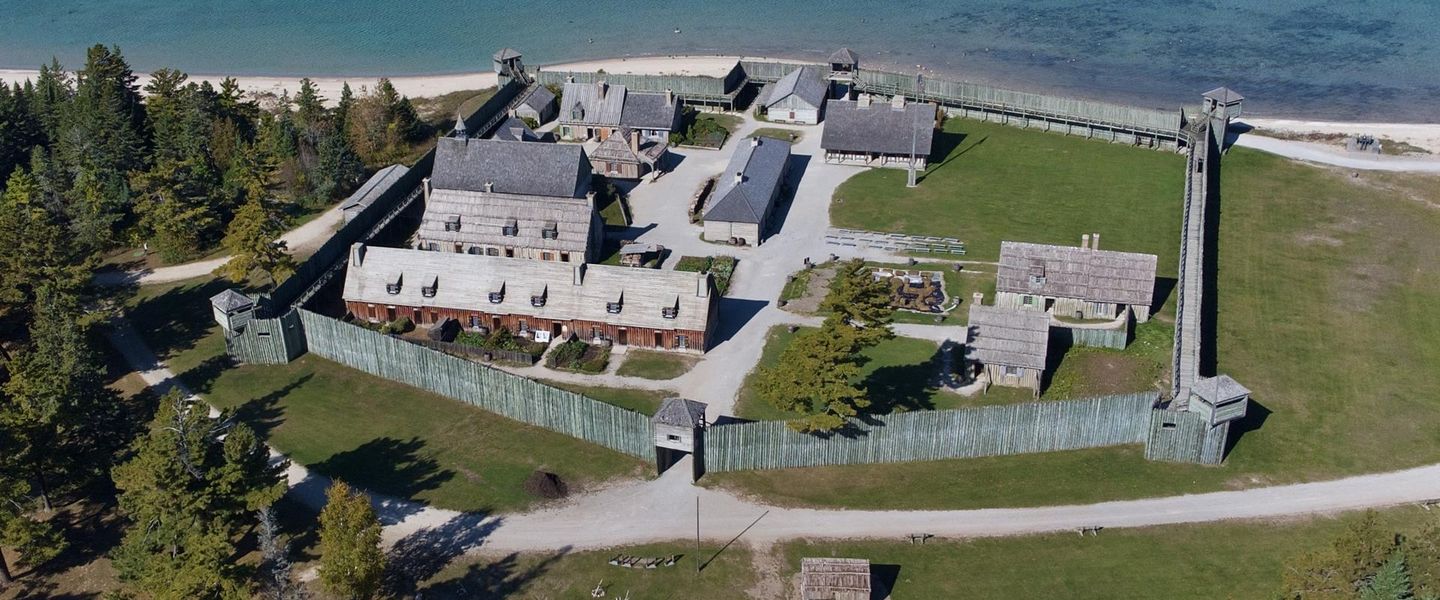
Upper Peninsula, Michigan Travel Guide
Discover the Upper Peninsula of Michigan: A paradise for nature lovers with stunning lakeshores, dense forests, historic sites, and a plethora of outdoor activities.
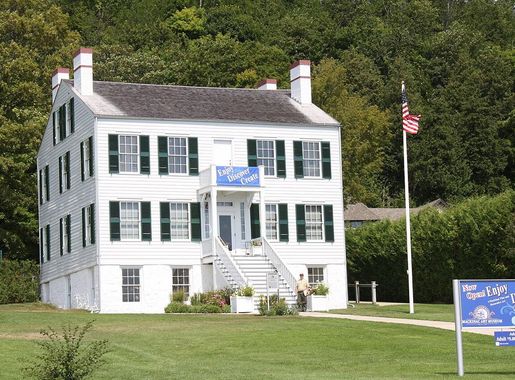
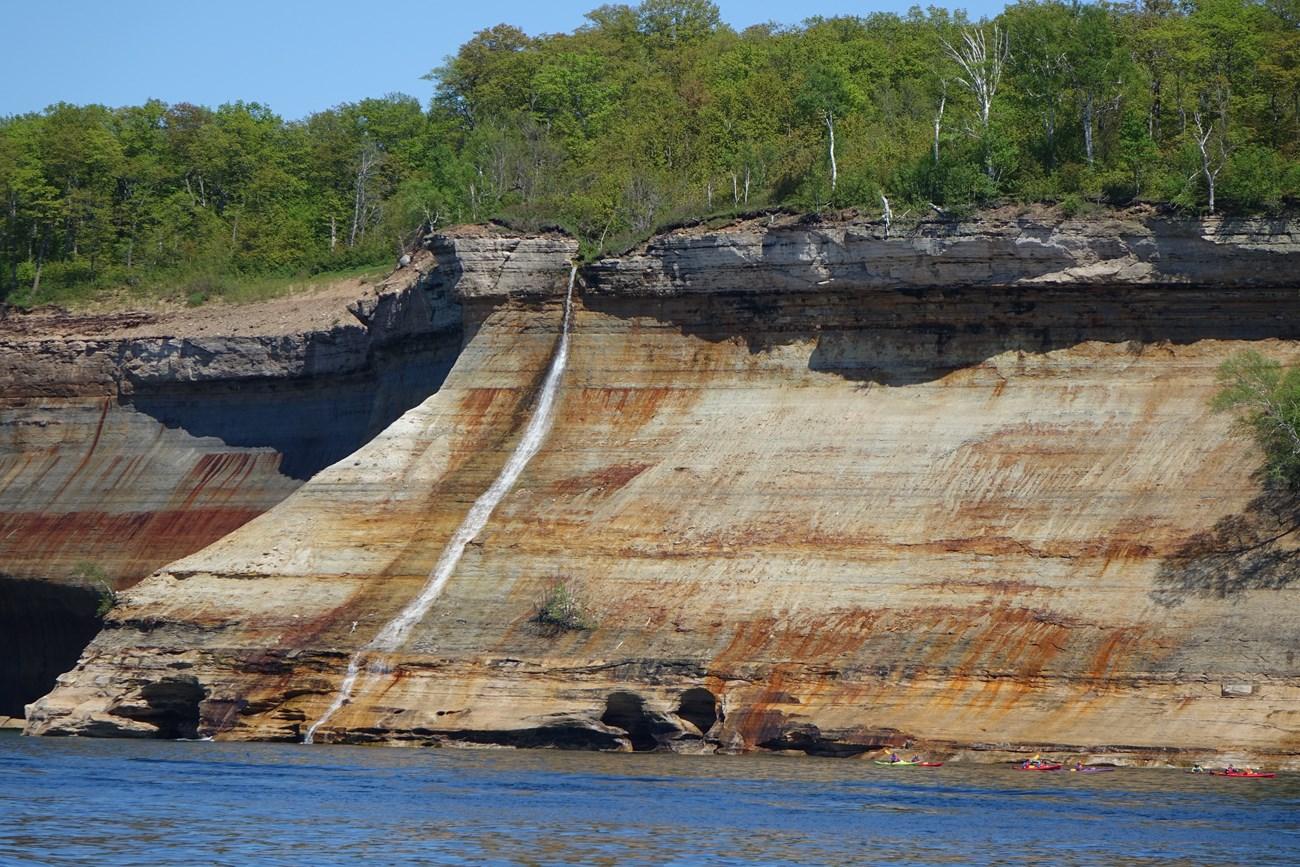
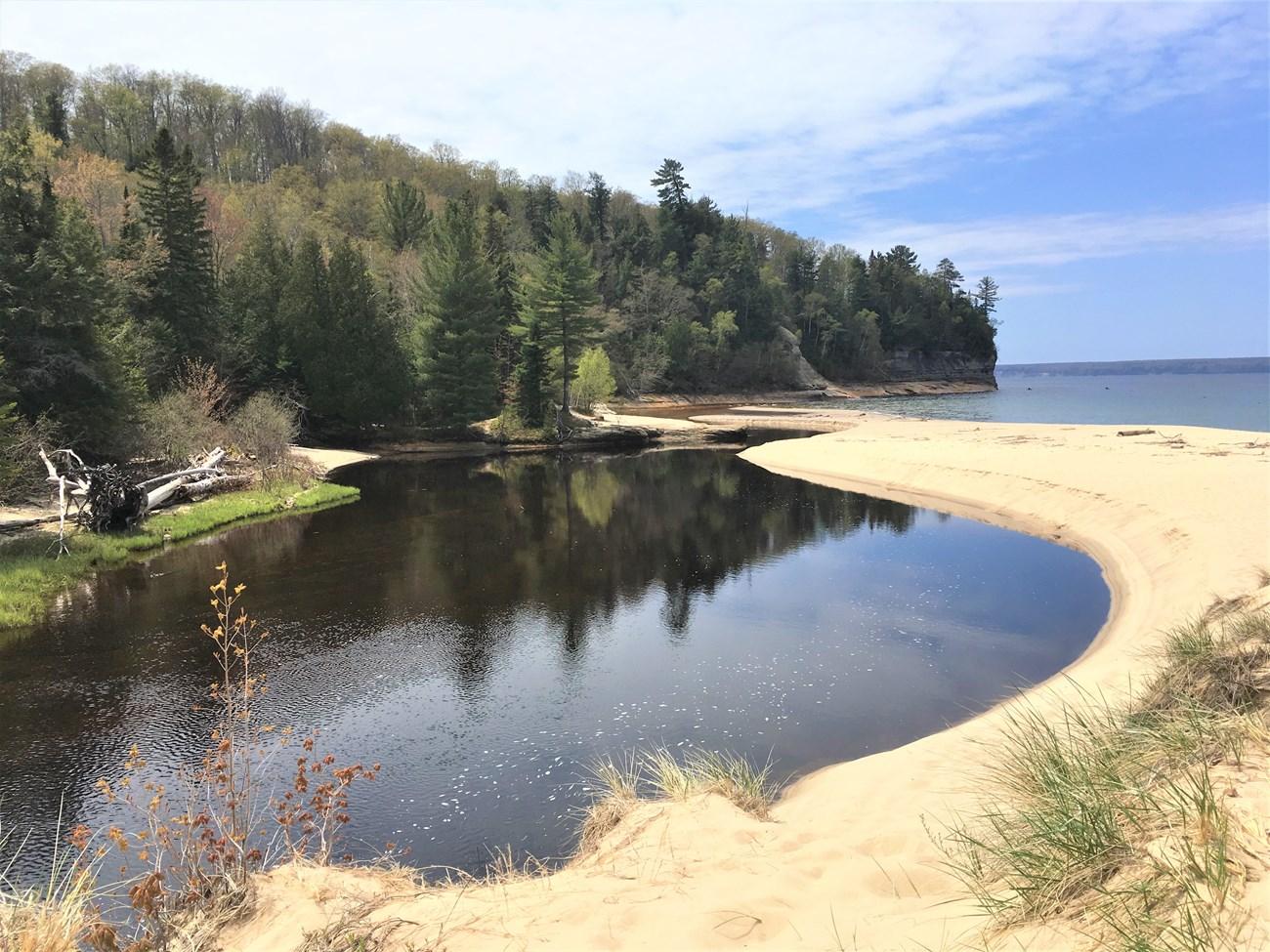
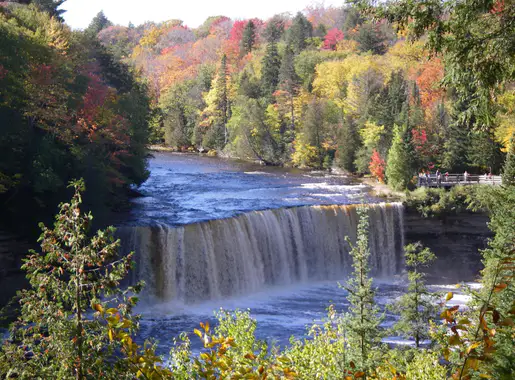
Welcome to Michigan's Upper Peninsula, a haven for nature lovers and outdoor enthusiasts. This remote region is known for its rugged landscapes, dense forests, and stunning shorelines along Lake Superior, Lake Michigan, and Lake Huron. Whether you're seeking adventure or tranquility, the Upper Peninsula offers a diverse range of activities and sights that cater to all interests. Explore the Pictured Rocks National Lakeshore, where towering sandstone cliffs and vibrant mineral streaks create a painter's palette of colors. Kayak along the shoreline, hike scenic trails, or take a boat tour to fully appreciate this natural wonder. Further inland, the Porcupine Mountains Wilderness State Park offers miles of hiking trails, breathtaking waterfalls, and panoramic views from the Lake of the Clouds. For history buffs, a visit to Fort Mackinac on Mackinac Island is a must. This historic military outpost provides a glimpse into the past, complete with reenactments and interactive exhibits. The island itself, free of motor vehicles, invites visitors to explore by bike or horse-drawn carriage, adding a unique charm to the experience. Don't miss the opportunity to sample the island's famous fudge. In the winter, the Upper Peninsula transforms into a snowy wonderland. Skiing, snowboarding, and snowmobiling are popular activities, with several well-maintained trails and resorts catering to winter sports enthusiasts. The region's natural beauty is equally captivating under a blanket of snow, offering a peaceful retreat from the hustle and bustle of everyday life.

Know before you go
Hi, I'm Eve. Here are a few practical things to know before exploring Upper Peninsula.
- Visit in the fall to witness the vibrant foliage. The colors are especially spectacular in late September and early October.
- Pack layers, as weather can be unpredictable. Even in the summer, temperatures can vary greatly between day and night.
- Don't forget your bug spray, especially if you plan to hike or camp. Mosquitoes and black flies can be quite bothersome.
- For a unique experience, try the local pasty, a traditional Cornish meat pie brought over by miners.
- Book accommodations well in advance during peak seasons, as popular spots can fill up quickly.
Top City Travel Guides in Upper Peninsula
The cities of Upper Peninsula, and the easiest places to base yourself.

Destinations in Upper Peninsula
Resorts, valleys and scenic spots worth a trip of their own.


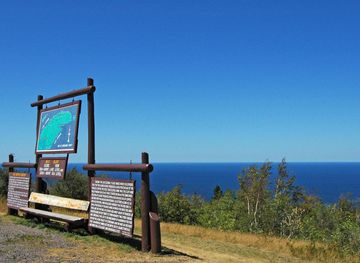
Explore Upper Peninsula: Things to Do, Places to Eat, Hotels & More
Handpicked recommendations for top attractions, local dining, accommodations, and more

Top Attractions & Sightseeing in Upper Peninsula
Top-rated picks
Best Attractions

Tahquamenon Falls State Park
Explore the stunning Tahquamenon Falls State Park in Michigan, home to majestic waterfalls and scenic trails for every adventurer.

Pictured Rocks Cruises, LLC.
Explore the stunning Pictured Rocks National Lakeshore with Pictured Rocks Cruises, where vibrant cliffs meet the pristine waters of Lake Superior.

Kitch-iti-kipi
Discover the enchanting Kitch-iti-kipi, Michigan's largest spring, where nature's beauty meets tranquility in a breathtaking setting.

Presque Isle Park
Discover the serene beauty and outdoor adventures at Presque Isle Park, a stunning natural retreat on the shores of Lake Superior.

Best landmarks in Upper Peninsula
Top-rated picks
Best Landmarks

Pictured Rocks Cruises, LLC.
Explore the breathtaking cliffs and vibrant blue waters of Pictured Rocks National Lakeshore with Pictured Rocks Cruises in Munising, Michigan.

Presque Isle Park
Experience the breathtaking landscapes and thrilling outdoor activities at Presque Isle Park, a natural wonder in Marquette, Michigan.

Black Rocks
Explore the breathtaking Black Rocks in Marquette, Michigan, a stunning scenic spot perfect for adventure and relaxation by Lake Superior.

Falling Rock Cafe & Bookstore
Discover the perfect blend of coffee, books, and community at Falling Rock Cafe & Bookstore in picturesque Munising, Michigan.

Best restaurants in Upper Peninsula
Top-rated picks
Best Restaurants

Clyde's Drive-In
Discover Clyde's Drive-In in St. Ignace: A classic burger joint serving up delicious meals with a nostalgic drive-in experience.

Tahquamenon Falls Brewery & Pub
Discover craft brews and hearty meals at Tahquamenon Falls Brewery & Pub amidst Michigan's stunning landscapes.

Foggy's Steakhouse & Lounge
Experience the best steaks in Christmas, MI at Foggy's Steakhouse & Lounge - where flavor meets comfort.

The Dogpatch Restaurant
Experience the best of American comfort food at The Dogpatch Restaurant in Munising—where great taste meets local charm.

Best bars in Upper Peninsula
Top-rated picks
Best Bars

Pink Pony
Discover Pink Pony on Mackinac Island - a vibrant grill and bar offering delicious food, unique drinks, and breathtaking views in a lively atmosphere.

Keyhole Bar & Grill
Discover the vibrant flavors of Mackinaw City at Keyhole Bar & Grill, where delicious dishes and a lively atmosphere await you.
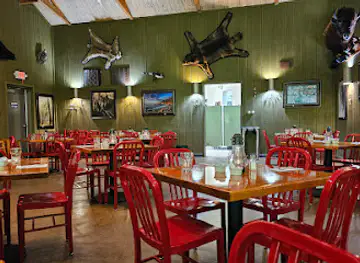
Tahquamenon Falls Brewery & Pub
Discover the perfect blend of craft beer and local cuisine at Tahquamenon Falls Brewery & Pub in scenic Paradise, Michigan.
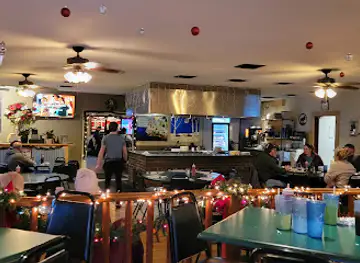
Foggy's Steakhouse & Lounge
Discover the culinary delight of Foggy's Steakhouse & Lounge, where expertly crafted steaks and European dishes meet a vibrant bar atmosphere in Christmas, MI.

Best shops in Upper Peninsula
Top-rated picks
Best Shops

Pictured Rocks Cruises, LLC.
Discover the breathtaking beauty of Pictured Rocks National Lakeshore with an unforgettable cruise experience.

Great Lakes Shipwreck Museum
Uncover the maritime mysteries of the Great Lakes at the Great Lakes Shipwreck Museum in Paradise, Michigan, where history comes alive.

Falling Rock Cafe & Bookstore
Discover the perfect blend of coffee, books, and live music at Falling Rock Cafe & Bookstore in Munising, Michigan.

Da Yoopers Tourist Trap
Explore the whimsical world of Da Yoopers Tourist Trap, a unique gift shop and attraction showcasing the quirky charm of Michigan's Upper Peninsula.

Explore Upper Peninsula on the Map
A handpicked selection of must-see spots in Upper Peninsula, mapped for you.
Upper Peninsula Essentials
-
The Upper Peninsula (UP) of Michigan can be accessed by car, plane, or bus. Major highways such as US-2, US-41, and M-28 connect the UP to the rest of Michigan and neighboring states. The nearest major airports are Sawyer International Airport in Marquette and Delta County Airport in Escanaba. Regional airlines offer flights from Detroit, Chicago, and Minneapolis. There are also bus services like Indian Trails that provide routes to various parts of the UP.
-
Transportation within the Upper Peninsula is primarily by car, as public transportation options are limited. Renting a car is highly recommended for flexibility and convenience. There are also local taxi services and limited bus routes in cities like Marquette and Houghton. Biking is a popular option in the summer months, and snowmobiles are commonly used in the winter.
-
The official currency is the US Dollar (USD). Credit and debit cards are widely accepted throughout the UP, including in most hotels, restaurants, and shops. However, it is advisable to carry some cash, especially when visiting remote areas or smaller establishments. ATMs are available in major towns and cities.
-
The Upper Peninsula is generally very safe for tourists. However, standard safety precautions should be taken. Petty crime is rare but can occur, especially in tourist-heavy areas. It is advisable to lock your car and keep valuables out of sight. Avoid isolated areas at night and be cautious when hiking or exploring remote locations.
-
In case of emergency, dial 911 for immediate assistance. The UP has a network of hospitals and urgent care facilities, with major hospitals located in Marquette, Escanaba, and Houghton. It is recommended to have travel insurance that covers medical emergencies. For minor health issues, pharmacies are available in most towns.
-
Fashion: Do dress in layers, as weather can be unpredictable. Don't wear heavy perfumes or colognes if you plan to hike, as they can attract insects. Religion: Do respect local customs and traditions, although the UP is generally not very religiously conservative. Public Transport: Do be punctual if using bus services, as they run on strict schedules. Don't rely on public transport for remote areas. Greetings: Do greet people with a friendly 'hello' or a handshake. Yooper culture values friendliness. Eating & Drinking: Do try local delicacies like pasties and fresh fish. Don't refuse hospitality, as it is considered impolite.
-
To experience the UP like a local, visit local diners and cafes where you can enjoy regional specialties. Engage with locals, who are known for their friendliness and willingness to share stories about the area. Don't miss exploring the natural beauty of places like Pictured Rocks National Lakeshore, Isle Royale National Park, and the Porcupine Mountains. For a unique experience, attend local festivals and events such as the UP State Fair or the Heikki Lunta Winter Festival.
When is the best time to visit Upper Peninsula?
Useful Local Phrases for Upper Peninsula
You don't need to speak the language perfectly. Even learning a few simple words can make conversations warmer—and locals usually appreciate the effort.
— Eve

Here are the phrases I use most often in Upper Peninsula. Try a few—you'll be surprised how far they go! 😊
❤️
-
- HelloHowdy
[Hau-dee] - GoodbyeTake care
[Tayk kair] - YesYup
[Yup] - NoNope
[Nope] - Please/You're welcomePlease/You bet
[Pleez/You bet] - Thank youThanks a lot
[Thangs a lot] - Excuse me/SorryPardon me/Sorry
[Pardon mee/Sorry] - How are you?How ya doin'?
[How ya doin'?] - Fine. And you?Good. And you?
[Good. And you?] - Do you speak English?Can ya speak English?
[Can ya speak English?] - I don't understandI ain't gettin' it
[I ain't gettin' it]
- HelloHowdy
-
- I'd like to see the menu, pleaseCan I see the menu, please?
[Can I see the menu, pleez?] - I don't eat meatI don't eat meat
[I don't eat meat] - Cheers!Cheers!
[Cheers!] - I would like to pay, pleaseI'd like to settle up, please
[I'd like to settle up, pleez]
- I'd like to see the menu, pleaseCan I see the menu, please?
-
- Help!Help!
[Help!] - Go away!Get lost!
[Get lost!] - Call the Police!Call the cops!
[Call the cops!] - Call a doctor!Get a doctor!
[Get a doctor!] - I'm lostI'm turned around
[I'm turned around] - I'm illI'm feelin' sick
[I'm feelin' sick]
- Help!Help!
-
- I'd like to buy...I wanna buy...
[I wanna buy...] - I'm just lookingJust browsin'
[Just browsin'] - How much is it?What’s the price?
[What’s the price?] - That's too expensiveThat's a bit pricey
[That's a bit pricey] - Can you lower the price?Can ya bring the price down?
[Can ya bring the price down?]
- I'd like to buy...I wanna buy...
-
- What time is it?What time ya got?
[What time ya got?] - It's one o'clockIt's one o'clock
[It's one o'clock] - Half past (10)Half past ten
[Half past ten] - MorningMornin'
[Mornin'] - AfternoonAfternoon
[Afternoon] - EveningEvenin'
[Evenin'] - YesterdayYesterday
[Yesterday] - TodayToday
[Today] - TomorrowTomorrow
[Tomorrow] - 1One
[One] - 2Two
[Two] - 3Three
[Three] - 4Four
[Four] - 5Five
[Five] - 6Six
[Six] - 7Seven
[Seven] - 8Eight
[Eight] - 9Nine
[Nine] - 10Ten
[Ten]
- What time is it?What time ya got?
-
- Where's a/the...?Where's a...?
[Where's a...?] - What's the address?What's the address?
[What's the address?] - Can you show me (on the map)?Can ya show me on the map?
[Can ya show me on the map?] - When's the next (bus)?When's the next bus?
[When's the next bus?] - A ticket (to ....)A ticket to...
[A ticket to...]
- Where's a/the...?Where's a...?
History of Upper Peninsula
-
Long before European settlers arrived, the Upper Peninsula was inhabited by Native American tribes, including the Ojibwa (Chippewa), Ottawa, and Potawatomi. These tribes lived off the land, fishing, hunting, and gathering, and they left a rich cultural heritage that can still be seen in the region today. The Ojibwa, in particular, had a strong presence and referred to the area as 'Gitchi Gami,' which means 'Great Sea.' Their influence is evident in the many place names and traditions that persist.
-
In the 17th century, French explorers such as Étienne Brûlé and Jean Nicolet were among the first Europeans to set foot in the Upper Peninsula. They were followed by missionaries like Jacques Marquette, who established missions to convert the indigenous populations to Christianity. These early encounters laid the groundwork for the fur trade, which became a significant economic activity in the region.
-
The Upper Peninsula became a crucial hub for the fur trade in the 17th and 18th centuries, with French and later British traders establishing trading posts throughout the area. The fur trade, driven by the demand for beaver pelts in Europe, led to the establishment of relations between European settlers and Native American tribes. The area around Sault Ste. Marie became particularly important as a trading center.
-
In the mid-19th century, the discovery of copper deposits in the Keweenaw Peninsula led to a mining boom that transformed the Upper Peninsula. The region became one of the world's leading producers of copper, attracting a diverse workforce of immigrants from around the globe. Towns like Calumet and Houghton grew rapidly, and the mining industry left a lasting legacy on the local culture and economy.
-
Following the copper boom, the discovery of rich iron ore deposits in the Marquette Range in the 1840s led to another wave of industrial growth. The iron ore industry played a pivotal role in the development of the Upper Peninsula, with towns like Marquette and Iron Mountain emerging as key mining centers. The ore extracted from the region was crucial for the industrialization of the United States, particularly during the Civil War and the subsequent industrial expansion.
-
In addition to mining, the lumber industry became a significant economic driver in the Upper Peninsula during the late 19th and early 20th centuries. The vast forests of white pine and other valuable timber attracted logging operations, and towns like Escanaba and Menominee became major hubs for the lumber trade. The industry not only provided materials for construction but also contributed to the growth of railroads and shipping in the region.
-
In the early 20th century, the natural beauty of the Upper Peninsula began to attract attention for conservation and recreation. The establishment of state parks, such as Porcupine Mountains Wilderness State Park and Tahquamenon Falls State Park, helped preserve the region's unique landscapes and provided outdoor recreational opportunities. These parks continue to be popular destinations for visitors seeking to experience the area's natural splendor.
-
During World War II, the Soo Locks at Sault Ste. Marie became a critical component of the war effort, facilitating the transport of iron ore and other materials essential for military production. The locks, which connect Lake Superior to the lower Great Lakes, were heavily guarded and even targeted for sabotage. Their strategic importance underscored the Upper Peninsula's contribution to the war effort.
-
After World War II, the Upper Peninsula experienced significant economic changes as the mining and lumber industries began to decline. Many communities faced economic challenges, prompting efforts to diversify the local economy. Tourism emerged as a key industry, capitalizing on the region's natural beauty, outdoor activities, and historical sites. This shift has helped sustain the Upper Peninsula's economy and preserve its cultural heritage.
Neighbouring Regions of Upper Peninsula
The closest regions to Upper Peninsula, if you have time for more than one.


Your all‑in‑one travel companion app
Explore expert travel guides, compare and book tours, experiences, hotels, and more—all from the palm of your hand. Download now for seamless trip planning wherever your wanderlust takes you.


Explore More of Michigan

Looking beyond Upper Peninsula? Discover Michigan for broader travel guides, local hot-spots, and regional highlights.
Explore MichiganUpper Peninsula in Photos
Browse through our photo collection highlighting the charm and character of the destination.






Wilderness Wonders of Michigan's Upper Peninsula
Welcome to Michigan's Upper Peninsula, a haven for nature lovers and outdoor enthusiasts. This remote region is known for its rugged landscapes, dense forests, and stunning shorelines along Lake Superior, Lake Michigan, and Lake Huron. Whether you're seeking adventure or tranquility, the Upper Peninsula offers a diverse range of activities and sights that cater to all interests. Explore the Pictured Rocks National Lakeshore, where towering sandstone cliffs and vibrant mineral streaks create a painter's palette of colors. Kayak along the shoreline, hike scenic trails, or take a boat tour to fully appreciate this natural wonder. Further inland, the Porcupine Mountains Wilderness State Park offers miles of hiking trails, breathtaking waterfalls, and panoramic views from the Lake of the Clouds. For history buffs, a visit to Fort Mackinac on Mackinac Island is a must. This historic military outpost provides a glimpse into the past, complete with reenactments and interactive exhibits. The island itself, free of motor vehicles, invites visitors to explore by bike or horse-drawn carriage, adding a unique charm to the experience. Don't miss the opportunity to sample the island's famous fudge. In the winter, the Upper Peninsula transforms into a snowy wonderland. Skiing, snowboarding, and snowmobiling are popular activities, with several well-maintained trails and resorts catering to winter sports enthusiasts. The region's natural beauty is equally captivating under a blanket of snow, offering a peaceful retreat from the hustle and bustle of everyday life.