

Pictured Rocks National Lakeshore Travel Guide - Free Web & App
Your ultimate guide to Pictured Rocks National Lakeshore. Discover top landmarks, proposed trips, and local tips. Free on the web or via the Evendo companion app.


Pictured Rocks National Lakeshore in Michigan pairs Lake Superior cliffs, waterfalls, beaches and forest trails with kayaking, camping and rich maritime history.
A Sculpted Lake Superior Coast
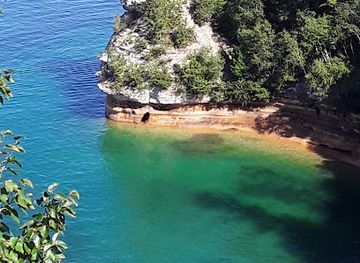
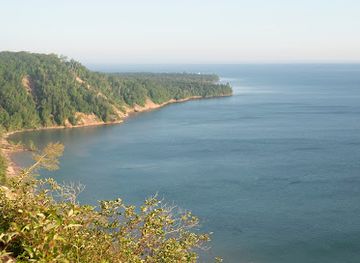
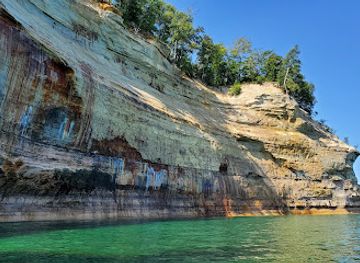
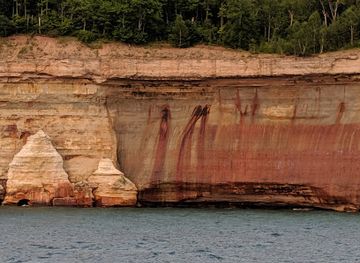
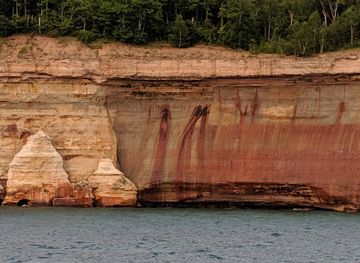
Pictured Rocks National Lakeshore follows roughly 42 miles of Lake Superior shoreline in Michigan’s Upper Peninsula, between the harbour town of Munising to the west and Grand Marais to the east. Its name refers to the mineral-stained sandstone cliffs that rise above the lake in bands of red, orange, yellow, brown, white and green. Waterfalls, sea caves, arched rocks, forested headlands and pocket beaches appear along a coast shaped by glacial movement, wave action and seasonal ice.Read more about Pictured Rocks National Lakeshore
Cliffs, Waterfalls and Forest Trails
Exploring a Wild Shoreline
When is the best time to visit Pictured Rocks National Lakeshore?
Best: June–August · 21–24°C| Month | High (°C) | Rainfall (mm) |
|---|---|---|
| January | -2 | 53 |
| February | 0 | 46 |
| March | 4 | 54 |
| April | 10 | 64 |
| May | 17 | 76 |
| June (best) | 21 | 79 |
| July (best) | 24 | 84 |
| August (best) | 23 | 84 |
| September | 19 | 78 |
| October | 13 | 73 |
| November | 6 | 68 |
| December | 1 | 63 |
Getting to and around Pictured Rocks National Lakeshore
How to get there
Transportation
Best attractions in Pictured Rocks National Lakeshore
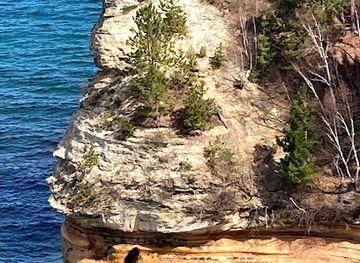
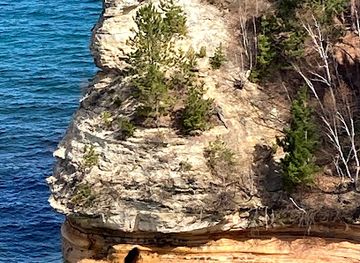
Pictured Rocks’ principal attractions follow the Lake Superior shore and the forested interior behind it. Miners Castle is the most accessible signature formation, with viewpoints over its weathered sandstone towers and the lake. Near Chapel Basin, trails lead to Chapel Falls, Chapel Lake, Chapel Beach and shoreline formations including Battleship Rock, while Mosquito Beach offers another remote coastal setting for hikers. The Log Slide provides a high view across dunes and Lake Superior, and Twelvemile Beach stretches along the eastern lakeshore near the Au Sable Light Station. Boat cruises from Munising reveal sections of the cliffs and sea caves that are difficult to understand from land, while kayaking offers a closer perspective for experienced participants in suitable conditions. The North Country National Scenic Trail links forest and shoreline scenery, and inland wetlands, dunes and mixed woods broaden the experience beyond the coloured cliffs.
-
Tourist attraction
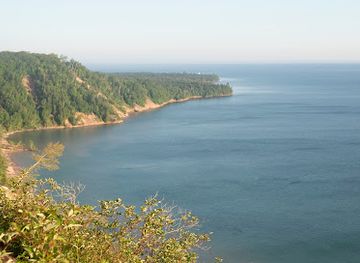
Log Slide Overlook
Experience the breathtaking beauty of Log Slide Overlook, a scenic spot offering stunning views of Lake Superior and the Pictured Rocks in Michigan.
-
Tourist attraction
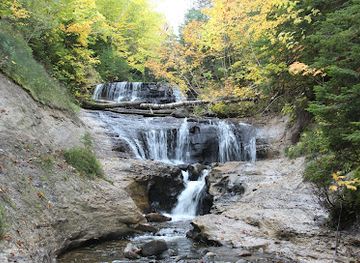
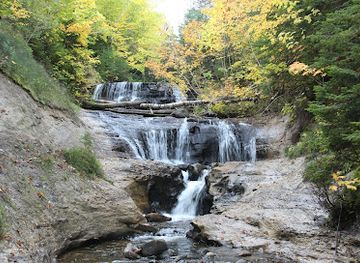
Sable Falls
Experience the stunning beauty of Sable Falls in Seney, MI, a must-visit destination for nature lovers and adventure seekers.
-
Scenic spot
Upper Overlook
Discover spectacular views at Upper Overlook, where Lake Superior meets the stunning cliffs of Pictured Rocks in Munising, Michigan.
-
Waterfall
Miners Falls
Discover the breathtaking beauty of Miners Falls in Munising Township, Michigan, a stunning waterfall and a highlight of Pictured Rocks National Lakeshore.
Best landmarks in Pictured Rocks National Lakeshore
The coloured sandstone cliffs are Pictured Rocks’ defining natural landmark, extending along Lake Superior in a succession of ledges, arches, caves and mineral-stained faces. Miners Castle is the best-known formation visible from land, while Battleship Rock and other shoreline shapes are most clearly appreciated from the water or coastal trails. Chapel Falls and the broad sands of Twelvemile Beach add contrasting landmarks to the wooded coast. At the eastern end, Au Sable Light Station is a significant historic landmark: its nineteenth-century light helped vessels navigate a hazardous section of Lake Superior and its surviving buildings preserve the area’s maritime character. The Log Slide is both a landscape feature and a reminder of the timber era, when steep dunes and the lake were connected to the movement of harvested wood. Together, these natural and historic sites express the relationship between geology, shipping, forestry and conservation.
-
Scenic spot
Log Slide Overlook
Experience the awe-inspiring beauty of Log Slide Overlook, a scenic gem in Michigan’s Pictured Rocks National Lakeshore, perfect for nature lovers and adventurers.
-
Tourist attraction
Sable Falls
Explore the stunning Sable Falls in Seney, Michigan, a breathtaking waterfall offering scenic hikes and a chance to connect with nature.
-
Scenic spot
Upper Overlook
Discover the stunning vistas of Upper Overlook in Munising, Michigan, a scenic spot that captures the breathtaking beauty of Pictured Rocks National Lakeshore.
-
Beach
Miners Beach
Experience the tranquil beauty of Miners Beach in Michigan, a hidden gem perfect for relaxation and nature exploration along the shores of Lake Superior.
Explore Pictured Rocks National Lakeshore on the map
Plan your trip on one map. See where the top attractions, landmarks, restaurants and hotels are, and book hotels and experiences in a few clicks.
Best hotels in Pictured Rocks National Lakeshore
Best restaurants in Pictured Rocks National Lakeshore
Pictured Rocks itself has limited dining infrastructure, so most visitors eat in Munising, Grand Marais or other nearby settlements rather than at isolated trailheads and beaches. Restaurants, cafés, bakeries, taverns and provisions shops in these gateway communities serve the practical needs of hikers, campers and boat passengers, with menus reflecting northern Michigan’s lakeside setting and regional American cooking. Freshwater fish may appear alongside burgers, sandwiches, soups and other informal fare, while locally produced foods and seasonal ingredients are available through selected independent businesses and farm-oriented outlets. Visitors staying in cabins or campsites often buy supplies before entering the lakeshore, particularly when exploring distant trailheads. Dining options can be more limited outside the main summer period, and the distinction between facilities in the protected area and those in surrounding towns is important when planning meals.
-
Restaurant
Bear Trap Inn
Discover the inviting Bear Trap Inn in Shingleton, MI - your go-to destination for delicious American cuisine and friendly service.
Best bars in Pictured Rocks National Lakeshore
Evenings around Pictured Rocks are quiet and rural rather than centred on nightclubs. Munising and Grand Marais provide the principal opportunities for a drink, informal evening meal or conversation in a local bar, tavern or pub, while accommodation businesses may offer a relaxed alternative in the surrounding countryside. Seasonal community events and live entertainment may occur in gateway towns, but visitors should check current local listings rather than expect a regular nightlife programme. Within the lakeshore, darkness, forest and the sound of Lake Superior define the evening atmosphere more than commercial entertainment; campfires are possible only where permitted, and visitors must follow current campground and fire regulations. Those planning remote walks or late returns should account for limited lighting, rural roads and variable mobile coverage.
-
Restaurant
Bear Trap Inn
Experience the charm of Bear Trap Inn, a cozy American restaurant in Shingleton, MI, offering delicious food and warm hospitality amidst stunning natural beauty.
-
Bar
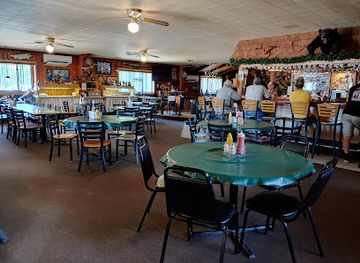
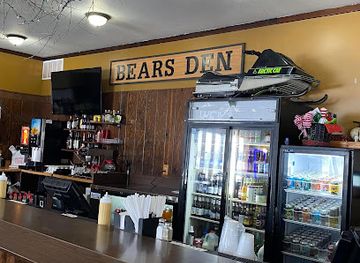
The Bears Den
Discover a charming family-friendly bar and restaurant in Shingleton, MI, offering hearty meals, local brews, and a warm atmosphere for all.
Best nightclubs in Pictured Rocks National Lakeshore
Evenings around Pictured Rocks are quiet and rural rather than centred on nightclubs. Munising and Grand Marais provide the principal opportunities for a drink, informal evening meal or conversation in a local bar, tavern or pub, while accommodation businesses may offer a relaxed alternative in the surrounding countryside. Seasonal community events and live entertainment may occur in gateway towns, but visitors should check current local listings rather than expect a regular nightlife programme. Within the lakeshore, darkness, forest and the sound of Lake Superior define the evening atmosphere more than commercial entertainment; campfires are possible only where permitted, and visitors must follow current campground and fire regulations. Those planning remote walks or late returns should account for limited lighting, rural roads and variable mobile coverage.
-
Restaurant
Bear Trap Inn
Experience the warmth and flavor of Bear Trap Inn, a charming American restaurant in Shingleton, Michigan, perfect for a delightful dining escape.
-
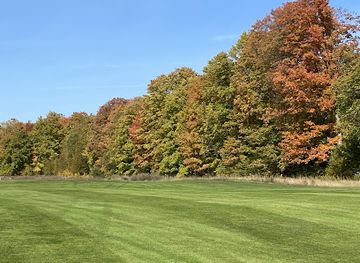
Golf club
Pictured Rocks Golf Club
Discover the perfect blend of nature and sport at Pictured Rocks Golf Club, where stunning views meet exceptional golfing in Michigan’s Upper Peninsula.
Best shops in Pictured Rocks National Lakeshore
Shopping is concentrated in Munising and Grand Marais, outside the core shoreline landscapes, where visitors can find groceries, outdoor supplies, practical clothing, souvenirs, books and locally themed artwork. Small independent businesses and seasonal markets may offer regional foods, handmade items, photography, pottery or craft products connected with the Upper Peninsula, Lake Superior and the Anishinaabe cultural landscape, although the range varies by settlement and season. Farm stands and food producers in the wider area can provide locally made provisions for cabins, picnics and campsites. Pictured Rocks is not a shopping destination in the urban sense: isolated viewpoints, beaches and trailheads have no ordinary retail facilities, so essential equipment, fuel and food should be purchased in a gateway community before heading into the lakeshore.
-
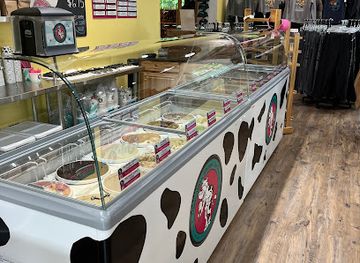
Clothing store
Pictured Rocks Trading Company
Experience the charm of local shopping and delicious ice cream at Pictured Rocks Trading Company near Michigan's stunning Pictured Rocks National Lakeshore.
Get your free copy of our complete guide to Pictured Rocks National Lakeshore, delivered straight to you.
Everything on this page, from attractions and restaurants to essentials and local phrases, in one PDF you can read offline, print or share.
Already have an account? Sign in
Your Pictured Rocks National Lakeshore guide is ready.
We'll send it to · Not you? Sign out

Getting your guide ready…
We are putting together a fresh copy of the Pictured Rocks National Lakeshore guide. This can take up to a minute.
This can take a few moments. If your browser asks, choose Allow so the download can start. You'll find the guide in your Downloads folder.
Nothing happened? Download it again
Sorry, the guide is taking longer than usual. Please try again in a minute, or get it by email instead.
Pictured Rocks National Lakeshore essentials
Currency and Payment
Safety
Emergency Situations
Do's and Don'ts
Local Tips
From Eve
Local phrases worth knowing
You don't need to get them perfect. A few words go a long way, and locals appreciate the effort.
Basics
| English | Local | Say it |
|---|---|---|
| Hello | Ya'at'eeh | [yah-ah-tay] |
| Goodbye | Ahe'hee' | [ah-hay-heh] |
| Yes | Ahe' | [ah-hay] |
| No | Doo' | [doo] |
| Please/You're welcome | Ahe'hee' nihi | [ah-hay-heh nee-hee] |
| Thank you | Ahéhee' | [ah-hay-heh] |
| Excuse me/Sorry | Shí Naatá | [shee nah-tah] |
| How are you? | Shik'is | [sheek-ees] |
| Fine. And you? | Diyin. Ama shik'éí? | [dee-yin. ah-mah sheek-ay] |
| Do you speak English? | Éí t'áadoo ánííníshní? | [ay taa-doo ah-nee-nee-shnee] |
| I don't understand | Doo shił | [doo sheel] |
Eating & Drinking
| English | Local | Say it |
|---|---|---|
| I'd like to see the menu, please | Bee ákót'égo doo baa hózhǫ' | [beh ah-ko-tay-go doo bah hoh-zhon] |
| I don't eat meat | Níłch'i biye' da | [neel-chee bee-yay dah] |
| Cheers! | Łééchąą'í | [lay-chon-ee] |
| I would like to pay, please | Bee nitsáhákees | [beh nee-tsa-ha-kees] |
Emergencies
| English | Local | Say it |
|---|---|---|
| Help! | Ayeesh | [ah-yesh] |
| Go away! | Nihí | [nee-hee] |
| Call the Police! | Yá'át'ééh k'é | [yah-ah-tayh kay] |
| Call a doctor! | Naaltsoos baa yiníl | [nah-ahl-tsohs bah yee-neel] |
| I'm lost | Doo bika'í | [doo bi-kah-ee] |
| I'm ill | Bíhígíí | [bee-hee-gee] |
Shopping
| English | Local | Say it |
|---|---|---|
| I'd like to buy... | Bee nidaazid | [beh nee-dah-zhid] |
| I'm just looking | Níłch'i bóhgo | [neel-chee boh-go] |
| How much is it? | Haa shił dóó bił haz'á | [hah sheel doo beel hah-zah] |
| That's too expensive | T'áá hodíí | [taah hoh-dee] |
| Can you lower the price? | Haa shił dóó bił haz'á | [hah sheel doo beel hah-zah] |
Time & Numbers
| English | Local | Say it |
|---|---|---|
| What time is it? | Haa éí naaltsoos daniid | [hah ay nah-ahl-tsohs dah-neet] |
| It's one o'clock | Haa éí baa hane' | [hah ay bah hah-nay] |
| Half past (10) | Ndaa | [ndah] |
| Morning | T'áá Nízí | [taah nee-zee] |
| Afternoon | T'áá Haí | [taah ha-ee] |
| Evening | T'áá 'adí | [taah ah-dee] |
| Yesterday | Nahosdlii' | [nah-hos-dlee] |
| Today | Kíyaa' | [kee-yah] |
| Tomorrow | T'áá hwééh | [taah hway] |
| 1 | Béésh | [beh-esh] |
| 2 | Naakai | [nah-kai] |
| 3 | T'ááłá' | [taah-lah] |
| 4 | Dįį' | [dee-ee] |
| 5 | Ashdla' | [ah-shlah] |
| 6 | Hastiin | [hahs-teen] |
| 7 | T'aaschíín | [tah-sch-ee] |
| 8 | T'ááłá' | [taah-lah] |
| 9 | T'ááłá' | [taah-lah] |
| 10 | T'ááłá' | [taah-lah] |
Transport & Directions
| English | Local | Say it |
|---|---|---|
| Where's a/the...? | Háadii néé'ígíí | [hah-ah-dee-nee-hee-gee] |
| What's the address? | Béésh bich'ahii? | [beh-esh beech-ah-hee] |
| Can you show me (on the map)? | Naalnish bee ájiilii | [nah-ahl-neesh beh ah-jee-lee] |
| When's the next (bus)? | Diiló'ii da? | [dee-loh-ee dah] |
| A ticket (to ....) | Bee nííłtso' | [beh nee-ee-ltsoh] |
History of Pictured Rocks National Lakeshore
Sandstone and Glacial Formation
The cliffs of Pictured Rocks are formed largely from layered sandstone deposited in the ancient Lake Superior basin hundreds of millions of years ago. Later glacial activity carved and enlarged the Great Lakes landscape, while waves, freezing and thawing, groundwater and wind continued to shape the exposed shoreline. The colours for which the cliffs are known come from mineral staining and weathering rather than painted rock. Caves, arches, beaches and waterfalls reflect the continuing interaction between the resistant and softer layers of the escarpment and the powerful waters of Lake Superior.
Anishinaabe Homeland and Early Travel
The lakeshore lies within the long-established homeland of Anishinaabe peoples, including Ojibwe communities whose relationships with Lake Superior, forests and waterways predate European settlement. The lake served as a route for travel, fishing, hunting and exchange, while place names and cultural knowledge remain part of the wider Upper Peninsula’s living heritage. European traders and explorers later entered a region already shaped by Indigenous use and stewardship. Any account of Pictured Rocks therefore belongs within the broader history of Anishinaabe presence around Gichigami, the great lake known in English as Lake Superior.
Shipping, Timber and the Lighthouse Coast
Lake Superior’s mineral wealth and expanding timber industry brought increasing commercial activity to the Upper Peninsula during the nineteenth century. Ships moving through the lake faced reefs, shoals, storms and limited visibility along the rocky coast, prompting the construction of navigational lights. Au Sable Light Station, established in 1874 near the eastern portion of the lakeshore, guided vessels along a difficult stretch of shoreline and is now one of Pictured Rocks’ most important historic sites. Timber cutting and frontier settlement also altered surrounding forests, although the cliffs and more inaccessible coast remained comparatively remote.
Shipwrecks and Maritime Memory
The waters beside Pictured Rocks contain a record of Great Lakes shipping, including wrecks associated with the hazards of Lake Superior and its changeable weather. The shoreline’s cliffs, reefs and isolated beaches made navigation demanding before modern aids and forecasting. Maritime history is encountered through the Au Sable Light Station, surviving shoreline structures and interpretive work connected with the lakeshore’s shipwrecks. Lake Superior’s cold, deep water can preserve wreck remains, but it also makes the coast a serious environment for swimmers, boaters and divers.
Creation of a National Lakeshore
Pictured Rocks National Lakeshore was created by Congress in 1966 as the first national lakeshore in the United States. The designation protected a remarkable section of Lake Superior coast while allowing public recreation, historic preservation and continuing management of forests, dunes, wetlands and wildlife habitat. Roads, trails, campgrounds and viewpoints have since made selected parts of the shoreline accessible, but the protected area remains geographically extensive and largely rural. The National Park Service now balances visitor access with erosion, habitat protection, historic preservation and the risks associated with a powerful freshwater coast.
Pictured Rocks National Lakeshore in Photos
Browse through our photo collection highlighting the charm and character of the destination.
Neighbouring destination travel guides
The closest destinations to Pictured Rocks National Lakeshore, if you have time for more than one.
-

-

-

-

-


Swipe for more destinations
Explore more
Explore more of Upper Peninsula
Explore Michigan's Upper Peninsula for Lake Superior cliffs, forest trails, historic mining towns, pasties, lighthouses and wide-open Great Lakes landscapes.
Explore Upper Peninsula
Explore more of Michigan
Explore Michigan's stunning Great Lakes, vibrant cities, and untouched natural beauty. Discover the state's rich cultural heritage and endless outdoor adventures.
Explore Michigan