

Northern Michigan, Michigan Travel Guide
Discover the natural beauty and outdoor adventures of Northern Michigan, from the iconic Sleeping Bear Dunes to the charming town of Traverse City and beyond.
Northern Michigan is a scenic haven known for its breathtaking landscapes, charming small towns, and endless outdoor activities. This region offers an escape from the hustle and bustle of city life, providing visitors with a serene and tranquil environment. From the lush forests and sparkling lakes to the sandy shores of Lake Michigan, Northern Michigan is a paradise for nature lovers and adventurers alike. One of the highlights of Northern Michigan is the Sleeping Bear Dunes National Lakeshore, where visitors can climb towering sand dunes and enjoy stunning views of Lake Michigan. The area also boasts numerous hiking and biking trails, perfect for exploring the diverse flora and fauna. In addition, the picturesque town of Traverse City is famous for its vibrant arts scene, boutique shopping, and renowned wineries. For those who enjoy water activities, Northern Michigan offers ample opportunities for kayaking, fishing, and sailing. The region's many lakes and rivers are teeming with fish, making it a prime destination for anglers. During the winter months, the area transforms into a winter wonderland, with excellent skiing, snowboarding, and snowshoeing options available. No matter the season, Northern Michigan promises an unforgettable experience for every traveler.

Know before you go
Hi, I'm Eve. Here are a few practical things to know before exploring Northern Michigan.
- Visit during the fall for stunning foliage and fewer crowds.
- Book your stay in advance if you plan to visit during the Cherry Festival in July.
- Try the local cherry products; Traverse City is known as the cherry capital of the world.
- Bring layers of clothing, as weather can be unpredictable, especially near the lakes.
- Don’t miss a sunset at Sleeping Bear Dunes for a truly memorable experience.
Top City Travel Guides in Northern Michigan
The cities of Northern Michigan, and the easiest places to base yourself.


Destinations in Northern Michigan
Resorts, valleys and scenic spots worth a trip of their own.


Explore Northern Michigan: Things to Do, Places to Eat, Hotels & More
Handpicked recommendations for top attractions, local dining, accommodations, and more

Top Attractions & Sightseeing in Northern Michigan
Top-rated picks
Best Attractions

Tahquamenon Falls State Park
Experience the stunning beauty of Tahquamenon Falls State Park, a natural wonder in Michigan, perfect for outdoor enthusiasts and nature lovers alike.

Mackinac Island State Park
Explore the breathtaking Mackinac Island State Park, where stunning landscapes meet rich history, perfect for outdoor adventures and family fun.
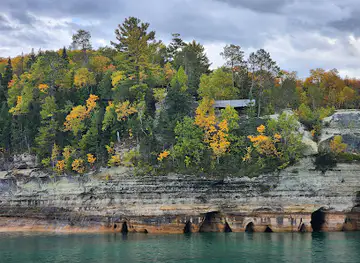
Pictured Rocks National Lakeshore
Discover breathtaking cliffs and pristine waters at Pictured Rocks National Lakeshore, a stunning natural attraction in Michigan's wilderness.

Kitch-iti-kipi
Experience the breathtaking beauty of Kitch-iti-kipi, Michigan's largest natural spring, a must-see destination for nature enthusiasts.

Best landmarks in Northern Michigan
Top-rated picks
Best Landmarks

Kitch-iti-kipi
Explore Kitch-iti-kipi, Michigan's enchanting Big Spring, where crystal-clear waters and lush surroundings create a serene escape into nature's beauty.

Colonial Michilimackinac
Explore the rich history of Colonial Michilimackinac in Mackinaw City, where the past comes alive through immersive exhibits and interactive experiences.

Mission Point Lighthouse
Explore the historic Mission Point Lighthouse, a scenic gem in Traverse City, Michigan, offering stunning lake views and rich maritime history.

Palms Book State Park
Discover the serene beauty of Palms Book State Park, featuring Michigan's largest spring and a perfect escape for nature enthusiasts.

Best restaurants in Northern Michigan
Top-rated picks
Best Restaurants

Darrow's Family Restaurant
Discover Darrow's Family Restaurant in Mackinaw City - where delicious food meets family-friendly charm!
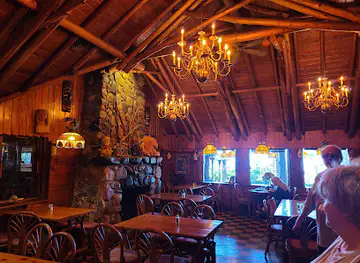
Legs Inn
Discover culinary delights at Legs Inn - a historic restaurant offering authentic Polish cuisine with stunning views of Lake Michigan.

Audie's Restaurant
Discover family-friendly dining at Audie's Restaurant in Mackinaw City, where American cuisine meets warm hospitality.

Scalawags Whitefish & Chips
Experience the best seafood dining in Mackinaw City with Scalawags Whitefish & Chips - where flavor meets fun in every bite!

Best bars in Northern Michigan
Top-rated picks
Best Bars

Legs Inn
Discover the charm of Legs Inn, a historic Polish restaurant offering authentic cuisine and breathtaking views of Lake Michigan.

Keyhole Bar & Grill
Experience vibrant dining at Keyhole Bar & Grill in Mackinaw City, offering delicious food and a lively bar scene with local charm.

Mackinac Grille & Patio Bar
Discover the best of local cuisine at Mackinac Grille & Patio Bar, where delicious flavors meet a charming atmosphere in St. Ignace.

The Driftwood Motel Restaurant & Sports Bar
Experience the charm of The Driftwood Motel Restaurant & Sports Bar, where hearty American cuisine meets a vibrant sports bar atmosphere in St. Ignace, Michigan.

Best nightclubs in Northern Michigan
Top-rated picks
Best Nightclubs

Northern Lights Lounge
Immerse yourself in Detroit's nightlife at Northern Lights Lounge, where live music, delicious food, and great drinks await.

The Side Door Saloon
Discover the charm of Petoskey at The Side Door Saloon, a favorite spot for delicious food and lively atmosphere in Michigan.

Mitchell Street Pub
Discover Mitchell Street Pub in Petoskey: a vibrant local pub offering delicious food, craft beers, and a welcoming atmosphere for all visitors.

The Highlands at Harbor Springs
Discover adventure and relaxation at The Highlands at Harbor Springs, Michigan's premier resort for skiing, golfing, and year-round outdoor fun.

Best shops in Northern Michigan
Top-rated picks
Best Shops

Frankenmuth River Place Shops
Discover unique shops, scenic river views, and a festive atmosphere at Frankenmuth River Place Shops in Michigan.

Kilwins Chocolate Kitchen
Explore the sweet world of Kilwins Chocolate Kitchen in Petoskey, where artisanal chocolates and creamy ice cream create a delicious experience.

Toski Sands Market & Wine Shop
Discover a culinary paradise at Toski Sands Market & Wine Shop, where fresh meats, seafood, and an exquisite selection of wines await you.

Enchanted Knights
Explore Enchanted Knights, a charming gift shop in Mackinaw City, offering unique souvenirs and handcrafted treasures that capture the local spirit.

Explore Northern Michigan on the Map
A handpicked selection of must-see spots in Northern Michigan, mapped for you.
Northern Michigan Essentials
-
Northern Michigan is accessible by various means of transportation. The nearest major airport is Pellston Regional Airport in Pellston, Michigan, which has flights connecting from larger hubs. Alternatively, Cherry Capital Airport in Traverse City also serves the region with more frequent flights. For those driving, Interstate 75 is the primary highway leading into Northern Michigan, offering scenic routes through Michigan's Lower Peninsula. The area is also reachable by bus services such as Greyhound or Indian Trails, which connect to multiple cities within Northern Michigan.
-
Once in Northern Michigan, there are several transportation options available. Car rentals are popular for exploring the extensive natural landscapes and small towns. Public transportation options, such as the Bay Area Transportation Authority (BATA), provide bus services in and around Traverse City. Taxis and ride-sharing services like Uber and Lyft are also available in larger towns. For a unique experience, consider traveling via the S.S. Badger, a car ferry that crosses Lake Michigan between Ludington, MI, and Manitowoc, WI.
-
The official currency in Northern Michigan is the United States Dollar (USD). Credit and debit cards are widely accepted in most establishments, including restaurants, shops, and hotels. However, it is advisable to carry some cash, especially when visiting more remote areas or small towns where card payment options may be limited. ATMs are widely available in larger towns and cities.
-
Northern Michigan is generally a safe destination for tourists. However, it is always prudent to exercise standard safety precautions. Avoid walking alone at night in unfamiliar or poorly lit areas. Petoskey and Traverse City are popular tourist destinations and generally safe, but always stay aware of your surroundings. For up-to-date information on crime rates and safety advisories, consult local authorities or travel advisories.
-
In case of emergency, dial 911 for immediate assistance. Northern Michigan has well-equipped medical facilities in larger towns such as Traverse City and Petoskey. It is recommended to have travel insurance that covers medical emergencies. For minor health issues, pharmacies are available in most towns where you can purchase over-the-counter medications. Local police and fire stations are also available and provide timely assistance.
-
Fashion: Do dress in layers, as weather can be unpredictable. Casual wear is generally acceptable. Religion: Do respect local customs, especially in religious sites. Public Transport: Do be polite and offer seats to elderly passengers. Don’t eat or drink on public transport. Greetings: Do greet people with a friendly 'hello' or a handshake. Eating & Drinking: Do try local specialties like pasties and cherry products. Don’t refuse hospitality, as it might be considered impolite.
-
To experience Northern Michigan like a local, visit the local farmers' markets where you can buy fresh produce and artisanal goods. Engage with locals; they are often friendly and willing to share stories about the region's history and culture. Don’t miss exploring the Sleeping Bear Dunes National Lakeshore for breathtaking views and hiking trails. For a unique experience, visit Mackinac Island, a car-free island accessible by ferry, known for its historic sites and scenic beauty.
When is the best time to visit Northern Michigan?
Useful Local Phrases for Northern Michigan
You don't need to speak the language perfectly. Even learning a few simple words can make conversations warmer—and locals usually appreciate the effort.
— Eve

Here are the phrases I use most often in Northern Michigan. Try a few—you'll be surprised how far they go! 😊
❤️
-
- HelloHi there
[Hai th-air] - GoodbyeSee ya later
[See ya lay-ter] - YesYep
[Yep] - NoNope
[Nope] - Please/You're welcomeSure thing
[Shur thing] - Thank youThanks a lot
[Thanks a lot] - Excuse me/SorryPardon me
[Par-don me] - How are you?How ya doin'?
[How ya doin'?] - Fine. And you?Good. How 'bout you?
[Good. How 'bout you?] - Do you speak English?Can ya speak English?
[Can ya speak English?] - I don't understandI ain't followin'
[I ain't followin']
- HelloHi there
-
- I'd like to see the menu, pleaseCan I see the menu, please?
[Can I see the menu, please?] - I don't eat meatI don't do meat
[I don't do meat] - Cheers!Cheers!
[Cheers!] - I would like to pay, pleaseCan I settle up, please?
[Can I settle up, please?]
- I'd like to see the menu, pleaseCan I see the menu, please?
-
- Help!Help!
[Help!] - Go away!Get outta here!
[Get outta here!] - Call the Police!Call the cops!
[Call the cops!] - Call a doctor!Get a doctor here!
[Get a doctor here!] - I'm lostI'm turned around
[I'm turned around] - I'm illI'm not feelin' good
[I'm not feelin' good]
- Help!Help!
-
- I'd like to buy...I'm lookin' to buy...
[I'm lookin' to buy...] - I'm just lookingJust browsin'
[Just browsin'] - How much is it?What’s the price?
[What’s the price?] - That's too expensiveThat's a bit pricey
[That's a bit pricey] - Can you lower the price?Can ya knock down the price?
[Can ya knock down the price?]
- I'd like to buy...I'm lookin' to buy...
-
- What time is it?What time ya got?
[What time ya got?] - It's one o'clockIt's one o'clock
[It's one o'clock] - Half past (10)Half past ten
[Half past ten] - MorningMornin'
[Mornin'] - AfternoonAfternoon
[Afternoon] - EveningEvenin'
[Evenin'] - YesterdayYesterday
[Yesterday] - TodayToday
[Today] - TomorrowTomorrow
[Tomorrow] - 1One
[One] - 2Two
[Two] - 3Three
[Three] - 4Four
[Four] - 5Five
[Five] - 6Six
[Six] - 7Seven
[Seven] - 8Eight
[Eight] - 9Nine
[Nine] - 10Ten
[Ten]
- What time is it?What time ya got?
-
- Where's a/the...?Where's the...?
[Where's the...?] - What's the address?What's the address?
[What's the address?] - Can you show me (on the map)?Can ya point it out on the map?
[Can ya point it out on the map?] - When's the next (bus)?When's the next bus?
[When's the next bus?] - A ticket (to ....)A ticket to....
[A ticket to....]
- Where's a/the...?Where's the...?
History of Northern Michigan
-
Northern Michigan has been home to indigenous peoples for thousands of years. The Anishinaabe people, including the Odawa (Ottawa), Ojibwe (Chippewa), and Potawatomi tribes, were the primary inhabitants of this region. They relied on the abundant natural resources, practicing fishing, hunting, and gathering. The area is dotted with ancient burial mounds, petroglyphs, and other archaeological sites that provide insight into these early cultures.
-
In the 17th century, French explorers such as Étienne Brûlé and Jean Nicolet were among the first Europeans to visit Northern Michigan. The region became a hub for the fur trade, with French voyageurs trading with the local indigenous tribes. Fort Michilimackinac, established in 1715 at the Straits of Mackinac, served as a significant trading post and military outpost, playing a crucial role in the fur trade and Franco-Indigenous relations.
-
Following the French and Indian War, control of Northern Michigan transferred to the British. Fort Michilimackinac continued to be an important military and trading post. During the American Revolution, the fort's strategic location made it a target for both British and American forces. The British ultimately moved the fort to Mackinac Island in 1780, where its stone walls and cannons still stand today as part of the historic Fort Mackinac.
-
Northern Michigan was a battleground during the War of 1812. In July 1812, the British captured Fort Mackinac without a fight, taking advantage of their superior position on Mackinac Island. The Battle of Mackinac Island in 1814 was a significant encounter, where American forces attempted to recapture the fort but were repelled by British and Indigenous defenders. The Treaty of Ghent in 1815 ultimately restored the region to American control.
-
The late 19th century saw Northern Michigan become a hub for the logging and lumber industry. Dense forests of white pine attracted lumberjacks and businessmen. Towns like Grayling, Gaylord, and Traverse City grew rapidly as logging camps and sawmills sprang up. The Muskegon River and other waterways were used to transport logs to mills and markets, fueling the region's economy and leading to significant deforestation.
-
As the logging industry declined in the early 20th century, Northern Michigan reinvented itself as a tourist destination. The natural beauty of the region, including the Great Lakes, sandy beaches, and dense forests, attracted visitors. Resorts, cabins, and campgrounds were established, and towns like Petoskey, Charlevoix, and Traverse City became popular vacation spots. The construction of the Mackinac Bridge in 1957 further boosted tourism by providing easier access to the Upper Peninsula.
-
Northern Michigan, particularly the Traverse City area, is famous for its cherry production. The region's unique climate, with its combination of warm summers and cold winters, creates ideal conditions for growing cherries. The cherry industry began to flourish in the early 20th century, and today, Northern Michigan is one of the leading cherry-producing areas in the United States. The National Cherry Festival, held annually in Traverse City, celebrates this heritage with parades, cherry-pit spitting contests, and other festivities.
-
Northern Michigan has a rich maritime history due to its proximity to the Great Lakes. The region's lighthouses, such as Big Sable Point Lighthouse and Point Betsie Lighthouse, have guided ships safely through treacherous waters for over a century. Shipwrecks are also a significant part of this history, with many vessels meeting their end in the unpredictable waters of Lake Michigan and Lake Huron. The Great Lakes Shipwreck Museum at Whitefish Point preserves and interprets this maritime heritage.
Neighbouring Regions of Northern Michigan
The closest regions to Northern Michigan, if you have time for more than one.


Your all‑in‑one travel companion app
Explore expert travel guides, compare and book tours, experiences, hotels, and more—all from the palm of your hand. Download now for seamless trip planning wherever your wanderlust takes you.


Explore More of Michigan

Looking beyond Northern Michigan? Discover Michigan for broader travel guides, local hot-spots, and regional highlights.
Explore MichiganNorthern Michigan in Photos
Browse through our photo collection highlighting the charm and character of the destination.

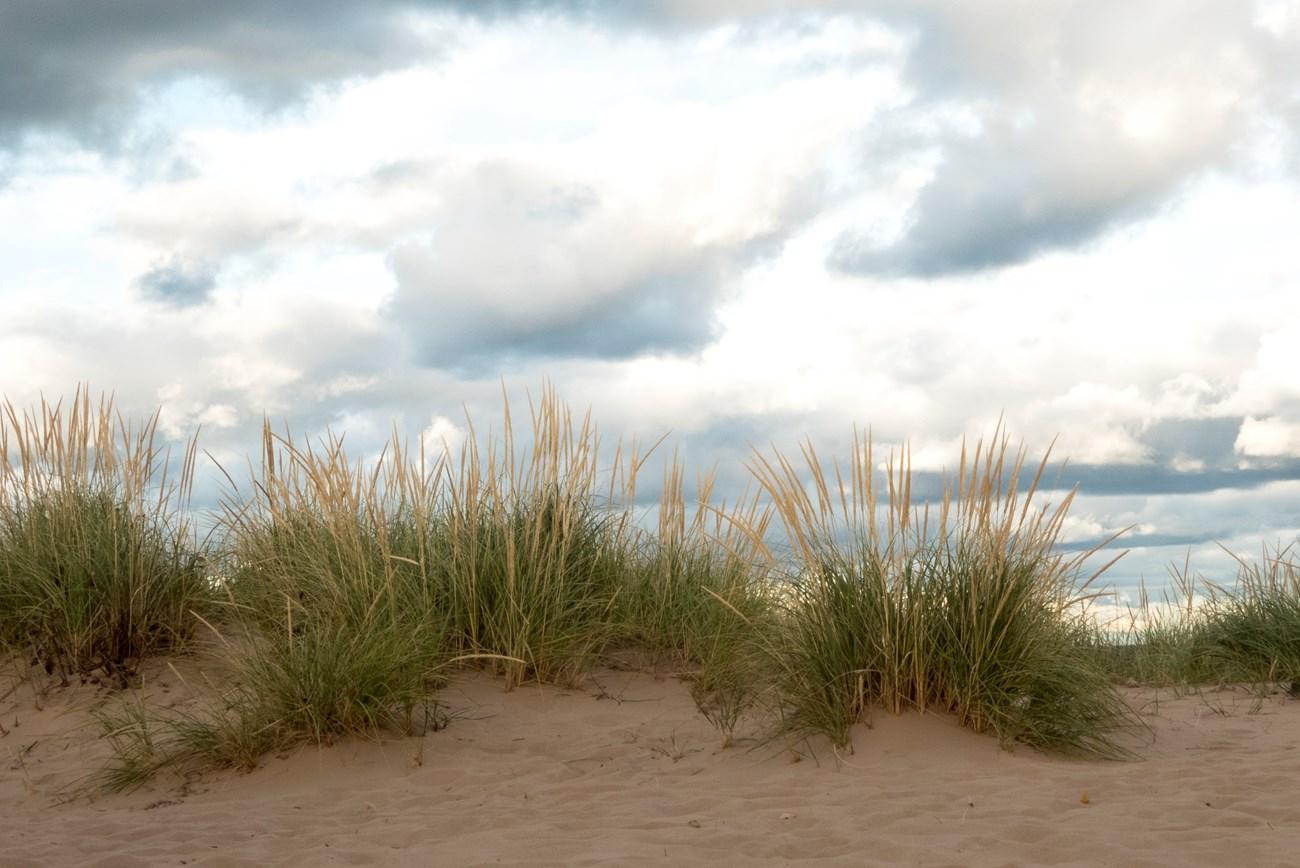


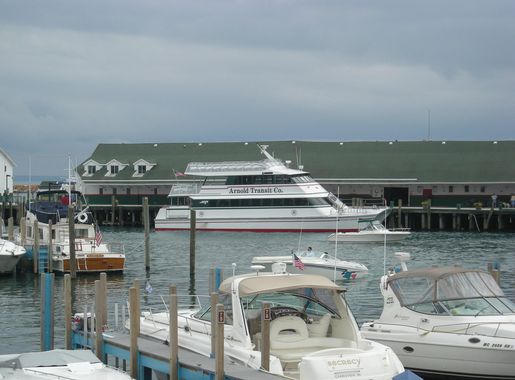
Northern Michigan: A Natural Wonderland
Northern Michigan is a scenic haven known for its breathtaking landscapes, charming small towns, and endless outdoor activities. This region offers an escape from the hustle and bustle of city life, providing visitors with a serene and tranquil environment. From the lush forests and sparkling lakes to the sandy shores of Lake Michigan, Northern Michigan is a paradise for nature lovers and adventurers alike. One of the highlights of Northern Michigan is the Sleeping Bear Dunes National Lakeshore, where visitors can climb towering sand dunes and enjoy stunning views of Lake Michigan. The area also boasts numerous hiking and biking trails, perfect for exploring the diverse flora and fauna. In addition, the picturesque town of Traverse City is famous for its vibrant arts scene, boutique shopping, and renowned wineries. For those who enjoy water activities, Northern Michigan offers ample opportunities for kayaking, fishing, and sailing. The region's many lakes and rivers are teeming with fish, making it a prime destination for anglers. During the winter months, the area transforms into a winter wonderland, with excellent skiing, snowboarding, and snowshoeing options available. No matter the season, Northern Michigan promises an unforgettable experience for every traveler.