

Free Lake Superior's North Shore Travel Guide & Mobile App
Explore Lake Superior's North Shore with free travel guides. Discover regional history, expert tips, proposed trips, and audio guides on web or mobile app.


Explore Minnesota’s Lake Superior North Shore for lighthouses, waterfalls, Ojibwe heritage, forest trails, scenic drives and rugged coastal landscapes.
Read more about Lake Superior's North Shore
When is the best time to visit Lake Superior's North Shore?
Best: June–August · 22–26°C| Month | High (°C) | Rainfall (mm) |
|---|---|---|
| January | -6 | 31 |
| February | -5 | 28 |
| March | 4 | 36 |
| April | 11 | 50 |
| May | 18 | 66 |
| June (best) | 22 | 80 |
| July (best) | 26 | 86 |
| August (best) | 25 | 80 |
| September | 19 | 76 |
| October | 14 | 60 |
| November | 5 | 46 |
| December | -2 | 35 |
Getting to and around Lake Superior's North Shore
How to get there
Transportation
Top city travel guides in Lake Superior's North Shore
The cities of Lake Superior's North Shore, and the easiest places to base yourself.
-
-


Swipe for more cities
Destinations in Lake Superior's North Shore
Resorts, valleys and scenic spots worth a trip of their own.
-

-

-

-

-

-


Swipe for more destinations
Best attractions in Lake Superior's North Shore
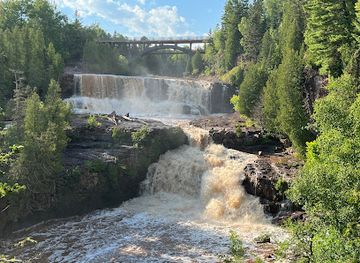
The North Shore’s attractions are closely tied to its geology, waterways and layered human history. A sequence of Minnesota state parks protects waterfalls, river valleys, beaches and forest trails, including Gooseberry Falls, Split Rock Lighthouse, Tettegouche and Judge C. R. Magney. Each offers a different view of the coast, from accessible cascades to high cliffs, coves and more demanding footpaths. The Superior Hiking Trail provides a longer-distance route through the hills above Lake Superior, while the Superior National Forest supports camping, paddling, fishing and winter recreation farther inland. Historic sites add context to the scenery: Two Harbors and Duluth retain maritime and industrial features, and Split Rock Lighthouse interprets navigation on the lake. At the northeastern end, Grand Portage National Monument presents the fur-trade era and the enduring Ojibwe presence of the Grand Portage Band. Small museums, harbour walks, galleries and seasonal outdoor activities broaden the offering, but distances and weather matter. Many attractions are reached by short drives from Highway 61, while remote forest recreation requires more preparation, reliable maps and respect for changing conditions.
-
State park
Gooseberry Falls State Park
Experience the majestic beauty of Gooseberry Falls State Park, where waterfalls meet breathtaking landscapes along the North Shore of Lake Superior.
-
History museum
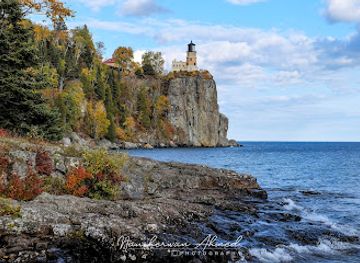
Split Rock Lighthouse
Discover the charm and history of Split Rock Lighthouse, a stunning landmark on Lake Superior's North Shore, offering breathtaking views and rich maritime heritage.
-
State park
Tettegouche State Park
Discover the breathtaking landscapes and outdoor adventures at Tettegouche State Park on Minnesota's North Shore, a perfect retreat for nature lovers.
-
Museum
Glensheen Mansion
Explore the opulent Glensheen Mansion in Duluth, Minnesota, a historical landmark showcasing the grandeur of the Gilded Age along Lake Superior.
Best landmarks in Lake Superior's North Shore
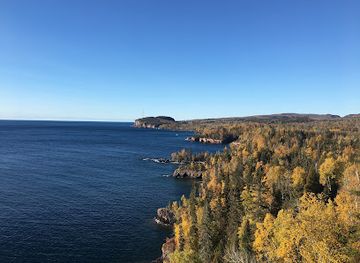
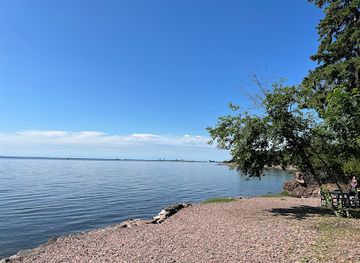
Split Rock Lighthouse is the North Shore’s defining built landmark, standing above a cliff on a dramatic promontory and representing the maritime infrastructure that guided vessels through Lake Superior waters. Two Harbors Lighthouse, at the entrance to Agate Bay, connects a working harbour with the region’s shipping history. Duluth’s Aerial Lift Bridge is a prominent western gateway landmark, though the city is best understood as the shore’s principal urban starting point rather than a representative of the entire rural coast. Natural landmarks become increasingly dominant northwards: Palisade Head rises above Lake Superior near Tettegouche State Park, while Shovel Point and the Sawtooth Mountains illustrate the hard rock and glacial forces that shape the shoreline. The High Falls of the Pigeon River, within Grand Portage State Park close to the Canadian border, mark the region’s northeastern edge with one of Minnesota’s major waterfalls. Grand Portage National Monument is both a physical reconstruction of a trading post and a significant reminder of the Ojibwe-led networks that connected the lake to the interior.
-
State park
Gooseberry Falls State Park
Experience the stunning waterfalls and natural beauty of Gooseberry Falls State Park, a must-visit destination along Minnesota's North Shore.
-
History museum
Split Rock Lighthouse
Explore the iconic Split Rock Lighthouse, a historic landmark on Lake Superior's shores, rich in maritime history and breathtaking views.
-
State park
Cascade River State Park
Experience the breathtaking beauty of Cascade River State Park in Minnesota, a perfect getaway for hiking, camping, and enjoying nature's wonders.
-
 Hotel
Cascade Lodge Lutsen MN
Explore the beauty of Lutsen, Minnesota, from the cozy comfort of Cascade Lodge, offering delightful dining and easy access to nature's wonders.


Explore Lake Superior's North Shore on the map
Plan your trip on one map. See where the top cities, national parks and sights are, and book hotels and experiences in a few clicks.
Best hotels in Lake Superior's North Shore
Best restaurants in Lake Superior's North Shore
Dining along the North Shore ranges from café breakfasts and traditional American diners to lodge restaurants, brewpubs and contemporary kitchens in Duluth and Grand Marais. Local menus often draw on Lake Superior fish, particularly smoked or lightly prepared trout and whitefish, as well as wild rice, seasonal berries, maple products and game where legally sourced. Pasties and hearty baked goods reflect the wider mining heritage of northeastern Minnesota, although they are not exclusive to the North Shore. Roadside stands and small shops may sell jam, smoked fish or regional produce, while farmers’ markets are useful places to encounter local growers and makers in season. Grand Marais has a particularly visible food culture, while smaller communities tend to offer practical, informal dining rather than a dense restaurant scene. Duluth provides the broadest choice, including craft breweries and restaurants connected to the city’s port identity. Opening patterns can be seasonal, especially near state parks and smaller lakeside communities, so an evening meal may require more planning than the short distances suggest.
-
American
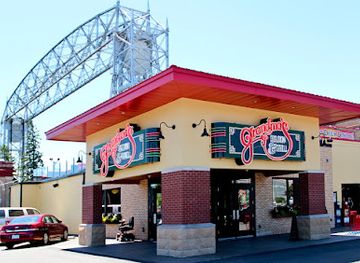
Grandma's Saloon & Grill
Experience delicious American cuisine in a warm atmosphere at Grandma's Saloon & Grill in Duluth's picturesque Canal Park.
-
Barbecue
OMC Smokehouse
Discover mouthwatering barbecue at OMC Smokehouse in Duluth - where quality meets tradition in every bite.
-
Breakfast
Rustic Inn Cafe
Discover delicious breakfasts and homemade pies at Rustic Inn Cafe in Two Harbors - a cozy retreat along Lake Superior.
-
American
At Sara's Table Chester Creek Cafe
Discover the charm of At Sara's Table Chester Creek Cafe in Duluth—where delicious American cuisine meets stunning views of Lake Superior.
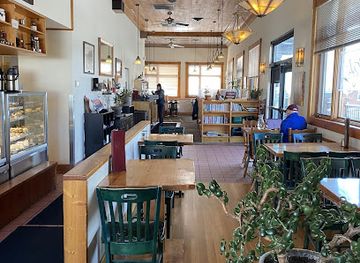
Best bars in Lake Superior's North Shore
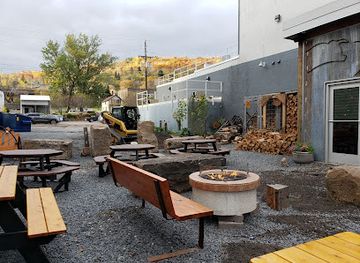
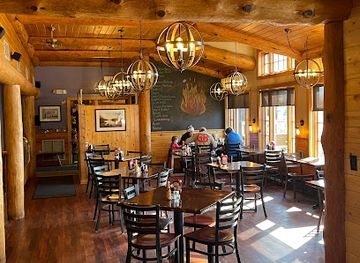
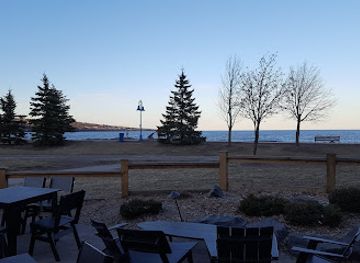
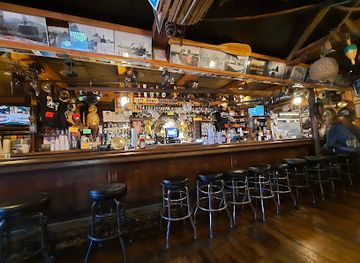
Evening life on the North Shore is generally relaxed and community-scaled rather than centred on large nightclubs. Duluth offers the widest choice of breweries, taprooms, bars, live music and late-evening entertainment, while Two Harbors and Grand Marais have pubs, restaurants and occasional live performances. In smaller settlements, historic-style taverns, lodge bars and cafés provide places to eat or talk, and some venues are strongly seasonal. The area’s breweries reflect the wider craft-beer culture of Minnesota, but drinking is only one part of the evening experience: sunset views, harbour walks, local theatre, music and stargazing are equally characteristic. Distances, limited taxi availability and dark rural roads make it important to arrange a safe journey before drinking. Winter evenings can be especially quiet outside the principal towns, whereas summer brings longer daylight and more activity around accommodation, marinas and outdoor events.
-
American
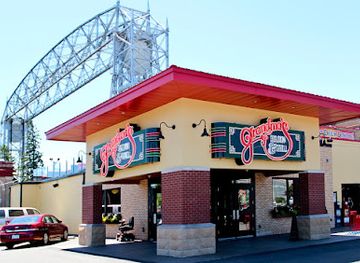
Grandma's Saloon & Grill
Experience the best of American cuisine with stunning views at Grandma's Saloon & Grill in Duluth's Canal Park.
-
Restaurant
Canal Park Brewing Company
Experience the best of local brews and delicious bites at Canal Park Brewing Company in Duluth, where every meal is a celebration of flavor.
-
Bar
Anchor Bar & Grill
Discover the flavors of Superior at Anchor Bar & Grill, where delicious food meets a lively atmosphere in Wisconsin's vibrant North End.
-
American
At Sara's Table Chester Creek Cafe
Experience the vibrant flavors and cozy ambiance of At Sara's Table Chester Creek Cafe, a culinary gem in Duluth's Chester Park neighborhood.
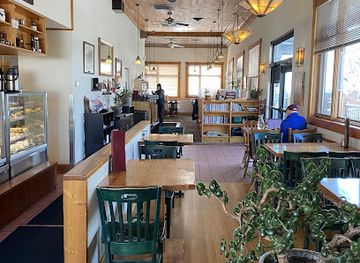
Best nightclubs in Lake Superior's North Shore
Evening life on the North Shore is generally relaxed and community-scaled rather than centred on large nightclubs. Duluth offers the widest choice of breweries, taprooms, bars, live music and late-evening entertainment, while Two Harbors and Grand Marais have pubs, restaurants and occasional live performances. In smaller settlements, historic-style taverns, lodge bars and cafés provide places to eat or talk, and some venues are strongly seasonal. The area’s breweries reflect the wider craft-beer culture of Minnesota, but drinking is only one part of the evening experience: sunset views, harbour walks, local theatre, music and stargazing are equally characteristic. Distances, limited taxi availability and dark rural roads make it important to arrange a safe journey before drinking. Winter evenings can be especially quiet outside the principal towns, whereas summer brings longer daylight and more activity around accommodation, marinas and outdoor events.
-
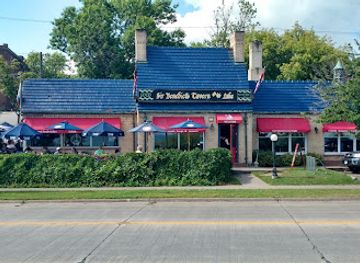
Bar
Sir Benedicts Tavern on the Lake
Enjoy delicious American cuisine and live music at Sir Benedicts Tavern on the Lake, a popular Duluth destination with stunning lake views.
-
American
Cascade Restaurant & Pub
Discover Cascade Restaurant & Pub in Lutsen, Minnesota, where American comfort food meets Irish pub charm amidst stunning North Shore scenery.
-
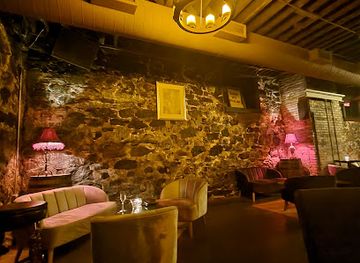
Cocktail bar
The Rathskeller
Experience the vibrant nightlife of Duluth at The Rathskeller, a premier cocktail bar and live music venue in the heart of the city.
-
Restaurant
Skyport Lodge & Raven Rock Grill
Experience the best of Grand Marais at Skyport Lodge & Raven Rock Grill, where exceptional dining meets breathtaking views in a cozy lodge setting.


Best shops in Lake Superior's North Shore
Shopping on the North Shore is concentrated in small town centres rather than large retail districts. Duluth provides the broadest selection, including independent shops, galleries, outdoor retailers and food producers, while Two Harbors and Grand Marais offer compact high streets with books, clothing, art, crafts and practical supplies. Grand Marais is particularly associated with galleries and locally made work, including ceramics, jewellery, prints and textiles, although individual businesses and seasonal hours change. Farmers’ markets and roadside stands can provide berries, preserves, maple products, baked goods and other regional foods when in season. Smoked fish and wild rice are popular food gifts, but visitors should follow customs and border rules when taking food across the United States–Canada boundary. Craft purchases should be made from reputable sellers, and objects presented as Indigenous art should be bought with attention to accurate attribution and respectful representation. Outdoor clothing and equipment are useful purchases for travellers extending their stay into the forest or winter season.
-
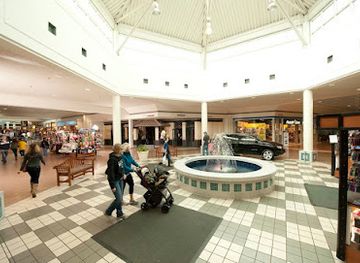
Shopping mall
Miller Hill Mall
Experience the ultimate shopping destination in Duluth, Minnesota, at Miller Hill Mall with a diverse range of stores and delightful dining options.
-
Gift shop
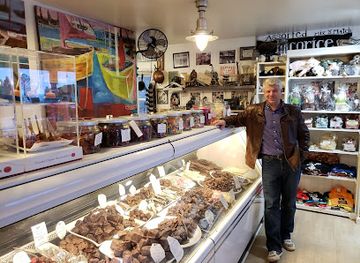
Great! Lakes Candy Kitchen
Discover a world of sweetness at Great! Lakes Candy Kitchen in Knife River, MN, where handmade chocolates and nostalgic candies await every visitor.
-
Shopping mall
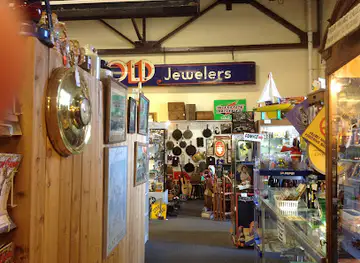
DeWitt–Seitz Marketplace
Discover the DeWitt–Seitz Marketplace, a shopping gem in Duluth offering unique local shops, delicious eateries, and stunning views of Lake Superior.
-
Gift shop
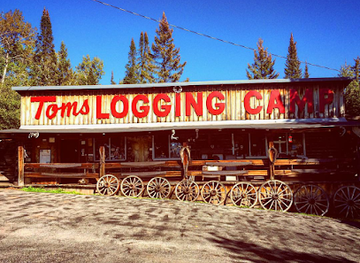
Tom's Logging Camp
Explore the rich logging history of Duluth at Tom's Logging Camp - a unique gift shop and museum experience for all ages.
Get your free copy of our complete guide to Lake Superior's North Shore, delivered straight to you.
Everything on this page, from attractions and restaurants to essentials and local phrases, in one PDF you can read offline, print or share.
Already have an account? Sign in
Your Lake Superior's North Shore guide is ready.
We'll send it to · Not you? Sign out

Getting your guide ready…
We are putting together a fresh copy of the Lake Superior's North Shore guide. This can take up to a minute.
This can take a few moments. If your browser asks, choose Allow so the download can start. You'll find the guide in your Downloads folder.
Nothing happened? Download it again
Sorry, the guide is taking longer than usual. Please try again in a minute, or get it by email instead.
Lake Superior's North Shore essentials
Currency and Payment
Safety
Emergency Situations
Do's and Don'ts
Local Tips
From Eve
Local phrases worth knowing
You don't need to get them perfect. A few words go a long way, and locals appreciate the effort.
Basics
| English | Local | Say it |
|---|---|---|
| Hello | Boozhoo | [Boo-zhoo] |
| Goodbye | Gigaawaabamin | [Gi-gaa-wa-ba-min] |
| Yes | Ee | [Ee] |
| No | Aapiji | [Aa-pee-gee] |
| Please/You’re welcome | Miigwech | [Mee-gwe-ch] |
| Thank you | Miigwech | [Mee-gwe-ch] |
| Excuse me/Sorry | Niminwendam | [Ni-min-wen-dam] |
| How are you? | Aaniin ezhichige? | [Aa-nee-een e-zhichi-ge] |
| Fine. And you? | Niminwendam. Iwe? | [Ni-min-wen-dam. Ee-we?] |
| Do you speak English? | Gego gii-zhiwebak English? | [Ge-go gi-zi-we-bak English?] |
| I don't understand | Niminwendam gego | [Ni-min-wen-dam ge-go] |
Eating & Drinking
| English | Local | Say it |
|---|---|---|
| I’d like to see the menu, please | Nin gii-bawa'ikwe menu, miigwech | [Nin gi-ba-wa-ik-we menu, mee-gwe-ch] |
| I don't eat meat | Nin gego niibin gii-wiisin | [Nin ge-go ni-bin gi-wi-sin] |
| Cheers! | Naakik | [Naa-kik] |
| I would like to pay, please | Nin gii-bawa'ikwe mii-wiisin, miigwech | [Nin gi-ba-wa-ik-we mii-wi-sin, mee-gwe-ch] |
Emergencies
| English | Local | Say it |
|---|---|---|
| Help! | Aaniin! | [Aa-nee-in!] |
| Go away! | Nishin! | [Ni-shin!] |
| Call the Police! | Bimaadiziwin gii-zhawenim! | [Bi-ma-di-zi-win gi-zhaw-e-nim!] |
| Call a doctor! | Bimaadiziwin gii-zhawenim! | [Bi-ma-di-zi-win gi-zhaw-e-nim!] |
| I’m lost | Nin gii-zhawenim | [Nin gi-zhaw-e-nim] |
| I’m ill | Nin gii-ziigwan | [Nin gi-ziig-wan] |
Shopping
| English | Local | Say it |
|---|---|---|
| I’d like to buy... | Nin gii-wiikendaan... | [Nin gi-wi-ken-daan] |
| I’m just looking | Nin gii-bawa'ikwe | [Nin gi-ba-wa-ik-we] |
| How much is it? | Aaniin gii-wiikendaan? | [Aa-nee-in gi-wi-ken-daan?] |
| That’s too expensive | Nisidotawig | [Ni-si-do-ta-wig] |
| Can you lower the price? | Gego gii-bawa'ikwe gii-wiikendaan? | [Ge-go gi-ba-wa-ik-we gi-wi-ken-daan?] |
Time & Numbers
| English | Local | Say it |
|---|---|---|
| What time is it? | Aaniin ezhichige? | [Aa-nee-een e-zhichi-ge?] |
| It’s one o'clock | Nin nwaachiga | [Nin nwaa-chi-ga] |
| Half past (10) | Niswi gii-zhichih | [Ni-swi gi-zi-chi-h] |
| Morning | Nibwaakaawin | [Ni-bwaa-ka-win] |
| Afternoon | Zhawenim | [Zha-we-nim] |
| Evening | Mikinaak | [Mi-ki-naak] |
| Yesterday | Gii-zhawenim | [Gi-zhaw-e-nim] |
| Today | Gii-gikendaasowin | [Gi-gi-ken-daa-so-win] |
| Tomorrow | Gii-oshkiniig | [Gi-osh-ki-niig] |
| 1 | Nii | [Ni-i] |
| 2 | Niis | [Ni-is] |
| 3 | Niswi | [Ni-swi] |
| 4 | Niiw | [Ni-iw] |
| 5 | Naan | [Naan] |
| 6 | Ningodwaaswi | [Nin-go-dwaa-swi] |
| 7 | Nisodwaaswi | [Ni-so-dwaa-swi] |
| 8 | Niswi | [Ni-swi] |
| 9 | Ninwe | [Nin-we] |
| 10 | Niswi | [Ni-swi] |
Transport & Directions
| English | Local | Say it |
|---|---|---|
| Where's a/the...? | Aaniin gii-zhawenim? | [Aa-nee-een gi-zhaw-e-nim?] |
| What's the address? | Aaniin gii-zhawenim? | [Aa-nee-een gi-zhaw-e-nim?] |
| Can you show me (on the map)? | Gego gii-bawa'ikwe ni-minikwe? | [Ge-go gi-ba-wa-ik-we ni-mi-nik-we?] |
| When's the next (bus)? | Aaniin gii-zhawenim? | [Aa-nee-een gi-zhaw-e-nim?] |
| A ticket (to ....) | Bimaadiziwin gii-zhawenim | [Bi-ma-di-zi-win gi-zhaw-e-nim] |
History of Lake Superior's North Shore
Ojibwe Homelands and Lake Routes
The North Shore lies within the homeland of the Ojibwe, whose communities travelled the lakes and rivers by canoe, hunted, fished and gathered across the forested country. Wild rice, fish, game and maple products supported seasonal lifeways, while established routes connected Lake Superior with the interior. The Grand Portage Band of Lake Superior Chippewa continues this cultural presence at the northeastern end of the shore. Any account of the region’s history therefore begins with Indigenous sovereignty, knowledge and continuity rather than with European exploration.
Grand Portage and the Fur Trade
Grand Portage became a major fur-trade centre in the late eighteenth century, linking Lake Superior with a portage route to the interior. Traders gathered there during the summer rendezvous before transporting European goods inland and furs towards the lake. The North West Company built a substantial trading post, and the site’s importance explains the survival of the name Grand Portage. Grand Portage National Monument preserves and interprets this history, including the relationships and commercial exchanges between Indigenous peoples and European traders.
Treaties and the Reservation Era
Nineteenth-century United States treaties reshaped Indigenous landholding and access across northeastern Minnesota. The 1854 Treaty of La Pointe established reservations in the region, including Grand Portage, while also opening large areas to non-Indigenous settlement and resource development. Treaty history remains relevant to the modern North Shore because it underlies land rights, government relationships and the continuing presence of the Grand Portage Band. Visitors should understand the reservation as a contemporary Ojibwe community with its own institutions, not merely as a historical remnant.
Timber, Mining and Early Settlement
During the nineteenth century, commercial logging expanded through northeastern Minnesota, using rivers, railways and Lake Superior shipping to move timber. Iron mining in the wider Lake Superior region also transformed the economy, attracting workers and strengthening the port of Duluth. Settlements such as Two Harbors developed around transport, shipping and resource industries, while rail lines reached inland timber and mining districts. The region’s forests, ore docks, rail corridors and harbour infrastructure still reveal the scale of these changes.
Lighthouses and Lake Superior Shipping
Lake Superior’s storms, reefs and long distances made navigation aids essential as shipping increased. Split Rock Lighthouse, completed in 1910, became one of the best-known guides along the Minnesota coast, while other lights at Two Harbors, Duluth and Grand Marais served local harbours and approaches. Ore carriers and other commercial vessels connected the North Shore with the wider Great Lakes economy. Historic lighthouses now provide an architectural record of the maritime systems that supported industry and settlement along a difficult shoreline.
Highway 61 and the Rise of Scenic Tourism
Improved roads and the development of Minnesota Highway 61 made the North Shore increasingly accessible to motorists during the twentieth century. Scenic overlooks, state parks, lodges and restaurants developed alongside the route, gradually adding tourism to logging, fishing, shipping and mining as a central economic activity. The highway also made the region’s waterfalls, forests and lighthouses familiar to visitors from across Minnesota and beyond. Modern travel still follows this corridor, although its recreational landscape depends on careful management of fragile shores and heavily used trails.
Conservation and Outdoor Recreation
The establishment and expansion of state parks, the Superior National Forest and protected heritage sites reflected growing recognition of the North Shore’s ecological and cultural value. Conservation has not removed human use: anglers, campers, hikers, skiers, snowmobilers and local communities continue to rely on the landscape. Instead, it has created a framework for managing forests, rivers, wildlife habitat and historic places while supporting recreation. Today’s North Shore is shaped by the continuing balance between access, conservation, industry and Indigenous rights.
Lake Superior's North Shore in Photos
Browse through our photo collection highlighting the charm and character of the destination.
Neighbouring regions of Lake Superior's North Shore
The closest regions to Lake Superior's North Shore, if you have time for more than one.
-

-

-

-

-


Swipe for more regions
Explore more

Explore more of Minnesota
Discover Minnesota: From the bustling Twin Cities and cultural landmarks to the serene lakes and expansive wilderness, experience the diverse beauty and welcoming spirit of the North Star State.
Explore Minnesota