

Lutsen Mountains Travel Guide - Free Web & App
Your ultimate guide to Lutsen Mountains. Discover top landmarks, proposed trips, and local tips. Free on the web or via the Evendo companion app.


Lutsen Mountains in Minnesota offers Lake Superior views, four-season skiing, forest trails, scenic gondola rides and North Shore adventure.
Mountain, Forest and Inland Sea
Lutsen Mountains occupies a forested stretch of Minnesota’s North Shore, where the Sawtooth Mountains rise above Lake Superior near the small communities of Lutsen and Tofte. The destination is best known for Lutsen Mountains Ski & Summer Resort, a four-mountain recreation area with downhill skiing in winter and scenic gondola rides, hiking and other seasonal activities in warmer months. Its slopes are part of a much larger landscape of boreal forest, exposed ridges, inland lakes and rocky shoreline shaped by ancient volcanic geology and glacial movement.Read more about Lutsen Mountains
A Four-Season Outdoor Base
North Shore Character
When is the best time to visit Lutsen Mountains?
Best: June–August · 24–26°C| Month | High (°C) | Rainfall (mm) |
|---|---|---|
| January | -6 | 26 |
| February | -3 | 23 |
| March | 4 | 31 |
| April | 10 | 45 |
| May | 19 | 66 |
| June (best) | 24 | 86 |
| July (best) | 26 | 90 |
| August (best) | 25 | 88 |
| September | 20 | 81 |
| October | 14 | 58 |
| November | 3 | 42 |
| December | -3 | 34 |
Getting to and around Lutsen Mountains
How to get there
Transportation
Best attractions in Lutsen Mountains
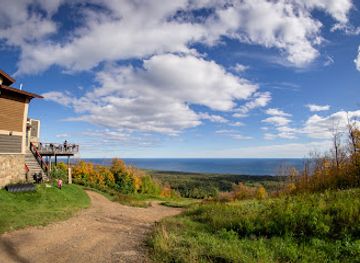
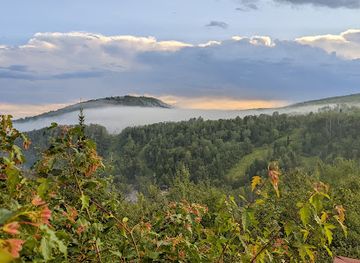
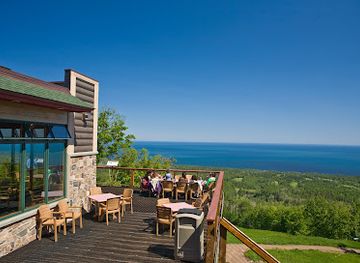
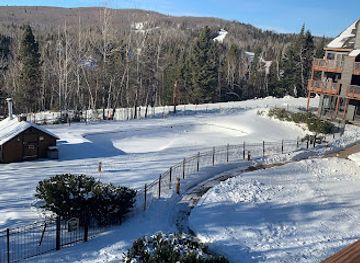
The principal attraction is Lutsen Mountains Ski & Summer Resort, whose four interconnected mountains provide downhill skiing and snowboarding in winter and scenic summer access to the high country. The resort’s gondola offers a particularly accessible way to reach elevated viewpoints when operating, with broad prospects over the Sawtooth Mountains and Lake Superior. Beyond the ski area, the North Shore unfolds through the forested valleys of the Poplar, Cascade and Temperance rivers, with nearby Cascade River State Park and Temperance River State Park offering trails, river scenery and access to the wider outdoor landscape. The Superior Hiking Trail passes through the region and provides longer walking opportunities for prepared hikers. Highway 61 is itself a scenic route, linking Lutsen Mountains with rocky shorelines, waterfalls, inland lakes and the harbour town of Grand Marais. In autumn, the surrounding hardwood and conifer forest becomes one of the area’s defining sights.
-
Resort hotel
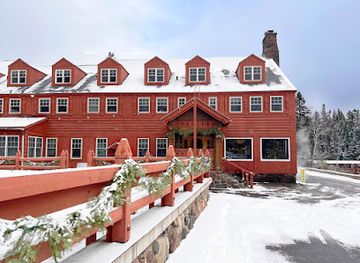
Lutsen Resort
Discover the luxury and natural beauty of Lutsen Resort, your year-round destination for adventure and relaxation on Lake Superior.
-
 Ski resort
Caribou Highlands Lodge
Experience the best of winter sports and cozy lodging at Caribou Highlands Lodge in Lutsen, Minnesota, a perfect retreat for adventure seekers and families alike.
-
Restaurant
Summit Chalet at Lutsen Mountains
Experience the tranquility of Lutsen Mountains while enjoying locally inspired cuisine at Summit Chalet, a must-visit restaurant for tourists.
-
Resort hotel
Eagle Ridge Resort at Lutsen Mountains
Experience the thrill of skiing and the tranquility of nature at Eagle Ridge Resort, your perfect getaway in Lutsen Mountains, Minnesota.
Best landmarks in Lutsen Mountains
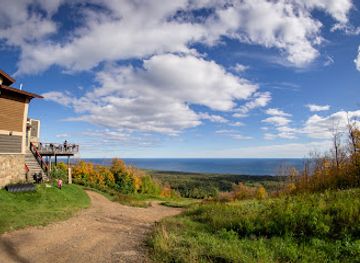
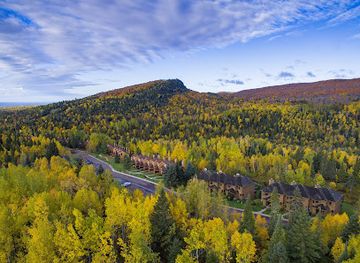
Lake Superior is the defining natural landmark of Lutsen Mountains, its immense surface forming a changing blue, steel-grey or storm-dark horizon below the Sawtooth Mountains. The resort’s four named mountains—Moose, Eagle, Ullr and Mystery—form the central physical landmarks of the ski area, with ridgelines that reveal the relationship between upland forest and lake shore. The Poplar River valley, Cascade River and Temperance River add distinctive waterways and rocky ravines to the surrounding landscape, while nearby state parks protect characteristic North Shore scenery. The broader Superior Hiking Trail links the area’s ridges, forests and river corridors. Together these features express the region’s geological character: ancient bedrock, glacially shaped slopes, thin soils and a powerful freshwater coast rather than a landscape dominated by historic architecture or urban monuments.
-
Resort hotel
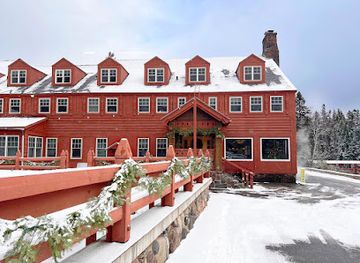
Lutsen Resort
Experience the beauty of Lake Superior at Lutsen Resort, your gateway to adventure and relaxation amidst Minnesota's stunning landscapes.
-
Ski resort
Caribou Highlands Lodge
Experience the thrill of winter sports and the warmth of cozy lodgings at Caribou Highlands Lodge, your ultimate Minnesota ski getaway.
-
Restaurant
Summit Chalet at Lutsen Mountains
Discover the perfect blend of breathtaking views and exquisite dining at Summit Chalet in Lutsen Mountains, Minnesota.
-
Restaurant
Papa Charlie's Tavern
Discover Papa Charlie's Tavern in Lutsen, MN - a lively restaurant and live music venue that offers delicious food and unforgettable entertainment.
Explore Lutsen Mountains on the map
Plan your trip on one map. See where the top attractions, landmarks, restaurants and hotels are, and book hotels and experiences in a few clicks.
Best hotels in Lutsen Mountains
Best restaurants in Lutsen Mountains
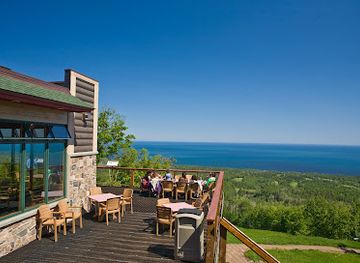
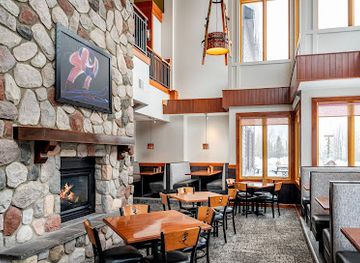
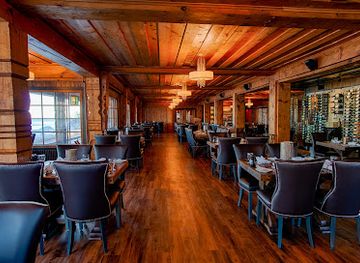
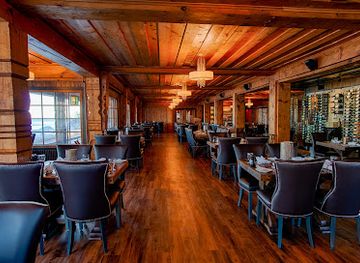
Dining around Lutsen Mountains is concentrated at the resort and in the nearby North Shore communities rather than in a large town centre. Resort facilities provide convenient meals and drinks during the ski and summer seasons, while restaurants, cafés, bakeries and pubs in Lutsen, Tofte and Grand Marais offer broader choice. Regional menus commonly draw on Lake Superior fish, wild rice, berries, maple products and locally sourced meat, reflecting both Ojibwe food traditions and the ingredients of northern Minnesota. Visitors should expect distances between establishments and should check seasonal opening arrangements, particularly outside the busiest summer and winter periods. Farm shops and small food retailers can be useful for picnic supplies, though remote trailheads generally have no purchasing facilities. Grand Marais, outside the immediate resort area, is the region’s strongest dining hub and is practical for visitors travelling east along the North Shore.
-
Restaurant
Summit Chalet at Lutsen Mountains
Experience exquisite dining at Summit Chalet in Lutsen Mountains, where culinary delights meet breathtaking views of Minnesota’s stunning landscapes.
-
Restaurant
Papa Charlie's Tavern
Discover culinary delights and live music at Papa Charlie's Tavern in Lutsen, Minnesota - where every meal is an experience!
-
Restaurant
Moguls Grille & Taproom
Experience culinary delights at Moguls Grille & Taproom in Lutsen, MN - where local flavors meet warm hospitality.
-
Fine Dining
The Strand Waterfront Dining & Wine Bar
Experience fine dining with exquisite cuisine and stunning views at The Strand Waterfront Dining & Wine Bar in Lutsen, Minnesota.
Best bars in Lutsen Mountains
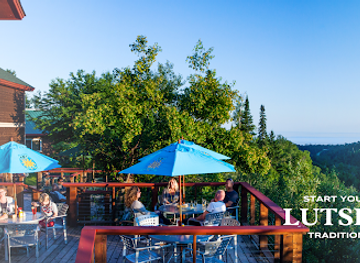
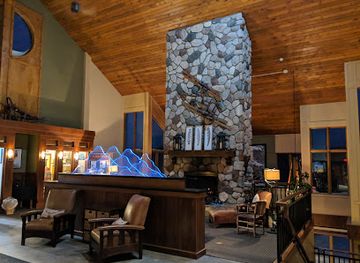
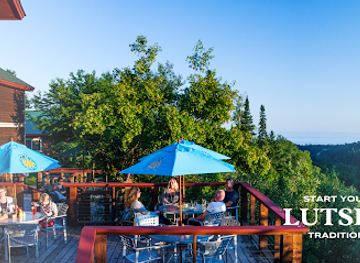
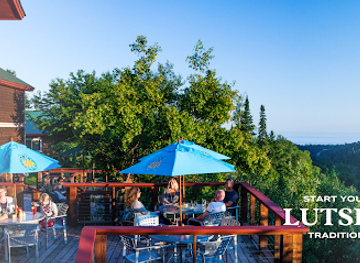
Evening entertainment at Lutsen Mountains is generally quiet and seasonal rather than nightclub-oriented. Resort après-ski gatherings, dining rooms and established bars provide opportunities to relax after a day on the slopes, while traditional pubs and inns in Lutsen, Tofte and nearby North Shore communities offer a low-key local atmosphere. Grand Marais, outside the immediate destination, has the widest selection of places for an evening drink and occasional live or community entertainment, though availability varies with the season. There are no extensive nightlife districts around the mountain, and evening plans are often shaped by weather, driving distances and accommodation location. Summer and autumn may bring local music, arts or community events, but these should be checked locally rather than assumed to operate throughout the year.
-
Restaurant
Caribou Highlands Lodge
Discover the beauty of Minnesota's North Shore at Caribou Highlands Lodge, a perfect blend of adventure and comfort in Lutsen.
-
Restaurant
Summit Chalet at Lutsen Mountains
Experience exquisite dining at Summit Chalet in the Lutsen Mountains, where breathtaking views meet delicious local cuisine.
-
Restaurant
Papa Charlie's Tavern
Discover the lively blend of hearty dining and live music at Papa Charlie's Tavern in Lutsen, Minnesota, a perfect spot for visitors seeking local culture.
-
Resort hotel
Eagle Ridge Resort at Lutsen Mountains
Experience the ultimate mountain getaway at Eagle Ridge Resort, where adventure meets relaxation in the heart of Lutsen's stunning natural landscape.
Best nightclubs in Lutsen Mountains
Evening entertainment at Lutsen Mountains is generally quiet and seasonal rather than nightclub-oriented. Resort après-ski gatherings, dining rooms and established bars provide opportunities to relax after a day on the slopes, while traditional pubs and inns in Lutsen, Tofte and nearby North Shore communities offer a low-key local atmosphere. Grand Marais, outside the immediate destination, has the widest selection of places for an evening drink and occasional live or community entertainment, though availability varies with the season. There are no extensive nightlife districts around the mountain, and evening plans are often shaped by weather, driving distances and accommodation location. Summer and autumn may bring local music, arts or community events, but these should be checked locally rather than assumed to operate throughout the year.
-
Restaurant
Summit Chalet at Lutsen Mountains
Discover the Summit Chalet at Lutsen Mountains—where exquisite dining meets enchanting mountain views in Minnesota.
-
Restaurant
Papa Charlie's Tavern
Experience the heart of Lutsen at Papa Charlie's Tavern, where delicious food meets live music in a stunning mountain setting.
-
Restaurant
Moguls Grille & Taproom
Experience the best of North Shore dining at Moguls Grille & Taproom, featuring a delicious menu and local craft beverages in a cozy atmosphere.
-
Fine Dining
The Strand Waterfront Dining & Wine Bar
Experience fine dining and exquisite wines at The Strand Waterfront Dining & Wine Bar, where breathtaking views meet culinary excellence in Lutsen, Minnesota.
Best shops in Lutsen Mountains
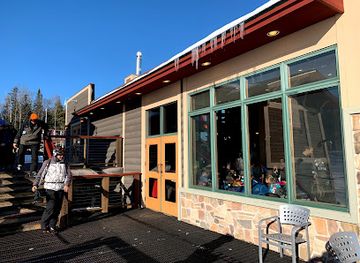
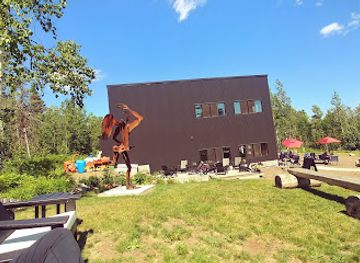
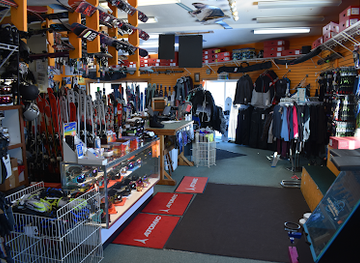
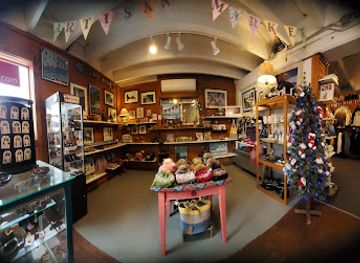
Shopping at Lutsen Mountains is practical and outdoor-focused, with resort and local retailers supplying equipment, clothing and seasonal essentials for skiing, hiking and North Shore travel. More distinctive browsing is found in nearby Lutsen, Tofte and Grand Marais, where independent galleries, craft businesses, food shops and small retailers reflect the area’s artistic and rural character. Visitors may encounter locally produced pottery, woodwork, textiles, paintings, jewellery, maple products, wild rice and other northern Minnesota foods, although product ranges vary between businesses and seasons. Grand Marais, outside the immediate mountain area, has the broadest concentration of galleries and independent shops. There is no extensive shopping district at the resort itself, so visitors seeking specialist equipment or gifts should plan around opening patterns and the distances between communities.
-
Winery
North Shore Winery
Discover the exquisite flavors of locally crafted wines at North Shore Winery, surrounded by the stunning landscapes of Lutsen, Minnesota.
-
Ski rental service
Lutsen Recreation Inc
Explore a world of outdoor adventure at Lutsen Recreation Inc, your go-to spot for skiing, snowboarding, biking, and canoeing in Minnesota's stunning North Shore.
-
Ski shop
The Mountain Shop at Lutsen Mountains
Discover The Mountain Shop at Lutsen Mountains, your ultimate destination for ski gear, outdoor clothing, and unique gifts amidst stunning scenery.
-
Lodge
Scandinavian Chalet
Discover the enchanting Scandinavian Chalet in Lutsen, MN, where rustic charm meets modern comfort amidst breathtaking natural beauty.
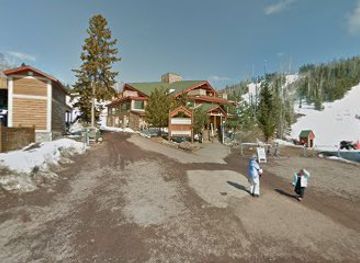
Get your free copy of our complete guide to Lutsen Mountains, delivered straight to you.
Everything on this page, from attractions and restaurants to essentials and local phrases, in one PDF you can read offline, print or share.
Already have an account? Sign in
Your Lutsen Mountains guide is ready.
We'll send it to · Not you? Sign out

Getting your guide ready…
We are putting together a fresh copy of the Lutsen Mountains guide. This can take up to a minute.
This can take a few moments. If your browser asks, choose Allow so the download can start. You'll find the guide in your Downloads folder.
Nothing happened? Download it again
Sorry, the guide is taking longer than usual. Please try again in a minute, or get it by email instead.
Lutsen Mountains essentials
Currency and Payment
Safety
Emergency Situations
Do's and Don'ts
Local Tips
From Eve
Local phrases worth knowing
You don't need to get them perfect. A few words go a long way, and locals appreciate the effort.
Basics
| English | Local | Say it |
|---|---|---|
| Hello | Howdy | [haw-dee] |
| Goodbye | See ya later | [see ya lay-ter] |
| Yes | Yah | [yah] |
| No | Nah | [nah] |
| Please/You're welcome | Please/No problem | [pleez/no prob-lem] |
| Thank you | Thanks a bunch | [thanks uh bunch] |
| Excuse me/Sorry | Pardon me/My bad | [par-dun me/my bad] |
| How are you? | Howdy, how's it goin'? | [haw-dee, howz it go-in] |
| Fine. And you? | Just dandy. How 'bout you? | [just dan-dee, how 'bout yah] |
| Do you speak English? | You speak English? | [yoo speak in-glish] |
| I don't understand | I ain't catchin' on | [I aint ketch-in on] |
Eating & Drinking
| English | Local | Say it |
|---|---|---|
| I'd like to see the menu, please | Can I check out the grub list, please? | [can I chek out the grub list, please?] |
| I don't eat meat | I ain't into meat | [I aint in-to meat] |
| Cheers! | Cheers! | [cheers] |
| I would like to pay, please | I reckon I'll settle up now, please | [I reck-on I'll set-tle up now, please] |
Emergencies
| English | Local | Say it |
|---|---|---|
| Help! | Help! | [help] |
| Go away! | Git! | [git] |
| Call the Police! | Ring up the Sheriff! | [ring up the sheriff] |
| Call a doctor! | Fetch a doc! | [fetch uh doc] |
| I'm lost | I'm turned around | [I'm turned around] |
| I'm ill | I'm feelin' poorly | [I'm feel-in poor-ly] |
Shopping
| English | Local | Say it |
|---|---|---|
| I'd like to buy... | I'm fixin' to purchase... | [I'm fix-in to perch-us] |
| I'm just looking | I'm just browsin' | [I'm just brow-sin] |
| How much is it? | What's the damage? | [whats the dam-age] |
| That's too expensive | That's a bit steep | [thats uh bit steep] |
| Can you lower the price? | Can you budge on the cost? | [can you buhj on the cost] |
Time & Numbers
| English | Local | Say it |
|---|---|---|
| What time is it? | What's the hour? | [whats the hour] |
| It's one o'clock | It's one o'clock | [its one o'clock] |
| Half past (10) | Half past (10) | [half past (10)] |
| Morning | Mornin' | [morn-in] |
| Afternoon | Afternoon | [after-noon] |
| Evening | Evenin' | [even-in] |
| Yesterday | Yest'day | [yest-day] |
| Today | Today | [to-day] |
| Tomorrow | Mornin' | [mor-nin] |
| 1 | One | [wun] |
| 2 | Two | [too] |
| 3 | Three | [three] |
| 4 | Four | [four] |
| 5 | Five | [five] |
| 6 | Six | [six] |
| 7 | Seven | [seven] |
| 8 | Eight | [ate] |
| 9 | Nine | [nine] |
| 10 | Ten | [ten] |
Transport & Directions
| English | Local | Say it |
|---|---|---|
| Where's a/the...? | Where's a/the...? | [wheres a/the] |
| What's the address? | What's the address? | [whats the address] |
| Can you show me (on the map)? | Can you show me (on the map)? | [can you show me (on the map)] |
| When's the next (bus)? | When's the next (bus)? | [whens the next (bus)] |
| A ticket (to ....) | A ticket (to ....) | [uh ticket (to)] |
History of Lutsen Mountains
Volcanic Foundations and Glacial Change
The landscape around Lutsen Mountains rests on ancient volcanic bedrock associated with the Keweenawan Rift, a vast geological feature underlying parts of the Lake Superior region. Later erosion and repeated glaciation carved the ridges, valleys and drainage patterns visible along the North Shore. Glacial action also helped shape Lake Superior’s shoreline and left a landscape of exposed rock, thin soils, inland lakes and mixed boreal forest. These geological conditions explain why the Sawtooth Mountains rise so distinctly above the lake and why the region has long attracted visitors interested in rugged scenery as well as outdoor recreation.
Ojibwe Homeland and Early Trade
The North Shore is part of the longstanding homeland of the Anishinaabe, including the Ojibwe communities connected with the Lake Superior region. Indigenous peoples developed detailed knowledge of the forests, waterways and seasons, using the lake and inland routes for travel, fishing, hunting and gathering. European traders and missionaries later entered an established cultural landscape rather than an empty wilderness, and the fur trade brought new commercial connections. The Grand Portage area to the east remains one of the most important places for understanding Ojibwe, French and British trading history on Minnesota’s northern shore.
Logging, Settlement and the North Shore Road
During the nineteenth and early twentieth centuries, timber harvesting, fishing and small-scale farming influenced settlement along the North Shore. Communities such as Lutsen and Tofte developed in relation to the lake, local waterways and the forest economy, while transport links gradually improved. The modern road connection along the shore transformed access to the region, particularly after the development of Highway 61, and made tourism more practical. Lodges, cabins and seasonal resorts complemented older resource-based industries, establishing the North Shore as a destination for scenic travel as well as a place of work and residence.
The Rise of Lutsen Mountain Recreation
Downhill skiing became established at Lutsen in the mid-twentieth century, building on the area’s steep terrain, reliable winter conditions and proximity to Lake Superior. The ski operation expanded across several ridges and developed into Lutsen Mountains Ski & Summer Resort, now the principal visitor focus of the destination. Summer gondola rides, sightseeing and other outdoor activities broadened its seasonal appeal, while nearby state parks and the Superior National Forest strengthened the area’s wider recreation identity. Conservation of forests, shorelines and waterways remains central to managing tourism in this environmentally sensitive region.
Lutsen Mountains in Photos
Browse through our photo collection highlighting the charm and character of the destination.
Neighbouring destination travel guides
The closest destinations to Lutsen Mountains, if you have time for more than one.
-

-

-

-
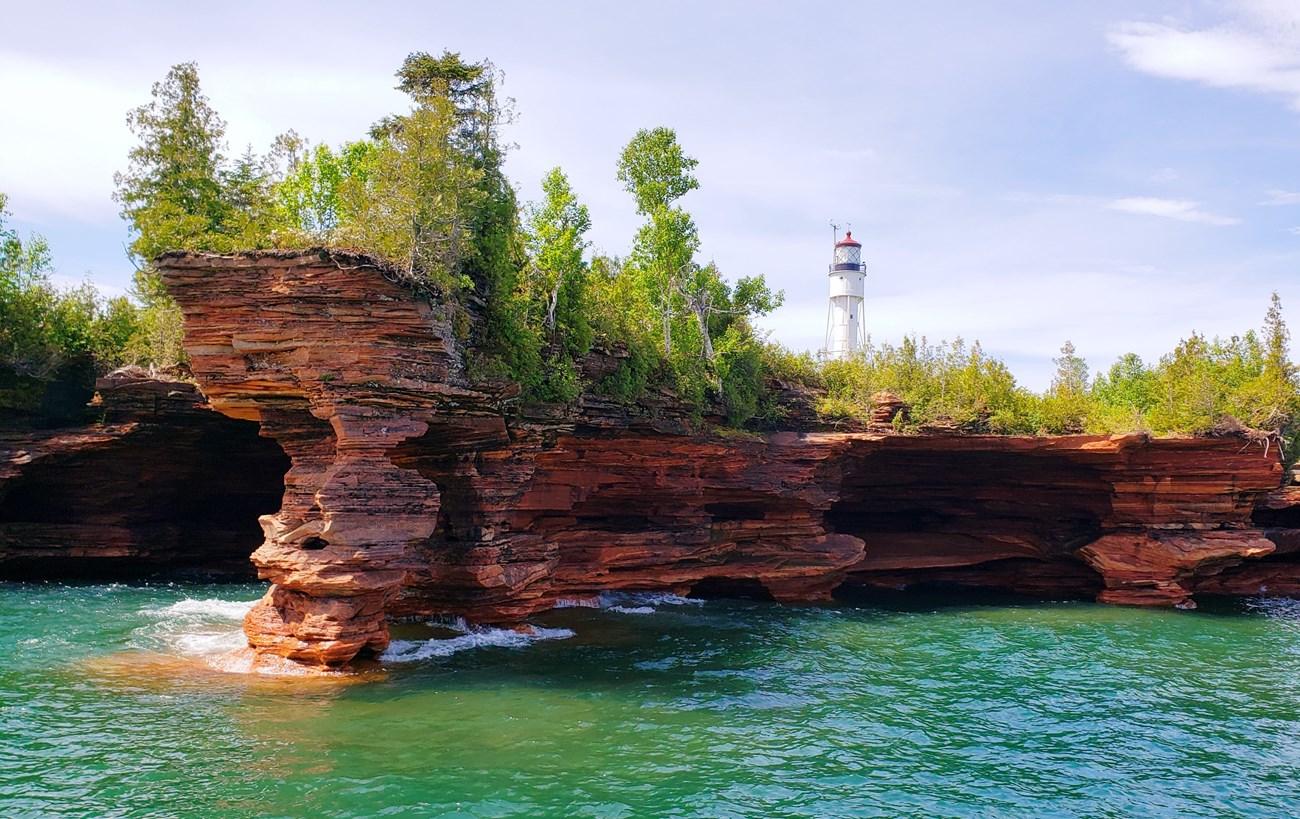 Apostle Islands National Lakeshore
 in Wisconsin offers Lake Superior sea caves, historic lighthouses, island camping, kayaking and winter ice formations.
Apostle Islands National Lakeshore
Apostle Islands National Lakeshore in Wisconsin offers Lake Superior sea caves, historic lighthouses, island camping, kayaking and winter ice formations.
-
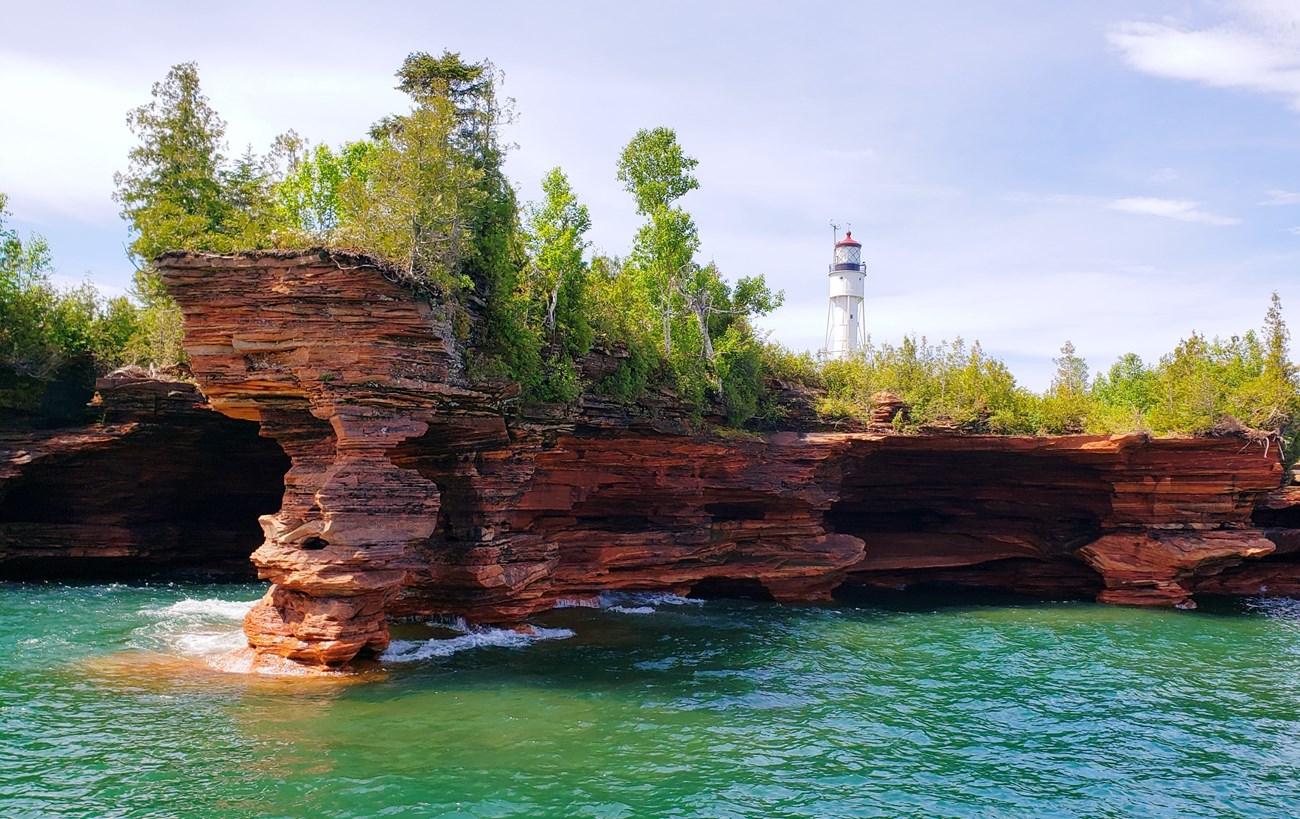 Apostle Islands
 in Wisconsin’s Lake Superior offer sea caves, lighthouses, kayaking, sailing, islands, wildlife and memorable coastal walks.
Apostle Islands
Apostle Islands in Wisconsin’s Lake Superior offer sea caves, lighthouses, kayaking, sailing, islands, wildlife and memorable coastal walks.


Swipe for more destinations
Explore more

Explore more of Lake Superior's North Shore
Explore Minnesota’s Lake Superior North Shore for lighthouses, waterfalls, Ojibwe heritage, forest trails, scenic drives and rugged coastal landscapes.
Explore Lake Superior's North Shore
Explore more of Minnesota
Discover Minnesota: From the bustling Twin Cities and cultural landmarks to the serene lakes and expansive wilderness, experience the diverse beauty and welcoming spirit of the North Star State.
Explore Minnesota