

Tettegouche State Park Travel Guide - Free Web & App
Your ultimate guide to Tettegouche State Park. Discover top landmarks, proposed trips, and local tips. Free on the web or via the Evendo companion app.


Tettegouche State Park in Minnesota offers Lake Superior cliffs, waterfalls, forests, hiking trails, camping and North Shore wilderness near Silver Bay.
Lake Superior Landscapes
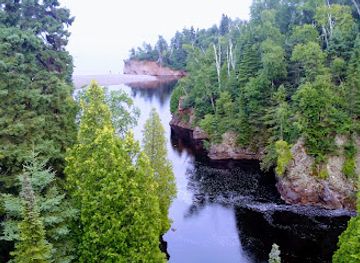
Tettegouche State Park occupies a rugged stretch of Minnesota’s North Shore, where the Superior Hiking Trail, boreal forest and ancient-looking bedrock meet Lake Superior. The park lies northeast of Silver Bay and is reached from Minnesota State Highway 61, which follows the lake through a chain of small communities and protected landscapes. Its terrain rises sharply from the shoreline into hills, ravines and inland lakes, creating a far more varied landscape than the narrow coastal strip might suggest.Read more about Tettegouche State Park
Waterfalls, Cliffs and Forest Trails
Heritage and Outdoor Character
When is the best time to visit Tettegouche State Park?
Best: June–August · 22–24°C| Month | High (°C) | Rainfall (mm) |
|---|---|---|
| January | -6 | 30 |
| February | -4 | 25 |
| March | 3 | 35 |
| April | 9 | 40 |
| May | 17 | 60 |
| June (best) | 22 | 80 |
| July (best) | 24 | 90 |
| August (best) | 24 | 90 |
| September | 19 | 70 |
| October | 12 | 50 |
| November | 3 | 40 |
| December | -3 | 35 |
Getting to and around Tettegouche State Park
How to get there
Transportation
Best attractions in Tettegouche State Park
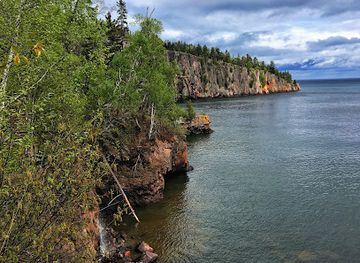
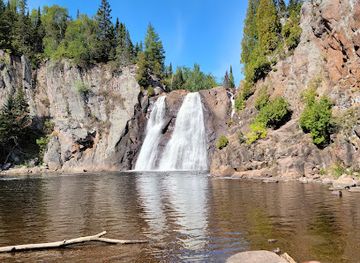
Tettegouche State Park’s principal attractions are spread between the Lake Superior shore and its forested interior. Shovel Point provides one of the park’s most recognisable cliff-top viewpoints, with rocky shoreline and open water extending along the North Shore. The Baptism River forms the park’s inland focus, including High Falls and the smaller Two Step Falls, while trails pass through mixed forest, ravines and hilly terrain. The Superior Hiking Trail crosses the park and links its landscapes with a much longer North Shore route. Inland lakes such as Mic Mac Lake add quieter settings for walking and nature observation, though water access and permitted activities should be checked locally. The former Tettegouche Camp gives the park a historic dimension, and nearby Silver Bay and Beaver Bay provide practical gateways rather than attractions within the park itself. Visitors should allow for substantial elevation changes and variable conditions when planning between these sites.
-
Park
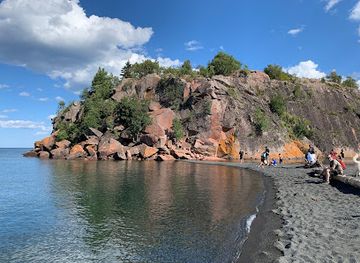
Black Beach Park
Explore Black Beach Park in Silver Bay, Minnesota, where unique black sands meet the stunning shores of Lake Superior, perfect for relaxation and adventure.
-
Visitor center
Tettegouche Visitor Center
Experience the breathtaking beauty of Minnesota's North Shore at Tettegouche Visitor Center, your gateway to outdoor adventures and natural wonders.
-
Tourist attraction
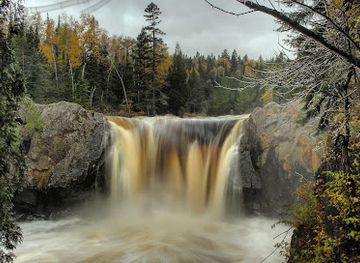
Illgen Falls
Explore Illgen Falls, a stunning natural attraction in Silver Bay, Minnesota, known for its breathtaking waterfalls and lush forest landscapes.
-
Tourist attraction
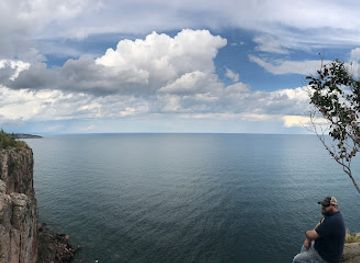
Palisade Head Historical Marker
Explore the breathtaking vistas and rich history at Palisade Head Historical Marker in Silver Bay, Minnesota, a must-visit destination for nature lovers.
Explore Tettegouche State Park on the map
Plan your trip on one map. See where the top attractions, landmarks, restaurants and hotels are, and book hotels and experiences in a few clicks.
Best hotels in Tettegouche State Park
Best restaurants in Tettegouche State Park
Tettegouche State Park does not function as a restaurant destination, and visitors should plan meals around nearby North Shore communities. Silver Bay and Beaver Bay are the closest useful places to look for cafés, casual dining, takeaway food and everyday provisions, while Two Harbors provides a broader range of established eateries on the route from Duluth. Dining in the region reflects the practical character of a lake and forest corridor, with menus and supplies shaped by road travellers, outdoor recreation and local community life rather than by a concentrated culinary district. Picnicking can be part of a park visit where permitted, but food should be packed securely and rubbish removed. Those staying in cabins, campsites or self-catering accommodation may find it convenient to shop before reaching the park, particularly when exploring more remote trails or travelling outside the main settlements.
-
Pizza
Zoe's Pizza Kitchen
Discover delicious pizzas made with local ingredients at Zoe's Pizza Kitchen in Silver Bay – a must-visit culinary gem for every traveler.
Best bars in Tettegouche State Park
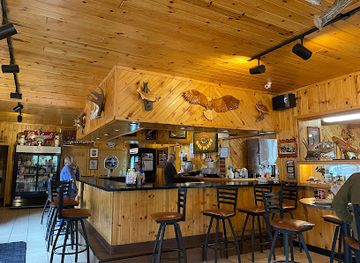
Evening entertainment around Tettegouche State Park is quiet and community-based rather than centred on nightclubs. The park’s strongest after-dark character comes from the forest, the sound of the Baptism River and changing light over Lake Superior, subject to park rules and suitable conditions. Traditional bars, restaurants and modest evening hospitality are more likely to be found in Silver Bay, Beaver Bay and Two Harbors than inside the park, with the range depending on the day and season. Visitors staying in cabins, inns or campsites generally use these communities for an evening meal or supplies, then return to a low-key outdoor setting. Seasonal community events and live music may occur in North Shore towns, but programmes and venue availability change, so they should be checked locally rather than assumed.
-
Hamburger
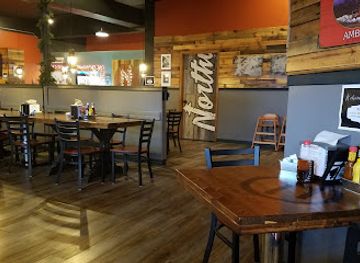
Northwoods Family Grille
Experience the best of American dining at Northwoods Family Grille, where delicious hamburgers and barbecue unite in a warm, family-friendly atmosphere.
-
Hotel
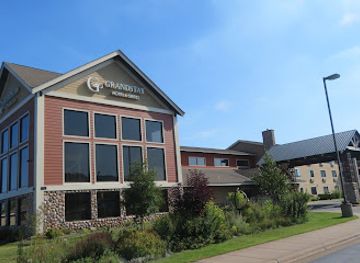
Black Beach Inn Silver Bay
Discover the perfect blend of comfort and nature at Black Beach Inn Silver Bay, your gateway to the stunning North Shore of Minnesota.
-
American
Our Place Inc
Experience authentic American breakfast and comfort food at Our Place Inc, a cozy gem in Finland, Minnesota, perfect for every traveler.
-
Pizza
Zoe's Pizza Kitchen
Discover the heart of Silver Bay at Zoe's Pizza Kitchen, where delicious pizzas and a warm atmosphere await every visitor.
Best shops in Tettegouche State Park
Shopping within Tettegouche State Park is limited and primarily connected with practical visitor needs, so supplies, food and outdoor essentials are best obtained in Silver Bay, Beaver Bay or larger North Shore communities such as Two Harbors. Small local businesses in the region may carry North Shore souvenirs, postcards, books, artwork, outdoor clothing and products from nearby makers, while food shops provide provisions for picnics and self-catering stays. The most characteristic purchases are likely to be regional rather than park-specific: locally made crafts, work by North Shore artists and Minnesota food products. Visitors should not expect a substantial shopping district, permanent craft market or extensive retail choice beside the trails. Travellers continuing towards Grand Marais will encounter further independent shops and galleries, but those lie outside Tettegouche State Park and should be treated as part of a wider North Shore itinerary.
-
State park
Tettegouche State Park
Explore the breathtaking landscapes of Tettegouche State Park, featuring stunning views, hiking trails, waterfalls, and outdoor adventures.
-
Grocery store
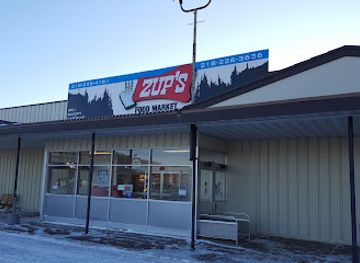
Zup's Food Market
Discover fresh, local flavors at Zup's Food Market in Silver Bay - your destination for quality groceries and local products.
-
Grocery store
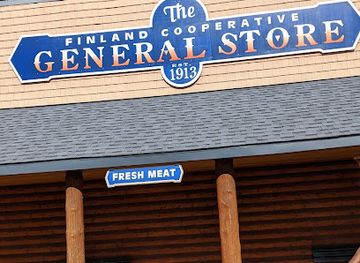
Finland Co-op
Experience the charm of Finland, MN at Finland Co-op, your community grocery store and local hub for all your shopping needs.
-
Coffee shop
Timber Coffee Company
Discover Timber Coffee Company in Silver Bay, MN – a cozy coffee shop offering exceptional brews and a welcoming atmosphere for all travelers.
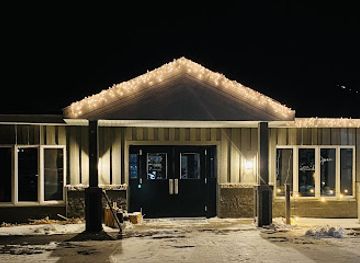
Get your free copy of our complete guide to Tettegouche State Park, delivered straight to you.
Everything on this page, from attractions and restaurants to essentials and local phrases, in one PDF you can read offline, print or share.
Already have an account? Sign in
Your Tettegouche State Park guide is ready.
We'll send it to · Not you? Sign out

Getting your guide ready…
We are putting together a fresh copy of the Tettegouche State Park guide. This can take up to a minute.
This can take a few moments. If your browser asks, choose Allow so the download can start. You'll find the guide in your Downloads folder.
Nothing happened? Download it again
Sorry, the guide is taking longer than usual. Please try again in a minute, or get it by email instead.
Tettegouche State Park essentials
Currency and Payment
Safety
Emergency Situations
Do's and Don'ts
Local Tips
From Eve
Local phrases worth knowing
You don't need to get them perfect. A few words go a long way, and locals appreciate the effort.
Basics
| English | Local | Say it |
|---|---|---|
| Hello | Boozhoo | [Boo-zhoo] |
| Goodbye | Miigwech | [Mee-gwetch] |
| Yes | Eya | [Ay-yah] |
| No | Aaniin | [Ah-nee] |
| Please/You're welcome | Boozhoo/Boozhoo | [Boo-zhoo/Boo-zhoo] |
| Thank you | Miigwech | [Mee-gwetch] |
| Excuse me/Sorry | Bozhoo | [Bo-zhoo] |
| How are you? | Aaniin ezhi-minikweyaa? | [Ah-nee e-zhee-mi-ni-kwe-yah?] |
| Fine. And you? | Miigwech. Aaniin? | [Mee-gwetch. Ah-nee?] |
| Do you speak English? | Gego zhichigeyan? | [Gay-go zhee-chi-gay-yahn?] |
| I don't understand | Aaniin ezhi-nendam | [Ah-nee e-zhee-nen-dam] |
Eating & Drinking
| English | Local | Say it |
|---|---|---|
| I'd like to see the menu, please | Aaniin ezhi-baawating miishkoweyaang, miigwech | [Ah-nee e-zhee-ba-wah-ting mee-shko-way-yang, mee-gwetch] |
| I don't eat meat | Maamwi aapiji | [Mahm-wee ah-ah-pee-gee] |
| Cheers! | Boozhoo! | [Boo-zhoo!] |
| I would like to pay, please | Aaniin ezhi-gikendaasowin, miigwech | [Ah-nee e-zhee-gi-ken-da-so-win, mee-gwetch] |
Emergencies
| English | Local | Say it |
|---|---|---|
| Help! | Aaniin! | [Ah-nee!] |
| Go away! | Gaawiin niwii! | [Gah-ween nee-wee!] |
| Call the Police! | Wiin dash dibaajimowin! | [Ween dahsh dee-bah-gee-moh-win!] |
| Call a doctor! | Wiin dash a'aw niimi'idim | [Ween dahsh ah-ahw nee-mee-ee-deem] |
| I'm lost | Niwiidoka | [Nee-wee-doh-kah] |
| I'm ill | Niin wiisin | [Neen wee-sin] |
Shopping
| English | Local | Say it |
|---|---|---|
| I'd like to buy... | Aaniin ezhi-koziwin... | [Ah-nee e-zhee-ko-zee-win...] |
| I'm just looking | Ninga-wiiji'aamin | [Neen-gah-wee-jee-ah-min] |
| How much is it? | Giin ezhi-gichi-maaji'idiwin? | [Geen e-zhee-gee-chee-mah-jee-ee-dee-win?] |
| That's too expensive | Waasa gookomisinaagan | [Wah-sah goh-koh-mee-see-nah-gahn] |
| Can you lower the price? | Gego ezhi-wiidookawin ji-gichi-maaji'idiwin? | [Gay-go e-zhee-wee-doo-kah-win jee-gee-chee-mah-jee-ee-dee-win?] |
Time & Numbers
| English | Local | Say it |
|---|---|---|
| What time is it? | Aaniin giin ezhi-naakondaamin? | [Ah-nee geen e-zhee-nah-kohn-dah-min?] |
| It's one o'clock | Bakade'ewin | [Bah-kah-day-eh-win] |
| Half past (10) | Ningoding | [Neen-goh-ding] |
| Morning | Gizis | [Gee-zees] |
| Afternoon | Zaagi'iganaak | [Zah-gee-ee-gah-nahk] |
| Evening | Binaakwe | [Bee-nahk-way] |
| Yesterday | Gikendamaag | [Gee-ken-dah-mahg] |
| Today | Biidaaban | [Bee-dah-bahn] |
| Tomorrow | Waaban | [Wah-bahn] |
| 1 | Bakade | [Bah-kah-day] |
| 2 | Niizh | [Neezh] |
| 3 | Niswi | [Nee-swee] |
| 4 | Niiwin | [Nee-win] |
| 5 | Naanan | [Nah-nahn] |
| 6 | Ngodwaaswi | [Ngo-dwah-swee] |
| 7 | Niizhwaaswi | [Neezh-wah-swee] |
| 8 | Niiwinan | [Nee-win-ahn] |
| 9 | Zhaangaswi | [Zhaan-gah-swee] |
| 10 | Midaaswi | [Mee-dah-swee] |
Transport & Directions
| English | Local | Say it |
|---|---|---|
| Where's a/the...? | Aaniin... | [Ah-nee...] |
| What's the address? | Aaniin ezhi-aabajitoon? | [Ah-nee e-zhee-ah-bah-jee-tohn?] |
| Can you show me (on the map)? | Gego ezhi-gichi-mookomaang? | [Gay-go e-zhee-gee-chee-moh-koh-mahng?] |
| When's the next (bus)? | Aaniin ezhi-naagapi? | [Ah-nee e-zhee-nah-gah-pee?] |
| A ticket (to ....) | Gego zhichige | [Gay-go zhee-chi-gay] |
History of Tettegouche State Park
Anishinaabe Homeland
Tettegouche State Park lies within the broader homeland of the Anishinaabe, including Ojibwe communities whose relationships with Lake Superior, its rivers and inland forests long predate the creation of the park. The North Shore supported travel, fishing, hunting, gathering and seasonal use, with waterways providing natural routes through a demanding landscape. Modern visitors encounter a protected recreational area, but the park forms part of a much older cultural geography that continues to shape the region through living Indigenous communities, treaty rights and connections to land and water.
Timber and Industrial North Shore
During the nineteenth and early twentieth centuries, northeastern Minnesota was transformed by timber cutting, mineral development and the growth of transport routes along the North Shore. The forests around the Baptism River and Lake Superior became part of a regional economy linked to sawmills, railways, ports and the iron ranges farther inland. Although Tettegouche retains extensive forest and rocky shoreline, its present appearance reflects this wider history of resource use as well as later efforts to protect representative sections of the North Shore environment.
The Tettegouche Club
The Tettegouche Club was established in the early twentieth century as a private outdoor retreat on the North Shore. Its camp, set within the forested landscape above Lake Superior, reflects the period when affluent recreational clubs sought remote locations for hunting, fishing and time outdoors. The surviving Tettegouche Camp is significant because it connects the park’s modern recreation landscape with an earlier tradition of organised wilderness leisure. The name Tettegouche itself remains attached to the park, the camp and several local features.
From Private Camp to State Park
The former club property became part of Minnesota’s state park system in 1979, allowing a larger public to experience its forests, waterfalls, inland lakes and Lake Superior shoreline. Park management has since balanced recreation with protection of rugged terrain, water resources, wildlife habitat and historic structures. Trails, campsites and other visitor facilities make access possible, while the park’s protected status limits the extent of development. Tettegouche is now one element of the connected conservation and recreation landscape that stretches along Minnesota’s North Shore.
Tettegouche State Park in Photos
Browse through our photo collection highlighting the charm and character of the destination.
Neighbouring destination travel guides
The closest destinations to Tettegouche State Park, if you have time for more than one.
-

-

-
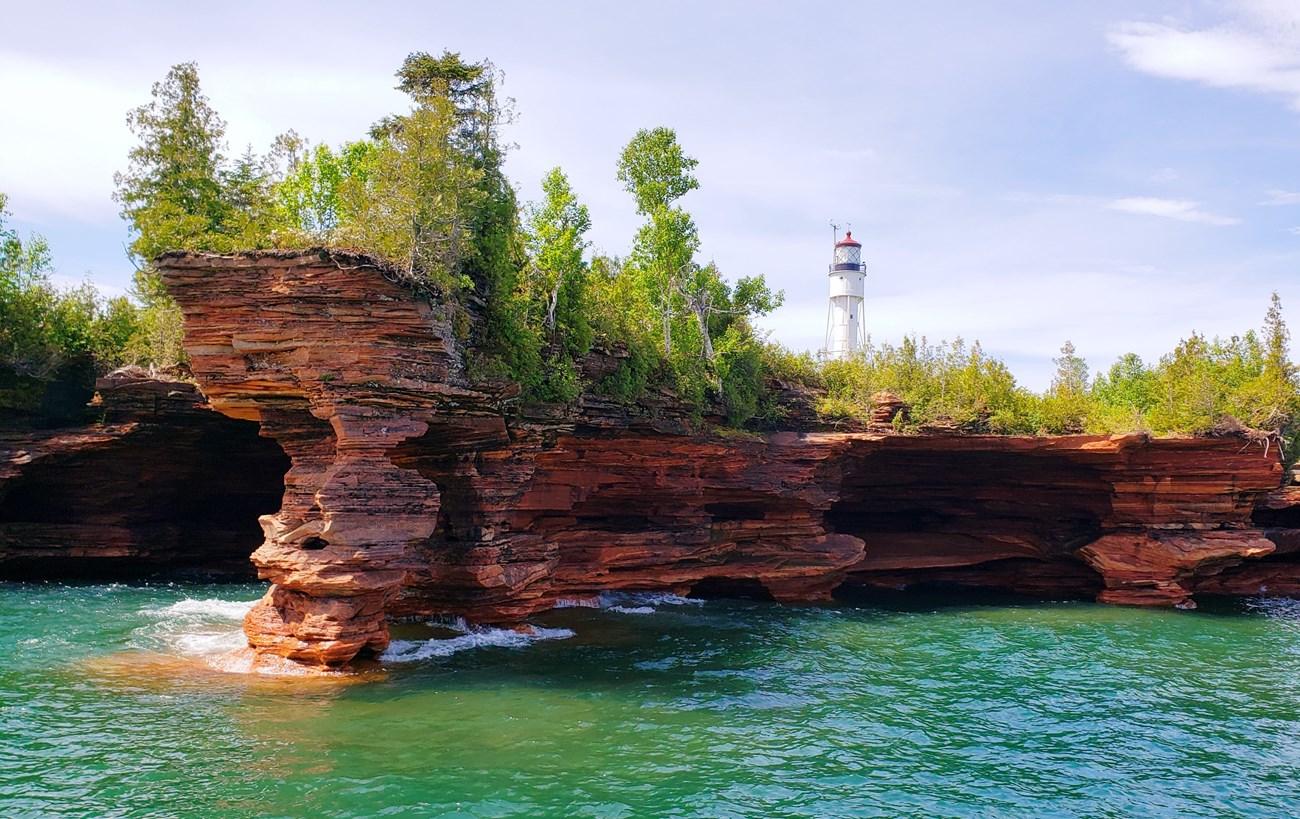 Apostle Islands National Lakeshore
 in Wisconsin offers Lake Superior sea caves, historic lighthouses, island camping, kayaking and winter ice formations.
Apostle Islands National Lakeshore
Apostle Islands National Lakeshore in Wisconsin offers Lake Superior sea caves, historic lighthouses, island camping, kayaking and winter ice formations.
-
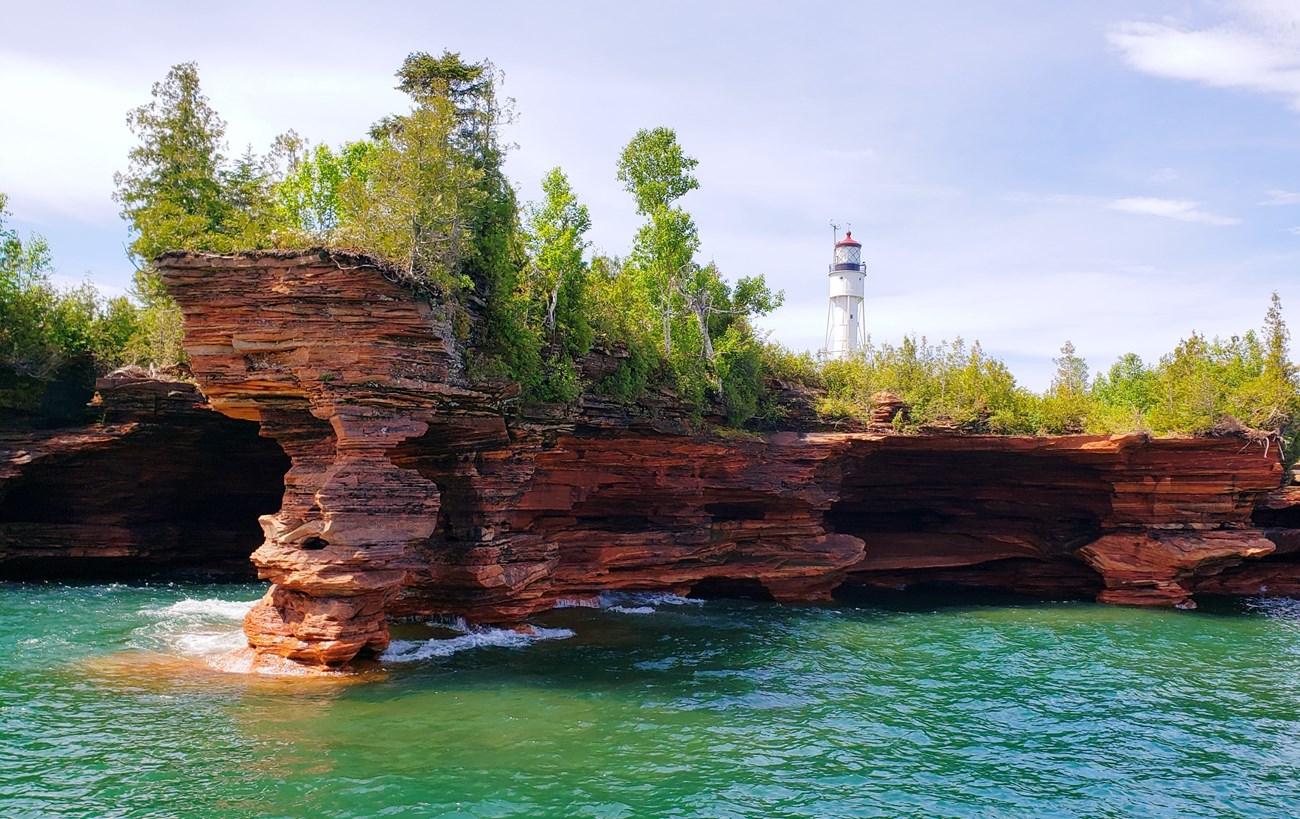 Apostle Islands
 in Wisconsin’s Lake Superior offer sea caves, lighthouses, kayaking, sailing, islands, wildlife and memorable coastal walks.
Apostle Islands
Apostle Islands in Wisconsin’s Lake Superior offer sea caves, lighthouses, kayaking, sailing, islands, wildlife and memorable coastal walks.
-
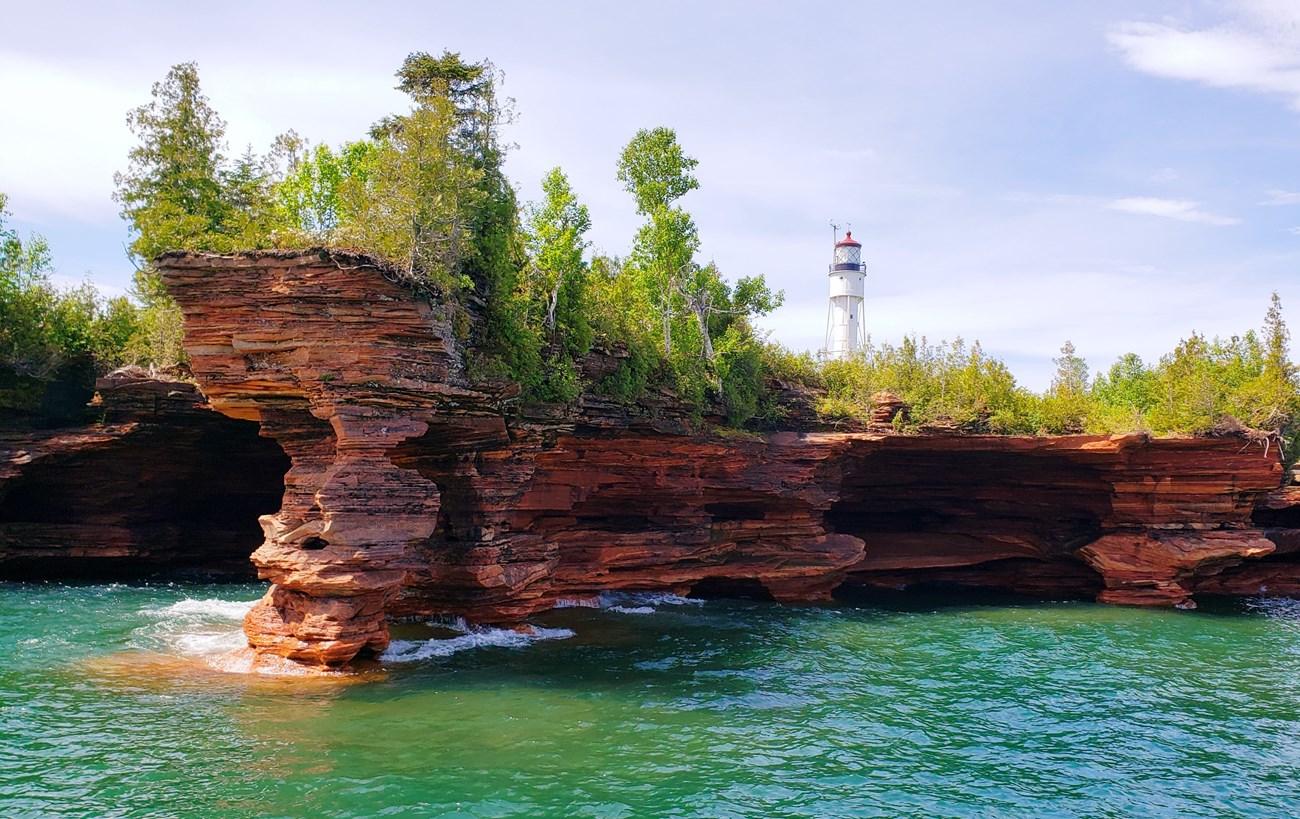 Bayfield
Explore Bayfield, Wisconsin: A scenic lakeside town offering outdoor adventures, historic charm, and a vibrant arts scene on the shores of Lake Superior.
Bayfield
Explore Bayfield, Wisconsin: A scenic lakeside town offering outdoor adventures, historic charm, and a vibrant arts scene on the shores of Lake Superior.


Swipe for more destinations
Explore more

Explore more of North Shore
Explore Minnesota’s North Shore for Lake Superior scenery, waterfalls, lighthouses, hiking trails, Ojibwe heritage and harbour towns.
Explore North Shore
Explore more of Minnesota
Discover Minnesota: From the bustling Twin Cities and cultural landmarks to the serene lakes and expansive wilderness, experience the diverse beauty and welcoming spirit of the North Star State.
Explore Minnesota