

Northeastern Minnesota, Minnesota Travel Guide
Explore the natural splendor of Northeastern Minnesota, from the rugged cliffs of Lake Superior to the pristine wilderness of the Boundary Waters.
Northeastern Minnesota offers a blend of natural beauty and rich cultural heritage. It is a region where you can immerse yourself in the great outdoors, from the shores of Lake Superior to the dense forests and rugged cliffs of the Boundary Waters Canoe Area Wilderness. This area is perfect for those who love hiking, canoeing, fishing, and wildlife watching. Duluth, the main city in this region, is a must-visit. It is known for its beautiful lakefront, historic buildings, and the aerial lift bridge. Take a stroll along the Lakewalk, visit the Great Lakes Aquarium, or explore the local shops and eateries. The North Shore Scenic Drive offers stunning views of Lake Superior and leads you to charming towns like Two Harbors and Grand Marais. The Boundary Waters Canoe Area Wilderness is a paradise for adventurers. With over a million acres of pristine wilderness, it offers endless opportunities for canoeing, camping, and fishing. The Superior National Forest, which encompasses part of this area, is also home to diverse wildlife and beautiful scenery. In the winter, Northeastern Minnesota transforms into a snowy wonderland. Enjoy activities like snowmobiling, skiing, and ice fishing. The region's state parks, such as Gooseberry Falls and Tettegouche, are especially beautiful when covered in snow and ice.

Know before you go
Hi, I'm Eve. Here are a few practical things to know before exploring Northeastern Minnesota.
- Visit in autumn to see the stunning fall foliage.
- Bring bug spray if visiting in the summer to avoid mosquitoes.
- Reserve campsites in the Boundary Waters Canoe Area Wilderness well in advance.
- Dress in layers as the weather can be unpredictable.
- Check local fishing regulations if you plan to fish.
Top City Travel Guides in Northeastern Minnesota
The cities of Northeastern Minnesota, and the easiest places to base yourself.


Destinations in Northeastern Minnesota
Resorts, valleys and scenic spots worth a trip of their own.


Explore Northeastern Minnesota: Things to Do, Places to Eat, Hotels & More
Handpicked recommendations for top attractions, local dining, accommodations, and more

Top Attractions & Sightseeing in Northeastern Minnesota
Top-rated picks
Best Attractions

Mall of America®
Discover the ultimate shopping and entertainment experience at Mall of America, featuring attractions, dining, and retail therapy under one roof.

SEA LIFE at Mall of America
Explore the underwater wonders at SEA LIFE in Mall of America – an unforgettable aquarium experience for the whole family in Bloomington, MN.

Itasca State Park
Explore the beauty of Itasca State Park, where the Mississippi River begins, surrounded by stunning nature and endless outdoor activities.

Glensheen Mansion
Explore the historic Glensheen Mansion in Duluth, Minnesota, a stunning lakeside estate rich in history and architectural beauty.

Best landmarks in Northeastern Minnesota
Top-rated picks
Best Landmarks

Glensheen Mansion
Explore Glensheen Mansion, a stunning historical landmark on Lake Superior showcasing Minnesota's rich heritage and elegant Gilded Age architecture.

Grand Portage National Monument
Discover the breathtaking landscapes and rich cultural history at Grand Portage National Monument, a must-visit destination for nature and history lovers in Minnesota.

Hartley Nature Center
Explore the natural wonders of Hartley Nature Center in Duluth, MN, where adventure meets education in a picturesque setting.

William A Irvin Museum
Discover Duluth's maritime history at the William A Irvin Museum, a unique floating museum showcasing the legacy of Great Lakes shipping.

Best restaurants in Northeastern Minnesota
Top-rated picks
Best Restaurants

Grandma's Saloon & Grill
Experience delightful American cuisine at Grandma's Saloon & Grill with stunning views of Lake Superior in Duluth's Canal Park.

OMC Smokehouse
Discover OMC Smokehouse: A barbecue paradise in Duluth offering mouthwatering smoked meats and vibrant local flavors.
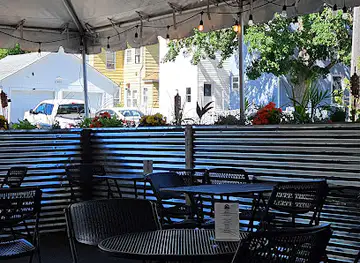
Chimborazo
Discover authentic Ecuadorian cuisine at Chimborazo in Minneapolis, where every dish tells a story and live music fills the air.

Spoon and Stable
Experience innovative New American cuisine at Spoon and Stable in Minneapolis' Warehouse District, where local ingredients meet culinary artistry.

Best bars in Northeastern Minnesota
Top-rated picks
Best Bars

Grandma's Saloon & Grill
Savor the best of American cuisine at Grandma's Saloon & Grill, a top destination in Duluth's Canal Park with a lively atmosphere and local flavors.

Up-Down Minneapolis
Experience Up-Down Minneapolis: A lively bar and arcade fusion serving delicious pizza and endless fun for all ages.

Stanley's Northeast Bar Room
Savor delicious American cuisine in a vibrant atmosphere at Stanley's Northeast Bar Room, your go-to spot in Minneapolis.

Sir Benedicts Tavern on the Lake
Discover the vibrant atmosphere of Sir Benedicts Tavern on the Lake, offering delicious American cuisine, craft beers, and live music by Lake Superior.

Best nightclubs in Northeastern Minnesota
Top-rated picks
Best Nightclubs

The Pourhouse
Experience the vibrant nightlife at The Pourhouse, a premier night club and live music venue in the heart of Minneapolis offering American cuisine and unforgettable performances.

The Saloon
Experience the vibrant nightlife at The Saloon, a premier gay bar in Minneapolis, known for its energetic dance parties and inclusive atmosphere.

331 Club
Discover the lively atmosphere of 331 Club, a top bar and nightclub in Northeast Minneapolis, where music and fun come together.

Ground Zero Nightclub
Discover the pulse of Minneapolis nightlife at Ground Zero Nightclub, where music and dance unite for unforgettable evenings.

Best shops in Northeastern Minnesota
Top-rated picks
Best Shops

Mall of America®
Discover a world of shopping, dining, and entertainment at Mall of America®, the ultimate destination in Bloomington, Minnesota.

Twin Cities Premium Outlets
Experience unbeatable shopping at Twin Cities Premium Outlets, where top brands meet incredible savings in a vibrant outdoor setting.

Ridgedale Center
Explore Ridgedale Center, Minnetonka's premier shopping haven featuring over 100 stores, diverse dining options, and family-friendly experiences.

The Shoppes at Arbor Lakes
Explore the vibrant shopping and dining experience at The Shoppes at Arbor Lakes, where retail therapy meets community spirit.

Explore Northeastern Minnesota on the Map
A handpicked selection of must-see spots in Northeastern Minnesota, mapped for you.
Northeastern Minnesota Essentials
-
Northeastern Minnesota is accessible via several major routes. The closest major airport is Duluth International Airport (DLH), which has connections to Minneapolis-Saint Paul International Airport (MSP) and other regional airports. From Duluth, you can rent a car or take a shuttle service to reach various destinations within Northeastern Minnesota. Additionally, if you prefer driving, the area is well-connected by highways such as I-35, US-53, and MN-61, making it easily reachable by car from surrounding states.
-
Once in Northeastern Minnesota, you have multiple transportation options. Renting a car is highly recommended for exploring the region's natural beauty and remote areas. Public transportation is limited but available in urban centers like Duluth, which offers bus services through the Duluth Transit Authority (DTA). For shorter distances, biking and walking are popular, especially in towns like Grand Marais and Ely. Taxis and ride-sharing services like Uber and Lyft are available but may be limited in more rural areas.
-
The official currency is the U.S. Dollar (USD). Credit and debit cards are widely accepted in most hotels, restaurants, and shops across Northeastern Minnesota. However, it's advisable to carry some cash, especially if you plan to visit smaller towns or rural areas where card services might not be as prevalent. ATMs are available in larger towns, but ensure you have sufficient cash if traveling to remote locations.
-
Northeastern Minnesota is generally a safe destination for tourists. However, like any travel destination, it's important to take standard precautions. Areas with higher crime rates targeting tourists are rare, but be mindful in urban centers like Duluth, particularly at night. Avoid walking alone in unfamiliar areas and always keep an eye on your personal belongings. For outdoor activities, ensure you are prepared for changing weather conditions and inform someone of your plans.
-
In case of an emergency, dial 911 for immediate assistance. Emergency services, including police, fire, and medical, are available throughout Northeastern Minnesota. Hospitals and urgent care centers are located in larger towns like Duluth, Hibbing, and Grand Marais. It is advisable to have travel insurance that covers medical emergencies. For minor health issues, pharmacies are available in most towns where you can purchase over-the-counter medications.
-
Fashion: Do dress in layers, as weather can be unpredictable. Avoid overly casual attire in fine dining establishments. Religion: Do respect local customs and traditions if visiting religious sites. Public Transport: Do be respectful to bus drivers and other passengers. Don’t eat or drink on public transport. Greetings: Do greet people with a friendly hello or handshake. Eating & Drinking: Do try local specialties like wild rice dishes and fresh lake fish. Don’t forget to tip your servers, typically 15-20%.
-
To experience Northeastern Minnesota like a local, visit the many state parks and outdoor recreational areas such as the Boundary Waters Canoe Area Wilderness and Gooseberry Falls State Park. Engage with locals at farmers markets and community events. Don't miss out on authentic local experiences like fishing, hiking, and attending a local festival. For a unique adventure, take the scenic North Shore Drive along Lake Superior, offering breathtaking views and charming small towns.
When is the best time to visit Northeastern Minnesota?
Useful Local Phrases for Northeastern Minnesota
You don't need to speak the language perfectly. Even learning a few simple words can make conversations warmer—and locals usually appreciate the effort.
— Eve

Here are the phrases I use most often in Northeastern Minnesota. Try a few—you'll be surprised how far they go! 😊
❤️
-
- HelloHey there
[Hey thair] - GoodbyeSee ya later
[See ya lay-ter] - YesYup
[Yup] - NoNah
[Nah] - Please/You're welcomeSure thing
[Shoor thing] - Thank youThanks a lot
[Thanks a lot] - Excuse me/SorryPardon me
[Pardon me] - How are you?How's it going?
[How's it goin'?] - Fine. And you?Doing good. You?
[Dooin' good. You?] - Do you speak English?Can ya talk English?
[Can ya talk English?] - I don't understandI ain't followin'
[I ain't followin']
- HelloHey there
-
- I'd like to see the menu, pleaseCan I see the menu, please?
[Can I see the menu, please?] - I don't eat meatI don't do meat
[I don't do meat] - Cheers!Cheers!
[Cheers!] - I would like to pay, pleaseCan I get the bill, please?
[Can I get the bill, please?]
- I'd like to see the menu, pleaseCan I see the menu, please?
-
- Help!Help!
[Help!] - Go away!Get lost!
[Get lost!] - Call the Police!Call the cops!
[Call the cops!] - Call a doctor!Get a doctor here!
[Get a doctor here!] - I'm lostI'm turned around
[I'm turned around] - I'm illI'm not feeling well
[I'm not feeling well]
- Help!Help!
-
- I'd like to buy...I wanna buy...
[I wanna buy...] - I'm just lookingJust browsing, thanks
[Just browsing, thanks] - How much is it?What's the price?
[What's the price?] - That's too expensiveThat's way too pricey
[That's way too pricey] - Can you lower the price?Can ya knock down the price?
[Can ya knock down the price?]
- I'd like to buy...I wanna buy...
-
- What time is it?What time ya got?
[What time ya got?] - It's one o'clockIt's one
[It's one] - Half past (10)Half past ten
[Half past ten] - MorningMorning
[Morning] - AfternoonAfternoon
[Afternoon] - EveningEvening
[Evening] - YesterdayYesterday
[Yesterday] - TodayToday
[Today] - TomorrowTomorrow
[Tomorrow] - 1One
[One] - 2Two
[Two] - 3Three
[Three] - 4Four
[Four] - 5Five
[Five] - 6Six
[Six] - 7Seven
[Seven] - 8Eight
[Eight] - 9Nine
[Nine] - 10Ten
[Ten]
- What time is it?What time ya got?
-
- Where's a/the...?Where's the nearest...?
[Where's the nearest...?] - What's the address?What's the address?
[What's the address?] - Can you show me (on the map)?Can ya point it out on the map?
[Can ya point it out on the map?] - When's the next (bus)?When's the next bus?
[When's the next bus?] - A ticket (to ....)One ticket to ...
[One ticket to ...]
- Where's a/the...?Where's the nearest...?
History of Northeastern Minnesota
-
Before European settlers arrived, Northeastern Minnesota was home to the Ojibwe (Chippewa) and Dakota (Sioux) tribes. These Indigenous peoples thrived in the region, relying on its rich natural resources for hunting, fishing, and gathering. The Ojibwe, in particular, have a deep spiritual connection to the land and water, which continues to influence their culture and traditions today.
-
In the late 17th and early 18th centuries, French-Canadian voyageurs and fur traders explored Northeastern Minnesota. They established trade routes and trading posts, exchanging European goods for valuable furs with the Indigenous peoples. This era saw the rise of significant trading hubs like Grand Portage, which became a bustling center of commerce and cultural exchange.
-
Named after French explorer Daniel Greysolon, Sieur du Lhut, the city of Duluth was officially founded in the 1850s. Its location on the western tip of Lake Superior made it a strategic port town, facilitating trade and transportation. Duluth quickly grew into a major industrial and shipping center, particularly with the arrival of the railroad in the late 19th century.
-
The discovery of iron ore in the Mesabi Range in the late 19th century transformed Northeastern Minnesota. This region became one of the largest iron ore producers in the world, fueling America's steel industry. Towns like Hibbing and Virginia sprang up around the mines, and the industry attracted a diverse workforce, including immigrants from Europe.
-
One of the most devastating natural disasters in Minnesota's history, the Great Hinckley Fire of 1894 ravaged the town of Hinckley and surrounding areas. The fire claimed hundreds of lives and destroyed vast swaths of forest and homes. The tragedy led to significant changes in fire prevention and forest management practices.
-
Established in 1926, the Boundary Waters Canoe Area Wilderness (BWCAW) is a pristine natural sanctuary that spans over a million acres. Known for its interconnected waterways and unspoiled wilderness, the BWCAW has become a haven for outdoor enthusiasts. Efforts to preserve this unique environment have been ongoing, reflecting the region's commitment to conservation.
-
With its stunning landscapes and rich history, Northeastern Minnesota has become a popular destination for tourists. Attractions like the North Shore Scenic Drive, Split Rock Lighthouse, and Superior National Forest draw visitors year-round. The area's cultural heritage is also showcased in festivals, museums, and historic sites, providing a comprehensive experience of Northeastern Minnesota's past and present.
Neighbouring Regions of Northeastern Minnesota
The closest regions to Northeastern Minnesota, if you have time for more than one.


Your all‑in‑one travel companion app
Explore expert travel guides, compare and book tours, experiences, hotels, and more—all from the palm of your hand. Download now for seamless trip planning wherever your wanderlust takes you.


Explore More of Minnesota

Looking beyond Northeastern Minnesota? Discover Minnesota for broader travel guides, local hot-spots, and regional highlights.
Explore MinnesotaNortheastern Minnesota in Photos
Browse through our photo collection highlighting the charm and character of the destination.


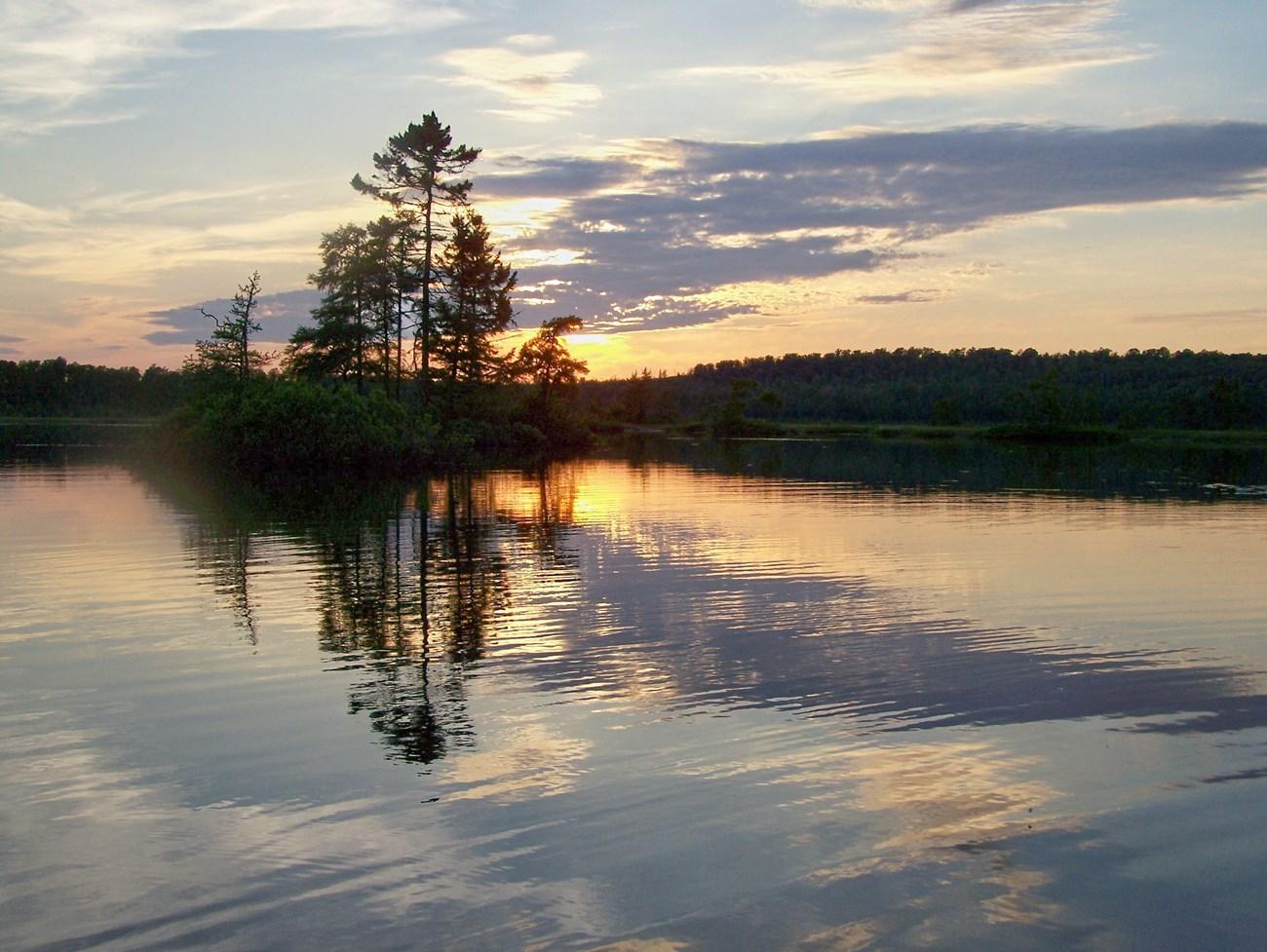


The Rugged Beauty of Northeastern Minnesota
Northeastern Minnesota offers a blend of natural beauty and rich cultural heritage. It is a region where you can immerse yourself in the great outdoors, from the shores of Lake Superior to the dense forests and rugged cliffs of the Boundary Waters Canoe Area Wilderness. This area is perfect for those who love hiking, canoeing, fishing, and wildlife watching. Duluth, the main city in this region, is a must-visit. It is known for its beautiful lakefront, historic buildings, and the aerial lift bridge. Take a stroll along the Lakewalk, visit the Great Lakes Aquarium, or explore the local shops and eateries. The North Shore Scenic Drive offers stunning views of Lake Superior and leads you to charming towns like Two Harbors and Grand Marais. The Boundary Waters Canoe Area Wilderness is a paradise for adventurers. With over a million acres of pristine wilderness, it offers endless opportunities for canoeing, camping, and fishing. The Superior National Forest, which encompasses part of this area, is also home to diverse wildlife and beautiful scenery. In the winter, Northeastern Minnesota transforms into a snowy wonderland. Enjoy activities like snowmobiling, skiing, and ice fishing. The region's state parks, such as Gooseberry Falls and Tettegouche, are especially beautiful when covered in snow and ice.