

Downtown Albuquerque (Albuquerque) Travel Guide - Free
Explore Downtown Albuquerque in Albuquerque with Evendo's free guide. Find the best shops, historic streets, restaurants, and gems on web or mobile.


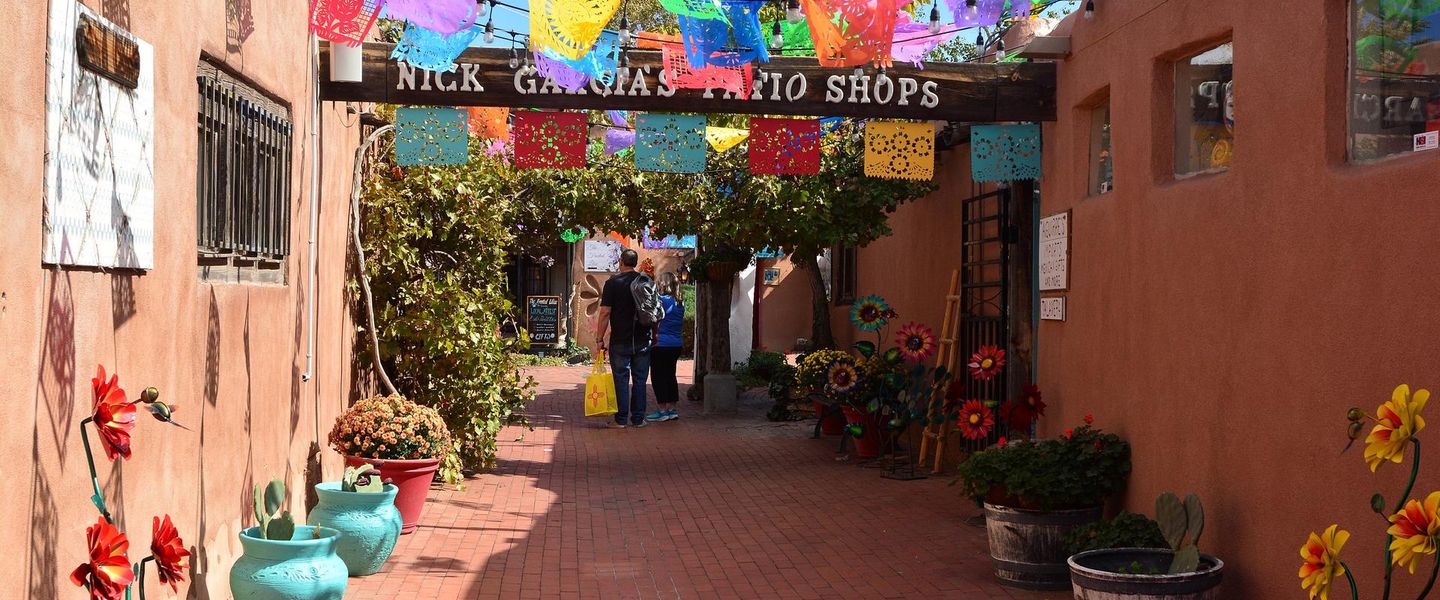


Downtown Albuquerque blends Route 66 history, Pueblo-Deco culture, the KiMo Theatre, local dining, nightlife, and walkable urban landmarks.
Historic Urban Core
Downtown Albuquerque occupies the commercial centre of the city, where Central Avenue follows the historic Route 66 corridor through a grid of early twentieth-century streets. Its character differs from adobe-lined Old Town and the city's newer suburban districts: here, Pueblo Revival and Art Deco buildings stand beside office towers, converted warehouses, civic institutions and long-established theatres. The area is compact enough to explore on foot, although its blocks vary considerably in activity from one street to the next.Read more about Downtown Albuquerque
Architecture and Public Life
Evenings on Central
Best attractions in Downtown Albuquerque
Downtown's attractions are concentrated along Central Avenue and the surrounding civic blocks. The KiMo Theatre is the essential stop, both for its richly ornamented Pueblo Deco interior and for its continuing programme of film, performance and live events. Civic Plaza provides a large public space for festivals, concerts and civic gatherings, while the Albuquerque Convention Center hosts exhibitions and events rather than functioning as a conventional sightseeing attraction. The Sunshine Theater and nearby independent entertainment venues extend the district's cultural life into the evening. Visitors interested in the city's changing streetscape can follow Route 66 signage, neon and murals along Central Avenue, then continue towards the Alvarado Transportation Center, where rail heritage and contemporary transport meet. The Downtown Contemporary Art centre, when open, adds a gallery perspective to the neighbourhood's creative identity; nearby Old Town attractions should be treated as a separate area.
-
Tour operator
Turquoise Museum
Explore the rich heritage of turquoise at the Turquoise Museum, an enchanting blend of art, history, and craftsmanship in Albuquerque, New Mexico.
3 min walk · 0.3 km from neighbourhood centre
-
Tourist attraction
ABQ Sticker Wall
Experience the creativity of Albuquerque at the ABQ Sticker Wall, where local artistry and cultural expression come together in a stunning visual display.
4 min walk · 0.3 km from neighbourhood centre


Best landmarks in Downtown Albuquerque
The KiMo Theatre is Downtown's foremost architectural landmark, an internationally recognised example of the Pueblo Deco vocabulary that shaped Albuquerque's visual identity in the early twentieth century. Around Civic Plaza, the Albuquerque Convention Center and city government buildings express the modern civic ambitions of the post-war centre, while the Kress Building and First National Bank Building preserve traces of the commercial era associated with Route 66. The Sunshine Theater, originally opened as a picture palace in 1923, remains an important entertainment structure on Central Avenue. At the eastern end, the Alvarado Transportation Center carries forward the name of the grand railway hotel that once stood nearby and marks Downtown's continuing relationship with rail travel. These buildings are best understood as parts of a layered streetscape rather than isolated monuments.
-
Landmark
Madonna Of The Trail
Experience the inspiring Madonna of the Trail in Albuquerque, a landmark honoring the spirit of pioneering women and rich cultural heritage.
14 min walk · 1.1 km from neighbourhood centre
-
Historical landmark
Black transformer
Explore Albuquerque's Black Transformer, a fascinating historical landmark that captures the city's artistic spirit and cultural heritage.
11 min walk · 0.9 km from neighbourhood centre
-
Historical landmark
Skinner Building
Explore the Skinner Building, a stunning historical landmark in Albuquerque, showcasing early 20th-century architecture and rich local history.
7 min walk · 0.5 km from neighbourhood centre
-
Historical landmark
Scenic Historic Marker
Explore the Scenic Historic Marker in Albuquerque, a historical landmark that brings the city's rich heritage to life amidst stunning landscapes.
3 min walk · 0.3 km from neighbourhood centre


Explore Downtown Albuquerque on the map
A handpicked selection of must-see spots in Downtown Albuquerque, mapped for you.
Best hotels in Downtown Albuquerque
Best restaurants in Downtown Albuquerque
Downtown's food scene follows the district's mixed identity: historic Route 66 cafés and long-established local businesses share the grid with contemporary restaurants, coffee shops, breweries and bar kitchens. Central Avenue is the most useful starting point, with additional options around Fourth Street, Civic Plaza and the blocks near the KiMo Theatre. Menus commonly reflect New Mexico's broader culinary culture, especially the use of red and green chile, while the downtown setting also supports American comfort food, modern Southwestern cooking, vegetarian choices and casual dining before performances. Gold Street and the adjoining side streets have become useful restaurant corridors, though the range and opening pattern change as businesses open, close or adjust their hours. Visitors should distinguish Downtown from nearby Sawmill and Old Town dining areas rather than treating all central Albuquerque restaurants as part of the neighbourhood.
-
American
The Artichoke Cafe
Experience innovative American cuisine at The Artichoke Cafe in Albuquerque - where local flavors meet culinary creativity.
10 min walk · 0.8 km from neighbourhood centre
-
American
cafe lush
Discover Café Lush: A top-rated American café in Albuquerque specializing in delicious breakfasts and artisanal coffee.
7 min walk · 0.6 km from neighbourhood centre
-
Restaurant
Slate Street Cafe
Discover the heart of Albuquerque's culinary scene at Slate Street Cafe – where brunch meets quality ingredients and exceptional service.
13 min walk · 1.1 km from neighbourhood centre
-
Spanish
MÁS Tapas y Vino
Experience authentic Spanish tapas and exquisite wines at MÁS Tapas y Vino in Albuquerque - a must-visit culinary destination.
4 min walk · 0.3 km from neighbourhood centre


Best bars in Downtown Albuquerque
Downtown has one of Albuquerque's clearest evening entertainment concentrations, particularly along Central Avenue and around the KiMo Theatre, Sunshine Theater and other live-music venues. The atmosphere ranges from breweries and relaxed bars to cocktail-focused rooms, dance-oriented venues and concert crowds, with the precise character changing according to the performance calendar. Marble Brewery's downtown presence connects the area with New Mexico's craft-beer culture, while venues such as Sister Bar and Launchpad contribute music, nightlife and alternative cultural programming. The district is not uniformly busy after dark: a few active blocks give way quickly to offices, civic buildings and quieter streets. Check individual venue calendars and entry policies, and plan the route home rather than assuming every part of downtown remains equally active late at night.
-
Bar
Sister
Discover the vibrant energy of Sister, Albuquerque's premier bar featuring live music, delicious dining, and exciting arcade games all in one place.
3 min walk · 0.2 km from neighbourhood centre
-
Bar
The Library Bar & Grill
Discover Albuquerque's nightlife at The Library Bar & Grill, where a unique setting meets delicious cuisine and vibrant entertainment.
2 min walk · 0.1 km from neighbourhood centre
-
Bar
Anodyne
Experience the vibrant nightlife at Anodyne, Albuquerque's premier cocktail bar and pool hall, where fun meets flavor in a cozy atmosphere.
3 min walk · 0.2 km from neighbourhood centre
-
Cocktail bar
Apothecary Lounge
Experience the vibrant nightlife at Apothecary Lounge, Albuquerque's premier cocktail bar with stunning views and innovative drinks.
15 min walk · 1.2 km from neighbourhood centre


Best nightclubs in Downtown Albuquerque
Downtown has one of Albuquerque's clearest evening entertainment concentrations, particularly along Central Avenue and around the KiMo Theatre, Sunshine Theater and other live-music venues. The atmosphere ranges from breweries and relaxed bars to cocktail-focused rooms, dance-oriented venues and concert crowds, with the precise character changing according to the performance calendar. Marble Brewery's downtown presence connects the area with New Mexico's craft-beer culture, while venues such as Sister Bar and Launchpad contribute music, nightlife and alternative cultural programming. The district is not uniformly busy after dark: a few active blocks give way quickly to offices, civic buildings and quieter streets. Check individual venue calendars and entry policies, and plan the route home rather than assuming every part of downtown remains equally active late at night.
-
Bar
Sister
Experience the vibrant atmosphere of Sister in Albuquerque, where live music, delicious food, and arcade fun create unforgettable nights.
3 min walk · 0.2 km from neighbourhood centre
-
Night club
The Library Bar & Grill
Discover the literary charm of The Library Bar & Grill, where delicious cuisine meets a lively nightlife experience in Albuquerque.
2 min walk · 0.1 km from neighbourhood centre
-
Bar
Anodyne
Anodyne: A lively cocktail bar and pool hall in Albuquerque, offering a unique atmosphere and a wide range of drinks for an unforgettable night.
3 min walk · 0.2 km from neighbourhood centre
-
Bar
Downtown Distillery
Experience the best of Albuquerque's nightlife at Downtown Distillery, where craft beers and artisanal cocktails meet a vibrant atmosphere.
2 min walk · 0.2 km from neighbourhood centre


Best shops in Downtown Albuquerque
Shopping in Downtown is smaller in scale than Albuquerque's suburban retail centres, but its independent character is visible around Central Avenue, Fourth Street and the blocks near Civic Plaza. Visitors will find locally oriented boutiques, galleries, art spaces, record and speciality shops, cafés and businesses serving downtown workers and residents rather than a single enclosed shopping district. Route 66 memorabilia, Southwestern art, handmade goods and locally produced food products appear in the central retail mix, although stock varies between businesses. The Downtown Growers' Market is a seasonal event in the wider central area and can bring farmers, makers and food producers together when operating; confirm its current location and dates before planning around it. Old Town's dense concentration of souvenir and craft shops is nearby but geographically separate from Downtown.
-
Gift shop
Squidly Designs
Explore the artistic heart of Albuquerque at Squidly Designs, where unique gifts and local artistry come together in a vibrant boutique experience.
11 min walk · 0.8 km from neighbourhood centre

Downtown Albuquerque essentials
Getting There
Getting Around
Safety
Emergency Situations
Do's and Don'ts
Local Tips

From Eve
Local phrases worth knowing
You don't need to get them perfect. A few words go a long way, and locals appreciate the effort.
Basics
| English | Local | Say it |
|---|---|---|
| Hello | Howdy | [haʊ-di] |
| Goodbye | Adios | [ɑˈdi.oʊs] |
| Yes | Si | [si] |
| No | No | [noʊ] |
| Please/You're welcome | Por favor/De nada | [pɔr fəˈvɔr/deɪ ˈnɑdə] |
| Thank you | Gracias | [ˈɡrɑsiəs] |
| Excuse me/Sorry | Disculpe/Lo siento | [dɪsˈkʌlpe/loʊ ˈsjɛntoʊ] |
| How are you? | Cómo estás? | [ˈkoʊmoʊ ɛsˈtæs] |
| Fine. And you? | Bien. ¿Y tú? | [biˈɛn i ˈtu] |
| Do you speak English? | ¿Hablas inglés? | [ˈhɑbləs ɪŋˈɡlɪʃ] |
| I don't understand | No entiendo | [noʊ ˌɛntɛnˈdoʊ] |
Eating & Drinking
| English | Local | Say it |
|---|---|---|
| I'd like to see the menu, please | Quisiera ver el menú, por favor | [kiˈsjɛrə vɛr ɛl ˈmenju poʊr fəˈvɔr] |
| I don't eat meat | No como carne | [noʊ ˈkoʊmoʊ kɑrneɪ] |
| Cheers! | Salud! | [səˈlʌd] |
| I would like to pay, please | Me gustaría pagar, por favor | [mi ˌɡʊstəˈriə pɛr poʊr fəˈvɔr] |
Emergencies
| English | Local | Say it |
|---|---|---|
| Help! | ¡Ayuda! | [ɑˈjʊdə] |
| Go away! | ¡Vete! | [veɪt] |
| Call the Police! | ¡Llama a la policía! | [ˈjɑmə ə lə pəˈlisijə] |
| Call a doctor! | ¡Llama a un médico! | [ˈjɑmə ə ən ˈmɛdɪkoʊ] |
| I'm lost | Estoy perdido | [ɛˈstoʊ pərˈdiˌdoʊ] |
| I'm ill | Estoy enfermo | [ɛˈstoʊ ɛnˈfɛrmoʊ] |
Shopping
| English | Local | Say it |
|---|---|---|
| I'd like to buy... | Quisiera comprar... | [kiˈsjɛrə kɑmˈprɑr] |
| I'm just looking | Sólo estoy mirando | [ˈsoʊloʊ ɛsˈtɔɪ mɪˈrændoʊ] |
| How much is it? | ¿Cuánto cuesta? | [ˈkwɑntoʊ ˈkwɛstə] |
| That's too expensive | Esto es muy caro | [ˈɛstoʊ ɛs muɪ ˈkærəʊ] |
| Can you lower the price? | ¿Puede bajar el precio? | [ˈpwedeɪ ˈbeɪʒər ɛl ˈpriˌsoʊ] |
Time & Numbers
| English | Local | Say it |
|---|---|---|
| What time is it? | ¿Qué hora es? | [keɪ ˈaʊərə ɛs] |
| It's one o'clock | Es la una | [ɛs lə ˈwʌnə] |
| Half past (10) | Son las (10) y media | [sʌn ləs (10) i ˈmi.diə] |
| Morning | Mañana | [məˈnjɑnə] |
| Afternoon | Tarde | [tɑrd] |
| Evening | Noche | [noʊtʃ] |
| Yesterday | Ayer | [ˈaɪər] |
| Today | Hoy | [hɔɪ] |
| Tomorrow | Mañana | [məˈnjɑnə] |
| 1 | Uno | [ˈunoʊ] |
| 2 | Dos | [doʊs] |
| 3 | Tres | [treɪs] |
| 4 | Cuatro | [ˈkwɑtroʊ] |
| 5 | Cinco | [ˈsɪŋkoʊ] |
| 6 | Seis | [seɪs] |
| 7 | Siete | [ˈsiˌɛt] |
| 8 | Ocho | [ˈoʊˌtʃoʊ] |
| 9 | Nueve | [ˈnweɪv] |
| 10 | Diez | [diˈɛz] |
Transport & Directions
| English | Local | Say it |
|---|---|---|
| Where's a/the...? | ¿Dónde está un/el...? | [ˈdɑndeɪ ɛsˈtæ ən/əl] |
| What's the address? | ¿Cuál es la dirección? | [ˈkwɑl ɛs lə dəˈrɛkʃən] |
| Can you show me (on the map)? | ¿Puedes mostrarme (en el mapa)? | [ˈpwedes ˈmostrɑrmeɪ (ɑn ɛl ˈmæpə)] |
| When's the next (bus)? | ¿Cuándo es el próximo (autobús)? | [ˈkwɑndoʊ ɛs ɛl ˈnɛkst (ˈɔtoʊˌbʌs)] |
| A ticket (to ....) | Un boleto (a ....) | [ə ˈtɪkət (tu)] |
History of Downtown Albuquerque
The Founding of New Albuquerque
Downtown developed as the commercial centre of New Albuquerque, the settlement established east of the older Spanish colonial community of Old Albuquerque in the nineteenth century. Its street grid, oriented around Central Avenue and the surrounding blocks, reflected a different urban pattern from Old Town's plaza-centred plan. Shops, offices, hotels and civic functions gradually gathered in the newer district, establishing the separation between the historic west-side community and the expanding commercial core that remains visible in Albuquerque's urban geography today.
Railways and Commercial Growth
The arrival of the Atlantic and Pacific Railroad in 1880 transformed New Albuquerque into a regional transport and trading centre. The railway corridor brought passengers, freight, hotels, warehouses and employment, while the Alvarado Hotel and associated railway development helped define the city's public image. Although the original Alvarado Hotel was demolished in the twentieth century, the Alvarado Transportation Center preserves the name and continues the area's connection with rail and intercity travel. Downtown's early commercial buildings and regularly planned streets grew from this railway-driven expansion.
Route 66 and the KiMo Era
Central Avenue became part of U.S. Route 66 in the 1920s, linking downtown businesses, motor courts, cafés and service stations to the national road network. The KiMo Theatre, opened in 1927, belongs to this period of civic confidence and entertainment-led growth. Its Pueblo Revival and Art Deco design expressed a regional architectural language that drew on Indigenous and Hispanic references, though such interpretations also belong to the period's commercial romanticising of the Southwest. Route 66 gave Central Avenue a lasting association with road travel, neon and popular culture.
Urban Renewal and Downtown Change
Like many American city centres, Downtown Albuquerque faced suburban competition, disinvestment and changing retail patterns after the Second World War. Earlier buildings were lost, and urban renewal reshaped parts of the central grid, including the area around Civic Plaza. The opening of the Albuquerque Convention Center in 1972 reinforced downtown's civic and business role, while the restoration of the KiMo Theatre in the 2000s helped renew attention to local heritage. Later investment brought restaurants, galleries, breweries, apartments and entertainment businesses, alongside continuing debates about how a working downtown should evolve.
Downtown Albuquerque in Photos
Browse through our photo collection highlighting the charm and character of the destination.
Neighbourhoods near Downtown Albuquerque
The closest neighbourhoods to Downtown Albuquerque, if you have time for more than one stop.
-

-


Swipe for more neighbourhoods
Explore more

Explore more of Albuquerque
Albuquerque blends Pueblo, Hispanic heritage with balloon-filled skies, desert landscapes, Route 66 culture, museums and mountain views in New Mexico.
Explore Albuquerque