

Free Scranton Travel Guide & Mobile App
Plan your Scranton trip with Evendo. Get free guides to top attractions, restaurants, hotels, and bars. Web access or download the mobile app.


Scranton, Pennsylvania, pairs coal-mining heritage, railway history, museums, neighbourhood culture and nearby Pocono landscapes for memorable American sightseeing.
A Northeastern Pennsylvania City
Scranton lies in the Lackawanna River valley of northeastern Pennsylvania, around two hours from New York City and Philadelphia by road. Its identity was shaped by anthracite coal, immigrant communities and the railways that carried fuel and passengers through the valley. Today, the former industrial centre combines working-city character with museums, historic architecture, neighbourhood restaurants and green spaces.Read more about Scranton
Industrial Memory and Civic Architecture
Museums, Parks and Neighbourhood Life
When is the best time to visit Scranton?
Best: June, August–September · 22–27°C| Month | High (°C) | Rainfall (mm) |
|---|---|---|
| January | 1 | 54 |
| February | 2 | 48 |
| March | 8 | 72 |
| April | 15 | 87 |
| May | 20 | 107 |
| June (best) | 25 | 115 |
| July | 28 | 119 |
| August (best) | 27 | 113 |
| September (best) | 22 | 102 |
| October | 16 | 88 |
| November | 9 | 76 |
| December | 2 | 65 |
Getting to and around Scranton
How to get there
Transportation
Best attractions in Scranton
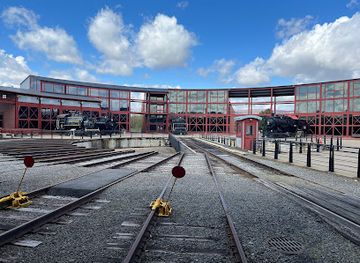
Scranton’s principal attractions trace the forces that built the city. Steamtown National Historic Site occupies the former Delaware, Lackawanna and Western Railroad yards, where locomotives, workshops and exhibits explain the practical workings of American steam railroading. Nearby, the Electric City Trolley Museum explores the streetcar system that gave Scranton its nickname, with historic vehicles and transport displays. At Nay Aug Park, the Everhart Museum combines natural history, science and art with wooded paths, gardens and a river gorge. The Lackawanna Coal Mine Tour, at McDade Park outside the central district, offers an underground interpretation of anthracite mining in a former mine. Downtown’s Scranton Cultural Center adds ornate interiors and a programme of performance and community events, while the Lackawanna County Courthouse and surrounding civic buildings provide a readable introduction to the city’s industrial-era growth.
-
Tourist attraction
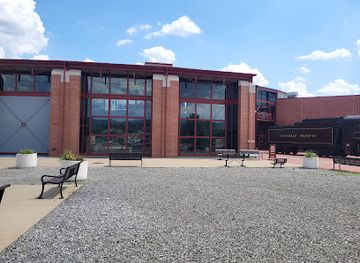
Steamtown National Historic Site
Explore the rich legacy of railroads at Steamtown National Historic Site, a captivating destination for history enthusiasts in Scranton, Pennsylvania.
9 min walk · 0.7 km from city centre
-
Tourist attraction
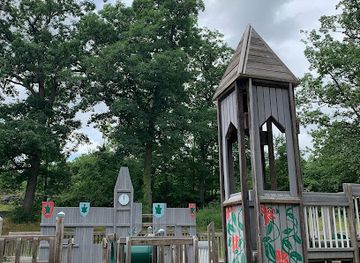
Nay Aug Park
Discover the tranquility of Nay Aug Park in Scranton, PA – a lush escape filled with trails, family-friendly attractions, and natural wonders.
5 min drive · 1.8 km from city centre
-
Tourist attraction
Steamtown National Historic Site
Discover the rich history of railroads at Steamtown National Historic Site in Scranton, PA, with interactive exhibits and scenic train rides.
9 min walk · 0.7 km from city centre
-
Aquarium
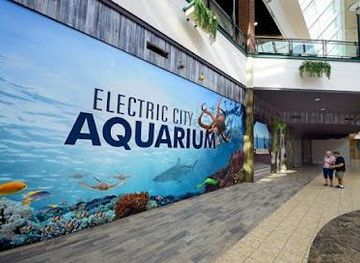
Electric City Aquarium & Reptile Den
Explore aquatic wonders and unique reptiles at the Electric City Aquarium & Reptile Den, a family-friendly destination in Scranton, PA.
6 min walk · 0.5 km from city centre

Best landmarks in Scranton
Scranton’s landmarks embody the prosperity and civic ambition of its coal-and-rail era. The Lackawanna County Courthouse, facing Courthouse Square, is a substantial early twentieth-century civic building whose setting also includes the Soldiers and Sailors Monument. St Peter’s Cathedral, with its prominent twin towers and Gothic Revival character, reflects the importance of Catholic immigrant communities in the industrial city. The Scranton Cultural Center, formerly the Masonic Temple, is notable for its richly ornamented interior and large performance spaces. At the railway complex, Steamtown’s roundhouse and yards preserve the physical infrastructure of steam-era transport, while the Electric City Trolley Museum represents the electric streetcar system that shaped local expansion. Together these buildings and sites connect municipal government, religion, fraternal life and transport with Scranton’s urban development.
-
Seafood
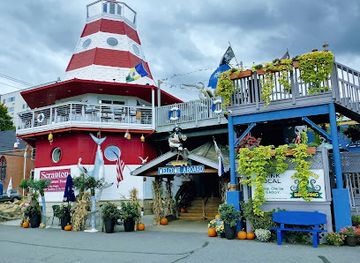
Cooper's Seafood House
Discover the ultimate seafood dining experience at Cooper's Seafood House in Scranton, where every meal is a celebration of coastal flavors and local charm.
16 min walk · 1.3 km from city centre
-
Park
Nay Aug Park
Discover the natural beauty of Nay Aug Park in Scranton, PA, where lush landscapes, scenic trails, and family-friendly activities await.
5 min drive · 1.8 km from city centre
-
Rail museum
Steamtown National Historic Site
Explore the fascinating history of railroads at Steamtown National Historic Site, showcasing steam locomotives and engaging exhibits in Scranton, Pennsylvania.
9 min walk · 0.7 km from city centre
-
Shopping mall
The Marketplace at Steamtown
Explore unique shops, diverse dining, and lively entertainment at The Marketplace at Steamtown in Scranton, Pennsylvania, a must-visit destination for every traveler.
6 min walk · 0.5 km from city centre

Explore Scranton on the map
Plan your Scranton trip on one map. See where the top attractions, landmarks, restaurants, bars and hotels are, find what's near where you're staying, and book hotels and experiences in a few clicks.
Best hotels in Scranton
Best restaurants in Scranton
Scranton’s dining culture reflects the immigrant communities and coalfield economy that shaped northeastern Pennsylvania. Pierogies, stuffed pasta associated with eastern European migration, are a familiar regional presence, while Italian-American cooking, hoagies, cheesesteaks and long-established family restaurants form part of the everyday food landscape. Old Forge-style pizza, distinguished by its rectangular form and distinctive cheese and sauce arrangements, belongs specifically to nearby Old Forge rather than Scranton, but it is closely associated with the wider Lackawanna Valley. Downtown and neighbourhood commercial strips offer cafés, bakeries, taverns and contemporary restaurants alongside traditional establishments, and seafood restaurants such as Cooper’s Seafood House have become part of the local dining identity. Regional diners and casual eateries are useful places to encounter the unpretentious, community-oriented character of Scranton’s food culture.
-
Seafood
Cooper's Seafood House
Discover the taste of fresh seafood at Cooper's Seafood House in Scranton - where vibrant flavors meet welcoming hospitality.
16 min walk · 1.3 km from city centre
-
Breakfast
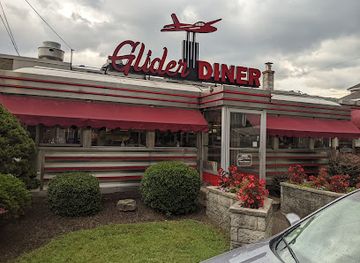
Glider Diner
Discover Glider Diner in Scranton: A charming spot serving delicious breakfasts and lunches that embody American diner culture.
6 min drive · 1.9 km from city centre
-
Bar
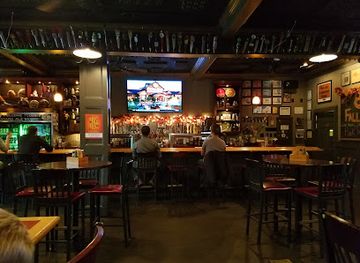
Backyard Ale House
Discover Backyard Ale House in Scranton - where craft beer meets delicious American cuisine in a lively atmosphere.
7 min walk · 0.6 km from city centre
-
Italian
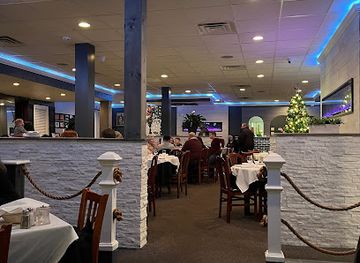
Casa Bella
Experience authentic Italian cuisine at Casa Bella in Scranton—where traditional flavors meet modern hospitality for an unforgettable meal.
12 min drive · 4.0 km from city centre
Best bars in Scranton
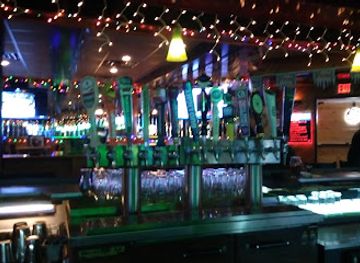
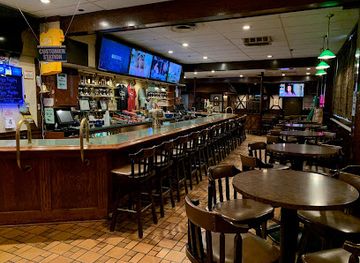
Scranton’s evening scene is concentrated around downtown and nearby commercial districts, with neighbourhood taverns, casual bars, breweries and venues hosting live music rather than a large-scale nightclub culture. The area around Courthouse Square and the central business district is convenient for combining drinks with theatre, concerts or seasonal events, while younger crowds also use bars and restaurants beyond the historic core. The Scranton Cultural Center presents touring performances, local productions and other programmed entertainment in an ornate former Masonic Temple, and smaller venues contribute music and comedy to the city’s social calendar. Some evenings are shaped more by college events, community festivals and performances than by clubbing, so the current programme is more useful than assuming a fixed nightlife pattern.
-
Bar
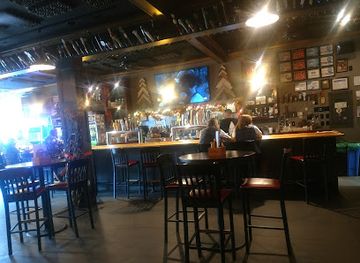
Backyard Ale House
Discover Backyard Ale House, Scranton's beloved bar, offering an extensive craft beer selection and tasty American cuisine in a relaxed atmosphere.
7 min walk · 0.6 km from city centre
-
Gastropub
Ale Mary's at the Bittenbender
Experience the vibrant flavors and lively atmosphere at Ale Mary's, Scranton's premier gastropub offering gourmet food and craft drinks.
8 min walk · 0.6 km from city centre
-
Grill
The V Spot Bar
Discover the vibrant atmosphere and delicious grill offerings at The V Spot Bar in Scranton, Pennsylvania, your go-to spot for great food and drinks.
6 min drive · 2.0 km from city centre
-
Bar
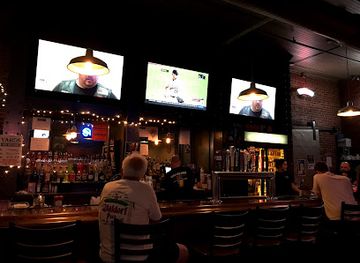
Poor Richards Pub
Discover Poor Richard's Pub in Scranton, where karaoke, sports, and a vibrant atmosphere create unforgettable nightlife experiences.
10 min walk · 0.8 km from city centre
Best nightclubs in Scranton
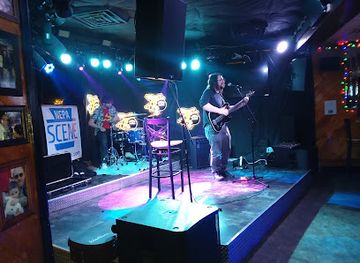
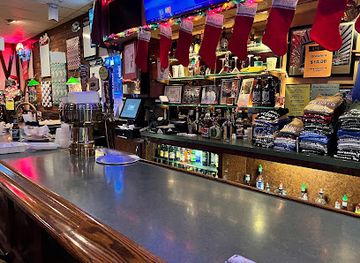
Scranton’s evening scene is concentrated around downtown and nearby commercial districts, with neighbourhood taverns, casual bars, breweries and venues hosting live music rather than a large-scale nightclub culture. The area around Courthouse Square and the central business district is convenient for combining drinks with theatre, concerts or seasonal events, while younger crowds also use bars and restaurants beyond the historic core. The Scranton Cultural Center presents touring performances, local productions and other programmed entertainment in an ornate former Masonic Temple, and smaller venues contribute music and comedy to the city’s social calendar. Some evenings are shaped more by college events, community festivals and performances than by clubbing, so the current programme is more useful than assuming a fixed nightlife pattern.
-
Grill
The V Spot Bar
Discover the lively atmosphere and savory grill dishes at The V Spot Bar in Scranton, the perfect nightlife destination for tourists.
6 min drive · 2.0 km from city centre
-
Bar
Poor Richards Pub
Discover Poor Richards Pub, a lively bar in Scranton, PA, known for its karaoke nights and sports viewing, offering a welcoming atmosphere and affordable prices.
10 min walk · 0.8 km from city centre
-
Bar
Big Daddy's Lounge
Experience the lively atmosphere and great drinks at Big Daddy's Lounge in Scranton, a top spot for nightlife and socializing.
5 min drive · 1.7 km from city centre
-
Bar
Lounge
Experience the vibrant nightlife at the Lounge in Scranton, where fun meets flavor in a welcoming atmosphere.
19 min walk · 1.5 km from city centre
Best shops in Scranton
Shopping in Scranton combines practical neighbourhood retail with a modest downtown offering and larger commercial areas beyond the historic core. The Marketplace at Steamtown, a former downtown shopping centre, is closely tied to the city’s regeneration story, while independent businesses and cafés around central streets provide a more local-scale experience. Visitors seeking gifts can look for Pennsylvania food products, regional craftwork, railway-themed souvenirs and items connected with the city’s coal-mining heritage. Antique and second-hand shops appear in the wider Lackawanna Valley, reflecting the area’s long-established households and industrial past. For a broader range of national retailers, visitors generally travel to suburban shopping corridors, whereas downtown is better suited to combining small purchases with museums, civic architecture and cultural venues rather than treating it as a major luxury-shopping district.
-
Shopping mall
Viewmont Mall
Experience the ultimate shopping adventure at Viewmont Mall in Scranton, PA, where retail therapy meets delightful dining options.
18 min drive · 6.1 km from city centre
-
Shopping mall
The Marketplace at Steamtown
Explore a unique shopping experience at The Marketplace at Steamtown, where local charm meets vibrant retail and dining.
6 min walk · 0.5 km from city centre
-
Department store
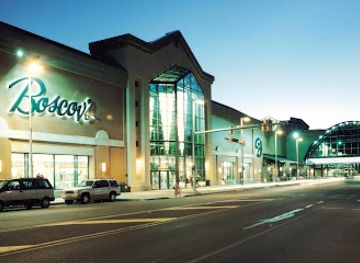
Boscov's
Discover a shopper's paradise at Boscov's, the iconic department store in Scranton, PA, offering everything from fashion to home goods.
4 min walk · 0.3 km from city centre
-
Shopping mall
Keyser Oak Shopping Center
Experience the vibrant shopping landscape at Keyser Oak Shopping Center in Scranton, PA, where retail therapy meets delightful dining options.
13 min drive · 4.3 km from city centre
Get your free copy of our complete guide to Scranton, delivered straight to you.
Everything on this page, from attractions and restaurants to essentials and local phrases, in one PDF you can read offline, print or share.
Already have an account? Sign in
Your Scranton guide is ready.
We'll send it to · Not you? Sign out

Getting your guide ready…
We are putting together a fresh copy of the Scranton guide. This can take up to a minute.
This can take a few moments. If your browser asks, choose Allow so the download can start. You'll find the guide in your Downloads folder.
Nothing happened? Download it again
Sorry, the guide is taking longer than usual. Please try again in a minute, or get it by email instead.
Scranton essentials
Currency and Payment
Safety
Emergency Situations
Do's and Don'ts
Local Tips
From Eve
Local phrases worth knowing
You don't need to get them perfect. A few words go a long way, and locals appreciate the effort.
Basics
| English | Local | Say it |
|---|---|---|
| Hello | Howdy | [haw-dee] |
| Goodbye | See ya | [see yah] |
| Yes | Yup | [yuhp] |
| No | Nah | [nuh] |
| Please/You're welcome | Please/No problem | [pleez/no prob-lem] |
| Thank you | Thanks a bunch | [thaynks uh bunch] |
| Excuse me/Sorry | Pardon me/My bad | [par-dn me/my bad] |
| How are you? | How you doin'? | [how yuh doin] |
| Fine. And you? | Good. You? | [good. yuh?] |
| Do you speak English? | Ya speak English? | [yah speak ing-glish] |
| I don't understand | I don't get it | [i don't get it] |
Eating & Drinking
| English | Local | Say it |
|---|---|---|
| I'd like to see the menu, please | Can I see the menu? | [can eye see the menu] |
| I don't eat meat | I'm vegetarian | [eye-m veg-e-tair-ee-an] |
| Cheers! | Cheers! | [cheers] |
| I would like to pay, please | Check please | [chek pleez] |
Emergencies
| English | Local | Say it |
|---|---|---|
| Help! | Help! | [help] |
| Go away! | Get lost! | [get lost] |
| Call the Police! | Call the cops! | [call the cops] |
| Call a doctor! | Get a doc! | [get a doc] |
| I'm lost | I'm lost | [i'm lost] |
| I'm ill | I'm sick | [i'm sik] |
Shopping
| English | Local | Say it |
|---|---|---|
| I'd like to buy... | I wanna buy... | [i wanna buy] |
| I'm just looking | Just browsing | [just brow-zing] |
| How much is it? | How much? | [how much] |
| That's too expensive | Too pricey | [too prahy-see] |
| Can you lower the price? | Can you do better? | [can you do bet-ter] |
Time & Numbers
| English | Local | Say it |
|---|---|---|
| What time is it? | What time is it? | [what time is it] |
| It's one o'clock | It's one | [it's one] |
| Half past (10) | Ten thirty | [ten thur-tee] |
| Morning | Morning | [mor-ning] |
| Afternoon | Afternoon | [after-noon] |
| Evening | Evening | [ee-ven-ing] |
| Yesterday | Yesterday | [yes-ter-day] |
| Today | Today | [to-day] |
| Tomorrow | Tomorrow | [to-mor-row] |
| 1 | One | [wun] |
| 2 | Two | [too] |
| 3 | Three | [three] |
| 4 | Four | [four] |
| 5 | Five | [five] |
| 6 | Six | [six] |
| 7 | Seven | [seven] |
| 8 | Eight | [ate] |
| 9 | Nine | [nine] |
| 10 | Ten | [ten] |
Transport & Directions
| English | Local | Say it |
|---|---|---|
| Where's a/the...? | Where's the...? | [where's the] |
| What's the address? | What's the address? | [what's the address] |
| Can you show me (on the map)? | Can you show me? | [can you show me] |
| When's the next (bus)? | When's the next (bus)? | [when's the next bus] |
| A ticket (to ....) | One ticket (to ...) | [wun ticket (to)] |
History of Scranton
Lenape Lands and Early Settlement
Before European settlement, the Lackawanna Valley was inhabited by Indigenous peoples, including communities associated with the Lenape. European farmers and traders entered the region during the eighteenth century, and a settlement developed around the Lackawanna River. The area later became known as Slocum Hollow, after Isaac Tripp and other early settlers established farms and mills. Its location at the meeting point of valley routes gave the community agricultural and commercial potential, although the transformation into an industrial city depended on the discovery and exploitation of anthracite coal.
Coal and the Founding of Scranton
The Lackawanna Iron and Coal Company, led by William Henry, Selden T. Scranton and George W. Scranton, established major ironworks at Slocum Hollow in the 1840s. The enterprise used locally mined anthracite to fuel iron production and brought workers, investment and transport links to the valley. The settlement was renamed Scrantonia in 1851 and incorporated as Scranton in 1856. Although the iron industry later declined, coal mining became the city’s central economic force, drawing labour from Ireland, Wales, eastern and southern Europe and other parts of the United States.
Railways and the Electric City
Railway expansion in the second half of the nineteenth century connected Scranton’s mines and factories with markets across the eastern United States. The Delaware, Lackawanna and Western Railroad made the city an important freight and passenger centre, while rail yards, workshops and company buildings reshaped the urban landscape. Scranton also became known as the Electric City after the Scranton Electric Company introduced electric streetcars in 1886, among the earliest successful systems of their kind in the United States. The trolley network stimulated suburban growth and helped knit together the expanding industrial city.
Immigration, Labour and Urban Growth
Coal and rail employment attracted large immigrant communities, including people from Ireland, Wales, Italy, eastern Europe and the Balkans. They established churches, mutual-aid societies, shops and neighbourhood institutions that still influence Scranton’s cultural landscape. Industrial growth produced imposing civic buildings and commercial blocks downtown, but it was accompanied by dangerous working conditions and labour conflict. The city participated in the wider labour movements of the coalfields, including disputes over wages, hours and union recognition. Ethnic festivals, religious traditions and regional foodways grew from this period of migration and remain part of local identity.
Decline of Anthracite Industry
Scranton’s coal economy weakened during the twentieth century as rail passenger travel declined, other fuels displaced anthracite and mines became less profitable. Collieries and industrial works closed, bringing unemployment and population loss, while abandoned workings left a complicated environmental legacy. The city nevertheless retained important civic and cultural institutions, and historic railway and mining sites later became central to heritage interpretation. Steamtown National Historic Site, created from a preserved collection of steam locomotives and railway equipment, reflects a broader effort to explain the technological and social history of the Lackawanna Valley.
A Heritage City in the Present
Modern Scranton remains the seat of Lackawanna County and a regional centre for education, healthcare, government and the arts. Downtown revitalisation has placed restored buildings, museums and performance venues alongside newer businesses, while neighbourhood churches and long-established family enterprises preserve the city’s immigrant-era character. Scranton’s portrayal as Dunder Mifflin’s fictional home in the television series The Office has added a contemporary layer to its public image, but the city’s visitor identity rests more deeply on the physical evidence of coal, railways, religious communities and working-class urban development.
Scranton in Photos
Browse through our photo collection highlighting the charm and character of the destination.
Cities near Scranton
The closest cities to Scranton, if you have time for more than one stop.
-

-

-
-

-


Swipe for more cities
Explore more

Explore more of Pennsylvania
Discover Pennsylvania: A blend of rich history, breathtaking nature, and vibrant culture awaits you in the Keystone State.
Explore Pennsylvania