

Free Southland Travel Guide & Mobile App
Explore Southland with free travel guides. Discover regional history, expert tips, proposed trips, and audio guides on web or mobile app.


Explore Southland’s fiords, rural towns, southern coast and Rakiura wilderness, with Invercargill and Te Anau providing gateways to New Zealand’s deep south.
When is the best time to visit Southland?
Best: December–February · 20–21°C| Month | High (°C) | Rainfall (mm) |
|---|---|---|
| January (best) | 20 | 70 |
| February (best) | 21 | 65 |
| March | 19 | 75 |
| April | 16 | 80 |
| May | 13 | 85 |
| June | 10 | 90 |
| July | 10 | 90 |
| August | 11 | 85 |
| September | 14 | 80 |
| October | 16 | 75 |
| November | 18 | 70 |
| December (best) | 20 | 75 |
Getting to and around Southland
How to get there
Transportation
Top city travel guides in Southland
The cities of Southland, and the easiest places to base yourself.
-

-

-

-


Swipe for more cities
Destinations in Southland
Resorts, valleys and scenic spots worth a trip of their own.
-

-

-


Swipe for more destinations
Best attractions in Southland
Southland’s attractions range from major wilderness landscapes to museums, gardens and working coastal towns. Fiordland National Park provides the region’s defining outdoor experiences, with boat journeys on Milford Sound Piopiotahi, Doubtful Sound Patea and other waterways, as well as walking routes around Te Anau, Manapouri and the mountains. The Kepler, Milford and Routeburn tracks offer different levels of multi-day trekking, while shorter walks provide access to rainforest, lakeshores and waterfalls. Rakiura National Park on Stewart Island is especially suited to walking and wildlife observation, with coastal tracks and opportunities to look for native birds. Invercargill adds a cultural dimension through transport collections, galleries, museums and landscaped public spaces, while Bluff combines maritime heritage with views across Foveaux Strait. Rural Southland offers river scenery, farming landscapes and cycling or driving routes between service towns. Visitors should distinguish between attractions that require independent access and those reached through booked cruises, shuttles or guided trips, particularly in remote Fiordland.
-
Tourist attraction
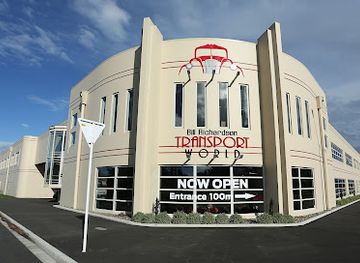
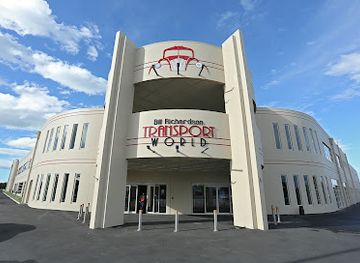
Bill Richardson Transport World
Explore New Zealand's transport history at Bill Richardson Transport World, a unique museum showcasing vintage vehicles and engaging exhibits in Invercargill.
-
Tourist attraction
Stirling Point
Discover the breathtaking Stirling Point, a historic landmark at New Zealand's southern tip, offering stunning views and a taste of local culture.
-
Scenic spot
Bennetts Bluff Viewpoint Walking Track
Experience breathtaking views at Bennetts Bluff Viewpoint, a stunning natural escape in New Zealand's Mount Creighton, perfect for nature lovers and adventurers alike.
-
Canoe & kayak tour agency
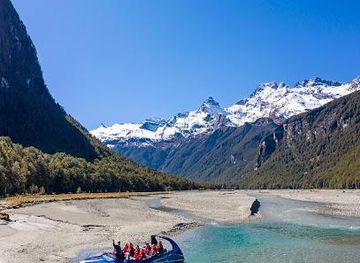
Dart River Adventures
Discover the wonders of Glenorchy with Dart River Adventures, where thrilling water activities meet breathtaking landscapes in New Zealand's pristine wilderness.

Best landmarks in Southland
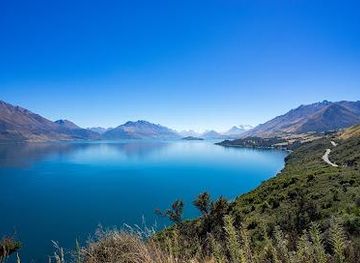
Milford Sound Piopiotahi is Southland’s most internationally recognisable natural landmark, defined by steep cliffs, Mitre Peak and waterfalls that descend directly towards the fiord. The wider Fiordland landscape includes the immense lakes of Te Anau and Manapouri, whose forested shores and mountain backdrops express the geological scale of the region. On Rakiura Stewart Island, rugged coastlines, sheltered bays and the forested interior of Rakiura National Park form a landmark landscape rather than a single monument. Bluff’s Stirling Point marks the southern end of State Highway 1 and looks across Foveaux Strait towards the island, while its maritime setting connects the town to Southland’s port history. In Invercargill, the water tower is a prominent piece of historic civic architecture, and the city’s broad streets and substantial public buildings reflect its nineteenth-century planning and later prosperity. These places are significant because they show the region’s contrasting identities: glaciated wilderness, island ecology, maritime commerce and settled agricultural society.
-
Scenic spot
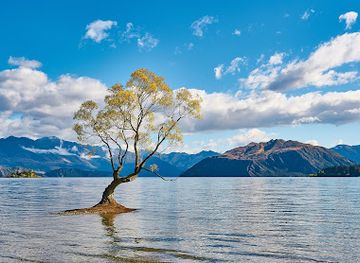
#ThatWanakaTree
Experience the breathtaking beauty of #ThatWanakaTree, a stunning natural landmark set against the majestic Southern Alps in New Zealand.
-
Castle
Larnach Castle
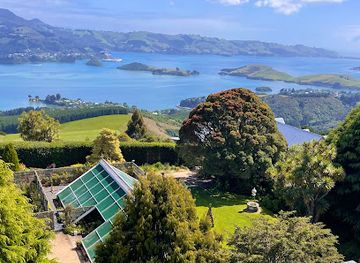
Explore the enchanting Larnach Castle, a historical landmark in New Zealand offering breathtaking views and rich tales of the past.
-
Museum
Bill Richardson Transport World
Explore Bill Richardson Transport World in Invercargill - New Zealand's premier museum dedicated to the history of transportation with over 300 vintage vehicles on display.
-
Historical landmark
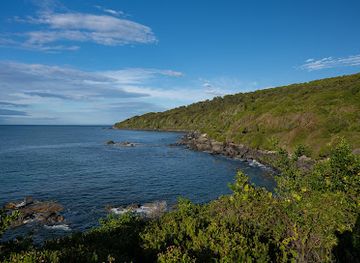
Stirling Point
Explore Stirling Point, the southernmost landmark of New Zealand, where adventure meets history and stunning coastal views await.
Explore Southland on the map
Plan your trip on one map. See where the top cities, national parks and sights are, and book hotels and experiences in a few clicks.
Best hotels in Southland
Best restaurants in Southland
Southland’s food reflects its pastoral economy, cold southern waters and practical country traditions. In Invercargill, Bluff and Te Anau, restaurants and cafés serve local seafood alongside lamb, beef, venison, dairy products and seasonal produce. Bluff oysters are the region’s best-known speciality, with their availability governed by season and commercial supply, while blue cod and other southern fish are also associated with the area’s fishing culture. Country bakeries, cafés and pubs provide familiar New Zealand fare, substantial breakfasts and regional baking, while contemporary restaurants use local ingredients in more refined preparations. Farmers’ markets and food outlets in rural towns offer opportunities to buy preserves, fruit, vegetables and small-producer goods when operating. Fiordland’s remote locations have a more limited dining range, so walkers and independent travellers should plan provisions carefully rather than assuming regular shops or restaurants. Local beverages and New Zealand wines are widely available, although most are produced elsewhere in the country.
-
Hamburger
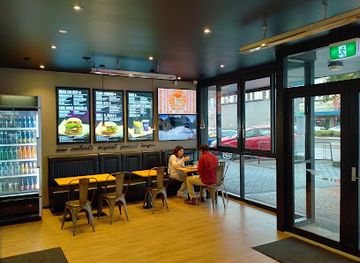
BurgerFuel Invercargill
Discover gourmet burgers made with quality ingredients at BurgerFuel Invercargill - A must-visit for food enthusiasts.
-
Restaurant
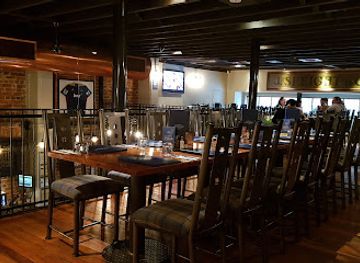
Speight's Ale House
Discover authentic Kiwi flavors at Speight's Ale House in Invercargill – where great food meets local brews.
-
Irish pub
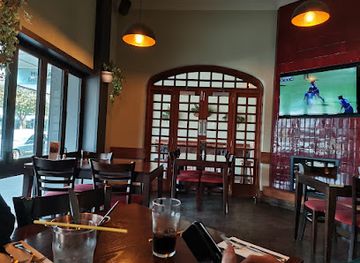
Waxy's Irish Pub
Discover the vibrant charm of Waxy's Irish Pub in Invercargill – where authentic Irish cuisine meets lively entertainment.
-
Cafe
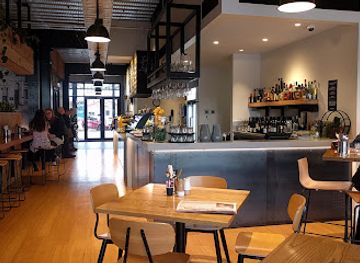
The Auction House
Discover The Auction House: A must-visit cafe and bar in Invercargill offering delicious meals made with local ingredients.
Best bars in Southland
Southland’s evening life is centred on pubs, restaurants, cafés and community venues rather than a large nightclub scene. Invercargill has the broadest choice, including traditional pubs, modern bars, live music and occasional cultural events, while Gore and other service towns provide locally focused evening venues. Bluff’s nightlife reflects its working harbour and is generally quieter than its daytime maritime activity. Te Anau has pubs, restaurants and bars serving visitors before or after Fiordland excursions, although evenings remain relatively restrained outside busy travel periods. On Rakiura Stewart Island, the emphasis is on small local venues, relaxed meals and early starts for walking or boating rather than late-night entertainment. Check current arrangements locally, as opening patterns can vary with season, weather and the size of the community.
-
Restaurant
The Ranch Bar & Grill
Experience the charm of New Zealand cuisine at The Ranch Bar & Grill in Te Anau, perfect for families and food lovers alike.
-
Bar
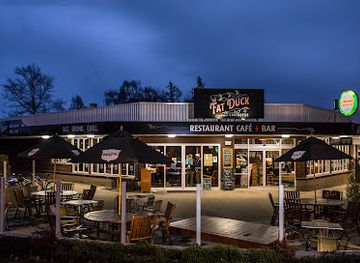
The Fat Duck
Discover The Fat Duck in Te Anau, where exquisite dining and a cozy atmosphere await you on your travel adventures.
-
Bar
Redcliff Restaurant and bar
Experience the flavors of Te Anau at Redcliff Restaurant and Bar, where local cuisine meets stunning landscapes and live music.
-
Bar
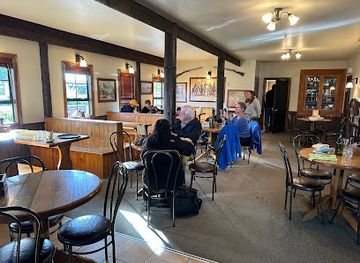
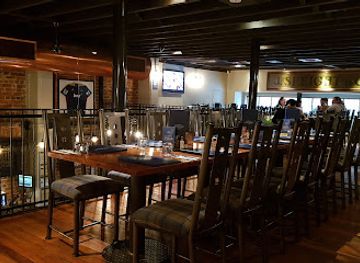
Speight's Ale House
Discover the vibrant flavors and lively atmosphere of Speight's Ale House in Invercargill, New Zealand's premier brewpub.

Best nightclubs in Southland
Southland’s evening life is centred on pubs, restaurants, cafés and community venues rather than a large nightclub scene. Invercargill has the broadest choice, including traditional pubs, modern bars, live music and occasional cultural events, while Gore and other service towns provide locally focused evening venues. Bluff’s nightlife reflects its working harbour and is generally quieter than its daytime maritime activity. Te Anau has pubs, restaurants and bars serving visitors before or after Fiordland excursions, although evenings remain relatively restrained outside busy travel periods. On Rakiura Stewart Island, the emphasis is on small local venues, relaxed meals and early starts for walking or boating rather than late-night entertainment. Check current arrangements locally, as opening patterns can vary with season, weather and the size of the community.
-
Lodge
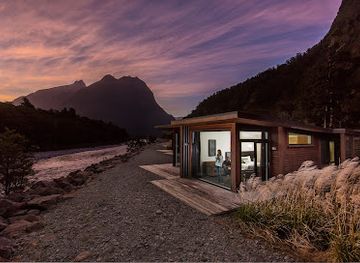
Milford Sound Lodge - Premium Chalets
Discover the enchanting Milford Sound Lodge, where breathtaking beauty meets luxurious comfort in Fiordland National Park.
-
Bar
Southland Tavern
Experience the lively atmosphere and delightful drinks at Southland Tavern, a favorite spot for locals and visitors in Invercargill.
-
Sports bar
Newfield Tavern
Discover the lively Newfield Tavern in Invercargill, where sports, great food, and a welcoming community come together for an unforgettable experience.
-
Bar
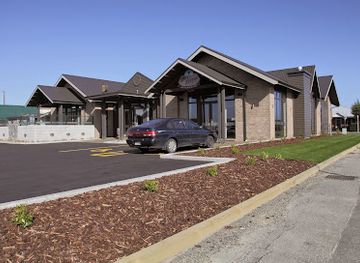
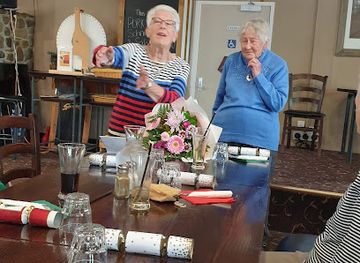
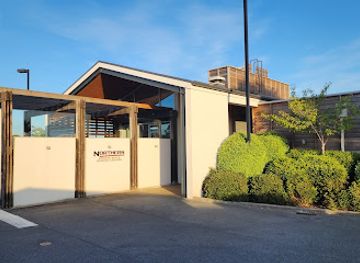
Northern Tavern
Experience the heart of Invercargill at Northern Tavern, where local flavors and a welcoming atmosphere await you.
Best shops in Southland
Invercargill offers Southland’s widest shopping choice, with a conventional city centre, department and chain retailers, independent businesses, galleries and shops selling outdoor equipment. Gore and Winton function as smaller market and service towns, where local businesses are useful for provisions, books, clothing and practical rural goods rather than luxury retail. Bluff is a place to look for seafood products and maritime-themed items, subject to local availability, while Te Anau has shops oriented towards walkers, travellers, crafts and souvenirs connected with Fiordland. Rakiura Stewart Island has a small-scale retail scene focused on essential supplies, local art, books, outdoor needs and island-themed gifts. Regional purchases worth considering include locally made preserves, honey, woollen goods, craftwork and New Zealand food products, but visitors should remember that many remote shops have limited stock and seasonal hours. Markets and artisan events vary, so confirm current dates locally rather than planning an itinerary around an unverified market.
-
Lodge
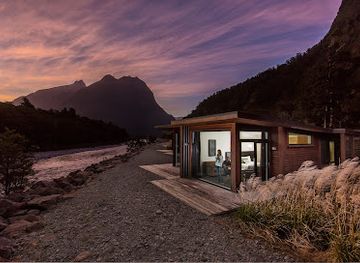
Milford Sound Lodge - Premium Chalets
Discover the unmatched beauty of Milford Sound at Milford Sound Lodge - Premium Chalets, where luxury meets nature in New Zealand's stunning landscapes.
-
Craft store
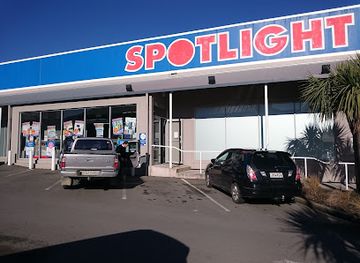
Spotlight Invercargill
Unleash your creativity at Spotlight Invercargill, the ultimate destination for crafts, home decor, and DIY enthusiasts in New Zealand.
-
Gift shop
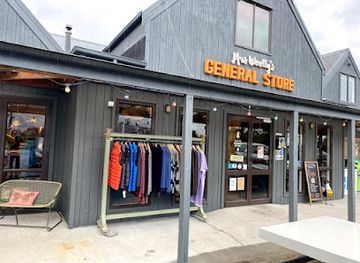
Mrs Woolly's General Store
Experience the charm of Mrs Woolly's General Store, the perfect blend of gifts, crafts, and café delights in the heart of Glenorchy, New Zealand.
-
 Department store
The Warehouse Invercargill
Explore The Warehouse Invercargill, your one-stop department store for everything from clothing to home goods in New Zealand's southern city.
Get your free copy of our complete guide to Southland, delivered straight to you.
Everything on this page, from attractions and restaurants to essentials and local phrases, in one PDF you can read offline, print or share.
Already have an account? Sign in
Your Southland guide is ready.
We'll send it to · Not you? Sign out

Getting your guide ready…
We are putting together a fresh copy of the Southland guide. This can take up to a minute.
This can take a few moments. If your browser asks, choose Allow so the download can start. You'll find the guide in your Downloads folder.
Nothing happened? Download it again
Sorry, the guide is taking longer than usual. Please try again in a minute, or get it by email instead.
Southland essentials
Currency and Payment
Safety
Emergency Situations
Do's and Don'ts
Local Tips
From Eve
Local phrases worth knowing
You don't need to get them perfect. A few words go a long way, and locals appreciate the effort.
Basics
| English | Local | Say it |
|---|---|---|
| Hello | Kia ora | [kee-ah or-ah] |
| Goodbye | Ka kite | [kah kee-teh] |
| Yes | Ae | [eye] |
| No | Kao | [kah-oh] |
| Please/You're welcome | Tēnā koa | [teh-nah koh-ah] |
| Thank you | Ngā mihi | [nah mee-hee] |
| Excuse me/Sorry | Aroha mai | [ah-roh-hah my] |
| How are you? | Kei te pēhea koe? | [kay teh peh-hea koy] |
| Fine. And you? | Pai. Ā koe? | [pie. ah koy] |
| Do you speak English? | Ka kōrero koe i te reo Ingarihi? | [kah koh-reh-roh koy ee teh reh-oh ing-ah-ree-hee] |
| I don't understand | Kaore au e mārama | [kah-oh-reh ow eh mah-rah-mah] |
Eating & Drinking
| English | Local | Say it |
|---|---|---|
| I'd like to see the menu, please | Ka hiahia au ki te tirohia te rārangi kai | [kah hee-ah-hee-ah ow kee teh tee-roh-hee-ah teh rah-rah-ngi kye] |
| I don't eat meat | Kaore au e kai i te mutton | [kah-oh-reh ow eh kye ee teh muht-on] |
| Cheers! | Kia pai | [kee-ah pie] |
| I would like to pay, please | Ka hiahia au ki te utu, tēnā koa | [kah hee-ah-hee-ah ow kee teh oo-too, teh-nah koh-ah] |
Emergencies
| English | Local | Say it |
|---|---|---|
| Help! | Tāpirihia! | [tah-pee-ree-hah] |
| Go away! | Haere atu! | [high-reh ah-too] |
| Call the Police! | Tūtohu te Pirihimana! | [too-toh-hoo teh pee-ree-hee-mah-nah] |
| Call a doctor! | Tūtohu he daktoro! | [too-toh-hoo heh dah-ktoh-roh] |
| I'm lost | Kei te ngaro ahau | [kay teh nah-roh ah-hau] |
| I'm ill | Kei te pātea ahau | [kay teh pah-teh-ah ah-hau] |
Shopping
| English | Local | Say it |
|---|---|---|
| I'd like to buy... | Ka hiahia au ki te hoko... | [kah hee-ah-hee-ah ow kee teh hoh-koh] |
| I'm just looking | Kei te titiro noa ahau | [kay teh tee-tee-roh noh-ah ah-hau] |
| How much is it? | E hia te utu? | [eh hee-ah teh oo-too] |
| That's too expensive | He tino tārewa | [he tee-no tah-reh-wah] |
| Can you lower the price? | Ka taea e koe te whakaheke i te utu? | [kah tah-eh eh koy teh fah-kah-hek-eh ee teh oo-too] |
Time & Numbers
| English | Local | Say it |
|---|---|---|
| What time is it? | He aha te wā? | [he ah-hah teh wah] |
| It's one o'clock | He teka tahi te wātū | [he teh-kah tah-hee teh wah-too] |
| Half past (10) | Hāwhe ki (10) | [haah-feh kee (ten)] |
| Morning | Ata | [ah-tah] |
| Afternoon | Popo | [poh-poh] |
| Evening | Ahiahi | [ah-hee-ah-hee] |
| Yesterday | Inanahi | [ee-nah-nah-hee] |
| Today | I tenei ra | [ee teh-neh rah] |
| Tomorrow | Apo | [ah-poh] |
| 1 | Tahi | [tah-hee] |
| 2 | Rua | [roo-ah] |
| 3 | Toru | [toh-roo] |
| 4 | Whā | [fah] |
| 5 | Rima | [ree-mah] |
| 6 | Ono | [oh-noh] |
| 7 | Whitu | [fee-too] |
| 8 | Waru | [wah-roo] |
| 9 | Iwa | [ee-wah] |
| 10 | Tekau | [teh-kow] |
Transport & Directions
| English | Local | Say it |
|---|---|---|
| Where's a/the...? | Kei hea te...? | [kay he-ah teh] |
| What's the address? | He aha te wāhitau? | [he ah-hah teh wah-hee-tow] |
| Can you show me (on the map)? | Ka taea e koe te whakaatu mai (i te mapi)? | [kah tah-eh eh koy teh fah-kah-ah-too my (ee teh mah-pee)] |
| When's the next (bus)? | Kāore te pahi e kitea? | [kah-oh-reh teh pah-hee eh kee-teh-ah] |
| A ticket (to ....) | He tikiti (ki ....) | [he tee-kee-tee (kee)] |
History of Southland
Māori settlement and Ngāi Tahu relationships
Māori have long travelled through and used the southern South Island, including the coast, inland lakes, rivers and islands of present-day Southland. Ngāi Tahu traditions record important places, travel routes and seasonal resources across the region, including mahinga kai, the customary gathering of food and other materials. Rakiura Stewart Island held particular significance for its birds, coastal resources and strategic position in Foveaux Strait. Māori place names remain an important part of Southland’s geography, while archaeological evidence and oral traditions provide context for the region before European settlement.
Sealing, whaling and early coastal contact
European maritime activity reached southern New Zealand in the late eighteenth and early nineteenth centuries, followed by sealing and whaling ventures around Foveaux Strait and the subantarctic waters. These industries were demanding and often short-lived, but they established patterns of coastal contact, shipping and trade. Bluff Harbour became increasingly important as European settlement expanded, while relationships between Māori communities, visiting crews and colonial interests brought profound social and economic change. The maritime history of the south is still visible in Bluff’s port character and in the region’s continuing connection with the sea.
Colonial settlement and the founding of Invercargill
Planned European settlement expanded across the Southland Plain during the 1850s. Invercargill was established in 1856 and developed with broad streets, reflecting the ambitions of its founders and the agricultural potential of the surrounding country. Scottish influence was significant among settlers, although the town and region were shaped by people from many backgrounds. Pastoral farming, timber, flax and coastal trade supported early growth. The difficult climate and distance from New Zealand’s main centres encouraged a strong local focus on self-sufficiency, transport links and civic institutions.
Pastoral expansion, railways and regional commerce
During the later nineteenth century, Southland’s economy became increasingly connected to sheep farming, dairying and grain production. Railways and improved roads linked Invercargill with rural districts and helped move livestock, timber and agricultural goods to port. Gore grew as a major service and transport centre in eastern Southland, while Bluff handled coastal and overseas trade. The development of freezing works and related industries connected local farms with distant markets, transforming both the landscape and the region’s settlement pattern.
Gold, timber and the shaping of the western frontier
Gold discoveries in parts of western and southern New Zealand brought prospectors and short-lived rushes, although Southland’s long-term economy rested more firmly on farming, forestry and shipping than on mining. Timber extraction affected lowland forests and the margins of Fiordland before later conservation measures changed the balance between commercial use and protection. The region’s western interior remained difficult to access, and exploration, surveying and engineering gradually made places such as Te Anau and Manapouri gateways to the mountains and fiords.
Conservation and the creation of Fiordland National Park
The recognition of Fiordland’s exceptional landscapes led to increasingly strong protection during the twentieth century. Fiordland National Park was established in 1952 and later became part of Te Wāhipounamu, the South West New Zealand World Heritage Area. Conservation safeguarded extensive rainforests, alpine ranges, lakes and fiords, while tracks, huts and guided transport made selected areas accessible to visitors. The history of Fiordland therefore combines exploration and tourism with an ongoing effort to protect ecosystems from pressures associated with roads, introduced species and human use.
Rakiura Stewart Island and modern conservation
Rakiura Stewart Island has a distinct Māori and maritime history, with communities shaped by fishing, boatbuilding, forestry and links across Foveaux Strait. Much of the island became Rakiura National Park in 2002, placing its forests, wetlands and coastlines within a nationally important protected landscape. Conservation work has focused particularly on native birds and the control of introduced predators. The island’s contemporary identity balances a small permanent population and working community with carefully managed walking, wildlife and nature-based tourism.
Industrial Southland in the twentieth and twenty-first centuries
Southland’s modern economy has continued to rest on agriculture, food processing, forestry, transport and energy, while Invercargill has developed as the region’s principal service centre. The Tiwai Point aluminium smelter near Bluff, operating since the 1970s, became a major industrial presence and an important part of the region’s economic history. At the same time, tourism expanded around Fiordland and Rakiura, creating new employment while increasing the need for responsible management of roads, tracks, waterways and wildlife habitats.
Southland in Photos
Browse through our photo collection highlighting the charm and character of the destination.
Neighbouring regions of Southland
The closest regions to Southland, if you have time for more than one.
-

-

-

-

-


Swipe for more regions
Explore more

Explore more of New Zealand
New Zealand: Discover awe-inspiring landscapes, vibrant Maori culture, and thrilling adventures in a land of breathtaking natural beauty and welcoming locals.
Explore New Zealand