

Free Otago Travel Guide & Mobile App
Explore Otago with free travel guides. Discover regional history, expert tips, proposed trips, and audio guides on web or mobile app.


Explore Otago’s alpine lakes, goldfields, wildlife coast, vineyards and Dunedin heritage across New Zealand’s varied southern landscapes.
Read more about Otago
When is the best time to visit Otago?
Best: December–February · 19–21°C| Month | High (°C) | Rainfall (mm) |
|---|---|---|
| January (best) | 20 | 60 |
| February (best) | 21 | 50 |
| March | 18 | 60 |
| April | 15 | 50 |
| May | 13 | 50 |
| June | 10 | 60 |
| July | 10 | 60 |
| August | 12 | 50 |
| September | 14 | 50 |
| October | 16 | 60 |
| November | 18 | 60 |
| December (best) | 19 | 60 |
Getting to and around Otago
How to get there
Transportation
Top city travel guides in Otago
The cities of Otago, and the easiest places to base yourself.
-

-

-

-

-


Swipe for more cities
Destinations in Otago
Resorts, valleys and scenic spots worth a trip of their own.
-

-

-

-


Swipe for more destinations
Best attractions in Otago
Otago’s attractions range from urban culture and wildlife coast to goldfields, vineyards and high-country recreation. Dunedin offers museums, galleries, university architecture and access to the Otago Peninsula, where guided experiences focus on albatrosses, penguins, seals and sea lions. The city’s surrounding beaches and volcanic headlands provide walking and surfing opportunities, while the Catlins in southeastern Otago combine forest, waterfalls, rugged shorelines and conservation sites. Inland, the Otago Central Rail Trail links former railway settlements with cycling, gold-mining remains, orchards and cellar doors. Cromwell, Alexandra, Clyde and Naseby provide gateways to dry valleys, river recreation and historic landscapes. Queenstown is the region’s main centre for lake cruises, gondola-based views, hiking and commercial adventure activities, while Wānaka provides access to lake, mountain and national-park experiences. The district around Mount Aspiring National Park is substantially more remote than the resort towns, and proper preparation is essential for longer walks. Across the region, seasonal conditions strongly influence access to ski fields, alpine tracks, rivers and coastal wildlife sites.
-
Tourist attraction
Shotover Jet Queenstown
Unleash your adventurous spirit with the thrilling Shotover Jet experience in Queenstown, New Zealand's ultimate jet boating adventure.
-
Amusement center
Puzzling World
Discover the magic of illusions and puzzles at Puzzling World in Wānaka, a must-visit amusement center for families and friends alike.
-
Scenic spot
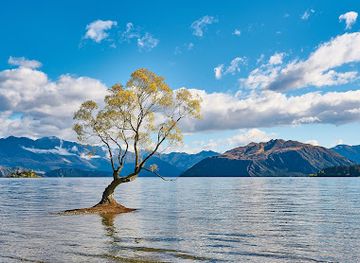
#ThatWanakaTree
Discover the breathtaking beauty of #ThatWanakaTree, an iconic landmark that captures the essence of New Zealand's stunning natural landscape.
-
Castle
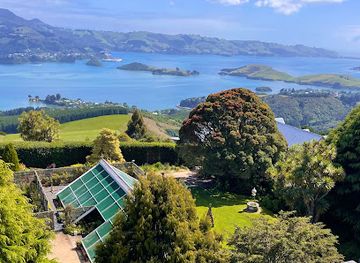
Larnach Castle
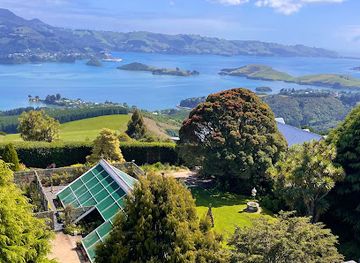
Explore Larnach Castle: A stunning historical landmark in New Zealand with breathtaking gardens and captivating stories of the past.

Best landmarks in Otago
Dunedin Railway Station is Otago’s most recognisable architectural landmark, with elaborate historic detailing that reflects the city’s prosperity during the early twentieth century. Nearby First Church and the University of Otago precinct reinforce Dunedin’s Scottish-influenced civic character, while the steep streets and harbour hills create a distinctive urban setting. On the Otago Peninsula, Taiaroa Head is both a dramatic coastal promontory and an important wildlife site associated with the northern royal albatross colony. Inland, the stone buildings and former gold-mining landscapes of Clyde, Naseby, Lawrence and Arrowtown preserve different aspects of the nineteenth-century goldfields; Arrowtown’s Chinese settlement remains is particularly significant for the history of Chinese miners. Cromwell’s relocated old town centre records the social consequences of the Clyde Dam and Lake Dunstan project. In the southern lakes, the Remarkables form an immediately recognisable mountain wall beside Lake Wakatipu, while Lake Wānaka and its surrounding ranges provide another defining landscape. These natural landmarks are weather-dependent environments, not simply viewpoints, and conditions can change quickly.
-
Scenic spot
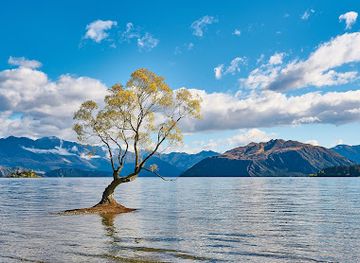
#ThatWanakaTree
Discover the breathtaking beauty of #ThatWanakaTree, a natural icon on Lake Wanaka's shores, surrounded by stunning alpine scenery and serene waters.
-
Castle
Larnach Castle
Discover the enchanting Larnach Castle, a historical gem on the Otago Peninsula, showcasing stunning architecture and breathtaking gardens.
-
Museum
Tūhura Otago Museum
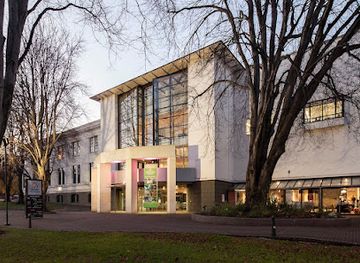
Explore the fascinating world of natural history and culture at Tūhura Otago Museum in Dunedin, New Zealand's captivating cultural hub.
-
Tourist attraction
Baldwin Street - The Steepest Street in the World
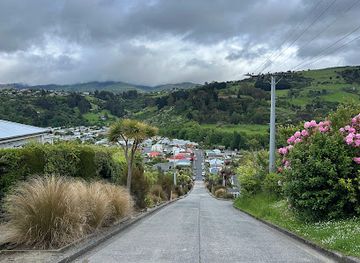
Explore Baldwin Street, the steepest street in the world, and experience breathtaking views and a unique challenge in Dunedin, New Zealand.
Explore Otago on the map
Plan your trip on one map. See where the top cities, national parks and sights are, and book hotels and experiences in a few clicks.
Best hotels in Otago
Best restaurants in Otago
Otago’s dining reflects its sharp contrast between coast, farms, fruit-growing valleys and alpine resorts. Dunedin combines cafés, bakeries, pubs and contemporary restaurants with access to southern seafood and produce from the wider region. The Otago Peninsula and coastal settlements are associated with fish and other maritime foods, while inland menus draw on lamb, beef, venison, local vegetables and orchard fruit. Central Otago is particularly known for cherries, apricots, peaches and other stone fruit, and its vineyards have established a strong reputation for cool-climate Pinot Noir and other wines. Cellar doors and restaurants around Cromwell, Bannockburn, Alexandra and nearby valleys often showcase this combination of wine and produce. Queenstown and Wānaka offer the broadest choice of dining styles, from casual cafés and craft-focused pubs to polished restaurants, though prices and demand can be high in peak seasons. Farmers’ markets and farm shops provide opportunities to buy regional fruit, preserves, cheese and baked goods when operating.
-
Italian
Esplanade Restaurant
Discover authentic Italian flavors at Esplanade Restaurant in Dunedin – where every dish is crafted with passion and served with breathtaking ocean views.
-
Restaurant
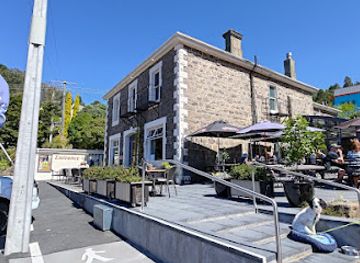
Careys Bay Historic Hotel
Discover exquisite seafood dining at Careys Bay Historic Hotel – where New Zealand's culinary tradition meets stunning waterfront views.
-
Italian
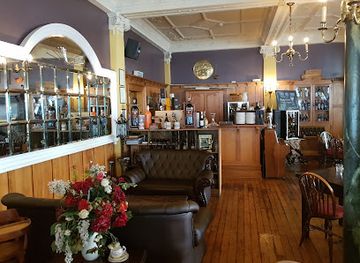
Etrusco at the Savoy
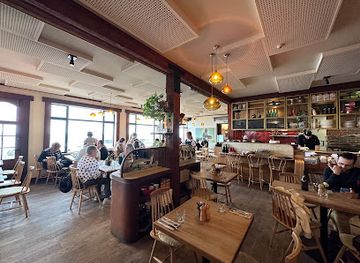
Discover authentic Italian cuisine at Etrusco at the Savoy - where every dish tells a story of flavor and tradition in Central Dunedin.
-
New Zealand
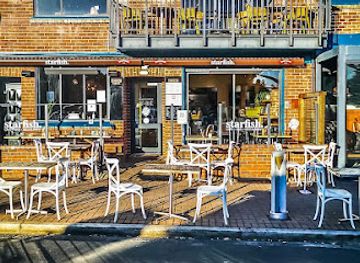
Starfish Cafe & Bar
Experience fresh coastal cuisine at Starfish Cafe & Bar in St Clair, Dunedin – where every meal is paired with stunning ocean views.
Best bars in Otago
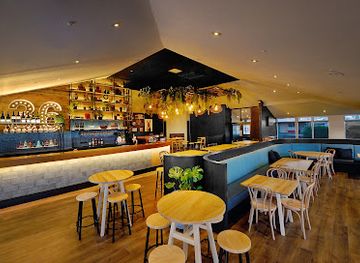
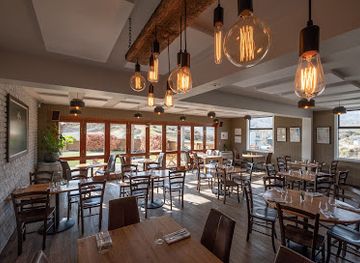
Otago’s evening culture varies considerably between its centres. Dunedin has the most established urban nightlife, shaped by its university population, live-music scene, independent bars, pubs and performing-arts venues; activity is concentrated around the central city rather than spread across the region. Queenstown has the largest visitor-oriented night-time economy, with pubs, cocktail bars, restaurants, live entertainment and clubs serving a late-running resort crowd, particularly during busy summer and ski periods. Wānaka’s evenings are generally more restrained, centred on lakeside restaurants, bars, cafés and occasional live music. In Central Otago, Clyde, Alexandra, Cromwell and other towns favour local pubs, wine bars, breweries and dining over dedicated clubbing, while rural districts may become quiet after dinner. Wine-tasting venues and breweries are best enjoyed responsibly, with transport arranged in advance rather than relying on informal lifts on isolated roads.
-
Bar
Minus 5° ICE BAR
Discover a frosty wonderland at Minus 5° ICE BAR in Queenstown, where ice sculptures and chilled cocktails create an unforgettable experience.
-
Irish pub
The Craic Irish Tavern
Discover the authentic taste of Ireland at The Craic Irish Tavern, a vibrant pub in Dunedin offering great food, drinks, and live music.
-
Sports bar
Mornington Taphouse
Discover the vibrant spirit of Dunedin at Mornington Taphouse, where delicious food, great drinks, and live entertainment come together.
-
Restaurant
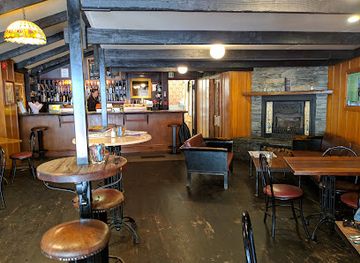
Bannockburn Hotel - Wine Country Restaurant
Discover the culinary delights of Bannockburn Hotel, where local flavors and premium wines meet in a stunning wine country setting.

Best nightclubs in Otago
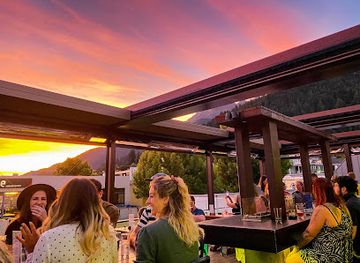
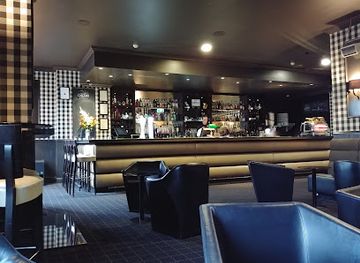
Otago’s evening culture varies considerably between its centres. Dunedin has the most established urban nightlife, shaped by its university population, live-music scene, independent bars, pubs and performing-arts venues; activity is concentrated around the central city rather than spread across the region. Queenstown has the largest visitor-oriented night-time economy, with pubs, cocktail bars, restaurants, live entertainment and clubs serving a late-running resort crowd, particularly during busy summer and ski periods. Wānaka’s evenings are generally more restrained, centred on lakeside restaurants, bars, cafés and occasional live music. In Central Otago, Clyde, Alexandra, Cromwell and other towns favour local pubs, wine bars, breweries and dining over dedicated clubbing, while rural districts may become quiet after dinner. Wine-tasting venues and breweries are best enjoyed responsibly, with transport arranged in advance rather than relying on informal lifts on isolated roads.
-
Bar
Local Queenstown
Experience the vibrant nightlife of Local Queenstown, where exquisite cocktails and live music create an unforgettable evening in New Zealand.
-
Cocktail bar
Carousel Lounge Bar
Discover the lively atmosphere and exquisite cocktails at Carousel Lounge Bar, Dunedin's premier destination for nightlife enthusiasts.
-
Restaurant
Suburbia Eatery & Nightlife
Discover the vibrant Suburbia Eatery & Nightlife in Dunedin, where exquisite dining meets lively nightlife for an unforgettable experience.
-
Adult entertainment club
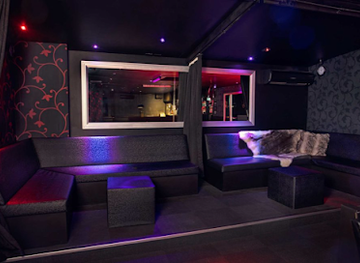
Soho Queenstown
Soho Queenstown: Where Nightlife Comes Alive with Thrilling Performances and Exquisite Drinks in the Heart of Queenstown.

Best shops in Otago
Shopping in Otago is strongest in its distinct town centres rather than in a single regional retail district. Dunedin provides the broadest selection of bookshops, independent retailers, vintage clothing, galleries, design shops, cafés and everyday high-street stores, with local art and university influences visible in parts of the central city. Oamaru offers heritage surroundings and small independent businesses, while Arrowtown, Clyde, Alexandra and Naseby combine historic streets with galleries, craft shops, antiques and locally made goods. Cromwell and Central Otago are good places to look for seasonal stone fruit, preserves, wine and orchard products, although roadside stalls vary by season and payment method. Queenstown and Wānaka have outdoor-equipment retailers, art galleries, gift shops and food producers, alongside more commercial visitor shopping. Regional purchases with a genuine connection to Otago include wine, fruit products, ceramics, woollen goods, jewellery and locally produced art. Check biosecurity rules before carrying food or natural materials to another country.
-
Shopping mall
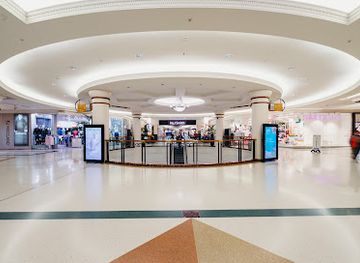
Meridian Mall
Explore the vibrant Meridian Mall in Dunedin, offering a wide range of shopping and dining options for every taste and budget.
-
Fish store
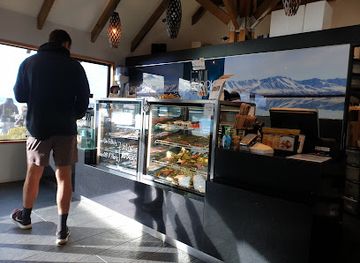
Mt Cook Alpine Salmon Shop
Experience the finest alpine salmon at Mt Cook Alpine Salmon Shop, a gourmet destination with stunning views of Lake Pukaki and the Southern Alps.
-
Department store
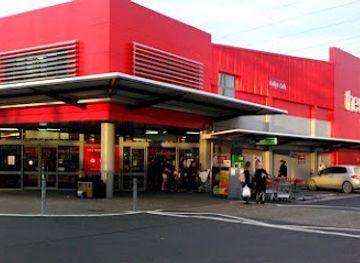
The Warehouse
Explore The Warehouse in South Dunedin for affordable fashion, home goods, and unique gifts, perfect for every traveler and shopping enthusiast.
-
Grocery store
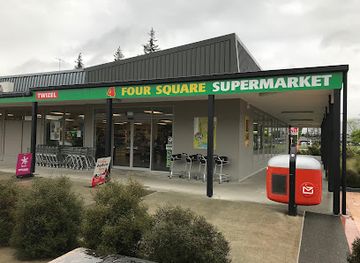
Four Square Twizel
Explore the essence of Twizel at Four Square, where local flavors and friendly service come together in a delightful grocery shopping experience.
Get your free copy of our complete guide to Otago, delivered straight to you.
Everything on this page, from attractions and restaurants to essentials and local phrases, in one PDF you can read offline, print or share.
Already have an account? Sign in
Your Otago guide is ready.
We'll send it to · Not you? Sign out

Getting your guide ready…
We are putting together a fresh copy of the Otago guide. This can take up to a minute.
This can take a few moments. If your browser asks, choose Allow so the download can start. You'll find the guide in your Downloads folder.
Nothing happened? Download it again
Sorry, the guide is taking longer than usual. Please try again in a minute, or get it by email instead.
Otago essentials
Currency and Payment
Safety
Emergency Situations
Do's and Don'ts
Local Tips
From Eve
Local phrases worth knowing
You don't need to get them perfect. A few words go a long way, and locals appreciate the effort.
Basics
| English | Local | Say it |
|---|---|---|
| Hello | Kia ora | [kee-ah or-ah] |
| Goodbye | Ka kite | [kah kee-teh] |
| Yes | Ae | [eye] |
| No | Kāore | [kah-oh-reh] |
| Please/You're welcome | Tēnā koa | [teh-nah koh-ah] |
| Thank you | Ngā mihi | [ngah mee-hee] |
| Excuse me/Sorry | Aroha mai | [ah-roh-hah my] |
| How are you? | Kei te pēhea koe? | [kay teh peh-hee-ah koy] |
| Fine. And you? | Ka pai. Ko koe? | [kah pie. koh koy] |
| Do you speak English? | Ka taea e koe te kōrero i te reo Ingarihi? | [kah tah-eh ah eh koy teh koh-reh-roh ee teh ray-oh in-gah-ree-hee] |
| I don't understand | Kaore au e mohio | [kah-oh-reh ow eh moh-hee-oh] |
Eating & Drinking
| English | Local | Say it |
|---|---|---|
| I'd like to see the menu, please | Ka hiahia au ki te kite i te menū, tēnā koa | [kah hee-ah-hee-ah ow kee teh kee-teh ee teh men-oo, teh-nah koh-ah] |
| I don't eat meat | Kaore au e kai mīti | [kah-oh-reh ow eh kye mee-tee] |
| Cheers! | Kia ora! | [kee-ah or-ah!] |
| I would like to pay, please | Ka hiahia au ki te utu, tēnā koa | [kah hee-ah-hee-ah ow kee teh oo-too, teh-nah koh-ah] |
Emergencies
| English | Local | Say it |
|---|---|---|
| Help! | Tāwhirimātea! | [tah-whee-ree-mah-teh-ah!] |
| Go away! | Haere atu! | [hi-reh ah-too!] |
| Call the Police! | Karanga ki te Polihi! | [kah-rahng-ah kee teh poh-lee-hee!] |
| Call a doctor! | Karanga ki te taakuta! | [kah-rahng-ah kee teh tah-ah-koo-tah!] |
| I'm lost | Kua ngaro au | [koo-ah nah-roh ow] |
| I'm ill | E mate ana au | [eh mah-teh ah-nah ow] |
Shopping
| English | Local | Say it |
|---|---|---|
| I'd like to buy... | Ka hiahia au ki te hoko... | [kah hee-ah-hee-ah ow kee teh hoh-koh...] |
| I'm just looking | Kei te tirohia noa ahau | [kay teh tee-roh-hee-ah noh-ah-hau] |
| How much is it? | E hia te utu? | [eh hee-ah teh oo-too?] |
| That's too expensive | Kei te tino utu nui | [kay teh tee-noh oo-too noo-ee] |
| Can you lower the price? | Ka taea e koe te whakaheke i te utu? | [kah tah-eh ah eh koy teh fah-kah-heh-keh ee teh oo-too?] |
Time & Numbers
| English | Local | Say it |
|---|---|---|
| What time is it? | Kei te aha te wā? | [kay teh ah-hah teh wah?] |
| It's one o'clock | Kei te kotahi te karaka | [kay teh koh-tah-hee teh kah-rah-kah] |
| Half past (10) | Hāwha ki te tekau | [hah-fah kee teh teh-kah] |
| Morning | Ata | [ah-tah] |
| Afternoon | I ahau | [ee ah-hau] |
| Evening | Pō | [poh] |
| Yesterday | Inanahi | [ee-nah-nah-hee] |
| Today | I tēnei rā | [ee teh-neh rah] |
| Tomorrow | Āpōpō | [ah-poh-poh] |
| 1 | Tahi | [tah-hee] |
| 2 | Rua | [roo-ah] |
| 3 | Toru | [toh-roo] |
| 4 | Whā | [fah] |
| 5 | Rima | [ree-mah] |
| 6 | Ono | [oh-no] |
| 7 | Whitu | [fee-too] |
| 8 | Waru | [wah-roo] |
| 9 | Iwa | [ee-wah] |
| 10 | Tekau | [teh-kah-oo] |
Transport & Directions
| English | Local | Say it |
|---|---|---|
| Where's a/the...? | Kei hea te...? | [kay he-ah teh...?] |
| What's the address? | He aha te wāhitau? | [heh ah-hah teh wah-hee-tow?] |
| Can you show me (on the map)? | Ka taea e koe te whakaatu mai (i te mapi)? | [kah tah-eh ah eh koy teh fah-kah-ah-too my (ee teh mah-pee)?] |
| When's the next (bus)? | Kāti te pahi e whai mai? | [kah-tee teh pah-hee eh fwah-ee my?] |
| A ticket (to ....) | He tikiti (ki ....) | [heh tee-kee-tee (kee ....)] |
History of Otago
Māori settlement and Kāi Tahu heritage
Māori communities travelled through and settled the southern South Island centuries before European colonisation. The iwi Kāi Tahu, also known as Ngāi Tahu, retains important connections with Otago’s rivers, lakes, mountains and coast. Traditional travel routes linked the east coast with inland lakes and passes, while seasonal occupation supported fishing, gathering and hunting. Places such as Ōtākou on the Otago Peninsula remain significant centres of Kāi Tahu identity. Visitors will encounter Māori place names throughout the region, but the living cultural history of mana whenua is more than a historical layer: it continues through community, environmental stewardship, interpretation and contemporary cultural practice.
European settlement and the foundation of Dunedin
Scottish Free Church settlers established Dunedin in 1848, choosing the harbour and surrounding hills as the site of a planned settlement. The name recalls Edinburgh, and Scottish influence remains visible in the city’s street plan, stone architecture, institutions and cultural traditions. Early colonial development depended on farming, coastal shipping and commerce, while the port helped connect Otago with other parts of New Zealand and overseas markets. Dunedin’s uneven volcanic terrain shaped its roads and neighbourhoods, and its later university and industrial institutions helped give the city an influence that extended well beyond its population.
The Otago gold rushes, from 1861
Gold discoveries at Gabriel’s Gully near Lawrence in 1861 transformed Otago almost overnight. Prospectors arrived from Australia, Europe, North America and China, creating settlements and supply routes across previously sparsely populated inland country. Further rushes developed around Central Otago rivers and gullies, including areas near Cromwell, Alexandra and Naseby. The boom stimulated Dunedin’s banks, merchants, port and building industry, while the diggings left distinctive tailings, water races, stone huts and townscapes. Gold mining declined, but the roads, settlements and historic remains of the period continue to shape Otago’s inland tourism.
Chinese gold miners and multicultural Otago
Chinese miners became an important part of the Otago goldfields from the 1860s, particularly as easily accessible European workings declined. Many came from Guangdong and endured difficult conditions, discrimination and isolation while contributing substantially to mining communities and regional commerce. Their presence is commemorated at sites including the Chinese settlement remains at Arrowtown, within the Queenstown-Lakes district. The story complicates the region’s frequently simplified Scottish and colonial narrative, showing that Otago’s goldfields were connected to wider migration networks and that Chinese New Zealanders formed a significant part of the region’s nineteenth-century history.
Railways, pastoralism and agricultural change
Railways and improved roads connected Otago’s inland districts with Dunedin and the coast, supporting the movement of wool, livestock, grain and minerals. The Otago Central Railway reached Central Otago in the early twentieth century and remained important until its closure in the 1990s; its former route later became the Otago Central Rail Trail. Pastoral farming continued across the dry interior, while irrigation gradually made orcharding and horticulture more productive around Cromwell, Alexandra and neighbouring valleys. These transport and agricultural changes helped turn former goldfield settlements into the rural communities and food-producing districts seen today.
Hydroelectric development and the reshaping of the Clutha
The Clutha River became central to twentieth-century hydroelectric development. Construction of the Clyde Dam in the 1980s and early 1990s created Lake Dunstan and altered river landscapes around Clyde and Cromwell, with parts of the old Cromwell town centre rebuilt above the new lake level. The project generated national electricity and supported later irrigation, but also changed established communities, archaeological sites and familiar river environments. Today, Lake Dunstan forms a major recreational landscape for boating, walking and cycling, while the dam remains an important example of the region’s integration of infrastructure, energy production and tourism.
Conservation, universities and the modern visitor economy
During the later twentieth century, Otago’s identity broadened beyond farming, mining and port activity. The University of Otago strengthened Dunedin’s role as a centre of education, medicine and research, while conservation work on the Otago Peninsula and southern coast raised the profile of endangered birds and marine wildlife. Queenstown developed from a goldfield settlement and resort into a major international tourism and adventure centre, with Wānaka following a different but increasingly active outdoor-tourism path. Residential growth, seasonal employment, conservation pressures and debates about infrastructure now accompany the region’s popularity.
Otago in Photos
Browse through our photo collection highlighting the charm and character of the destination.
Neighbouring regions of Otago
The closest regions to Otago, if you have time for more than one.
-

-

-

-

-


Swipe for more regions
Explore more

Explore more of New Zealand
New Zealand: Discover awe-inspiring landscapes, vibrant Maori culture, and thrilling adventures in a land of breathtaking natural beauty and welcoming locals.
Explore New Zealand