

Free Agder Travel Guide & Mobile App
Explore Agder with free travel guides. Discover regional history, expert tips, proposed trips, and audio guides on web or mobile app.


Explore Agder’s white-painted coastal towns, skerries, historic harbours, Setesdal valleys, mountain trails and southern Norwegian food culture.
Read more about Agder
When is the best time to visit Agder?
Best: June–August · 20–22°C| Month | High (°C) | Rainfall (mm) |
|---|---|---|
| January | 1 | 85 |
| February | 2 | 75 |
| March | 6 | 66 |
| April | 12 | 56 |
| May | 16 | 65 |
| June (best) | 20 | 76 |
| July (best) | 22 | 86 |
| August (best) | 21 | 95 |
| September | 17 | 106 |
| October | 12 | 116 |
| November | 7 | 105 |
| December | 1 | 95 |
Getting to and around Agder
How to get there
Transportation
Top city travel guides in Agder
The cities of Agder, and the easiest places to base yourself.
-

-


Swipe for more cities
Destinations in Agder
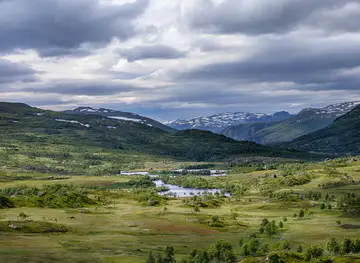
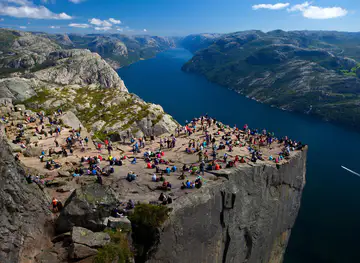
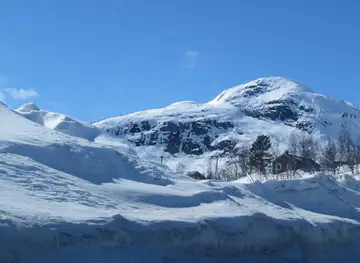
Resorts, valleys and scenic spots worth a trip of their own.
-
-
-

-


Swipe for more destinations
Best attractions in Agder
Agder’s attractions range from maritime towns and small museums to mountain landscapes shaped by the Otra valley. Kristiansand offers urban culture, a historic centre, harbour walks and the well-known Dyreparken family park, while the coastal towns of Arendal, Grimstad, Lillesand, Tvedestrand and Risør provide timber architecture, galleries, boat trips and access to the skerries. The Setesdal valley introduces a different experience through open-air museums, traditional farm buildings, folk culture and river-based activities around Evje and Bygland. Inland visitors can hike, cycle, fish and paddle, with more extensive mountain terrain around Bykle and Hovden. Lindesnes Lighthouse gives the southern coast a strong maritime focus, and the Lista area combines beaches, birdwatching and open coastal scenery. Historic fortifications, former mining landscapes and industrial sites add depth beyond the natural attractions. Conditions and opening arrangements vary by season, so travellers should check access before visiting remote sites or planning activities dependent on boats and mountain weather.
-
Tourist attraction
Kristiansand Zoo and Amusement Park
Experience the magic of wildlife and thrills at Kristiansand Zoo and Amusement Park, Norway's premier family destination filled with fun and adventure.
-
Tourist attraction
Aquarama
Discover Aquarama, Kristiansand's ultimate water park for thrilling slides, relaxing saunas, and family-friendly attractions.
-
History museum
Kristiansand Cannon Museum
Discover Norway's military history at Kristiansand Cannon Museum, home to impressive wartime artifacts and captivating stories from the past.
-
Tourist attraction
Kristiansand Cathedral
Explore the enchanting Kristiansand Cathedral, a Gothic Revival masterpiece in Norway, blending stunning architecture with rich cultural history.


Best landmarks in Agder
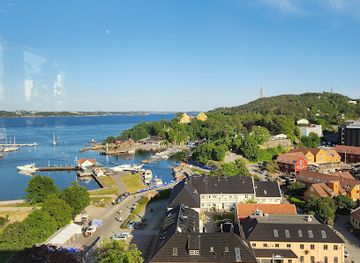
Christiansholm Fortress in Kristiansand is one of Agder’s clearest reminders of the region’s seventeenth-century strategic importance, standing beside the harbour of the planned city founded in 1641. The old centres of Arendal, Grimstad, Lillesand, Tvedestrand and Risør preserve concentrations of white-painted timber buildings linked to shipping and the timber trade, although each town has its own scale and waterfront character. Lindesnes Lighthouse is the county’s most recognisable maritime landmark, occupying an exposed headland at Norway’s southernmost mainland point. Inland, the Otra valley and the mountain scenery around Bykle and Hovden provide geographical landmarks rather than single monumental structures. Setesdal’s traditional farms, timber buildings and cultural landscapes are significant because they show how settlement adapted to a long, narrow valley and difficult mountain routes. Evje’s former mining landscapes also record the industrial use of Agder’s mineral resources. Together these places express the county’s principal historical themes: defence, seafaring, timber, farming, minerals and the continuing importance of the coast-to-mountain route.
-
Animal park
Kristiansand Zoo and Amusement Park
Experience the ultimate family adventure at Kristiansand Zoo and Amusement Park, where thrilling rides meet fascinating wildlife encounters in Norway.
-
Tourist attraction
Lindesnes Lighthouse
Discover Norway's southernmost gem at Lindesnes Lighthouse, where history meets stunning coastal views in a breathtaking setting.
-
History museum
Kristiansand Cannon Museum
Discover Norway's military past at Kristiansand Cannon Museum, where history and impressive artillery come together in an unforgettable experience.
-
Museum
Kristiansand Museum
Explore the captivating history and culture of Kristiansand at the Kristiansand Museum, a heritage hub showcasing the city's rich past.


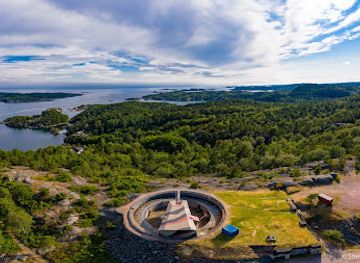

Explore Agder on the map
Plan your trip on one map. See where the top cities, national parks and sights are, and book hotels and experiences in a few clicks.
Best hotels in Agder
Best restaurants in Agder
Agder’s food culture reflects the meeting of the Skagerrak coast and the inland valleys. Along the coast, restaurants, harbour cafés and fish counters commonly focus on fish, prawns, crab, mussels and other seafood, with the daily selection influenced by season and local supply. Kristiansand and the larger towns have the broadest choice, including contemporary Norwegian cooking and international restaurants, while smaller ports often centre on informal waterfront dining and traditional cafés. Inland menus draw more heavily on lamb, game, freshwater fish, potatoes, dairy produce and preserved foods, and Setesdal has a strong tradition of cured and smoked specialities. Bakeries and local food shops are useful places to find regional cheeses, breads, jams and seasonal produce. Farmers’ markets and farm outlets vary by locality and time of year, but they offer a practical way to explore the agricultural side of Agder. Norwegian dining is generally informal, with reservations sensible during the short summer season.
-
Indian
Restaurant Mother India
Discover the essence of Indian cuisine at Restaurant Mother India in Kristiansand, where vibrant flavors meet warm hospitality.
-
Restaurant
Håndverkeren Restaurant & Pub
Experience authentic Norwegian flavors at Håndverkeren Restaurant & Pub, where great food meets lively entertainment in Kristiansand S.
-
Seafood
Sjøhuset Restaurant
Discover Sjøhuset Restaurant: A premier seafood dining experience in Kristiansand with breathtaking views and locally sourced ingredients.
-
Restaurant
Herlig land
Experience authentic Norwegian cuisine at Herlig Land, where every dish reflects the rich culinary heritage of Kristiansand.


Best bars in Agder
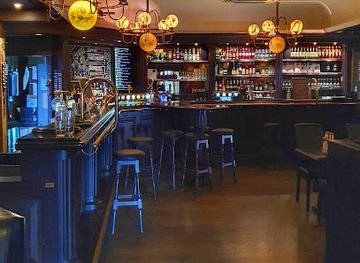
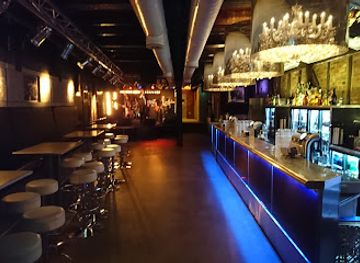
Evening life in Agder is concentrated in Kristiansand and the larger coastal towns rather than spread evenly across the county. Kristiansand has the widest range of pubs, cafés, cocktail bars, restaurants, live-music venues and occasional club nights, with activity increasing during the warmer months. Arendal and Grimstad offer sociable waterfront and town-centre pubs, while smaller harbour communities tend towards traditional public houses, restaurants and seasonal venues rather than late-night clubs. Setesdal’s evening culture is quieter, centred on hotel bars, local gatherings and places to eat after outdoor activities; Hovden has more winter-oriented après-ski activity than most inland settlements. Concerts, theatre and summer cultural programmes can be important parts of local nightlife, but schedules change. Alcohol is expensive by international standards, and visitors should not assume that every rural town has late transport or venues open late.
-
Restaurant
Håndverkeren Restaurant & Pub
Discover Håndverkeren Restaurant & Pub, a vibrant culinary and entertainment hub in Kristiansand, offering delicious cuisine and live music for an unforgettable experience.
-
Pub
Patricks Pub
Experience the vibrant atmosphere and local flavors at Patrick's Pub in Kristiansand, a perfect spot for food, drinks, and entertainment.
-
Bar
SkagenPub
Discover SkagenPub in Kristiansand - a lively bar and restaurant perfect for enjoying great food, drinks, and entertainment in a vibrant atmosphere.
-
Restaurant
Bakgården Bar
Experience Bakgården Bar in Kristiansand: A Culinary and Cocktail Haven with a Lively Atmosphere.


Best nightclubs in Agder
Evening life in Agder is concentrated in Kristiansand and the larger coastal towns rather than spread evenly across the county. Kristiansand has the widest range of pubs, cafés, cocktail bars, restaurants, live-music venues and occasional club nights, with activity increasing during the warmer months. Arendal and Grimstad offer sociable waterfront and town-centre pubs, while smaller harbour communities tend towards traditional public houses, restaurants and seasonal venues rather than late-night clubs. Setesdal’s evening culture is quieter, centred on hotel bars, local gatherings and places to eat after outdoor activities; Hovden has more winter-oriented après-ski activity than most inland settlements. Concerts, theatre and summer cultural programmes can be important parts of local nightlife, but schedules change. Alcohol is expensive by international standards, and visitors should not assume that every rural town has late transport or venues open late.
-
Sports bar
All Inn
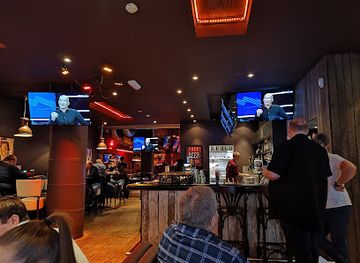
All Inn in Kristiansand offers an exciting blend of sports, dancing, and vibrant nightlife, perfect for tourists seeking fun and entertainment.
-
Live music bar
Guard House Cafè
Discover the lively nightlife of Kristiansand at the Guard House Café, a vibrant live music bar perfect for dance and drinks.
-
Bar
Club 21
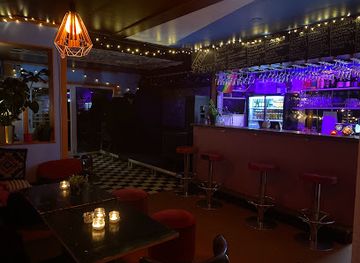
Discover the lively ambiance and exquisite cocktails of Club 21 in Kristiansand, the perfect bar for relaxation and celebration.
-
Night club
Backstage
Experience Stavanger's electrifying nightlife at Backstage, the ultimate destination for music, dancing, and unforgettable memories.
Best shops in Agder
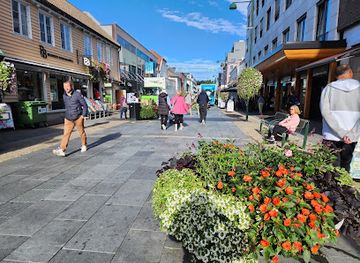
Shopping in Agder is strongest in Kristiansand, where a compact central area combines national retailers with independent shops, cafés, design stores, booksellers and regional food outlets. Coastal towns such as Arendal, Grimstad, Lillesand, Tvedestrand and Risør are better suited to browsing small galleries, craft shops, antiques, interiors and locally made goods than to extensive retail shopping. Across the county, seasonal markets and farm shops may offer cheeses, preserves, baked goods, seafood, wool products and other regional produce, though availability varies. Setesdal is associated with traditional crafts including silverwork, woodwork, textiles and folk-inspired products, making specialist craft outlets and local museums useful places to learn about the designs before buying. Visitors interested in maritime souvenirs will find them in the harbour towns, while outdoor shops are practical in inland centres such as Evje and Hovden. Opening patterns can be seasonal, particularly in small coastal communities, so do not rely on late-evening shopping outside the main towns.
-
Shopping mall
Sørlandssenteret
Discover Sørlandssenteret, Norway's largest shopping mall, where shopping, dining, and entertainment come together in Kristiansand.
-
Shopping mall
Alti Arendal
Experience the best of shopping and dining at Alti Arendal, where local charm meets modern retail in the heart of Norway.
-
Shopping mall
Sandens
Experience the best of shopping, dining, and entertainment at Sandens, the heart of Kristiansand's retail landscape.
-
Shopping mall
Harebakken Center
Explore the vibrant Harebakken Center in Arendal, the perfect shopping destination featuring diverse boutiques, delicious dining, and a lively atmosphere.



Get your free copy of our complete guide to Agder, delivered straight to you.
Everything on this page, from attractions and restaurants to essentials and local phrases, in one PDF you can read offline, print or share.
Already have an account? Sign in
Your Agder guide is ready.
We'll send it to · Not you? Sign out

Getting your guide ready…
We are putting together a fresh copy of the Agder guide. This can take up to a minute.
This can take a few moments. If your browser asks, choose Allow so the download can start. You'll find the guide in your Downloads folder.
Nothing happened? Download it again
Sorry, the guide is taking longer than usual. Please try again in a minute, or get it by email instead.
Agder essentials
Currency and Payment
Safety
Emergency Situations
Do's and Don'ts
Local Tips
From Eve
Local phrases worth knowing
You don't need to get them perfect. A few words go a long way, and locals appreciate the effort.
Basics
| English | Local | Say it |
|---|---|---|
| Hello | Howdy | [/ˈhaʊ.di/] |
| Goodbye | See ya | [/si jə/] |
| Yes | Yep | [/jɛp/] |
| No | Nah | [/nɑː/] |
| Please/You're welcome | Sure thing | [/ʃʊr θɪŋ/] |
| Thank you | Thanks a lot | [/θæŋks ə lɑt/] |
| Excuse me/Sorry | Pardon me | [/ˈpɑːrdən mi/] |
| How are you? | How's it going? | [/haʊz ɪt ˈɡoʊ.ɪŋ/] |
| Fine. And you? | Good. You? | [/ɡʊd ju/] |
| Do you speak English? | Can ya speak English? | [/kæn jə spiːk ˈɪŋɡlɪʃ/] |
| I don't understand | I don’t get it | [/aɪ doʊnt ɡɛt ɪt/] |
Eating & Drinking
| English | Local | Say it |
|---|---|---|
| I'd like to see the menu, please | Can I see the menu? | [/kæn aɪ si ðə ˈmɛnju/] |
| I don't eat meat | I’m a vegetarian | [/aɪm ə ˌvɛdʒɪˈtɛriən/] |
| Cheers! | Cheers! | [/tʃɪrz/] |
| I would like to pay, please | I’d like to settle up | [/aɪd laɪk tə ˈsɛtəl ʌp/] |
Emergencies
| English | Local | Say it |
|---|---|---|
| Help! | Help! | [/hɛlp/] |
| Go away! | Leave me alone! | [/liːv mi əˈloʊn/] |
| Call the Police! | Call the cops! | [/kɔl ðə kɑps/] |
| Call a doctor! | Get a doctor! | [/ɡɛt ə ˈdɑktər/] |
| I'm lost | I’m lost | [/aɪm lɔst/] |
| I'm ill | I’m not feeling well | [/aɪm nɑt ˈfiːlɪŋ wɛl/] |
Shopping
| English | Local | Say it |
|---|---|---|
| I'd like to buy... | I want to buy... | [/aɪ wɑnt tə baɪ/] |
| I'm just looking | Just browsing | [/dʒʌst ˈbraʊzɪŋ/] |
| How much is it? | What’s the price? | [/wʌts ðə praɪs/] |
| That's too expensive | That costs too much | [/ðæt kɔsts tu mʌtʃ/] |
| Can you lower the price? | Can you make it cheaper? | [/kæn ju meɪk ɪt ˈtʃiːpər/] |
Time & Numbers
| English | Local | Say it |
|---|---|---|
| What time is it? | What’s the time? | [/wʌts ðə taɪm/] |
| It's one o'clock | It’s one | [/ɪts wʌn/] |
| Half past (10) | Half past ten | [/hæf pæst tɛn/] |
| Morning | Morning | [/ˈmɔrnɪŋ/] |
| Afternoon | Afternoon | [/ˌæftərˈnun/] |
| Evening | Evening | [/ˈiːvnɪŋ/] |
| Yesterday | Yesterday | [/ˈjɛstərdeɪ/] |
| Today | Today | [/təˈdeɪ/] |
| Tomorrow | Tomorrow | [/təˈmɔroʊ/] |
| 1 | One | [/wʌn/] |
| 2 | Two | [/tu/] |
| 3 | Three | [/θri/] |
| 4 | Four | [/fɔr/] |
| 5 | Five | [/faɪv/] |
| 6 | Six | [/sɪks/] |
| 7 | Seven | [/ˈsɛv(ə)n/] |
| 8 | Eight | [/eɪt/] |
| 9 | Nine | [/naɪn/] |
| 10 | Ten | [/tɛn/] |
Transport & Directions
| English | Local | Say it |
|---|---|---|
| Where's a/the...? | Where’s the...? | [/wɛrz ðə/] |
| What's the address? | What’s the address? | [/wʌts ði ˈædrɛs/] |
| Can you show me (on the map)? | Can you point it out? | [/kæn ju pɔɪnt ɪt aʊt/] |
| When's the next (bus)? | When’s the next bus? | [/wɛnʔs ðə nɛkst bʌs/] |
| A ticket (to ....) | A ticket to... | [/ə ˈtɪkɪt tə/] |
History of Agder
Stone Age coastal and inland settlement
People have lived in the landscapes now forming Agder since the Stone Age, using the coast, rivers, forests and mountain areas for fishing, hunting and gathering. Rock carvings, burial sites and other archaeological traces record changing communities and technologies over thousands of years. The region’s waterways, especially the Otra valley, created routes between the coast and the interior, while sheltered harbours supported maritime activity. Agder’s later settlement pattern, with farms concentrated in valleys and coastal communities linked by sea routes, has deep roots in this early relationship between land and water.
Iron Age kingdoms and seafaring
During the Iron Age, southern Norway was divided among local chieftains and small kingdoms, with Agder forming part of the political landscape remembered in early Norwegian tradition. The coast’s sheltered waters enabled seafaring, trade and contact with areas around the North Sea and the Baltic. Burial mounds and archaeological finds indicate social hierarchy and long-distance connections. The name Agder itself is ancient, and the region’s later identity was shaped by the same combination of maritime access, fertile lower valleys and difficult but valuable inland routes.
Christianisation and medieval settlement
Christianisation brought new religious institutions and social structures to Agder during the Viking Age and early medieval period. Churches, farms and trading places developed along the coast and in the major valleys, while royal administration gradually became more organised. Kristiansand did not yet exist, but older settlements such as Oddernes and coastal market communities were important predecessors to later urban centres. Medieval agriculture remained closely tied to local soils, forests and seasonal resources, and the inland valleys retained distinctive customs while becoming connected to wider Norwegian political and religious networks.
Timber, shipping and coastal town growth
From the early modern period, Agder’s forests became an important economic resource. Timber was floated down rivers or shipped from coastal ports to markets in the Netherlands, Britain and elsewhere in Europe. Towns including Arendal, Grimstad, Lillesand, Tvedestrand and Risør prospered through timber exports, shipowning and associated trades. Their white-painted wooden buildings, narrow streets and waterfront warehouses reflect this period of maritime commerce. The prosperity was uneven and vulnerable to international wars, changing trade patterns and the depletion of easily accessible timber, but it established the coastal character that remains central to Agder’s heritage.
Kristiansand and the fortified southern coast
Kristiansand was founded in 1641 by King Christian IV as a planned trading town and strategic settlement. Its regular street grid and position beside the harbour reflected both commercial and military aims. The city became an important point on the Skagerrak route, while nearby coastal fortifications protected shipping lanes and the approach to southern Norway. Christiansholm Fortress, built in the seventeenth century, is a visible reminder of this strategic era. Kristiansand later developed into a regional administrative, commercial and transport centre.
Farming, migration and Setesdal culture
Setesdal developed a strong inland culture shaped by valley farming, transhumance, craft production and limited access across the mountains. Traditional music, dance, clothing, woodcarving and silverwork became particularly associated with the valley, although they evolved through contact with neighbouring districts and wider Norway. Poverty and restricted opportunities encouraged migration in the nineteenth century, including emigration to North America. Roads and improved communications gradually connected Setesdal more closely with the coast, while local museums and surviving farm buildings preserve evidence of older rural life.
Industry, hydroelectric power and modern Agder
The nineteenth and twentieth centuries brought new industries, railways, roads and hydroelectric development. Mining at places such as Evje contributed to the region’s industrial history, while waterfalls and rivers were harnessed for electricity and modern manufacturing. Coastal towns adapted as sailing ships gave way to steam and later road-based commerce. After the Second World War, tourism, public services, engineering, energy and maritime industries became increasingly important. Contemporary Agder combines urban growth around Kristiansand with small coastal communities, agricultural districts and mountain settlements whose economies remain more seasonal and dispersed.
Agder in Photos
Browse through our photo collection highlighting the charm and character of the destination.
Neighbouring regions of Agder
The closest regions to Agder, if you have time for more than one.
-

-

-

-

-


Swipe for more regions
Explore more

Explore more of Norway
Explore Norway's spectacular fjords, vibrant cities, and natural wonders. Experience the Northern Lights, Midnight Sun, and rich cultural heritage in this Scandinavian gem.
Explore Norway