

Free Sørlandet Travel Guide & Mobile App
Explore Sørlandet with free travel guides. Discover regional history, expert tips, proposed trips, and audio guides on web or mobile app.


Explore Sørlandet’s white wooden towns, skerry coast, historic harbours, beaches and mountain valleys across southern Norway.
Read more about Sørlandet
When is the best time to visit Sørlandet?
Best: June–August · 20–22°C| Month | High (°C) | Rainfall (mm) |
|---|---|---|
| January | 4 | 120 |
| February | 4 | 100 |
| March | 7 | 110 |
| April | 11 | 90 |
| May | 16 | 80 |
| June (best) | 20 | 90 |
| July (best) | 22 | 100 |
| August (best) | 22 | 120 |
| September | 17 | 130 |
| October | 12 | 140 |
| November | 8 | 130 |
| December | 4 | 120 |
Getting to and around Sørlandet
How to get there
Transportation
Top city travel guides in Sørlandet
The cities of Sørlandet, and the easiest places to base yourself.
-

-


Swipe for more cities
Destinations in Sørlandet
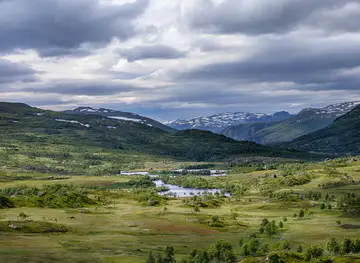
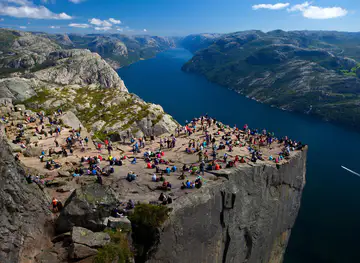
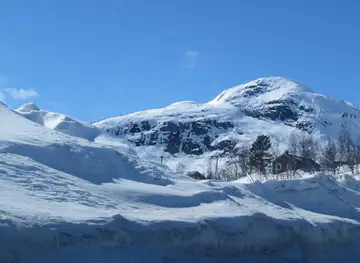
Resorts, valleys and scenic spots worth a trip of their own.
-
-
-

-


Swipe for more destinations
Best attractions in Sørlandet
Sørlandet’s attractions span maritime towns, family-focused experiences, protected landscapes and inland cultural routes. Kristiansand offers museums, a historic centre and the large Dyreparken family park, while the city’s waterfront provides access to beaches and boat excursions. Arendal, Grimstad, Lillesand, Risør and Mandal are rewarding for walks through preserved wooden districts, small museums, galleries and working harbours. Along the coast, Raet National Park protects islands, skerries, beaches and glacial landscapes suited to kayaking, swimming, walking and wildlife observation. Lindesnes Lighthouse combines maritime history with an exposed coastal setting at mainland Norway’s southern tip. Inland, Setesdal is the main destination for valley scenery, hiking, fishing, winter activities, folk culture and traditional architecture. Evje adds river-based outdoor activities and geological interests, including mineral-focused visitor experiences. The appeal is less about one monumental attraction than about moving between different environments: urban culture in Kristiansand, low-key harbour towns, open sea and beaches, then forests, lakes and upland roads farther north. Seasonal planning matters, since some boat services, museums and outdoor businesses operate on reduced schedules outside summer.
-
Tourist attraction
Lindesnes Lighthouse
Explore Lindesnes Lighthouse, Norway's oldest lighthouse, where rich history meets breathtaking coastal views in an unforgettable maritime experience.
-
Museum
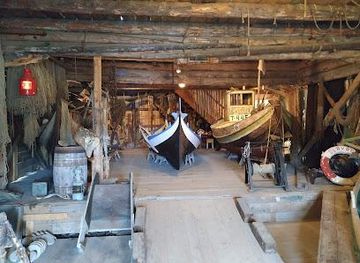
Norwegian Fishing Village Museum Å
Explore the rich maritime heritage of Norway at the Norwegian Fishing Village Museum Å, a captivating journey through fishing history and culture.
-
Tourist attraction
Risørflekken
Explore Risørflekken, a breathtaking tourist attraction in Norway showcasing stunning landscapes and outdoor adventures for nature enthusiasts.
-
Museum
The Blacksmith at Sund
Discover the artistry of blacksmithing at The Blacksmith at Sund, a unique museum experience in Ramberg surrounded by stunning Norwegian landscapes.


Best landmarks in Sørlandet
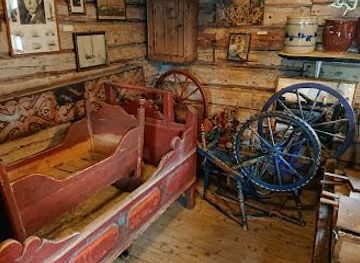
Sørlandet’s most recognisable landmarks express its maritime position and distinctive wooden architecture. Lindesnes Lighthouse, standing on the exposed southern tip of mainland Norway, is both a navigational monument and a powerful geographical marker where the Skagerrak meets the North Sea. In Kristiansand, the regular street plan of Kvadraturen reflects the city’s seventeenth-century foundation, while Christiansholm Fortress records its strategic coastal role. Arendal’s historic Tyholmen district is notable for wooden commercial and residential buildings spread across an island neighbourhood, and Risør’s preserved white wooden townscape shows the prosperity created by nineteenth-century shipping. Grimstad’s older streets and harbour retain the character of a maritime town associated with writers and seafaring. Inland, Setesdal’s traditional farm buildings, churches and valley settlements form a less monumental but equally important cultural landscape, shaped by long-standing building and craft traditions. The coast itself is also a landmark: granite skerries, narrow channels and low islands define the region more clearly than any single structure and are especially visible around Raet National Park and the eastern Agder archipelago.
-
Animal park
Kristiansand Zoo and Amusement Park
Experience the wonder of wildlife and thrills at Kristiansand Zoo and Amusement Park, a must-visit destination for families and animal lovers in Norway.
-
Tourist attraction
Lindesnes Lighthouse
Explore Lindesnes Lighthouse, Norway’s oldest lighthouse, where history meets stunning coastal views and unforgettable maritime experiences.
-
History museum
Kristiansand Cannon Museum
Discover the captivating history of Norway's wartime past at the Kristiansand Cannon Museum, a unique historical landmark in Kristiansand.
-
Cathedral
Kristiansand Cathedral
Discover the architectural beauty and historical significance of Kristiansand Cathedral, a must-visit landmark in Norway's charming city.


Explore Sørlandet on the map
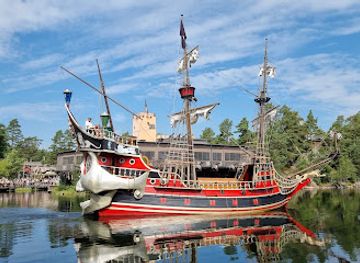
Plan your trip on one map. See where the top cities, national parks and sights are, and book hotels and experiences in a few clicks.
Best hotels in Sørlandet
Best restaurants in Sørlandet
Sørlandet’s dining is shaped by the Skagerrak coast and the agricultural and forested interior. Fish, prawns, mussels and other seafood are prominent in harbour restaurants, cafés and seasonal menus, while local bakeries and coffee shops provide a more informal way to eat between museum and town visits. Coastal towns often combine traditional Norwegian fare with contemporary cooking, and summer markets may bring together seafood, breads, preserves and locally grown produce. Inland Setesdal has a different emphasis, with dishes and ingredients associated with lamb, game, dairy, potatoes and forest produce appearing alongside familiar national Norwegian foods. Restaurant choice is greatest in Kristiansand and the larger coastal towns; in smaller communities, rural inns, hotel dining rooms and cafés may have limited opening periods. Visitors should distinguish genuinely local specialities from broader Norwegian dishes, but can expect the country’s wider food culture—seasonal ingredients, open sandwiches, fish and baked goods—to be strongly represented throughout the region.
-
Restaurant
Scandic Kristiansand Bystranda
Discover coastal elegance at Scandic Kristiansand Bystranda – where modern comfort meets breathtaking seaside views.
-
Indian
Restaurant Mother India
Experience authentic Indian flavors at Restaurant Mother India in Kristiansand - a must-visit culinary destination for tourists.
-
Restaurant
Egon
Experience the best of Norwegian and international cuisine at Egon in Kristiansand—a must-visit culinary gem.
-
Fast Food
McDonald's
Experience the iconic flavors of McDonald's in Kristiansand – where family-friendly dining meets convenience and affordability.


Best bars in Sørlandet
Evening life in Sørlandet is concentrated in Kristiansand and the larger coastal towns, while smaller communities generally centre on pubs, hotel bars, cafés and restaurants rather than a large club scene. Kristiansand has the region’s broadest choice of bars, live music, cultural performances and late-evening venues, with activity increasing during the summer and festival periods. Arendal and other harbour towns offer relaxed waterfront drinking and dining, although seasonal patterns can affect which venues are open. Traditional pubs and historic inns remain important social spaces, and some towns have breweries or bars showcasing Norwegian beer. In Setesdal and rural Agder, evenings are quieter and may be better suited to a meal, local cultural event or time outdoors than to nightlife. Check current arrangements locally, especially outside July and August, and remember that alcohol sales and serving are regulated nationally in Norway.
-
Restaurant
Håndverkeren Restaurant & Pub
Explore the culinary delights and lively entertainment at Håndverkeren Restaurant & Pub in Kristiansand S, a perfect blend for an unforgettable night out.
-
Restaurant
Herlig land
Experience the best of Norwegian cuisine at Herlig Land in Kristiansand, where fresh ingredients meet warm hospitality for an unforgettable dining experience.
-
Pub
Patricks Pub
Discover the vibrant atmosphere of Patricks Pub in Kristiansand, where delicious food meets refreshing drinks in a community-focused setting.
-
Restaurant
Bakgården Bar
Discover the culinary delights of Bakgården Bar in Kristiansand, where exquisite dishes meet creative cocktails in a vibrant atmosphere.


Best nightclubs in Sørlandet
Evening life in Sørlandet is concentrated in Kristiansand and the larger coastal towns, while smaller communities generally centre on pubs, hotel bars, cafés and restaurants rather than a large club scene. Kristiansand has the region’s broadest choice of bars, live music, cultural performances and late-evening venues, with activity increasing during the summer and festival periods. Arendal and other harbour towns offer relaxed waterfront drinking and dining, although seasonal patterns can affect which venues are open. Traditional pubs and historic inns remain important social spaces, and some towns have breweries or bars showcasing Norwegian beer. In Setesdal and rural Agder, evenings are quieter and may be better suited to a meal, local cultural event or time outdoors than to nightlife. Check current arrangements locally, especially outside July and August, and remember that alcohol sales and serving are regulated nationally in Norway.
-
Pub
Victoria Pub
Discover the lively atmosphere of Victoria Pub in Kristiansand - a perfect blend of local cuisine, drinks, and a welcoming vibe.
-
Sports bar
All Inn
Experience the vibrant nightlife of Kristiansand at All Inn, a bustling sports bar and disco club perfect for socializing and dancing.
-
Live music bar
Guard House Cafè
Immerse yourself in the lively atmosphere of Guard House Cafè, a premier destination for live music and nightlife in Kristiansand.
-
Cocktail bar
San Sebastián
Discover the vibrant cocktail culture at San Sebastián, Kristiansand's top destination for unique drinks and a lively atmosphere.


Best shops in Sørlandet
Shopping in Sørlandet is strongest in the historic coastal towns and in Kristiansand, where visitors find independent shops, bookshops, galleries, cafés and everyday high-street retail. Kristiansand has the region’s widest commercial range, including larger shopping areas and markets, while towns such as Arendal, Grimstad, Lillesand and Risør are better suited to browsing smaller premises in or near old wooden districts. Look for locally made ceramics, textiles, jewellery, woodwork and art, though stock and opening patterns vary considerably by season. Food makes a practical regional purchase: coffee, confectionery, preserves, baked goods, seafood products and other Norwegian specialities are widely available, with farmers’ markets and seasonal stalls offering the most direct connection to local producers. In Setesdal, traditional craft and folk-art influences are more visible, particularly in museums, craft outlets and cultural centres. Do not expect every small coastal settlement to provide extensive retail choice; many shops close earlier or operate seasonally outside the summer period.
-
Shopping mall
Sørlandssenteret
Explore Sørlandssenteret: Norway's largest shopping mall in Kristiansand, offering over 200 shops, diverse dining options, and family-friendly entertainment.
-
Store
Gulskogen senter
Discover a vibrant shopping experience at Gulskogen Senter in Drammen, Norway, featuring diverse stores, dining options, and events for every visitor.
-
Shopping mall
Bjørneparken Shopping
Discover Bjørneparken Shopping in Flå: A local shopping haven with eclectic stores, delightful eateries, and a warm community spirit.
-
Shopping mall
Sandens
Explore Sandens in Kristiansand: a vibrant shopping mall offering diverse shops, delightful cafes, and engaging entertainment options.


Get your free copy of our complete guide to Sørlandet, delivered straight to you.
Everything on this page, from attractions and restaurants to essentials and local phrases, in one PDF you can read offline, print or share.
Already have an account? Sign in
Your Sørlandet guide is ready.
We'll send it to · Not you? Sign out

Getting your guide ready…
We are putting together a fresh copy of the Sørlandet guide. This can take up to a minute.
This can take a few moments. If your browser asks, choose Allow so the download can start. You'll find the guide in your Downloads folder.
Nothing happened? Download it again
Sorry, the guide is taking longer than usual. Please try again in a minute, or get it by email instead.
Sørlandet essentials
Currency and Payment
Safety
Emergency Situations
Do's and Don'ts
Local Tips
From Eve
Local phrases worth knowing
You don't need to get them perfect. A few words go a long way, and locals appreciate the effort.
Basics
| English | Local | Say it |
|---|---|---|
| Hello | Hei | [Hay] |
| Goodbye | Ha det | [Hah deh] |
| Yes | Ja | [Yah] |
| No | Nei | [Nay] |
| Please/You're welcome | Vær så snill/Takk | [Vehr soh sneel/Tahk] |
| Thank you | Takk | [Tahk] |
| Excuse me/Sorry | Unnskyld | [Oon-shild] |
| How are you? | Hvordan har du det? | [Vor-dahn har doo deh] |
| Fine. And you? | Bra. Og du? | [Bra. Oh doo?] |
| Do you speak English? | Snakker du engelsk? | [Snah-kker doo eng-elsk?] |
| I don't understand | Jeg forstår ikke | [Yayg for-stor ikk-eh] |
Eating & Drinking
| English | Local | Say it |
|---|---|---|
| I'd like to see the menu, please | Jeg vil gjerne se menyen, vær så snill | [Yayg vil yar-nuh seh meh-nyen, vehr soh sneel] |
| I don't eat meat | Jeg spiser ikke kjøtt | [Yayg spee-ser ikk-eh shutt] |
| Cheers! | Skål! | [Skol!] |
| I would like to pay, please | Jeg vil gjerne betale, vær så snill | [Yayg vil yar-nuh beh-tah-leh, vehr soh sneel] |
Emergencies
| English | Local | Say it |
|---|---|---|
| Help! | Hjelp! | [Yelp!] |
| Go away! | Gå vekk! | [Goh vek!] |
| Call the Police! | Ring politiet! | [Ring poh-lee-teet!] |
| Call a doctor! | Ring en lege! | [Ring en leh-geh!] |
| I'm lost | Jeg er tapt | [Yayg air tahpt] |
| I'm ill | Jeg er syk | [Yayg air seek] |
Shopping
| English | Local | Say it |
|---|---|---|
| I'd like to buy... | Jeg vil kjøpe... | [Yayg vil shuh-peh...] |
| I'm just looking | Jeg ser bare | [Yayg ser bah-reh] |
| How much is it? | Hvor mye koster det? | [Vor mee-eh kost-er deh?] |
| That's too expensive | Det er for dyrt | [Deh air for deer-t] |
| Can you lower the price? | Kan du senke prisen? | [Kahn doo sen-keh pree-sen?] |
Time & Numbers
| English | Local | Say it |
|---|---|---|
| What time is it? | Hva er klokka? | [Vah air klohk-ah?] |
| It's one o'clock | Den er ett | [Den air ett] |
| Half past (10) | Halv (ti) | [Halv (tee)] |
| Morning | Morgen | [Mor-gen] |
| Afternoon | Ettermiddag | [Et-ter-mid-dahg] |
| Evening | Kveld | [Kvel-d] |
| Yesterday | I går | [Ee gor] |
| Today | I dag | [Ee dahg] |
| Tomorrow | I morgen | [Ee mor-gen] |
| 1 | 1 | [1] |
| 2 | 2 | [2] |
| 3 | 3 | [3] |
| 4 | 4 | [4] |
| 5 | 5 | [5] |
| 6 | 6 | [6] |
| 7 | 7 | [7] |
| 8 | 8 | [8] |
| 9 | 9 | [9] |
| 10 | 10 | [10] |
Transport & Directions
| English | Local | Say it |
|---|---|---|
| Where's a/the...? | Hvor er en...? | [Vor air en...?] |
| What's the address? | Hva er adressen? | [Vah air ah-dress-en?] |
| Can you show me (on the map)? | Kan du vise meg (på kartet)? | [Kahn doo vee-seh mai (poh kar-teht)?] |
| When's the next (bus)? | Når går neste (buss)? | [Nor gor nes-teh (boos)?] |
| A ticket (to ....) | En billett (til ....) | [En bee-lett (til ....)] |
History of Sørlandet
Early settlement and maritime exchange
People have lived along the southern Norwegian coast and in the inland valleys since the retreat of the ice, using forests, rivers, lakes and the sea for food and travel. Archaeological evidence from Agder records Stone Age activity, later farming communities and long-standing connections across the Skagerrak. Coastal locations offered sheltered anchorages and access to trade, while Setesdal developed its own valley-based economy and cultural traditions. The region’s geography encouraged movement between sea and interior rather than isolating the two areas completely.
Viking and medieval Agder
During the Viking Age and medieval period, the coast of Agder formed part of the maritime world linking western Scandinavia with the North Sea and Baltic routes. Local chieftains, farmers and seafarers participated in trade, raiding and regional politics, although the evidence is spread across settlements, burial sites and later historical records rather than concentrated in one surviving royal centre. Christianity gradually reshaped society, bringing churches and new administrative structures. Medieval routes through Setesdal connected inland communities with the coast and neighbouring valleys.
The formation of Kristiansand in the seventeenth century
Kristiansand was founded by King Christian IV in 1641 as a planned town and strategic port. Its position on the Skagerrak supported trade, naval activity and the administration of southern Norway, while the regular streets and fortified origins distinguished it from older coastal settlements. The town became an important gateway for shipping and later for communication with Denmark and continental Europe. Its foundation helped shift regional political and commercial weight towards a more urban centre, without displacing the older harbour communities along the coast.
Timber, shipping and coastal commerce
From the early modern period into the nineteenth century, Sørlandet’s economy was strongly shaped by timber exports, sawmills, shipbuilding and maritime trade. Rivers carried timber from inland forests towards ports such as Arendal, Grimstad, Lillesand, Kristiansand, Mandal and Flekkefjord. Wealth generated by shipping can still be seen in merchants’ houses, warehouses and carefully planned wooden streets. The region also experienced the risks of maritime commerce: shipwrecks, fluctuating international markets and competition from steam-powered transport gradually changed the old sailing economy.
Industrialisation and the inland transformation
The nineteenth and twentieth centuries brought new forms of industry and infrastructure to Agder. Fisheries, food processing, engineering, mining and manufacturing complemented the older maritime economy, while improved roads, rail links and steamship services altered connections between coast and interior. Hydroelectric development became particularly important in inland valleys, harnessing rivers to support modern industry and settlements. These changes did not erase older rural practices: farming, forestry, craft traditions and seasonal movement continued to shape communities in Setesdal and elsewhere.
Occupation, reconstruction and modern tourism
During the Second World War, southern Norway’s coast had strategic importance because of its position on the approaches to the Skagerrak and the North Sea. German occupation left military installations and fortifications in parts of the coastal landscape, some of which can still be interpreted today. After 1945, improved roads, ferry links, rising car ownership and domestic holidays transformed Sørlandet into one of Norway’s principal summer destinations. Contemporary Sørlandet combines port cities, industry, heritage towns, outdoor recreation and a substantial seasonal tourism economy.
Sørlandet in Photos
Browse through our photo collection highlighting the charm and character of the destination.
Neighbouring regions of Sørlandet
The closest regions to Sørlandet, if you have time for more than one.
-

-

-

-

-


Swipe for more regions
Explore more

Explore more of Norway
Explore Norway's spectacular fjords, vibrant cities, and natural wonders. Experience the Northern Lights, Midnight Sun, and rich cultural heritage in this Scandinavian gem.
Explore Norway