

Free Hordaland Travel Guide & Mobile App
Explore Hordaland with free travel guides. Discover regional history, expert tips, proposed trips, and audio guides on web or mobile app.


Explore Hordaland’s Bergen heritage, dramatic fjords, fruit-growing valleys, glacier landscapes and mountain adventures across western Norway.
Read more about Hordaland
When is the best time to visit Hordaland?
Best: June–August · 18–20°C| Month | High (°C) | Rainfall (mm) |
|---|---|---|
| January | 4 | 250 |
| February | 5 | 200 |
| March | 8 | 200 |
| April | 11 | 150 |
| May | 15 | 120 |
| June (best) | 18 | 100 |
| July (best) | 20 | 110 |
| August (best) | 19 | 120 |
| September | 16 | 180 |
| October | 12 | 250 |
| November | 8 | 250 |
| December | 5 | 300 |
Getting to and around Hordaland
How to get there
Transportation
Top city travel guides in Hordaland
The cities of Hordaland, and the easiest places to base yourself.

Swipe for more cities
Destinations in Hordaland
Resorts, valleys and scenic spots worth a trip of their own.
-

-

-

-

-

-


Swipe for more destinations
Best attractions in Hordaland
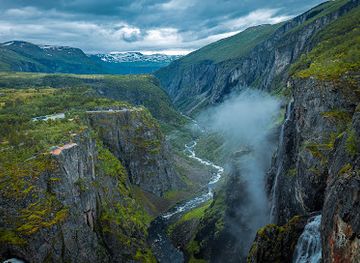
Hordaland’s attractions range from Bergen’s museums, galleries and historic harbour to large-scale natural experiences in the fjord country. Bryggen and Bergenhus provide the strongest urban heritage focus, while the Hardangerfjord districts offer orchard landscapes, village museums, historic churches and scenic roads beside deep water. Outdoor visitors can choose from marked mountain walks, kayaking, cycling, fishing and winter activities around Voss, as well as demanding routes such as Trolltunga above Tyssedal. Folgefonna National Park protects glacier and mountain landscapes, and Vøringsfossen near Eidfjord is one of the region’s most accessible major waterfalls. Baroniet Rosendal combines gardens, architecture and cultural history, while the coast around Stord, Bømlo and Austevoll reveals a more maritime side through harbours, islands and working communities. The appeal lies in the contrast between a sophisticated city, active industrial settlements, agricultural fjord valleys and remote highland terrain; each requires a different pace and, often, different transport arrangements.
-
Tourist attraction
Vøringsfossen
Experience the breathtaking beauty of Vøringsfossen Waterfall, a true gem of Norway's natural landscape, perfect for adventurers and nature lovers alike.
-
Tourist attraction
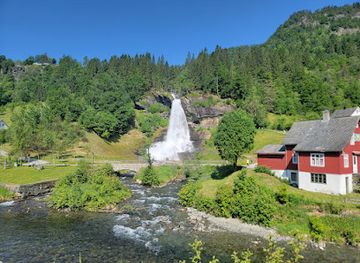
Steinsdalsfossen
Explore the stunning Steinsdalsfossen Waterfall, where nature's beauty meets adventure in the heart of Norway's Hardanger region.
-
Tourist attraction
Bergenhus Fortress
Explore Bergenhus Fortress, a historic landmark in Bergen, Norway, rich in history, stunning architecture, and breathtaking views.
-
Tourist attraction
Akvariet i Bergen - The National Aquarium
Experience the magic of marine life at Akvariet i Bergen, Norway's National Aquarium, where education meets entertainment in a stunning aquatic paradise.
Best landmarks in Hordaland
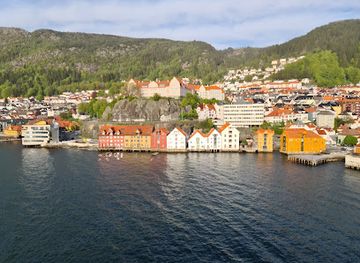
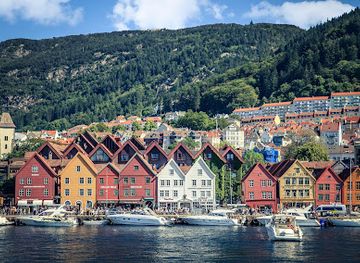
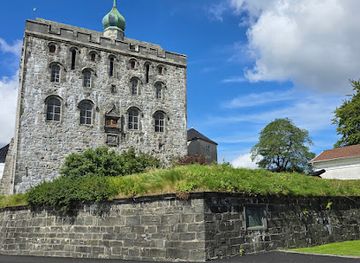
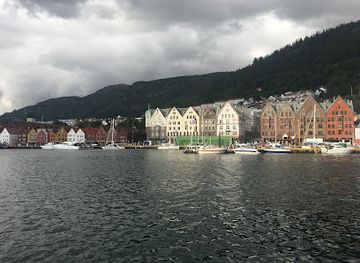
Bryggen is Hordaland’s defining urban landmark: its timber merchant buildings along Bergen’s harbour preserve the form of the medieval Hanseatic trading quarter, despite repeated fires and reconstruction. Nearby Bergenhus Fortress, including Håkon’s Hall and the Rosenkrantz Tower, marks the city’s medieval royal and defensive importance. In the interior, Vøringsfossen is a major natural landmark where the Bjoreia river drops dramatically into Måbødalen near Eidfjord. Trolltunga, a narrow rock projection above the Ringedalsvatnet area, has become one of Norway’s most recognisable mountain formations, although reaching it involves a demanding hike rather than a roadside visit. The Folgefonna ice cap gives the southern fjord landscape its high-mountain character, while Baroniet Rosendal and its grounds represent the region’s historic estate culture. St Mary’s Church in Bergen, Kinsarvik Church and the old industrial landscapes of Odda add architectural and working-history landmarks to a region otherwise dominated by water, cliffs and glacier-shaped valleys.
-
Historical place
Bryggen
Experience the enchanting historical district of Bryggen in Bergen, Norway, where colorful wooden buildings and rich maritime history come together.
-
Museum
Gamlehaugen
Experience the royal charm of Gamlehaugen in Bergen, a historic museum surrounded by stunning nature and captivating architecture.
-
Museum
Rosenkrantz Tower
Explore the historical Rosenkrantz Tower, Bergen's iconic Renaissance fortress, and discover Norway's rich heritage through captivating exhibitions and stunning views.
-
Army museum
Bergenhus Fortress Museum
Immerse yourself in Norway's military history at Bergenhus Fortress Museum, a captivating tourist attraction in the heart of Bergen.
Explore Hordaland on the map
Plan your trip on one map. See where the top cities, national parks and sights are, and book hotels and experiences in a few clicks.
Best hotels in Hordaland
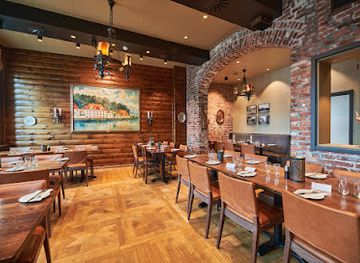
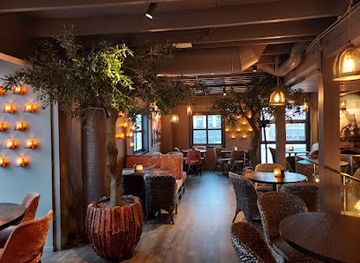
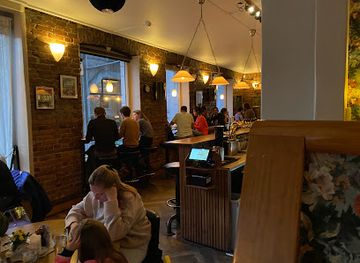
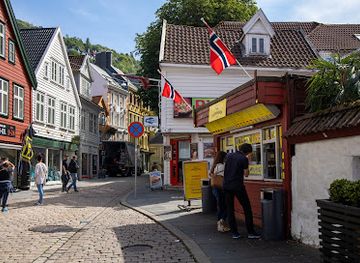
Best restaurants in Hordaland
Dining in Hordaland draws on the region’s maritime position and productive fjord valleys. Bergen restaurants commonly feature fish and shellfish, with Bergen fish soup among the city’s best-known local specialities, while cafés and bakeries provide open sandwiches, pastries and coffee in the Norwegian tradition. Hardanger is associated with apples, pears, berries and locally made cider, and farm shops or seasonal producers offer opportunities to taste these products close to their growing areas. Traditional meals may include lamb, freshwater fish and regional versions of potato-based dishes such as raspeballer, alongside modern interpretations of Norwegian ingredients. Rural inns, fjord-side restaurants and mountain lodges tend to provide a more limited but strongly seasonal menu. In coastal communities, look for seafood and locally landed fish; in Bergen, the choice extends from casual market-style eating to contemporary restaurants. Book ahead in popular summer destinations, especially where dining options are limited.
-
Restaurant
AS Bryggestuen - Bryggeloftet
Discover exquisite seafood dining at AS Bryggestuen - Bryggeloftet in Bergen, where culinary excellence meets stunning waterfront views.
-
Italian
Olivia Zachariasbryggen
Experience authentic Italian cuisine at Olivia Zachariasbryggen in Bergen, where every meal is paired with breathtaking waterfront views.
-
Gastropub
Pingvinen
Experience authentic Norwegian cuisine at Pingvinen in Bergen – where tradition meets flavor in a cozy gastropub setting.
-
Hot Dog
Trekroneren
Discover Bergen's culinary gem with mouth-watering hot dogs at Trekroneren – where tradition meets flavor in every bite.
Best bars in Hordaland
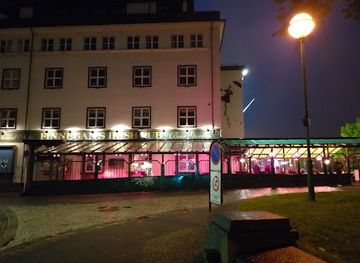
Bergen has Hordaland’s broadest evening scene, with traditional pubs, beer bars, cocktail venues, live music rooms and a concentration of cultural events around the city centre. Students and concert audiences contribute to its livelier nights, while theatres and music venues offer alternatives to bar culture. In Voss, Odda, Stord and other larger settlements, evenings generally centre on pubs, cafés, restaurants and occasional live entertainment rather than a large nightclub circuit. Smaller fjord villages may have very limited late-night provision, particularly outside the summer season. Local breweries and cider producers add interest for visitors who want to explore regional drinks, although tastings and opening arrangements vary. Public transport becomes less frequent late at night, so plan the return journey when staying outside Bergen and do not assume that rural venues operate every day.
-
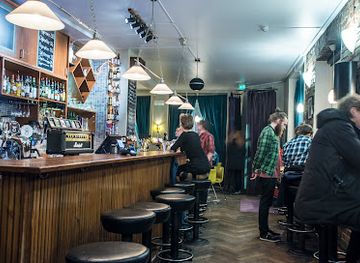
Gastropub
Pingvinen
Experience the heart of Norwegian cuisine at Pingvinen, a gastropub in Bergen serving traditional flavors in a cozy, welcoming atmosphere.
-
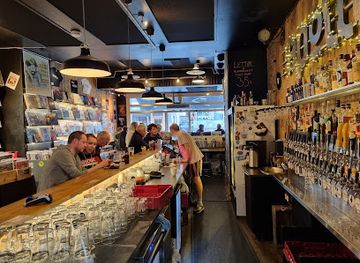
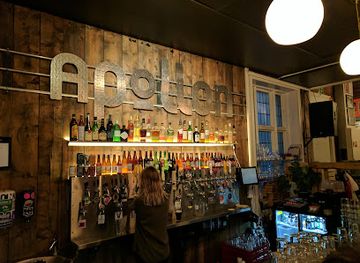
Bar
Apollon Platebar
Experience Apollon Platebar in Bergen, where craft beers and vinyl records create a unique atmosphere for music lovers and tourists alike.
-
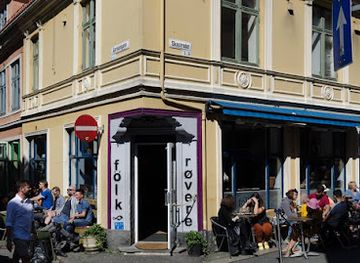
Pub
Folk & Røvere
Experience the vibrant atmosphere of Folk & Røvere, a charming pub in the heart of Bergen offering local brews and delicious bites.
-
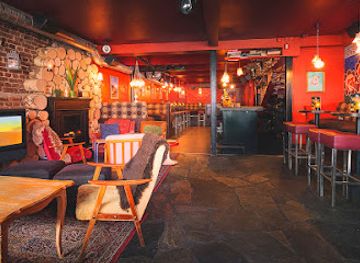
Bar
No Stress Bergen
Discover the lively ambiance and exceptional drinks at No Stress Bergen, a must-visit bar in the heart of Bergen, Norway.
Best nightclubs in Hordaland
Bergen has Hordaland’s broadest evening scene, with traditional pubs, beer bars, cocktail venues, live music rooms and a concentration of cultural events around the city centre. Students and concert audiences contribute to its livelier nights, while theatres and music venues offer alternatives to bar culture. In Voss, Odda, Stord and other larger settlements, evenings generally centre on pubs, cafés, restaurants and occasional live entertainment rather than a large nightclub circuit. Smaller fjord villages may have very limited late-night provision, particularly outside the summer season. Local breweries and cider producers add interest for visitors who want to explore regional drinks, although tastings and opening arrangements vary. Public transport becomes less frequent late at night, so plan the return journey when staying outside Bergen and do not assume that rural venues operate every day.
-
Bar
Apollon Platebar
Experience the vibrant fusion of bar culture and music at Apollon Platebar in Bergen, where drinks and vinyl come together.
-
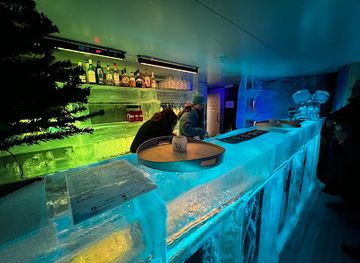
Bar
Magic Ice Bar
Discover the enchanting Magic Ice Bar in Bergen, where art meets refreshment in a frosty atmosphere perfect for unforgettable nights.
-
Night club
Ricks AS
Immerse yourself in Bergen's nightlife at Ricks AS, a lively pub and night club with three floors of entertainment and a local vibe.
-
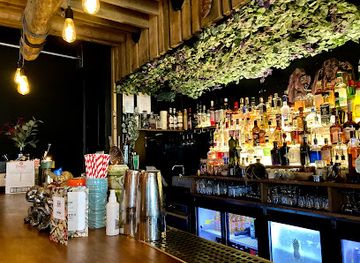
Cocktail bar
LAST monkey
Experience the pulse of Bergen's nightlife at LAST Monkey, where inventive cocktails and a vibrant atmosphere create memorable evenings.
Best shops in Hordaland
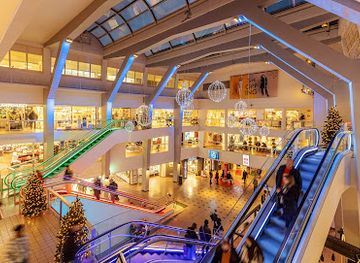
Bergen provides the widest choice of shopping, from independent design and craft shops to bookshops, food retailers, galleries and the stalls and businesses around the historic harbour area. Smaller market towns such as Voss, Odda, Rosendal and Norheimsund are better suited to practical shopping and locally made goods than extensive retail browsing. In Hardanger, visitors may find farm-produced cider, apple juice, preserves, honey and other seasonal foods through farm shops or specialist retailers. Regional crafts can include woollen goods, knitwear, woodwork, ceramics and outdoor equipment, while coastal communities offer maritime-themed products and locally produced food. Market days and seasonal events vary, so confirm arrangements locally rather than assuming a daily market. Shopping centres exist in the larger towns, but the region’s most distinctive purchases are generally edible or handmade, and rural opening hours can be limited outside the main season.
-
Shopping mall
Galleriet
Explore Galleriet, Bergen’s premier shopping mall, where style meets convenience and a delightful dining experience awaits.
-
Shopping mall
Bergen Storsenter
Discover a shopping haven at Bergen Storsenter, featuring top brands, diverse dining options, and a vibrant atmosphere in the heart of Bergen, Norway.
-
Coffee shop
Fjåk chocolate shop & café
Discover the charm of Fjåk Chocolate Shop & Café, where exquisite handmade chocolates meet aromatic coffee in the heart of Bergen.
-
Shopping mall
Fjord'n Nærsenter
Explore unique shops and local cuisine at Fjord'n Nærsenter, the heart of Eikelandsosen's shopping scene, perfect for every tourist's adventure.
Get your free copy of our complete guide to Hordaland, delivered straight to you.
Everything on this page, from attractions and restaurants to essentials and local phrases, in one PDF you can read offline, print or share.
Already have an account? Sign in
Your Hordaland guide is ready.
We'll send it to · Not you? Sign out

Getting your guide ready…
We are putting together a fresh copy of the Hordaland guide. This can take up to a minute.
This can take a few moments. If your browser asks, choose Allow so the download can start. You'll find the guide in your Downloads folder.
Nothing happened? Download it again
Sorry, the guide is taking longer than usual. Please try again in a minute, or get it by email instead.
Hordaland essentials
Currency and Payment
Safety
Emergency Situations
Do's and Don'ts
Local Tips
From Eve
Local phrases worth knowing
You don't need to get them perfect. A few words go a long way, and locals appreciate the effort.
Basics
| English | Local | Say it |
|---|---|---|
| Hello | Hei | [hay] |
| Goodbye | Ha det | [huh deh] |
| Yes | Ja | [yah] |
| No | Nei | [nay] |
| Please/You're welcome | Vær så snill | [vair soh sneel] |
| Thank you | Takk | [tahk] |
| Excuse me/Sorry | Unnskyld | [oon-shild] |
| How are you? | Hvordan har du det? | [vor-dan har do deh?] |
| Fine. And you? | Bra. Og du? | [brah. oh doo?] |
| Do you speak English? | Snakker du engelsk? | [snakker doo eng-elsk?] |
| I don't understand | Jeg forstår ikke | [yai for-stor ee-keh] |
Eating & Drinking
| English | Local | Say it |
|---|---|---|
| I'd like to see the menu, please | Jeg vil gjerne se menyen, vær så snill | [yai vil yar-neh seh meh-nuen, vair soh sneel] |
| I don't eat meat | Jeg spiser ikke kjøtt | [yai spee-ser ee-keh kyet] |
| Cheers! | Skål! | [skawl] |
| I would like to pay, please | Jeg vil gjerne betale, vær så snill | [yai vil yar-neh beh-tah-leh, vair soh sneel] |
Emergencies
| English | Local | Say it |
|---|---|---|
| Help! | Hjelp! | [yelp] |
| Go away! | Gå vekk! | [gaw vek] |
| Call the Police! | Ring politiet! | [ring po-lee-teet] |
| Call a doctor! | Ring en lege! | [ring en leh-geh] |
| I'm lost | Jeg er tapt | [yai air taapt] |
| I'm ill | Jeg er syk | [yai air seek] |
Shopping
| English | Local | Say it |
|---|---|---|
| I'd like to buy... | Jeg vil gjerne kjøpe... | [yai vil yar-neh shoo-peh...] |
| I'm just looking | Jeg ser bare | [yai ser bar-eh] |
| How much is it? | Hvor mye koster det? | [vor mee-eh kos-ter deh?] |
| That's too expensive | Det er for dyrt | [deh air for deert] |
| Can you lower the price? | Kan du senke prisen? | [kan doo sen-keh pree-sen?] |
Time & Numbers
| English | Local | Say it |
|---|---|---|
| What time is it? | Hva er klokka? | [hvah air klok-kah] |
| It's one o'clock | Det er ett | [deh air ett] |
| Half past (10) | Halv (10) | [halv (10)] |
| Morning | Morgen | [mor-gen] |
| Afternoon | Ettermiddag | [et-ter-mi-dahg] |
| Evening | Kveld | [kveld] |
| Yesterday | I går | [ee gor] |
| Today | I dag | [ee dahg] |
| Tomorrow | I morgen | [ee mor-gen] |
| 1 | 1 | [1] |
| 2 | 2 | [2] |
| 3 | 3 | [3] |
| 4 | 4 | [4] |
| 5 | 5 | [5] |
| 6 | 6 | [6] |
| 7 | 7 | [7] |
| 8 | 8 | [8] |
| 9 | 9 | [9] |
| 10 | 10 | [10] |
Transport & Directions
| English | Local | Say it |
|---|---|---|
| Where's a/the...? | Hvor er en/det...? | [vor air en/deh...?] |
| What's the address? | Hva er adressen? | [hvah air ad-ressen] |
| Can you show me (on the map)? | Kan du vise meg (på kartet)? | [kan doo vee-seh mai (paw kar-teh)?] |
| When's the next (bus)? | Når går neste (buss)? | [nor gor nes-teh (boos)?] |
| A ticket (to ....) | En billett (til ...) | [en bee-lett (til ...)] |
History of Hordaland
Early settlement and prehistoric landscapes
People have lived along Hordaland’s coast and fjords since the retreat of the last Ice Age. Archaeological evidence includes settlement sites, burial monuments, rock carvings and agricultural remains, showing the gradual development of fishing, hunting, farming and maritime exchange. The fjords were not barriers but routes linking small communities with one another and with the wider Norwegian coast. Islands, headlands and sheltered inlets supported seafaring societies, while the interior valleys developed farms wherever soil and climate allowed. This long relationship between coast, water and mountain remains visible in the region’s settlement pattern.
Medieval Bergen and royal power
Bergen grew into one of medieval Norway’s most important towns and served as a royal and commercial centre. Its sheltered harbour connected western Norway with the North Atlantic, while the surrounding region supplied fish, agricultural goods and timber. Churches, monasteries and royal institutions strengthened Bergen’s importance, and the town became a key point in Norway’s political and religious life. Medieval routes also linked the city with inland valleys and fjord communities. The surviving urban form around the harbour, together with Håkon’s Hall and Bergenhus Fortress, reflects this period of royal authority and maritime commerce.
The Hanseatic trading era
From the fourteenth century, German merchants of the Hanseatic League established a powerful trading presence at Bergen’s harbour. Their quarter, Bryggen, handled stockfish from northern Norway and exchanged it for grain, beer, cloth and other goods from Europe. The merchants operated with considerable independence, shaping commercial life in the city and influencing the wider western Norwegian economy. Fires repeatedly damaged the wooden buildings, but the characteristic plots and rebuilt structures survived. Bryggen’s preserved urban fabric is now the clearest physical reminder of Bergen’s position in the medieval North Sea trading system.
Churches, estates and rural society
Across Hordaland, medieval churches and later farms, manor houses and estates reveal the development of rural society beyond Bergen. Stone churches at places such as Kinsarvik and early wooden churches in the region reflect changing religious and architectural traditions. In Hardanger, productive farms combined livestock, grain and fruit growing, while access to the fjord enabled trade between settlements. Baroniet Rosendal, established as a noble estate in the seventeenth century, represents a later layer of landownership and European cultural influence. These sites help explain how religion, farming and social hierarchy shaped the countryside.
Maritime trade, fishing and shipbuilding
The coast of Hordaland developed through fishing, shipping, boatbuilding and trade with neighbouring parts of Norway and the North Sea world. Coastal communities depended on small craft and later larger vessels to move people, fish, timber and farm produce through difficult terrain. Shipbuilding became particularly significant around the industrial towns and islands, including Stord, where maritime industry remains an important part of local identity. The region’s modern ferries, tunnels and ports continue an older pattern: water has long been the most practical link between many communities.
Industrialisation and the Odda transformation
From the late nineteenth century, hydropower and mineral resources encouraged heavy industry in the inner fjord districts. Odda became a major industrial settlement, benefiting from abundant water power, transport access and its position at the head of the Sørfjord. Smelting and chemical production transformed the local economy and drew workers into the valley, while roads, railways and shipping expanded around industrial needs. The industrial landscape is an important complement to Hordaland’s scenic image, demonstrating how waterfalls and mountain geography served both traditional agriculture and modern manufacturing.
Tourism, mountaineering and the fjord journey
Nineteenth-century travellers, artists and mountaineers helped establish western Norway as an international destination. Improved steamship connections, roads and hotels made Bergen and the fjords more accessible, while dramatic landscapes became central to European ideas about Norwegian nature. Hardanger attracted visitors seeking waterfalls, orchards and mountain views, and Voss developed as a transport and outdoor centre. Tourism expanded alongside local industries rather than replacing them entirely. Today’s fjord cruises, scenic roads and hiking routes continue this tradition, although responsible access is increasingly important in congested mountain areas.
Hordaland within modern Vestland
Hordaland existed as a modern Norwegian county until 2020, when it merged with Sogn og Fjordane to form Vestland county. The administrative change did not erase the region’s established cultural and geographical identity. Bergen remains a major urban centre, while the former Hordaland districts continue to combine maritime industries, technology, farming, tourism and public services. For travellers, Hordaland is still a useful term for understanding the area around Bergen, Voss, Hardanger and the southern fjord coast, even though official administration is now organised through Vestland.
Hordaland in Photos
Browse through our photo collection highlighting the charm and character of the destination.
Neighbouring regions of Hordaland
The closest regions to Hordaland, if you have time for more than one.
-

-

-

-

-


Swipe for more regions
Explore more

Explore more of Norway
Explore Norway's spectacular fjords, vibrant cities, and natural wonders. Experience the Northern Lights, Midnight Sun, and rich cultural heritage in this Scandinavian gem.
Explore Norway