

Free Northwestern Oklahoma Travel Guide & Mobile App
Explore Northwestern Oklahoma with free travel guides. Discover regional history, expert tips, proposed trips, and audio guides on web or mobile app.


Explore Northwestern Oklahoma for red mesas, salt plains, wildlife refuges, historic frontier towns, dark skies and wide-open Great Plains scenery.
Read more about Northwestern Oklahoma
Getting to and around Northwestern Oklahoma
How to get there
Transportation
Top city travel guides in Northwestern Oklahoma
The cities of Northwestern Oklahoma, and the easiest places to base yourself.
-

-

-
-

-

-


Swipe for more cities
Destinations in Northwestern Oklahoma
Resorts, valleys and scenic spots worth a trip of their own.
-
-

-
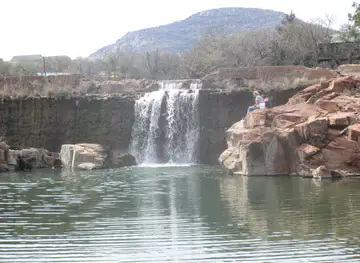
 Roman Nose State Park
 in Oklahoma combines gypsum hills, wooded canyons, spring-fed lakes, CCC heritage, trails, fishing and quiet stays near Watonga.
-

-

-


Swipe for more destinations
Best attractions in Northwestern Oklahoma
Northwestern Oklahoma's attractions are defined by contrast. Great Salt Plains State Park and the adjoining national wildlife refuge protect an unusual salt-flat and wetland environment where visitors may see shorebirds, waterfowl and the region's famous selenite crystals, subject to current collecting rules. Gloss Mountain State Park, near Fairview, offers short but rewarding walks among sharply coloured mesas and exposed geological layers. Around Woodward, Alabaster Caverns State Park protects the world's largest natural gypsum cave open to the public, while Boiling Springs State Park combines springs, woodland, camping and outdoor recreation. In the Panhandle, Black Mesa State Park and nearby Rita Blanca National Grassland provide hiking, birding, scenic drives and dark-sky opportunities, although services are deliberately limited. Smaller museums and historic sites in Woodward, Goodwell, Boise City and other county towns explain Indigenous history, the Cherokee Outlet, No Man's Land, agriculture and the Dust Bowl. Little Sahara State Park near Waynoka adds a very different experience with extensive dunes and vehicle recreation. The region is best approached as a series of landscape-based excursions rather than a single attraction circuit.
-
Heritage museum
National Cowboy & Western Heritage Museum
Discover the rich heritage and art of the American West at Oklahoma City's National Cowboy & Western Heritage Museum, a must-visit for cultural enthusiasts.
-
Wildlife refuge
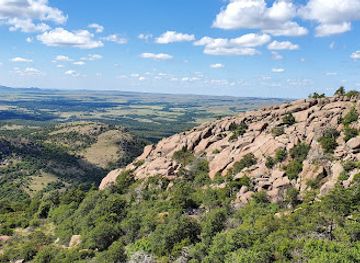
Wichita Mountains National Wildlife Refuge
Experience the breathtaking landscapes and diverse wildlife at Wichita Mountains National Wildlife Refuge, a true treasure of Oklahoma's natural heritage.
-
State park
Beavers Bend State Park and Nature Center
Explore the natural wonders of Beavers Bend State Park, where adventure meets tranquility in the heart of Oklahoma's stunning landscapes.
-
Tourist attraction
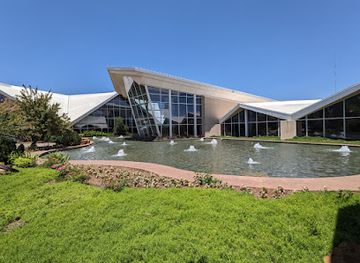
Blue Whale of Catoosa
Discover the whimsical Blue Whale of Catoosa, a quirky roadside attraction on Route 66 that embodies the spirit of Americana and invites family fun.
Best landmarks in Northwestern Oklahoma
The most recognisable landmarks of Northwestern Oklahoma are often geological or landscape-based. The red mesas of Gloss Mountain form one of the region's clearest visual signatures, rising abruptly from the surrounding prairie and revealing the exposed strata that shaped the park. The immense salt flats at Great Salt Plains are equally distinctive, appearing almost otherworldly when sunlight reflects from their pale surface. In the Panhandle, Black Mesa is Oklahoma's highest natural point and a significant landmark within a much wider high-plains landscape, while nearby grasslands emphasise the region's sense of distance. Alabaster Caverns is a landmark below ground: its gypsum chambers record the area's geological history in a particularly accessible form. Fort Supply Historic Site represents the military and settlement era through preserved frontier buildings and interpretive remains, and the No Man's Land Museum in Goodwell anchors the Panhandle's unusual territorial history. In towns, courthouse squares, early commercial blocks, grain elevators and water towers are useful symbols of the agricultural communities established after the Cherokee Outlet opening.
-
Museum
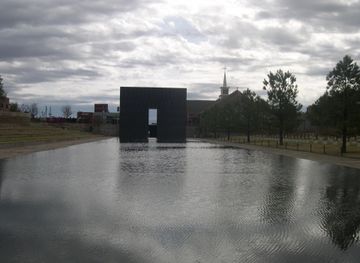
Oklahoma City National Memorial & Museum
Visit the Oklahoma City National Memorial & Museum to reflect on resilience and honor the lives lost in the tragic events of April 19, 1995.
-
Heritage museum
National Cowboy & Western Heritage Museum
Discover the rich history and vibrant culture of the American West at the National Cowboy & Western Heritage Museum in Oklahoma City, a must-visit for every traveler.
-
State park
Beavers Bend State Park and Nature Center
Explore the breathtaking beauty and diverse wildlife of Beavers Bend State Park, a premier destination for outdoor enthusiasts in Oklahoma.
-
National reserve
Chickasaw National Recreation Area
Explore the natural beauty and outdoor adventures at Chickasaw National Recreation Area, a must-visit destination in Oklahoma for nature lovers.

Explore Northwestern Oklahoma on the map
Plan your trip on one map. See where the top cities, national parks and sights are, and book hotels and experiences in a few clicks.
Best hotels in Northwestern Oklahoma
Best restaurants in Northwestern Oklahoma
Dining in Northwestern Oklahoma is practical, community-oriented and closely related to the needs of long-distance travel. Woodward, Guymon, Alva, Fairview, Perryton-region gateways and the smaller county towns offer diners, cafés, bakeries, Mexican restaurants, steakhouses, family restaurants and independent takeaways, while roadside stops remain useful between parks. Beef, poultry, fried dishes, burgers, chilli, sandwiches and traditional American breakfast plates are common, reflecting the wider food culture of the Great Plains rather than a narrowly exclusive regional cuisine. Agriculture and ranching also make locally produced beef, wheat-based baking and seasonal produce part of the area's food identity. Farmers' markets and community events may provide fruit, vegetables, preserves and baked goods when in season. In the Panhandle, restaurant choices are widely spaced, so meal planning matters, particularly when visiting remote parks. Expect welcoming but informal service, generous portions and a stronger emphasis on dependable local establishments than on a concentrated fine-dining scene.
-
Steak
Cattlemen's Steakhouse
Experience authentic American cuisine at Cattlemen's Steakhouse in Oklahoma City - home of legendary steaks and rich culinary traditions.
-
Seafood
Trapper's Fishcamp & Grill
Experience the taste of fresh seafood at Trapper's Fishcamp & Grill in Oklahoma City—where quality meets comfort in every bite.
-
Fondue
The Melting Pot
Experience the art of fondue at The Melting Pot in Oklahoma City - where every bite becomes a cherished memory.
-
American
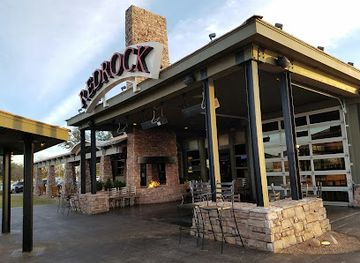
Redrock Canyon Grill
Experience exquisite American dining at Redrock Canyon Grill, where succulent steaks meet stunning lakeside views in Oklahoma City.
Best bars in Northwestern Oklahoma
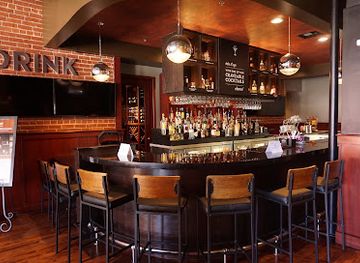
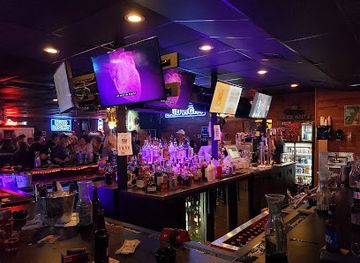
Evening life in Northwestern Oklahoma is modest and town-centred. Traditional pubs, American bars, grills and casual restaurants are the principal social venues, with the broadest choice in places such as Woodward and Guymon and a smaller, more local selection in county-seat communities. Some venues combine food with televised sport, pool, live bands or occasional community entertainment, but opening patterns can change and rural nights are generally quiet. Nightclubs are not a defining feature of the region, and visitors staying near parks or the Panhandle should expect darkness and silence rather than a late-night entertainment district. Breweries and craft-drink options may be found in selected towns, but should be checked locally rather than assumed. Designated driving is particularly important because distances are long, roadside lighting is sparse and alternative transport is limited outside town centres.
-
Irish pub
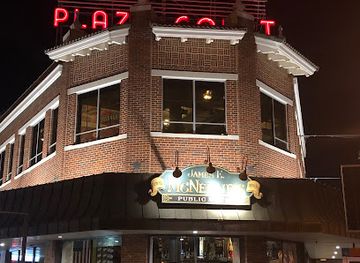
McNellie's OKC
Discover the vibrant flavors of Ireland at McNellie's OKC, where traditional cuisine meets modern craft beers in a lively pub atmosphere.
-
Bar
Edna's
Discover the lively nightlife of Oklahoma City at Edna's, a top-rated bar and nightclub offering a vibrant atmosphere and diverse drink selection.
-
Beer Garden
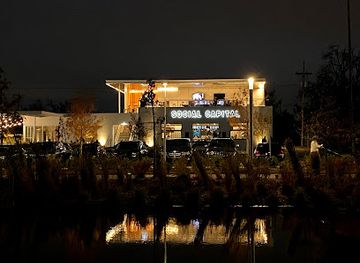
Social Capital
Experience Oklahoma City's vibrant craft beer culture at Social Capital, a family-friendly beer garden with stunning downtown views.
-
Grill
Callahan's Pub & Grille
Experience the vibrant atmosphere and diverse menu at Callahan's Pub & Grille in Enid, Oklahoma – a must-visit for food enthusiasts.


Best nightclubs in Northwestern Oklahoma
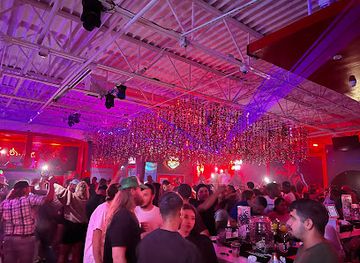
Evening life in Northwestern Oklahoma is modest and town-centred. Traditional pubs, American bars, grills and casual restaurants are the principal social venues, with the broadest choice in places such as Woodward and Guymon and a smaller, more local selection in county-seat communities. Some venues combine food with televised sport, pool, live bands or occasional community entertainment, but opening patterns can change and rural nights are generally quiet. Nightclubs are not a defining feature of the region, and visitors staying near parks or the Panhandle should expect darkness and silence rather than a late-night entertainment district. Breweries and craft-drink options may be found in selected towns, but should be checked locally rather than assumed. Designated driving is particularly important because distances are long, roadside lighting is sparse and alternative transport is limited outside town centres.
-
Bar
Alley Club
Experience the vibrant nightlife of Oklahoma City at Alley Club, a welcoming bar with diverse drinks and live entertainment.
-
Night club
One15 Nightclub
Discover the vibrant nightlife of Oklahoma City at One15 Nightclub, where electrifying music, stunning lights, and a lively atmosphere await you.
-
Bar
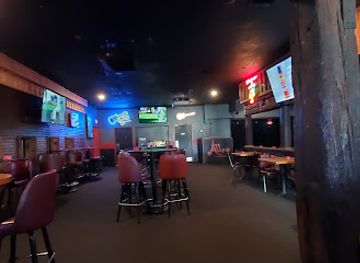
Katt's Cove
Katt's Cove: Oklahoma City's lively bar featuring darts, karaoke, live music, and pool for an unforgettable night out.
-
Night club
Señor Shots
Discover the electrifying atmosphere and creative cocktails at Señor Shots, Oklahoma City's ultimate night club destination.

Best shops in Northwestern Oklahoma
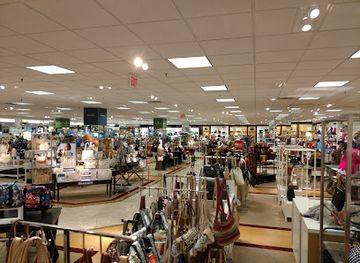
Shopping in Northwestern Oklahoma is concentrated in practical town centres rather than large commercial districts. Woodward and Guymon provide the broadest range of everyday retail, while Alva, Fairview, Waynoka, Beaver, Boise City and other communities offer independent shops, local services, antiques, books, western clothing and small galleries. Farmers' markets and seasonal community events are the best places to look for preserves, baked goods, produce and handmade items, though schedules vary throughout the year. Regional souvenirs often include Oklahoma-themed crafts, Native-inspired artwork from reputable and appropriately identified makers, western goods, local history books and products connected with the plains landscape. Visitors near Great Salt Plains may find crystal-related items, but should distinguish lawful, commercial products from material collected under park regulations. Roadside stores and museum gift shops can be useful for maps, postcards and locally focused merchandise. Stock up on food, water and driving supplies before heading to the more remote parks and Panhandle grasslands, where retail choices are sparse.
-
Shopping mall
Penn Square Mall
Explore the vibrant Penn Square Mall in Oklahoma City, a shopping paradise filled with diverse stores and delightful dining experiences.
-
Shopping mall
Woodland Hills Mall
Discover a shopper's paradise at Woodland Hills Mall, Tulsa's premier shopping destination with diverse stores, dining, and entertainment options.
-
Shopping mall
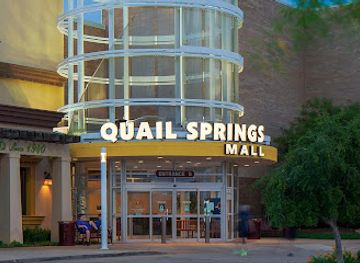
Quail Springs Mall
Explore Quail Springs Mall: Oklahoma City's Ultimate Shopping Destination with a Variety of Stores, Dining Options, and Family-Friendly Activities.
-
Gift shop
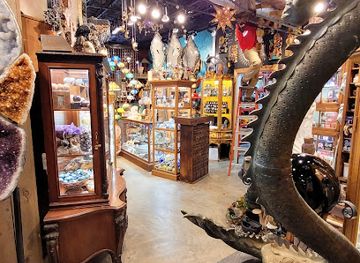
Craig's Curious Emporium
Explore a treasure trove of unique gifts, eclectic finds, and metaphysical supplies at Craig's Curious Emporium in Oklahoma City's Asian District.
Get your free copy of our complete guide to Northwestern Oklahoma, delivered straight to you.
Everything on this page, from attractions and restaurants to essentials and local phrases, in one PDF you can read offline, print or share.
Already have an account? Sign in
Your Northwestern Oklahoma guide is ready.
We'll send it to · Not you? Sign out

Getting your guide ready…
We are putting together a fresh copy of the Northwestern Oklahoma guide. This can take up to a minute.
This can take a few moments. If your browser asks, choose Allow so the download can start. You'll find the guide in your Downloads folder.
Nothing happened? Download it again
Sorry, the guide is taking longer than usual. Please try again in a minute, or get it by email instead.
Northwestern Oklahoma essentials
Currency and Payment
Safety
Emergency Situations
Do's and Don'ts
Local Tips
From Eve
Local phrases worth knowing
You don't need to get them perfect. A few words go a long way, and locals appreciate the effort.
Basics
| English | Local | Say it |
|---|---|---|
| Hello | Howdy | [Ha-dee] |
| Goodbye | See ya later | [See ya lay-ter] |
| Yes | Yep | [Yep] |
| No | Nah | [Nah] |
| Please/You're welcome | Sure thing | [Shoor thing] |
| Thank you | Thanks a lot | [Thanks a lot] |
| Excuse me/Sorry | Pardon me | [Par-don me] |
| How are you? | How ya doin'? | [How ya doin'?] |
| Fine. And you? | I’m good, how 'bout you? | [I'm good, how 'bout you?] |
| Do you speak English? | Can ya speak English? | [Can ya speak English?] |
| I don't understand | I don’t get it | [I don’t get it] |
Eating & Drinking
| English | Local | Say it |
|---|---|---|
| I'd like to see the menu, please | Can I see the menu? | [Can I see the menu?] |
| I don't eat meat | I’m a vegetarian | [I'm a ve-ge-ta-rian] |
| Cheers! | Cheers! | [Cheers!] |
| I would like to pay, please | Can I get the check? | [Can I get the check?] |
Emergencies
| English | Local | Say it |
|---|---|---|
| Help! | Help! | [Help!] |
| Go away! | Leave me alone! | [Leave me alone!] |
| Call the Police! | Call the cops! | [Call the cops!] |
| Call a doctor! | Get a doctor! | [Get a doctor!] |
| I'm lost | I’m lost | [I'm lost] |
| I'm ill | I’m not feeling well | [I'm not feeling well] |
Shopping
| English | Local | Say it |
|---|---|---|
| I'd like to buy... | I wanna buy... | [I wanna buy...] |
| I'm just looking | Just browsing, thanks | [Just browsing, thanks] |
| How much is it? | What’s the price? | [What’s the price?] |
| That's too expensive | That’s a bit pricey | [That’s a bit pricey] |
| Can you lower the price? | Can ya make it cheaper? | [Can ya make it cheaper?] |
Time & Numbers
| English | Local | Say it |
|---|---|---|
| What time is it? | What time ya got? | [What time ya got?] |
| It's one o'clock | It's one o'clock | [It's one o'clock] |
| Half past (10) | Half past ten | [Half past ten] |
| Morning | Mornin' | [Mornin'] |
| Afternoon | Afternoon | [Afternoon] |
| Evening | Evenin' | [Evenin'] |
| Yesterday | Yesterday | [Yesterday] |
| Today | Today | [Today] |
| Tomorrow | Tomorrow | [Tomorrow] |
| 1 | One | [One] |
| 2 | Two | [Two] |
| 3 | Three | [Three] |
| 4 | Four | [Four] |
| 5 | Five | [Five] |
| 6 | Six | [Six] |
| 7 | Seven | [Seven] |
| 8 | Eight | [Eight] |
| 9 | Nine | [Nine] |
| 10 | Ten | [Ten] |
Transport & Directions
| English | Local | Say it |
|---|---|---|
| Where's a/the...? | Where's the...? | [Where's the...?] |
| What's the address? | What’s the address? | [What’s the address?] |
| Can you show me (on the map)? | Can ya show me on the map? | [Can ya show me on the map?] |
| When's the next (bus)? | When's the next bus? | [When's the next bus?] |
| A ticket (to ....) | A ticket to... | [A ticket to...] |
History of Northwestern Oklahoma
Indigenous Plains History
Northwestern Oklahoma lies within the cultural homelands and historic travel routes of Indigenous peoples, including the Kiowa, Comanche, Apache, Cheyenne and Arapaho, among others. The region's grasslands supported mobile hunting economies and extensive intertribal connections long before American settlement. Later, federal policy forcibly concentrated several nations in what became Oklahoma, and the history of the plains cannot be understood through frontier settlement alone. Contemporary tribal communities, cultural institutions and historic sites continue to shape the region's identity, although many important stories are preserved outside formal tourist infrastructure.
The Santa Fe Trail and Fort Supply
The Santa Fe Trail crossed the western plains, linking Missouri with Santa Fe and carrying traders, migrants and military traffic during the nineteenth century. Fort Supply, established in 1868 in what is now Woodward County, served as a military post intended to protect travellers and manage conflict during a period of rapid American expansion. The surviving historic site reflects several later phases as well, including its use as a government institution. Its buildings and interpretive displays help explain how military policy, Indigenous dispossession and overland commerce reshaped northwestern Oklahoma.
The Cherokee Outlet Opening, 1893
Much of northern Oklahoma was formerly the Cherokee Outlet, a broad strip of land held by the Cherokee Nation. Following federal pressure and the 1890 agreement that enabled its opening, the area was settled in the celebrated land run of 1893. Towns, farms, rail connections and county governments developed rapidly afterwards. The transformation brought new agricultural opportunity for some settlers while dispossessing the Cherokee Nation and disregarding Indigenous sovereignty. The regular road patterns, courthouse towns and cultivated plains visible today are legacies of this abrupt change.
The Oklahoma Panhandle and No Man's Land
The Oklahoma Panhandle has a distinctive political history. Its western section was known in the nineteenth century as No Man's Land because it was not formally incorporated into a state or territory for a time, creating an unusual legal and administrative situation. Cattlemen, homesteaders and traders nevertheless used the area, and later settlement connected it to the wider development of Oklahoma. After statehood in 1907, the Panhandle became part of Oklahoma. Museums and historic communities in the area preserve memories of this frontier period and its relationship with neighbouring New Mexico, Texas and Kansas.
Railways, Agriculture and Town Building
Railway expansion and the opening of land encouraged the growth of grain farming, ranching and market towns across northwestern Oklahoma during the late nineteenth and early twentieth centuries. Rail lines connected elevators and livestock producers with regional markets, while towns acquired schools, banks, courthouses and commercial streets. The economy remained closely tied to rainfall, commodity prices and transport access. Although some rail services and rural populations later declined, grain elevators, historic main streets and county institutions still reveal how settlement was organised around agriculture and the difficult logistics of the plains.
The Dust Bowl and the Great Depression
Severe drought, intensive cultivation and strong winds turned parts of the southern Great Plains into one of the most environmentally and economically distressed regions of the 1930s. Northwestern Oklahoma experienced crop failure, dust storms, financial hardship and population movement, although conditions varied from place to place. The period accelerated soil-conservation practices and changed public understanding of prairie ecology. Windbreaks, grassland management and agricultural research that followed remain part of the region's environmental history, while family memories and local museums preserve the human consequences of the crisis.
Modern Energy, Conservation and Rural Change
Twentieth-century northwestern Oklahoma combined established farming and ranching with oil, gas, gypsum, salt and other resource industries. These activities supported local employment and infrastructure but also tied communities to volatile markets and changing technologies. At the same time, wildlife refuges, state parks and national grasslands protected important prairie, wetland and woodland habitats. Today the region continues to balance agriculture, energy production, conservation and rural population change, with outdoor tourism offering an additional reason to maintain and interpret its natural and historical assets.
Northwestern Oklahoma in Photos
Browse through our photo collection highlighting the charm and character of the destination.
Neighbouring regions of Northwestern Oklahoma
The closest regions to Northwestern Oklahoma, if you have time for more than one.
-

-

-

-

-


Swipe for more regions
Explore more
Explore more of Oklahoma
Discover Oklahoma: Where the spirit of the Old West meets modern charm, offering a rich mix of history, nature, and vibrant culture in the heart of the United States.
Explore Oklahoma