

Great Salt Plains State Park, Oklahoma Travel Guide
Discover the surreal landscapes and unique adventures at Great Salt Plains State Park, where ancient salt flats meet serene lakes in the heart of Oklahoma.
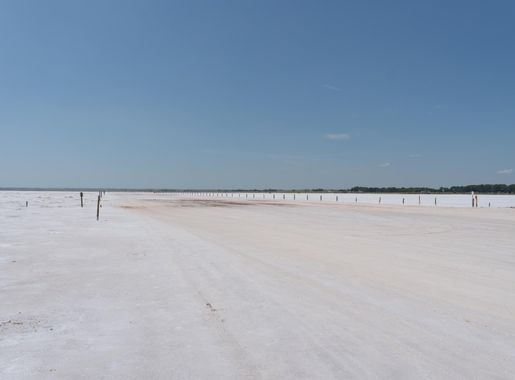
Welcome to the Great Salt Plains State Park, a hidden gem in the heart of Oklahoma. This unique destination is renowned for its vast salt flats, where the ground glimmers like snow under the sun. The park's salt plains are a remnant of an ancient ocean, providing a surreal landscape that is perfect for exploration and photography. The park offers a variety of activities that cater to all types of travelers. For the adventurous, there is crystal digging, where you can unearth beautiful selenite crystals, a rare and fascinating experience. The park also features several hiking and biking trails that wind through diverse ecosystems, from salt flats to woodlands, offering stunning views and a chance to spot local wildlife. Water enthusiasts can enjoy the Great Salt Plains Lake, which is ideal for boating, fishing, and swimming. The lake's serene waters make it a perfect spot for a relaxing day out. Additionally, the park has well-maintained campgrounds, making it an excellent choice for an overnight stay under the stars. Whether you're looking to immerse yourself in nature, enjoy recreational activities, or simply relax, the Great Salt Plains State Park has something for everyone.

Know before you go
Hi, I'm Eve. Here are a few practical things to know before exploring Great Salt Plains State Park.
- Bring sunscreen and a hat, as the salt flats reflect a lot of sunlight and can be very bright.
- The best time for crystal digging is usually from April through October.
- Wear sturdy shoes for hiking, as some trails can be uneven.
- Carry plenty of water, especially during the hot summer months.
- Check the weather forecast before your visit, as conditions can change rapidly.
Explore Great Salt Plains State Park: Things to Do, Places to Eat, Hotels & More
Handpicked recommendations for top attractions, local dining, accommodations, and more

Best attractions in Great Salt Plains State Park
Top-rated picks
Best Attractions

Sandy Beach (Great Salt Plains designated swimming area)
Explore Sandy Beach at Great Salt Plains, a serene swimming haven surrounded by Oklahoma's breathtaking natural beauty, perfect for family fun and relaxation.

Great Salt Plains Lake State Park
Explore the majestic landscapes and unique salt flats at Great Salt Plains Lake State Park, perfect for outdoor enthusiasts and nature lovers.

Great salt plains lake
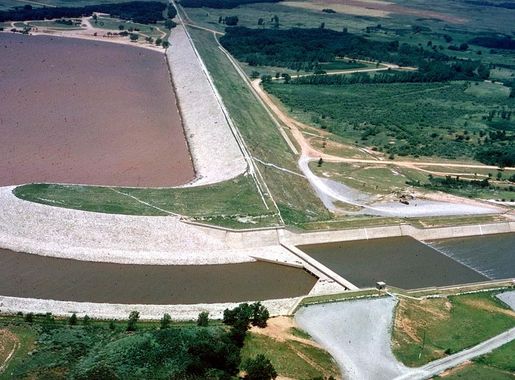
Explore Great Salt Plains Lake, a stunning oasis in Oklahoma filled with salt flats, outdoor activities, and breathtaking natural beauty.

Best landmarks in Great Salt Plains State Park
Top-rated picks
Best Landmarks

Great Salt Plains Lake State Park
Explore the natural wonders of Great Salt Plains Lake State Park in Oklahoma, offering fishing, hiking, and unique crystal digging experiences.

Great salt plains lake
Experience the unique geological wonders and stunning landscapes of Great Salt Plains Lake in Oklahoma, a perfect outdoor destination for nature lovers.

Salt Plains State Park
Explore the breathtaking landscapes and unique salt flats of Salt Plains State Park in Oklahoma, a hidden gem for nature lovers and outdoor enthusiasts.

Best restaurants in Great Salt Plains State Park
Top-rated picks
Best Restaurants

Salt Plains State Park
Explore Salt Plains State Park: A stunning natural wonder with unique salt flats and rich biodiversity perfect for outdoor adventures.

Great Salt Plains Cabin area
Discover serene landscapes and unique crystal collecting at Great Salt Plains Cabin Area in Oklahoma's beautiful wilderness.

Great Salt Plains Lake State Park
Experience the beauty of Great Salt Plains Lake State Park - explore crystal digging, fishing spots & scenic trails in Oklahoma's natural wonder.

Best bars in Great Salt Plains State Park
Top-rated picks
Best Bars

Great Salt Plains Cabin area
Discover the beauty of the Great Salt Plains Cabin Area, where nature, adventure, and tranquility meet in stunning Oklahoma landscapes.

Great Salt Plains Lake State Park
Explore Great Salt Plains Lake State Park, where breathtaking landscapes and unique crystal-digging adventures await in the heart of Oklahoma's natural beauty.

Great Salt Plains Reservoir
Explore the serene beauty and diverse wildlife of Great Salt Plains Reservoir, a perfect outdoor retreat in Oklahoma.

Great salt plains lake
Explore the stunning landscapes and recreational opportunities at Great Salt Plains Lake, a serene Oklahoma gem for nature lovers and adventure seekers.

Best shops in Great Salt Plains State Park
Top-rated picks
Best Shops

Great Salt Plains Cabin area
Discover the serene beauty of the Great Salt Plains Cabin Area in Oklahoma, where outdoor adventures and natural wonders await every traveler.

Great Salt Plains Lake State Park
Explore Great Salt Plains Lake State Park for unique outdoor adventures, breathtaking landscapes, and unforgettable family experiences in Oklahoma.

Great salt plains lake
Explore the unique beauty of Great Salt Plains Lake, where adventure meets tranquility in the heart of Oklahoma's natural landscape.
Salt Plains State Park
Explore the stunning landscapes and unique salt flats of Salt Plains State Park, a must-visit destination for nature lovers in Oklahoma.

Explore Great Salt Plains State Park on the Map
A handpicked selection of must-see spots in Great Salt Plains State Park, mapped for you.
Great Salt Plains State Park Essentials
-
Great Salt Plains State Park is located in Alfalfa County in north-central Oklahoma. The closest major city is Enid, approximately 50 miles to the south. The nearest airport is Will Rogers World Airport in Oklahoma City, around 120 miles away. From Oklahoma City, you can rent a car and drive to the park, which takes about 2.5 hours. Alternatively, you can take a bus to Enid and then a taxi or shuttle service to the park.
-
The park is best explored by car, as public transportation options are limited. Renting a car from a nearby city like Enid or Oklahoma City is advisable. Within the park, there are several parking areas close to major attractions. Biking and hiking are also popular ways to get around and explore the trails.
-
The official currency in the United States is the US Dollar (USD). Major credit and debit cards are widely accepted in the park's visitor center and nearby establishments. However, it's a good idea to carry some cash for smaller purchases or for use at locations that may not accept cards. ATMs are available in nearby towns like Jet and Cherokee.
-
Great Salt Plains State Park is generally very safe for tourists. However, it's essential to stay aware of your surroundings, especially when hiking or engaging in water activities. Avoid isolated areas after dark and always lock your vehicle. There are no specific high-crime areas targeting tourists, but standard precautions should always be taken.
-
In case of emergency, dial 911 for immediate assistance. The nearest hospital is Integris Bass Baptist Health Center in Enid, about 50 miles away. The park rangers are also available to assist with emergencies and can be contacted through the park's visitor center. It’s advisable to carry basic first aid supplies and have travel insurance that covers medical emergencies.
-
Fashion: Do wear comfortable hiking attire and sturdy footwear. Bring sun protection such as hats and sunscreen. Avoid wearing heavy perfumes as they can attract insects. Religion: Do respect any cultural or religious practices you may encounter, although the park itself is secular. Public Transport: Do plan your transport in advance as public options are limited. Renting a car is the best choice. Greetings: Do greet park staff and fellow visitors with a friendly hello. Eating & Drinking: Do bring plenty of water and snacks, especially if you plan to hike. Don't leave trash behind; always use designated waste bins.
-
To experience Great Salt Plains State Park like a local, engage in activities such as crystal digging, which is unique to the area. Visit during the migratory bird season to see a variety of bird species. Take a kayak or canoe out on the Great Salt Plains Lake for a peaceful experience. Locals often recommend bringing binoculars for bird watching and a camera to capture the stunning sunsets over the salt flats.
When is the best time to visit Great Salt Plains State Park?
Useful Local Phrases for Great Salt Plains State Park
You don't need to speak the language perfectly. Even learning a few simple words can make conversations warmer—and locals usually appreciate the effort.
— Eve

Here are the phrases I use most often in Great Salt Plains State Park. Try a few—you'll be surprised how far they go! 😊
❤️
-
- HelloHowdy
[hah-DEE] - GoodbyeSee ya
[SEE yuh] - YesYep
[yep] - NoNah
[nah] - Please/You're welcomePlease'n thank ya
[PLEEZ 'n THANGK yuh] - Thank youThanks a bunch
[THANKS uh bun-ch] - Excuse me/SorryPardon me
[par-DUN me] - How are you?Howdy, y'all doin'?
[hah-DEE, yawl DOO-in] - Fine. And you?Fine 'n you?
[FINE 'n yuh] - Do you speak English?Y'all speak English?
[yawl speak ING-glish] - I don't understandI ain't catchin' on
[eye-ent KATCH-in on]
- HelloHowdy
-
- I'd like to see the menu, pleaseCan I take a peek at the menu?
[kan eye tayk uh peek at the MEH-nyoo] - I don't eat meatI don't do meat
[eye-dont doh meet] - Cheers!Bottoms up!
[BOT-ums up] - I would like to pay, pleaseI reckon it's time to settle up
[eye REK-un its tahm tuh SET-ul up]
- I'd like to see the menu, pleaseCan I take a peek at the menu?
-
- Help!SOS!
[S-O-S] - Go away!Git!
[git] - Call the Police!Phone the Sheriff!
[fone the SHER-iff] - Call a doctor!Get a healin' hand!
[get uh HEEL-in hand] - I'm lostI'm plumb turned around
[eye'm PLUM turned uh-round] - I'm illI'm feelin' poorly
[eye'm FEEL-in POOR-lee]
- Help!SOS!
-
- I'd like to buy...I'm fixin' to purchase...
[eye'm FIX-in tuh PUR-chiss] - I'm just lookingJust browsin'
[just BROW-zin] - How much is it?What's the damage?
[whats the DAM-ij] - That's too expensiveThat's a mite pricey
[that's uh myt PRY-see] - Can you lower the price?Can ya do better on the price?
[kan yuh doh BET-ter on the PRYCE]
- I'd like to buy...I'm fixin' to purchase...
-
- What time is it?What's the time o' day?
[whats the tahm uh DAY] - It's one o'clockIt's high noon
[its HIGH noon] - Half past (10)Ten-thirty
[ten-THUR-tee] - MorningMornin'
[MORN-in] - AfternoonAfternoon
[AF-tur-noon] - EveningEvenin'
[EVE-nin] - YesterdayYest'day
[YES-t-day] - TodayToday
[to-DAY] - TomorrowTomorra
[tuh-MOR-uh] - 1One
[wun] - 2Two
[too] - 3Three
[three] - 4Four
[four] - 5Five
[fahv] - 6Six
[siks] - 7Seven
[SEV-in] - 8Eight
[ayt] - 9Nine
[nahn] - 10Ten
[ten]
- What time is it?What's the time o' day?
-
- Where's a/the...?Where's the...at?
[wheres the...at] - What's the address?What's the street?
[whats the street] - Can you show me (on the map)?Can you point me the way?
[kan yuh point me the way] - When's the next (bus)?When's the next bus comin'?
[whens the next bus COM-in] - A ticket (to ....)A pass (to ...)
[uh PASS to]
- Where's a/the...?Where's the...at?
History of Great Salt Plains State Park
-
Long before European settlers arrived, the Great Salt Plains area was inhabited by Native American tribes, including the Osage, Comanche, and Kiowa. These tribes utilized the salt flats to hunt bison and gather salt, which was a valuable resource for preserving food and trading. Archeological evidence suggests that the area has been used by indigenous peoples for thousands of years.
-
In 1852, Captain Randolph B. Marcy and his survey team embarked on an expedition to explore the Southern Plains. During their journey, they documented the Great Salt Plains, describing the vast salt deposits that stretched as far as the eye could see. Marcy's reports brought the unique landscape to the attention of the broader American public and spurred further exploration and settlement in the region.
-
Great Salt Plains State Park was officially established in 1935 as part of President Franklin D. Roosevelt's New Deal initiatives to create jobs and improve public infrastructure during the Great Depression. The park was developed with the help of the Civilian Conservation Corps (CCC), who built many of the park's original facilities, including picnic areas and cabins. The park was created to preserve the unique salt flats and provide recreational opportunities for visitors.
-
In 1930, prior to the establishment of the state park, the federal government designated the area as the Salt Plains National Wildlife Refuge. The refuge was created to protect the habitat of migratory birds, particularly the endangered whooping crane. It spans over 32,000 acres and provides a crucial resting, feeding, and breeding ground for hundreds of bird species, making it a popular destination for bird watchers and nature enthusiasts.
-
During World War II, the Great Salt Plains area played a significant role as a training site for the U.S. military. The flat, open terrain was ideal for practicing bombing runs, and the nearby towns saw an influx of military personnel. Evidence of this period can still be found in the form of old training artifacts and remnants scattered throughout the region.
-
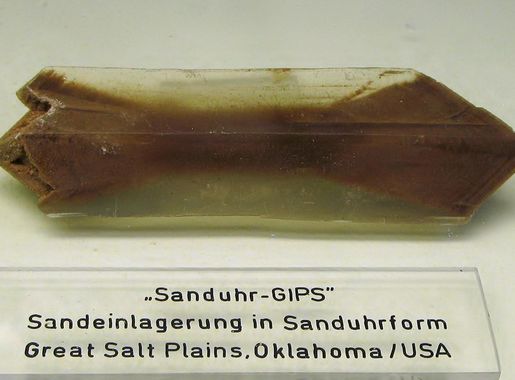
One of the most unique attractions of the Great Salt Plains State Park is the opportunity to dig for selenite crystals. These rare hourglass-shaped crystals are found only in this region and have become a cherished tradition for both locals and visitors. The crystal digging area is open to the public from April to October, drawing enthusiasts from all over the country to search for these natural treasures.
Neighbouring destination travel guides
Browse our curated selection of top destinations, scenic points, and must-visit spots in the area.


Your all‑in‑one travel companion app
Explore expert travel guides, compare and book tours, experiences, hotels, and more—all from the palm of your hand. Download now for seamless trip planning wherever your wanderlust takes you.


Explore More of Northwestern Oklahoma

Looking beyond Great Salt Plains State Park? Discover Northwestern Oklahoma for broader travel guides, local hot-spots, and regional highlights.
Explore Northwestern OklahomaExplore More of Oklahoma
Looking beyond Great Salt Plains State Park? Discover Oklahoma for broader travel guides, local hot-spots, and regional highlights.
Explore OklahomaGreat Salt Plains State Park in Photos
Browse through our photo collection highlighting the charm and character of the destination.





The Enchanting Great Salt Plains State Park
Welcome to the Great Salt Plains State Park, a hidden gem in the heart of Oklahoma. This unique destination is renowned for its vast salt flats, where the ground glimmers like snow under the sun. The park's salt plains are a remnant of an ancient ocean, providing a surreal landscape that is perfect for exploration and photography. The park offers a variety of activities that cater to all types of travelers. For the adventurous, there is crystal digging, where you can unearth beautiful selenite crystals, a rare and fascinating experience. The park also features several hiking and biking trails that wind through diverse ecosystems, from salt flats to woodlands, offering stunning views and a chance to spot local wildlife. Water enthusiasts can enjoy the Great Salt Plains Lake, which is ideal for boating, fishing, and swimming. The lake's serene waters make it a perfect spot for a relaxing day out. Additionally, the park has well-maintained campgrounds, making it an excellent choice for an overnight stay under the stars. Whether you're looking to immerse yourself in nature, enjoy recreational activities, or simply relax, the Great Salt Plains State Park has something for everyone.