

El Born (Barcelona) Travel Guide - Free
Explore El Born in Barcelona with Evendo's free guide. Find the best shops, historic streets, restaurants, and gems on web or mobile.


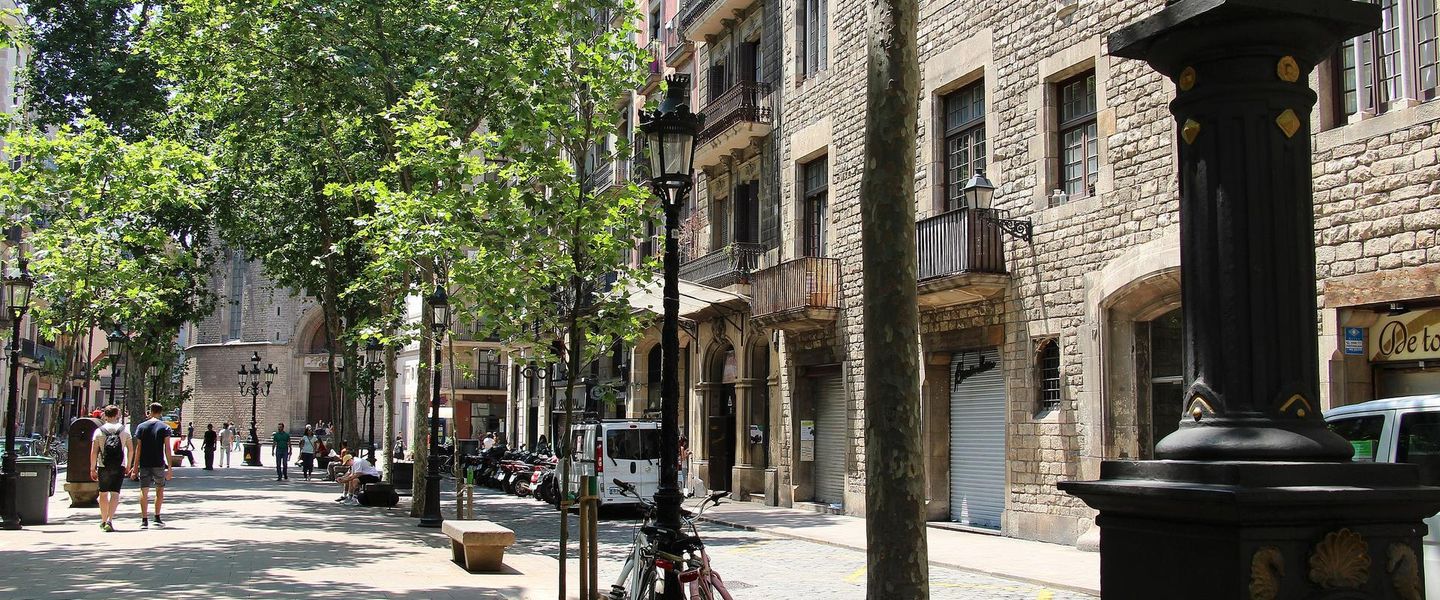


El Born, Barcelona’s medieval quarter, pairs Santa Maria del Mar, the Mercat del Born, Picasso art, independent shops, tapas and atmospheric lanes.
Medieval Streets and Civic Spaces
El Born occupies the historic Ribera quarter on the eastern side of Barcelona’s old city, where narrow medieval lanes open suddenly into the broad Passeig del Born and the elegant arcades of Santa Maria del Mar. The district is compact but layered: old stone façades, carved doorways and former merchants’ houses stand beside galleries, design shops, cafés and restaurants. Its name is commonly associated with the medieval born, a space used for public spectacles and tournaments, although the neighbourhood’s identity is more deeply rooted in the wider history of La Ribera and the maritime city.Read more about El Born
History Beneath the Market
Art, Food and Evening Life
Best attractions in El Born
El Born’s attractions are unusually concentrated within a small walking area. The Centre de Cultura i Memòria del Born combines a nineteenth-century market building with the excavated streets and houses of the neighbourhood lost after 1714, making the site both an archaeological visit and an introduction to Barcelona’s political memory. Santa Maria del Mar provides a powerful Gothic interior and a direct connection with the medieval Ribera, while the museums along Carrer de Montcada include the Museu Picasso, the European Museum of Modern Art and the Chocolate Museum. Passeig del Born is an attraction in its own right, an elongated public space linking the church precinct with the edge of Parc de la Ciutadella. The lanes around Flassaders, Montcada and Santa Maria reveal balconies, old doorways, galleries and small squares between the major cultural sites.
-
Tourist attraction
Arc de Triomf
Explore the iconic Arc de Triomf in Barcelona - a stunning blend of history, architecture, and vibrant city life, perfect for every traveler.
8 min walk · 0.7 km from neighbourhood centre
-
 Park
Ciutadella Park
Discover the lush landscapes, cultural treasures, and recreational activities at Ciutadella Park, Barcelona's largest urban green space.
5 min walk · 0.4 km from neighbourhood centre
-
Plaza
Saint James's Square
Explore the historic Saint James's Square in Barcelona, a cultural hub with stunning architecture and vibrant local life, perfect for every traveler.
7 min walk · 0.6 km from neighbourhood centre
-
Tourist attraction
El Born Center for Culture and Memory
Explore the rich history and vibrant culture of Barcelona at El Born Center for Culture and Memory, a unique cultural hub and local history museum.
1 min walk · 0.1 km from neighbourhood centre


Best landmarks in El Born
Santa Maria del Mar is El Born’s defining landmark, a fourteenth-century Catalan Gothic church whose broad nave and relatively restrained exterior reflect the medieval Ribera community that built it. Beside it, the Fossar de les Moreres is a memorial associated with Barcelona’s 1714 siege and remains one of the city’s most solemn civic spaces. The Mercat del Born is significant in a different way: its nineteenth-century iron-and-glass structure preserves the archaeological remains of the earlier Ribera settlement below. Carrer de Montcada forms a remarkable architectural sequence of former merchant residences, including palau-style buildings now occupied by museums. At the western end of Passeig del Born, the Born market and nearby façades create a visible link between commercial Barcelona, historic memory and the later urban transformations made around the Ciutadella.
-
Cultural center
El Born Center for Culture and Memory
Discover the rich cultural heritage of Barcelona at El Born Center for Culture and Memory, a vibrant hub of history and community.
1 min walk · 0.1 km from neighbourhood centre
-
Historical landmark
Fossar de les Moreres
Explore Fossar de les Moreres, a serene historical landmark in Barcelona that honors fallen soldiers and reflects the city’s vibrant cultural heritage.
2 min walk · 0.2 km from neighbourhood centre
-
Tourist attraction
Passeig del Born
Explore Passeig del Born in Barcelona for a unique blend of history, shopping, and vibrant culinary experiences in the heart of Ciutat Vella.
1 min walk · 0.1 km from neighbourhood centre
-
Historical landmark
Barcelona Roman city walls
Discover the ancient beauty of the Barcelona Roman city walls, a historical landmark that showcases the city’s rich heritage.
6 min walk · 0.5 km from neighbourhood centre


Explore El Born on the map
A handpicked selection of must-see spots in El Born, mapped for you.
Best hotels in El Born
Best restaurants in El Born
Dining in El Born ranges from longstanding Catalan cooking to contemporary small plates, cafés, bakeries and international restaurants serving the area’s mixed urban clientele. The lanes around Passeig del Born and Santa Maria del Mar contain a dense concentration of places to eat, while the streets near Santa Caterina connect naturally with the produce and everyday food culture of Mercat de Santa Caterina, just beyond the district’s informal northern edge. Visitors will find tapas-style menus, seafood, grilled dishes, cured products and modern interpretations of regional ingredients, alongside coffee and pastry stops suited to a museum day. The neighbourhood’s former merchant houses and compact ground-floor premises give many dining rooms an intimate scale. Conditions vary considerably between venues, so menus, reservations and dining hours are best checked directly rather than inferred from the area’s late-evening atmosphere.
-
Tapas
Taller de Tapes - Argenteria (Born)
Experience authentic Spanish tapas at Taller de Tapes in Ciutat Vella, where culinary tradition meets vibrant atmosphere.
4 min walk · 0.3 km from neighbourhood centre
-
Tapas Bar
Ziryab Fusió Tapes Bar
Experience the best fusion tapas at Ziryab Fusió Tapes Bar in Barcelona’s Ciutat Vella – where tradition meets innovation.
4 min walk · 0.3 km from neighbourhood centre
-
Italian
Tucco Born
Experience the best of Italian and Argentinian cuisine at Tucco Born in Ciutat Vella, Barcelona – where flavor meets tradition.
4 min walk · 0.3 km from neighbourhood centre
-
Restaurant
Restaurant Casa Delfín
Discover Mediterranean flavors at Restaurant Casa Delfín in Ciutat Vella, where fresh ingredients meet warm hospitality in a charming setting.
1 min walk · 0.1 km from neighbourhood centre


Best bars in El Born
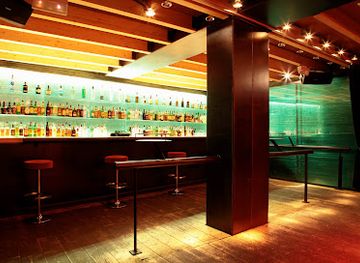
El Born’s nightlife is concentrated rather than sprawling, with Passeig del Born and the surrounding lanes providing a mixture of vermouth bars, wine bars, cocktail rooms, informal drinking spots and restaurants that remain sociable after dinner. The atmosphere tends to be conversational and street-oriented rather than dominated by large clubs, with people moving between small venues around Flassaders, Rec and the church precinct. Some former workshops and ground-floor spaces have been adapted for evening use, giving the area a close relationship between historic architecture and contemporary hospitality. Live music and cultural programming may be found in individual venues, but availability changes, so it is wise to check current listings. The district is also densely residential: late-night visitors should avoid blocking doorways, shouting beneath apartment windows or treating the memorial spaces and church surroundings as extensions of the bar scene.
-
Cocktail bar
Creps al Born - Cocktails and Creperie
Explore the vibrant flavors of Creps al Born, where delicious cocktails meet gourmet crepes in the heart of Barcelona's Ciutat Vella.
2 min walk · 0.1 km from neighbourhood centre
-
Bar
Bar El Born
Discover the vibrant atmosphere of Bar El Born, where exquisite cocktails meet cozy coffee moments in the heart of Barcelona's Ciutat Vella.
1 min walk · 0.1 km from neighbourhood centre
-
Bar
No Sé
Discover the enchanting atmosphere of No Sé, a vibrant piano bar in Barcelona's Ciutat Vella, where live music and delightful cocktails await.
1 min walk · 0.1 km from neighbourhood centre
-
Cocktail bar
Farola Cocktail Bar Barcelona
Discover the enchanting Farola Cocktail Bar in Barcelona's Ciutat Vella, where exquisite cocktails and live music create an unforgettable night out.
1 min walk · 0.1 km from neighbourhood centre


Best nightclubs in El Born
El Born’s nightlife is concentrated rather than sprawling, with Passeig del Born and the surrounding lanes providing a mixture of vermouth bars, wine bars, cocktail rooms, informal drinking spots and restaurants that remain sociable after dinner. The atmosphere tends to be conversational and street-oriented rather than dominated by large clubs, with people moving between small venues around Flassaders, Rec and the church precinct. Some former workshops and ground-floor spaces have been adapted for evening use, giving the area a close relationship between historic architecture and contemporary hospitality. Live music and cultural programming may be found in individual venues, but availability changes, so it is wise to check current listings. The district is also densely residential: late-night visitors should avoid blocking doorways, shouting beneath apartment windows or treating the memorial spaces and church surroundings as extensions of the bar scene.
-
Disco club
Moog
Discover the vibrant nightlife of Barcelona at Moog, where eclectic music and an electric atmosphere come together for an unforgettable disco experience.
13 min walk · 1.1 km from neighbourhood centre
-
Disco club
Marula Cafè Barcelona
Discover Marula Cafè Barcelona, a premier disco club blending cocktails, live music, and dance in the heart of the city's vibrant nightlife.
10 min walk · 0.8 km from neighbourhood centre
-
Cocktail bar
Bar Sauvage
Discover the vibrant nightlife at Bar Sauvage, a cocktail bar in the heart of Barcelona offering creative drinks in an eclectic atmosphere.
1 min walk · 0.1 km from neighbourhood centre
-
Rock music club
Magic Barcelona
Discover the heart of Barcelona's nightlife at Magic Barcelona, a rock music club offering electrifying performances and unforgettable experiences.
2 min walk · 0.2 km from neighbourhood centre



Best shops in El Born
Shopping in El Born is strongest in independent and design-led retail rather than large department stores. Passeig del Born and the lanes leading towards Carrer de la Princesa and Carrer de l’Allada-Vermell contain boutiques, jewellery shops, homeware studios, leather goods, galleries and lifestyle stores in small historic premises. Carrer de Montcada adds museum shops and cultural browsing, while the surrounding streets are known for a changing mix of fashion, craft and locally oriented businesses. Food shopping is more closely associated with nearby Mercat de Santa Caterina, whose covered market serves residents and visitors with produce and prepared food. The area’s commercial identity reflects the reuse of old workshops and merchant buildings, but individual shops and stock change frequently. Visitors interested in independent retail should allow time to explore side streets rather than limiting a visit to the main boulevard.
-
Home goods store
Bon Vent
Discover unique antiques, handcrafted goods, and fashion accessories at Bon Vent in the heart of Barcelona’s Ciutat Vella district.
4 min walk · 0.3 km from neighbourhood centre
-
Gift shop
Natura
Explore Natura, a charming gift shop in Barcelona's Ciutat Vella, offering unique fashion accessories and handcrafted treasures for every traveler.
3 min walk · 0.3 km from neighbourhood centre
-
Clothing store
Visual Poetry Barcelona
Experience the fusion of fashion and art at Visual Poetry Barcelona, where every piece tells a story and creativity knows no bounds.
1 min walk · 0.1 km from neighbourhood centre
-
Clothing store
Ivori
Explore Ivori, Barcelona's chic clothing store offering unique styles and fabrics in the heart of the historic Ciutat Vella district.
3 min walk · 0.2 km from neighbourhood centre


El Born essentials
Getting There
Getting Around
Safety
Emergency Situations
Do's and Don'ts
Local Tips

From Eve
Local phrases worth knowing
You don't need to get them perfect. A few words go a long way, and locals appreciate the effort.
Basics
| English | Local | Say it |
|---|---|---|
| Hello | Hola | [oh-lah] |
| Goodbye | Adiós | [ah-dee-ohs] |
| Yes | Sí | [see] |
| No | No | [noh] |
| Please/You're welcome | Por favor/De nada | [por fah-bor/deh nah-dah] |
| Thank you | Gracias | [grah-thyahs] |
| Excuse me/Sorry | Perdón/Lo siento | [pair-dohn/loh see-ehn-toh] |
| How are you? | ¿Cómo estás? | [koh-moh ehs-tahs] |
| Fine. And you? | Bien. ¿Y tú? | [byehn. ee too] |
| Do you speak English? | ¿Hablas inglés? | [ah-blahs een-glehs] |
| I don't understand | No entiendo | [noh ehn-tee-ehn-doh] |
Eating & Drinking
| English | Local | Say it |
|---|---|---|
| I'd like to see the menu, please | Me gustaría ver la carta, por favor | [meh goos-tah-ree-ah ver lah kahr-tah, por fah-bor] |
| I don't eat meat | No como carne | [noh koh-moh kahr-neh] |
| Cheers! | ¡Salud! | [sah-lood] |
| I would like to pay, please | Me gustaría pagar, por favor | [meh goos-tah-ree-ah pah-gar, por fah-bor] |
Emergencies
| English | Local | Say it |
|---|---|---|
| Help! | ¡Ayuda! | [ah-yoo-dah] |
| Go away! | ¡Vete! | [veh-teh] |
| Call the Police! | ¡Llama a la policía! | [yah-mah ah lah poh-lee-see-ah] |
| Call a doctor! | ¡Llama a un médico! | [yah-mah ah oon meh-dee-koh] |
| I'm lost | Estoy perdido | [ehs-toy pair-dee-doh] |
| I'm ill | Estoy enfermo/a | [ehs-toy ehn-fehr-moh/ah] |
Shopping
| English | Local | Say it |
|---|---|---|
| I'd like to buy... | Me gustaría comprar... | [meh goos-tah-ree-ah kohm-prar...] |
| I'm just looking | Solo estoy mirando | [soh-loh ehs-toy mee-rahn-doh] |
| How much is it? | ¿Cuánto cuesta? | [kwan-toh kwehs-tah] |
| That's too expensive | Es demasiado caro | [ehs deh-mah-syah-doh kah-roh] |
| Can you lower the price? | ¿Puedes bajar el precio? | [pweh-des bah-har el pree-seh-oh] |
Time & Numbers
| English | Local | Say it |
|---|---|---|
| What time is it? | ¿Qué hora es? | [keh oh-rah ehs] |
| It's one o'clock | Es la una | [ehs lah oo-nah] |
| Half past (10) | Y media (10) | [ee meh-dyah (dee-ehs)] |
| Morning | Mañana | [mah-nyah-nah] |
| Afternoon | Tarde | [tahr-deh] |
| Evening | Noche | [noh-cheh] |
| Yesterday | Ayer | [ah-yehr] |
| Today | Hoy | [oy] |
| Tomorrow | Mañana | [mah-nyah-nah] |
| 1 | Uno | [oo-noh] |
| 2 | Dos | [dohs] |
| 3 | Tres | [trehs] |
| 4 | Cuatro | [kwah-troh] |
| 5 | Cinco | [theen-koh] |
| 6 | Seis | [says] |
| 7 | Siete | [syeh-teh] |
| 8 | Ocho | [oh-choh] |
| 9 | Nueve | [nweh-veh] |
| 10 | Diez | [dyehth] |
Transport & Directions
| English | Local | Say it |
|---|---|---|
| Where's a/the...? | ¿Dónde está...? | [dohn-deh ehs-tah] |
| What's the address? | ¿Cuál es la dirección? | [kwahl ehs lah dee-rehk-syon] |
| Can you show me (on the map)? | ¿Puedes mostrarme (en el mapa)? | [pweh-des mohs-trar-meh (ehn el mah-pah)] |
| When's the next (bus)? | ¿Cuándo es el próximo (autobús)? | [kwan-doh ehs ehl proh-ksy-moh (ow-toh-boos)] |
| A ticket (to ....) | Un billete (a ...) | [oon bee-yeh-teh (ah ...)] |
History of El Born
La Ribera Beyond the Medieval Walls
El Born developed within La Ribera, the eastern sector of medieval Barcelona that grew beyond the early Roman and later urban walls as the city expanded towards the sea. Its position linked the walled town with the shoreline, commercial activity and the route towards the port. The district contained homes, workshops, religious foundations and spaces associated with trade, while the Rec Comtal—an historic water channel entering the city from the north-east—supported craft and domestic needs. The name Born is generally connected with a medieval field or open space used for tournaments and public ceremonies, although the precise limits of the historic term changed over time.
Santa Maria del Mar and Maritime Prosperity
The construction of Santa Maria del Mar between 1329 and 1383 expressed the wealth and confidence of Barcelona’s maritime and mercantile community during the later Middle Ages. Built in the densely settled Ribera quarter, the church was closely associated with local residents, port workers and merchants rather than only with royal or episcopal power. Its spacious Catalan Gothic interior remains the clearest architectural marker of the district’s medieval prosperity. Around it, streets such as Montcada filled with substantial residences, including the palaces of merchant families whose buildings now house museums and cultural institutions.
War, Destruction and the Ciutadella
The War of the Spanish Succession transformed La Ribera after Barcelona fell to Bourbon forces in 1714. Much of the quarter east of the Born was demolished to create the military citadel and its defensive zone, displacing residents and erasing streets that are now visible through the archaeological remains beneath the Mercat del Born. The Fossar de les Moreres, beside Santa Maria del Mar, became associated with the memory of those killed during the siege. This intervention shifted the neighbourhood’s urban geography and left a lasting political and commemorative significance in its public spaces.
Market Architecture and Cultural Renewal
As Barcelona industrialised and its population grew, the former open Born space became an important commercial setting. The iron-and-glass Mercat del Born opened in 1876 as a covered food market, reflecting new approaches to public hygiene, iron construction and urban supply. After its market function ended in the twentieth century, the building faced several possible futures before archaeological excavations revealed the preserved eighteenth-century streets beneath it. Opened as the Centre de Cultura i Memòria del Born in 2013, it helped place local memory at the centre of the neighbourhood’s contemporary cultural identity, alongside the museums and creative businesses that had expanded through La Ribera.
El Born in Photos
Browse through our photo collection highlighting the charm and character of the destination.
Neighbourhoods near El Born
The closest neighbourhoods to El Born, if you have time for more than one stop.
-

-

-

-

-


Swipe for more neighbourhoods
Explore more

Explore more of Barcelona
Barcelona blends Gaudí architecture, Mediterranean beaches, Gothic streets, food culture and Catalan traditions with museums, markets and lively neighbourhoods.
Explore Barcelona