

Chattanooga Riverfront Travel Guide - Free Web & App
Your ultimate guide to Chattanooga Riverfront. Discover top landmarks, proposed trips, and local tips. Free on the web or via the Evendo companion app.


Chattanooga Riverfront in Tennessee links the Tennessee Riverwalk, aquarium, bridges, parks, museums and river cruises with lively downtown access.
The Tennessee River at the City’s Centre
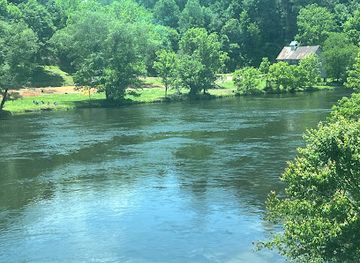
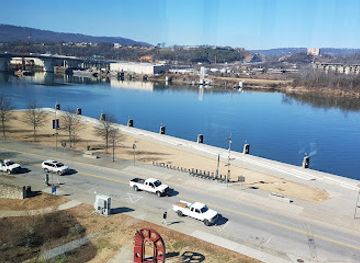
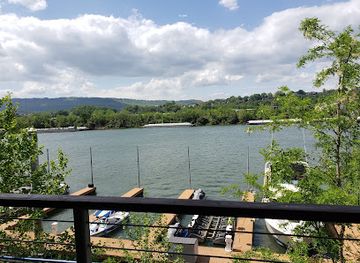
Chattanooga Riverfront follows the Tennessee River through the heart of Chattanooga, where a broad urban waterway meets historic bridges, public parks, museums and a walkable downtown. The district is not a single enclosed attraction but a connected sequence of river-facing places extending from Ross’s Landing and the Tennessee Aquarium towards the Market Street and Walnut Street bridges, with further paths and parks continuing along both banks. The river gives the city its defining orientation: barges and pleasure boats share the water with changing views of wooded ridges, while the downtown skyline rises behind the waterfront.Read more about Chattanooga Riverfront
Parks, Bridges and Museums
A Living Downtown Waterfront
When is the best time to visit Chattanooga Riverfront?
Best: May, September–October · 21–27°C| Month | High (°C) | Rainfall (mm) |
|---|---|---|
| January | 9 | 116 |
| February | 12 | 113 |
| March | 16 | 140 |
| April | 21 | 119 |
| May (best) | 25 | 120 |
| June | 29 | 113 |
| July | 31 | 129 |
| August | 30 | 112 |
| September (best) | 27 | 104 |
| October (best) | 21 | 89 |
| November | 16 | 112 |
| December | 11 | 122 |
Getting to and around Chattanooga Riverfront
How to get there
Transportation
Best attractions in Chattanooga Riverfront
The Tennessee Aquarium is Chattanooga Riverfront’s principal indoor attraction, with galleries devoted to freshwater and marine life that reflect the importance of rivers and waterways beyond the Tennessee Valley. At Ross’s Landing, landscaped public space and interpretation connect the waterfront with Cherokee history and the Trail of Tears. The Tennessee Riverwalk follows the shore through parks, overlooks and urban sections, offering changing perspectives on downtown and the wooded ridges beyond. The Walnut Street Bridge provides a pedestrian crossing to Coolidge Park and the North Shore, where broad lawns and river views create a different setting from the central city. Above the water, the Hunter Museum of American Art and the Bluff View Art District combine exhibitions, sculpture and historic urban views. Sightseeing cruises offer another way to experience the river, while nearby downtown streets lead to additional galleries, restaurants and heritage attractions without requiring a separate excursion.
-
Botanical garden
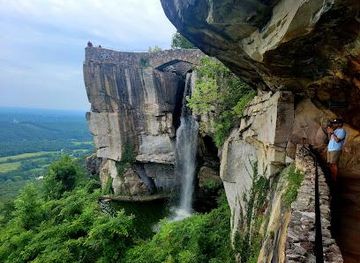
Rock City Gardens
Discover the breathtaking views and enchanting landscapes of Rock City Gardens on Lookout Mountain, a must-visit scenic spot and botanical wonder.
-
Tourist attraction
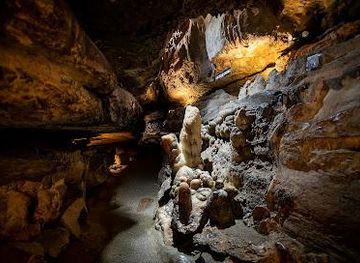
Ruby Falls
Discover the stunning underground beauty of Ruby Falls, a natural wonder in Chattanooga, TN, featuring a breathtaking waterfall and rich history.
-
Tourist attraction
Ruby Falls
Experience the beauty of Ruby Falls, an underground waterfall in Chattanooga, Tennessee, surrounded by stunning rock formations and rich history.
-
Rail museum
Tennessee Valley Railroad Museum
Discover the rich history of railroads at the Tennessee Valley Railroad Museum, where vintage trains and captivating exhibits await every visitor.
Best landmarks in Chattanooga Riverfront
The Tennessee River is the defining natural landmark, its broad course giving Chattanooga a setting shaped by water, ridges and transport routes. Ross’s Landing is both a riverfront park and a place of historical remembrance connected with the Cherokee community and the Trail of Tears. The Walnut Street Bridge, opened in 1891 and now used by pedestrians, is the waterfront’s most recognisable historic structure, linking central Chattanooga with the North Shore. Coolidge Park provides an open riverside foreground beneath the bridge, while the Hunter Museum occupies a prominent position on the bluff above the water. The Tennessee Aquarium is a modern cultural landmark whose architecture and exhibits reinforce the city’s relationship with freshwater ecosystems. Together these places show how Chattanooga’s identity has moved from Indigenous settlement, river commerce and strategic transport towards public waterfront access, heritage interpretation and urban recreation.
-
Aquarium
Tennessee Aquarium
Explore the Tennessee Aquarium in Chattanooga, TN, where enchanting aquatic life meets environmental education and conservation efforts.
-
Escape room center
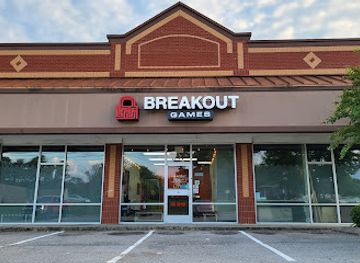
Breakout Games - Chattanooga
Dive into thrilling adventures at Breakout Games - Chattanooga, an escape room experience perfect for families, friends, and corporate teams.
-
Restaurant
Scotties On The River
Experience the essence of American cuisine at Scotties On The River, where every meal is complemented by stunning riverside views and a vibrant atmosphere.
-
Park
Tennessee Riverpark: Fishing Park
Discover the tranquil beauty of Tennessee Riverpark in Chattanooga, where nature meets recreation along the serene banks of the Tennessee River.
Explore Chattanooga Riverfront on the map
Plan your trip on one map. See where the top attractions, landmarks, restaurants and hotels are, and book hotels and experiences in a few clicks.
Best hotels in Chattanooga Riverfront
Best restaurants in Chattanooga Riverfront
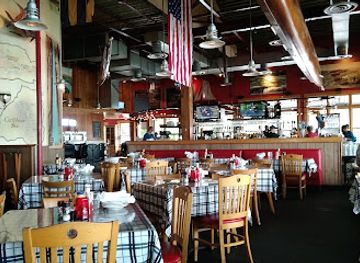
Dining is concentrated in downtown Chattanooga, the North Shore and adjacent central neighbourhoods rather than along every section of the Riverwalk. Visitors can find Southern cooking, contemporary American menus, barbecue, burgers, cafés, bakeries and international food in the streets around the Tennessee Aquarium, Market Street, Broad Street and Frazier Avenue. The region’s culinary identity draws on Tennessee traditions as well as produce and farm products from the surrounding Appalachian and Tennessee Valley landscape. Riverside terraces and casual eateries provide views in suitable weather, while the wider city offers a greater choice for a full meal. Food halls, independent restaurants and locally oriented shops can be useful for flexible dining, though individual businesses and seasonal operations change. Visitors staying on the quieter stretches of riverfront should plan to eat in a nearby downtown or North Shore district rather than expect a continuous line of waterfront restaurants.
-
Seafood
Boathouse Rotisserie & Raw Bar
Discover fresh seafood and American favorites at Boathouse Rotisserie & Raw Bar in Chattanooga—where riverside dining meets culinary excellence.
-
Sticky Fingers Rib House
Experience the rich flavors of authentic Southern barbecue at Sticky Fingers Rib House in Chattanooga – where every bite tells a story.
-
Brazilian
Rodizio Grill Brazilian Steakhouse Chattanooga Downtown
Discover the vibrant tastes of Brazil at Rodizio Grill Chattanooga—a premier destination for steak lovers in downtown.
-
American
Feed Table and Tavern
Discover the best of American cuisine at Feed Table and Tavern in Chattanooga – where great food meets live music in a welcoming atmosphere.
Best bars in Chattanooga Riverfront
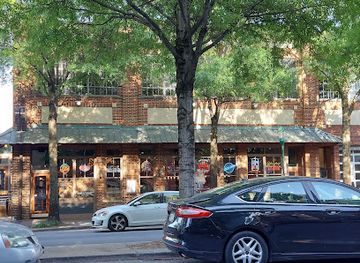
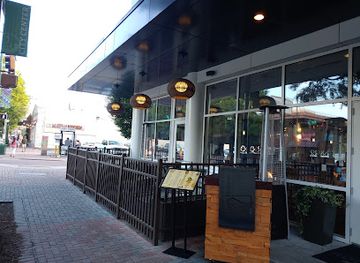
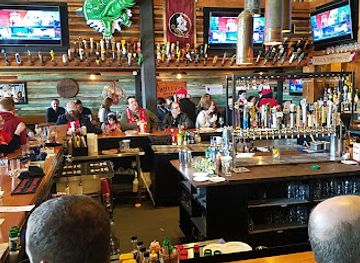
Chattanooga Riverfront has a relaxed evening scene rather than a dedicated nightlife strip. Downtown and the North Shore contain the greatest concentration of bars, breweries, pubs and restaurants where visitors can continue an evening after exploring the river, with options ranging from informal drinks to live music and seasonal events. The streets around Broad Street, Market Street and Frazier Avenue are generally more useful for evening choice than the quieter sections of the Riverwalk itself. Public spaces beside the water may feel calm after dark, and access or atmosphere can change during festivals, concerts and other programmed events. River cruises and cultural venues sometimes provide evening entertainment, but schedules are seasonal or event-dependent. Visitors should check current arrangements and return routes rather than assume that every waterfront attraction or park remains active late into the night.
-
American
Feed Table and Tavern
Experience the best of Southern and American cuisine at Feed Table and Tavern, a lively spot for great food and live music in Chattanooga.
-
Southern
Puckett's Restaurant - Downtown Chattanooga
Experience the best of Southern cuisine at Puckett's Restaurant in Downtown Chattanooga, where BBQ and breakfast unite in a cozy atmosphere.
-
Bar
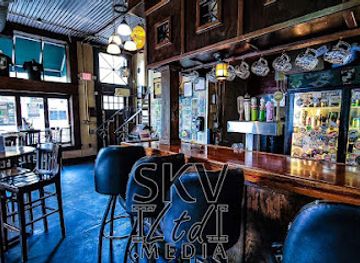
HiFi Clyde's Chattanooga
Experience the best of American cuisine and craft cocktails at HiFi Clyde's Chattanooga, a lively bar in the heart of the Southside Historic District.
-
Grill
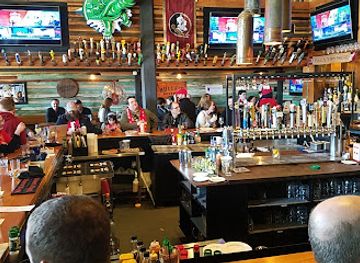
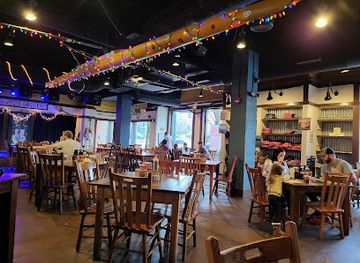
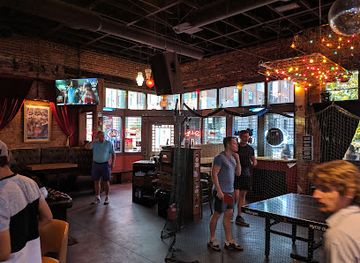
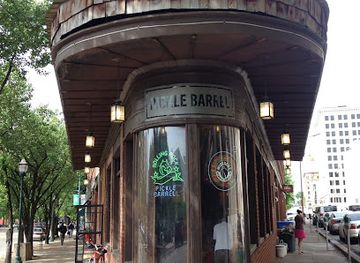
Pickle Barrel
Experience the vibrant flavors of Pickle Barrel in Chattanooga, where delicious grill offerings meet a welcoming atmosphere perfect for all diners.
Best nightclubs in Chattanooga Riverfront
Chattanooga Riverfront has a relaxed evening scene rather than a dedicated nightlife strip. Downtown and the North Shore contain the greatest concentration of bars, breweries, pubs and restaurants where visitors can continue an evening after exploring the river, with options ranging from informal drinks to live music and seasonal events. The streets around Broad Street, Market Street and Frazier Avenue are generally more useful for evening choice than the quieter sections of the Riverwalk itself. Public spaces beside the water may feel calm after dark, and access or atmosphere can change during festivals, concerts and other programmed events. River cruises and cultural venues sometimes provide evening entertainment, but schedules are seasonal or event-dependent. Visitors should check current arrangements and return routes rather than assume that every waterfront attraction or park remains active late into the night.
-
Pub
Hair of the Dog Pub
Discover the heart of Chattanooga's nightlife at Hair of the Dog Pub, where delicious American food meets a vibrant pub atmosphere.
-
Disco club
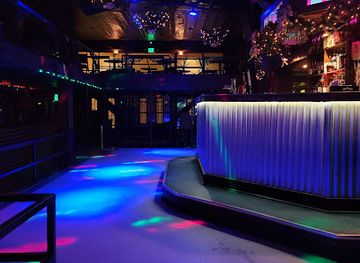
Alan Gold's Discotheque
Discover the electrifying atmosphere of Alan Gold's Discotheque in Chattanooga, TN - your ultimate disco club for music, dancing, and great times!
-
Night club
Reagan's Retro Bar
Reagan's Retro Bar in Chattanooga: A vibrant nightlife destination where retro charm meets modern excitement through drinks, music, and dancing.
-
Bar
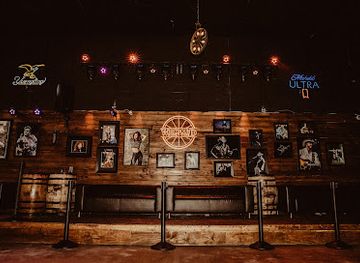
Westbound Honky-Tonk
Discover the vibrant nightlife of Chattanooga at Westbound Honky-Tonk, a lively bar with great music, drinks, and a fun southern atmosphere.

Best shops in Chattanooga Riverfront
Shopping around Chattanooga Riverfront is primarily urban and independent, with the broadest choice in downtown, the North Shore and nearby central districts rather than directly beside every riverside path. Visitors can browse art galleries, bookshops, gift retailers, outdoor equipment suppliers, clothing shops and stores associated with local makers, while museum and attraction shops provide regional-themed gifts. Chattanooga’s wider creative scene includes pottery, visual art, handcrafted goods and products inspired by the surrounding mountains and river landscape. The North Shore, particularly around Frazier Avenue, is a useful area for small businesses, cafés and galleries, while downtown streets provide additional retail close to the aquarium and Ross’s Landing. Local food products and craft beverages can also be found through independent retailers and markets when operating. Exact opening days and the presence of temporary markets vary, so shopping is best combined with a wider city itinerary.
-
Shopping mall
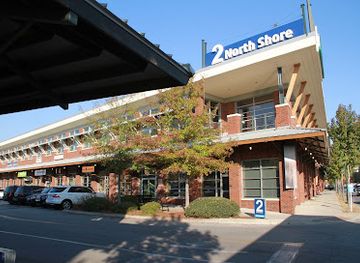
2 North Shore
Discover 2 North Shore in Chattanooga, TN - your ultimate shopping destination for clothing, outdoor gear, and unique boutique finds.
-
Novelty store
Moon®Pie General Store
Discover the whimsical Moon®Pie General Store in Chattanooga, offering delightful treats, ice cream, and unique local souvenirs.
-
Shopping mall
Warehouse Row
Explore Warehouse Row in Chattanooga, where historic charm meets modern shopping and dining in a vibrant cultural hub.
-
Market
Chattanooga River Market
Discover local artisans, delicious food, and stunning views at the vibrant Chattanooga River Market, a must-visit destination for tourists.

Get your free copy of our complete guide to Chattanooga Riverfront, delivered straight to you.
Everything on this page, from attractions and restaurants to essentials and local phrases, in one PDF you can read offline, print or share.
Already have an account? Sign in
Your Chattanooga Riverfront guide is ready.
We'll send it to · Not you? Sign out

Getting your guide ready…
We are putting together a fresh copy of the Chattanooga Riverfront guide. This can take up to a minute.
This can take a few moments. If your browser asks, choose Allow so the download can start. You'll find the guide in your Downloads folder.
Nothing happened? Download it again
Sorry, the guide is taking longer than usual. Please try again in a minute, or get it by email instead.
Chattanooga Riverfront essentials
Currency and Payment
Safety
Emergency Situations
Do's and Don'ts
Local Tips
From Eve
Local phrases worth knowing
You don't need to get them perfect. A few words go a long way, and locals appreciate the effort.
Basics
| English | Local | Say it |
|---|---|---|
| Hello | Howdy | [haw-dee] |
| Goodbye | See ya | [see ya] |
| Yes | Yep | [yep] |
| No | Nah | [na] |
| Please/You're welcome | Please/No problem | [pleez/no prob-lem] |
| Thank you | Thanks | [thanks] |
| Excuse me/Sorry | Pardon me/My bad | [par-dun me/my bad] |
| How are you? | How y'all doin'? | [how y'all doin'] |
| Fine. And you? | Fine. How 'bout you? | [fine. how 'bout you?] |
| Do you speak English? | Ya speak English? | [ya speak English?] |
| I don't understand | I don't get it | [I don't get it] |
Eating & Drinking
| English | Local | Say it |
|---|---|---|
| I'd like to see the menu, please | Can I see the menu, please | [can I see the menu, please] |
| I don't eat meat | I don't eat meat | [I don't eat meat] |
| Cheers! | Cheers! | [Cheers!] |
| I would like to pay, please | I'd like to settle up, please | [I'd like to settle up, please] |
Emergencies
| English | Local | Say it |
|---|---|---|
| Help! | Help! | [Help!] |
| Go away! | Leave me alone! | [leave me alone!] |
| Call the Police! | Call the cops! | [call the cops!] |
| Call a doctor! | Call a doc! | [call a doc!] |
| I'm lost | I'm lost | [I'm lost] |
| I'm ill | I'm sick | [I'm sick] |
Shopping
| English | Local | Say it |
|---|---|---|
| I'd like to buy... | I wanna buy... | [I wanna buy...] |
| I'm just looking | Just browsing | [just browsing] |
| How much is it? | How much does it cost? | [how much does it cost?] |
| That's too expensive | That's too pricey | [that's too pricey] |
| Can you lower the price? | Can you cut the price? | [can you cut the price?] |
Time & Numbers
| English | Local | Say it |
|---|---|---|
| What time is it? | What time is it? | [What time is it?] |
| It's one o'clock | It's one o'clock | [It's one o'clock] |
| Half past (10) | Half past ten | [Half past ten] |
| Morning | Morning | [Morning] |
| Afternoon | Afternoon | [Afternoon] |
| Evening | Evening | [Evening] |
| Yesterday | Yesterday | [Yesterday] |
| Today | Today | [Today] |
| Tomorrow | Tomorrow | [Tomorrow] |
| 1 | One | [One] |
| 2 | Two | [Two] |
| 3 | Three | [Three] |
| 4 | Four | [Four] |
| 5 | Five | [Five] |
| 6 | Six | [Six] |
| 7 | Seven | [Seven] |
| 8 | Eight | [Eight] |
| 9 | Nine | [Nine] |
| 10 | Ten | [Ten] |
Transport & Directions
| English | Local | Say it |
|---|---|---|
| Where's a/the...? | Where's the...? | [Where's the...?] |
| What's the address? | What's the address? | [What's the address?] |
| Can you show me (on the map)? | Can you show me (on the map)? | [Can you show me (on the map)?] |
| When's the next (bus)? | When's the next (bus)? | [When's the next (bus)?] |
| A ticket (to ....) | A ticket (to ....) | [A ticket (to ....)] |
History of Chattanooga Riverfront
River, Ridge and Indigenous Homelands
The Tennessee River corridor around present-day Chattanooga has long been shaped by the meeting of water routes, fertile lowlands and surrounding ridges. The area was associated with Muscogee and Cherokee peoples, and Ross’s Landing became an important Cherokee settlement and trading place on the river. The settlement is particularly significant in the history of the forced removal of the Cherokee during the 1830s: many Cherokee people passed through the area during the removal now known as the Trail of Tears. The riverfront’s modern public spaces preserve this history through interpretation at Ross’s Landing, although the wider story extends well beyond the present-day park.
The Founding of Chattanooga
Chattanooga developed as a town during the nineteenth century around the strategic advantages of the Tennessee River and connections to regional roads and railways. The settlement was incorporated in 1839, taking the name Chattanooga, commonly associated with a Cherokee expression referring to the vicinity of Lookout Mountain. River transport, commercial trade and the arrival of railways helped establish the city as a regional centre. The waterfront was consequently tied to warehouses, wharves, bridges and industry rather than solely to recreation, and the river remained central to Chattanooga’s economic identity.
Civil War Crossroads
Chattanooga’s position at the junction of important river, road and railway routes made it a major strategic objective during the American Civil War. The Battles for Chattanooga took place in and around the city in November 1863, including fighting at Lookout Mountain and Missionary Ridge. Union control of Chattanooga opened a crucial route into the Deep South and contributed to the later Atlanta Campaign. The principal battlefields lie outside the immediate riverfront, but the waterfront’s transport geography helps explain why the city was militarily important and why Chattanooga became so closely associated with Civil War history.
Bridges and Industrial Waterfront
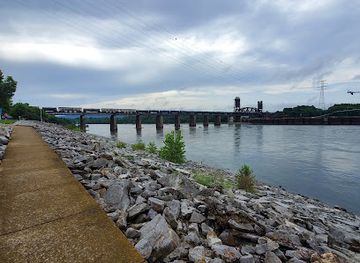
As Chattanooga grew, bridges increasingly connected riverbank communities and supported the movement of people, freight and railway traffic. The Walnut Street Bridge opened in 1891 as a vehicular bridge and later became a pedestrian crossing after its conversion in the 1990s. During the twentieth century, industrial activity and urban decline affected the riverfront, leaving parts of the shoreline separated from everyday public life. The bridge’s reuse reflected a wider shift towards reclaiming the water’s edge for civic and recreational purposes while retaining visible links to the city’s transport history.
Waterfront Renewal
Modern Chattanooga’s riverfront was reshaped through major public investment, including the Tennessee Riverpark project and the 21st Century Waterfront plan approved in 2000. These programmes supported parks, paths, public spaces and cultural facilities along the river, complementing the Tennessee Aquarium and the revitalisation of downtown and the North Shore. The result is a waterfront used for walking, cycling, events, museum visits and boating rather than a purely industrial working edge. Riverfront renewal has not erased the area’s older layers: Cherokee history, Civil War memory, rail and bridge infrastructure, and the continuing presence of the river remain part of its character.
Chattanooga Riverfront in Photos
Browse through our photo collection highlighting the charm and character of the destination.
Cities in Chattanooga Riverfront
The towns and cities of Chattanooga Riverfront, and the easiest places to base yourself.
-

-

-

-

-

-


Swipe for more cities
Neighbouring destination travel guides
The closest destinations to Chattanooga Riverfront, if you have time for more than one.
-

-

-

-
-


Swipe for more destinations
Explore more
Explore more of Chattanooga Valley
Explore Chattanooga Valley in northwest Georgia for Civil War heritage, wooded ridges, open countryside and easy access to Chattanooga.
Explore Chattanooga Valley
Explore more of Tennessee
Discover Tennessee: A melting pot of music, history, and natural beauty, offering visitors an authentic taste of Southern hospitality and unforgettable experiences.
Explore Tennessee