

Downtown Nashville (Nashville) Travel Guide - Free
Explore Downtown Nashville in Nashville with Evendo's free guide. Find the best shops, historic streets, restaurants, and gems on web or mobile.


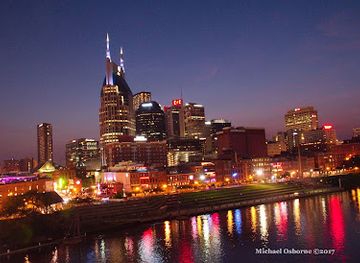
Downtown Nashville pairs Lower Broadway honky-tonks, the Ryman Auditorium, riverfront walks, live music, museums and Southern dining in Music City.
Music at the Centre
Downtown Nashville occupies the compact historic core between the Cumberland River and the Capitol Hill area, with Lower Broadway forming its best-known spine. Neon signs, pedal taverns, souvenir shops and open-door honky-tonks dominate the Broadway experience, but the district is more layered than its party reputation suggests. The Ryman Auditorium, Country Music Hall of Fame and Museum, National Museum of African American Music and Schermerhorn Symphony Center place major strands of American musical history within a walkable area.Read more about Downtown Nashville
Streets, River and Civic Nashville
Day and Night
Best attractions in Downtown Nashville
Downtown Nashville's attractions are concentrated enough to form a walkable sequence through music, sport, civic history and the riverfront. The Ryman Auditorium offers tours and performances in the former Union Gospel Tabernacle, while the Country Music Hall of Fame and Museum traces the genre through recordings, instruments, clothing and archival displays. The National Museum of African American Music presents the central role of Black musical traditions in American culture, and the Johnny Cash Museum focuses on one of Nashville's most influential performers. Broadway supplies a very different kind of spectacle, with honky-tonks offering live bands throughout the day and evening. Nearby, the John Seigenthaler Pedestrian Bridge provides open views over the Cumberland River, while the Downtown sporting and concert venues shape the district's event calendar. Printer's Alley adds a narrower, more atmospheric route through the older commercial grid.
-
State park
Bicentennial Capitol Mall State Park
Discover Tennessee's history and beauty at Bicentennial Capitol Mall State Park, a scenic and educational oasis in the heart of Nashville.
13 min walk · 1.1 km from neighbourhood centre
-
Park
Nashville Public Square Park
Discover Nashville Public Square Park, a serene urban retreat in downtown Nashville, perfect for relaxation, picnics, and enjoying the vibrant atmosphere of Music City.
7 min walk · 0.5 km from neighbourhood centre
-
Memorial park
Walk of Fame Park
Experience the spirit of Nashville at Walk of Fame Park, where music legends are honored and the city’s vibrant culture comes alive.
7 min walk · 0.6 km from neighbourhood centre
-
Escape room center
Escape Experience - Nashville Escape Games (Downtown)
Experience the excitement of Escape Experience in Nashville, where teamwork and adventure come together in thrilling escape room challenges.
2 min walk · 0.2 km from neighbourhood centre


Best landmarks in Downtown Nashville
The Ryman Auditorium is Downtown's defining historic performance building, recognised for its former role as the home of the Grand Ole Opry and for the preserved character of its auditorium. The nearby Second Avenue buildings represent the commercial architecture of nineteenth-century Nashville, although the street has undergone substantial change and redevelopment. Printer's Alley retains a narrow, distinctive urban form rooted in the district's former printing and publishing businesses. The Tennessee State Capitol, on the northern edge of Downtown, is a prominent Greek Revival civic building and the seat of Tennessee's legislature. Along the river, the John Seigenthaler Pedestrian Bridge is both a practical crossing and a major viewpoint, while the Cumberland River itself explains much of Downtown's early commercial geography. Together these places show how performance, government, trade and transport have shaped the neighbourhood.
-
Tourist attraction
Honky Tonk Highway
Discover the heart of Nashville’s music scene at Honky Tonk Highway, where live performances and Southern hospitality come together in a vibrant atmosphere.
5 min walk · 0.4 km from neighbourhood centre
-
Historical landmark
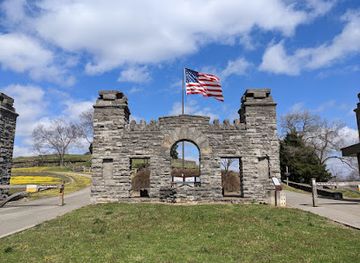
Fort Negley
Explore Fort Negley, an iconic historical landmark in Nashville, offering insight into Civil War history and breathtaking views of the city.
7 min drive · 2.2 km from neighbourhood centre
-
Tourist attraction
2nd Avenue Historic District
Explore the rich history and vibrant culture of Nashville's 2nd Avenue Historic District, where music, food, and fun come together in perfect harmony.
8 min walk · 0.6 km from neighbourhood centre
-
Historical place
Fort Nashborough
Explore Fort Nashborough, a historic site in Nashville showcasing the city's pioneer heritage and the life of early settlers along the Cumberland River.
7 min walk · 0.6 km from neighbourhood centre


Explore Downtown Nashville on the map
A handpicked selection of must-see spots in Downtown Nashville, mapped for you.
Best hotels in Downtown Nashville
Best restaurants in Downtown Nashville
Downtown's dining scene is shaped by visitors, office workers, concert audiences and Nashville's musical identity. Lower Broadway combines honky-tonk food, casual Southern dishes and high-volume venues, while Second Avenue and the streets around the Ryman offer restaurants in converted historic buildings. Merchants occupies a landmark building with a long association with downtown dining, and Assembly Food Hall brings a broad selection of Nashville vendors together in a central setting. Visitors will find hot chicken, barbecue, biscuits, burgers and Southern comfort cooking alongside steakhouses, contemporary American menus, sushi and more informal café fare. The area is convenient for pre-show meals, but reservations and patience are useful when arena events or weekend crowds fill the central blocks. For a quieter atmosphere, look away from the loudest stretches of Broadway towards the museum and riverfront side streets.
-
Family-friendly
Puckett's Restaurant - Downtown Nashville
Experience authentic Southern cuisine and live music at Puckett's Restaurant in Downtown Nashville - a family-friendly gem!
1 min walk · 0.1 km from neighbourhood centre
-
Southern
Acme Feed & Seed
Discover the heart of Nashville at Acme Feed & Seed - where Southern cuisine meets live music in a vibrant setting.
8 min walk · 0.6 km from neighbourhood centre
-
Restaurant
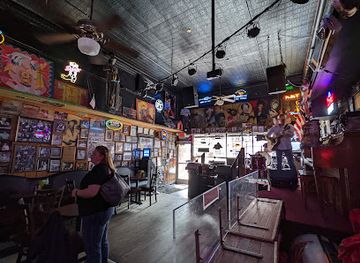
Robert's Western World
Discover Robert's Western World: A lively restaurant and live music bar in Nashville offering delicious Southern cuisine and unforgettable entertainment.
5 min walk · 0.4 km from neighbourhood centre
-
Restaurant
Assembly Food Hall
Experience Nashville's vibrant food scene at Assembly Food Hall with diverse cuisines and live music in a lively atmosphere.
3 min walk · 0.3 km from neighbourhood centre



Best bars in Downtown Nashville
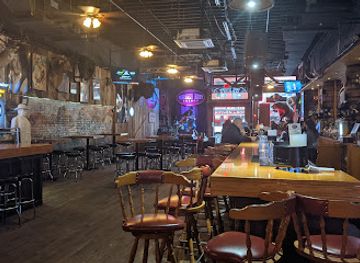
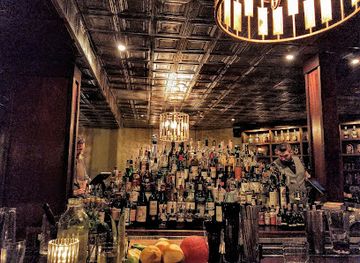
Downtown Nashville's evening identity centres on live music rather than a conventional nightclub scene. Lower Broadway is lined with honky-tonks whose open doors, small stages and rotating bands create a continuous music corridor, with country, rock, blues and contemporary covers heard across the strip. Many venues do not charge a conventional cover, though policies vary and tipping musicians is an important part of the local performance economy. Printer's Alley provides a more compact nightlife setting with bars and entertainment rooms in a historic lane, while rooftops and hotel bars offer views over the central district. The atmosphere becomes louder and more crowded late in the evening, especially at weekends and after concerts. Events at Bridgestone Arena and nearby venues can make the wider area busy, whereas the Capitol side of Downtown is considerably quieter after offices close.
-
Bar
Tootsies Orchid Lounge
Experience the lively atmosphere of Tootsies Orchid Lounge, a must-visit bar and live music venue in Nashville's vibrant Music City.
4 min walk · 0.4 km from neighbourhood centre
-
Live music bar
Whiskey Bent Saloon
Immerse yourself in Nashville's vibrant nightlife at Whiskey Bent Saloon, the ultimate destination for live music and Southern hospitality.
6 min walk · 0.5 km from neighbourhood centre
-
Pub
Fleet Street Pub
Discover Fleet Street Pub, a charming British-style pub in Nashville's Printer's Alley, known for its delicious food, vibrant atmosphere, and extensive drink selection.
4 min walk · 0.3 km from neighbourhood centre
-
Bar
The Patterson House
Discover the charm of Nashville's speakeasy culture at The Patterson House, where expertly crafted cocktails meet a cozy, intimate atmosphere.
5 min drive · 1.7 km from neighbourhood centre


Best nightclubs in Downtown Nashville
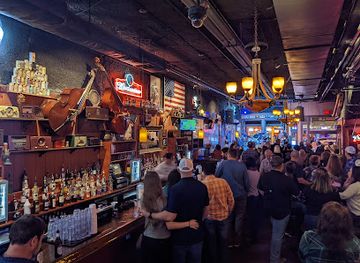
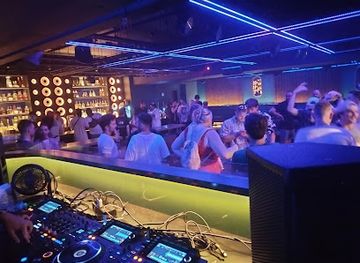
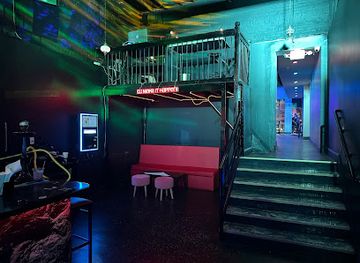
Downtown Nashville's evening identity centres on live music rather than a conventional nightclub scene. Lower Broadway is lined with honky-tonks whose open doors, small stages and rotating bands create a continuous music corridor, with country, rock, blues and contemporary covers heard across the strip. Many venues do not charge a conventional cover, though policies vary and tipping musicians is an important part of the local performance economy. Printer's Alley provides a more compact nightlife setting with bars and entertainment rooms in a historic lane, while rooftops and hotel bars offer views over the central district. The atmosphere becomes louder and more crowded late in the evening, especially at weekends and after concerts. Events at Bridgestone Arena and nearby venues can make the wider area busy, whereas the Capitol side of Downtown is considerably quieter after offices close.
-
Gay night club
Play Dance Bar
Dive into the vibrant nightlife at Play Dance Bar in Nashville, where dance, entertainment, and inclusivity come together in a lively atmosphere.
16 min walk · 1.3 km from neighbourhood centre
-
Night club
Second Fiddle
Experience the vibrant nightlife of Nashville at Second Fiddle, a lively night club and bar with live music, great drinks, and unforgettable fun.
5 min walk · 0.4 km from neighbourhood centre
-
Night club
Dirty Little Secret
Discover the electrifying nightlife at Dirty Little Secret in Nashville's historic Printers Alley, where music and fun come together.
4 min walk · 0.3 km from neighbourhood centre
-
Night club
La Danse Restaurant & Nightclub
Discover La Danse Restaurant & Nightclub in Nashville, where exquisite dining meets electrifying nightlife in an unforgettable experience.
4 min walk · 0.3 km from neighbourhood centre

Best shops in Downtown Nashville
Shopping in Downtown Nashville is closely tied to music, souvenirs and the visitor economy rather than to a broad residential retail district. Lower Broadway has stores selling cowboy boots, Western clothing, hats, guitars, T-shirts and Nashville-themed gifts, alongside the merchandise counters of major cultural venues. The shops around the Country Music Hall of Fame and Museum and the Ryman Auditorium are useful for music-related books, recordings and commemorative items, while the arcade-style commercial spaces and historic storefronts around Second Avenue provide a sense of the older retail grid. Assembly Food Hall is primarily a dining destination but adds a selection of local-brand and food-related retail experiences. Independent shopping is more intermittent than in Nashville's dedicated boutique districts, so Downtown is best for music culture, event merchandise and locally themed gifts rather than an extended fashion or antiques outing.
-
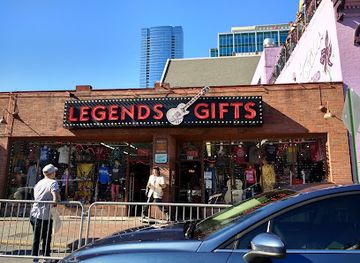
Gift shop
Legends Gifts
Explore Legends Gifts, Nashville's vibrant hub for unique souvenirs and music memorabilia, capturing the essence of Music City.
4 min walk · 0.4 km from neighbourhood centre
-
 Gift shop
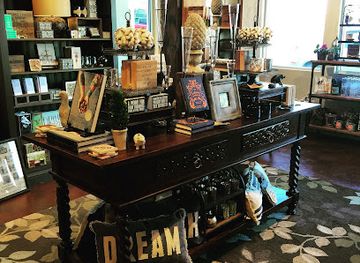
Market Street Mercantile
Explore Market Street Mercantile in Nashville for unique gifts and local treasures reflecting the vibrant culture and artistry of the city.
7 min walk · 0.5 km from neighbourhood centre
-
Gift shop
Bits & Pieces Antique Boutique
Explore Bits & Pieces Antique Boutique in Nashville for a unique selection of vintage treasures, clothing, and home decor that captures history's essence.
5 min drive · 1.5 km from neighbourhood centre
-
Gift shop
Abode Mercantile
Discover unique gifts and local treasures at Abode Mercantile, your go-to shop in East Nashville for home goods, candles, and greeting cards.
9 min drive · 3.0 km from neighbourhood centre

Downtown Nashville essentials
Getting There
Getting Around
Safety
Emergency Situations
Do's and Don'ts
Local Tips

From Eve
Local phrases worth knowing
You don't need to get them perfect. A few words go a long way, and locals appreciate the effort.
Basics
| English | Local | Say it |
|---|---|---|
| Hello | Howdy | [hah-dee] |
| Goodbye | See ya | [see yah] |
| Yes | Yup | [yuhp] |
| No | Nah | [nuh] |
| Please/You're welcome | Please/No problem | [pleez/no pro-blem] |
| Thank you | Thanks | [thaynks] |
| Excuse me/Sorry | Pardon me/My bad | [par-dn mee/my bad] |
| How are you? | How y'all doin'? | [hao yahl doo-in] |
| Fine. And you? | Good. And you? | [gud. and yoo] |
| Do you speak English? | Ya speak English? | [yah speak ing-glish] |
| I don't understand | I don't git it | [ah dohnt git it] |
Eating & Drinking
| English | Local | Say it |
|---|---|---|
| I'd like to see the menu, please | Let me see the menu, please | [let mee see the meh-nyoo, pleez] |
| I don't eat meat | I don't eat meat | [ah dohnt eet meet] |
| Cheers! | Cheers! | [cheers] |
| I would like to pay, please | I'll pay now, please | [ahyl pay now, pleez] |
Emergencies
| English | Local | Say it |
|---|---|---|
| Help! | Help! | [help] |
| Go away! | Git! | [git] |
| Call the Police! | Call the Cops! | [call the cops] |
| Call a doctor! | Call a doc! | [call a doc] |
| I'm lost | I'm lost | [ahm lost] |
| I'm ill | I'm sick | [ahm sik] |
Shopping
| English | Local | Say it |
|---|---|---|
| I'd like to buy... | I wanna buy... | [ah wanna buy] |
| I'm just looking | I'm just lookin' | [ahm just lookin] |
| How much is it? | How much does it cost? | [hao much duz it cost] |
| That's too expensive | That's too pricey | [thats too prahy-see] |
| Can you lower the price? | Can ya lower the price? | [can yah lo-er the prahys] |
Time & Numbers
| English | Local | Say it |
|---|---|---|
| What time is it? | What time is it? | [what time is it] |
| It's one o'clock | It's one | [its wun] |
| Half past (10) | Half past ten | [haf past ten] |
| Morning | Morning | [mornin] |
| Afternoon | Afternoon | [afternoon] |
| Evening | Evening | [evenin] |
| Yesterday | Yesterday | [yesserday] |
| Today | Today | [today] |
| Tomorrow | Tomorrow | [tomorrow] |
| 1 | One | [wun] |
| 2 | Two | [too] |
| 3 | Three | [three] |
| 4 | Four | [four] |
| 5 | Five | [five] |
| 6 | Six | [six] |
| 7 | Seven | [seven] |
| 8 | Eight | [eight] |
| 9 | Nine | [nine] |
| 10 | Ten | [ten] |
Transport & Directions
| English | Local | Say it |
|---|---|---|
| Where's a/the...? | Where's the...? | [wheres the] |
| What's the address? | What's the address? | [whats the address] |
| Can you show me (on the map)? | Can ya show me (on the map)? | [can yah show me (on the map)] |
| When's the next (bus)? | When's the next (bus)? | [whens the next (bus)] |
| A ticket (to ....) | A ticket (to ....) | [a ticket (to)] |
History of Downtown Nashville
River Settlement and the Town Grid
Nashville's early development was tied to the Cumberland River, which supported movement, trade and communication through Middle Tennessee. The settlement grew around Fort Nashborough, established in 1779 near the river, and the town's street plan developed on the high ground above the river landing. Downtown's present grid reflects that early civic and commercial core, even though later construction, flood management and redevelopment have altered the river edge. The area became the location of courthouses, shops, hotels, warehouses and public institutions as Nashville expanded from a frontier settlement into a regional centre.
Commerce, Railways and Second Avenue
During the nineteenth century, Downtown Nashville developed as a commercial district serving a growing hinterland. Warehouses and mercantile businesses clustered near the river and transportation routes, while Second Avenue became one of the city's important business streets. The arrival of rail connections strengthened Nashville's role as a distribution and manufacturing centre and encouraged denser commercial construction. Buildings associated with this period, including surviving storefronts and warehouses, established the architectural character later preserved in parts of the downtown core. The district also gained theatres, hotels and restaurants that made it a destination for residents and travellers.
Music, Publishing and Performance
Downtown's entertainment identity developed through theatres, dance halls, restaurants and music businesses rather than appearing suddenly with modern tourism. The Union Gospel Tabernacle, now known as the Ryman Auditorium, opened in 1892 as a major meeting and performance venue and later became central to Nashville's country-music story through the Grand Ole Opry broadcasts. Printer's Alley acquired its name from the printing and publishing firms that operated nearby before becoming associated with nightlife. These institutions helped connect Downtown with Nashville's broader reputation as a centre for songwriting, broadcasting, recording and live performance.
Renewal and the Modern Entertainment District
In the late twentieth and early twenty-first centuries, investment reshaped Downtown through the restoration of historic buildings, new hotels, museums, sports venues and public-realm projects. The opening of the Country Music Hall of Fame and Museum in its current Downtown location in 2001 reinforced the district's cultural role, while the Bridgestone Arena and Nissan Stadium, across the river, brought large event crowds to the central area. Broadway's honky-tonks expanded into a highly concentrated visitor economy, alongside renewed attention to the riverfront, Second Avenue and civic spaces. The result is a district where heritage conservation, entertainment, residential development and event tourism now overlap.
Downtown Nashville in Photos
Browse through our photo collection highlighting the charm and character of the destination.
Neighbourhoods near Downtown Nashville
The closest neighbourhoods to Downtown Nashville, if you have time for more than one stop.
-

-

-


Swipe for more neighbourhoods
Explore more

Explore more of Nashville
Nashville blends country music landmarks, Southern food, historic neighbourhoods, museums and lively live performances along the Cumberland River.
Explore Nashville