

Free Sequatchie Valley Travel Guide & Mobile App
Explore Sequatchie Valley with free travel guides. Discover regional history, expert tips, proposed trips, and audio guides on web or mobile app.


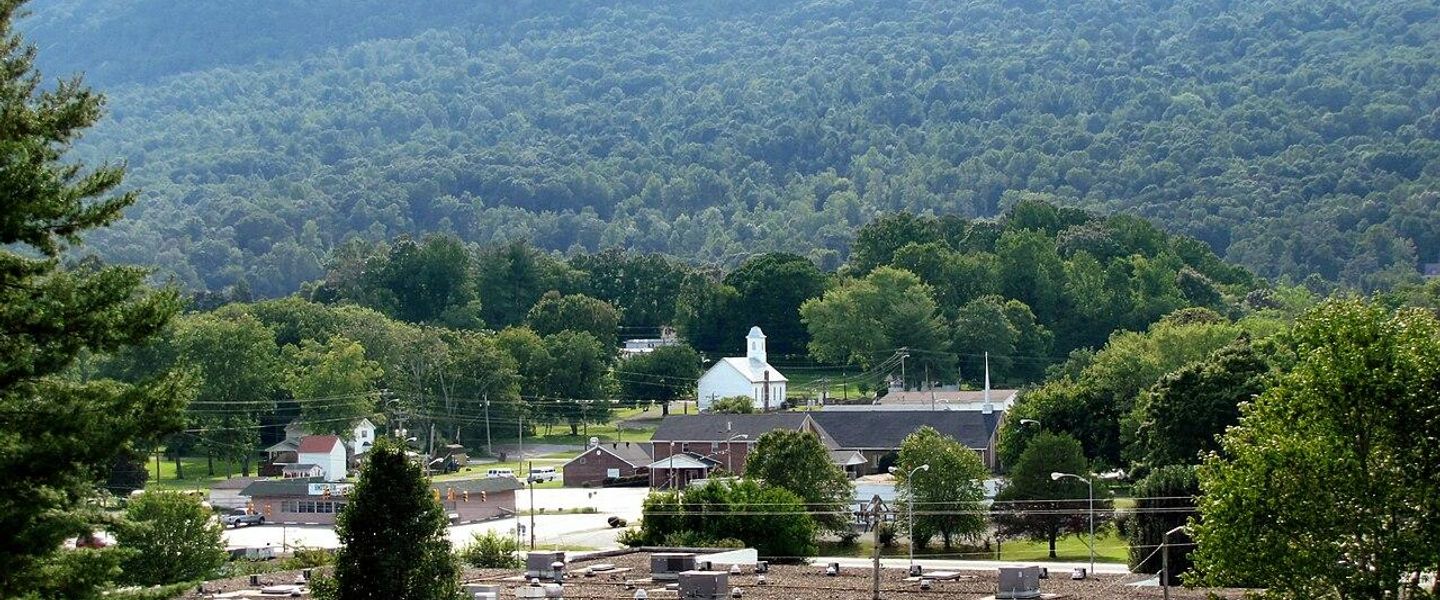


Explore Sequatchie Valley in Tennessee for scenic drives, plateau overlooks, waterfalls, rural communities and the industrial heritage of the Cumberland region.
Read more about Sequatchie Valley
Getting to and around Sequatchie Valley
How to get there
Transportation
Top city travel guides in Sequatchie Valley
The cities of Sequatchie Valley, and the easiest places to base yourself.

Swipe for more cities
Destinations in Sequatchie Valley
Resorts, valleys and scenic spots worth a trip of their own.
-

-

-

-

-


Swipe for more destinations
Best attractions in Sequatchie Valley
Sequatchie Valley’s attractions are spread across a rural landscape rather than gathered in one resort centre. Scenic driving along US 127 reveals the valley’s farms, wooded escarpments and small communities, while roads climbing the plateau lead to overlooks, forests and outdoor recreation. Fall Creek Falls State Park, reached from the Pikeville area and situated on the plateau above the valley, is the region’s best-known nearby extension, with waterfalls, gorges, trails and water-based activities. Around Whitwell, the Coal Miners Museum and local heritage sites explain the mining communities that shaped the valley. The southern end offers access to the Tennessee River and Nickajack Lake landscape near Jasper and Marion County, including opportunities for boating, fishing and wildlife observation. Caves, rural churches, local festivals and community museums add smaller-scale interest. Activities depend on weather and access conditions, but hiking, cycling, paddling, fishing, photography and autumn leaf viewing all suit the terrain. The strongest experience comes from combining the natural edge of the Cumberland Plateau with the valley’s working agricultural and industrial character.
-
Aquarium
Tennessee Aquarium
Experience the breathtaking aquatic wonders at the Tennessee Aquarium, where nature's beauty and education meet in a captivating environment.
-
Tourist attraction
Ruby Falls
Explore the breathtaking Ruby Falls, a stunning underground waterfall in Chattanooga, Tennessee, and experience nature's beauty and rich history.
-
Escape room center
Breakout Games
Experience the thrill of escape at Breakout Games Chattanooga, where adventure awaits in every room of mystery and challenge.
-
State park
Fall Creek Falls State Park
Explore breathtaking waterfalls, abundant wildlife, and outdoor adventures at Fall Creek Falls State Park, Tennessee's natural wonder.



Best landmarks in Sequatchie Valley
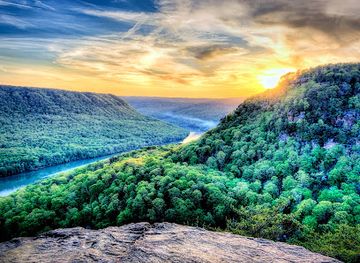
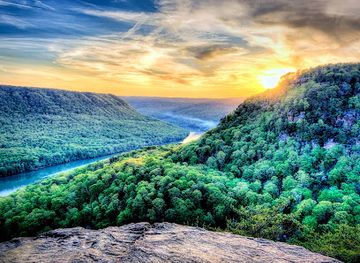
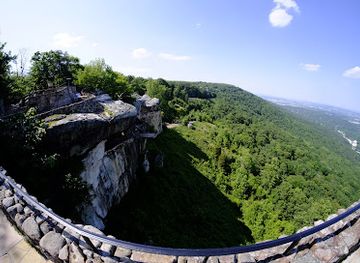
The most recognisable landmark of Sequatchie Valley is the valley itself: a long, unusually clear break through the Cumberland Plateau framed by steep, forested escarpments. Roadside viewpoints and elevated approaches reveal the contrast between the flat agricultural floor and the ridges rising on either side. Fall Creek Falls and its associated gorge landscape are major natural landmarks on the plateau above the eastern side, reached from the Pikeville area rather than located within the valley floor. Whitwell’s mining heritage provides a different kind of landmark, with the Coal Miners Museum and surviving industrial associations recalling the communities built around underground coal. In the south, Nickajack Lake and the Tennessee River create a broad aquatic landscape near Jasper and Marion County. Historic churches, town cemeteries, courthouse buildings and long-established farmsteads are less dramatic but important markers of settlement, linking the visible landscape with the valley’s agricultural, religious and industrial past.
-
Botanical garden
Rock City Gardens
Experience the enchanting landscapes and breathtaking views at Rock City Gardens, a top tourist destination on Lookout Mountain.
-
Aquarium
Tennessee Aquarium
Discover the vibrant aquatic life at the Tennessee Aquarium, a premier destination for wildlife enthusiasts and families in Chattanooga, Tennessee.
-
Tourist attraction
Ruby Falls
Experience the beauty of Ruby Falls, a stunning underground waterfall in Chattanooga, offering breathtaking views and rich historical insights.
-
Rail museum
Tennessee Valley Railroad Museum
Discover the rich history of railroads at the Tennessee Valley Railroad Museum, where vintage trains and scenic rides await in Chattanooga, TN.

Explore Sequatchie Valley on the map
Plan your trip on one map. See where the top cities, national parks and sights are, and book hotels and experiences in a few clicks.
Best hotels in Sequatchie Valley
Best restaurants in Sequatchie Valley
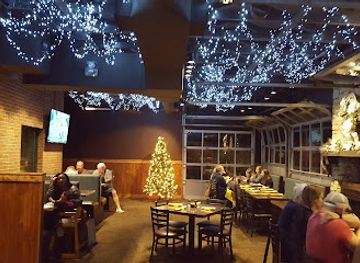
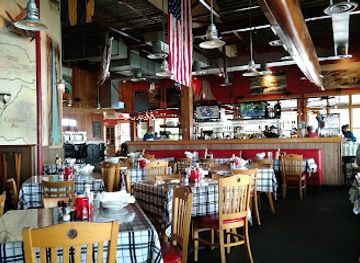
Dining in Sequatchie Valley is centred on locally established cafés, family restaurants, diners, barbecue establishments, country cooking and traditional Southern comfort food rather than a dense restaurant scene. Menus commonly draw on familiar regional ingredients such as chicken, pork, beans, greens, biscuits, cornbread and seasonal vegetables, with barbecue styles and preparations varying between individual businesses. Around Dunlap, Whitwell, Jasper and Pikeville, visitors will find the greatest concentration of everyday meals, while rural crossroads may offer a smaller choice and limited service hours. Farmers’ markets, roadside produce stands and community events can provide seasonal fruit, vegetables, baked goods and preserves when operating. Visitors should not expect every small town to offer late dining, so planning meals before a long scenic drive is sensible. Chattanooga, outside the valley to the south, provides a substantially broader dining scene for travellers using the city as a gateway.
-
New American
Local Goat - New American Restaurant Pigeon Forge
Discover Local Goat in Pigeon Forge - A New American restaurant where fresh ingredients meet innovative flavors in a vibrant atmosphere.
-
Seafood
Boathouse Rotisserie & Raw Bar
Experience Chattanooga's culinary delights at Boathouse Rotisserie & Raw Bar, where fresh seafood meets breathtaking riverside views.
-
American
Feed Table and Tavern
Discover the flavors of America at Feed Table and Tavern in Chattanooga—where delicious food meets vibrant live music in a welcoming atmosphere.
-
Latin American
State of Confusion
Discover vibrant Latin American cuisine at State of Confusion in Chattanooga - where every dish tells a story.
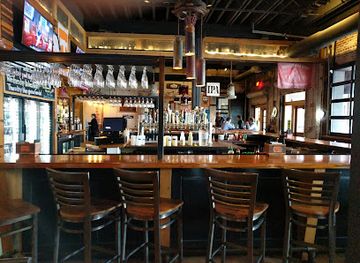
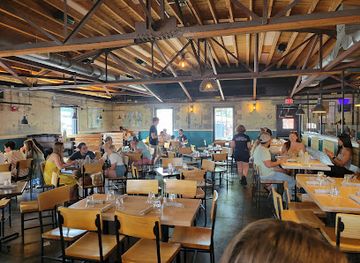
Best bars in Sequatchie Valley
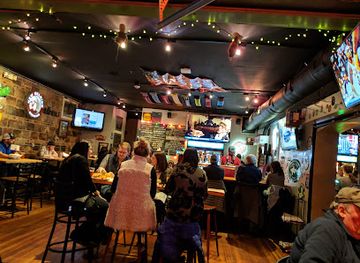
Evening life in Sequatchie Valley is generally low-key and community-based. Traditional pubs, casual restaurants and locally oriented gathering places provide the main options in towns such as Dunlap, Whitwell, Jasper and Pikeville, while live music and social events may appear at seasonal festivals or community venues. The valley does not have a concentrated nightclub district, and rural businesses may close earlier than visitors expect. Craft beverages and breweries are more prominent in nearby larger Tennessee cities than in the valley itself, although individual local establishments may offer beer, spirits or occasional entertainment. Visitors seeking clubs, theatre-scale programming or a wide choice of late-night bars typically travel to Chattanooga, outside the region. Designated driving is particularly important because distances are considerable and public transport is limited.
-
Sports bar
Twin Peaks
Discover Twin Peaks in Chattanooga: A vibrant sports bar with delicious American cuisine, perfect for game day excitement and relaxation.
-
American
Feed Table and Tavern
Experience the heart of American cuisine and live music at Feed Table and Tavern, a cherished dining spot in Chattanooga's vibrant Southside.
-
Grill
Pickle Barrel
Experience the heart of Chattanooga at Pickle Barrel, where comfort food meets a vibrant atmosphere, perfect for every traveler.
-
Bar
Tremont Tavern
Indulge in gourmet burgers and local brews at Tremont Tavern, the vibrant bar and restaurant in Chattanooga's Northside.
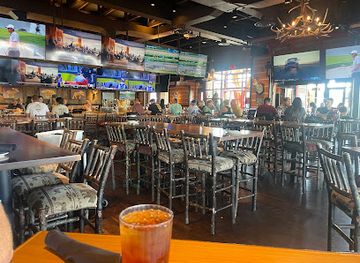

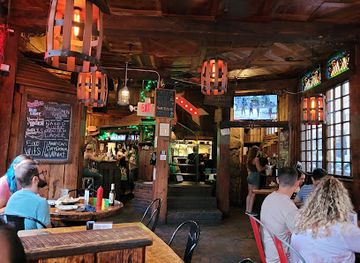
Best nightclubs in Sequatchie Valley
Evening life in Sequatchie Valley is generally low-key and community-based. Traditional pubs, casual restaurants and locally oriented gathering places provide the main options in towns such as Dunlap, Whitwell, Jasper and Pikeville, while live music and social events may appear at seasonal festivals or community venues. The valley does not have a concentrated nightclub district, and rural businesses may close earlier than visitors expect. Craft beverages and breweries are more prominent in nearby larger Tennessee cities than in the valley itself, although individual local establishments may offer beer, spirits or occasional entertainment. Visitors seeking clubs, theatre-scale programming or a wide choice of late-night bars typically travel to Chattanooga, outside the region. Designated driving is particularly important because distances are considerable and public transport is limited.
-
River
Tennessee River
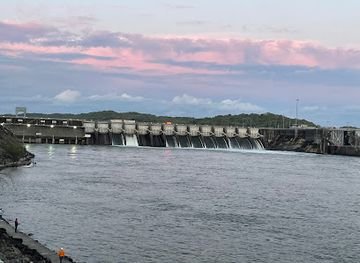
Explore the serene beauty and recreational adventures along the Tennessee River, a must-visit destination for every traveler in the South.
-
Karaoke bar
Sing It or Wing It
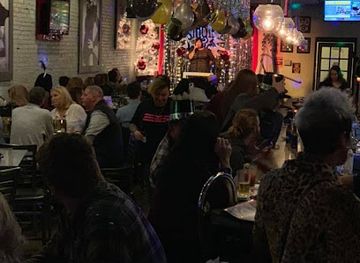
Discover the lively karaoke scene at Sing It or Wing It, where you can sing, dine, and enjoy a fun night out in Chattanooga.
-
Bar
Chattanooga Cigar & Hookah Lounge
Discover a vibrant atmosphere at Chattanooga Cigar & Hookah Lounge, where premium cigars and flavorful hookah meet relaxed socializing in the heart of the city.
-
Night club
Reagan's Retro Bar
Discover the lively nightlife at Reagan's Retro Bar in Chattanooga, where retro vibes meet modern fun in a vibrant night club atmosphere.


Best shops in Sequatchie Valley
Shopping in Sequatchie Valley is local and practical, with small-town main streets, independent stores, antique outlets, farm stands and seasonal markets providing more character than large retail complexes. Dunlap is a useful central stop for everyday supplies and local browsing, while Whitwell, Jasper and Pikeville reflect the different communities along the corridor. Visitors may find regional produce, jams, baked goods, handmade items, antiques, books and locally themed souvenirs, particularly during community events and farmers’ markets. Availability varies by season and individual business, so specialist shopping should not be left until late in the day. The valley is better suited to buying food products, crafts and small mementoes than designer goods or extensive fashion retail. For major shopping centres and a much wider selection of galleries, independent boutiques and speciality food shops, Chattanooga outside the southern edge of the region is the nearest major urban option.
-
Gift shop
Natural Affinity Soap Shoppe
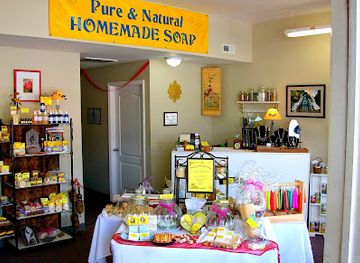
Explore Natural Affinity Soap Shoppe in Dunlap, TN - a treasure trove of handcrafted soaps and herbal remedies for a delightful shopping experience.
-
Gift shop
Local Depot
Explore Local Depot in Dunlap, TN - a charming gift shop and antique store filled with unique treasures and local flavor.
Get your free copy of our complete guide to Sequatchie Valley, delivered straight to you.
Everything on this page, from attractions and restaurants to essentials and local phrases, in one PDF you can read offline, print or share.
Already have an account? Sign in
Your Sequatchie Valley guide is ready.
We'll send it to · Not you? Sign out

Getting your guide ready…
We are putting together a fresh copy of the Sequatchie Valley guide. This can take up to a minute.
This can take a few moments. If your browser asks, choose Allow so the download can start. You'll find the guide in your Downloads folder.
Nothing happened? Download it again
Sorry, the guide is taking longer than usual. Please try again in a minute, or get it by email instead.
Sequatchie Valley essentials
Currency and Payment
Safety
Emergency Situations
Do's and Don'ts
Local Tips
From Eve
Local phrases worth knowing
You don't need to get them perfect. A few words go a long way, and locals appreciate the effort.
Basics
| English | Local | Say it |
|---|---|---|
| Hello | Howdy | [Hau-dee] |
| Goodbye | See ya | [See ya] |
| Yes | Yep | [Yep] |
| No | Nope | [Nope] |
| Please/You're welcome | Please/You bet | [Pleez/You bet] |
| Thank you | Thank ya | [Thang ya] |
| Excuse me/Sorry | Pardon me/Sorry | [Pardon me/Sor-ree] |
| How are you? | How ya doin'? | [How ya doin'?] |
| Fine. And you? | Good. And you? | [Good. An' you?] |
| Do you speak English? | Do ya speak English? | [Do ya speak English?] |
| I don't understand | I ain't got it | [I ain't got it] |
Eating & Drinking
| English | Local | Say it |
|---|---|---|
| I'd like to see the menu, please | Can I see the menu, please? | [Can I see the menu, pleez?] |
| I don't eat meat | I don't eat meat | [I don't eat meat] |
| Cheers! | Cheers! | [Cheers!] |
| I would like to pay, please | I wanna pay, please | [I wanna pay, pleez] |
Emergencies
| English | Local | Say it |
|---|---|---|
| Help! | Help! | [Help!] |
| Go away! | Get away! | [Get away!] |
| Call the Police! | Call the law! | [Call the law!] |
| Call a doctor! | Get a doctor! | [Get a doctor!] |
| I'm lost | I’m lost | [I’m lost] |
| I'm ill | I ain't feelin' good | [I ain't feelin' good] |
Shopping
| English | Local | Say it |
|---|---|---|
| I'd like to buy... | I wanna buy... | [I wanna buy...] |
| I'm just looking | Just lookin' | [Just lookin'] |
| How much is it? | How much is it? | [How much is it?] |
| That's too expensive | That's too high | [That's too high] |
| Can you lower the price? | Can ya lower the price? | [Can ya lower the price?] |
Time & Numbers
| English | Local | Say it |
|---|---|---|
| What time is it? | What time is it? | [What time is it?] |
| It's one o'clock | It's one o'clock | [It's one o'clock] |
| Half past (10) | Half past ten | [Half past ten] |
| Morning | Mornin' | [Mornin'] |
| Afternoon | Afternoon | [Afternoon] |
| Evening | Evenin' | [Evenin'] |
| Yesterday | Yesterday | [Yesterday] |
| Today | Today | [Today] |
| Tomorrow | Tomorrow | [Tomorrow] |
| 1 | One | [One] |
| 2 | Two | [Two] |
| 3 | Three | [Three] |
| 4 | Four | [Four] |
| 5 | Five | [Five] |
| 6 | Six | [Six] |
| 7 | Seven | [Seven] |
| 8 | Eight | [Eight] |
| 9 | Nine | [Nine] |
| 10 | Ten | [Ten] |
Transport & Directions
| English | Local | Say it |
|---|---|---|
| Where's a/the...? | Where's a/the...? | [Where's a/the...?] |
| What's the address? | What's the address? | [What's the address?] |
| Can you show me (on the map)? | Can ya show me on the map? | [Can ya show me on the map?] |
| When's the next (bus)? | When's the next bus? | [When's the next bus?] |
| A ticket (to ....) | A ticket to... | [A ticket to...] |
History of Sequatchie Valley
Indigenous Landscapes and Cherokee Connections
Before European-American settlement, Sequatchie Valley formed part of the wider homeland and travel landscape of Indigenous peoples, including Cherokee communities in the Tennessee region. The valley’s river, springs, fertile ground and natural route through the Cumberland Plateau made it useful for movement and settlement. Place names and archaeological evidence across the broader area reflect a much older human history than the nineteenth-century towns visible today. Visitors should understand the valley not as untouched wilderness, but as a cultural landscape shaped by successive communities and long-established relationships with its waterways, forests and ridges.
Settlement and the Formation of Valley Communities
Euro-American settlement expanded in the late eighteenth and nineteenth centuries as farms, mills, roads and small trading communities developed along the valley floor. Sequatchie Valley’s position between the Tennessee River and the Cumberland Plateau made it a practical north–south passage, while its soils supported livestock, crops and orchards. Dunlap became the principal community of Sequatchie County, and settlements such as Whitwell, Pikeville and Jasper developed distinct local roles. The resulting pattern of churches, cemeteries, crossroads and farms remains visible in the rural landscape.
Civil War and the Strategic Tennessee Corridor
During the American Civil War, East Tennessee’s roads, rivers, railways and mountain passes had strategic importance, and the Sequatchie Valley lay within a contested regional theatre. Armies and supply movements operated across the wider Cumberland Plateau and Tennessee River country, while nearby Chattanooga became one of the war’s decisive military centres. Although many of the best-known battlefields are outside the valley itself, the conflict affected local communities through military traffic, disrupted agriculture and divided loyalties. The valley’s geographical role as a natural corridor helps explain its significance during the period.
Coal Mining and Industrial Development
Coal mining transformed parts of Sequatchie Valley and the surrounding plateau during the nineteenth and twentieth centuries. Whitwell became particularly associated with mining, and coal supported rail connections, employment, commerce and the growth of local institutions. Mining also altered hillsides, streams and settlement patterns, leaving an industrial legacy alongside the region’s farms and forests. The mining story is preserved through local heritage interpretation and the Coal Miners Museum in Whitwell, where tools, photographs and community memories help explain an industry that shaped family life across the valley.
Roads, Railways and the Modern Valley
Improved roads and rail connections gradually linked Sequatchie Valley more closely with Chattanooga, Crossville, Knoxville and other Tennessee markets. These connections reduced the valley’s isolation while also changing the importance of older local routes and commercial centres. US 127 now provides the principal north–south road experience for visitors, and Tennessee’s secondary roads lead towards the plateau and river country. The modern valley remains a mixture of agriculture, small businesses, public services and commuting communities, with outdoor recreation adding a growing complement to older economic activities.
Conservation, Recreation and Regional Identity
In the modern era, attention has increasingly turned to the valley’s escarpments, forests, waterfalls, caves and waterways as recreational and conservation assets. Fall Creek Falls State Park, located on the Cumberland Plateau above the eastern side of the valley, became a major regional destination, while local scenic drives and heritage organisations have promoted the wider corridor. This shift has not erased the valley’s agricultural and industrial character. Instead, contemporary Sequatchie Valley is defined by the coexistence of working communities, historic memory and public interest in its distinctive landscapes.
Sequatchie Valley in Photos
Browse through our photo collection highlighting the charm and character of the destination.
Neighbouring regions of Sequatchie Valley
The closest regions to Sequatchie Valley, if you have time for more than one.
-

-

-

-

-


Swipe for more regions
Explore more

Explore more of Tennessee
Discover Tennessee: A melting pot of music, history, and natural beauty, offering visitors an authentic taste of Southern hospitality and unforgettable experiences.
Explore Tennessee