

Free Chattanooga Valley Travel Guide & Mobile App
Explore Chattanooga Valley with free travel guides. Discover regional history, expert tips, proposed trips, and audio guides on web or mobile app.





Explore Chattanooga Valley in northwest Georgia for Civil War heritage, wooded ridges, open countryside and easy access to Chattanooga.
Read more about Chattanooga Valley
Getting to and around Chattanooga Valley
How to get there
Transportation
Top city travel guides in Chattanooga Valley
The cities of Chattanooga Valley, and the easiest places to base yourself.

Swipe for more cities
Destinations in Chattanooga Valley
Resorts, valleys and scenic spots worth a trip of their own.
-

-

-

-

-


Swipe for more destinations
Best attractions in Chattanooga Valley
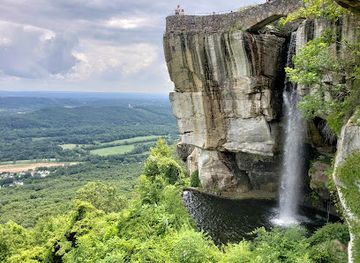
Chattanooga Valley's principal attractions are historical landscapes rather than a concentrated urban sightseeing district. Chickamauga Battlefield, the Georgia section of Chickamauga and Chattanooga National Military Park, is the central experience: visitors can follow a marked driving route, examine monuments and artillery positions, and walk through fields and woods that retain much of the terrain important to the September 1863 battle. The nearby Chickamauga Battlefield Visitor Center provides orientation and interpretation. Fort Oglethorpe adds military context through the 6th Cavalry Museum and surviving associations with the former Army post. Small communities such as Chickamauga and Fort Oglethorpe provide a useful counterpoint to the open battlefield setting. The valley also serves as a practical base for nearby outdoor excursions on Lookout Mountain, although major mountain attractions such as Rock City and Ruby Falls lie outside the valley proper. Chattanooga's museums, riverfront and arts venues are likewise nearby in Tennessee rather than within this Georgia valley. Visitors interested in nature can combine heritage visits with walks on wooded ridges and local green spaces, while families may find recreational attractions around the wider Chattanooga area more substantial than those in the valley itself.
-
Botanical garden
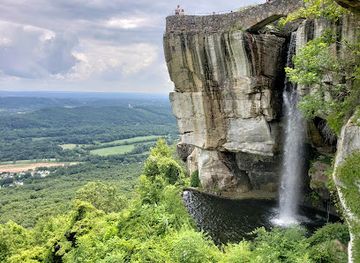
Rock City Gardens
Discover the enchanting beauty of Rock City Gardens, a botanical paradise on Lookout Mountain with stunning views and unique rock formations.
-
Aquarium
Tennessee Aquarium
Explore the vibrant ecosystems at the Tennessee Aquarium, where over 12,000 animals await your discovery in a stunning riverfront setting.
-
Tourist attraction
Ruby Falls
Experience the enchanting beauty of Ruby Falls, a stunning underground waterfall in Chattanooga, Tennessee, surrounded by nature and history.
-
Rail museum
Tennessee Valley Railroad Museum
Explore the captivating history of rail travel at the Tennessee Valley Railroad Museum, where vintage trains and scenic rides await.
Best landmarks in Chattanooga Valley
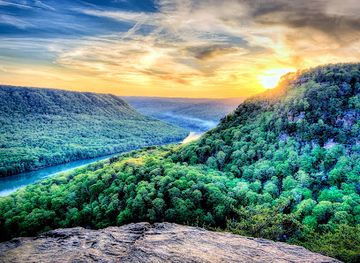
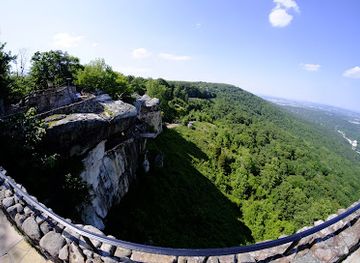
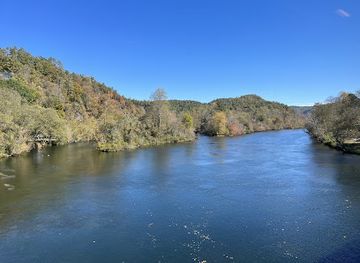
Chickamauga Battlefield is Chattanooga Valley's defining landmark, not because of a single building but because its preserved fields, forests, roads and monuments form an unusually legible Civil War landscape. The Chickamauga Battlefield Visitor Center and the substantial collection of memorials along the park roads help explain the scale of the 1863 fighting and the role of the terrain. In the nearby town of Chickamauga, the Gordon-Lee Mansion is a prominent nineteenth-century building associated with the area's Civil War history and later civic life. Fort Oglethorpe's remaining military-era buildings and institutional landscape provide a different kind of landmark, recording the valley's transformation from battlefield to Army post and later community. Lookout Mountain is the major natural landmark adjoining the valley, its wooded escarpment creating the western wall of the corridor and offering long views; however, its best-known visitor sites are outside Chattanooga Valley and should be described as nearby mountain attractions. Missionary Ridge, also outside the valley's central floor, helps complete the geographical setting of the Chattanooga campaigns.
-
Botanical garden
Rock City Gardens
Discover the breathtaking beauty of Rock City Gardens, a scenic botanical paradise on Lookout Mountain offering stunning views, vibrant gardens, and family-friendly activities.
-
Aquarium
Tennessee Aquarium
Explore the stunning Tennessee Aquarium in Chattanooga, a world-class attraction showcasing the beauty and diversity of aquatic life in immersive exhibits.
-
Rail museum
Tennessee Valley Railroad Museum
Explore the Tennessee Valley Railroad Museum: A Journey Through Rail History in Chattanooga, Tennessee, Offering Scenic Rides and Vintage Trains.
-
Tourist attraction
Lookout Mountain Incline Railway
Discover the breathtaking views and rich history of the Lookout Mountain Incline Railway in Chattanooga, a scenic journey you won't want to miss.


Explore Chattanooga Valley on the map
Plan your trip on one map. See where the top cities, national parks and sights are, and book hotels and experiences in a few clicks.
Best hotels in Chattanooga Valley
Best restaurants in Chattanooga Valley
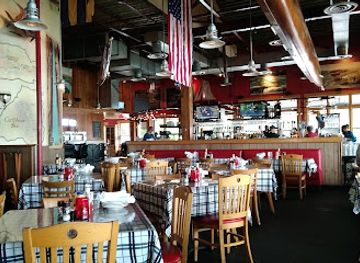
Dining in Chattanooga Valley is informal and dispersed, with locally oriented cafés, family restaurants, diners, barbecue establishments and traditional Southern cooking found around Fort Oglethorpe, Chickamauga and the roads leading towards Chattanooga. Menus commonly draw on the broader food culture of the American South: smoked meats, fried chicken, biscuits, cornbread, beans, greens and seasonal produce are more representative than a narrowly defined valley cuisine. Visitors may also encounter peach products, pecans and other Georgia specialities, although these belong to wider state and regional traditions rather than exclusively to Chattanooga Valley. For farmers' markets, international food, craft beverages and a larger choice of contemporary restaurants, Chattanooga is the nearest substantial dining centre outside the valley. Military park visits are best planned with food and water in advance, since cafés and shops are not evenly distributed around the battlefield. Tipping for table service follows United States practice, and displayed menu prices generally exclude sales tax.
-
Seafood
Boathouse Rotisserie & Raw Bar
Discover fresh seafood and American cuisine at Boathouse Rotisserie & Raw Bar in Chattanooga—where flavor meets riverside charm.
-
Barbecue
Sticky Fingers Rib House
Experience authentic Southern BBQ at Sticky Fingers Rib House in Chattanooga - where every bite tells a delicious story.
-
American
Cracker Barrel Old Country Store
Experience authentic Southern cuisine and charming hospitality at Cracker Barrel Old Country Store in Chattanooga.
-
American
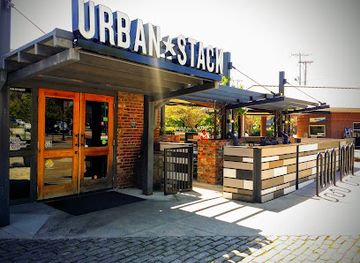
Urban Stack
Discover Urban Stack in Chattanooga: A delightful American restaurant known for gourmet burgers and an inviting bar atmosphere.


Best bars in Chattanooga Valley
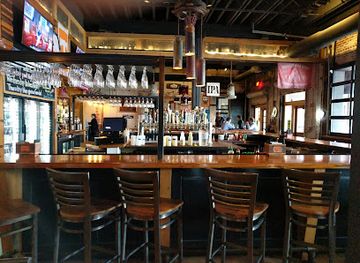
Evening life in Chattanooga Valley is modest and community-oriented, centred on neighbourhood bars, casual restaurants, family venues and occasional live music rather than a large nightclub district. Fort Oglethorpe and nearby Georgia communities offer practical places for a relaxed meal or drink, but opening arrangements and entertainment schedules can change, so visitors should check locally. Chattanooga, outside the valley in Tennessee, has the area's broadest choice of breweries, cocktail bars, music venues and late-evening entertainment, making it the most convenient destination for a fuller night out. Around the battlefield and in smaller rural communities, evenings are generally quiet, with early starts more suitable for visitors planning extensive walking or driving tours. Breweries and Southern-style pubs reflect the wider regional scene, while alcohol laws and service arrangements can differ between Georgia and Tennessee; visitors should carry acceptable identification and avoid driving after drinking.
-
American
Feed Table and Tavern
Experience the flavors of Southern cuisine at Feed Table and Tavern, a lively American restaurant in Chattanooga with live music and craft cocktails.
-
Restaurant
STIR
Experience the vibrant flavors of STIR in Chattanooga with fresh oysters, creative brunches, and innovative cocktails in a stylish setting.
-
Seafood
1885 Grill
Experience the best of Southern hospitality and fresh seafood at 1885 Grill in Chattanooga, TN – a culinary gem for every traveler.
-
Bar
HiFi Clyde's Chattanooga
Experience the lively atmosphere of HiFi Clyde's Chattanooga, a bar and American restaurant offering delicious food, craft drinks, and live entertainment.

Best nightclubs in Chattanooga Valley
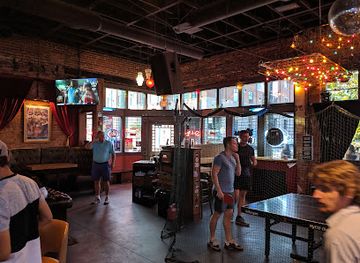
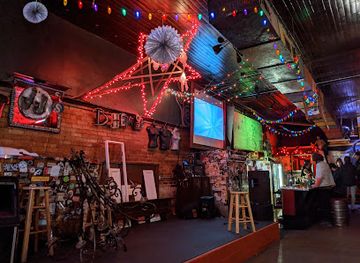
Evening life in Chattanooga Valley is modest and community-oriented, centred on neighbourhood bars, casual restaurants, family venues and occasional live music rather than a large nightclub district. Fort Oglethorpe and nearby Georgia communities offer practical places for a relaxed meal or drink, but opening arrangements and entertainment schedules can change, so visitors should check locally. Chattanooga, outside the valley in Tennessee, has the area's broadest choice of breweries, cocktail bars, music venues and late-evening entertainment, making it the most convenient destination for a fuller night out. Around the battlefield and in smaller rural communities, evenings are generally quiet, with early starts more suitable for visitors planning extensive walking or driving tours. Breweries and Southern-style pubs reflect the wider regional scene, while alcohol laws and service arrangements can differ between Georgia and Tennessee; visitors should carry acceptable identification and avoid driving after drinking.
-
Karaoke bar
Sing It or Wing It
Discover the vibrant nightlife of Chattanooga at Sing It or Wing It, where karaoke meets delicious dining in a fun and lively atmosphere.
-
Disco club
Alan Gold's Discotheque
Discover the pulsating energy of Alan Gold's Discotheque, Chattanooga's premier destination for dance, drinks, and unforgettable nightlife experiences.
-
Live music bar
JJ's Bohemia
Discover the heart of Chattanooga's nightlife at JJ's Bohemia, where live music and local charm create an unforgettable experience.
-
Bar
NO HARD FEELINGS BAR
Discover Chattanooga's vibrant nightlife at No Hard Feelings Bar, where great drinks and an energetic atmosphere await.



Best shops in Chattanooga Valley
Shopping in Chattanooga Valley is oriented towards practical local retail, antiques, small independent businesses, seasonal produce and souvenirs connected with the Civil War parks rather than extensive destination shopping. Chickamauga and Fort Oglethorpe offer the most useful local clusters, while battlefield visitor facilities are the natural places to look for books, maps and historical material relating to the campaigns. Georgia foods such as pecans, preserves and peach-based products may appear in farm shops or seasonal markets, although availability varies. For a broader selection of galleries, specialist food shops, independent boutiques, books and contemporary crafts, Chattanooga is the nearest major shopping centre outside the valley. Visitors seeking authentic historical purchases should favour museum shops and reputable local retailers over unverified battlefield objects; removing artefacts from protected land is prohibited. Antique shops and flea-market style retail can be found in the wider border area, but businesses and market schedules change, so current local checking is sensible.
-
Shopping mall
Hamilton Place
Discover Hamilton Place, Chattanooga's premier shopping destination with over 150 stores, dining options, and entertainment for the whole family.
-
Department store
Walmart Supercenter
Discover the convenience of Walmart Supercenter in Chattanooga, your go-to destination for groceries, clothing, and more at unbeatable prices.
-
Shopping mall
Hamilton Village
Discover the charm of Hamilton Village, a vibrant shopping mall in Chattanooga, Tennessee, offering unique boutiques and your favorite retail brands.
-
Shopping mall
Northgate Mall
Discover Northgate Mall, a bustling shopping haven in Chattanooga, featuring a wide array of stores, dining options, and family-friendly entertainment.



Get your free copy of our complete guide to Chattanooga Valley, delivered straight to you.
Everything on this page, from attractions and restaurants to essentials and local phrases, in one PDF you can read offline, print or share.
Already have an account? Sign in
Your Chattanooga Valley guide is ready.
We'll send it to · Not you? Sign out

Getting your guide ready…
We are putting together a fresh copy of the Chattanooga Valley guide. This can take up to a minute.
This can take a few moments. If your browser asks, choose Allow so the download can start. You'll find the guide in your Downloads folder.
Nothing happened? Download it again
Sorry, the guide is taking longer than usual. Please try again in a minute, or get it by email instead.
Chattanooga Valley essentials
Currency and Payment
Safety
Emergency Situations
Do's and Don'ts
Local Tips
From Eve
Local phrases worth knowing
You don't need to get them perfect. A few words go a long way, and locals appreciate the effort.
Basics
| English | Local | Say it |
|---|---|---|
| Hello | Howdy | [Haudi] |
| Goodbye | See ya later | [See ya layter] |
| Yes | Yup | [Yup] |
| No | Nah | [Nah] |
| Please/You're welcome | Please/You're welcome | [Please/You're welcome] |
| Thank you | Thanks a lot | [Thangs a lot] |
| Excuse me/Sorry | Pardon me/Sorry | [Pardon me/Sorry] |
| How are you? | How ya doin'? | [How ya doin'?] |
| Fine. And you? | I’m good. How 'bout you? | [I’m good. How 'bout you?] |
| Do you speak English? | Can ya speak English? | [Can ya speak English?] |
| I don't understand | I don’t get it | [I don’t get it] |
Eating & Drinking
| English | Local | Say it |
|---|---|---|
| I'd like to see the menu, please | Can I see the menu, please? | [Can I see the menu, please?] |
| I don't eat meat | I’m vegetarian | [I’m vegetarian] |
| Cheers! | Cheers! | [Cheers!] |
| I would like to pay, please | Can I get the check, please? | [Can I get the check, please?] |
Emergencies
| English | Local | Say it |
|---|---|---|
| Help! | Help! | [Help!] |
| Go away! | Leave me alone! | [Leave me alone!] |
| Call the Police! | Call the cops! | [Call the cops!] |
| Call a doctor! | Get a doctor! | [Get a doctor!] |
| I'm lost | I’m turned around | [I’m turned around] |
| I'm ill | I’m not feelin' well | [I’m not feelin' well] |
Shopping
| English | Local | Say it |
|---|---|---|
| I'd like to buy... | I wanna buy... | [I wanna buy...] |
| I'm just looking | Just browsin' | [Just browsin'] |
| How much is it? | How much is this? | [How much is this?] |
| That's too expensive | That's way too high | [That's way too high] |
| Can you lower the price? | Can ya bring down the price? | [Can ya bring down the price?] |
Time & Numbers
| English | Local | Say it |
|---|---|---|
| What time is it? | What time is it? | [What time is it?] |
| It's one o'clock | It’s one o’clock | [It’s one o’clock] |
| Half past (10) | Half past ten | [Half past ten] |
| Morning | Mornin' | [Mornin'] |
| Afternoon | Afternoon | [Afternoon] |
| Evening | Evenin' | [Evenin'] |
| Yesterday | Yestiddy | [Yestiddy] |
| Today | Today | [Today] |
| Tomorrow | Tomorra | [Tomorra] |
| 1 | One | [One] |
| 2 | Two | [Two] |
| 3 | Three | [Three] |
| 4 | Four | [Four] |
| 5 | Five | [Five] |
| 6 | Six | [Six] |
| 7 | Seven | [Seven] |
| 8 | Eight | [Eight] |
| 9 | Nine | [Nine] |
| 10 | Ten | [Ten] |
Transport & Directions
| English | Local | Say it |
|---|---|---|
| Where's a/the...? | Where's a...? | [Where's a...?] |
| What's the address? | What’s the address? | [What’s the address?] |
| Can you show me (on the map)? | Can ya show me on the map? | [Can ya show me on the map?] |
| When's the next (bus)? | When’s the next bus? | [When’s the next bus?] |
| A ticket (to ....) | A ticket to... | [A ticket to...] |
History of Chattanooga Valley
Indigenous Landscapes and the Great Indian Warpath
Long before the modern state boundary, the Chattanooga area formed part of a strategic corridor used by Indigenous peoples moving through the Tennessee River valley and adjoining mountain passes. The route later described by European Americans as the Great Indian Warpath connected communities and trading networks across the Southeast. The valley's position between Lookout Mountain, Missionary Ridge and the Tennessee River made it a natural passageway, although surviving archaeological evidence and written records represent only part of the area's earlier history. This geography continued to influence settlement, military planning and transport long after Indigenous control was displaced.
Early European-American Settlement
European-American settlement expanded around the Chattanooga area during the late eighteenth and early nineteenth centuries, following the establishment of the United States presence in the region and the forced removal of the Cherokee. Roads and farms developed across the valley, linking communities in what became southeast Tennessee and northwest Georgia. The area's position near Lookout Mountain and the routes towards the Chickamauga Creek corridor gave it practical importance for agriculture and movement. Modern place names and surviving roads reflect layers of Indigenous, early settler and later military history, though much of the original settlement pattern has been transformed.
Railways, Industry and Fort Oglethorpe
The arrival and expansion of rail transport in the nineteenth century strengthened the valley's links with Chattanooga and other Southern markets. Agriculture remained important, while nearby transport corridors supported commercial growth and later military use. Fort Oglethorpe developed as a military post in the late nineteenth century and became an important United States Army presence near the battlefield. The post was later associated with First World War mobilisation and training before its closure in the twentieth century. Its legacy survives in local museums, street patterns and historic buildings around the Georgia side of the valley.
The 1863 Campaign for Chattanooga
The valley became central to the struggle for control of Chattanooga during the American Civil War. In September 1863, Confederate and Union forces fought the Battle of Chickamauga across fields and woods south of the city. The Confederate victory forced Union troops back towards Chattanooga, but the subsequent Chattanooga campaign reversed the strategic situation. Battles on Lookout Mountain and Missionary Ridge in November opened the route for Union operations into the Deep South. Today, Chickamauga Battlefield and associated sites preserve roads, ridges, artillery positions and monuments that reveal how topography shaped the campaign.
Chickamauga and Chattanooga National Military Park
Established in 1890, Chickamauga and Chattanooga National Military Park was one of the earliest major national military parks in the United States. Its creation reflected a nineteenth-century movement to preserve Civil War battlefields and interpret them through monuments, roads and guided historical study. The park includes Chickamauga Battlefield in Georgia and several associated sites in and around Chattanooga, Tennessee; these are not all within Chattanooga Valley. The preserved landscape has made the valley an important destination for military history, public memory and the study of how battlefield commemoration changed over time.
Twentieth-Century Suburban and Recreational Change
During the twentieth century, improved roads and the growth of Chattanooga transformed the valley from a mainly rural corridor into a mixture of residential communities, small businesses, farmland and heritage sites. Tourism on Lookout Mountain and around the Civil War parks added a recreational dimension, while the decline of older military and agricultural patterns altered the local economy. The valley now functions partly as a cross-border commuter and visitor landscape: northwest Georgia communities retain their own identities, while Chattanooga supplies many of the region's larger cultural, hospitality and transport services.
Chattanooga Valley in Photos
Browse through our photo collection highlighting the charm and character of the destination.
Neighbouring regions of Chattanooga Valley
The closest regions to Chattanooga Valley, if you have time for more than one.
-

-

-

-

-


Swipe for more regions
Explore more

Explore more of Tennessee
Discover Tennessee: A melting pot of music, history, and natural beauty, offering visitors an authentic taste of Southern hospitality and unforgettable experiences.
Explore Tennessee