

Free Irving Travel Guide & Mobile App
Plan your Irving trip with Evendo. Get free guides to top attractions, restaurants, hotels, and bars. Web access or download the mobile app.




Irving, Texas combines Las Colinas canals, historic museums, live entertainment, international dining and North Texas attractions near DFW Airport.
A City Between Dallas and Fort Worth
Irving occupies a strategic position in the Dallas–Fort Worth metropolitan area, close to Dallas Fort Worth International Airport and within easy reach of both major city centres. Its landscape shifts noticeably from the established streets and civic buildings of downtown Irving to the office towers, canals and landscaped promenades of Las Colinas. This contrast gives the city an identity of its own: part historic North Texas settlement, part carefully planned business and entertainment district.Read more about Irving
From Heritage District to Las Colinas
Museums, Arts and Local Life
When is the best time to visit Irving?
Best: March–April, October · 22–26°C| Month | High (°C) | Rainfall (mm) |
|---|---|---|
| January | 16 | 45 |
| February | 18 | 50 |
| March (best) | 22 | 60 |
| April (best) | 26 | 75 |
| May | 31 | 95 |
| June | 34 | 55 |
| July | 36 | 35 |
| August | 36 | 40 |
| September | 33 | 75 |
| October (best) | 26 | 80 |
| November | 20 | 70 |
| December | 15 | 60 |
Getting to and around Irving
How to get there
Transportation
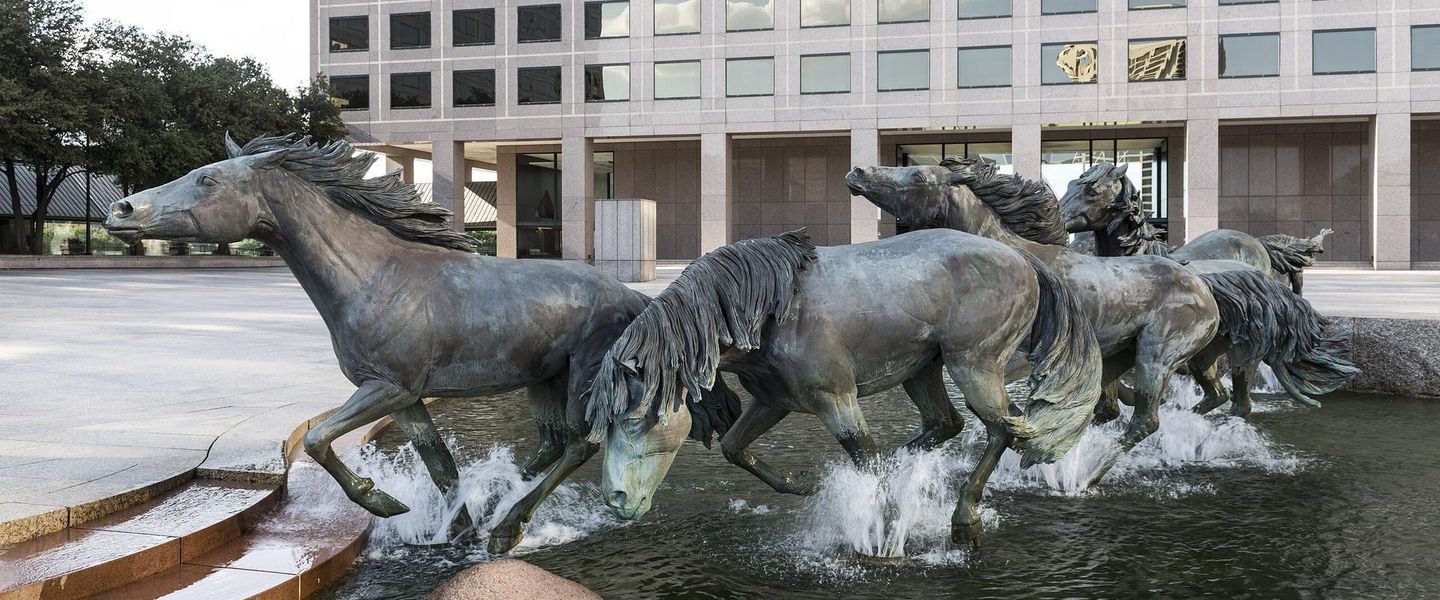
Best attractions in Irving
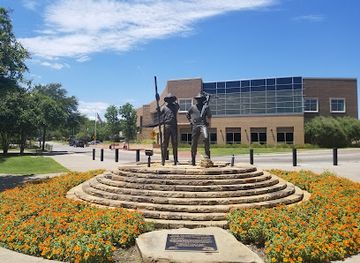
Irving’s attractions range from the landscaped waterways of Las Colinas to museums and performance spaces rooted in local and national history. At Williams Square, the bronze Mustangs of Las Colinas appear to gallop across a fountain plaza, while the nearby Mandalay Canal provides bridges, promenades and waterside architecture for a slower exploration. The Toyota Music Factory combines concerts, comedy and dining in a major entertainment complex. The Irving Arts Center presents exhibitions, theatre and community arts programming, and the National Scouting Museum traces the history and objects of the Scouting movement. At the Ruth Paine House Museum, guided interpretation examines the modest Irving home’s connection to the events surrounding President John F. Kennedy’s assassination. The Heritage District offers a different atmosphere, with older civic buildings, local businesses and streets that reveal the city’s pre-Las Colinas identity.
-
Tourist attraction
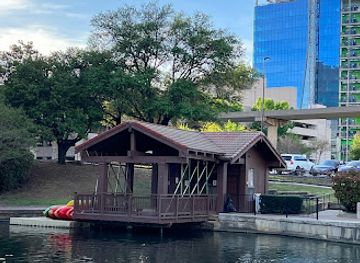
Mandalay Canal Walk at Las Colinas
Discover the scenic Mandalay Canal Walk at Las Colinas, a picturesque destination in Irving, Texas, perfect for leisurely strolls, dining, and shopping.
18 min drive · 6.0 km from city centre
-
Tourist attraction
Victoria Park
Experience the beauty and tranquility of Victoria Park in Irving, Texas—a perfect urban escape for families and nature lovers alike.
18 min drive · 5.9 km from city centre
-
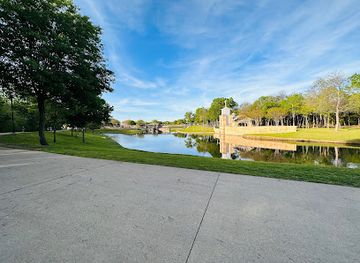
City park
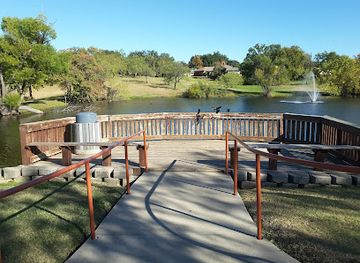
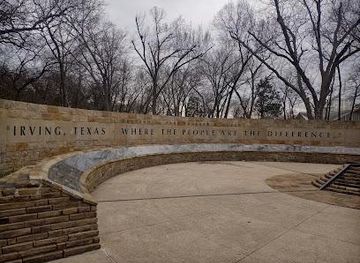
Centennial Park
Explore the lush landscapes and vibrant atmosphere of Centennial Park, a serene urban oasis in Irving, Texas, perfect for relaxation and recreation.
4 min walk · 0.3 km from city centre
-
City park
Centennial Park
Explore the lush landscapes and tranquil waters of Centennial Park, a must-visit urban oasis in Irving, Texas, perfect for relaxation and recreation.
4 min walk · 0.3 km from city centre
Best landmarks in Irving
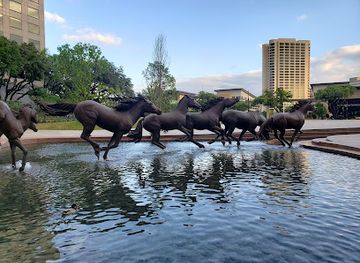
The Mustangs of Las Colinas are Irving’s most recognisable public landmark: a monumental bronze herd designed by Robert Glen to evoke the movement of wild horses across the Texas landscape. Their setting at Williams Square forms part of the visual identity of the planned Las Colinas district, whose Mandalay Canal is another defining feature, with waterways, bridges and Mediterranean-influenced buildings arranged as an urban landscape. The Irving Arts Center represents the city’s civic commitment to visual and performing arts, while the Old Irving Heritage District preserves the architectural and municipal character of the earlier town. The Ruth Paine House Museum is significant less for monumental design than for its place in modern American history and its careful preservation of a mid-century suburban home. Together, these sites express Irving’s evolution from prairie settlement to regional business centre.
-
Shopping mall
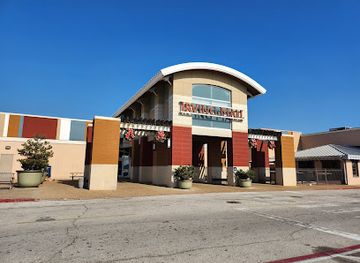
Irving Mall
Explore Irving Mall in Texas for an unmatched shopping experience with diverse stores, delicious dining options, and family-friendly entertainment.
16 min drive · 5.2 km from city centre
-
Nissan dealer
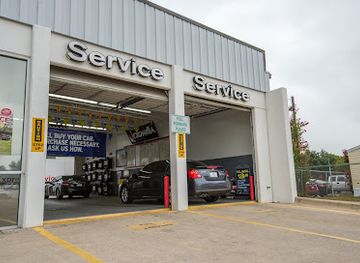
Clay Cooley Nissan Irving
Discover the premier Nissan dealership in Irving, Texas, where exceptional service meets a vast selection of vehicles, ensuring a memorable automotive experience.
8 min drive · 2.8 km from city centre
-
Tourist attraction
Mandalay Canal Walk at Las Colinas
Discover the serene beauty and vibrant atmosphere of Mandalay Canal Walk, a stunning gem in Irving, Texas, perfect for leisurely strolls and memorable experiences.
18 min drive · 6.0 km from city centre
-
City park
Centennial Park
Discover tranquility and recreation at Centennial Park, Irving's urban oasis featuring scenic trails, playgrounds, and beautiful fountains.
4 min walk · 0.3 km from city centre
Explore Irving on the map
Plan your Irving trip on one map. See where the top attractions, landmarks, restaurants, bars and hotels are, find what's near where you're staying, and book hotels and experiences in a few clicks.
Neighbourhoods in Irving

Swipe for more neighbourhoods
Best hotels in Irving
Best restaurants in Irving
Irving’s dining scene reflects both North Texas traditions and the international population drawn to its airport, corporate districts and neighbourhoods. Texas-style barbecue and Tex-Mex remain essential regional reference points, while Mexican restaurants, taquerias and bakeries add depth beyond familiar tourist menus. Around Las Colinas, Valley Ranch and the MacArthur corridor, visitors will find a broad selection of South Asian, Vietnamese, Korean, Middle Eastern and other international cooking, as well as contemporary American restaurants and cafés. The city’s food culture is generally neighbourhood-based rather than concentrated in one historic market quarter, so a car or rideshare can be useful when exploring different areas. Hotel and business districts provide additional dining choices, while the Toyota Music Factory combines restaurants and casual food options with evening entertainment. Local dining ranges from quick counter service to polished meals in waterside or corporate settings.
-
Brazilian
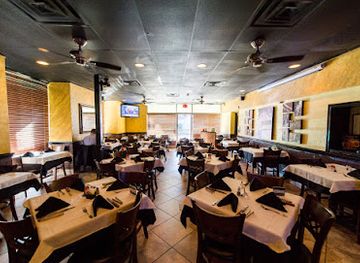
Vila Brazil - Irving
Savor the vibrant tastes of Brazil at Vila Brazil - Irving, where exceptional cuisine meets warm hospitality in every dish.
11 min drive · 3.7 km from city centre
-
Fine Dining
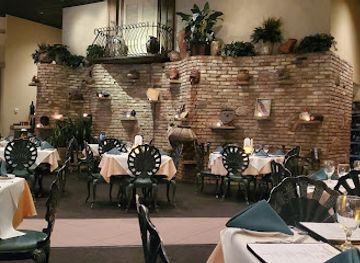
Via Real Restaurant
Experience exquisite Latin American cuisine in an elegant setting at Via Real Restaurant in Irving, Texas.
16 min drive · 5.3 km from city centre
-
Italian
Angelo's Spaghetti & Pizza House - Irving
Experience authentic Italian cuisine at Angelo's Spaghetti & Pizza House in Irving - where every meal feels like a trip to Italy.
5 min drive · 1.6 km from city centre
-
Breakfast
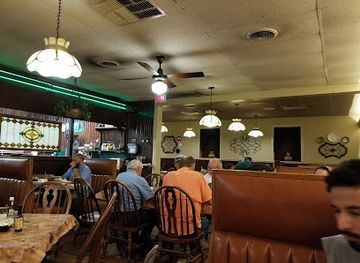
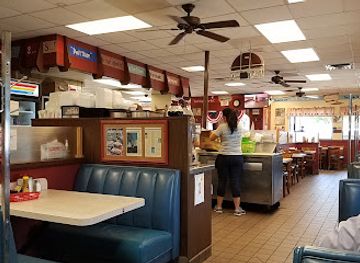
Mama's Daughters' Diner
Experience delightful breakfasts at Mama's Daughters' Diner in Irving, Texas - where comfort food meets warm hospitality.
9 min drive · 3.1 km from city centre
Best bars in Irving
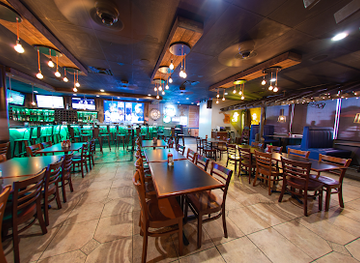
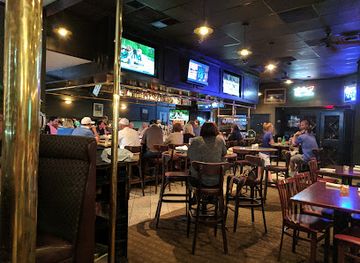
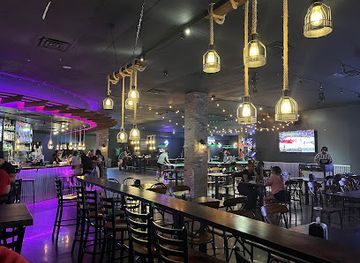
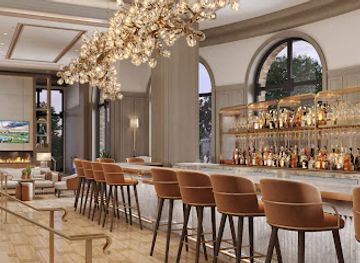
Irving’s evening life is centred more on live entertainment, restaurants and social venues than on a dense nightclub strip. The Toyota Music Factory is the city’s principal after-dark anchor, hosting concerts, comedy and other performances alongside bars and dining spaces. In Las Colinas, the Mandalay Canal and nearby commercial areas create a more relaxed setting for drinks and evening meals, with activity varying according to events and the business calendar. Hotel bars around the airport and Las Colinas serve visitors and corporate travellers, while the Heritage District offers a more local, low-key atmosphere. Large concerts and sporting events in the wider Dallas–Fort Worth area can substantially change traffic and demand. Visitors should check individual venue arrangements in advance, particularly for age restrictions, ticketed performances and transport after late events.
-
Restaurant
Peak Restaurant & Bar
Experience the vibrant flavors of South Asia at Peak Restaurant & Bar in Irving, Texas, where culinary tradition meets a lively sports bar ambiance.
15 min drive · 5.0 km from city centre
-
Restaurant
The Spirit Grille
Experience the ultimate sports bar atmosphere at The Spirit Grille, where great food and sports come together in Irving, Texas.
16 min drive · 5.3 km from city centre
-
Sports bar
Hangout Restaurant & Sports Club
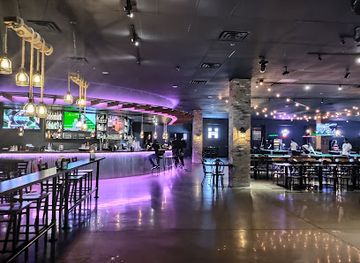
Discover the excitement of Hangout Restaurant & Sports Club, where delicious food, live music, and sports come together in a vibrant atmosphere.
15 min drive · 5.1 km from city centre
-
Cocktail bar
OUTLAW Taproom
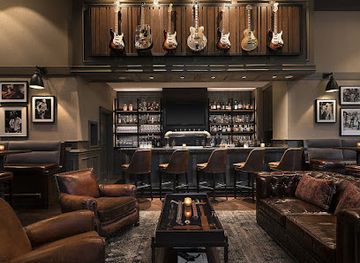
Discover OUTLAW Taproom: the ultimate cocktail bar in Las Colinas, blending craft cocktails, American cuisine, and a vibrant atmosphere for an unforgettable experience.
16 min drive · 5.5 km from city centre
Best nightclubs in Irving
Irving’s evening life is centred more on live entertainment, restaurants and social venues than on a dense nightclub strip. The Toyota Music Factory is the city’s principal after-dark anchor, hosting concerts, comedy and other performances alongside bars and dining spaces. In Las Colinas, the Mandalay Canal and nearby commercial areas create a more relaxed setting for drinks and evening meals, with activity varying according to events and the business calendar. Hotel bars around the airport and Las Colinas serve visitors and corporate travellers, while the Heritage District offers a more local, low-key atmosphere. Large concerts and sporting events in the wider Dallas–Fort Worth area can substantially change traffic and demand. Visitors should check individual venue arrangements in advance, particularly for age restrictions, ticketed performances and transport after late events.
-
Sports bar
Hangout Restaurant & Sports Club
Experience the excitement of sports, live music, and delicious dining at Hangout Restaurant & Sports Club in Irving, TX.
15 min drive · 5.1 km from city centre
-
Night club
Southern Junction Texas
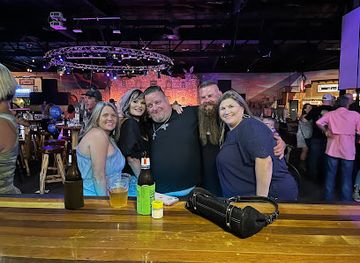
Experience the vibrant nightlife at Southern Junction Texas, a premier venue for live music, dancing, and delicious dining in Irving, Texas.
18 min walk · 1.5 km from city centre
-
Cocktail bar
OUTLAW Taproom
Discover OUTLAW Taproom, a lively cocktail bar in Irving, TX, offering creative drinks and delicious American cuisine in a vibrant atmosphere.
16 min drive · 5.5 km from city centre
-
Bar
Bar Juniper
Discover Bar Juniper in Las Colinas, TX—where exquisite cocktails meet gourmet cuisine in a chic, sophisticated setting.
17 min drive · 5.5 km from city centre
Best shops in Irving
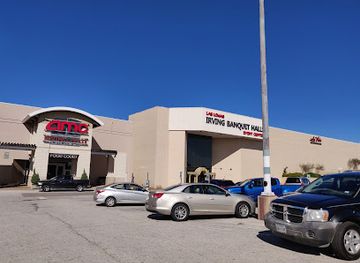
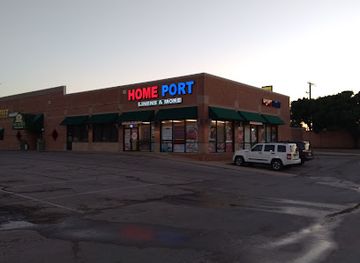
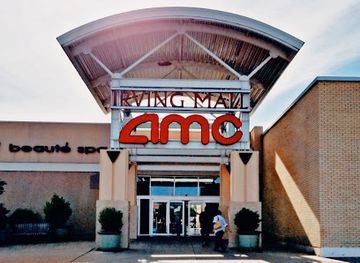
Shopping in Irving is distributed among suburban centres, entertainment districts and neighbourhood retail corridors rather than concentrated in one traditional bazaar. Las Colinas offers shops and lifestyle businesses around its offices, residences, canals and entertainment venues, while Irving Mall provides a conventional indoor shopping environment with chain retailers and services. MacArthur Boulevard and Valley Ranch contain further everyday retail, restaurants and specialist businesses. The city’s international communities are reflected in South Asian, Middle Eastern, East Asian and Latin American food shops, bakeries and small retailers, where visitors may find spices, sweets, prepared foods and imported ingredients. For keepsakes, locally themed gifts connected with Texas, the Mustangs or the wider Dallas–Fort Worth region are more typical than a single signature Irving handicraft. Shopping is easiest by car, since the city’s retail areas are widely separated.
-
Shopping mall
Irving Mall
Explore Irving Mall, a vibrant shopping destination in Texas with diverse stores, delicious dining, and a lively atmosphere perfect for tourists.
16 min drive · 5.2 km from city centre
-
Shopping mall
Irving Market Center
Discover a vibrant shopping experience at Irving Market Center in Texas, featuring diverse stores, delicious dining, and lively events.
17 min drive · 5.8 km from city centre
-
Shopping mall
Irving Towne Center
Discover Irving Towne Center, a vibrant shopping mall in Texas offering diverse retail, dining, and entertainment options for every visitor.
15 min drive · 4.9 km from city centre
-
Department store
Dillard's Clearance Center
Discover incredible deals on fashion, home goods, and more at Dillard's Clearance Center in Irving, Texas, the ultimate shopping destination for savvy shoppers.
16 min drive · 5.5 km from city centre
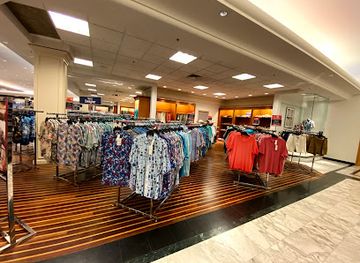
Get your free copy of our complete guide to Irving, delivered straight to you.
Everything on this page, from attractions and restaurants to essentials and local phrases, in one PDF you can read offline, print or share.
Already have an account? Sign in
Your Irving guide is ready.
We'll send it to · Not you? Sign out

Getting your guide ready…
We are putting together a fresh copy of the Irving guide. This can take up to a minute.
This can take a few moments. If your browser asks, choose Allow so the download can start. You'll find the guide in your Downloads folder.
Nothing happened? Download it again
Sorry, the guide is taking longer than usual. Please try again in a minute, or get it by email instead.
Irving essentials
Currency and Payment
Safety
Emergency Situations
Do's and Don'ts
Local Tips
From Eve
Local phrases worth knowing
You don't need to get them perfect. A few words go a long way, and locals appreciate the effort.
Basics
| English | Local | Say it |
|---|---|---|
| Hello | Howdy | [haw-dee] |
| Goodbye | See ya later | [see yuh lay-ter] |
| Yes | Yup | [yuhp] |
| No | Nah | [nuh] |
| Please/You're welcome | Please/No problem | [pleez/no prob-lem] |
| Thank you | Thanks | [thanks] |
| Excuse me/Sorry | Excuse me/My bad | [ex-kyooz mee/my bad] |
| How are you? | How y'all doin'? | [how y'all doin'] |
| Fine. And you? | Fine. And you? | [fine. and yuh?] |
| Do you speak English? | Y'all speak English? | [y'all speak ing-glish?] |
| I don't understand | I don't get it | [I don't get it] |
Eating & Drinking
| English | Local | Say it |
|---|---|---|
| I'd like to see the menu, please | Can I check out the menu? | [can eye chek out the menu?] |
| I don't eat meat | I don't eat meat | [I don't eat meat] |
| Cheers! | Cheers! | [cheers!] |
| I would like to pay, please | I'd like to settle up, please | [I'd like to set-tle up, please] |
Emergencies
| English | Local | Say it |
|---|---|---|
| Help! | Help! | [help!] |
| Go away! | Get outta here! | [get out-ta here!] |
| Call the Police! | Call the 5-0! | [call the 5-0!] |
| Call a doctor! | Call a doc! | [call a doc!] |
| I'm lost | I'm lost | [I'm lost] |
| I'm ill | I'm sick | [I'm sick] |
Shopping
| English | Local | Say it |
|---|---|---|
| I'd like to buy... | I'm fixin' to buy... | [I'm fixin' to buy...] |
| I'm just looking | I'm just lookin' | [I'm just lookin'] |
| How much is it? | How much does it cost? | [how much does it cost?] |
| That's too expensive | That's too pricey | [that's too pricey] |
| Can you lower the price? | Can you cut the price? | [can you cut the price?] |
Time & Numbers
| English | Local | Say it |
|---|---|---|
| What time is it? | What's the time? | [what's the time?] |
| It's one o'clock | It's one o'clock | [It's one o'clock] |
| Half past (10) | Half past (10) | [Half past (10)] |
| Morning | Morning | [Morning] |
| Afternoon | Afternoon | [Afternoon] |
| Evening | Evening | [Evening] |
| Yesterday | Yesterday | [Yesterday] |
| Today | Today | [Today] |
| Tomorrow | Tomorrow | [Tomorrow] |
| 1 | One | [wun] |
| 2 | Two | [too] |
| 3 | Three | [three] |
| 4 | Four | [four] |
| 5 | Five | [fahyv] |
| 6 | Six | [siks] |
| 7 | Seven | [sev-uhn] |
| 8 | Eight | [ayt] |
| 9 | Nine | [nahyn] |
| 10 | Ten | [ten] |
Transport & Directions
| English | Local | Say it |
|---|---|---|
| Where's a/the...? | Where's the...? | [where's the...?] |
| What's the address? | What's the address? | [what's the address?] |
| Can you show me (on the map)? | Can you show me (on the map)? | [Can you show me (on the map)?] |
| When's the next (bus)? | When's the next (bus)? | [When's the next (bus)?] |
| A ticket (to ....) | A ticket (to ....) | [A ticket (to ....)] |
History of Irving
Settlement on the Texas Blackland Prairie
The area that became Irving lies within the North Texas prairie, a region long used and travelled by Indigenous peoples, including communities associated with the wider Caddo and Comanche worlds. Anglo-American settlement expanded during the nineteenth century after Texas joined the United States, encouraged by land development, farming and transport links. Small agricultural settlements formed around the fertile prairie, where cotton, grain and livestock shaped everyday life. Irving’s early story was therefore connected to the broader transformation of North Texas from Indigenous homeland and open ranching country into a landscape of farms, roads, railways and growing towns.
The Town Founded by Schulze and Brown
Irving is generally traced to the 1850s, when J.O. Schulze and Otis Brown established a settlement in the developing agricultural district. The founders are said to have chosen the name Irving in honour of Washington Irving, the American writer whose work was widely familiar in nineteenth-century America. The community developed gradually rather than as an instant frontier boomtown, relying on surrounding farms and regional trade. Irving was formally incorporated in 1903, giving the settlement an organised municipal structure and laying the civic foundation for the town that would later expand far beyond its original scale.
Agriculture, Railways and Civic Growth
During the early twentieth century, Irving remained closely tied to agriculture while improving roads, schools, businesses and municipal services. Rail connections and the growth of nearby Dallas and Fort Worth strengthened access to regional markets, even as the town retained the social character of a smaller North Texas community. Cotton and other farm products were important to the local economy, but Irving’s location increasingly encouraged commercial and residential development. The older streets and civic buildings associated with the Heritage District reflect this period of gradual town building, before post-war expansion reshaped the settlement’s scale and economic direction.
Post-war Expansion and Regional Connectivity
After the Second World War, population growth across the Dallas–Fort Worth area accelerated, and Irving changed from an agricultural town into a substantial suburban municipality. New housing, schools, roads and businesses spread across former farmland. The opening of Dallas Fort Worth International Airport in 1974, on land within and between the surrounding municipalities, reinforced Irving’s strategic position and encouraged hotel, logistics, office and service industries. The city’s proximity to major motorways and the airport made it increasingly attractive to corporate activity, while modern development began to sit alongside the older town centre.
Las Colinas and the Modern City
The development of Las Colinas from the 1970s transformed a large tract of former ranchland into a master-planned urban district of offices, residences, hotels, waterways and public spaces. The project, associated with developer Ben Carpenter, introduced the Mandalay Canal and the Williams Square Mustangs as defining features of Irving’s contemporary image. Corporate growth, entertainment venues and new neighbourhoods continued to expand the city’s economic base. Today, the Heritage District, Las Colinas and the airport corridor express different stages of Irving’s development, from agricultural settlement to a connected centre within one of the United States’ largest metropolitan regions.
Irving in Photos
Browse through our photo collection highlighting the charm and character of the destination.
Cities near Irving
The closest cities to Irving, if you have time for more than one stop.
-

-

-

-

-


Swipe for more cities
Explore more
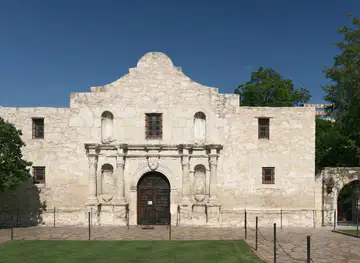
Explore more of Texas
Discover the diverse landscapes, rich history, vibrant cities, and culinary delights of Texas, the Lone Star State, where adventure and culture await at every turn.
Explore Texas