

Free Lanna Travel Guide & Mobile App
Explore Lanna with free travel guides. Discover regional history, expert tips, proposed trips, and audio guides on web or mobile app.


Explore Lanna in northern Thailand for historic temples, mountain landscapes, distinctive cuisine, craft traditions and culturally rich valley towns.
Read more about Lanna
When is the best time to visit Lanna?
Best: December–February · 28–32°C| Month | High (°C) | Rainfall (mm) |
|---|---|---|
| January (best) | 28 | 12 |
| February (best) | 32 | 8 |
| March | 34 | 21 |
| April | 37 | 50 |
| May | 36 | 125 |
| June | 35 | 151 |
| July | 33 | 165 |
| August | 33 | 171 |
| September | 32 | 141 |
| October | 31 | 96 |
| November | 29 | 40 |
| December (best) | 28 | 16 |
Getting to and around Lanna
How to get there
Transportation
Top city travel guides in Lanna
The cities of Lanna, and the easiest places to base yourself.
-

-

-

-

-

-


Swipe for more cities
Destinations in Lanna
Resorts, valleys and scenic spots worth a trip of their own.
-

-

-


Swipe for more destinations
Best attractions in Lanna
Lanna’s attractions range from the walled temples and museums of Chiang Mai to the contemporary art temples of Chiang Rai, the ancient religious heritage of Lamphun and the timber architecture of Lampang and Nan. Buddhist sites remain central, but they are part of a wider landscape that includes royal and civic museums, craft workshops, markets, botanical gardens and historic neighbourhoods. Mountain areas provide opportunities for walking, birdwatching, scenic drives and visits to coffee- or tea-growing communities, although access and facilities vary considerably. Around Chiang Mai, Doi Suthep and the surrounding forested hills offer a natural counterpoint to the old city; farther north, Chiang Rai’s uplands and border landscapes have a more spacious, rural character. Mae Hong Son is known for dramatic mountain roads, lakeside scenery and communities with varied cultural backgrounds, while Phrae and Nan reward visitors interested in textiles, wooden houses and quieter town life. Elephant tourism requires careful choice: prioritise sanctuaries and operators that do not offer riding, forced performances or close-contact handling. The best experiences are often spread across several provinces, so a regional itinerary should allow time for travel rather than treating Lanna as a single compact destination.
-
Buddhist temple
Wat Phra That Doi Kham
Experience the spiritual beauty and stunning views of Wat Phra That Doi Kham, a must-visit Buddhist temple in Chiang Mai, Thailand.
-
Buddhist temple
Wat Phra That Haripunchai Woramahawihan
Discover the serene beauty and rich history of Wat Phra That Haripunchai, a premier Buddhist temple in Lamphun, Thailand, known for its stunning architecture and cultural significance.
-
Buddhist temple
Wat Chedi Luang
Explore the majestic Wat Chedi Luang, a vital Buddhist temple in Chiang Mai, showcasing stunning architecture and deep-rooted cultural significance.
-
Garden
Mon Jam
Discover the breathtaking beauty of Mon Jam, a stunning garden retreat in Chiang Mai, offering panoramic views and a tranquil escape into nature.


Best landmarks in Lanna
The most recognisable landmark of Lanna is the temple landscape itself. In Chiang Mai, Wat Phra That Doi Suthep occupies a mountain above the city and is one of northern Thailand’s major pilgrimage sites, while Wat Phra Singh and Wat Chedi Luang anchor the historic old city with important examples of Lanna religious architecture. Lamphun’s Wat Phra That Hariphunchai preserves the importance of the former Mon centre of Hariphunchai, and Wat Phra That Lampang Luang is a particularly significant fortified temple complex in Lampang province. Chiang Rai’s Wat Rong Khun, the White Temple, is a modern artistic interpretation rather than an ancient monument, but its white surfaces and detailed symbolism have made it a defining contemporary image of the north. In Nan, Wat Phumin is known for its distinctive cruciform plan and mural paintings, including the celebrated image commonly called the Whispering Lovers. Traditional teak houses in Nan, Phrae and Lampang provide another form of landmark, linking domestic architecture with the region’s former timber economy. Mountains, river valleys and temple-topped ridges complete the visual identity, with Doi Inthanon in Chiang Mai province forming one of the region’s most prominent highland landscapes.
-
Historical landmark
Tha Phae Gate
Explore the vibrant history of Tha Phae Gate in Chiang Mai, where ancient architecture meets bustling marketplaces and cultural experiences.
-
Night market
Chiang Mai Night Bazaar
Discover the bustling Chiang Mai Night Bazaar, a vibrant night market offering unique crafts, delicious street food, and cultural experiences in the heart of Thailand.
-
Buddhist temple
Wat Phra Singh Woramahawihan
Discover the beauty and spiritual essence of Wat Phra Singh, a distinguished Buddhist temple in Chiang Mai, Thailand, renowned for its breathtaking architecture and tranquility.
-
Buddhist temple
Wat Phra That Doi Suthep
Explore the spiritual heart of Chiang Mai at Wat Phra That Doi Suthep, a majestic Buddhist temple with breathtaking views and rich cultural heritage.


Explore Lanna on the map
Plan your trip on one map. See where the top cities, national parks and sights are, and book hotels and experiences in a few clicks.
Best hotels in Lanna
Best restaurants in Lanna
Northern Thai food is more herbaceous, earthy and often less coconut-based than many dishes associated with central or southern Thailand. Khao soi, a curry noodle dish, is widely served in Chiang Mai and other northern towns, while sai ua sausage, nam prik noom with vegetables, sticky rice and gaeng hang lay appear in markets, family-run restaurants and specialist northern kitchens. Chiang Rai and the upland districts are also associated with tea, coffee and cool-season produce, while river fish, pork, fermented ingredients and forest herbs feature in local cooking. Chiang Mai offers the broadest range, from market stalls and traditional restaurants to contemporary dining rooms interpreting regional recipes. Lampang, Nan, Phrae and Lamphun provide more intimate settings where menus may be closely linked to local households and markets. Vegetarian food is widely available, but fish sauce, shrimp paste and meat stock can be present in apparently simple dishes, so explain dietary requirements clearly. Sample northern sweets, local fruit and grilled snacks alongside a main meal, and look for fresh produce markets for a more direct sense of the region’s food economy.
-
Thai
Khaomao-Khaofang Imaginary Jungle
Experience exquisite Thai cuisine amidst the enchanting landscapes of Khaomao-Khaofang Imaginary Jungle in Chiang Mai.
-
Thai
THE HOUSE by Ginger
Experience authentic Thai cuisine at THE HOUSE by Ginger in Chiang Mai – where every dish tells a story.
-
 Restaurant
Kaomai Lanna Resort
Discover the unique charm of Kaomai Lanna Resort - where heritage meets nature in the heart of Chiang Mai.
-
Restaurant
Tharnthong Lodges
Experience authentic Thai cuisine amidst breathtaking landscapes at Tharnthong Lodges in Mae On District.


Best bars in Lanna
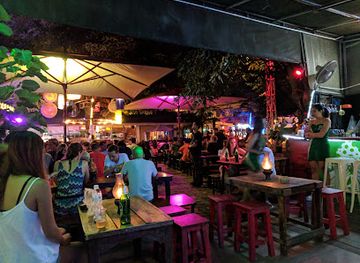
Nightlife in Lanna is concentrated in Chiang Mai, where evening options include traditional pubs, live-music venues, cocktail bars, craft-beer establishments, night markets and restaurants around the old city, the riverside and university districts. The city has a larger and more varied scene than the rest of the region, but it remains less dominated by large clubs than Thailand’s major resort centres. Chiang Rai has relaxed bars, live music and restaurants serving visitors and local residents, while Lampang, Nan, Phrae and Lamphun generally favour cafés, small bars, hotel lounges and longstanding pubs over an extensive late-night circuit. In rural and mountain districts, evenings often centre on local eateries, guesthouse terraces or community events rather than formal nightlife. Some venues close relatively early, and arrangements can change seasonally, so check locally rather than relying on old listings. Night markets are primarily places to eat and browse, not simply drinking destinations, and respectful behaviour matters around temples and residential streets.
-
Jazz
The North Gate Jazz Co-Op
Immerse yourself in the vibrant jazz scene of Chiang Mai at The North Gate Jazz Co-Op, where music and culture come alive every night.
-
Bar
Zoe in Yellow
Experience the electrifying nightlife at Zoe in Yellow, a vibrant bar and nightclub in Chiang Mai, perfect for dancing and socializing.
-
Restaurant
Beer Lab
Discover Chiang Mai's Beer Lab, where craft brews meet great food in a vibrant atmosphere perfect for socializing.
-
Blues club
Boy Blues Bar
Discover the rhythm and soul of blues music at Boy Blues Bar in Chiang Mai, where unforgettable live performances create magical nights.



Best nightclubs in Lanna
Nightlife in Lanna is concentrated in Chiang Mai, where evening options include traditional pubs, live-music venues, cocktail bars, craft-beer establishments, night markets and restaurants around the old city, the riverside and university districts. The city has a larger and more varied scene than the rest of the region, but it remains less dominated by large clubs than Thailand’s major resort centres. Chiang Rai has relaxed bars, live music and restaurants serving visitors and local residents, while Lampang, Nan, Phrae and Lamphun generally favour cafés, small bars, hotel lounges and longstanding pubs over an extensive late-night circuit. In rural and mountain districts, evenings often centre on local eateries, guesthouse terraces or community events rather than formal nightlife. Some venues close relatively early, and arrangements can change seasonally, so check locally rather than relying on old listings. Night markets are primarily places to eat and browse, not simply drinking destinations, and respectful behaviour matters around temples and residential streets.
-
Night club
Zoe in Yellow
Discover the vibrant energy of Zoe in Yellow, Chiang Mai's ultimate night club and bar, where unforgettable nightlife experiences await.
-
Night club
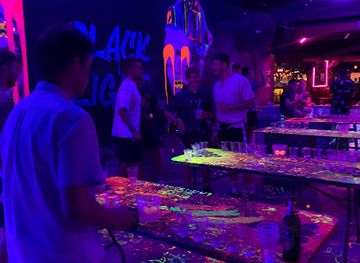
BlackLight CNX
Experience the vibrant nightlife of Chiang Mai at BlackLight CNX, where electrifying music and an exhilarating atmosphere await every visitor.
-
Gay night club
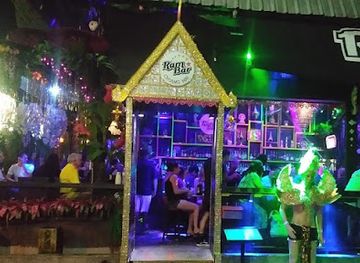
Ram Bar Chiangmai
Discover the lively ambiance and dazzling drag performances at Ram Bar Chiangmai, the top gay night club in Chiang Mai, Thailand.
-
Night club
6ixcret Show
Discover Chiang Mai's nightlife at 6ixcret Show, a vibrant gay-friendly nightclub offering exciting performances and delicious cocktails.


Best shops in Lanna
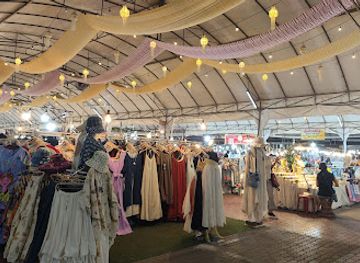
Shopping in Lanna ranges from Chiang Mai’s large markets, independent design shops and contemporary craft galleries to the smaller market streets of provincial towns. Northern textiles are among the most distinctive purchases, including cotton and silk fabrics, indigo-dyed cloth, woven bags and garments whose patterns vary between communities. Lacquerware, carved wood, silverwork, ceramics, baskets, paper goods and locally produced soaps are also widely available, although quality and provenance differ, so compare workmanship and ask about materials. Chiang Mai’s weekend and night markets are useful for browsing crafts and food, while Lamphun, Lampang, Phrae and Nan offer a more local pace and stronger connections with regional textile and wood traditions. Tea, coffee, dried fruit, spices and packaged northern snacks travel well when properly sealed. Farmers’ markets and community enterprises can provide better context for local products than generic souvenir stalls. Avoid buying antiquities, wildlife products or religious objects whose export may be restricted, and remember that bargaining is customary in some markets but not in fixed-price shops, galleries or established retailers.
-
Night market
Chiang Mai Night Bazaar
Explore the enchanting Chiang Mai Night Bazaar, a vibrant night market filled with local crafts, delicious street food, and lively entertainment.
-
Shopping mall
MAYA Lifestyle Shopping Center Chiangmai
Discover a shopping haven filled with fashion, dining, and entertainment at MAYA Lifestyle Shopping Center, Chiang Mai's premier retail destination.
-
Market
Jing Jai Market
Experience the vibrant Jing Jai Market in Chiang Mai - a hub of local crafts, fresh produce, and authentic street food.
-
Night market
Tha Phae Walking Street
Discover the lively Tha Phae Walking Street, a night market in Chiang Mai filled with delicious food, unique crafts, and vibrant local culture.


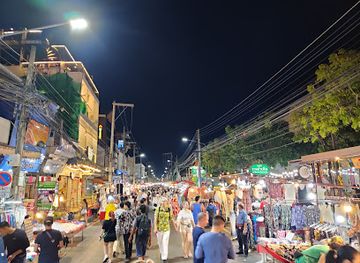
Get your free copy of our complete guide to Lanna, delivered straight to you.
Everything on this page, from attractions and restaurants to essentials and local phrases, in one PDF you can read offline, print or share.
Already have an account? Sign in
Your Lanna guide is ready.
We'll send it to · Not you? Sign out

Getting your guide ready…
We are putting together a fresh copy of the Lanna guide. This can take up to a minute.
This can take a few moments. If your browser asks, choose Allow so the download can start. You'll find the guide in your Downloads folder.
Nothing happened? Download it again
Sorry, the guide is taking longer than usual. Please try again in a minute, or get it by email instead.
Lanna essentials
Currency and Payment
Safety
Emergency Situations
Do's and Don'ts
Local Tips
From Eve
Local phrases worth knowing
You don't need to get them perfect. A few words go a long way, and locals appreciate the effort.
Basics
| English | Local | Say it |
|---|---|---|
| Hello | สวัสดี | [sawasdee] |
| Goodbye | ลาก่อน | [la-korn] |
| Yes | ใช่ | [chai] |
| No | ไม่ | [mai] |
| Please/You're welcome | กรุณา | [karuna] |
| Thank you | ขอบคุณ | [khob khun] |
| Excuse me/Sorry | ขอโทษ | [kho-thot] |
| How are you? | สบายดีไหม? | [sa-baai dee mai?] |
| Fine. And you? | สบายดี แล้วคุณล่ะ? | [sa-baai dee laeo khun la?] |
| Do you speak English? | คุณพูดภาษาอังกฤษได้ไหม? | [khun phoot phasa angkrit dai mai?] |
| I don't understand | ฉันไม่เข้าใจ | [chan mai khao jai] |
Eating & Drinking
| English | Local | Say it |
|---|---|---|
| I'd like to see the menu, please | ขอดูเมนูหน่อยได้ไหม? | [kho du menu noi dai mai?] |
| I don't eat meat | ฉันไม่กินเนื้อ | [chan mai gin neuah] |
| Cheers! | ชนแก้ว! | [chon khao!] |
| I would like to pay, please | ฉันอยากจ่ายเงิน | [chan yak jai ngen] |
Emergencies
| English | Local | Say it |
|---|---|---|
| Help! | ช่วยด้วย! | [chuai duay!] |
| Go away! | ไปให้พ้น! | [pai hai pon!] |
| Call the Police! | เรียกตำรวจ! | [riak tamruat!] |
| Call a doctor! | เรียกหมอ! | [riak mor!] |
| I'm lost | ฉันหลงทาง | [chan long thang] |
| I'm ill | ฉันป่วย | [chan puai] |
Shopping
| English | Local | Say it |
|---|---|---|
| I'd like to buy... | ฉันอยากซื้อ... | [chan yak sue...] |
| I'm just looking | ฉันแค่ดู | [chan kae du] |
| How much is it? | ราคาเท่าไหร่? | [ra-kha thao-rai?] |
| That's too expensive | แพงเกินไป | [paeng koen pai] |
| Can you lower the price? | ลดราคาได้ไหม? | [lot ra-kha dai mai?] |
Time & Numbers
| English | Local | Say it |
|---|---|---|
| What time is it? | ตอนนี้กี่โมง? | [ton nee gi mong?] |
| It's one o'clock | ตอนนี้หนึ่งโมง | [ton nee neung mong] |
| Half past (10) | สิบโมงครึ่ง | [sip mong krueng] |
| Morning | เช้า | [chao] |
| Afternoon | บ่าย | [bai] |
| Evening | เย็น | [yen] |
| Yesterday | เมื่อวาน | [meu-wan] |
| Today | วันนี้ | [wan-nee] |
| Tomorrow | วันพรุ่งนี้ | [wan-prung-nee] |
| 1 | หนึ่ง | [neung] |
| 2 | สอง | [song] |
| 3 | สาม | [sam] |
| 4 | สี่ | [si] |
| 5 | ห้า | [ha] |
| 6 | หก | [hok] |
| 7 | เจ็ด | [jet] |
| 8 | แปด | [paet] |
| 9 | เก้า | [kao] |
| 10 | สิบ | [sip] |
Transport & Directions
| English | Local | Say it |
|---|---|---|
| Where's a/the...? | ที่ไหนมี...? | [ti nai mee...?] |
| What's the address? | ที่อยู่คืออะไร? | [ti yuu khue arai?] |
| Can you show me (on the map)? | คุณช่วยชี้ให้ดูหน่อยได้ไหม? | [khun chuai chee hai du noi dai mai?] |
| When's the next (bus)? | รถบัสคันถัดไปเมื่อไหร่? | [rot bat khan that pai meu-rai?] |
| A ticket (to ....) | ตั๋วไป...(ที่ไหน) | [tua pai...(ti nai)] |
History of Lanna
Early Tai and Mon Foundations
Northern Thailand was shaped by earlier Mon, Lawa and other communities before the rise of the Lanna kingdom. Hariphunchai, centred on present-day Lamphun, was an important Mon polity and Buddhist centre, while fortified settlements and trade routes developed through the river valleys. These earlier traditions influenced religious practice, urban planning and artistic forms later adopted by Lanna rulers. Archaeological remains, old temple foundations and the continuing importance of Lamphun help explain why northern history cannot be reduced to the story of Chiang Mai alone.
The Foundation of Lanna, Late Thirteenth Century
King Mangrai established the Lanna kingdom in the late thirteenth century after consolidating power among northern Tai-speaking centres. He founded Chiang Rai and later established Chiang Mai in 1296 as a strategically placed capital near the Ping River. Lanna, meaning broadly the ‘kingdom of a million rice fields’, grew through control of fertile valleys, trade routes and neighbouring settlements. Its political boundaries changed over time, but its cultural influence extended across much of what is now northern Thailand and into areas of present-day Myanmar and Laos.
Chiang Mai as a Religious and Cultural Capital
From the fourteenth century onwards, Chiang Mai became the principal political and religious centre of Lanna. Monasteries, walled precincts and royal foundations developed around the city, while Buddhism was reinforced through connections with Sri Lankan monastic traditions and other mainland Southeast Asian centres. Temples such as Wat Phra Singh and Wat Chedi Luang preserve architectural evidence of this era, although both have been altered and restored across centuries. Manuscript production, sculpture, ritual arts and distinctive northern temple design flourished within this religious culture.
Burmese Rule and Regional Change, Sixteenth–Eighteenth Centuries
Lanna came under Burmese influence and rule in the sixteenth century after prolonged political and military pressure. Chiang Mai and other northern centres experienced shifting control among Burmese authorities, local rulers and Siamese forces, while warfare and population movements affected many towns. The region was not culturally erased: local aristocratic families, monastic institutions and craft traditions continued to shape daily life. The eighteenth-century revival associated with King Kawila restored Chiang Mai as a major centre after a period of depopulation and political uncertainty.
Integration into Siam and the Modern North
During the nineteenth century, Lanna’s rulers increasingly operated within the expanding political framework of Siam, the predecessor of modern Thailand. Administrative reforms under the Bangkok monarchy reduced the autonomy of northern princes and incorporated the region more directly into the central state. Roads, railways, schools and new administrative systems altered longstanding patterns of trade and authority. The railway reached Chiang Mai in the early twentieth century, strengthening connections with Bangkok while contributing to the city’s later development as northern Thailand’s principal commercial and tourism centre.
Contemporary Lanna Identity
Modern northern Thailand combines national Thai institutions with a strong regional identity expressed through architecture, food, textiles, speech, festivals and religious customs. Economic change has brought tourism, manufacturing, education and urban expansion, especially around Chiang Mai and Chiang Rai, while upland agriculture and craft production remain important in many districts. Contemporary artists and architects often reinterpret Lanna motifs rather than reproducing them unchanged. For visitors, the region’s identity is therefore both historic and current: temples and traditional crafts exist alongside universities, design studios, cafés and changing rural economies.
Lanna in Photos
Browse through our photo collection highlighting the charm and character of the destination.
Neighbouring regions of Lanna
The closest regions to Lanna, if you have time for more than one.
-

-
-

-

-


Swipe for more regions
Explore more
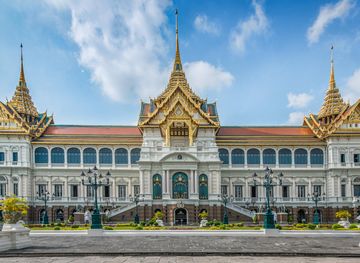
Explore more of Thailand
Discover Thailand: A land of diverse landscapes, rich culture, and warm hospitality, where ancient traditions blend seamlessly with modern attractions.
Explore Thailand