

Free Phi Pan Nam Range Travel Guide & Mobile App
Explore Phi Pan Nam Range with free travel guides. Discover regional history, expert tips, proposed trips, and audio guides on web or mobile app.


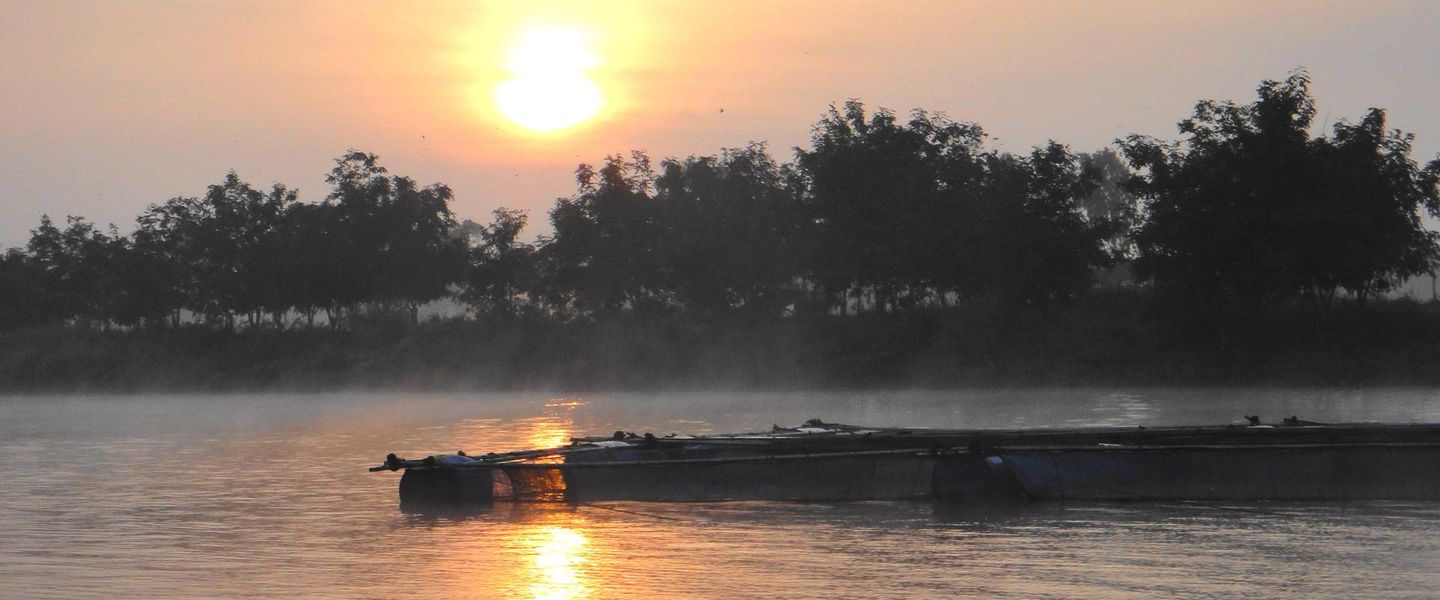


Explore Thailand’s Phi Pan Nam Range for forested mountains, misty viewpoints, national parks, temple towns and northern Thai food across four provinces.
Read more about Phi Pan Nam Range
When is the best time to visit Phi Pan Nam Range?
Best: December–February · 26–28°C| Month | High (°C) | Rainfall (mm) |
|---|---|---|
| January (best) | 26 | 20 |
| February (best) | 28 | 20 |
| March | 31 | 40 |
| April | 34 | 60 |
| May | 34 | 100 |
| June | 33 | 120 |
| July | 32 | 140 |
| August | 32 | 140 |
| September | 32 | 120 |
| October | 31 | 100 |
| November | 29 | 60 |
| December (best) | 27 | 20 |
Getting to and around Phi Pan Nam Range
How to get there
Transportation
Top city travel guides in Phi Pan Nam Range
The cities of Phi Pan Nam Range, and the easiest places to base yourself.
-

-

-

-

-

-


Swipe for more cities
Destinations in Phi Pan Nam Range
Resorts, valleys and scenic spots worth a trip of their own.
-

-

-


Swipe for more destinations
Best attractions in Phi Pan Nam Range
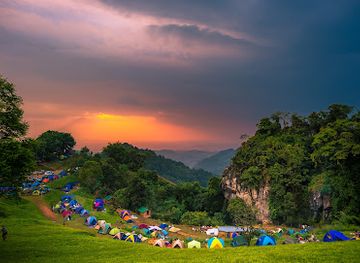
The Phi Pan Nam Range is primarily an outdoor destination, with attractions spread through forested mountains and the valleys that drain them. Doi Luang National Park offers hiking, streams, waterfalls and highland scenery across the Chiang Rai, Phayao and Lampang area, while Phu Langka National Park is known for exposed ridges, sunrise viewpoints and mist-filled upland landscapes in Phayao Province. Doi Phu Nang National Park provides quieter woodland, limestone scenery and seasonal waterfalls, and Khun Chae National Park gives access to rugged forested hills east of Chiang Rai. Around the range, provincial towns such as Phayao and Nan add temples, local museums, markets and historic urban landscapes, while Chiang Rai and Lampang provide broader cultural programmes and accommodation choices. Birdwatching, nature study, photography, short walks and longer treks are more appropriate activities than rushed sightseeing. Conditions and facilities differ between parks, so visitors should check local arrangements, trail closures and guide requirements before travelling into remote areas.
-
Buddhist temple
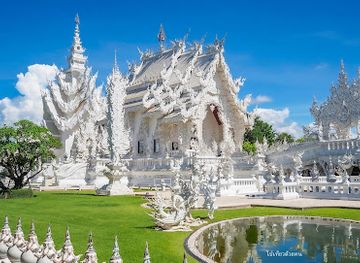
Wat Rong Khun - White Temple
Discover the enchanting beauty of Wat Rong Khun, the iconic White Temple in Chiang Rai, Thailand, a true masterpiece of modern Buddhist architecture.
-
Heritage preservation
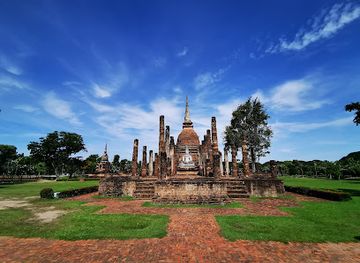
Sukhothai Historical Park
Explore the enchanting Sukhothai Historical Park, a UNESCO World Heritage site rich in Thai history, stunning architecture, and serene landscapes.
-
Buddhist temple
Wat Phrathat Lampang Luang
Discover the tranquility and historical significance of Wat Phrathat Lampang Luang, a stunning Buddhist temple in Northern Thailand.
-
Tourist attraction
Choui Fong Tea
Discover the beauty of Choui Fong Tea in Chiang Rai, a serene destination for tea lovers and nature enthusiasts alike, surrounded by breathtaking landscapes.

Best landmarks in Phi Pan Nam Range
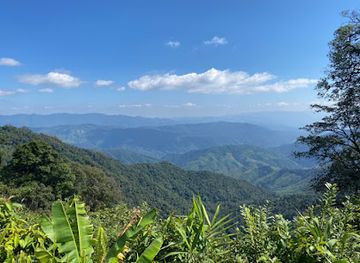
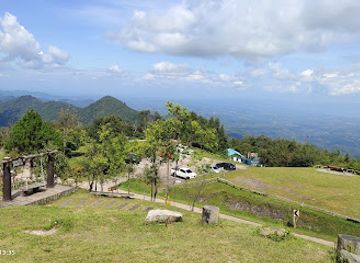
The range’s most significant landmarks are often geographical rather than monumental. The forested summits and ridgelines of Doi Luang National Park define a major section of the watershed, while the open high viewpoints of Phu Langka provide some of the clearest visual expressions of the region’s mountain terrain. Doi Phu Nang and Khun Chae preserve further stretches of protected forest, streams and steep upland scenery. At the edges of the mountain system, Phayao’s lakeside urban setting and Buddhist temples provide a cultural counterpoint to the remote ridges, while Nan’s historic temples and traditional architecture represent the eastern valleys shaped by long contact between Lanna and Nan. The landmarks are best understood as a connected system of watersheds, passes, sacred places and settlements rather than as a single monumental route. Weather can transform their appearance quickly, with dry-season clarity, wet-season greenery and cool-season mist producing very different views.
-
Tourist attraction
Doi Samer Dao
Discover the breathtaking beauty of Doi Samer Dao, a serene tourist attraction in Nan Province, Thailand, perfect for nature lovers and adventure seekers.
-
Tourist attraction
Bo Kluea Rock Salt Well
Explore the hidden treasures of Bo Kluea Rock Salt Well, where tradition meets tranquility in the heart of Thailand's stunning Nan province.
-
National park
Doi Phu Kha National Park
Explore the natural wonders of Doi Phu Kha National Park, a haven for hikers and nature lovers in Thailand's scenic Nan Province.
-
National park
Khun Sathan National Park
Discover the stunning landscapes and rich biodiversity of Khun Sathan National Park in Thailand's Nan province, a perfect retreat for nature lovers and adventurers.
Explore Phi Pan Nam Range on the map
Plan your trip on one map. See where the top cities, national parks and sights are, and book hotels and experiences in a few clicks.
Best hotels in Phi Pan Nam Range
Best restaurants in Phi Pan Nam Range
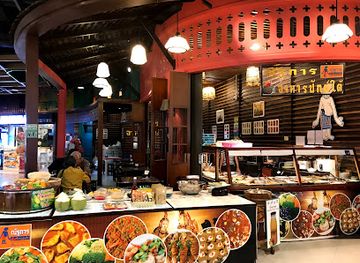
Food around the Phi Pan Nam Range reflects the northern Thai tradition, with sticky rice, grilled meats, fresh herbs, chilli relishes and noodle dishes forming the basis of many meals. Khao soi, a curry noodle dish strongly associated with northern Thailand, is widely available, while local kitchens also serve nam prik ong, nam prik noom, sai ua sausage and seasonal vegetables. Recipes and levels of spice vary between valleys. Phayao, Chiang Rai, Lampang and Nan offer the widest choice of restaurants, cafés and morning markets; smaller district towns concentrate on simple noodle shops, rice dishes and grilled food. Mountain communities may feature locally grown tea, coffee, fruit, mushrooms and vegetables, although availability is seasonal. Markets are useful for inexpensive breakfasts and regional snacks, while rural inns and family-run restaurants provide a slower, more local dining experience. Carry provisions when heading towards isolated trails, since food outlets near park entrances can be limited.
-
Restaurant
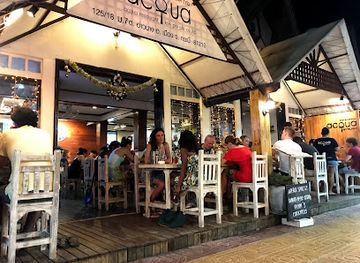
ACQUA Restaurant Phi Phi
Experience culinary excellence at ACQUA Restaurant Phi Phi, where stunning views meet exquisite flavors in a tropical paradise.
-
Restaurant
Garlic 1992 Restaurant
Discover authentic Thai cuisine at Garlic 1992 Restaurant in Ao Nang – where flavor meets hospitality.
-
Restaurant
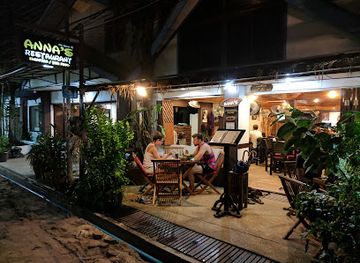
Anna's Restaurant
Discover the flavors of Thailand at Anna's Restaurant in Ao Nang - a culinary haven for tourists seeking authentic Thai dining experiences.
-
Restaurant
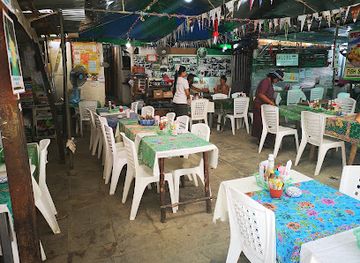
Huanam Mushroom Farm
Discover delicious mushroom cuisine at Huanam Mushroom Farm in Nan, Thailand – where nature meets culinary delight in a serene setting.

Best bars in Phi Pan Nam Range
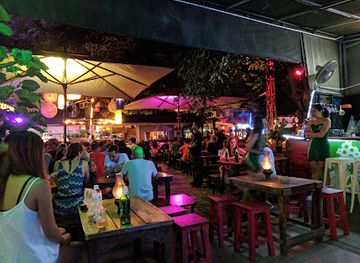
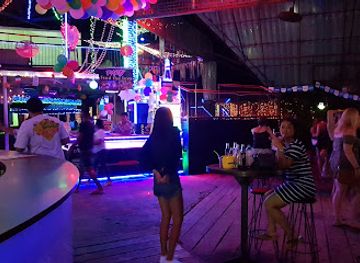
Evening life in the Phi Pan Nam Range is centred on provincial towns and market communities rather than a large nightclub circuit. Phayao, Chiang Rai, Lampang and Nan have the broadest selection of casual bars, cafés, restaurants, live-music venues and small drinking establishments, while smaller towns generally quieten early. Traditional-style local restaurants and beer gardens are common places to eat and socialise, and craft drinks or coffee may be more prominent in some mountain gateway areas than late-night entertainment. Around the parks, accommodation tends to offer peaceful evenings, outdoor seating and views rather than organised nightlife. Visitors should not assume that remote villages will have taxis or venues open late, and should arrange transport before drinking. Respectful behaviour matters in communities near temples and homes, where noise carries easily through the valleys.
-
Night club
Zoe in Yellow
Discover the energetic nightlife at Zoe in Yellow, a premier night club in Chiang Mai offering vibrant music, stunning light shows, and a lively atmosphere.
-
Restaurant
Red Sky
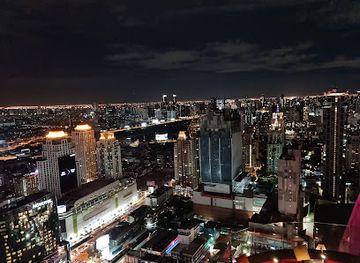
Experience Bangkok from above at Red Sky, a rooftop restaurant offering fine dining and stunning skyline views in the heart of the city.
-
Bar
Slinky Bar
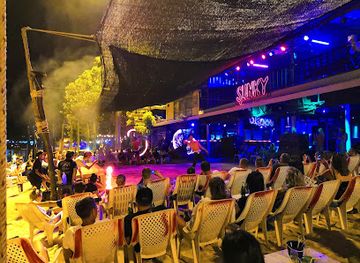
Experience the vibrant atmosphere of Slinky Bar in Ao Nang, where stunning views, refreshing cocktails, and lively entertainment await.
-
Bar
Havana Social
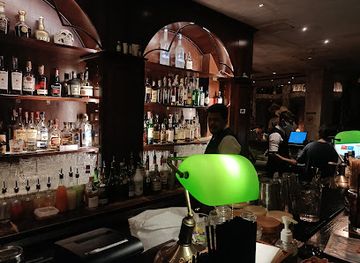
Discover the vibrant Cuban nightlife at Havana Social, Bangkok's premier bar for signature cocktails and lively atmosphere.
Best nightclubs in Phi Pan Nam Range
Evening life in the Phi Pan Nam Range is centred on provincial towns and market communities rather than a large nightclub circuit. Phayao, Chiang Rai, Lampang and Nan have the broadest selection of casual bars, cafés, restaurants, live-music venues and small drinking establishments, while smaller towns generally quieten early. Traditional-style local restaurants and beer gardens are common places to eat and socialise, and craft drinks or coffee may be more prominent in some mountain gateway areas than late-night entertainment. Around the parks, accommodation tends to offer peaceful evenings, outdoor seating and views rather than organised nightlife. Visitors should not assume that remote villages will have taxis or venues open late, and should arrange transport before drinking. Respectful behaviour matters in communities near temples and homes, where noise carries easily through the valleys.
-
Night club
Zoe in Yellow
Experience the vibrant nightlife at Zoe in Yellow, Chiang Mai's bustling night club that promises music, dancing, and unforgettable memories.
-
Disco club
RAAS CLUB PATTAYA
Dive into the pulsating nightlife of Pattaya at RAAS Club, where music and dance meet an electrifying ambiance for an unforgettable experience.
-
Disco club
The Green Mango
Experience the exhilarating nightlife of Ko Samui at The Green Mango, a premier disco club with electrifying music and vibrant dance floors.
-
Night club
Venti Nightclub
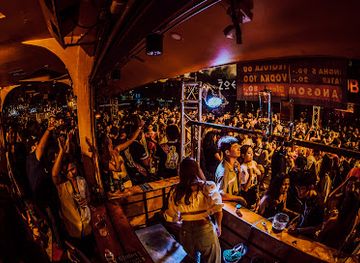
Discover the electric atmosphere of Venti Nightclub in Bangkok, where cutting-edge music meets unforgettable nightlife experiences.


Best shops in Phi Pan Nam Range
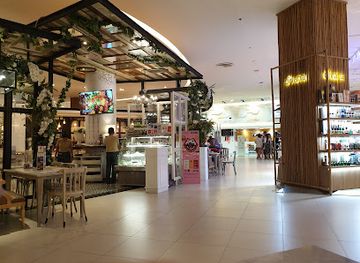
Shopping in the Phi Pan Nam region is concentrated in the provincial and district towns rather than in the mountains themselves. Phayao, Chiang Rai, Lampang and Nan have everyday markets, fresh-food stalls, handicraft shops, ceramics, textiles and small galleries, while rural markets are useful for seasonal fruit, herbs, preserved foods and northern Thai snacks. Visitors may find locally produced coffee, tea, honey and agricultural products in upland areas, although quality, packaging and availability vary by community. Nan and other historic towns are particularly suitable for browsing textiles, woven fabrics, household crafts and locally made gifts, while Lampang is associated more broadly with ceramic production. Buy directly from established community shops where possible, avoid purchasing wildlife or forest products, and carry reusable bags. Remote park entrances generally offer only basic refreshments and souvenirs, so do not rely on them for substantial shopping.
-
Shopping mall
Siam Paragon
Experience the ultimate shopping and entertainment destination at Siam Paragon in Bangkok, offering luxury brands, gourmet dining, and unique attractions.
-
Shopping mall
The Platinum Fashion Mall
Shop the latest trends at The Platinum Fashion Mall in Bangkok, where unbeatable prices and unique styles await every visitor.
-
Shopping mall
Siam Discovery
Explore Siam Discovery, Bangkok’s innovative shopping mall featuring unique brands, interactive experiences, and diverse dining options.
-
Shopping mall
MAYA Lifestyle Shopping Center Chiangmai
Explore the MAYA Lifestyle Shopping Center in Chiang Mai - a vibrant shopping and dining paradise blending local culture with modern retail.


Get your free copy of our complete guide to Phi Pan Nam Range, delivered straight to you.
Everything on this page, from attractions and restaurants to essentials and local phrases, in one PDF you can read offline, print or share.
Already have an account? Sign in
Your Phi Pan Nam Range guide is ready.
We'll send it to · Not you? Sign out

Getting your guide ready…
We are putting together a fresh copy of the Phi Pan Nam Range guide. This can take up to a minute.
This can take a few moments. If your browser asks, choose Allow so the download can start. You'll find the guide in your Downloads folder.
Nothing happened? Download it again
Sorry, the guide is taking longer than usual. Please try again in a minute, or get it by email instead.
Phi Pan Nam Range essentials
Currency and Payment
Safety
Emergency Situations
Do's and Don'ts
Local Tips
From Eve
Local phrases worth knowing
You don't need to get them perfect. A few words go a long way, and locals appreciate the effort.
Basics
| English | Local | Say it |
|---|---|---|
| Hello | สวัสดี | [sawasdee] |
| Goodbye | ลาก่อน | [la-korn] |
| Yes | ใช่ | [chai] |
| No | ไม่ | [mai] |
| Please/You’re welcome | กรุณา/ยินดีต้อนรับ | [karuna/yindi ton rap] |
| Thank you | ขอบคุณ | [khob khun] |
| Excuse me/Sorry | ขอโทษ | [kho thot] |
| How are you? | สบายดีไหม | [sabai dee mai] |
| Fine. And you? | สบายดี ขอบคุณ แล้วคุณล่ะ | [sabai dee khob khun laeo khun la] |
| Do you speak English? | คุณพูดภาษาอังกฤษได้ไหม | [khun phut pasa angkrit dai mai] |
| I don't understand | ฉันไม่เข้าใจ | [chan mai khao jai] |
Eating & Drinking
| English | Local | Say it |
|---|---|---|
| I’d like to see the menu, please | ขอดูเมนูหน่อย | [kho du menu noi] |
| I don't eat meat | ฉันไม่กินเนื้อ | [chan mai kin neuah] |
| Cheers! | ชนแก้ว! | [chon keow] |
| I would like to pay, please | ขอชำระเงิน | [kho chamra ngern] |
Emergencies
| English | Local | Say it |
|---|---|---|
| Help! | ช่วยด้วย! | [chuay duay] |
| Go away! | ไปให้พ้น! | [pai hai pon] |
| Call the Police! | เรียกตำรวจ! | [riak tamruat] |
| Call a doctor! | เรียกหมอ! | [riak mor] |
| I’m lost | ฉันหลงทาง | [chan long thang] |
| I’m ill | ฉันป่วย | [chan puai] |
Shopping
| English | Local | Say it |
|---|---|---|
| I’d like to buy... | ฉันอยากซื้อ... | [chan yak sue...] |
| I’m just looking | ฉันแค่ดู | [chan kae du] |
| How much is it? | ราคาเท่าไร | [rakha thao rai] |
| That’s too expensive | แพงเกินไป | [paeng koen pai] |
| Can you lower the price? | ช่วยลดราคาได้ไหม? | [chuay lot rakha dai mai?] |
Time & Numbers
| English | Local | Say it |
|---|---|---|
| What time is it? | ตอนนี้กี่โมง? | [ton ni kii mong?] |
| It’s one o’clock | ตอนนี้หนึ่งโมง | [ton ni neung mong] |
| Half past (10) | สิบโมงครึ่ง | [sip mong khrueng] |
| Morning | เช้า | [chao] |
| Afternoon | บ่าย | [bai] |
| Evening | เย็น | [yen] |
| Yesterday | เมื่อวาน | [meu wan] |
| Today | วันนี้ | [wan ni] |
| Tomorrow | พรุ่งนี้ | [prung ni] |
| 1 | หนึ่ง | [neung] |
| 2 | สอง | [song] |
| 3 | สาม | [sam] |
| 4 | สี่ | [si] |
| 5 | ห้า | [ha] |
| 6 | หก | [hok] |
| 7 | เจ็ด | [jet] |
| 8 | แปด | [paet] |
| 9 | เก้า | [kao] |
| 10 | สิบ | [sip] |
Transport & Directions
| English | Local | Say it |
|---|---|---|
| Where's a/the...? | ที่ไหนมี...? | [thi nai mi...?] |
| What's the address? | ที่อยู่คืออะไร? | [thi yu kheu arai?] |
| Can you show me (on the map)? | ช่วยชี้ให้หน่อย (บนแผนที่)? | [chuay chi hai noi (bon phaen thi)?] |
| When's the next (bus)? | รถบัสคันต่อไปเมื่อไหร่? | [rot bas khan tor pai meu rai?] |
| A ticket (to ....) | ตั๋ว (ไป....) | [tua (pai....)] |
History of Phi Pan Nam Range
Early Settlement and River-Valley Communities
Human settlement in the broader Phi Pan Nam landscape developed around fertile valleys, rivers and routes through the northern mountains. The uplands were more lightly settled than the basins, but forests, streams and passes supported hunting, gathering, cultivation and movement between communities. Archaeological evidence across northern Thailand points to long occupation before the emergence of the historic kingdoms. The mountains therefore functioned not simply as barriers, but also as watersheds and cultural corridors connecting inland settlements.
The Kingdom of Phayao
Phayao became an important independent polity in the northern Thai world during the medieval period, flourishing around the valley and lake that bear its name. Its rulers maintained relationships with neighbouring Lanna centres and other Tai principalities. Although the modern town lies in a basin rather than on the high ridges, the Phi Pan Nam mountains shaped its water systems, agriculture and routes of access. Buddhist foundations and local traditions around Phayao remain part of the historical setting for the range’s southern reaches.
Lanna Expansion and Buddhist Culture
From the late thirteenth century, the Lanna kingdom expanded its influence across much of northern Thailand, incorporating or closely connecting the valleys around Chiang Rai, Phayao and neighbouring areas. Temples, religious art, settlement patterns and forms of agriculture were shaped by this political and cultural world. Mountain passes helped link lowland centres, while forested uplands retained distinct communities and local practices. Northern Thai script, temple architecture and Buddhist festivals still reflect this historical Lanna inheritance.
Nan and Eastern Mountain Connections
The eastern valleys around Nan developed their own political traditions while maintaining links with Lanna and with communities across the mountains. Trade, religious travel and movement along river corridors connected Nan’s settlements with the wider northern region. The Phi Pan Nam system formed part of this shifting frontier between valleys rather than a fixed political boundary. Nan’s temples, murals and timber buildings preserve evidence of the cultural exchanges that took place across the mountain environment.
Forestry, Agriculture and Modern Roads
In the nineteenth and twentieth centuries, northern Thailand’s forests became increasingly connected to commercial teak extraction, agricultural expansion and state administration. Roads later extended access into valleys and upland districts, linking communities more closely with provincial towns and national markets. These changes brought schools, electricity and new economic opportunities, but also placed pressure on forests and watersheds. The modern road network makes parts of the Phi Pan Nam Range accessible while its winding routes continue to reveal the region’s difficult terrain.
Protected Forests and Watershed Conservation
The establishment of national parks and other protected areas marked a significant modern shift in the region’s management. Doi Luang, Phu Langka, Doi Phu Nang and Khun Chae are among the protected landscapes associated with the mountain system. Conservation aims to safeguard forest habitats, headwaters, wildlife and scenic areas, while local communities continue to depend on surrounding land and natural resources. Visitors encounter this history in park regulations, restricted areas, community-based tourism initiatives and the careful treatment of mountain streams.
Phi Pan Nam Range in Photos
Browse through our photo collection highlighting the charm and character of the destination.
Neighbouring regions of Phi Pan Nam Range
The closest regions to Phi Pan Nam Range, if you have time for more than one.
-

-

-

-

-


Swipe for more regions
Explore more
Explore more of Thailand
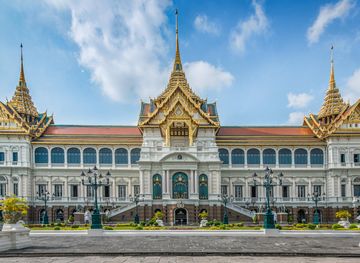
Discover Thailand: A land of diverse landscapes, rich culture, and warm hospitality, where ancient traditions blend seamlessly with modern attractions.
Explore Thailand