St Peter's Church Ruins in Castle Park, Bristol
Explore the haunting ruins of St Peter’s Church in Castle Park, a solemn World War II memorial and historic gem in the heart of Bristol.
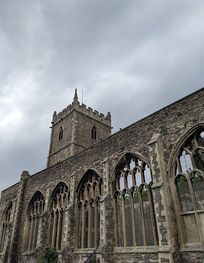
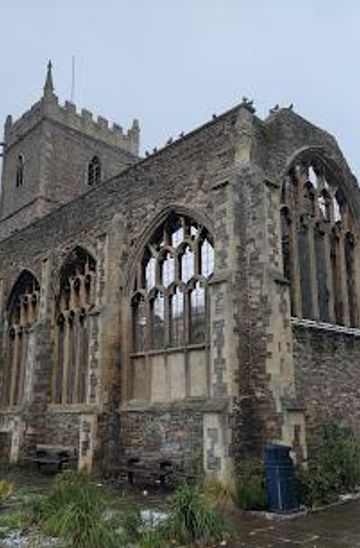
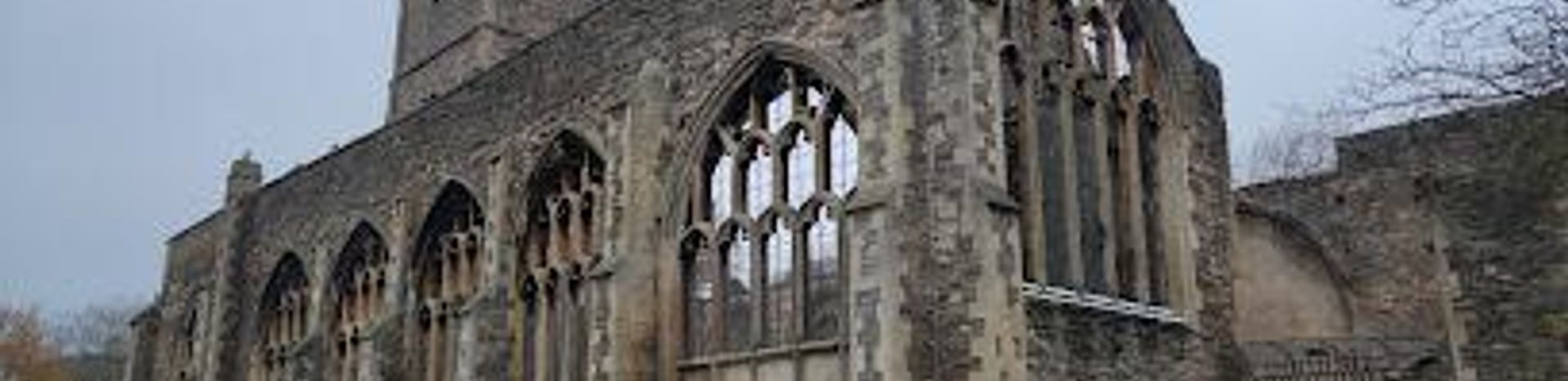
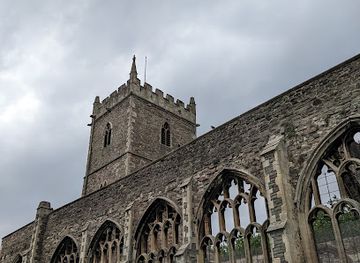
St Peter's Church in Castle Park, Bristol, is a haunting World War II ruin preserved as a memorial to the 1,299 victims of the Bristol Blitz. Once a thriving medieval church, it now stands as a skeletal reminder of the devastating air raids that reshaped the city. Visitors can explore the exposed walls and archaeological remains within the peaceful urban park setting, reflecting on Bristol’s rich history and resilience.
A brief summary to St Peter's Church
- Castle Park, Bristol, Bristol, BS1 3XB, GB
- Duration: 0.5 to 1.5 hours
- Free
-
 Outdoor
- Mobile reception: 4 out of 5

Know before you go
Hi, I'm Eve. Here are a few practical things to know before exploring St Peter's Church.
- Visit during daylight hours to fully appreciate the details of the ruins and the surrounding park landscape.
- Take time to read the memorial plaques and archaeological information boards to understand the site's history.
- Combine your visit with a walk around Castle Park to enjoy its green spaces and other historical landmarks.
- Wear comfortable footwear as the terrain around the ruins can be uneven due to the exposed foundations.
Do you manage this location?
Take control to get all the benefits, like improved information, better appearance, and stronger visibility across AI-powered discovery. Learn more
Activate your presenceOther nearby places you may find interesting
Getting There
-
Bus
Take Bristol Bus Services 8 or 9 from Bristol city centre to Castle Park; the journey takes approximately 10-15 minutes. Buses run frequently throughout the day, with tickets costing around £2-£3. Note that stops are a short walk from the park entrance.
-
Walking
From Bristol Temple Meads railway station, it is a 20-25 minute walk to Castle Park. The route is mostly flat and accessible, passing through central city streets with pedestrian crossings and paved sidewalks.
-
Taxi
A taxi ride from Bristol city centre to Castle Park takes about 5-10 minutes depending on traffic, with fares typically ranging from £5 to £10. Taxis can be hailed on the street or booked via app.
For the on-the-go comforts that matter to you
-
 Seating Areas
-
 Information Boards
Discover more about St Peter's Church
A Testament to Bristol's Wartime History
St Peter's Church, located in Castle Park, Bristol, is a poignant ruin preserved to commemorate the tragic impact of the Bristol Blitz during World War II. Originally built shortly after Bristol Castle by Robert Fitzhamon, the church was a significant medieval religious site. However, during the 77 air raids that Bristol endured, St Peter’s was severely damaged, leaving only its bombed-out skeleton standing. This ruin now serves as a memorial to the 1,299 people who lost their lives in the bombings, embodying the city's wartime suffering and endurance.Architectural and Archaeological Significance
The remains of St Peter’s Church reveal a complex architectural history, with parts dating back to the Norman period and later Gothic modifications. Archaeological investigations have uncovered medieval foundations and a variety of stonework fragments, including intricately carved pieces from effigy tombs belonging to notable local families. Ground penetrating radar surveys have detected earth-filled graves and possible earlier church structures beneath the site, highlighting its long-standing religious significance and layered past.Preservation and Memorialization Efforts
In recent decades, efforts have been made to stabilize and conserve the fragile ruins. The walls were repaired with support from Historic England and Bristol City Council to prevent further deterioration. Despite the floor subsiding due to infill soil and rubble, the site remains accessible as a solemn outdoor memorial within Castle Park. The church's preservation as a ruin rather than full restoration allows visitors to reflect on the destruction of war and the resilience of the city’s heritage.The Setting Within Castle Park
Castle Park, where St Peter's Church stands, is a tranquil green space in the heart of Bristol’s city centre. The park itself was created after the wartime destruction cleared the dense urban fabric, transforming the area into a public space that balances remembrance with recreation. The church ruins provide a striking historic focal point amid the park’s lawns, pathways, and seating areas, inviting contemplation and connection with Bristol’s layered history.Visitor Experience and Atmosphere
Visiting St Peter’s Church offers a unique experience blending history, archaeology, and urban nature. The exposed walls and remnants evoke a haunting atmosphere, enhanced by stories of the church’s fiery destruction, including the melting of its lead roof during the Blitz. The site invites visitors to explore quietly, appreciating both the artistry of the surviving stonework and the somber legacy of wartime loss. It is a place of reflection and education within a lively city setting.Legacy and Cultural Importance
St Peter’s Church stands as a powerful symbol of Bristol’s historical resilience and cultural memory. Beyond its architectural and archaeological value, it embodies the city’s ability to transform tragedy into a meaningful public space. The church ruins continue to inspire interest in Bristol’s medieval and modern history, serving as a reminder of the costs of conflict and the importance of preserving heritage for future generations.Explore the best of what St Peter's Church has to offer













More about Gwent
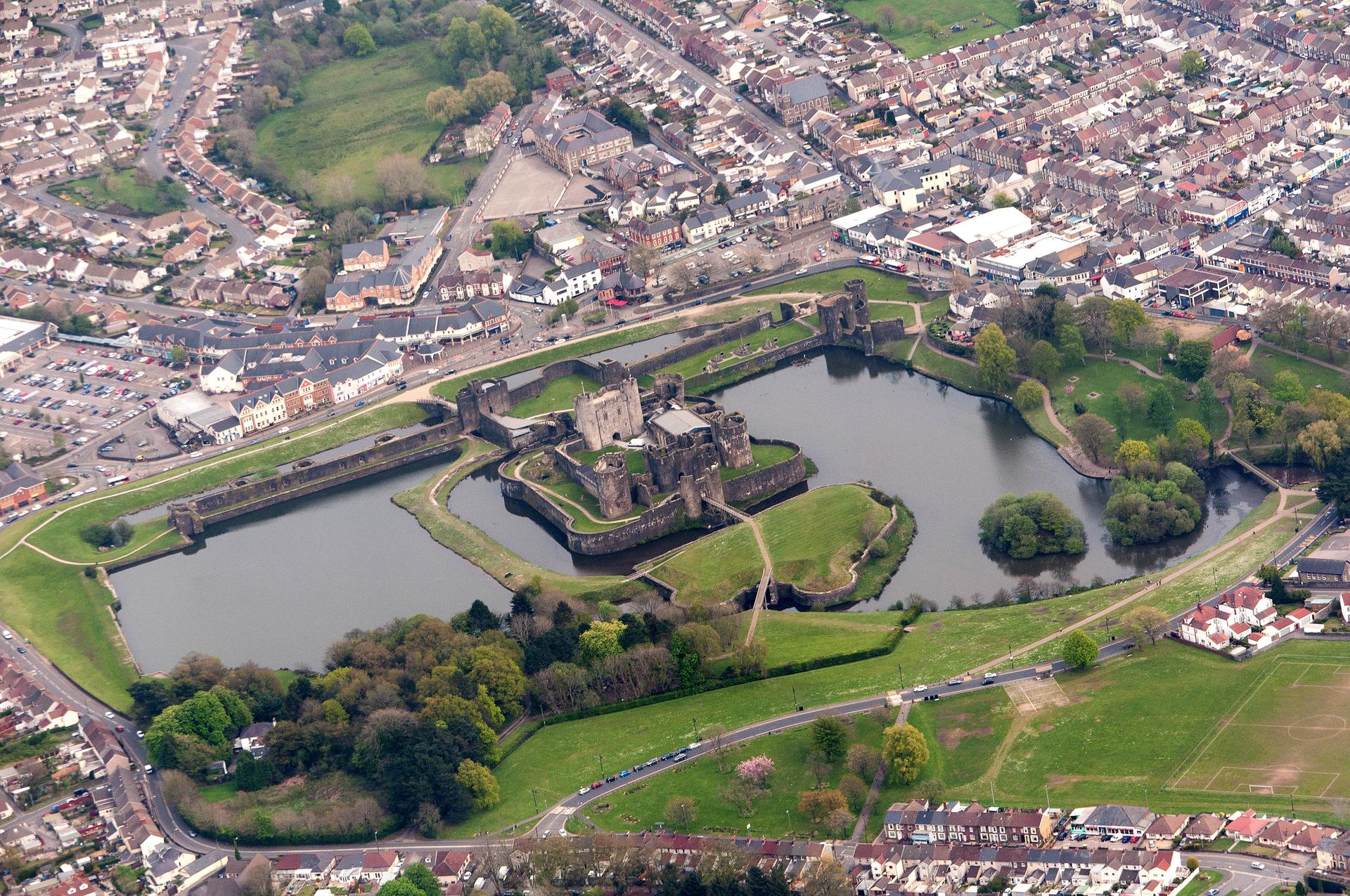
Explore Gwent, a captivating blend of ancient history, picturesque landscapes, and vibrant culture in the heart of Wales.
Tell me more about Gwent