Bristol Floating Harbour: A Historic Maritime Heartbeat
Explore Bristol’s historic Floating Harbour—a vibrant waterfront blending maritime heritage, cultural attractions, and lively harbourside charm.
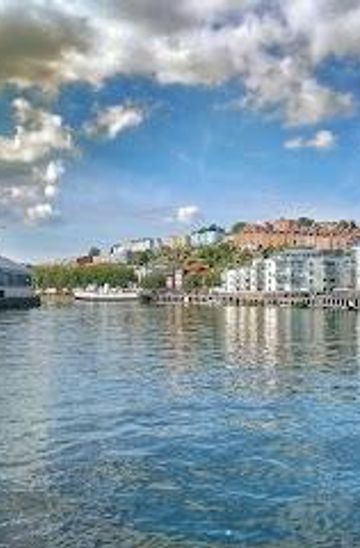
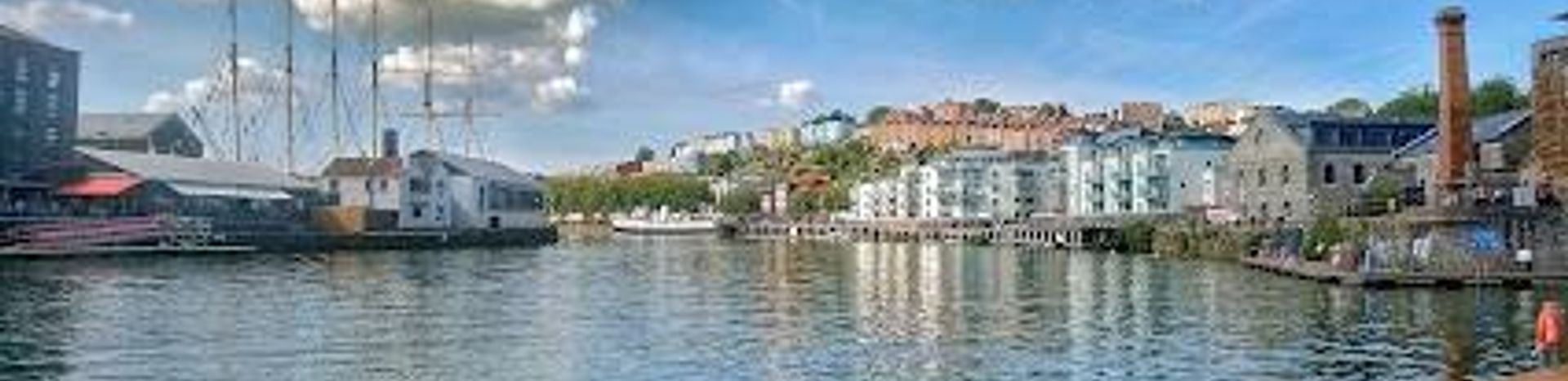
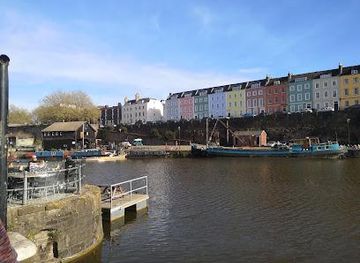
Bristol Floating Harbour, located at Welsh Back, Bristol BS1 4SP, is a vibrant 70-acre tidal harbour transformed in 1809 to maintain a constant water level, enabling ships to float regardless of the River Avon’s tides. Today, it is a lively cultural and leisure hub featuring iconic attractions like the SS Great Britain, M Shed museum, and a bustling harbourside filled with cafes, bars, galleries, and boat tours. The harbour blends rich maritime history with modern urban charm, making it a must-visit destination in Bristol.
A brief summary to Floating Harbour
- Welsh Back, Bristol, BS1 4SP, GB
- Click to display
- Click to display
- Duration: 2 to 6 hours
- Mid ranged
-
 Outdoor
- Mobile reception: 5 out of 5

Know before you go
Hi, I'm Eve. Here are a few practical things to know before exploring Floating Harbour.
- Book boat tours and cruises in advance, especially on weekends, as they are very popular and often sell out.
- Wear comfortable walking shoes to fully enjoy the extensive harbourside strolls and explore museums and galleries.
- Visit Underfall Yard Visitor Centre to learn about the harbour’s engineering and enjoy interactive exhibits.
- Check the schedule for the Bristol Harbour Festival in July for a lively event with tall ships, water shows, and special access.
Do you manage this location?
Take control to get all the benefits, like improved information, better appearance, and stronger visibility across AI-powered discovery. Learn more
Activate your presence
Getting There
-
Bus
Frequent bus services operate from Bristol City Centre to the Floating Harbour area, with journeys typically taking 10 to 20 minutes. Services run daily with fares around £2 to £4. Buses stop at key points near Welsh Back and Millennium Square, offering convenient access for visitors.
-
Train
Bristol Temple Meads station is approximately 1.5 km from the Floating Harbour, reachable by a 20 to 30-minute walk or a short taxi ride costing £6 to £10. Regular taxi services and ride-hailing apps provide quick connections for arriving visitors.
-
Boat Ferry
Bristol Ferry Boats operate hourly services along the harbour, connecting key points such as City Steps and Underfall Yard. Tickets cost about £5 to £7 for a single trip. This scenic mode of transport offers a unique perspective of the harbour and its attractions.
-
Walking
The Floating Harbour is easily explored on foot from Bristol city centre, with well-paved, flat paths suitable for all abilities. Walking times range from 15 to 30 minutes depending on starting point, allowing visitors to enjoy the harbourside atmosphere at a leisurely pace.
For the on-the-go comforts that matter to you
-
 Restrooms
-
 Drink Options
-
 Food Options
-
 Seating Areas
-
 Trash Bins
-
 Information Boards
-
 Visitor Center
Discover more about Floating Harbour
Engineering Marvel of the 19th Century
Bristol Floating Harbour was engineered between 1804 and 1809 to solve the problem of ships becoming stranded at low tide in the tidal River Avon. By diverting the river through the New Cut and impounding 70 acres of water, the harbour maintains a stable water level, allowing vessels to float continuously. This innovation transformed Bristol into a major commercial port, vital for trade and shipbuilding, until the docks closed in the 1970s. The harbour’s locks, weirs, and over 40 bridges remain engineering landmarks, with Underfall Yard preserving historic pumping stations and hydraulic machinery that once kept the docks operational.A Living Museum of Maritime Heritage
The harbour is home to several historic vessels, including Brunel’s SS Great Britain, a Victorian steamship renowned for its pioneering design and immersive museum experience. Nearby, the M Shed museum offers interactive exhibits detailing Bristol’s maritime, industrial, and social history, with historic boats moored outside adding to the authentic atmosphere. Underfall Yard’s Visitor Centre provides hands-on displays and a giant map illustrating the harbour’s water management, while volunteers share stories of the docks’ past. The harbour’s maritime legacy is celebrated annually at the Bristol Harbour Festival, when tall ships and naval vessels fill the waters.Vibrant Cultural and Leisure Destination
Since its commercial closure, the Floating Harbour has been regenerated as a thriving cultural precinct. The harbourside boasts a lively mix of cafes, bars, restaurants, and galleries housed in restored warehouses. Millennium Square serves as a social hub with fountains, events, and family-friendly attractions like We The Curious science centre and Bristol Aquarium. The Arnolfini arts centre and Watershed cinema showcase contemporary art and independent films, while Spike Island gallery promotes modern creativity. Visitors can enjoy boat trips, paddleboarding, and waterside strolls, soaking in panoramic views of the city skyline and the harbour’s unique blend of historic and modern architecture.Community and Environmental Stewardship
Bristol Floating Harbour is not only a tourist hotspot but also a community asset emphasizing sustainability. Initiatives such as water fountains in Millennium Square encourage eco-friendly practices. The harbour’s waters are managed carefully to prevent silt build-up and flooding, preserving the environment and ensuring safe navigation. The area supports local wildlife habitats and promotes low-impact tourism, with many attractions accessible by public transport and pedestrian-friendly routes. The harbour’s continued vitality reflects Bristol’s commitment to balancing heritage conservation with contemporary urban life.Engaging Experiences for All Visitors
Whether you are a maritime enthusiast, history buff, or casual visitor, the Floating Harbour offers diverse experiences. Explore interactive museums, board historic ships, or simply enjoy the lively atmosphere along the waterfront. Regular markets, street performances, and seasonal events add to the harbour’s dynamic character. For adventurous visitors, paddleboarding and boat tours provide unique perspectives of the harbour and city. The harbour’s accessibility and family-friendly attractions make it a perfect destination for a day trip or weekend getaway, rich in culture, history, and scenic beauty.Explore the best of what Floating Harbour has to offer













More about Gwent
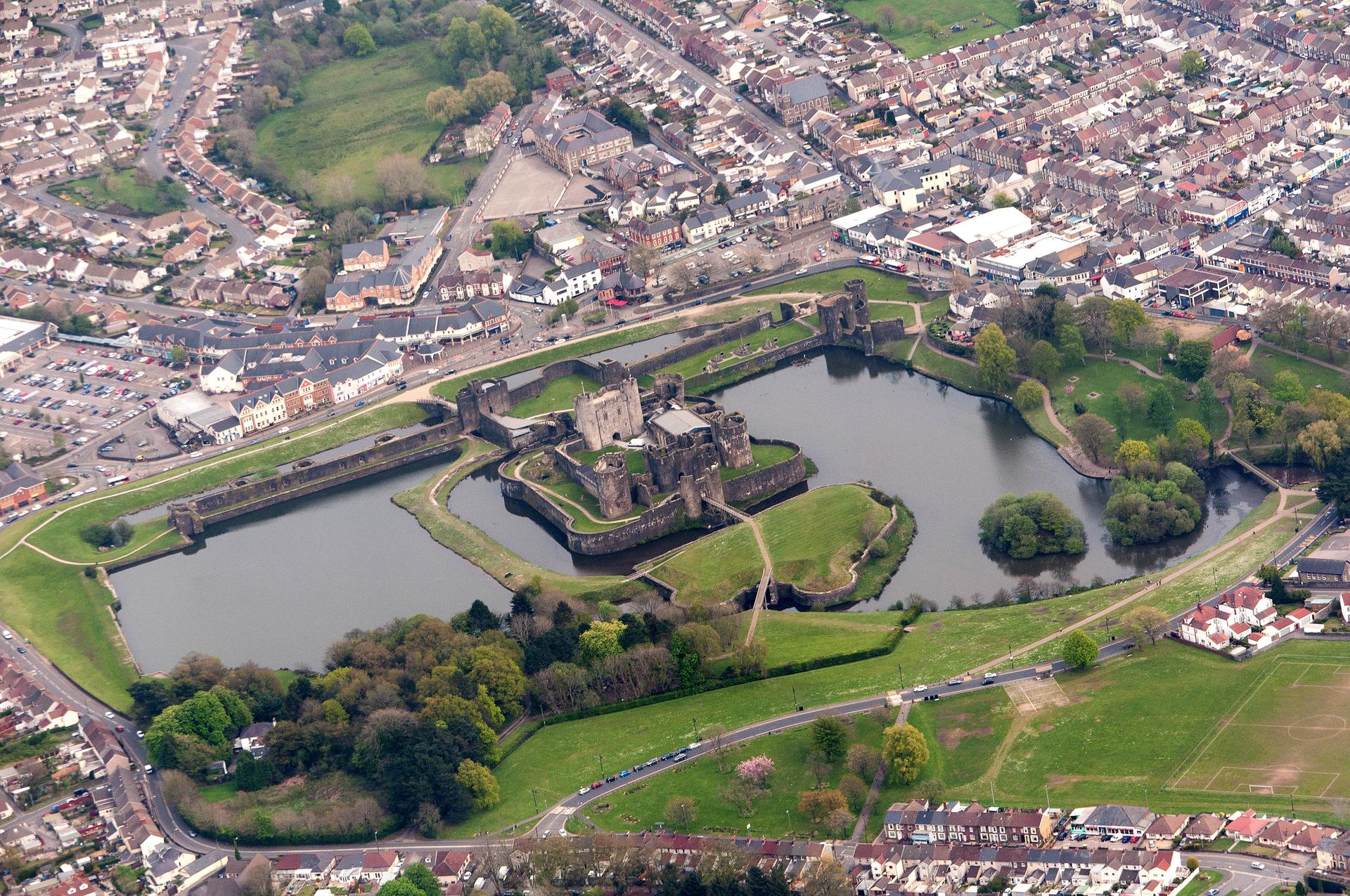
Explore Gwent, a captivating blend of ancient history, picturesque landscapes, and vibrant culture in the heart of Wales.
Tell me more about Gwent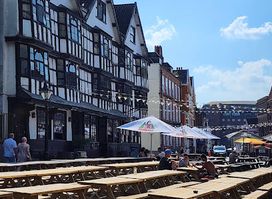
Step into history with TimeTrail, an immersive live-action adventure on Bristol’s historic King Street that challenges your wits and teamwork.
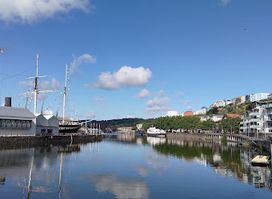
Explore Bristol’s historic Floating Harbour, a vibrant waterfront blending maritime heritage, cultural attractions, and scenic leisure in the city’s heart.