

Templar Stone, Bristol Travel Guide
Free Guide: Explore the evocative ruins of Bristol’s 12th-century Temple Church, a landmark steeped in Knights Templar history and medieval mystery.


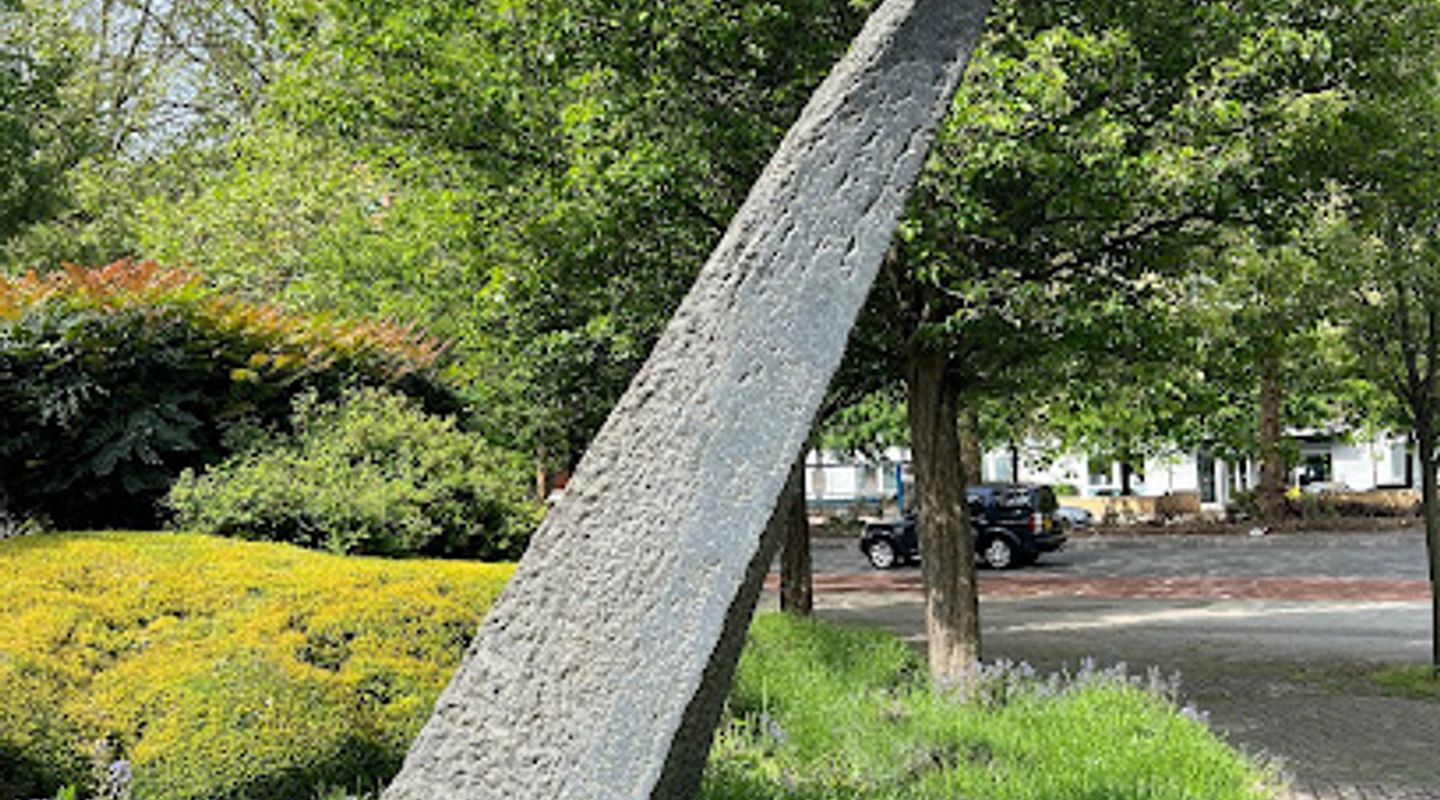
A brief summary of Templar Stone
Explore the evocative ruins of Bristol’s 12th-century Temple Church, a landmark steeped in Knights Templar history and medieval mystery.
Temple Church in Bristol, originally founded by the Knights Templar in the 12th century, stands as a haunting yet evocative ruin following destruction in World War II. Its distinctive leaning tower and remnants of the original round church mark a site rich in medieval history and spiritual significance. Now maintained by English Heritage, the site offers visitors a glimpse into Bristol’s Templar past and the church’s evolution through centuries of religious and civic change.
On-site amenities
 Restrooms
 Seating areas
 Information boards
Opening hours
- Every dayOpen 24 hours
Opening hours as listed on the venue’s Google Business Profile. Hours can change for services and special events, so check with the venue before you go.
- Address
- Temple Back E, Redcliffe, Bristol BS1 6DX
Getting there
Public Bus
Train and Walk
Car
Discover more about Templar Stone
Origins and Templar Foundations
Temple Church’s story begins in the early 12th century when Robert, Earl of Gloucester, granted land in Bristol’s Redcliffe area to the Knights Templar, a famed medieval military order. Around 1140, the Templars built a distinctive round church, modeled after the Church of the Holy Sepulchre in Jerusalem, symbolizing their spiritual mission and connection to the Crusades. This original oval-shaped church, approximately 50 by 30 feet, served as a monastic place of worship and a base for managing their extensive lands and trade interests in southwest England.
Medieval Transformation and Community Role
Following the suppression of the Templars in the early 14th century, ownership passed to the Knights Hospitaller. They expanded and rebuilt the church on a larger rectangular plan, completed by 1460, which included the construction of a now-famous leaning west tower. The church became the parish church for the Temple Fee area, a bustling district supported by the wealth of local cloth workers. The graveyard was extended during the Black Death, and the churchyard featured notable elements such as a statue of St John the Baptist and a Lady chapel dedicated to St Mary.
The Impact of War and Preservation Efforts
Temple Church suffered devastating damage during the Bristol Blitz of World War II, when German bombing reduced much of the structure to a shell and destroyed many historical records. Despite this, some artifacts, including a 15th-century brass chandelier, survived and were relocated to Bristol Cathedral. The church remained closed for decades until a major restoration project costing over £1 million was completed between 2021 and 2023. This work stabilized the ruins and made the site safe and accessible to the public once more.
Present-Day Experience and Significance
Today, Temple Church is a Grade II* listed building under the guardianship of English Heritage. Visitors can explore the evocative ruins, including the marked outline of the original round church on the ground and the leaning tower, a unique architectural feature caused by marshy foundations. The former graveyard has been transformed into a public garden, offering a tranquil space within the city. The church is open daily from 10am to 4pm between April and January, welcoming history enthusiasts, families, and those interested in medieval heritage.
Legacy of the Knights Templar in Bristol
The Knights Templar left a lasting imprint on Bristol’s geography and history. Street names such as Temple Back, Temple Gate, and Temple Bridge reflect the order’s former presence. Bristol’s role as a major port and embarkation point for crusaders highlights the strategic importance of the Templars’ estate here. The site’s history intertwines with tales of medieval power, religious devotion, and the dramatic events of the Reformation and modern warfare, making it a poignant symbol of resilience and heritage.
Architectural and Cultural Highlights
The church’s architectural evolution—from the original circular design inspired by Jerusalem to the later Gothic rectangular structure—illustrates changing religious and social dynamics. The leaning tower, visible from afar, serves as a distinctive landmark. Archaeological excavations have revealed foundations and remnants of the Templar hall, enriching understanding of the site’s original layout. The church’s connection to notable historical events, including a famous 18th-century exorcism, adds layers of intrigue to its cultural narrative.
Evendo Review Centre
 Google
Guest reviews
Best time to go
Quietest: Jan, Feb & Dec · before 6am or at 9pm
Busy times are Evendo estimates for a typical year, to help you plan. Actual crowds vary with events, school holidays and the weather.
Explore Templar Stone on the map
A handpicked selection of must-see spots near Templar Stone, mapped for you.
Get your free copy of our complete guide to Templar Stone, delivered straight to you.
Everything on this page, from opening hours and how to get there to Eve’s tips and the best time to go, in one PDF you can read offline, print or share.
Already have an account? Sign in
Your Templar Stone guide is ready.
We'll send it to · Not you? Sign out

Getting your guide ready…
We are putting together a fresh copy of the Templar Stone guide. This can take up to a minute.
This can take a few moments. If your browser asks, choose Allow so the download can start. You'll find the guide in your Downloads folder.
Nothing happened? Download it again
Sorry, the guide is taking longer than usual. Please try again in a minute, or get it by email instead.
Other nearby places you may find interesting
The closest places of the same kind, if this one is not quite what you had in mind.
-
St Peter's Church Haunting ruins of St Peter’s Church in Bristol’s Castle Park, a poignant memorial to the victims of the WWII Bristol Blitz.
-
Old Post Office Discover Bristol’s 18th-century Old Post Office, a preserved Georgian landmark blending rich history with vibrant city life at Corn Street.
-
The Georgian House Museum Step back into 18th-century Bristol life at the Georgian House Museum, a beautifully restored townhouse revealing the era’s elegance and social contrasts.
-
Old City Walls Explore the medieval heart of Bristol through the historic Old City Walls and the iconic St John’s Gate, where centuries of history come alive.
-
Cabot Tower Historic Cabot Tower atop Bristol’s oldest park offers panoramic city views and a serene nature escape in the heart of Brandon Hill.
Swipe for more places
More to explore near Templar Stone

 Best experiences near Templar Stone
 Best hotels near Templar Stone
 Best landmarks near Templar Stone
 Best attractions near Templar Stone
 Best shops near Templar Stone
 Best restaurants near Templar Stone
 Best bars near Templar Stone
Do you manage this location?
Take control to get all the benefits, like improved information, better appearance, and stronger visibility across AI-powered discovery.
Explore more
Explore more of Bristol
Discover Bristol: A dynamic city where historical grandeur meets modern innovation, offering a rich tapestry of culture, art, and maritime heritage.
Explore Bristol
Explore more of United Kingdom
Discover the United Kingdom: A blend of rich history, stunning landscapes, and vibrant cities, offering a unique travel experience for every visitor.
Explore United Kingdom
