
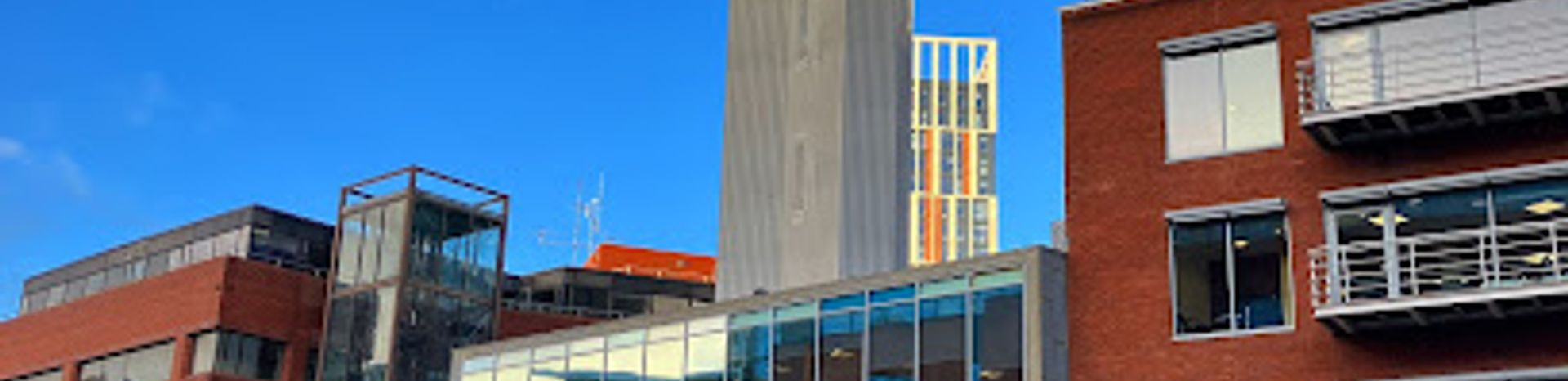
Cheese Lane Shot Tower
Bristol's brutalist shot tower—where gravity shaped ammunition and history shaped preservation.
A striking 43-meter brutalist concrete tower standing on Bristol's Floating Harbour, built in 1969 as a replacement for the world's first shot tower. Once used to manufacture lead shot through an ingenious gravity-drop process, it now serves as a preserved industrial monument and boardroom within the Vertigo office development. One of only three shot towers remaining in England and a testament to Bristol's industrial heritage.
A brief summary to Cheese Lane Shot Tower
- Bristol, City, GB
- Visit website
- Duration: 0.5 to 1.5 hours
- Free
-
 Outdoor
- Mobile reception: 5 out of 5
Local tips
- The tower has no public access to its interior, but its distinctive silhouette is best appreciated from the Floating Harbour waterfront promenade, particularly during golden hour when the concrete structure is beautifully illuminated.
- Visit the nearby Arnolfini gallery and other Floating Harbour attractions to understand Bristol's broader cultural and industrial landscape; the shot tower is one piece of a larger heritage narrative.
- The tower's brutalist design is particularly striking in winter light and during overcast conditions, when the concrete's texture and form are most pronounced.
- Combine your visit with exploration of Castle Park nearby, which offers green space and additional historical context about Bristol's medieval and industrial past.

For the on-the-go comforts that matter to you
- Seating Areas
- Information Boards
- Drink Options
- Food Options
Getting There
-
Bus
Multiple bus routes serve Bristol city center and the Floating Harbour area. Services 1, 2, 3, and 9 run regularly to stops within 200–300 meters of the tower. Journey times from Bristol Temple Meads station are approximately 10–15 minutes depending on traffic and route. Buses run frequently throughout the day; single fares cost around £1.80–£2.50 GBP, or use a day ticket for £5.00 GBP.
-
Train
Bristol Temple Meads railway station is the main transport hub, approximately 1.2 kilometers south of the tower. From the station, walk north through the city center toward the Floating Harbour (20–25 minutes) or take a bus as described above. Train services connect Bristol to London Paddington (90 minutes), Bath (15 minutes), and other UK destinations. Local and regional rail fares vary; typical day returns from nearby cities range from £15–£40 GBP.
-
Walking
The tower is accessible on foot from Bristol city center. From Cabot Circus shopping center, walk north toward the Floating Harbour (approximately 10 minutes). From Bristol Temple Meads station, the walk takes 20–25 minutes via the city center. The route is flat, well-paved, and passes through pedestrianized shopping streets and waterfront promenades. The final approach along the Floating Harbour is particularly pleasant and accessible for all abilities.
-
Car
The Vertigo office development has limited parking available on-site, though public parking is available nearby at Cabot Circus car park (approximately 200 meters away) and other city-center facilities. Parking charges typically range from £1.50–£3.00 GBP per hour, with daily rates around £8–£12 GBP. The Floating Harbour area has restricted vehicle access; driving directly to the tower is not recommended. Street parking is limited and subject to Bristol's congestion charge (£15 GBP per day for most vehicles, Monday–Friday, 07:00–15:00).
Cheese Lane Shot Tower location weather suitability
-
 Any Weather
-
 Clear Skies
Discover more about Cheese Lane Shot Tower
A Monument to Industrial Innovation
The Cheese Lane Shot Tower represents a remarkable chapter in Bristol's industrial history and the evolution of manufacturing technology. Built in 1969, this striking concrete structure replaced the original shot tower erected by William Watts in 1782—the world's first of its kind. Watts, a Bristol plumber, discovered that dropping molten lead from a great height created perfectly spherical shot, a discovery that revolutionized ammunition production and spawned an entire category of industrial architecture. His invention was so significant that he received a patent for the process, and shot towers based on his design were subsequently built across the world.Engineering and Design Excellence
The current tower stands 43 meters tall and was designed by E.N. Underwood and Partners, a firm of structural engineers. Its distinctive form features a twelve-sided crucible room at the top, giving the structure an outline reminiscent of a cotton bud—a design choice that earned it the Civic Design Award from the Bristol Civic Society in 1969. The tower is constructed of reinforced concrete and originally housed a gas-fired cast iron cauldron for melting lead ingots. The drop distance from the crucible room to the ground measured 37 meters, providing the precise height needed for the lead shot to solidify into uniform spheres as it fell. The crucible room itself has a diameter of 7.3 meters, and the entire structure represents one of the last shot towers ever built and one of only three to survive in England.From Production to Preservation
The Sheldon Bush and Patent Shot Company Limited operated the original tower from 1868 until its demolition in 1968, when road widening schemes necessitated its removal. Rather than abandon the process, the company constructed this replacement tower on a nearby site already in use for manufacturing. Production continued under the new structure until the late 1980s, when environmental concerns about lead and the adoption of alternative manufacturing methods rendered the tower obsolete. The entire manufacturing site ceased operations in 1994. Facing demolition, the tower was rescued in 1995 when English Heritage granted it grade II listed status, recognizing its architectural and historical significance.Contemporary Life and Adaptive Use
In 2005, the tower was fully refurbished and incorporated as the centerpiece of the Vertigo office development, a modern mixed-use complex on the north bank of Bristol's Floating Harbour. This adaptive reuse transformed the industrial relic into a functioning part of the contemporary urban landscape. The upper level of the tower now serves as a boardroom for the building's owners, The Workforce Development Trust, a not-for-profit organization that encompasses Skills for Health, Skills for Justice, SFJ Awards, and People 1st International. The tower's integration into this office development demonstrates how industrial heritage can be preserved while serving modern commercial purposes.Architectural Significance and Legacy
The Cheese Lane Shot Tower exemplifies brutalist concrete architecture and represents a pivotal moment in industrial design history. Its twelve-sided form and monolithic presence make it an instantly recognizable landmark along the Floating Harbour. The tower's survival and preservation stand in contrast to the fate of countless other industrial structures demolished during urban renewal. As one of the last shot towers constructed and among the few remaining examples worldwide, it serves as a tangible link to the era when Bristol was a global center of manufacturing innovation. The tower's story encompasses invention, industrial production, environmental transformation, and the modern challenge of preserving industrial heritage in evolving urban environments.Iconic landmarks you can’t miss

Cheese Lane Shot Tower
0.0 km
Bristol's brutalist shot tower—where gravity shaped ammunition and history shaped preservation.
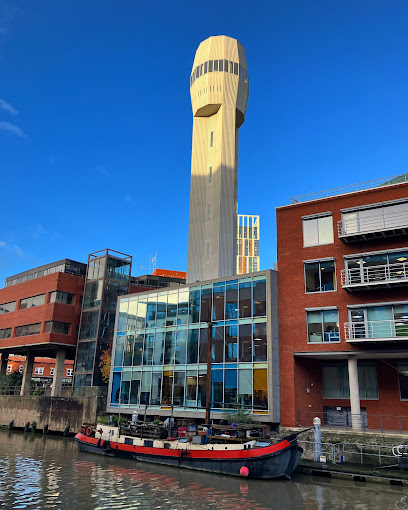
Historic England - Bristol Office
0.2 km
Discover Bristol's rich history and heritage at the Historic England office, a key player in preserving the city's architectural treasures.
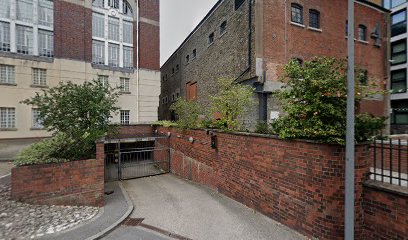
Fermentation Buildings
0.2 km
Grade II-listed former brewery warehouses reborn as a creative office and waterfront dining hub on Bristol’s Floating Harbour.
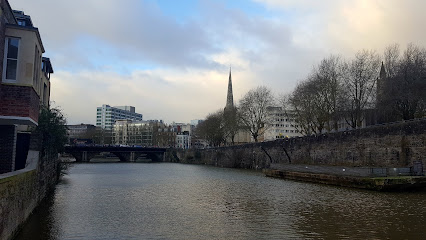
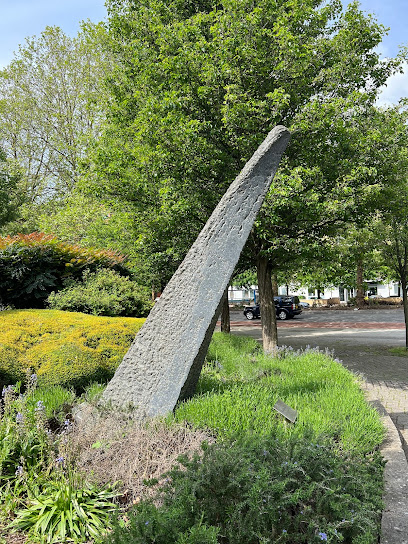
Templar Stone
0.3 km
Explore the evocative ruins of Bristol’s 12th-century Temple Church, a landmark steeped in Knights Templar history and medieval mystery.
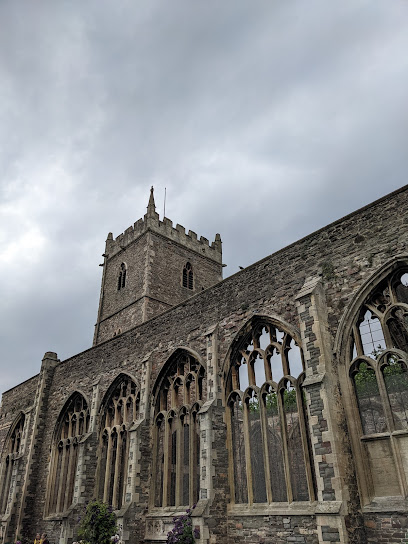
Bristol Castle
0.3 km
Discover the historic heart of Bristol at Castle Park, where medieval ruins meet serene urban green space along the scenic Welsh Back waterfront.
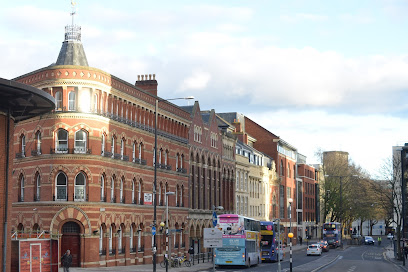
Royal Talbot Buildings
0.3 km
Discover the Royal Talbot Buildings in Redcliffe, Bristol: A luxurious executive suite experience perfect for your city escape.
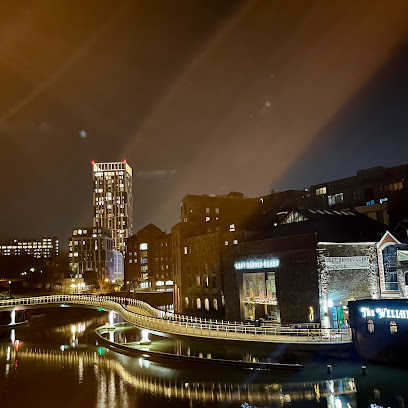
Old City Walls
0.4 km
Trace the vanished medieval walls that shaped Bristol’s historic Old City, revealing centuries of rich heritage and urban evolution.
Bristol Bridge
0.4 km
A historic Georgian stone bridge spanning Bristol’s floating harbour, blending medieval roots with modern pedestrian charm.
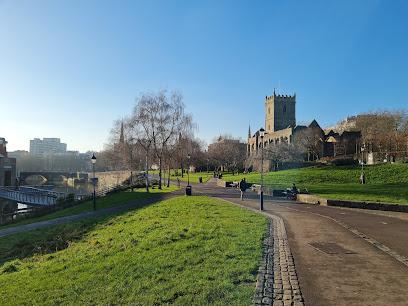
St Mary Le Port Church
0.4 km
Historic Saxon-era church ruins in Bristol’s Castle Park, a poignant landmark of medieval heritage and wartime resilience.
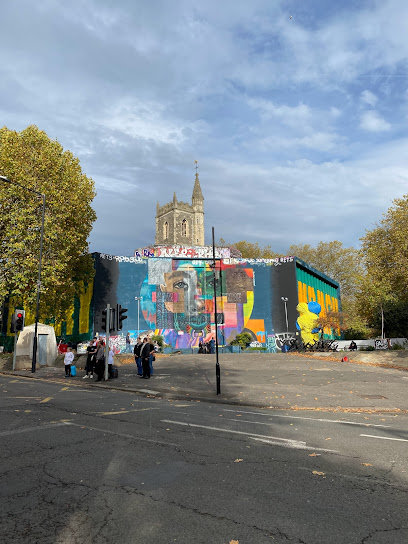
Medieval Vaults
0.4 km
Explore Bristol’s hidden medieval cellars beneath High Street, where Gothic vaults tell tales of centuries past beneath the city’s modern bustle.
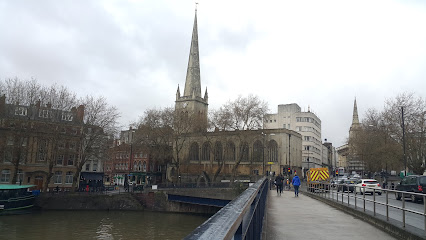
The Nails
0.5 km
Historic iron nails in Bristol’s Corn Street where medieval merchants sealed their deals, embodying the city’s rich trading heritage.
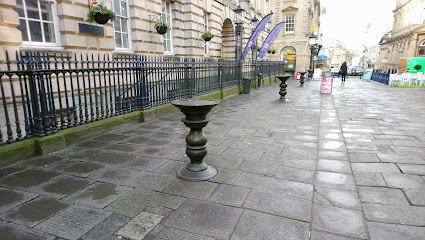
Old Post Office
0.6 km
Discover Bristol’s 18th-century Old Post Office, a preserved Georgian landmark blending rich history with vibrant city life at Corn Street.
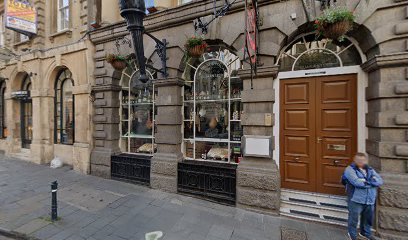
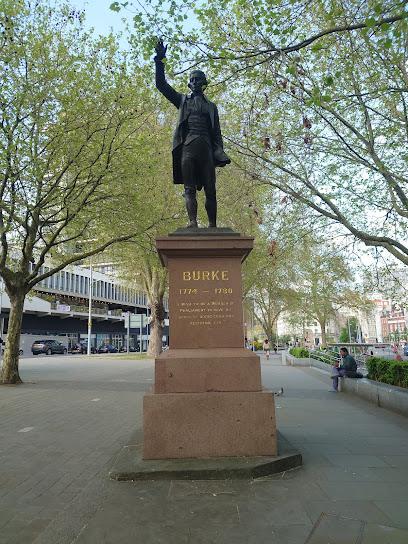
Statue of Edmund Burke
0.8 km
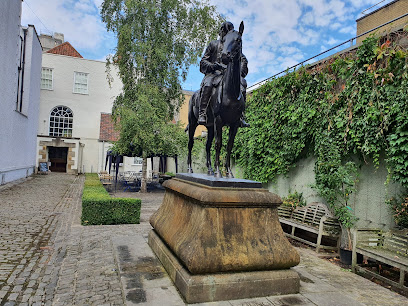
A bronze tribute to Edmund Burke on Bristol’s waterfront, where 18th-century ideals meet modern city life.
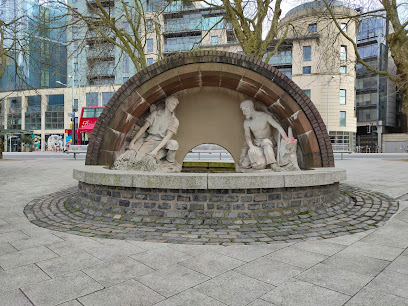
King George V Memorial Fountain
0.8 km
Lutyens-designed waterfront memorial honouring King George V with monumental sculptural figures.
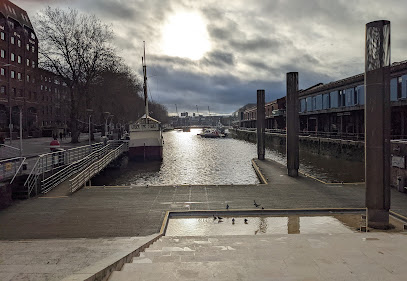
Cascade Steps
0.8 km
Historic Cascade Steps in Bristol offer scenic waterfront views and a tranquil urban retreat steeped in maritime heritage.
Unmissable attractions to see

Temple Church
0.2 km
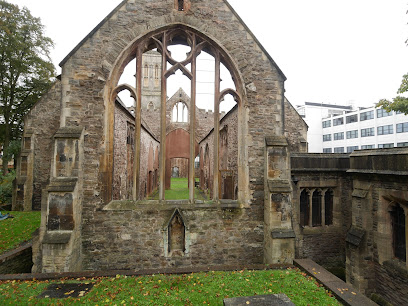
Explore the architectural beauty and historical significance of Temple Church, a stunning landmark in Bristol that showcases the city's rich heritage.
Castle Park
0.3 km
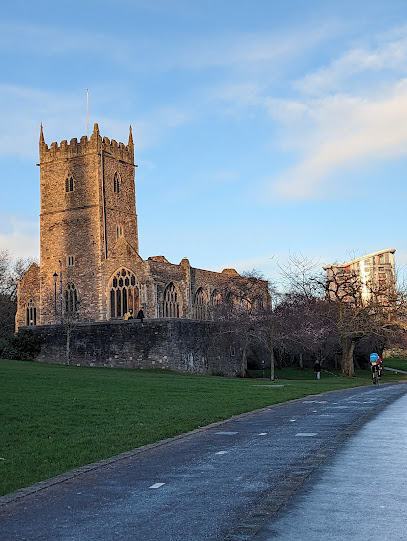
Discover Bristol’s historic heart and peaceful riverside green space at Castle Park, where medieval ruins meet vibrant urban life.
Round Pool
0.3 km
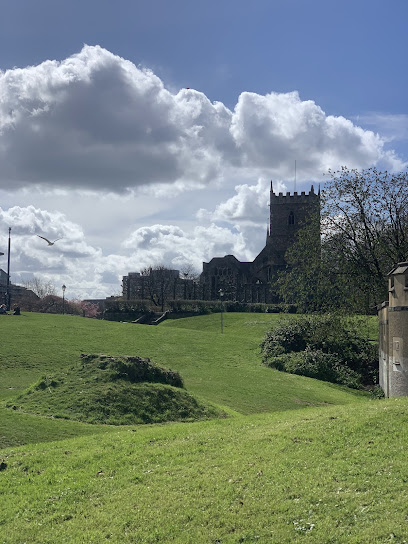
Discover Castle Park’s blend of medieval ruins, peaceful gardens, and vibrant community spirit in the heart of Bristol city centre.
St Peter's Church
0.3 km
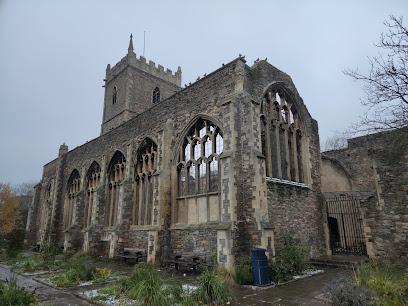
Explore the rich history and architectural beauty of St Peter's Church, a beloved landmark in Castle Park, Bristol, steeped in centuries of heritage.
Bristol city centre
0.4 km
The vibrant heart of Bristol, blending rich history, culture, shopping, and scenic waterfront charm in a lively urban setting.
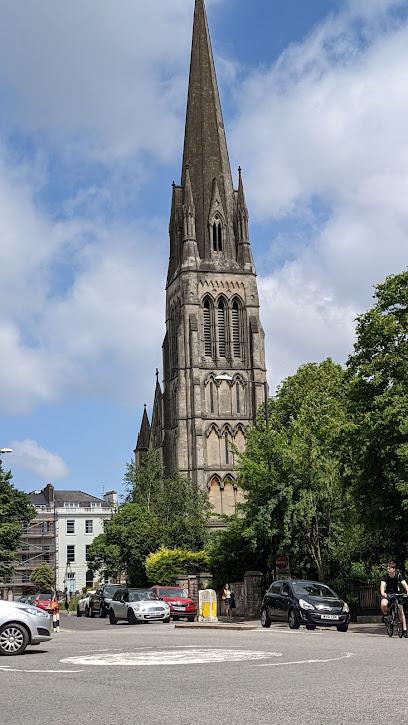
Bristol Shopping Quarter
0.5 km
Explore Bristol Shopping Quarter, where historic charm meets modern retail in a vibrant city-centre shopping and leisure destination.
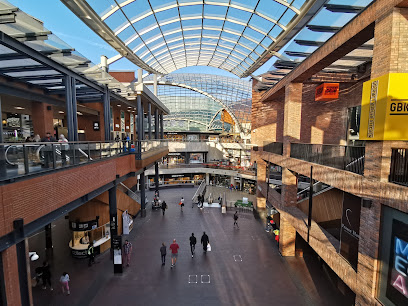
BRISTOL
0.5 km
Broadmead: Bristol’s bustling historic shopping quarter blending heritage charm with vibrant retail and cultural experiences.
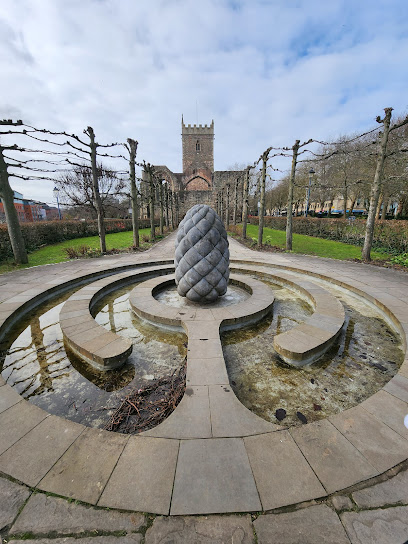
Floating Harbour
0.5 km
Explore Bristol’s historic Floating Harbour—a vibrant waterfront blending maritime heritage, cultural attractions, and lively harbourside charm.
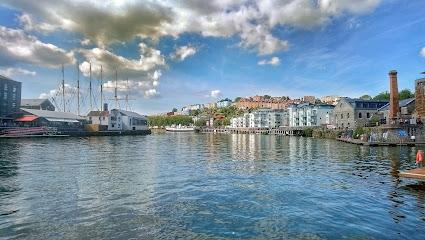
St Nicholas Market
0.5 km
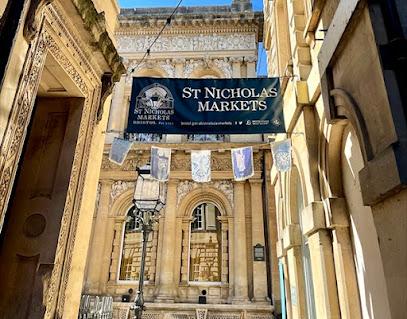
Discover Bristol’s historic St Nicholas Market, a lively hub of independent shops, artisan crafts, and global street food in a charming Georgian arcade.
TimeTrail
0.5 km
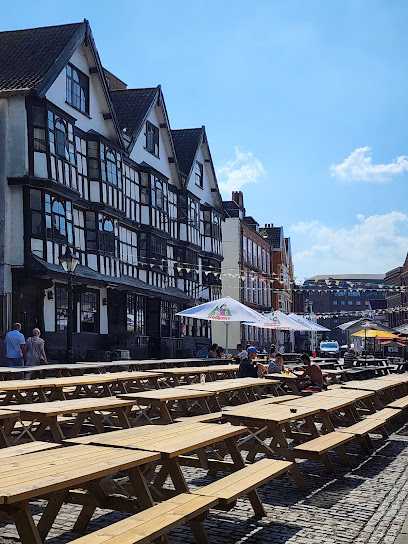
Step into history with TimeTrail, an immersive live-action adventure on Bristol’s historic King Street that challenges your wits and teamwork.
Alcotraz Bristol: Cell Block Two-Two-Six
0.5 km
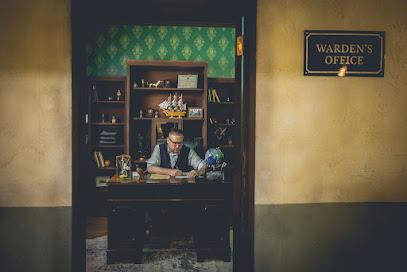
Discover the immersive cocktail experience at Alcotraz Bristol, where every drink tells a story in a unique prison-themed setting.
Cabot Circus
0.5 km
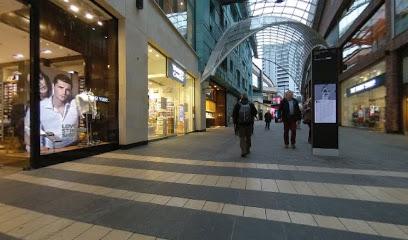
A vibrant shopping and leisure destination in Bristol with over 130 stores beneath a stunning glass roof, blending modern design and historic charm.
Welsh Back
0.5 km
Historic waterfront street in Bristol, blending maritime heritage, abolitionist history, and vibrant cultural life along the Floating Harbour.
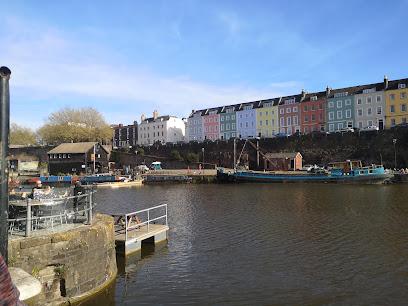
Bex's Hall Of Mirrors
0.5 km
Discover a mesmerizing world of reflections and illusions at Bex's Hall Of Mirrors, a captivating interactive attraction inside Bristol’s Cabot Circus.

John Wesley's New Room
0.5 km
Step into the world’s oldest Methodist chapel, where faith, history and social justice meet in the heart of Bristol.
Essential places to dine

Three Brothers Burgers
0.5 km
Waterfront burgers of genuine quality in Bristol's vibrant harbourside district.
Aqua Welshback
0.5 km
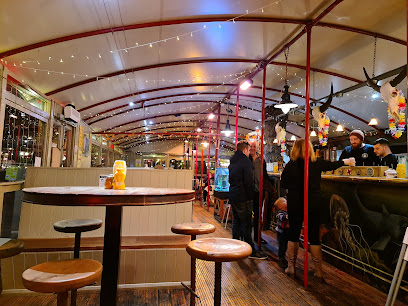
Stylish Italian-inspired dining with seasonal British flair on Bristol’s scenic Welsh Back harbourside.
Mugshot Restaurants Bristol
0.5 km
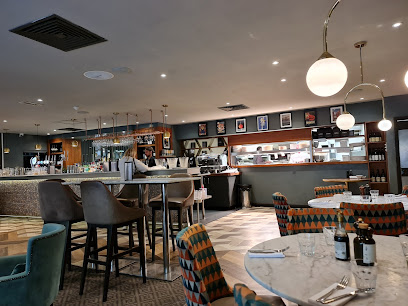
Experience 1920s vintage glamour and interactive hot stone steak dining in the heart of Bristol’s historic old town.
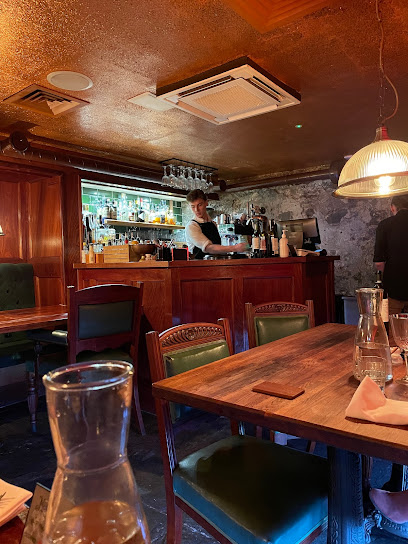
Pasture
0.5 km
Premium West Country steaks cooked over charcoal in a vibrant Victorian warehouse with live music and craft cocktails.
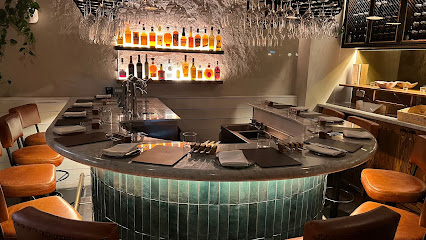
Harbour Kitchen & Bar
0.6 km
Stylish seafood dining with British seaside soul in the heart of Bristol’s vibrant Corn Street.
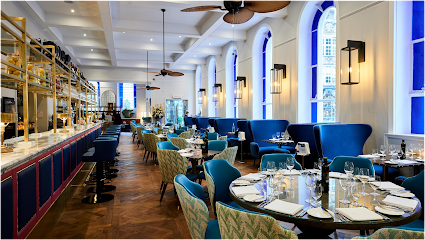
La Panza
0.6 km
Authentic Italian trattoria celebrating unpretentious hospitality and exceptional seafood pasta in Bristol's Redcliffe.
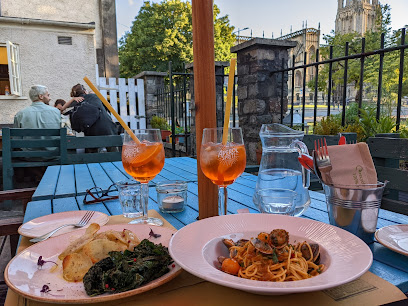
San Carlo - Bristol
0.6 km
Elegant Italian dining in Bristol with sumptuous seafood, grand interiors, and a vibrant atmosphere perfect for special occasions.
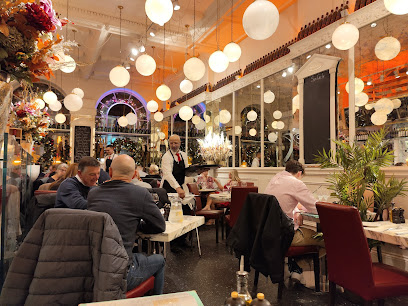
Adelina Yard
0.6 km
Modern European fine dining on Bristol’s historic Welsh Back, where seasonal ingredients and inventive dishes create an intimate, Michelin-recognized experience.
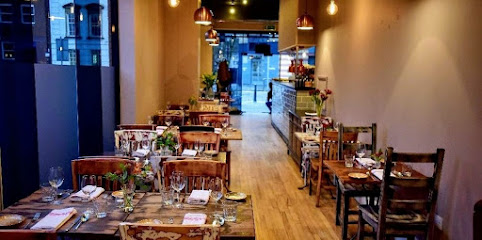
Marmo Restaurant & Wine Bar
0.6 km
Michelin-recognized Italian cooking with organic wines in Bristol's vibrant restaurant quarter.
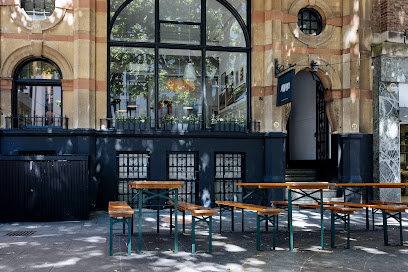
The Ox
0.6 km
Charcoal-grilled steaks in an atmospheric basement vault with cocktails and old-money elegance.
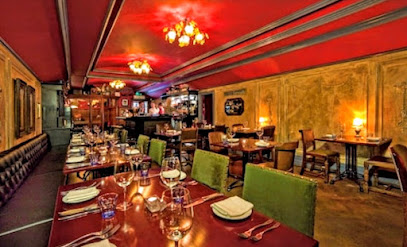
Pasta Ripiena
0.6 km
A tiny Bristol gem where every bite of handmade stuffed pasta bursts with seasonal Italian flavour.
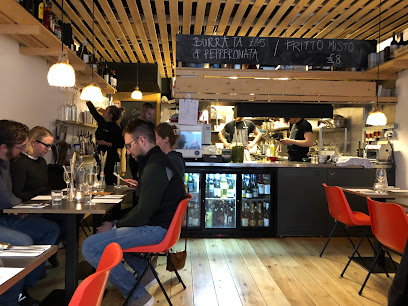
Four Wise Monkeys
0.6 km
Lively pan-Asian fusion dining with retro Tokyo vibes and bold flavours in Bristol’s city centre.
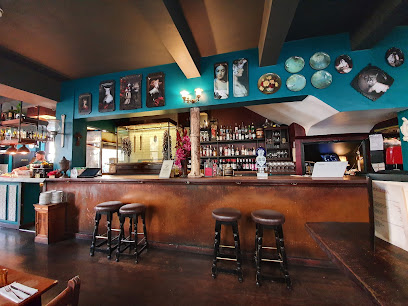
Don Giovanni's
0.7 km
Experience authentic Italian flavors and warm hospitality in the heart of Bristol’s historic Redcliffe district at Don Giovanni's.
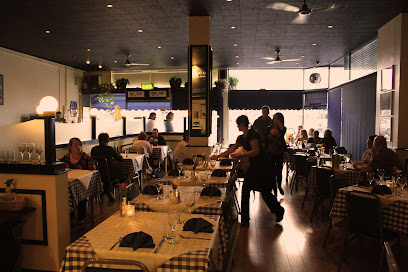
Hole In The Wall Bristol
0.7 km
Historic Bristol gastropub offering classic British fare, vibrant atmosphere, and a charming beer garden in the heart of Queen Square.
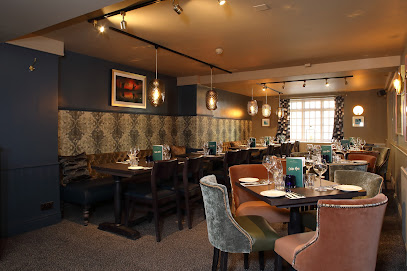
Harbour House - Restaurant, Bar & Terrace
0.7 km
Historic waterfront restaurant celebrating southwest seafood and seasonal produce with stunning harbour views.
Markets, malls and hidden boutiques

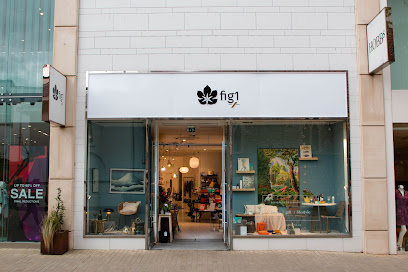
Fig1
0.4 km
Discover stylish Scandinavian-inspired homewares and gifts in the heart of Bristol’s vibrant Broadmead shopping district.
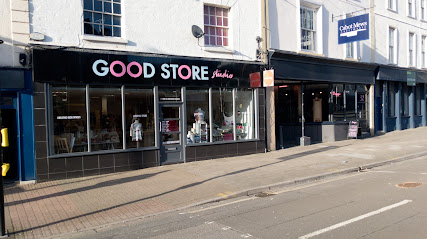
Good Store Studio
0.4 km
A vibrant independent shop and creative hub in Bristol’s Old Market, showcasing eco-friendly products and supporting local artists.
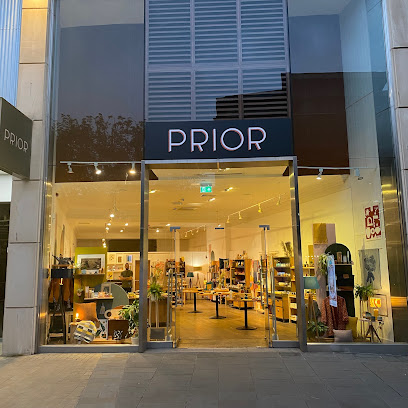
Prior Shop - Cabot Circus (Independent Superstore)
0.4 km
Bristol's award-winning ethical design hub showcasing 150+ independent makers in a gallery, workshop, and community space.
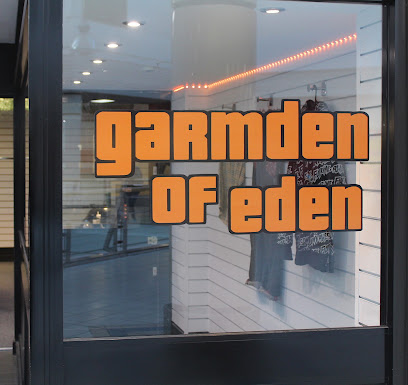
Garmden of Eden
0.4 km
A Bristol vintage clothing gem where retro style meets sustainable fashion in a welcoming, independent shop on Union Street.
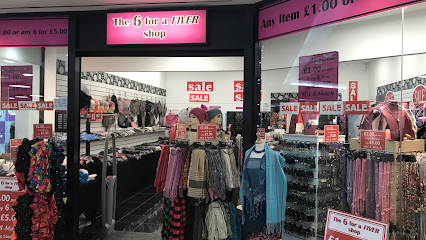
Everything one pound shop
0.4 km
Discover unbeatable bargains and a vibrant shopping experience at Everything One Pound Shop in Bristol’s The Galleries.
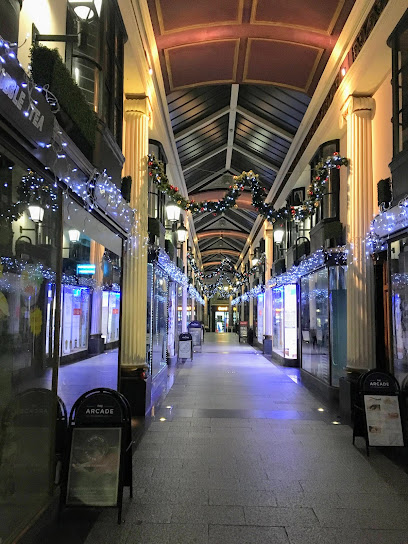
& Other Stories
0.5 km
Discover contemporary women’s fashion and accessories blending Scandinavian design with urban style in Bristol’s Cabot Circus.
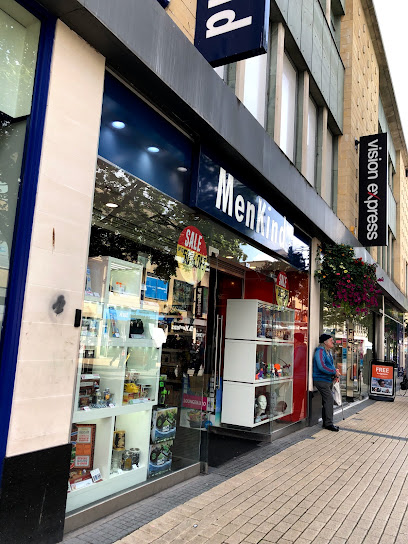
Menkind
0.5 km
Bristol's premier destination for unique gifts, gadgets, and toys that delight all ages.
Over Here
0.5 km
Discover quirky gifts and stylish clothing at Over Here, a hidden gem in Bristol's historic St Nicholas Markets arcade.
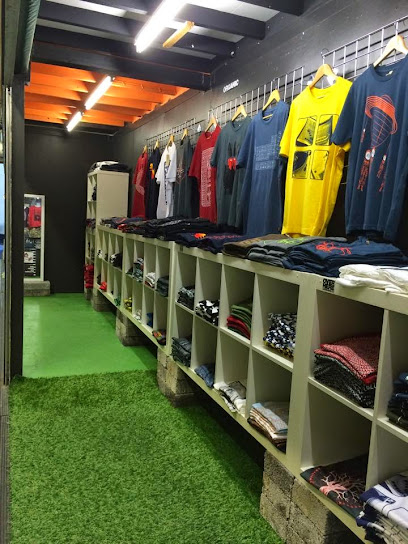
This Feeling
0.5 km
Trendy threads in Bristol's historic market heart—independent fashion amid Georgian charm and bustling stalls.
Beyond Retro - Bristol
0.5 km
Discover unique, hand-picked vintage fashion treasures in the heart of Bristol’s bustling Broadmead shopping district.
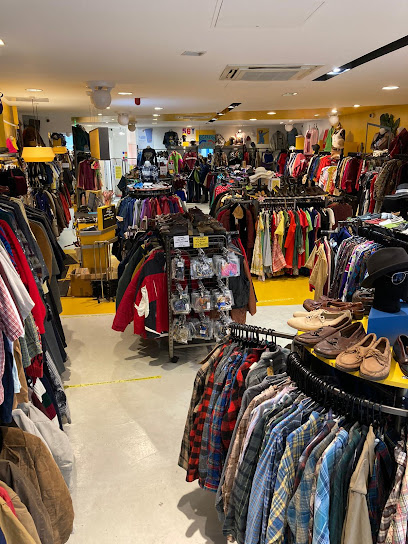
Urban Fox
0.5 km
Unearth retro gems at Urban Fox, Bristol's vintage clothing nook in vibrant St Nicholas Market—quality finds with 25 years of expertise.
uchi clothing co
0.5 km
Discover stylish, sustainable fashion in Bristol’s historic Corn Exchange at Uchi Clothing Co, where quality meets contemporary design.
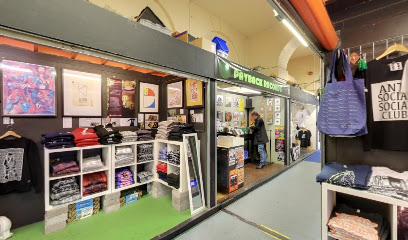
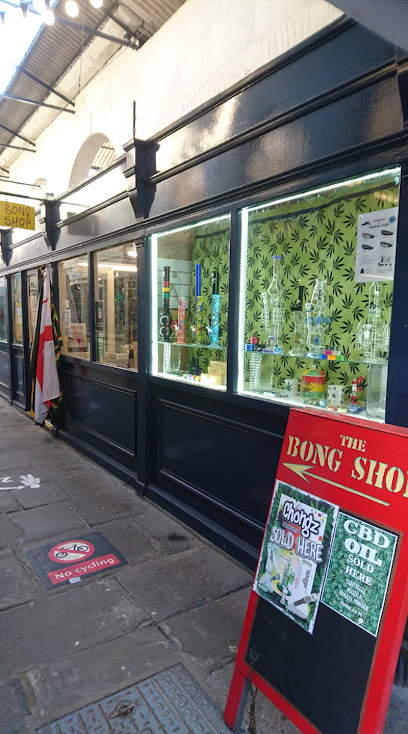
Riff Raff Gifts The Bong Shop
0.5 km
Specialist smoking accessories retailer in historic St Nicholas Market's Covered Market.
Memories
0.5 km
Explore 'Memories' in Bristol for unique gifts and local treasures that capture the spirit of your visit.
Quadrant Trading
0.5 km
Discover handcrafted Bristol treasures at Quadrant Trading in the historic Corn Exchange—a shopper's delight of local artistry and unique souvenirs.
Essential bars & hidden hideouts

The Library Bristol
0.5 km
Bristol's enchanting chameleon: vintage tea parlour by day, exclusive cocktail lounge by night—where elegance meets mixology in a hidden urban gem.
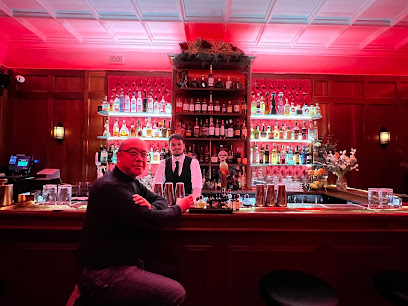
The Rummer
0.5 km
A cozy, spirit-focused pub in the medieval heart of Bristol—fireside rooms, hundreds of gins and a distilled approach to cocktails.
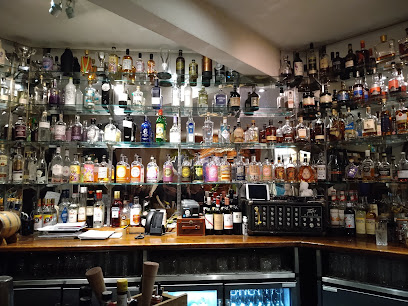
The Mothers' Ruin
0.5 km
Bristol's dive bar legend: cheap pints, basement beats, live tunes, and pizza in a historic street nook – pure debauchery awaits.
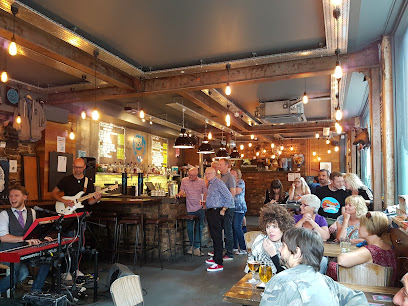
To The Moon
0.5 km
A bohemian bar in Bristol’s Old Market, blending creative cocktails, live music, and artsy vibes for unforgettable nights.
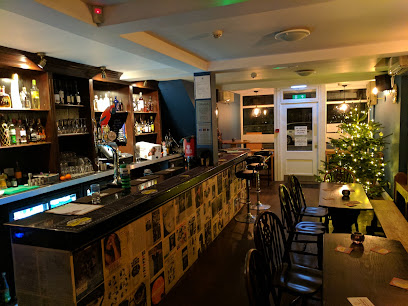
The Boardroom
0.5 km
Grazing boards, rum mastery and historic charm in Bristol's Old City—perfect for intimate drinks or private hires till late.
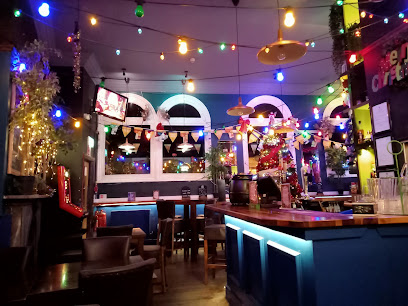
Revolution Bristol
0.5 km
Two-storey cocktail bar in Bristol’s Old Fish Market — colourful interiors, mezzanine balcony and cocktails for day and night.
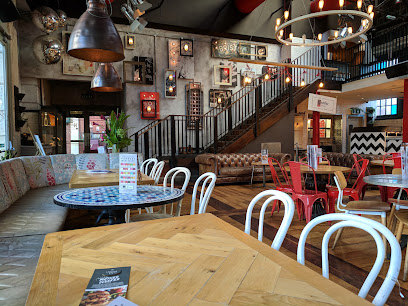
Slug & Lettuce - City Centre Bristol
0.6 km
Bristol's go-to cocktail haven on St Nicholas Street, blending lush drinks, tasty bites, and vibrant nights in the Old City heart.
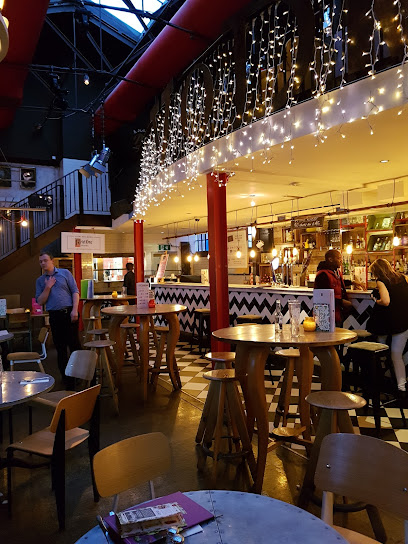
The Gold Bar
0.6 km
Experience Bristol’s ultimate speakeasy-style cocktail bar with opulent décor, masterful mixology, and vibrant weekend entertainment.
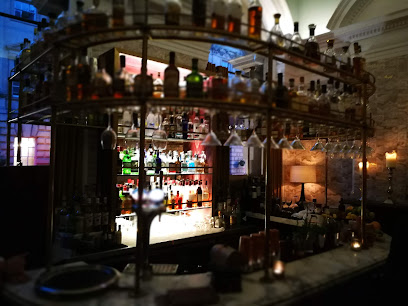
Dirty Martini - Bristol
0.6 km
Bristol's dazzling cocktail bar on Corn Street, blending royal elegance, masterful martinis, bottomless brunches, and electric nights in the heart of Old City.
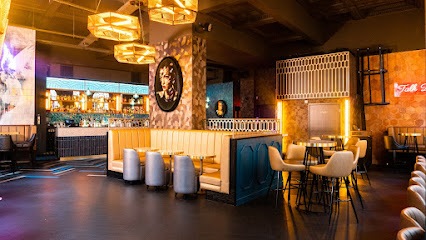
Blame Gloria - Bristol
0.6 km
Dive into Bristol’s wildest retro cocktail bar with themed brunches, dazzling performances, and a party atmosphere like no other.
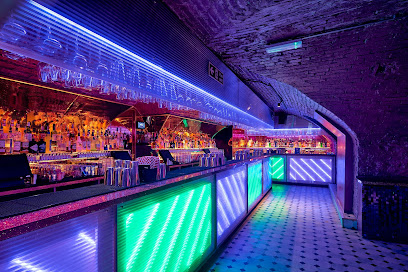
Secret Cocktail Club - Bristol
0.6 km
Discover Bristol’s hidden basement bar blending historic charm with expertly crafted cocktails in an intimate, secretive setting.
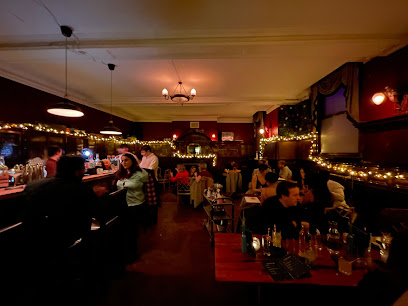
Brozen Bar - Bristol
0.6 km
Discover Bristol’s Brozen Bar, where inventive frozen cocktails and a cosy atmosphere create a unique, must-visit cocktail experience.
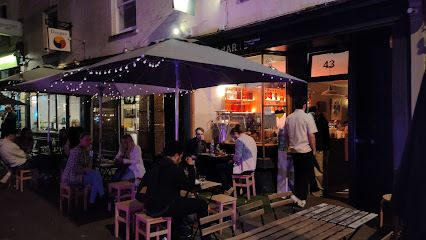
Flight Club Bristol
0.6 km
Experience the thrill of Social Darts® and vibrant cocktails in Bristol’s lively, carnival-inspired cocktail bar on historic Corn Street.
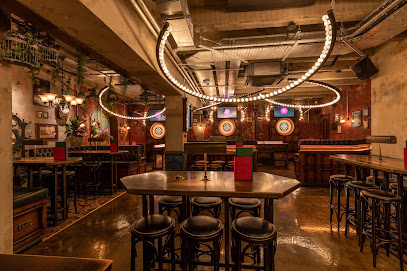
The Cocktail Club - Corn Street Bristol
0.6 km
Experience Bristol’s vibrant nightlife with expertly crafted cocktails, galactic-themed interiors, and an unforgettable party atmosphere at The Cocktail Club Corn Street.
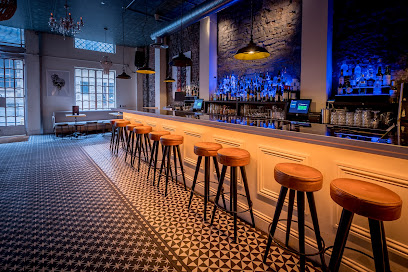
Kongs of King Street
0.6 km
A lively Bristol bar blending arcade games, craft beers, and vibrant music for unforgettable nights on King Street.
Nightclubs & after hour spots

The Loco Klub
0.6 km
An atmospheric subterranean arts venue in Brunel’s Temple Meads arches, where tunnels, brick vaults and intimate soundscapes host club nights, theatre and live music.
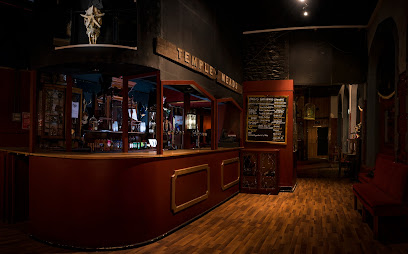
Popworld - Bristol
0.7 km
Dance to 90s and 00s pop anthems under neon lights at Bristol's ultimate nostalgic nightclub, where cheesy hits and POPTAIL cocktails fuel epic nights out.
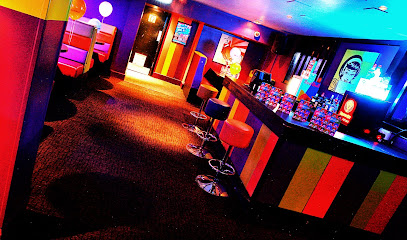
Forró Bristol
0.7 km
Ignite your night with Brazilian forró rhythms: partner dances, live bands, and sweaty joy in Bristol's beating heart.
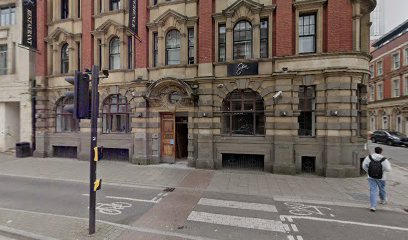
Thekla
0.8 km
A converted cargo ship transformed into Bristol’s compact, industrial live-music venue and late-night club, famed for close-up shows and throbbing club nights.
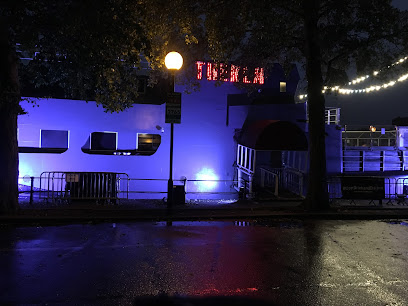
Motion
0.8 km
Bristol’s legendary warehouse nightclub, Motion, pulses with underground electronic music and community spirit in an iconic industrial setting.
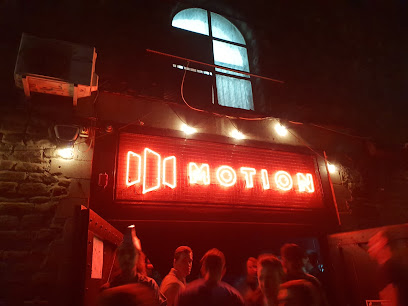
Dare to Club
0.8 km
Experience Bristol’s vibrant, inclusive nightlife at Dare to Club, where diverse music and welcoming vibes create unforgettable nights.
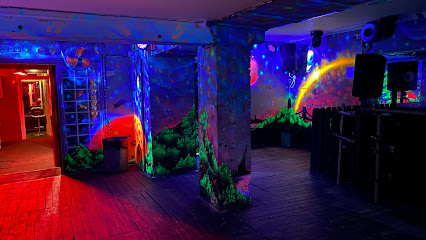
Lakota
0.9 km
Bristol's gritty heartbeat: underground raves, thunderous bass, and nights that blur into dawn at this St Paul's legend.
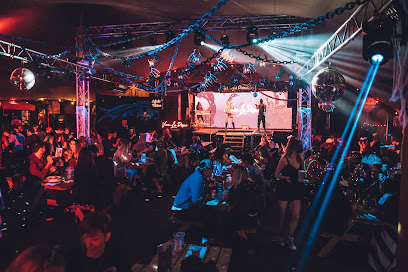
PRYZM
1.0 km
Experience Bristol’s vibrant nightlife at PRYZM, a multi-room club with themed music floors, student deals, and a lively party atmosphere.
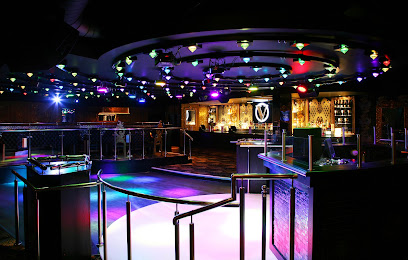
Basement 45
1.0 km
Experience Bristol’s underground nightlife at Basement 45, where eclectic music, intimate vibes, and vibrant events come alive until the early hours.
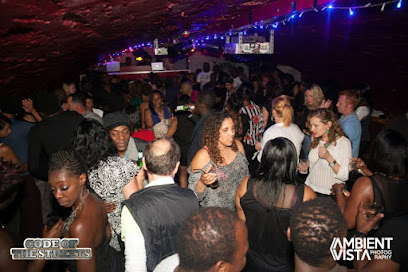
Queenshilling - Bristol Bar and Nightclub
1.0 km
Bristol's iconic LGBTQ+ haven: dance, drag, and drinks in an intimate Frogmore Street gem fueling the city's electric nightlife.
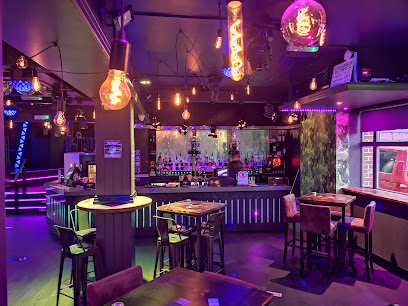
OMG
1.1 km
Southwest's biggest gay club: massive dance floor, killer sound, themed nights, and inclusive vibes until dawn in Bristol's heart.
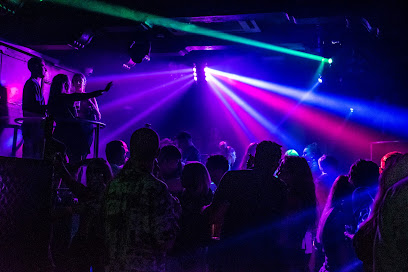
Antix
1.1 km
Bristol's enduring late-night haven on Park Street: cocktails till 1am, DJ beats till 6am, dancing into dawn with house, R&B, and reggaeton vibes.
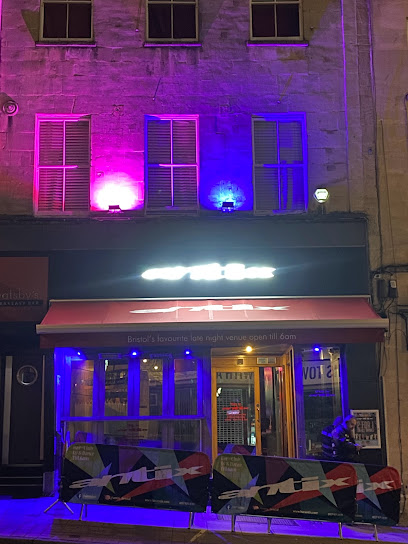
Silk Nightclub
1.1 km
Experience Bristol’s vibrant nightlife at Silk Nightclub, where energetic beats and a lively crowd create unforgettable nights in the city center.
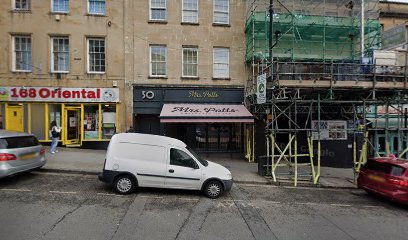
Marquee Cocktail Bar & Nightclub
1.2 km
From refined cocktails to dawn-dancing beats, Marquee delivers Bristol's ultimate nightlife evolution in one stylish venue.
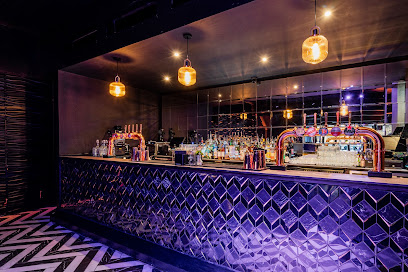
The Pearl NightClub
1.5 km
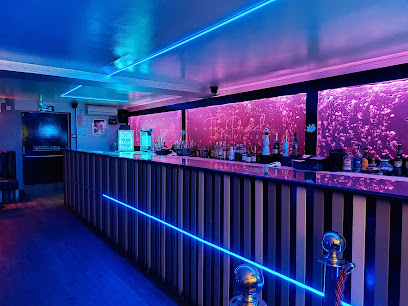
Bristol's intimate Clifton nightclub where fire DJs ignite weekend dance floors from 10pm till dawn—pure energy in a compact, electric space.
For the vibe & atmosphere seeker
- Unique
- Scenic
- Casual
For the design and aesthetic lover
- Industrial Designs
- Minimalist Designs
For the architecture buff
- Historic
- Modern
- Landmarks
- Industrial
For the view chaser and sunset hunter
- Iconic Views
- Panoramas
- Waterfront
For the social media creator & influencer
- Instagrammable
- Architectural Shots
- Photo Spots
For the eco-conscious traveler
- Protected Area
- Locally Managed
For the kind of experience you’re after
- Cultural Heritage
- Photowalk
- Day Trip
For how adventurous you want the journey to be
- Easy Access
Location Audience
- Family Friendly
- Solo Friendly
- Couple Friendly
- Senior Friendly
- Wheelchair Access


