
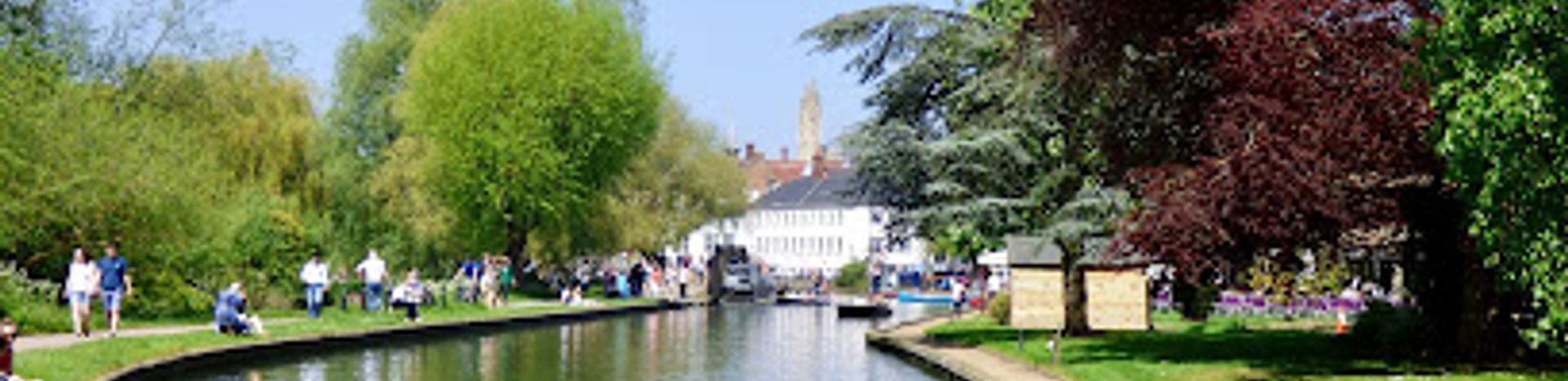
Lammas Land: Cambridge’s Historic Riverside Common
Historic riverside common in Cambridge blending ancient harvest traditions with peaceful urban green space along the River Cam.
Lammas Land is a cherished riverside park in Cambridge, historically a common grazing area linked to the ancient Lammas Day harvest traditions. Nestled along the River Cam, it offers open green spaces, a playground, and scenic views, reflecting centuries of local agricultural and community heritage within a peaceful urban setting.
A brief summary to Lammas Land
- 61 Newnham Rd, Cambridge, CB3 9EY, GB
- +441223457000
- Visit website
- Duration: 1 to 3 hours
- Free
-
 Outdoor
- Mobile reception: 4 out of 5
- Monday 10 am-10 pm
- Tuesday 10 am-10 pm
- Wednesday 10 am-10 pm
- Thursday 10 am-10 pm
- Friday 10 am-10 pm
- Saturday 10 am-10 pm
- Sunday 10 am-10 pm
Local tips
- Visit during daylight hours for safe access and to enjoy the playground and riverside views.
- Bring a picnic to enjoy on the open grassy areas near the riverbank.
- Be mindful of occasional flooding, especially in wetter seasons.
- Ideal for families and dog walkers seeking a natural, relaxed environment.

For the on-the-go comforts that matter to you
- Restrooms
- Seating Areas
- Picnic Areas
- Trash Bins
- Information Boards
Getting There
-
Bus
Take the Stagecoach bus routes 1 or 7 from Cambridge city center, with a journey time of approximately 15-20 minutes. Buses run frequently during the day but check schedules for evening service. The nearest stop is on Newnham Road, about a 5-minute walk to Lammas Land.
-
Bicycle
Cambridge is very bike-friendly, and cycling to Lammas Land from central Cambridge takes around 10-15 minutes via quiet riverside and residential routes. Bike parking is available near the park entrance. Be prepared for some uneven terrain near the riverbank.
-
Walking
From central Cambridge, walking to Lammas Land takes about 30-40 minutes along the scenic River Cam towpath and Newnham Road. The route is mostly flat but includes some uneven surfaces near the river. Suitable for most walkers with moderate fitness.
Lammas Land location weather suitability
-
 Any Weather
-
 Rain / Wet Weather
-
 Clear Skies
-
 Mild Temperatures
Discover more about Lammas Land
Ancient Roots and Agricultural Heritage
Lammas Land derives its name from the traditional English harvest festival, Lammas Day, celebrated on August 1st. Historically, Lammas Lands were parcels of land privately held until Lammas Day, after which they became common grazing grounds until the following spring. This practice connected the land to the rhythms of farming and communal rights, with Lammas Land in Cambridge originally known as Mill Pasture or Nutter’s Close, reflecting its ties to local millers and farming families. The land was used for grazing cattle and horses, a practice that continued well into the 19th and 20th centuries, preserving its agricultural character amidst urban growth.Transition to Public Park and Community Space
In the mid-20th century, the Darwin family, notable local landowners, relinquished the land to the Cambridge Corporation due to declining tenancy and rising concerns about vandalism. Since then, Lammas Land has been maintained as a public park, offering a green oasis along the River Cam. It features open grass areas, a children’s playground, and natural riverside habitats. The park’s setting alongside the Cam links it to Cambridge’s network of commons and flood meadows, spaces that have historically resisted urban development due to their ecological and communal importance.Environmental and Social Character
Lammas Land is part of Cambridge’s ‘green belt’ of commons, which provide vital floodplain functions and recreational space within the city. Its riverside location means it is subject to seasonal flooding, contributing to its rich biodiversity and lush appearance. The park balances a semi-wild natural feel with managed areas for leisure, making it a favored spot for families, dog walkers, and community events. While it is generally peaceful, occasional issues with unsupervised activities have been noted, reflecting the challenges of maintaining open urban commons.Cultural Significance and Local Traditions
The name and legacy of Lammas Land connect to deep English and Celtic traditions of harvest celebration and communal land use. The festival of Lammas marked the blessing of the first bread made from the new wheat harvest, symbolizing gratitude and community sustenance. This historical context enriches the park’s identity, linking it to centuries-old agricultural customs and the evolving relationship between land, community, and urban life in Cambridge.Visitor Experience and Atmosphere
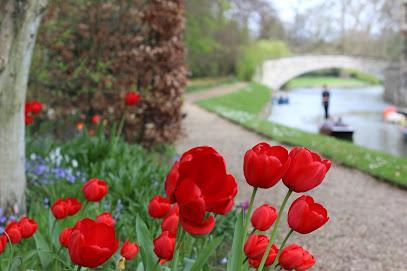
Visitors to Lammas Land can enjoy a tranquil riverside environment with scenic views of the Cam and surrounding greenery. The park’s layout encourages casual strolls, picnics, and play, with ample space for relaxation away from the bustle of central Cambridge. Its blend of natural floodplain habitat and maintained recreational areas offers a unique urban nature experience, highlighting the city’s commitment to preserving green commons within its historic fabric.Preservation and Future Outlook
As part of Cambridge’s network of commons, Lammas Land benefits from ongoing local stewardship aimed at balancing public access with ecological protection. Its status as a historic common and urban green space ensures it remains a vital part of the city’s environmental and cultural heritage. Future efforts focus on maintaining its biodiversity, managing flood risks, and fostering community engagement to keep Lammas Land a cherished green refuge for generations to come.Iconic landmarks you can’t miss

The Old Schools
1.0 km
Historic university landmark at Trinity Lane, blending Gothic and classical architecture at the heart of Cambridge's academic tradition.
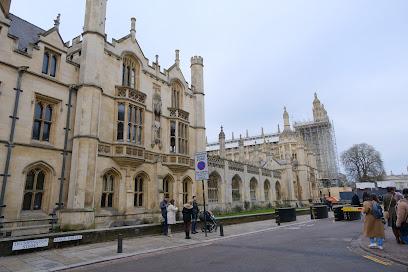
Senate House Hill
1.0 km
Historic Senate House Hill in Cambridge offers stunning views, iconic architecture, and a vibrant academic atmosphere at the heart of the university city.

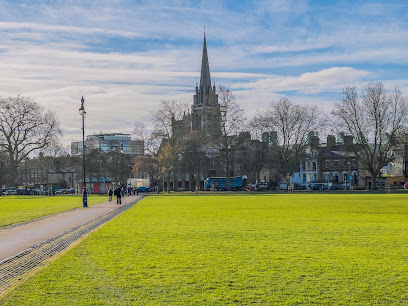
Parker's Piece
1.2 km
Explore Parker's Piece, Cambridge's iconic park, where history meets nature in a picturesque setting perfect for relaxation and outdoor fun.
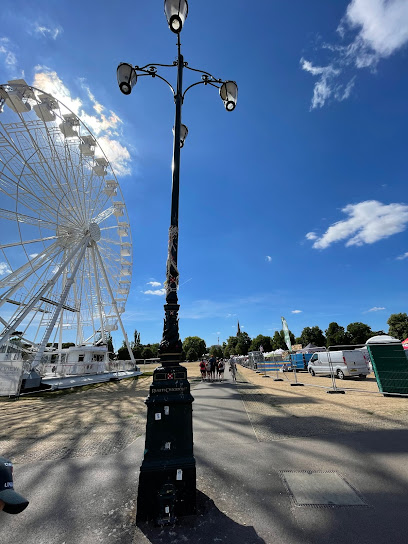
Reality Checkpoint
1.2 km
A colorful Victorian lamppost marking the boundary between Cambridge's academic bubble and the real world, standing proudly at Parker’s Piece.
Newton's Apple Tree
1.2 km
Explore Newton's Apple Tree in Cambridge, a historical landmark that connects you to the legacy of scientific discovery and innovation.
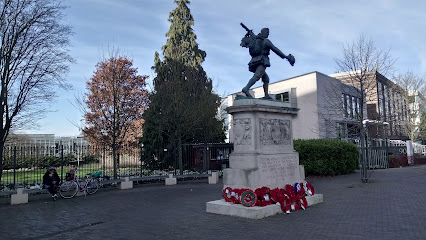
Hills Road War Memorial
1.2 km
A poignant bronze statue on Hills Road honoring Cambridgeshire’s war heroes, symbolizing sacrifice and the journey home.
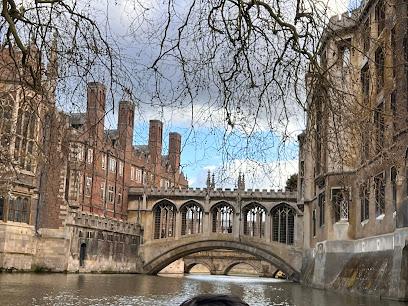
Kitchen Bridge, St John's College
1.3 km
Discover the charm and history of the Kitchen Bridge at St. John's College, a picturesque landmark in the heart of Cambridge, England.
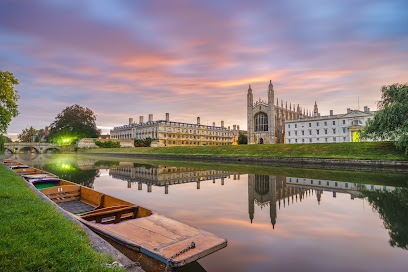
Bridge of Sighs
1.3 km
A Victorian Gothic covered bridge spanning the River Cam, linking history and beauty at St John's College, Cambridge.
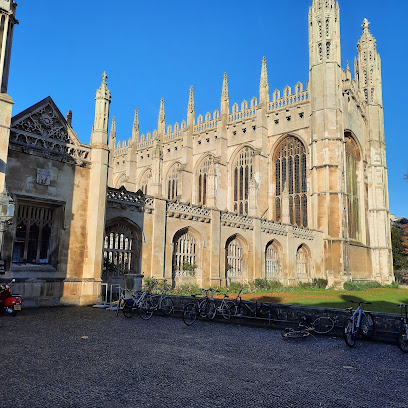
Duke House
1.3 km
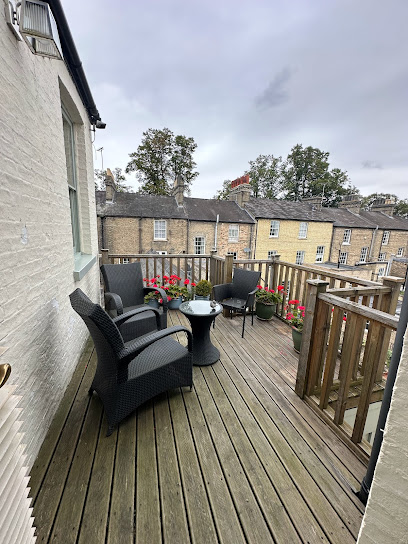
A charming boutique guesthouse blending historic elegance with warm hospitality in central Cambridge.
Christ's Pieces
1.3 km
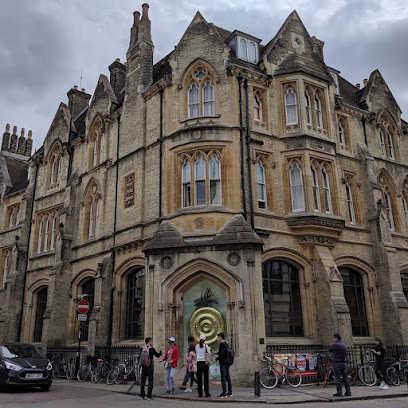
Discover the lush landscapes and vibrant atmosphere of Christ's Pieces, a picturesque park in the heart of Cambridge, perfect for relaxation and social gatherings.
The Round Church
1.3 km
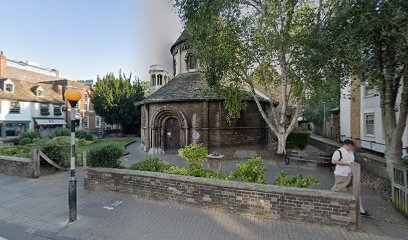
Explore The Round Church, a captivating medieval Anglican church in Cambridge, known for its unique architecture and rich historical significance.

Christian Heritage
1.3 km
Explore the Round Church in Cambridge, a stunning Norman architectural gem and a key site of Christian heritage, rich in history and spirituality.
All Saints Church
1.4 km
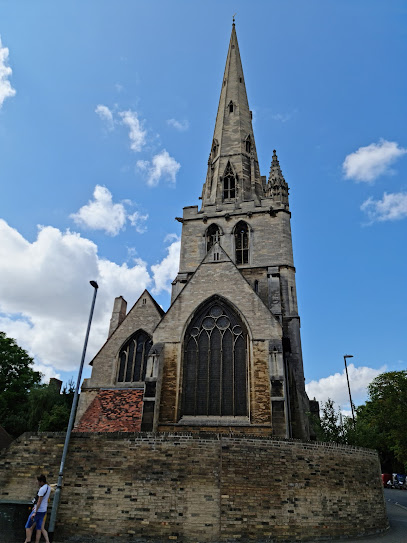
Explore the architectural and spiritual beauty of All Saints Church, a historic gem in the heart of Cambridge, showcasing stunning Gothic design and tranquility.
Magdalene Bridge
1.5 km
Historic cast-iron bridge over the River Cam, linking Cambridge’s academic heart with its ancient trading past.
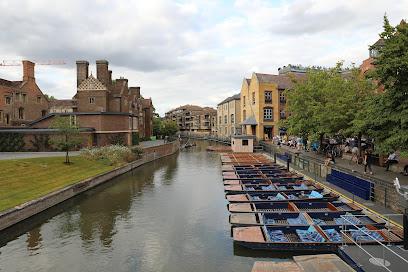
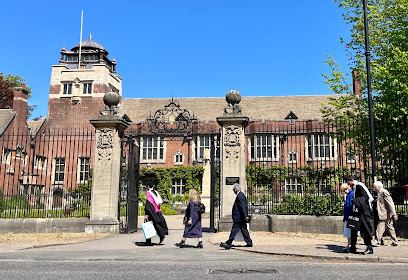
Westminster College
1.5 km
Historic theological college blending Victorian architecture with contemporary faith education in Cambridge's academic heart.
Unmissable attractions to see

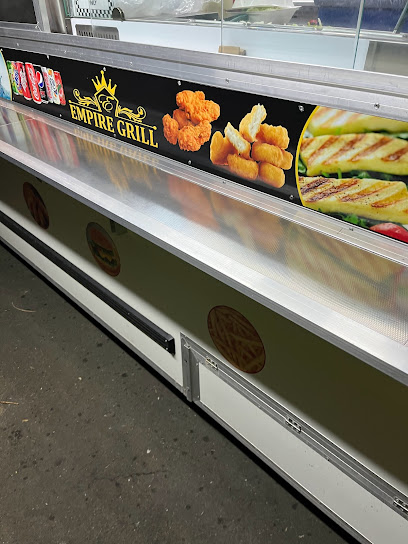
Empire Grill
0.1 km
Cambridge’s beloved late-night takeaway spot, famed for huge portions and unbeatable burger sets, open daily from 5 PM to midnight.
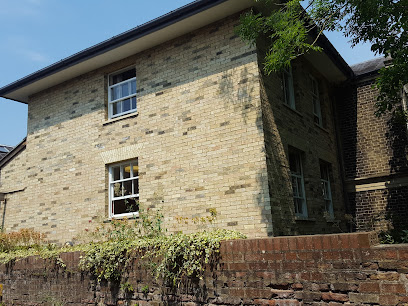
Newnham House
0.2 km
Historic Newnham House blends serene gardens and classic Queen Anne architecture with modern student living just minutes from Cambridge city centre.
The Rush
0.2 km
Discover The Rush at Sheep's Green, a peaceful riverside nature reserve near Cambridge city centre, perfect for relaxation and wildlife watching.
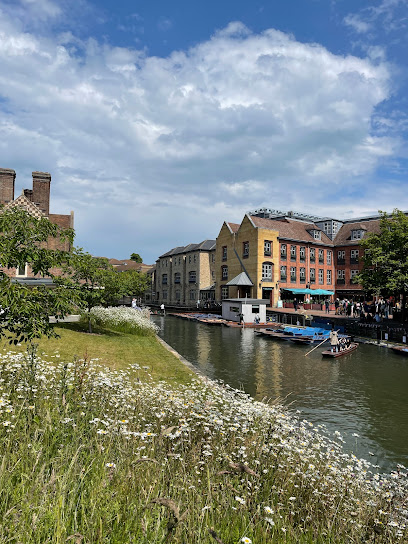
Hodson's Folly
0.3 km
Discover Hodson's Folly, a serene classical summerhouse by the River Cam, blending Victorian charm with tranquil Cambridge green space.
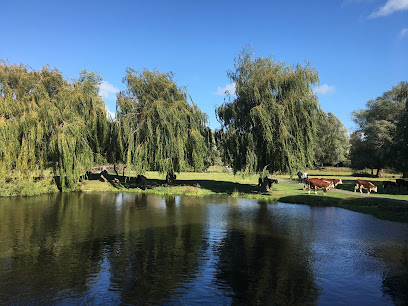
Granta Moorings
0.3 km
Discover Cambridge’s iconic river with Granta Moorings—expertly guided punts and self-rental canoes from the best mooring on the College Backs.
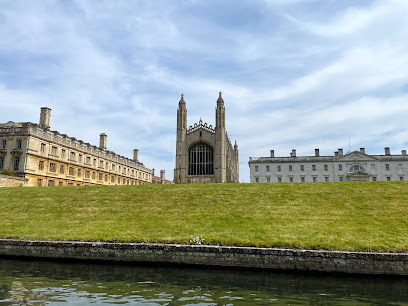
The Red Bull Newnham
0.3 km
A friendly Newnham pub by the River Cam serving pizzas, changing ales and a sunny waterside terrace for warm days.
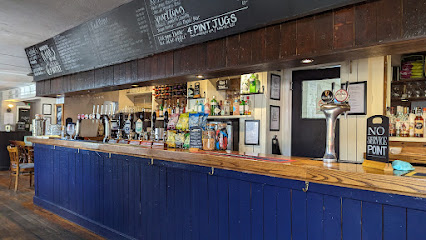
Paradise Local Nature Reserve
0.3 km
A serene wet woodland and marshland haven on the River Cam, rich in rare wildlife and historic flora, offering peaceful riverside walks in Cambridge.
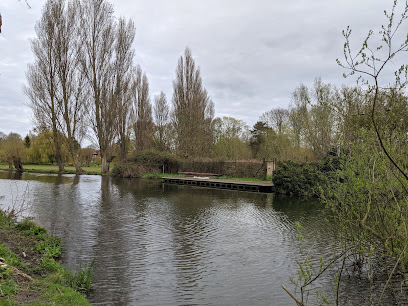
Sheep's Green
0.3 km
A tranquil riverside nature reserve in Cambridge blending historic grazing meadows, rich wildlife, and a unique outdoor river pool.
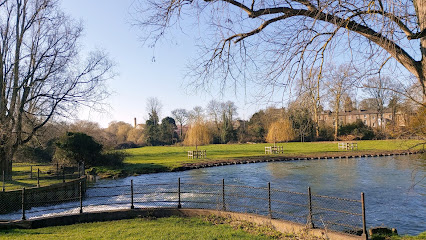
St Mark's Church
0.3 km
Historic St Mark's Church in Newnham offers a welcoming spiritual sanctuary and vibrant community hub on Barton Road, Cambridge.
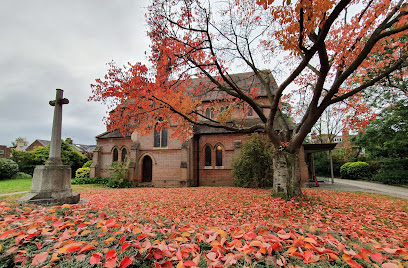
Newnham Croft Social and Sports Club
0.4 km
A friendly, historic Newnham community club hosting live music, quiz nights, pool and local events in a relaxed, inexpensive setting.
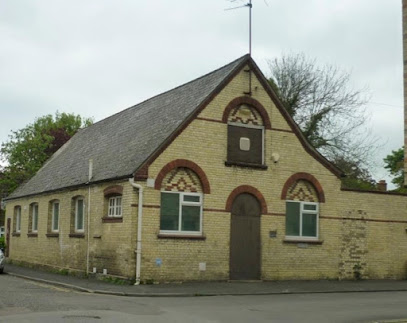
Coe Fen
0.4 km
Tranquil fenland green space beside the River Cam, blending natural beauty with historic Cambridge charm.
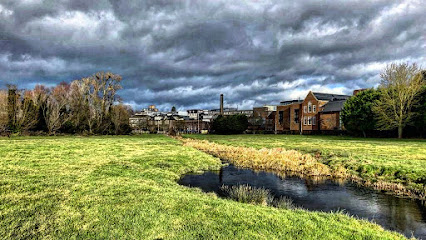
Museum of Classical Archaeology
0.5 km
Explore one of the world’s largest collections of ancient Greek and Roman plaster casts in a serene Cambridge museum.
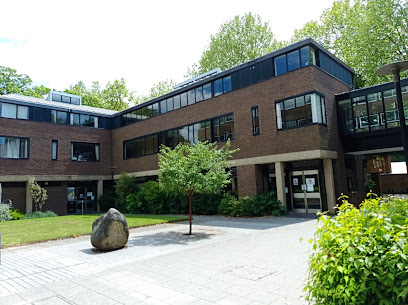
Newnham College, University of Cambridge
0.5 km
Historic women’s college with stunning Victorian architecture and tranquil gardens, a serene Cambridge retreat rich in heritage.
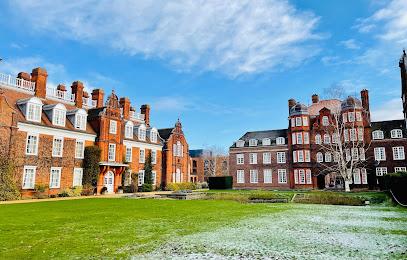
Cambridge Food Tour
0.5 km
Explore Cambridge’s culinary secrets on a guided walking tour featuring hidden gems, local flavors, and rich food heritage.
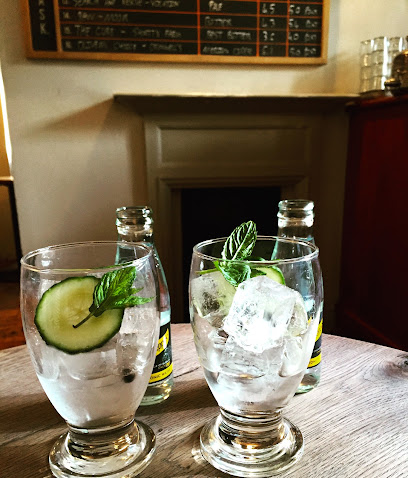
Queens' College
0.5 km
Discover Queens' College, Cambridge: a historic riverside haven famed for its iconic Mathematical Bridge and serene academic charm.
Essential places to dine

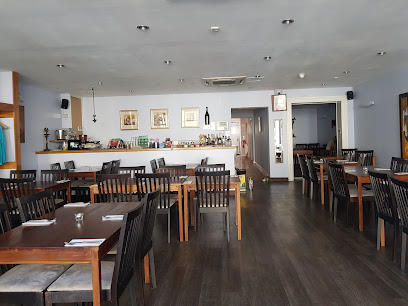
Rice Boat Cambridge
0.2 km
Experience authentic Kerala cuisine with fragrant spices and freshly made breads in a warm, contemporary setting at Rice Boat Cambridge.
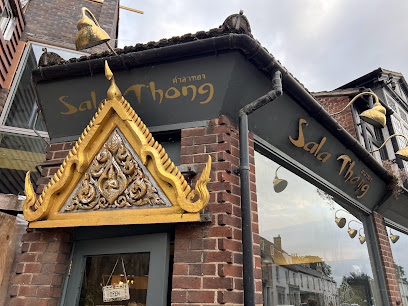
Sala Thong
0.3 km
Authentic Thai cuisine with vibrant flavors and generous portions in a cozy Cambridge setting.
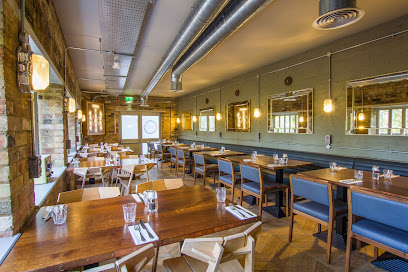
MillWorks
0.3 km
Historic watermill transformed into a vibrant modern brasserie with riverside views and charcoal-grilled British cuisine in Cambridge.
Granta
0.3 km
A charming historic pub on Cambridge’s River Cam offering classic British fare, riverside views, and a welcoming community atmosphere.
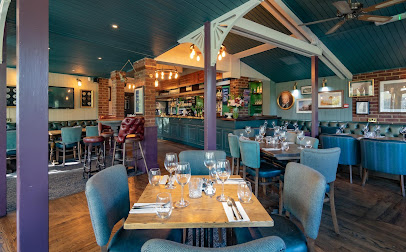
Garden House
0.5 km
Seasonal grill-focused dining with riverside views in a stylish, sustainable setting at Graduate Cambridge.
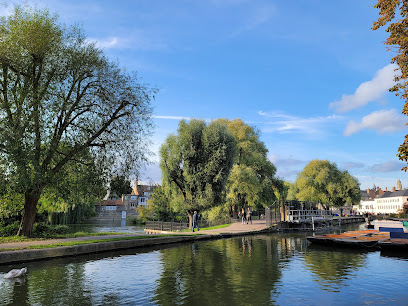
Browns Cambridge
0.6 km
Elegant British brasserie in Cambridge with Art Deco charm, quality cuisine, and a welcoming atmosphere for all occasions.
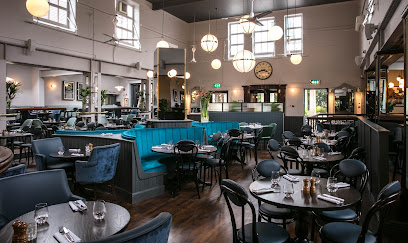
The Cambridge Chop House
0.8 km
Classic British steakhouse with locally sourced ingredients, historic charm, and stunning views opposite King's College Chapel in Cambridge.
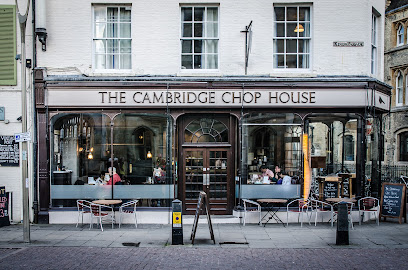
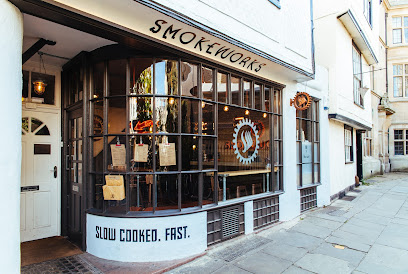
Smokeworks
0.9 km
Savor authentic American barbecue with tender smoked ribs and lively vibes in the heart of Cambridge’s historic center.
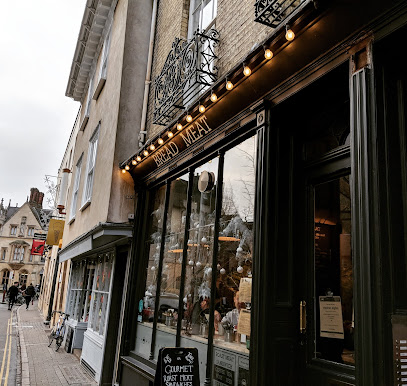
Bread & Meat
0.9 km
Savor Cambridge’s top roast meat sandwiches and comfort food in a relaxed, ethically minded eatery at 4 Bene't Street.
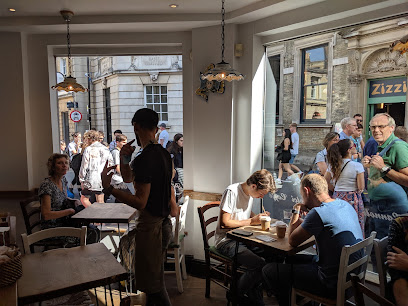
Aromi
0.9 km
Experience authentic Sicilian cuisine and stone-baked pizzas in a vibrant, historic Cambridge setting with a lively Mediterranean atmosphere.
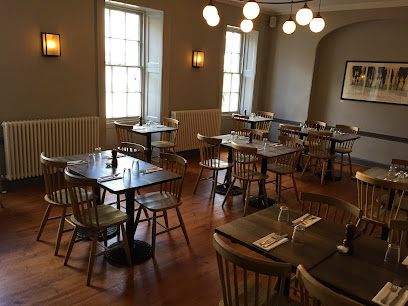
Pint Shop
0.9 km
A vibrant gastropub in Cambridge blending historic charm with an exceptional craft beer selection and hearty British fare.
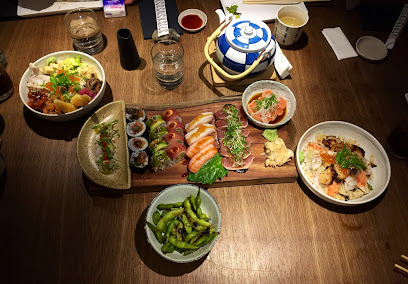
Sticks'n'Sushi - Cambridge
1.0 km
Experience the vibrant fusion of Japanese sushi and Nordic grilled sticks in the historic heart of Cambridge, where tradition meets innovation.
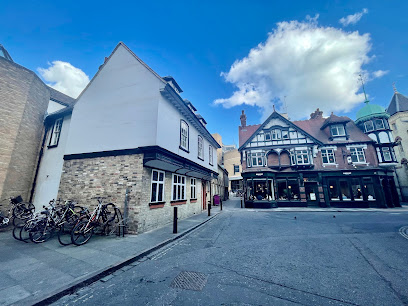
Honest Burgers Cambridge
1.0 km
Savor fresh British burgers and handmade rosemary chips in the heart of Cambridge’s vibrant Corn Exchange district.
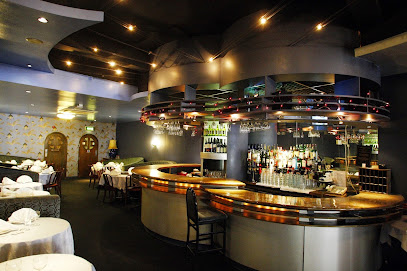
Charlie Chan Restaurant
1.0 km
Authentic Cantonese dining in Cambridge with a rich history and a diverse menu of classic Chinese dishes in a welcoming atmosphere.
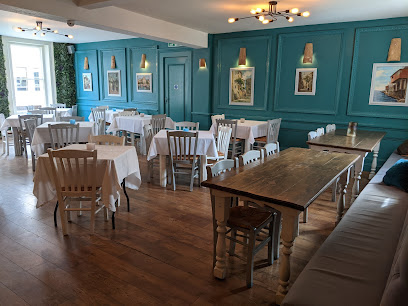
The Olive Grove
1.0 km
Savor authentic Greek cuisine with generous portions and warm hospitality in the heart of Cambridge’s vibrant Regent Street.
Markets, malls and hidden boutiques

Co-op Food - Grantchester Street - Newnham
0.2 km
Cambridge's Newnham convenience cornerstone: fresh local bites, quick services, and co-op community spirit since 1912.
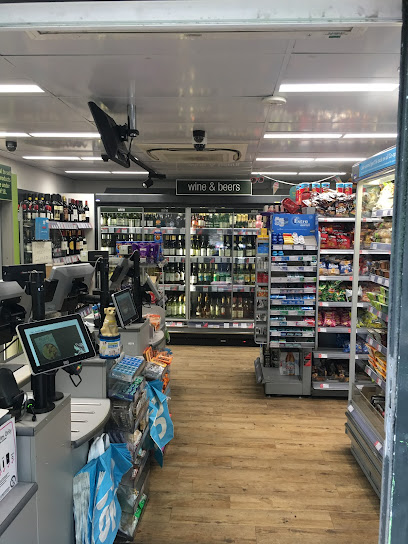
Greaterskies
0.6 km
Cambridge studio and shop for personalised, astronomically accurate star‑map prints and tasteful gift items.
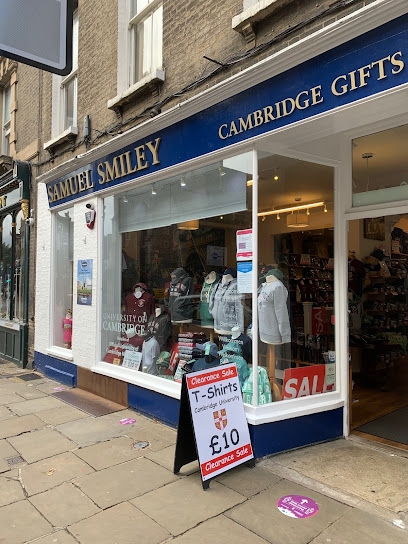
Samuel Smiley
0.7 km
A charming gift shop on Cambridge’s historic Trumpington Street, offering unique local treasures and a warm shopping atmosphere.
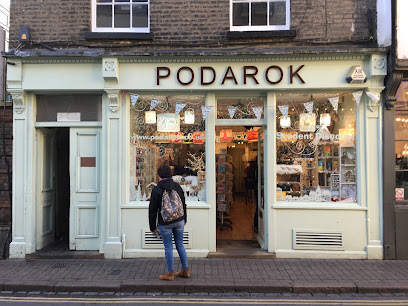
Podarok
0.9 km
Discover unique gifts, quirky handbags, and beautiful jewellery at Podarok, Cambridge’s independent boutique in the Arts Quarter.
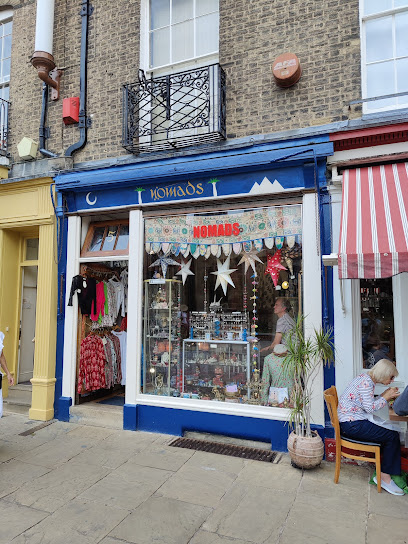
Nomads
0.9 km
Discover authentic handmade jewelry, textiles, and artisan crafts at Nomads, Cambridge’s vibrant gift shop celebrating global and local craftsmanship.
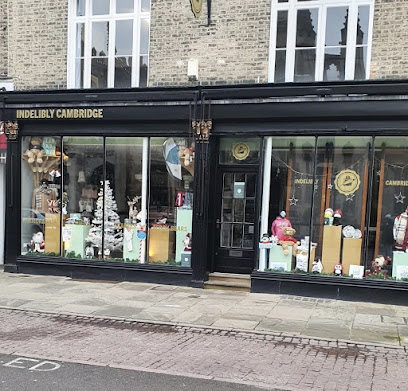
Indelibly Cambridge
0.9 km
A compact, well-curated King’s Parade shop for Cambridge-themed gifts, prints and locally made keepsakes—perfect for quick souvenirs with local character.
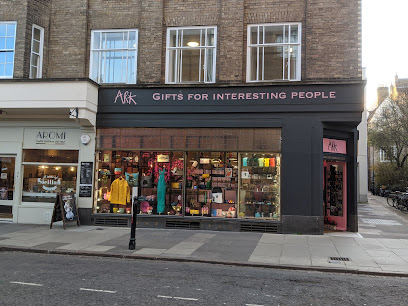
Ark
0.9 km
Compact independent gift shop on historic Peas Hill serving market crowds, theatregoers and locals with curated Cambridge keepsakes.
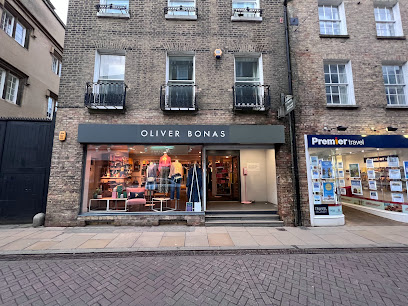
Oliver Bonas
1.0 km
A feel-good British lifestyle store in Grand Arcade offering colourful fashion, curated homeware and choice gifts across a spacious ground-floor shop.
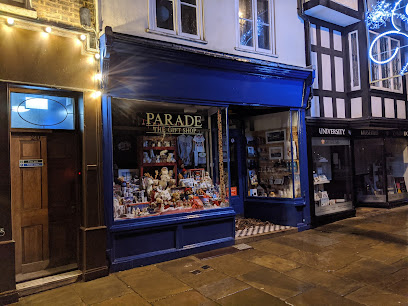
Parade
1.0 km
Discover unique Cambridge souvenirs at Parade Gift Shop, perfectly located on historic King's Parade with stunning views of King's College.
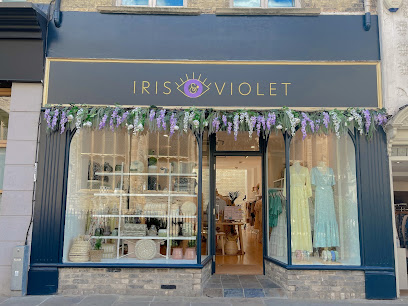
Iris and Violet Cambridge
1.0 km
Discover vibrant, curated womenswear and lifestyle pieces in the charming heart of Cambridge at Iris and Violet boutique.
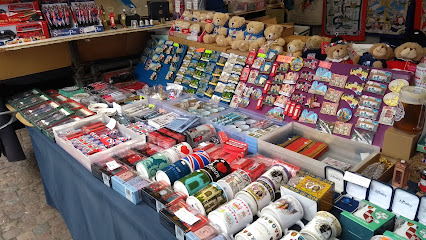
Souvenirs And Gifts
1.0 km
Authentic Cambridge souvenirs and handcrafted gifts in the heart of Market Hill.
Menkind Cambridge
1.0 km
Discover unique gadgets and men’s gifts in the heart of Cambridge’s Lion Yard Shopping Centre, blending modern fun with historic charm.

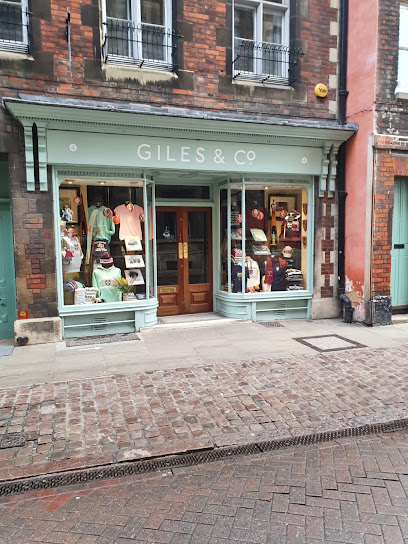
Giles & Co
1.0 km
Compact Trinity Street giftshop specialising in Cambridge-branded clothing, personalised keepsakes and locally sourced presents with friendly, knowledgeable service.
Sugarmark!
1.1 km
Capture Cambridge's charm with Sugarmark!'s iconic mugs, apparel, and prints from the heart of Market Hill—perfect souvenirs blending heritage and style.
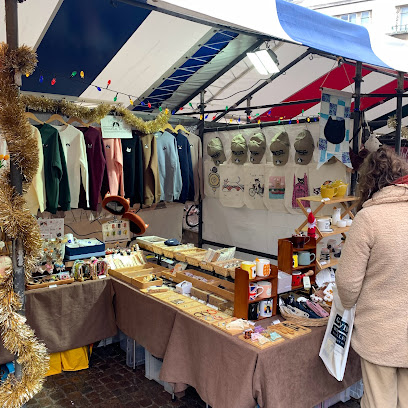
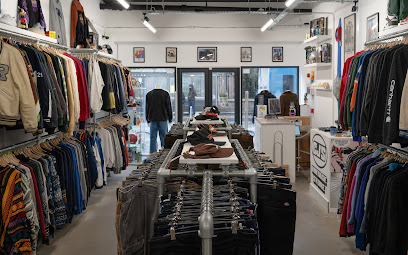
CJ’s Vintage Store
1.1 km
Discover timeless fashion treasures and iconic vintage streetwear at CJ’s Vintage Store, a stylish gem in the heart of Cambridge.
Essential bars & hidden hideouts

The Iris Bar
0.5 km
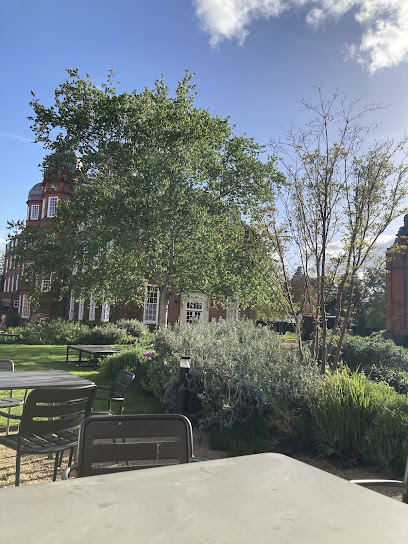
Modern cafe buzz in historic Newnham College: exceptional coffee, fresh bakes, and student energy amid Cambridge's academic gardens.
The Mill
0.5 km
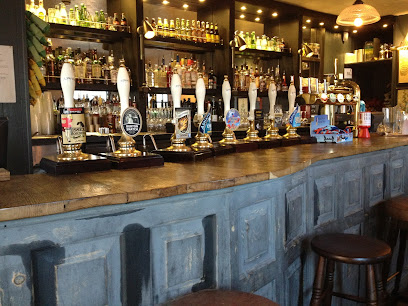
Cozy 19th-century riverside pub in Cambridge offering real ales, hearty British fare, and a warm, music-filled atmosphere.
The Anchor
0.6 km
Charming historic riverside pub in Cambridge offering classic British fare, craft beers, and live jazz in a lively yet relaxed setting.
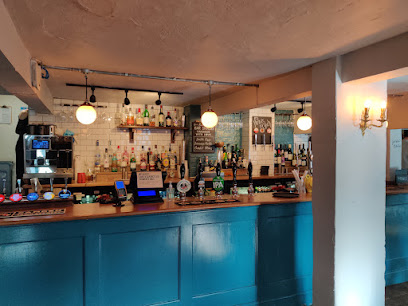
Tall Trees
0.7 km
Eclectic basement bar in Cambridge with live music six nights a week, plant-based menu, and expertly crafted cocktails.
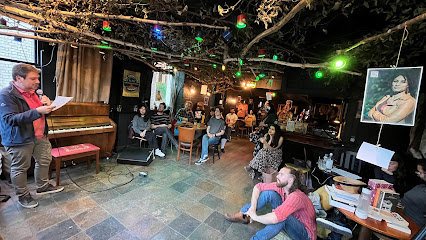
Panton Arms
0.8 km
A traditional Cambridge pub offering hearty homemade food, quality ales, live music, and a friendly dog-welcoming atmosphere in a vibrant city setting.
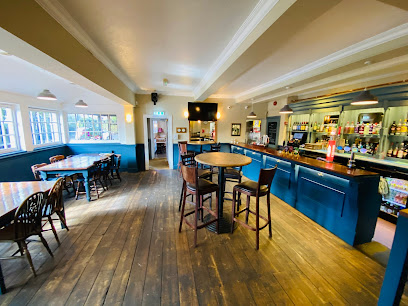
Eagle
0.9 km
Cambridge's legendary pub where DNA's secret was toasted, WWII airmen left their mark, and real ales flow amid historic haunts.

Bath House
0.9 km
Historic 17th-century Cambridge pub pouring Greene King cask ales and classic grub in a dog-friendly, family-welcoming spot steps from university landmarks.
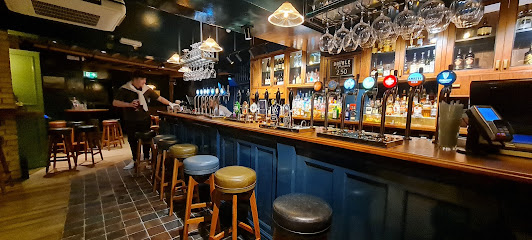
BrewDog Cambridge
0.9 km
Experience bold craft beers and innovative food in the heart of historic Cambridge at BrewDog’s lively and welcoming bar.
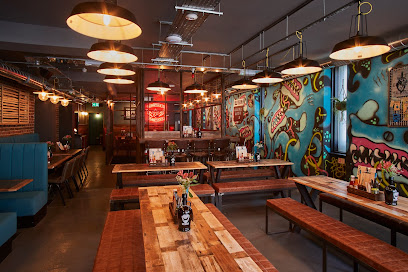
Bar -OH
0.9 km
Inventive cocktails and live music pulse through this intimate Cambridge gem, blending artistry with electric evenings until the wee hours.
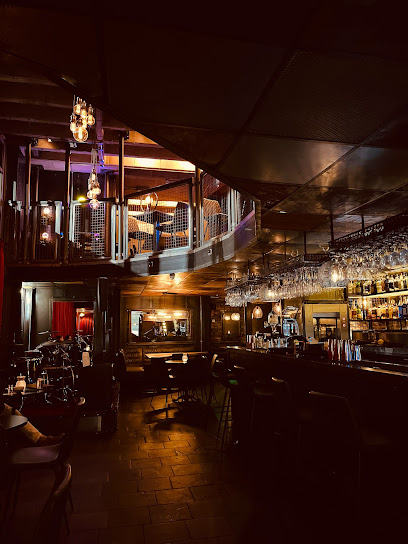
Revolution Cambridge
1.0 km
Vibrant cocktail bar and nightlife hotspot in central Cambridge with rooftop terrace, karaoke pod, and diverse event spaces.
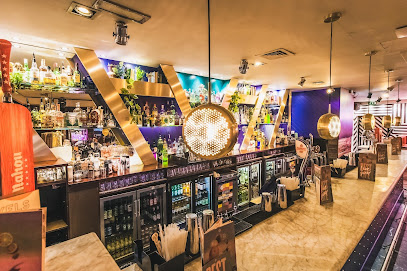
Novi Kitchen + Bar
1.0 km
A stylish Cambridge hotspot blending Modern British small plates with botanical cocktails in a vibrant, welcoming atmosphere.
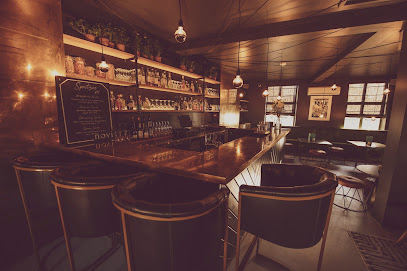
The LAB
1.0 km
1920s-inspired cocktail bar with a scientific twist, serving inventive drinks and tapas in a stylish Cambridge setting.

The Castle Bar
1.0 km
Lively city centre bar pulsing with late-night DJ beats, sizzling Hot Rock steaks, and Cambridge's infectious student energy until 3am weekends.
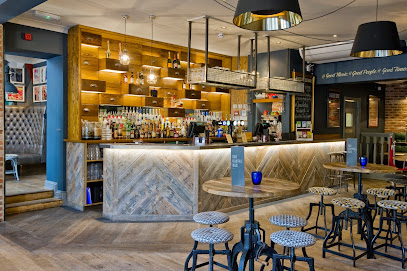
The Cambridge Tap
1.0 km
Lively craft-beer bar in a converted bank, known for burgers, cocktails and an upstairs room with college views.
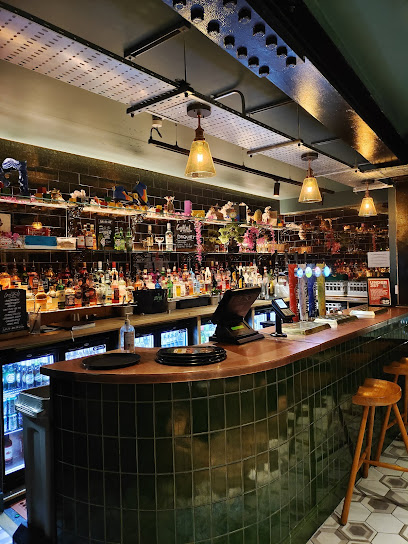
La Raza
1.1 km
Cambridge's basement gem for Spanish tapas, craft cocktails, and live funk beats—from daytime café to late-night haven.
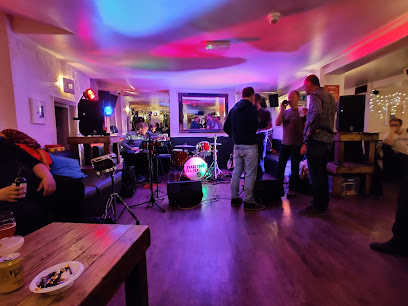
Nightclubs & after hour spots

Cambridge Lola Lo
1.0 km
Step into Cambridge Lola Lo, a vibrant tiki-themed nightclub with tropical vibes, lively dance floors, and a stunning rooftop terrace in the city centre.
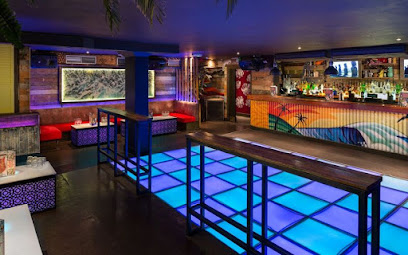
High Five
1.0 km
Cambridge's electrifying gay nightclub where themed nights, drag glamour, and inclusive dance floors ignite unforgettable evenings in the city heart.
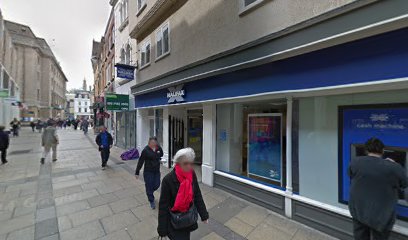
80s karaoke bar
1.1 km
Neon-lit, 80s-themed karaoke on Hills Road—compact, group-friendly singalongs from the early evening into the night.

MASH
1.2 km
Cambridge’s vibrant independent nightclub offering themed music nights and a welcoming, safe party atmosphere until the early hours.
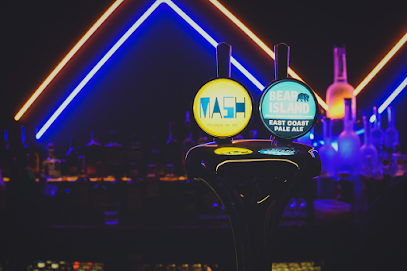
Vinyl Cambridge
1.2 km
Dance through decades on a glowing LED floor at Vinyl Cambridge's throwback haven—2-for-1 drinks, VIP vibes, and non-stop retro anthems await in the city center.
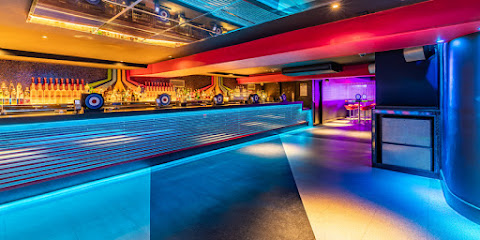
The Calling
1.2 km
Discover the vibrant nightlife at The Calling, Cambridge's premier event management venue, perfect for unforgettable experiences and fun times.
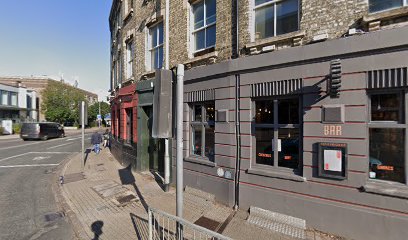
The Tram Depot
1.6 km
Discover the lively ambiance of The Tram Depot in Cambridge, where great food, local ales, and music nights create unforgettable experiences.
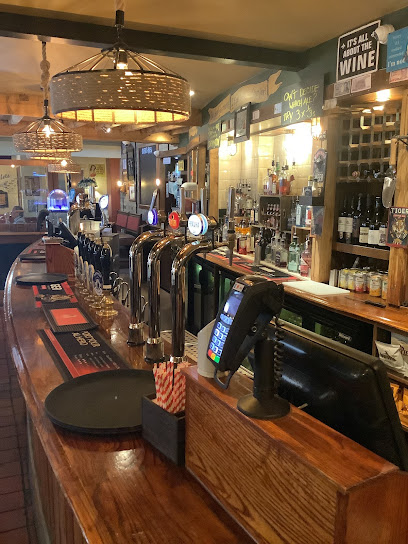
Cambridge Pop-up Speakeasy Jazz
1.6 km
Free live jazz pop-ups in a historic Cambridge pub: intimate sets, diverse musicians, speakeasy vibes on select Wednesdays at 7:30pm.
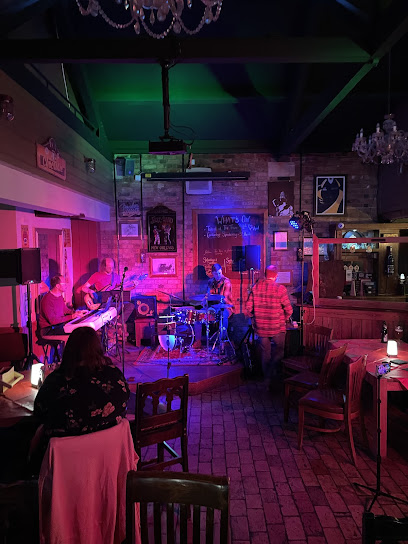
Sing Dizzy
1.8 km
Sing Dizzy offers Cambridge a lively karaoke bar experience with costumes, props, and an extensive song list for unforgettable nights of fun and music.
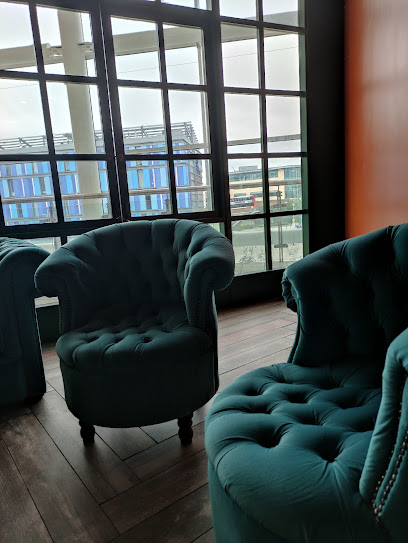
Cambridge Working Mens Club
1.9 km
Discover the lively ambiance of Cambridge Working Mens Club, a perfect blend of local culture, music, and community spirit.
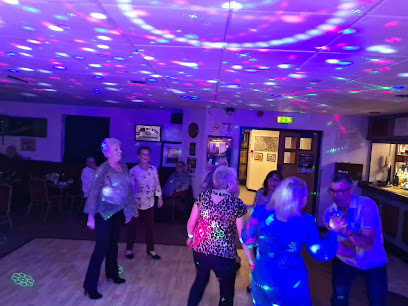
Fort St George
2.0 km
Historic riverside pub on Cambridge's Midsummer Common, serving hearty ales and classics with unbeatable Cam views and garden vibes. (162 characters)
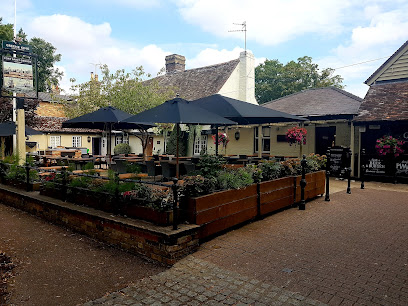
EBC Shop
2.1 km
Discover the electrifying nightlife at EBC Shop in Cambridge, where the music keeps you dancing and the atmosphere is always electric.
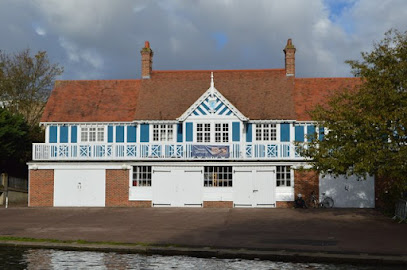
Salisbury Club
2.3 km
Cambridge's cozy Mill Road club: retro discos, pool tables, cheap drinks, and community spirit in a true local gem.
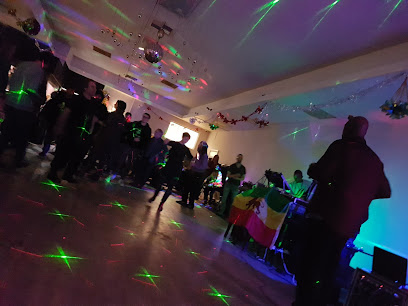
Rock
2.5 km
Experience the vibrant atmosphere and delicious cuisine at The Rock, a beloved pub and restaurant in the heart of Cambridge.
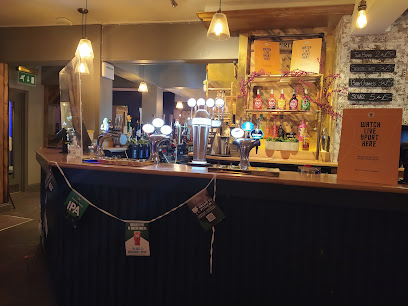
The Lounge
19.2 km
A lively nightclub and wine bar on The Broadway, offering vibrant late-night entertainment in the heart of St Ives.
For the vibe & atmosphere seeker
- Relaxing
- Tranquil
- Scenic
- Family Friendly
- Casual
For the design and aesthetic lover
- Rustic Designs
- Colorful Aesthetics
For the architecture buff
- Parks & Gardens
- Viewpoints
For the view chaser and sunset hunter
- Waterfront
- Iconic Views
- Panoramas
For the social media creator & influencer
- Photo Spots
- Selfie Spots
- Aesthetic Corners
For the eco-conscious traveler
- Public-Transport Accessible
- Leave-No-Trace Critical
- Locally Managed
- Wildlife Habitat
For the kind of experience you’re after
- Cultural Heritage
- Nature Escape
- Day Trip
- Weekend Getaway
- Photowalk
For how adventurous you want the journey to be
- Easy Access
Location Audience
- Family Friendly
- Senior Friendly
- Child Friendly
- Teen Friendly
- Wheelchair Access
- Pet Friendly
- Solo Friendly
- Couple Friendly


