
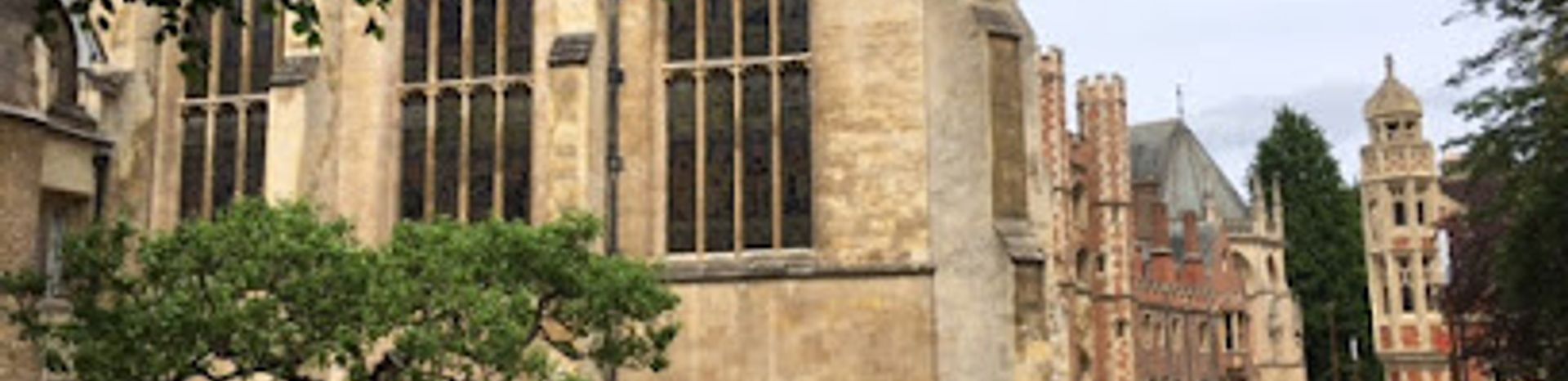
Newton's Apple Tree at Trinity College, Cambridge
Discover the historic apple tree at Trinity College that inspired Newton’s law of gravity, a living symbol of scientific discovery and Cambridge heritage.
Newton's Apple Tree, located at Trinity College in Cambridge, is a historic and symbolic tree grafted from the original apple tree at Woolsthorpe Manor where Sir Isaac Newton formulated his theory of gravity. Planted in 1954, this Flower of Kent variety stands as a living tribute to Newton's groundbreaking scientific legacy. Surrounded by the grandeur of Trinity College’s architecture and tranquil gardens, the tree offers visitors a unique connection to one of history’s greatest minds.
A brief summary to Newton's Apple Tree
- Porters Lodge, Trinity St, Cambridge, CB2 1TQ, GB
- Visit website
- Duration: 0.5 to 1.5 hours
- Mid ranged
-
 Outdoor
- Mobile reception: 4 out of 5
- Monday 12 am-12 am
- Tuesday 12 am-12 am
- Wednesday 12 am-12 am
- Thursday 12 am-12 am
- Friday 12 am-12 am
- Saturday 12 am-12 am
- Sunday 12 am-12 am
Local tips
- Visit early in the day to enjoy a quieter atmosphere and better photo opportunities without crowds.
- Combine your visit with a guided tour of Trinity College to explore other historic sites nearby.
- Respect the protective fencing around the tree to help preserve this important heritage site.
- Wear comfortable shoes as the college grounds have uneven historic surfaces.

For the on-the-go comforts that matter to you
- Restrooms
- Drink Options
- Food Options
- Seating Areas
- Information Boards
Getting There
-
Car
From central Cambridge, drive towards Trinity Street and park in nearby public car parks such as Park Street Car Park. Parking fees apply and availability varies; allow 10-20 minutes walking from parking to the tree.
-
Public Transport
Take bus routes 1, 3, or 7 serving Cambridge city center. Alight near Trinity Street and walk approximately 5 minutes to Porters Lodge where the tree is located. Bus fares typically range from £2 to £4.
-
Walking
If you are already in the Cambridge city center, walking to Trinity College is pleasant and accessible via paved historic streets. Expect a 10-15 minute walk from popular nearby landmarks such as King’s College Chapel.
Newton's Apple Tree location weather suitability
-
 Any Weather
-
 Clear Skies
-
 Mild Temperatures
-
 Rain / Wet Weather
Discover more about Newton's Apple Tree
A Living Link to Scientific Genius
Newton's Apple Tree at Trinity College is more than just a tree; it is a living symbol of one of the most profound moments in scientific history. Grafted from the original apple tree at Woolsthorpe Manor, Lincolnshire—Newton's birthplace—this Flower of Kent apple tree was planted in 1954 to honor Newton’s enduring ties to Cambridge University. The story goes that during the Great Plague, Newton, while away from Cambridge, observed an apple falling from this tree, inspiring his formulation of the law of gravity. Though the tale of the apple hitting his head is likely apocryphal, the tree’s significance as a symbol of curiosity and discovery remains undiminished.The Historic Setting of Trinity College
Nestled just outside the Porters Lodge on Trinity Street, the apple tree is set within the historic and architecturally rich environment of Trinity College, one of Cambridge’s most prestigious colleges. Founded in 1546 by Henry VIII, Trinity College is renowned for its magnificent courtyards, Gothic chapel, and the Wren Library, designed by Sir Christopher Wren. The college grounds are meticulously maintained, offering a serene backdrop that complements the tree’s symbolic importance. Visitors can admire the tree while soaking in the grandeur of the college’s historic buildings and peaceful gardens.The Tree’s Legacy and Preservation
Newton’s Apple Tree at Cambridge is a direct clone of the original tree, confirmed through genetic sequencing. This lineage connects visitors to the very roots of Newton’s inspiration. Over the years, the tree has been carefully protected, including fencing to preserve it from damage. The original tree at Woolsthorpe Manor, cared for by the National Trust, continues to thrive, while the Cambridge graft serves as a global ambassador of Newton’s legacy. Notably, a sample of the original tree was sent to space aboard the Space Shuttle Atlantis, symbolizing the reach of Newton’s influence from earthbound discovery to the cosmos.Visitor Experience and Atmosphere
Visitors to Newton’s Apple Tree can enjoy a tranquil and reflective atmosphere amid the bustle of Cambridge. The tree’s location makes it a popular stop for those exploring the university’s rich history and the stories of its most famous scholars. While the tree itself is modest in size, its presence evokes awe and contemplation. The surrounding area offers beautiful parks, historic buildings, and scenic spots ideal for photography and leisurely strolls. Despite protective fencing, visitors can view the tree closely and capture memorable photos.Integration with Cambridge’s Cultural Heritage
Newton’s Apple Tree is often included in guided walking tours of Cambridge, which highlight the city’s scientific and academic heritage. The tree stands as a testament to Cambridge’s role in nurturing some of the greatest minds in history. Nearby landmarks such as King’s College Chapel, the Mathematical Bridge, and the Eagle Pub enrich the visitor’s understanding of the university’s vibrant intellectual culture. The tree’s story complements the broader narrative of discovery, innovation, and scholarly pursuit that defines Cambridge.Continuing Inspiration for Future Generations
Today, Newton’s Apple Tree remains a powerful symbol of curiosity and scientific inquiry. It invites visitors to reflect on the nature of inspiration and the impact of observation on human knowledge. The tree’s presence at Trinity College encourages a connection between past and present, reminding all who see it of the enduring quest to understand the universe. As a focal point for education and heritage, it continues to inspire students, scholars, and tourists alike.Iconic landmarks you can’t miss

Bridge of Sighs
0.2 km
A Victorian Gothic covered bridge spanning the River Cam, linking history and beauty at St John's College, Cambridge.
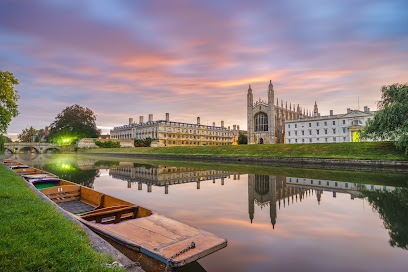
Senate House Hill
0.2 km
Historic Senate House Hill in Cambridge offers stunning views, iconic architecture, and a vibrant academic atmosphere at the heart of the university city.

The Old Schools
0.2 km
Historic university landmark at Trinity Lane, blending Gothic and classical architecture at the heart of Cambridge's academic tradition.
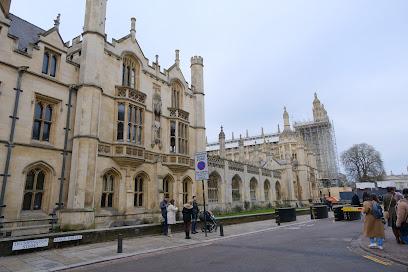
Magdalene Bridge
0.3 km
Historic cast-iron bridge over the River Cam, linking Cambridge’s academic heart with its ancient trading past.
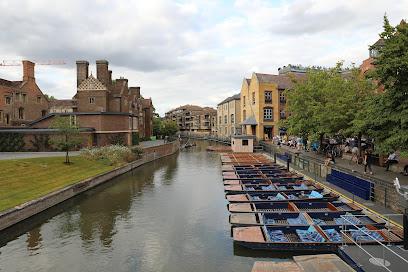
Westminster College
0.5 km
Historic theological college blending Victorian architecture with contemporary faith education in Cambridge's academic heart.
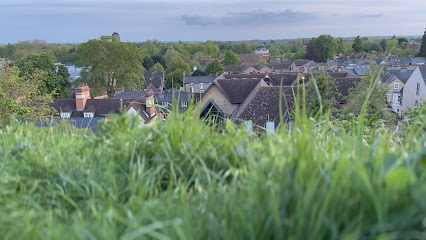
Castle Mound: site of medieval Cambridge Castle
0.6 km
Explore Castle Mound, the grassy remnant of Cambridge’s medieval fortress with panoramic city views and centuries of rich history.
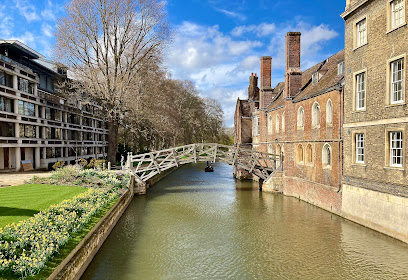
Mathematical Bridge
0.6 km
Explore the Mathematical Bridge in Cambridge, a stunning example of 18th-century engineering and a must-see tourist attraction.
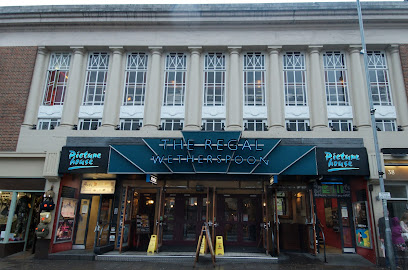
Arts Picturehouse
0.6 km
Discover a unique cinematic experience at Arts Picturehouse, Cambridge's historic cinema showcasing independent films and classic favorites.
Dinky door: Ride and Park
0.6 km
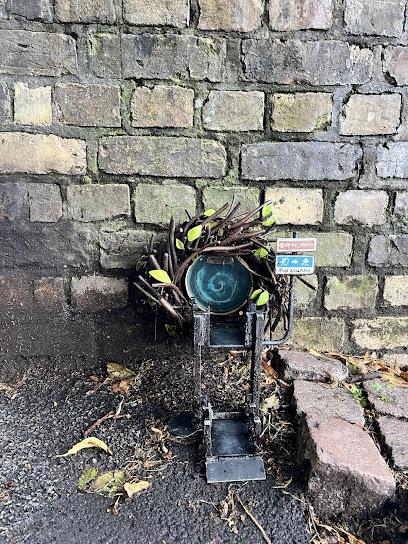
Discover the enchanting Dinky Doors at Jesus Green Lock House, a charming cultural landmark in the heart of Cambridge, blending history and whimsy.
Duke House
0.6 km
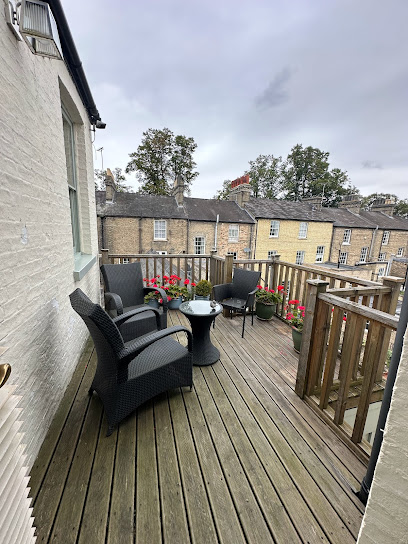
A charming boutique guesthouse blending historic elegance with warm hospitality in central Cambridge.
Jesus Lock
0.7 km
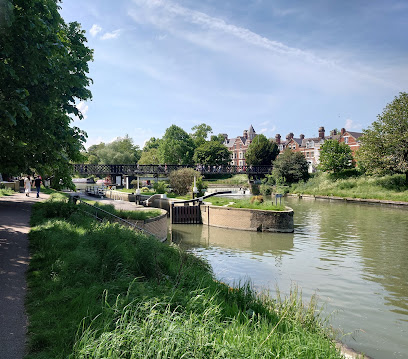
Historic Jesus Lock on the River Cam offers serene riverside charm and a unique glimpse into Cambridge's aquatic heritage.
Little St Mary's Church
0.7 km
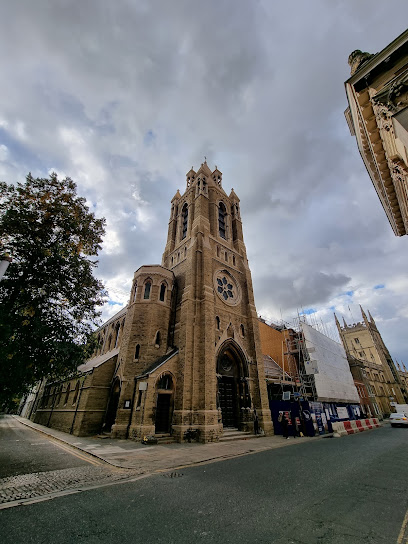
Experience the serene beauty and historical significance of Little St Mary's Church, a must-visit Anglican church in the heart of Cambridge.
The Fitzwilliam Museum
0.8 km
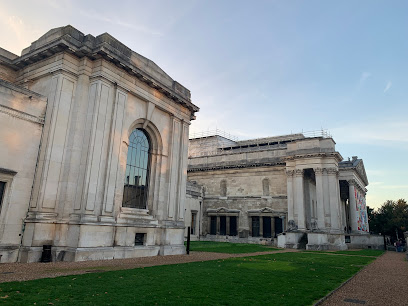
Explore the rich collections of The Fitzwilliam Museum in Cambridge, where art, history, and culture converge in a stunning setting.
Castle Park
0.8 km
Historic green space featuring the Norman Cambridge Castle Mound with panoramic city views and tranquil parkland near the city centre.
Midsummer Common
0.8 km
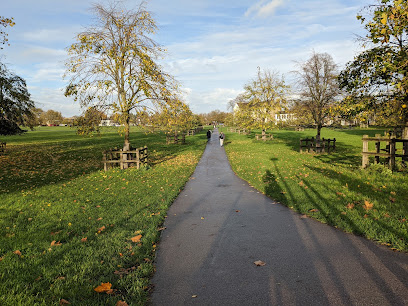
Discover the tranquility of Midsummer Common, a stunning park in Cambridge, perfect for relaxation, picnics, and scenic riverside walks.
Unmissable attractions to see

All Saints Garden Art & Craft Market
0.0 km
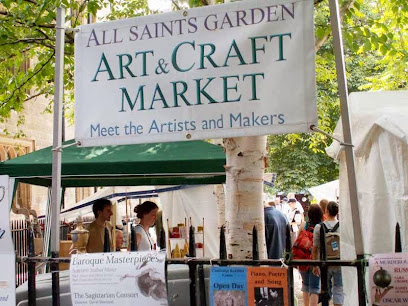
Discover Cambridge’s charming Saturday market where local artisans showcase unique handmade crafts in a tranquil garden setting.
St John's College
0.1 km
Walk through centuries of Cambridge history at St John’s College, home to the iconic Bridge of Sighs, a magnificent chapel, and tranquil riverside gardens.

Trinity College
0.1 km
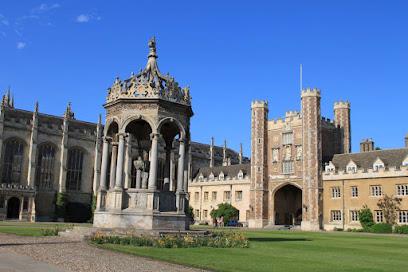
Explore Trinity College, Cambridge’s grandest college, where history, architecture, and genius converge in stunning courtyards and timeless halls.
Rose Quarter Cambridge
0.1 km
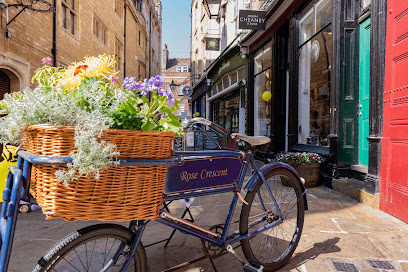
Historic Cambridge shopping quarter where medieval streets meet independent boutiques and contemporary dining.
Gardenia
0.1 km
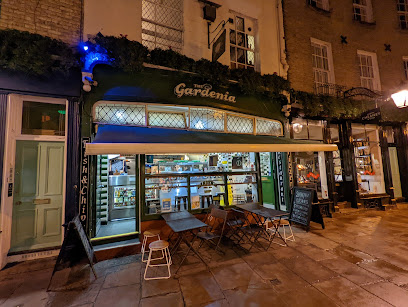
Lively Greek takeaway in Cambridge serving authentic flavors late into the night at budget-friendly prices.
The Round Church
0.1 km
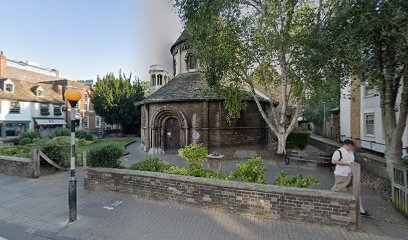
Explore Cambridge’s medieval marvel: a rare 12th-century round church inspired by Jerusalem’s Holy Sepulchre, rich in history and Norman architecture.

Christian Heritage
0.2 km
Discover Cambridge’s iconic 12th-century Round Church, a rare Norman circular landmark rich in history, architecture, and Christian heritage.
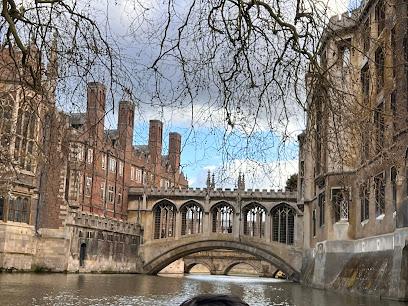
Kitchen Bridge, St John's College
0.2 km
Historic Kitchen Bridge at St John's College, a serene stone span blending early 18th-century craftsmanship with Cambridge's timeless academic heritage.
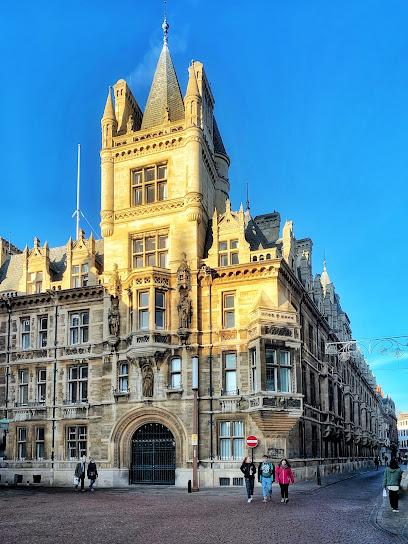
Gonville & Caius College, University of Cambridge
0.2 km
Explore the historic elegance and academic legacy of Gonville & Caius College, a tranquil Cambridge oasis rich in tradition and iconic architecture.
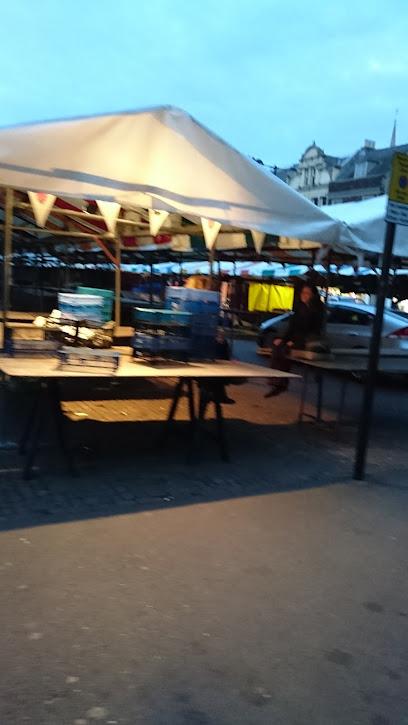
Market Passage
0.2 km
Discover Market Passage, a historic and charming alleyway blending Cambridge’s rich past with vibrant local culture in the city centre.
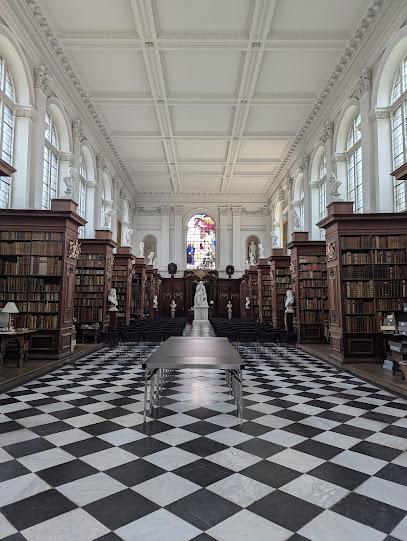
Wren Library
0.2 km
Discover the historic Wren Library at Trinity College, Cambridge—home to rare manuscripts, stunning architecture, and centuries of intellectual heritage.
Great St Mary's
0.2 km
Discover Great St Mary’s, Cambridge’s historic university church with stunning Gothic architecture and panoramic city views from its iconic tower.
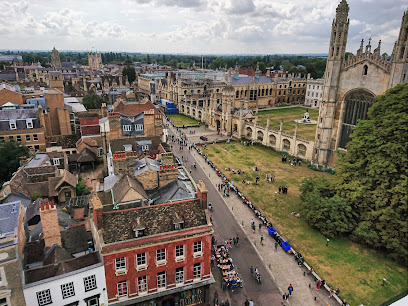
Map of Cambridge
0.2 km
Discover the historic charm and vibrant culture of St Mary's Passage, a timeless lane at Cambridge’s heart.
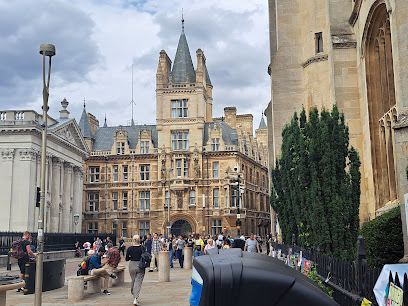
Cambridge Market Square
0.2 km
Discover the vibrant heart of Cambridge’s culture and commerce at Market Square, a historic open-air market with global flavours and local crafts.
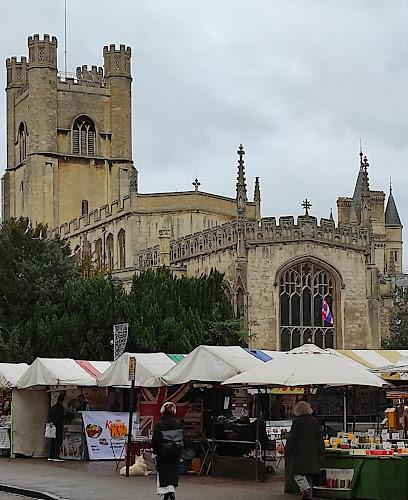
Market Hill
0.2 km
Market Hill is Cambridge’s historic marketplace, alive with centuries of tradition, vibrant stalls, and rich community spirit at the city’s core.
Essential places to dine

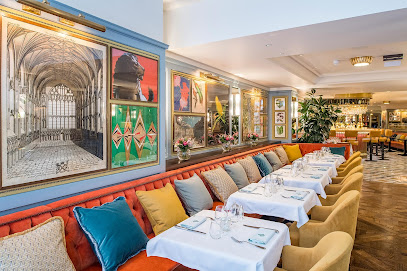
The Ivy Cambridge Brasserie
0.1 km
A vibrant British brasserie in Cambridge city centre, blending classic elegance with lively atmosphere and exceptional dining.
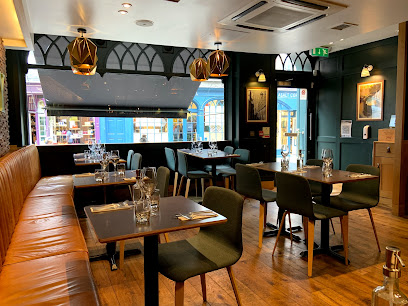
Trinity Restaurant
0.1 km
A charming Cambridge eatery blending classic pies with contemporary style opposite Trinity College’s Great Gate.
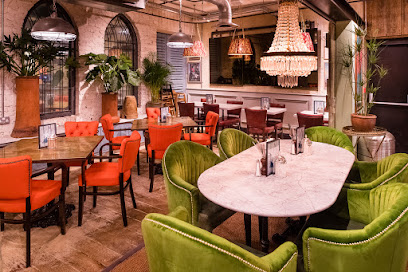
Bill's Cambridge Restaurant
0.1 km
Eclectic British dining with vibrant charm in the heart of historic Cambridge’s Green Street.
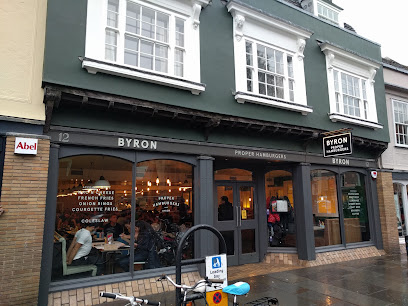
Byron
0.2 km
Savour expertly crafted, indulgent burgers in a stylish, cosy setting at Byron Cambridge, the home of proper burgers since 2007.
Gastrono-me
0.2 km
Vibrant brunch and cocktail bar in Cambridge offering generous portions, vegan-friendly dishes, and a lively atmosphere near the city centre.
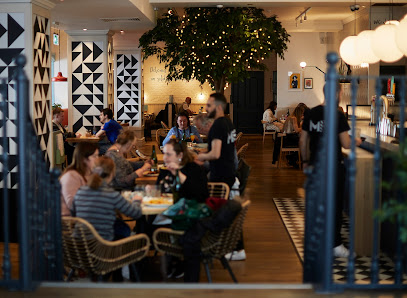
KIBOU Japanese Restaurant & Bar Cambridge
0.2 km
Experience authentic Japanese cuisine and vibrant ambiance in Cambridge’s stylish KIBOU Japanese Restaurant & Bar, where sushi artistry meets elegant design.
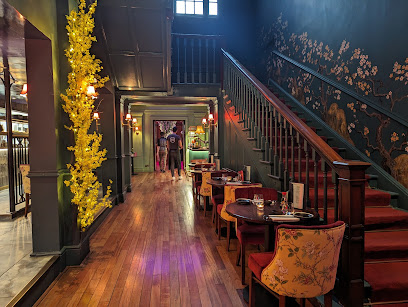
The Orator
0.2 km
Historic Cambridge Union’s stylish bar and brasserie blending tradition with modern dining and a lively beer garden.
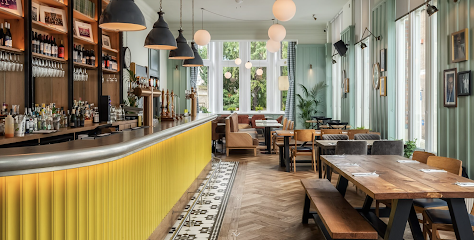
Market House
0.2 km
Historic charm meets modern British-Asian cuisine in Cambridge’s Market House, a multi-level dining and wine destination with a sustainable ethos.
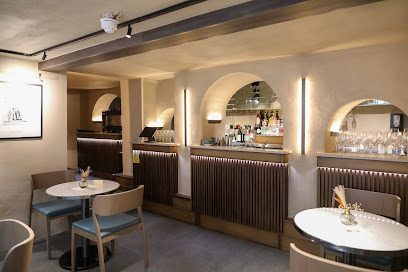
Côte Cambridge
0.2 km
Classic French brasserie charm meets modern dining in the heart of Cambridge, with inclusive menus and a warm, romantic atmosphere.
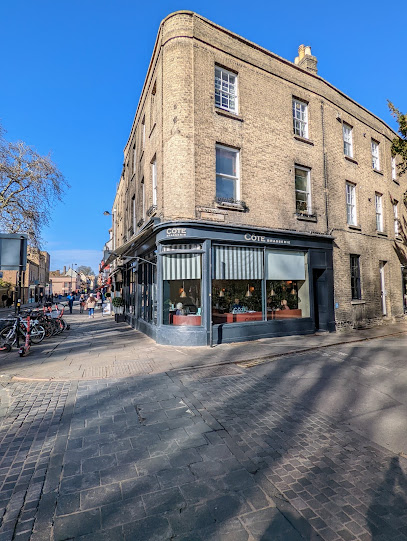
d'Arry's Restaurant, Liquor Loft & Cheesemonger
0.3 km
Experience Cambridge’s vibrant blend of restaurant, wine bar, and cheesemonger with generous portions and exceptional cheese in a quirky, characterful setting.
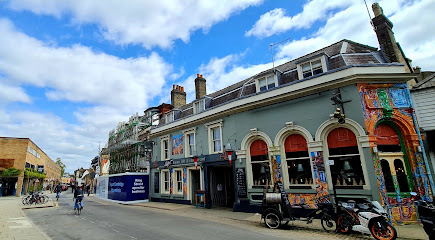
Galleria restaurant cambridge
0.3 km
Elegant continental dining with riverside views and romantic balconies in the heart of Cambridge’s historic center.
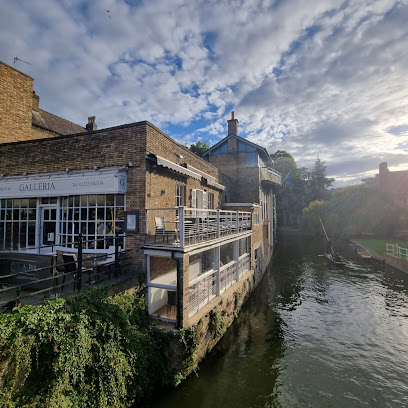
Las Iguanas - Cambridge
0.3 km
Experience a vibrant Latin American fiesta with bold flavors, lively cocktails, and riverside views at Las Iguanas Cambridge.
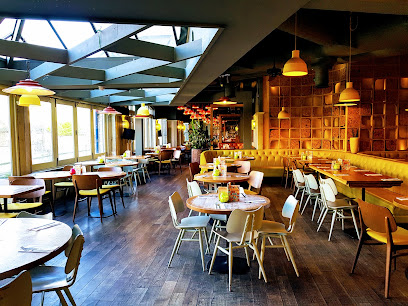
Sticks'n'Sushi - Cambridge
0.3 km
Experience the vibrant fusion of Japanese sushi and Nordic grilled sticks in the historic heart of Cambridge, where tradition meets innovation.

Honest Burgers Cambridge
0.3 km
Savor fresh British burgers and handmade rosemary chips in the heart of Cambridge’s vibrant Corn Exchange district.
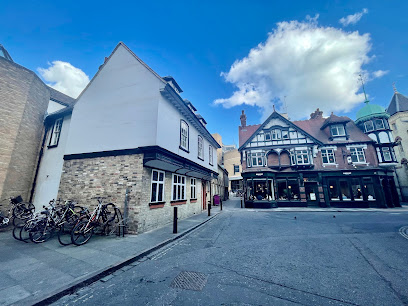
Aromi
0.4 km
Experience authentic Sicilian cuisine and stone-baked pizzas in a vibrant, historic Cambridge setting with a lively Mediterranean atmosphere.
Markets, malls and hidden boutiques

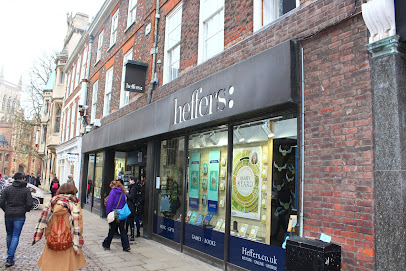
Heffers Bookshop
0.0 km
Cambridge's historic book haven since 1876: vast collections, expert staff, lively events, and treasures from academics to games in a scholar's paradise.
Jacks on Trinity
0.1 km
Authentic Cambridge gifts and official university apparel in a charming Trinity Street shop blending tradition with modern British style.
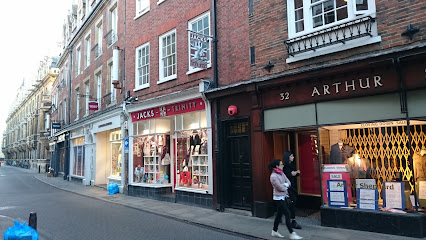
Jigsaw
0.1 km
Discover timeless elegance and premium ladies' fashion in the heart of historic Cambridge at Jigsaw on Trinity Street.
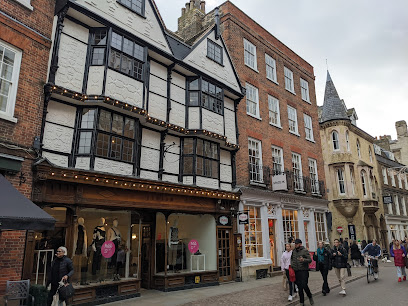
White Stuff Cambridge
0.1 km
Discover vibrant, stylish fashion for the whole family at White Stuff Cambridge, nestled in the city’s historic shopping heart.
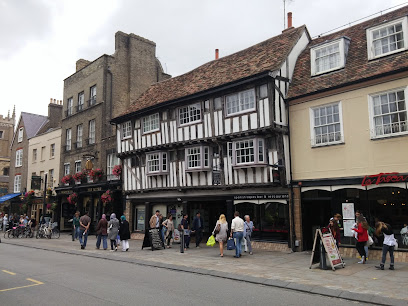
Lilac Rose
0.1 km
Discover unique British fashion and accessories in a charming independent boutique in the heart of Cambridge.
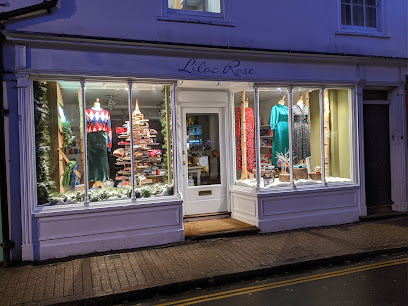
The Department of Magical Gifts
0.1 km
Step into Cambridge’s enchanting Harry Potter shop where magic, whimsy, and unique gifts create a spellbinding experience for all ages.
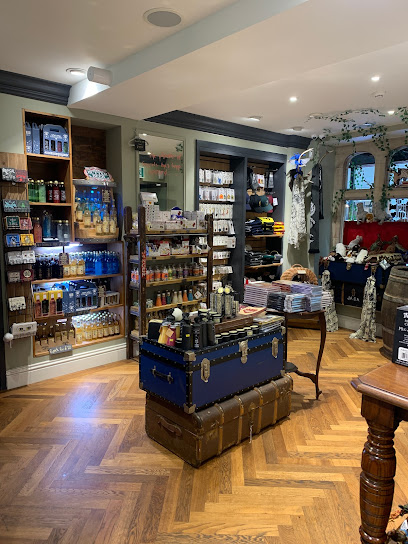
The Cambridge Gift Shop
0.1 km
A compact, friendly gift shop on Rose Crescent offering locally made crafts, stationery and Cambridge-themed keepsakes in a tidy, well-curated space.
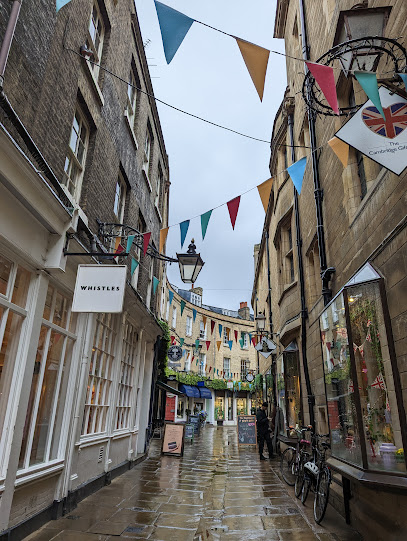
Fantasia
0.1 km
Discover unique vintage fashion at Fantasia, a charming clothing shop in Cambridge that brings nostalgia to life with every exquisite piece.
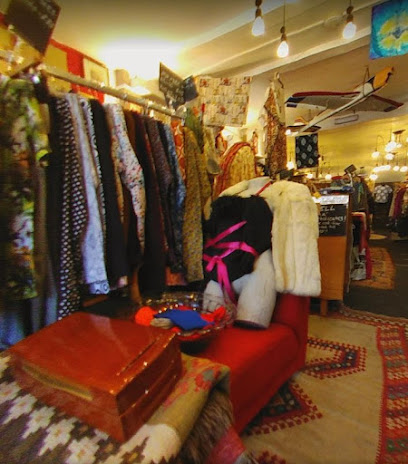
Bring It Back Cambridge
0.2 km
Discover premium vintage and streetwear fashion with a sustainable edge at Bring It Back Cambridge on Green Street.

Giles & Co
0.2 km
Compact Trinity Street giftshop specialising in Cambridge-branded clothing, personalised keepsakes and locally sourced presents with friendly, knowledgeable service.
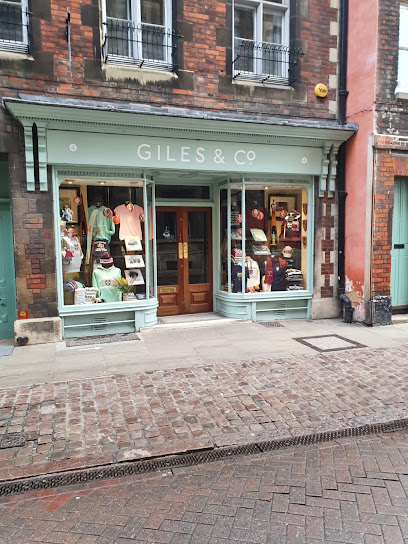
As Seen On TV
0.2 km
Discover quirky vintage fashion and unique accessories with great value in the heart of Cambridge’s Market Street.
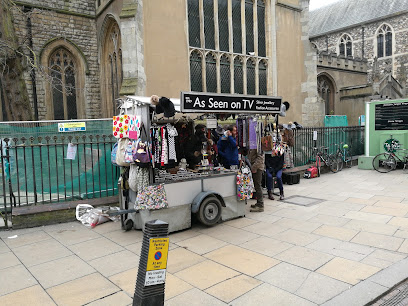
Sugarmark!
0.2 km
Capture Cambridge's charm with Sugarmark!'s iconic mugs, apparel, and prints from the heart of Market Hill—perfect souvenirs blending heritage and style.
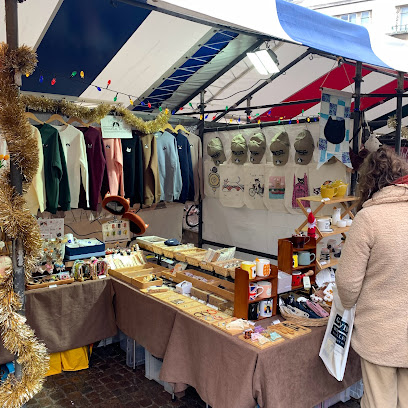
Souvenirs And Gifts
0.2 km
Authentic Cambridge souvenirs and handcrafted gifts in the heart of Market Hill.

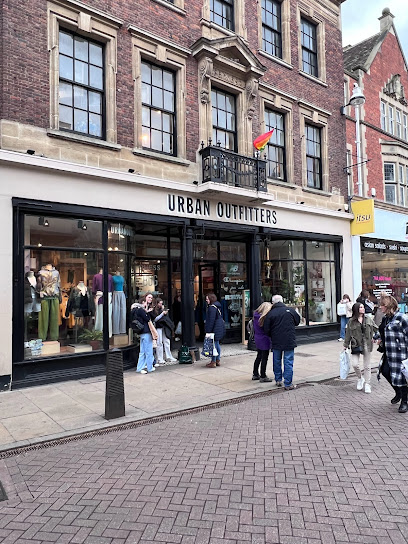
Urban Outfitters
0.2 km
Discover Urban Outfitters Cambridge for trendsetting fashion, eclectic home décor, and a vibrant urban shopping vibe in the heart of the city.
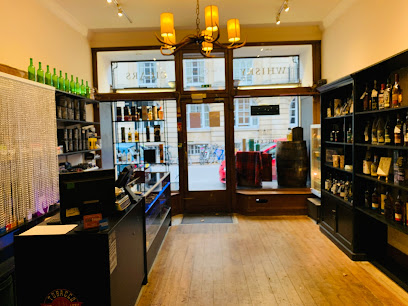
Robert Graham 1874 - whisky & cigars
0.2 km
A refined Cambridge haven for whisky lovers and cigar connoisseurs, where heritage meets expert curation in a relaxed, intimate setting.
Essential bars & hidden hideouts

2648 Cambridge
0.1 km
Step into 2648 Cambridge for expertly crafted cocktails in a nostalgic, vinyl-filled setting at the heart of Trinity Street’s vibrant nightlife.
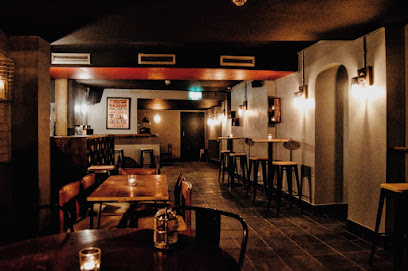
La Raza
0.1 km
Cambridge's basement gem for Spanish tapas, craft cocktails, and live funk beats—from daytime café to late-night haven.
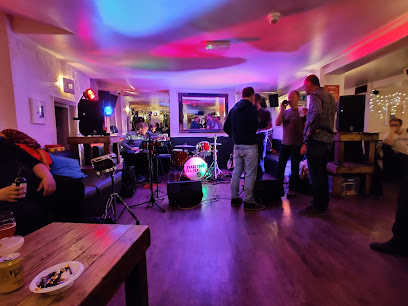
Modern Jazz
0.2 km
Hidden jazz gem on Jesus Lane where modern rhythms pulse amid Cambridge's historic whispers—intimate gigs fueling the city's creative soul.
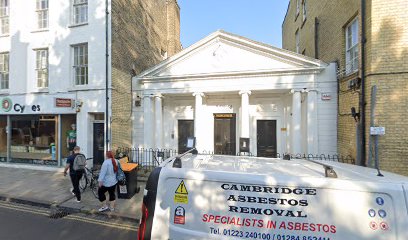
Hidden Rooms
0.2 km
Discover Cambridge's underground speakeasy: creative cocktails, live tunes, and intimate vibes in historic vaults on Jesus Lane.
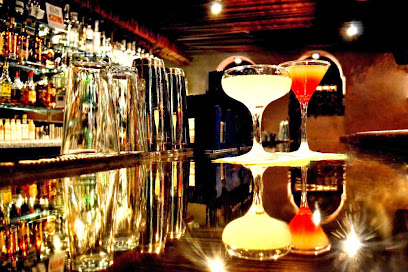
Town and Gown
0.2 km
A vibrant Cambridge pub and intimate theatre where university meets local life in a lively, historic setting with great food and entertainment.
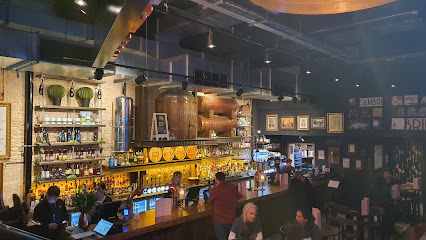
Ta Bouche
0.2 km
Experience Cambridge’s lively cocktail scene with creative drinks, fresh food, and a vibrant social atmosphere at Ta Bouche.
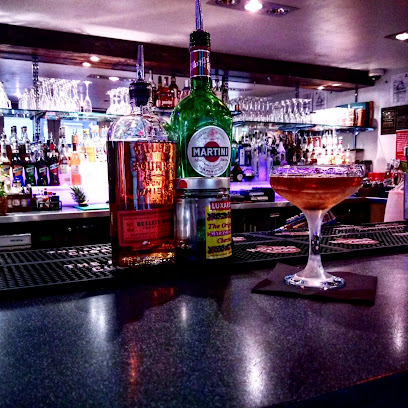
Glitterbomb
0.2 km
A vibrant queer bar in Cambridge’s city center, Glitterbomb celebrates LGBTQ+ nightlife with inclusive club nights and dynamic drag performances.
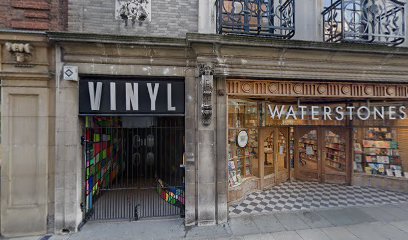
The Cambridge Brew House
0.3 km
Classic British pub charm meets craft brewing excellence in the heart of Cambridge’s vibrant King Street.
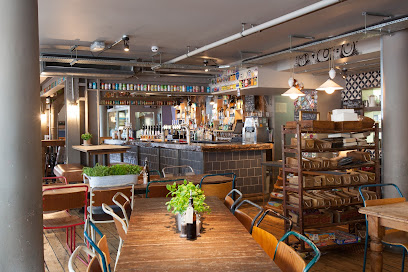
Pickerel
0.3 km
Cambridge's oldest pub pours history from 15th-century beams: real ales, riverside garden, and classic grub near Magdalene College.
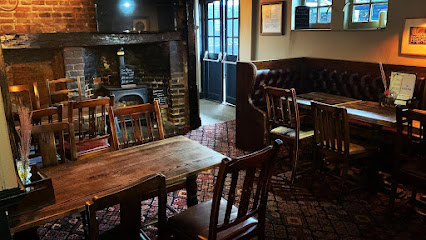
Bath House
0.4 km
Historic 17th-century Cambridge pub pouring Greene King cask ales and classic grub in a dog-friendly, family-welcoming spot steps from university landmarks.
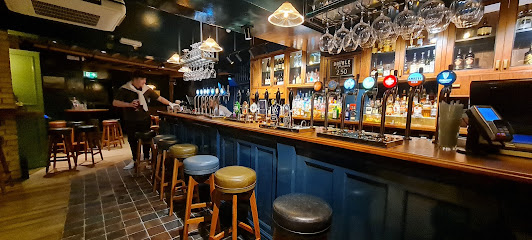
BrewDog Cambridge
0.4 km
Experience bold craft beers and innovative food in the heart of historic Cambridge at BrewDog’s lively and welcoming bar.
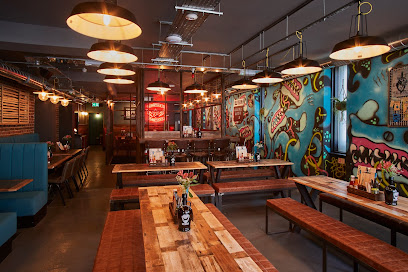
Eagle
0.4 km
Historic Cambridge pub where DNA’s double helix was announced, blending scientific legacy with classic British charm and lively atmosphere.
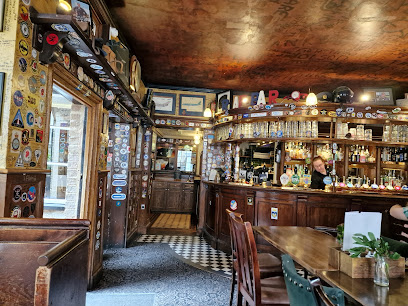
Champion Of The Thames
0.5 km
Historic Victorian pub in Cambridge offering award-winning ales, a warm atmosphere, and a genuine taste of traditional British pub culture.
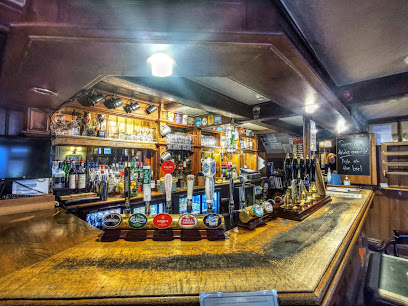
Bar -OH
0.5 km
Inventive cocktails and live music pulse through this intimate Cambridge gem, blending artistry with electric evenings until the wee hours.
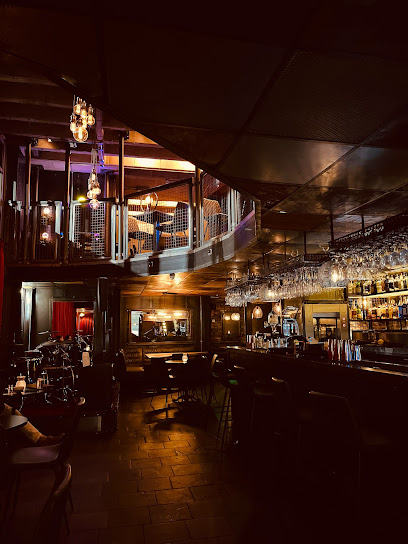
Revolution Cambridge
0.6 km
Cambridge’s vibrant cocktail bar and nightclub offering fresh food, rooftop views, and lively nightlife with DJs and karaoke pods.
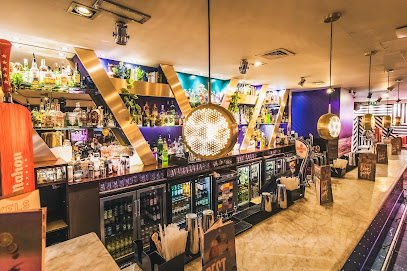
Nightclubs & after hour spots

MASH
0.2 km
Cambridge’s vibrant independent nightclub offering themed music nights and a welcoming, safe party atmosphere until the early hours.

Vinyl Cambridge
0.2 km
Dance through decades on a glowing LED floor at Vinyl Cambridge's throwback haven—2-for-1 drinks, VIP vibes, and non-stop retro anthems await in the city center.
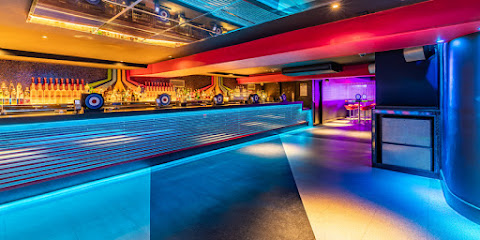
High Five
0.3 km
Cambridge's electrifying gay nightclub where themed nights, drag glamour, and inclusive dance floors ignite unforgettable evenings in the city heart.
Cambridge Lola Lo
0.4 km
Step into Cambridge Lola Lo, a vibrant tiki-themed nightclub with tropical vibes, lively dance floors, and a stunning rooftop terrace in the city centre.
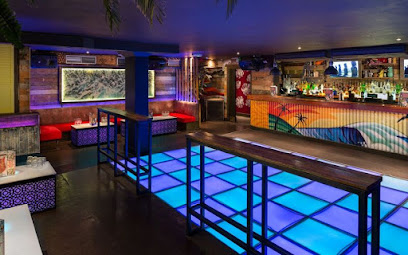
Cambridge Pop-up Speakeasy Jazz
1.1 km
Free live jazz pop-ups in a historic Cambridge pub: intimate sets, diverse musicians, speakeasy vibes on select Wednesdays at 7:30pm.
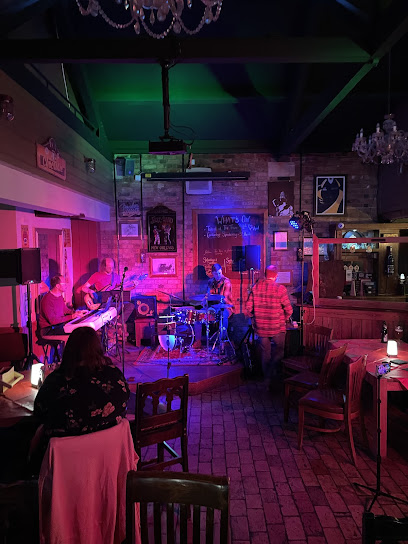
EBC Shop
1.2 km
Discover the electrifying nightlife at EBC Shop in Cambridge, where the music keeps you dancing and the atmosphere is always electric.
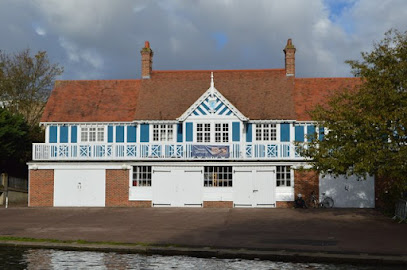
Cambridge Working Mens Club
1.2 km
Discover the lively ambiance of Cambridge Working Mens Club, a perfect blend of local culture, music, and community spirit.
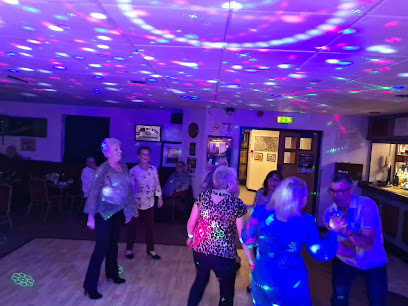
80s karaoke bar
1.4 km
Neon-lit, 80s-themed karaoke on Hills Road—compact, group-friendly singalongs from the early evening into the night.

Newnham Croft Social and Sports Club
1.5 km
Experience the vibrant community spirit at Newnham Croft Social and Sports Club, a lively venue for live music, events, and friendly gatherings in Cambridge.
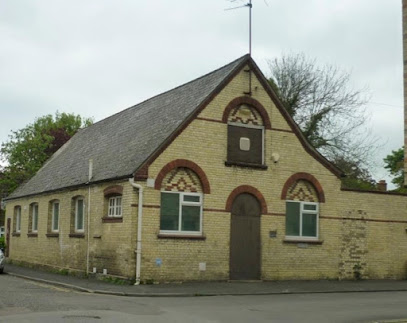
The Calling
1.6 km
Discover the vibrant nightlife at The Calling, Cambridge's premier event management venue, perfect for unforgettable experiences and fun times.
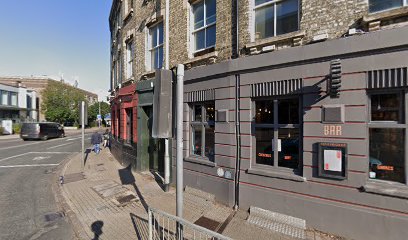
Cambridge Junction
2.2 km
Discover the heart of Cambridge's nightlife at Cambridge Junction, a dynamic venue for live music, comedy, and unforgettable performances.

Sing Dizzy
2.3 km
Sing Dizzy offers Cambridge a lively karaoke bar experience with costumes, props, and an extensive song list for unforgettable nights of fun and music.
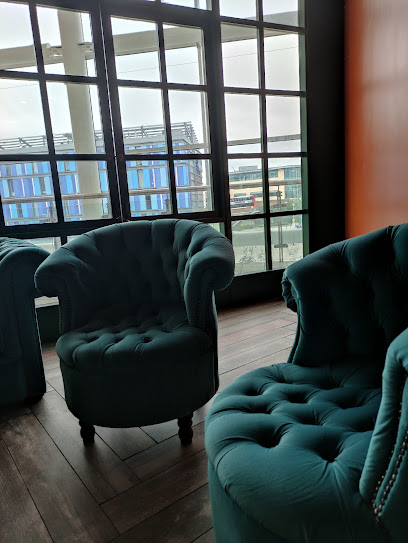
Salisbury Club
2.3 km
Cambridge's cozy Mill Road club: retro discos, pool tables, cheap drinks, and community spirit in a true local gem.
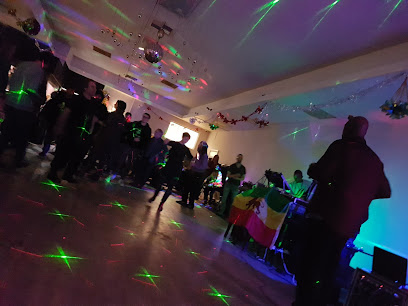
Rock
3.0 km
Experience the vibrant atmosphere and delicious cuisine at The Rock, a beloved pub and restaurant in the heart of Cambridge.
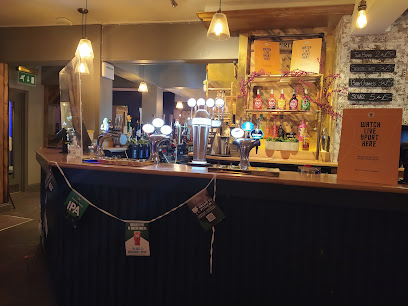
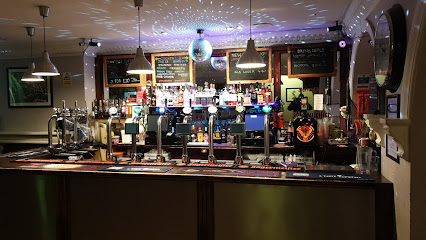
The Lounge
18.5 km
A lively nightclub and wine bar on The Broadway, offering vibrant late-night entertainment in the heart of St Ives.
For the vibe & atmosphere seeker
- Tranquil
- Scenic
- Cultural Heritage
- Relaxing
For the design and aesthetic lover
- Vintage Styles
- Rustic Designs
For the architecture buff
- Historic
- Landmarks
- Sacred Sites
- Heritage Neighborhoods
For the view chaser and sunset hunter
- Iconic Views
- Photo Spots
For the social media creator & influencer
- Instagrammable
- Photo Spots
- Selfie Spots
For the eco-conscious traveler
- Protected Area
- Locally Managed
- Public-Transport Accessible
For the kind of experience you’re after
- Cultural Heritage
- Photowalk
- Day Trip
- Weekend Getaway
For how adventurous you want the journey to be
- Easy Access
Location Audience
- Family Friendly
- Senior Friendly
- Child Friendly
- Teen Friendly
- Wheelchair Access
- Solo Friendly
- Couple Friendly
- Solo Female Friendly


