
Statue of Edmund Burke, Bristol
A distinguished bronze tribute to Edmund Burke, Bristol’s influential 18th-century MP and philosopher, standing proudly at Broad Quay.
The Statue of Edmund Burke in Bristol is a bronze sculpture created in 1894 by James Havard Thomas, commemorating the influential 18th-century politician and philosopher who served as Bristol's MP from 1774 to 1780. Located at Broad Quay, this Grade II listed landmark stands on a red granite base inscribed with one of Burke’s notable quotes, symbolizing his dedication to public service and political integrity.
A brief summary to Statue of Edmund Burke
- Broad Quay, Bristol, BS1 4DA, GB
- Visit website
- Duration: 0.25 to 1 hours
- Free
-
 Outdoor
- Mobile reception: 5 out of 5
Local tips
- Visit during daylight hours to fully appreciate the statue’s intricate bronze details and the inscription on its granite base.
- Explore nearby landmarks such as the Bristol Cenotaph and historic fountains to enrich your understanding of Bristol’s civic history.
- Take time to reflect on the statue’s twin in Washington, D.C., highlighting Burke’s international influence.
- Combine your visit with a walk around Bristol’s city center to experience its rich architectural and cultural heritage.

For the on-the-go comforts that matter to you
- Seating Areas
- Information Boards
Getting There
-
Bus
Take the number 8 or 9 bus from Bristol Bus Station towards the city center; journey time is approximately 15–20 minutes. Buses run frequently every 10–15 minutes during the day. Tickets cost around £2.50–£3.50 one way. The stop is within a short walk to Broad Quay.
-
Train
From Bristol Temple Meads railway station, it is a 15-minute walk along the city center streets to Broad Quay. The route is mostly flat and accessible, suitable for wheelchairs and strollers. No additional cost beyond train fare.
-
Taxi
A taxi ride from central Bristol locations typically takes 5–10 minutes depending on traffic, costing approximately £6–£10. Taxis are readily available throughout the city and provide direct access to Broad Quay.
Statue of Edmund Burke location weather suitability
-
 Any Weather
-
 Rain / Wet Weather
-
 Clear Skies
-
 Mild Temperatures
Discover more about Statue of Edmund Burke
A Tribute to a Political Philosopher
The Statue of Edmund Burke in Bristol honors one of the city's most distinguished historical figures. Edmund Burke (1729–1797) was a renowned parliamentarian, writer, and philosopher whose ideas on politics, society, and governance have had a lasting impact. Serving as Member of Parliament for Bristol between 1774 and 1780, Burke was known for his eloquent speeches and principled stance on issues such as Catholic emancipation and colonial policies.Artistic Craftsmanship and Design
Crafted in bronze by Welsh sculptor James Havard Thomas in 1894, the statue captures Burke in a dignified standing pose. It rests on a solid red granite plinth, which bears an inscription quoting Burke’s 1780 speech in Bristol: "I wish to be an MP to have my share of doing good and resisting evil." This inscription reflects Burke's commitment to public duty and moral responsibility. The statue’s fine detailing and robust materials contribute to its enduring presence in the cityscape.Historical Context and Unveiling
Unveiled on 30 October 1894 by then Prime Minister Lord Rosebery, the statue was a gift from tobacco magnate Sir W. H. Wills to the citizens of Bristol. It symbolizes the city's recognition of Burke’s contributions during a turbulent period in British and colonial history. Positioned in Broad Quay, also known as The Centre, the statue is part of a cluster of important memorials, including the Bristol Cenotaph and a historic drinking fountain from the 1893 Industrial and Fine Art Exhibition.Transatlantic Connections
An exact copy of this statue stands in Washington, D.C., located on Massachusetts Avenue, symbolizing Burke’s role as an ally to the American colonies during their struggle for independence. His advocacy for fair treatment and representation in Parliament made him a respected figure on both sides of the Atlantic. The twin statues underscore the enduring friendship and shared history between Britain and the United States.Surrounding Heritage and Civic Identity
The statue’s location near other significant landmarks enriches its historical resonance. It once stood close to the statue of Edward Colston, a controversial figure whose legacy contrasts sharply with Burke’s. Together, these monuments narrate Bristol’s complex history, reflecting its imperial past, civic pride, and evolving social values. The area remains a focal point for understanding the city’s heritage and commemorating its influential personalities.Preservation and Cultural Significance
As a Grade II listed structure, the Statue of Edmund Burke is legally protected for its architectural and historic importance. It continues to serve as a tangible reminder of Burke’s intellectual legacy and his dedication to justice and governance. The statue invites reflection on the political ideals that shaped modern democracy and the role of public monuments in preserving cultural memory.Iconic landmarks you can’t miss

Statue of Edmund Burke
0.0 km
A bronze tribute to Edmund Burke on Bristol’s waterfront, where 18th-century ideals meet modern city life.
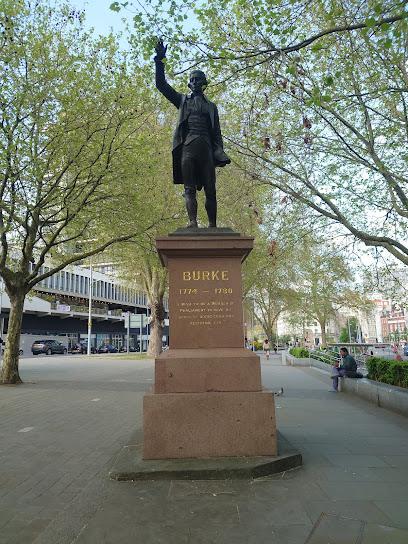
Cascade Steps
0.2 km
Historic Cascade Steps in Bristol offer scenic waterfront views and a tranquil urban retreat steeped in maritime heritage.
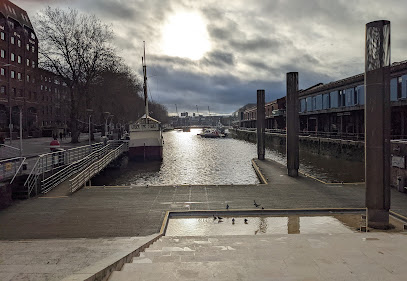
King George V Memorial Fountain
0.2 km
Lutyens-designed waterfront memorial honouring King George V with monumental sculptural figures.
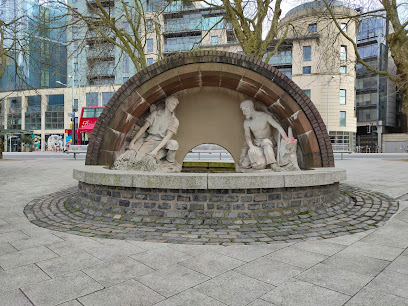
Old Post Office
0.2 km
Discover Bristol’s 18th-century Old Post Office, a preserved Georgian landmark blending rich history with vibrant city life at Corn Street.
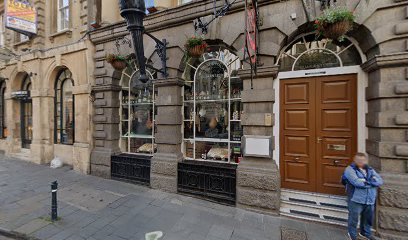
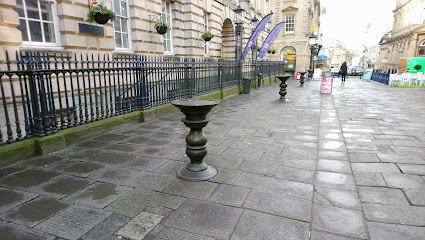
The Nails
0.3 km
Historic iron nails in Bristol’s Corn Street where medieval merchants sealed their deals, embodying the city’s rich trading heritage.
Medieval Vaults
0.4 km
Explore Bristol’s hidden medieval cellars beneath High Street, where Gothic vaults tell tales of centuries past beneath the city’s modern bustle.
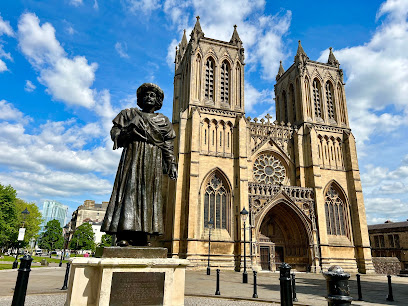
Statue of Ram Mohan Roy
0.4 km
A dignified bronze tribute in Bristol honoring Ram Mohan Roy’s legacy as a pioneering Indian reformer and visionary.
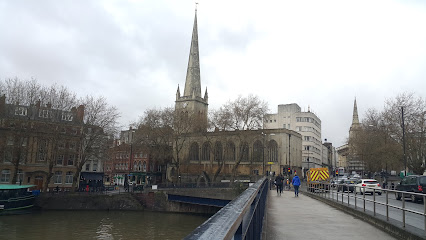
St Mary Le Port Church
0.4 km
Historic Saxon-era church ruins in Bristol’s Castle Park, a poignant landmark of medieval heritage and wartime resilience.
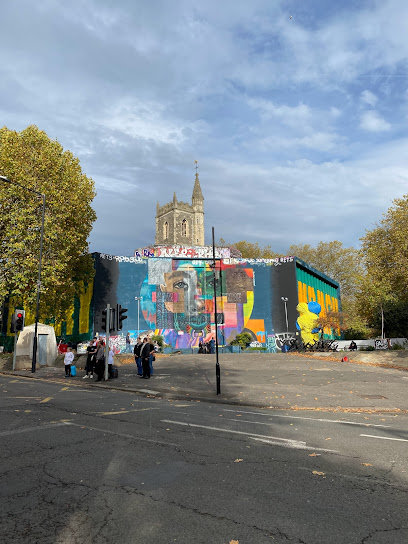
Bristol Bridge
0.4 km
A historic stone bridge spanning Bristol’s Floating Harbour, linking the Old City with Redcliffe and centuries of the city’s story.
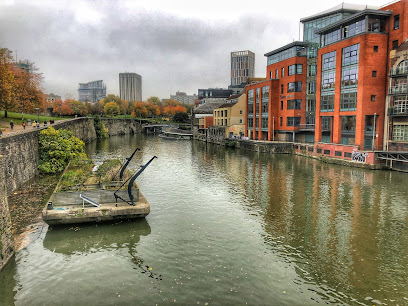
Old City Walls
0.4 km
Trace the vanished medieval walls that shaped Bristol’s historic Old City, revealing centuries of rich heritage and urban evolution.
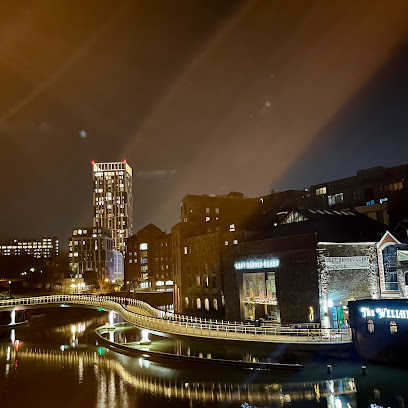
Royal Talbot Buildings
0.5 km
Discover the Royal Talbot Buildings in Redcliffe, Bristol: A luxurious executive suite experience perfect for your city escape.
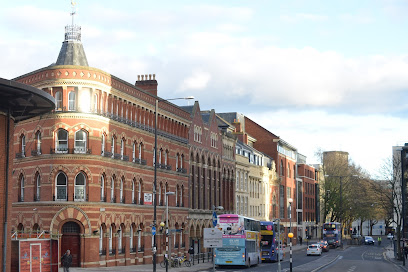
Statue of Cary Grant
0.5 km
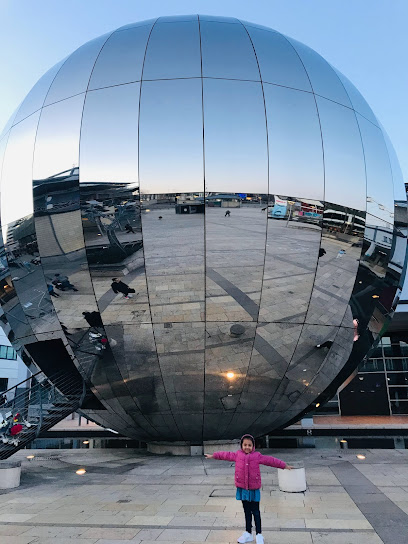
Celebrate Hollywood legend Cary Grant with a lifelike bronze statue in Bristol’s vibrant Millennium Square, capturing his timeless charm and local roots.
Fermentation Buildings
0.5 km
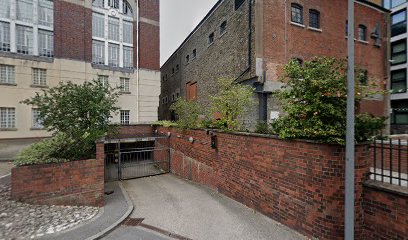
Grade II-listed former brewery warehouses reborn as a creative office and waterfront dining hub on Bristol’s Floating Harbour.
St Peter's Church
0.5 km
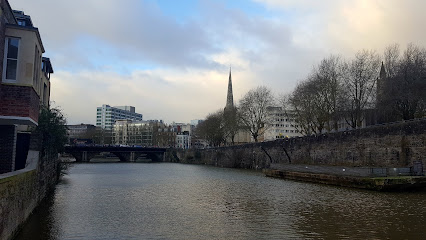
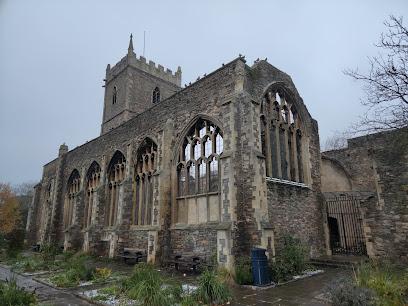
Haunting ruins of St Peter’s Church in Bristol’s Castle Park, a poignant memorial to the victims of the WWII Bristol Blitz.
Historic England - Bristol Office
0.6 km
Discover Bristol's rich history and heritage at the Historic England office, a key player in preserving the city's architectural treasures.
Unmissable attractions to see

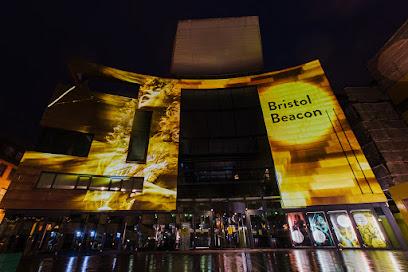
Bristol Beacon
0.1 km
Bristol Beacon: Where historic charm meets vibrant live music and cultural celebration in the heart of Bristol.
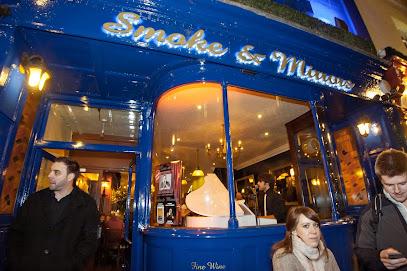
Smoke & Mirrors
0.1 km
Bristol’s intimate boutique magic theatre pub blending comedy, live music, and classic ales in a cozy, theatrical setting.
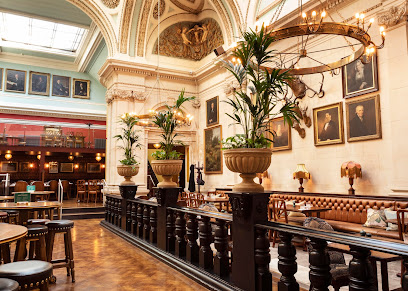
Cosy Club
0.2 km
Historic elegance meets vibrant British dining in a stunning former banking hall at the heart of Bristol’s Old City.
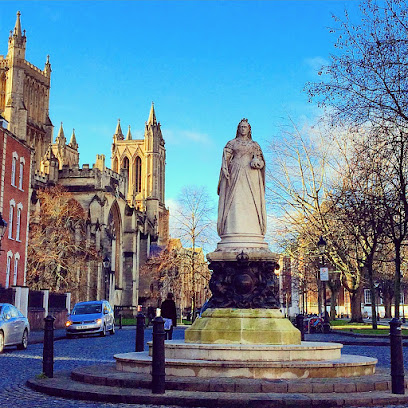
Statue of Queen Victoria
0.2 km
Explore the grandeur of the Statue of Queen Victoria in Bristol, a stunning historical landmark that embodies the city's royal heritage and charm.
haunted and hidden bristol walking tour
0.2 km
Discover Bristol’s spooky secrets and cinematic history on this award-winning haunted walking tour led by a charismatic local guide.
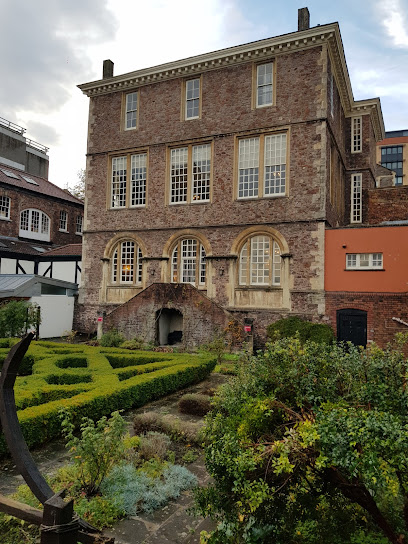
The Red Lodge Museum
0.2 km
Step behind a red door into a 16th-century Tudor lodge and discover 400 years of Bristol’s history, from merchant grandeur to Victorian reform, in a free, atmospheric city-centre museum.
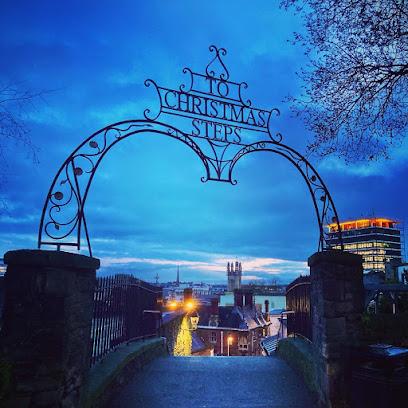
The Christmas Steps
0.3 km
Step back in time on Bristol’s historic Christmas Steps, a charming medieval street rich in culture, history, and cozy local character.
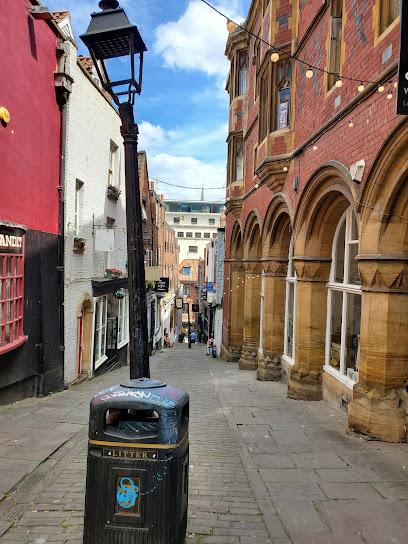
Christmas Steps
0.3 km
Discover Bristol’s enchanting Christmas Steps, a historic cobbled lane blending medieval charm with vibrant arts and rich local stories.
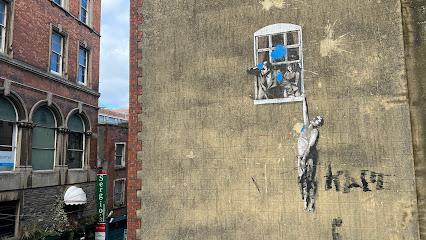
Banksy’s Well Hung Lover
0.3 km
Discover Banksy’s cheeky and iconic Well Hung Lover mural, Bristol’s first legal street art and a symbol of urban culture and defiance.
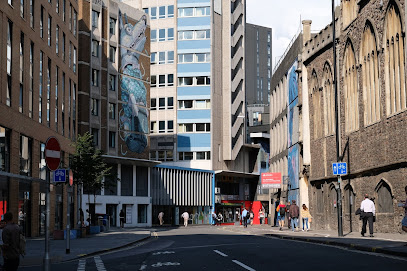
Palestine Museum & Cultural Centre
0.3 km
Explore Palestinian heritage and culture at Bristol’s vibrant Palestine Museum & Cultural Centre, a hub for history, art, and community events.
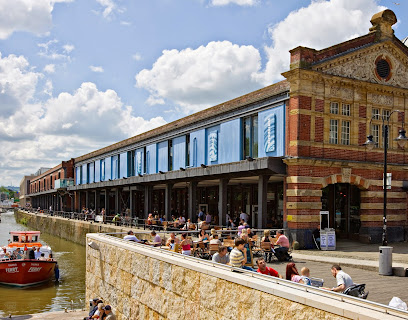
Watershed
0.3 km
A vibrant cultural cinema and creative hub on Bristol’s Harbourside, blending film, food, events, and sustainability in a welcoming setting.
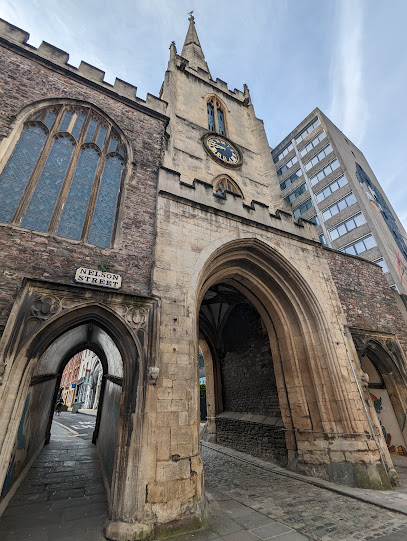
St John's Church
0.3 km
A medieval church built into Bristol’s city walls, St John on the Wall is the last of five gate churches, offering a unique glimpse into the city’s fortified past and spiritual life.
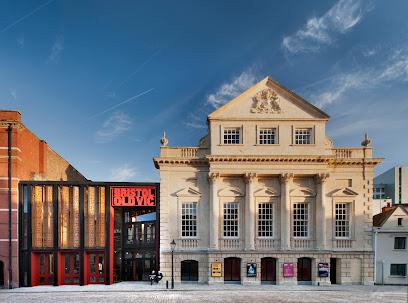
Bristol Old Vic
0.3 km
Experience the oldest continuously working theatre in the English-speaking world, where history and innovation meet on Bristol’s King Street.
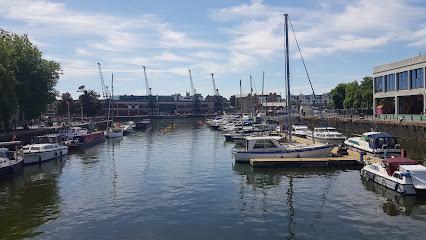
Harbourside
0.3 km
Discover Bristol Harbourside, where rich maritime history meets vibrant culture, waterside dining, and lively urban charm.
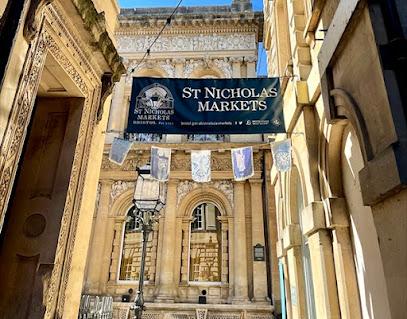
St Nicholas Market
0.3 km
Discover Bristol’s historic St Nicholas Market, a lively hub of independent shops, artisan crafts, and global street food in a charming Georgian arcade.
Essential places to dine

Bambalan
0.1 km
Vibrant Mediterranean dining with rooftop views, lively DJs, and a spirited social scene in the heart of Bristol.
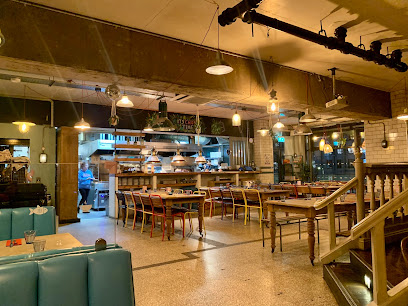
Pieminister
0.1 km
Award-winning British pies, piled high with mash, peas and gravy, in a lively harbourside restaurant with views of Bristol’s fountains and waterfront.
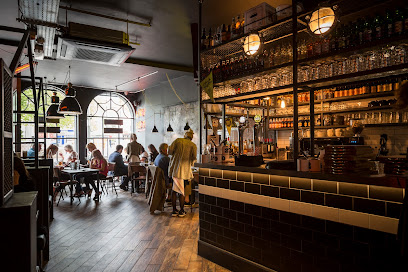
Turtle Bay Bristol Broad Quay
0.1 km
Experience authentic Caribbean cuisine, tropical cocktails, and lively reggae vibes in Bristol’s vibrant Broad Quay district.
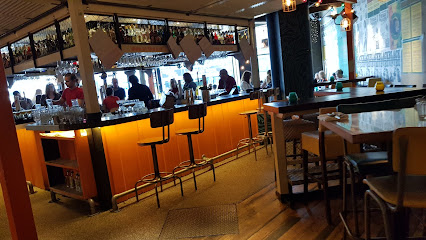
Hat Bistro
0.1 km
Experience authentic Greek cuisine and warm hospitality at Hat Bistro, Bristol’s cozy Mediterranean gem with locally sourced flavors.
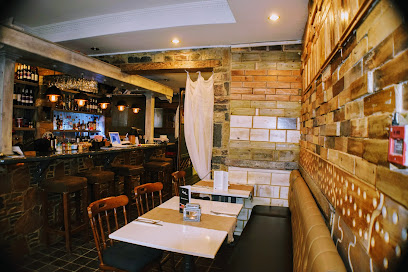
Four Wise Monkeys
0.2 km
Lively pan-Asian fusion dining with retro Tokyo vibes and bold flavours in Bristol’s city centre.
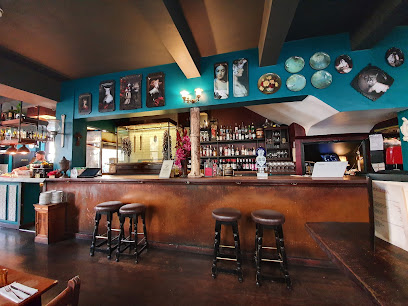
Ciao Amici Restaurant
0.2 km
Authentic Italian dining with handmade pizzas and a warm, inviting atmosphere in the heart of Bristol’s cultural scene.
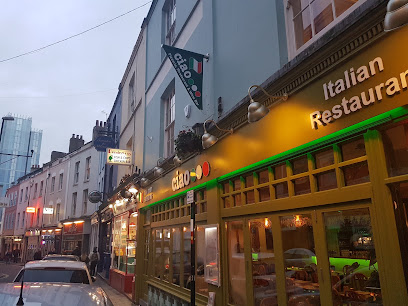
Pasta Ripiena
0.2 km
A tiny Bristol gem where every bite of handmade stuffed pasta bursts with seasonal Italian flavour.
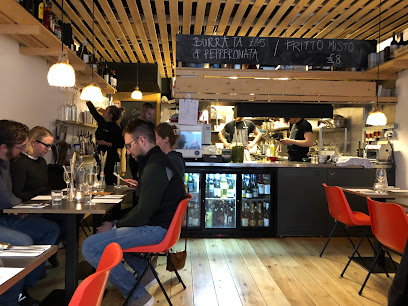
No.1 Harbourside
0.2 km
Bristol's independent waterside gem serving bold burgers, local drinks, and genuine hospitality.
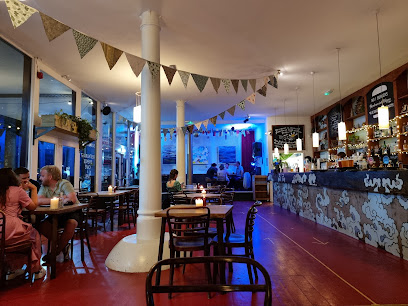
The Ox
0.2 km
Charcoal-grilled steaks in an atmospheric basement vault with cocktails and old-money elegance.
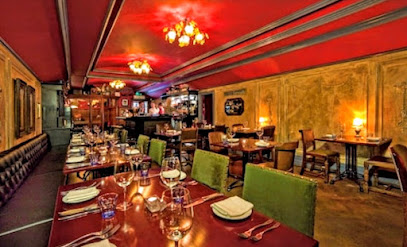
Marmo Restaurant & Wine Bar
0.2 km
Michelin-recognized Italian cooking with organic wines in Bristol's vibrant restaurant quarter.
Under the Stars
0.2 km
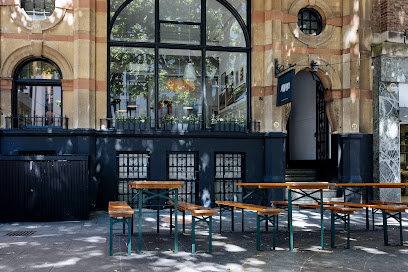
Discover exquisite tapas and crafted cocktails at Under the Stars in Bristol's scenic waterfront area – where culinary delight meets vibrant ambiance.
San Carlo - Bristol
0.2 km
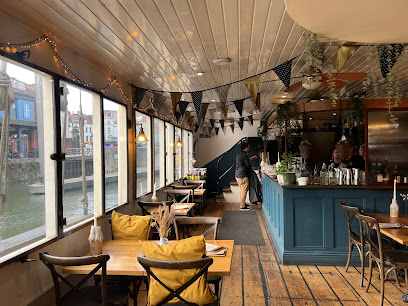
Elegant Italian dining in Bristol with sumptuous seafood, grand interiors, and a vibrant atmosphere perfect for special occasions.
The Bristol Stable
0.3 km
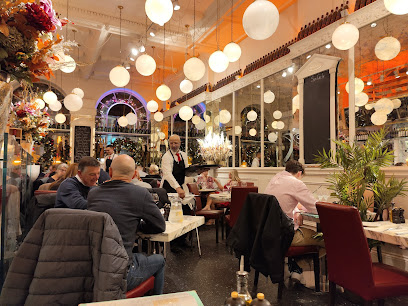
Sourdough pizzas, West Country ciders, and lively Harbourside vibes combine at The Bristol Stable for a quintessential Bristol dining experience.
Mugshot Restaurants Bristol
0.3 km
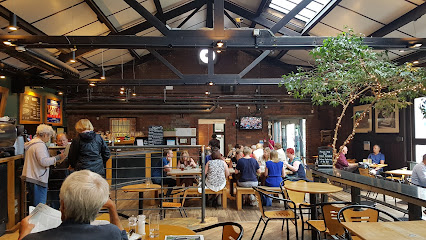
Experience 1920s vintage glamour and interactive hot stone steak dining in the heart of Bristol’s historic old town.
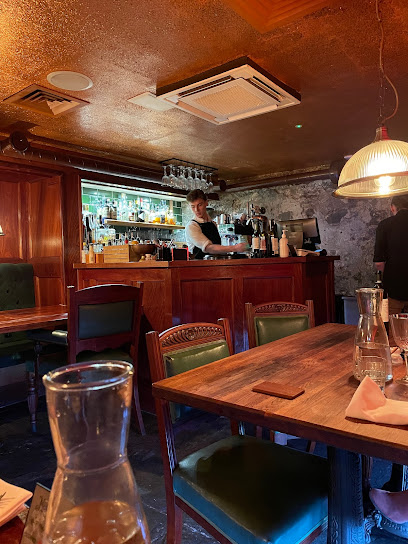
Harbour Kitchen & Bar
0.3 km
Stylish seafood dining with British seaside soul in the heart of Bristol’s vibrant Corn Street.
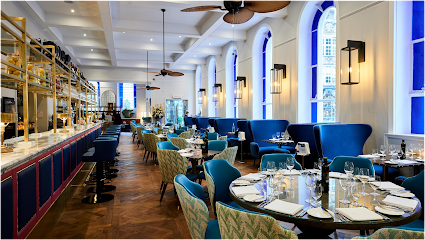
Markets, malls and hidden boutiques

Memories
0.3 km
Explore 'Memories' in Bristol for unique gifts and local treasures that capture the spirit of your visit.
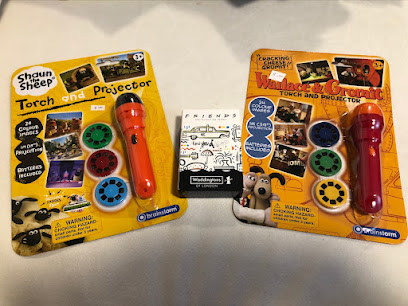
Quadrant Trading
0.3 km
Discover handcrafted Bristol treasures at Quadrant Trading in the historic Corn Exchange—a shopper's delight of local artistry and unique souvenirs.
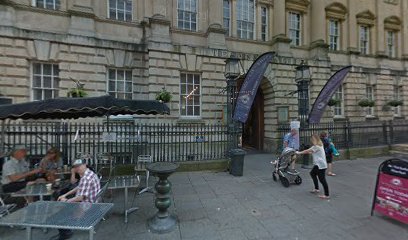
Japonicat
0.3 km
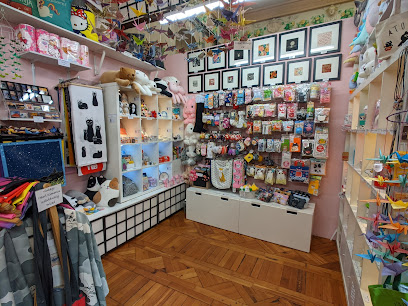
Discover unique Japanese gifts and charming collectibles at Japonicat, nestled in Bristol’s historic St Nicholas Market.
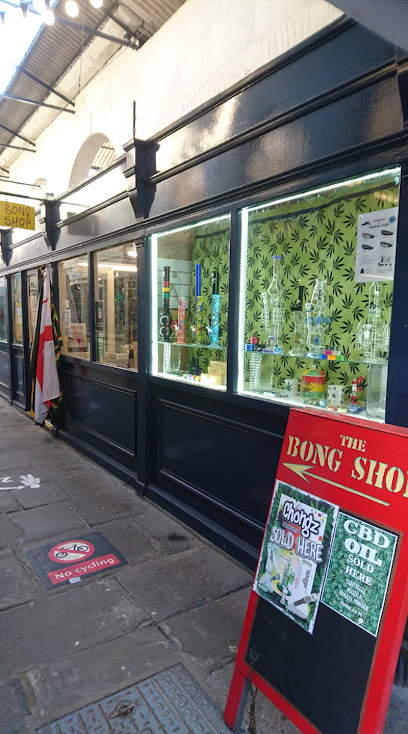
Riff Raff Gifts The Bong Shop
0.3 km
Specialist smoking accessories retailer in historic St Nicholas Market's Covered Market.
my a2space
0.3 km
A compact Harbourside shop showcasing locally made prints, gifts and artisan wares from Bristol’s creative community.
uchi clothing co
0.3 km
Discover stylish, sustainable fashion in Bristol’s historic Corn Exchange at Uchi Clothing Co, where quality meets contemporary design.
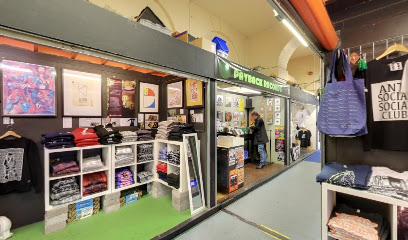
This Feeling
0.3 km
Trendy threads in Bristol's historic market heart—independent fashion amid Georgian charm and bustling stalls.
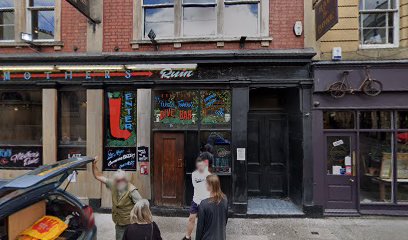
Will's doss pit
0.3 km
Dive into Bristol's quirky underbelly at Will's Doss Pit, where vintage treasures and bohemian finds await in historic Queen Square.
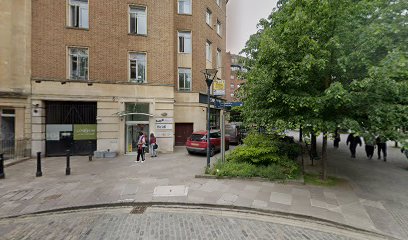
Over Here
0.3 km
Discover quirky gifts and stylish clothing at Over Here, a hidden gem in Bristol's historic St Nicholas Markets arcade.
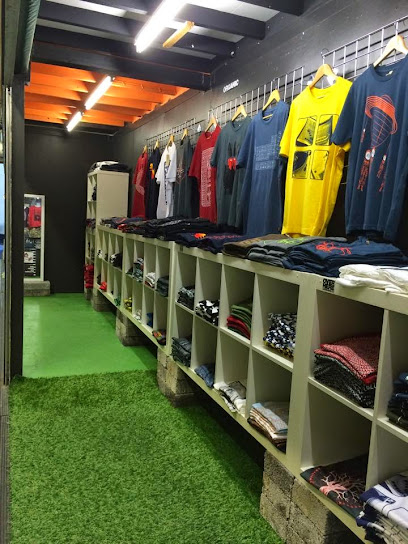
Urban Fox
0.3 km
Unearth retro gems at Urban Fox, Bristol's vintage clothing nook in vibrant St Nicholas Market—quality finds with 25 years of expertise.
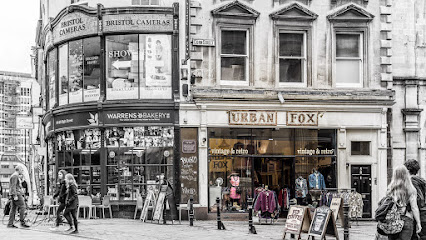
Alices Secret Empourium
0.3 km
Uncover Bristol's quirk-filled gift haven on Park Street, where eclectic treasures and whimsical wonders await every curious explorer.
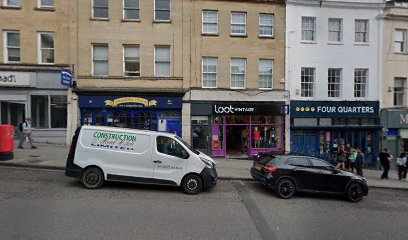
Blaze
0.3 km
Unique gifts and artisanal treasures in Bristol's creative heart—perfect for discovering one-of-a-kind souvenirs on Colston Street.
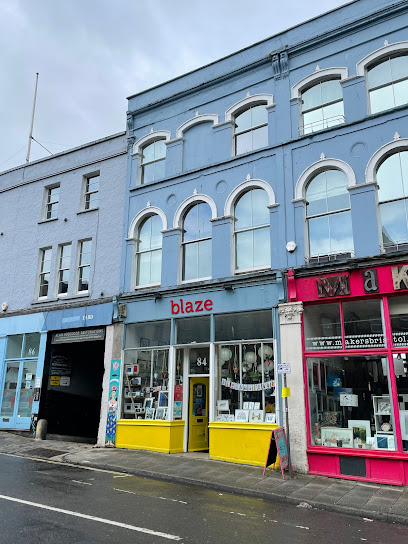
Uncle Sam's Vintage
0.4 km
Bristol's legendary American vintage superstore, curating authentic mid-century treasures since 1984.
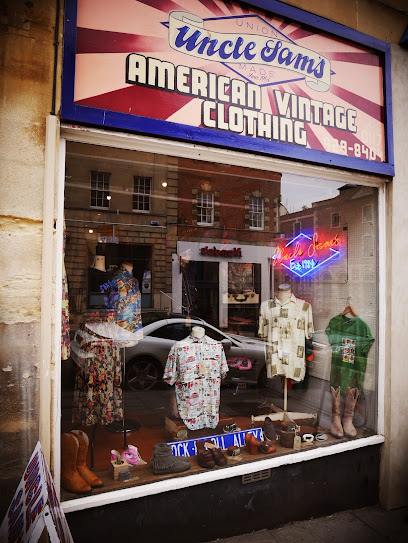
Ganesha
0.4 km
Discover unique gifts, clothing, and handicrafts at Ganesha, Bristol's treasure trove of artistic creations and local craftsmanship.
Zhyper
0.6 km
Trendy threads and accessories in Bristol's Harbourside hub, where personal style meets waterfront vibrancy and urban creativity.
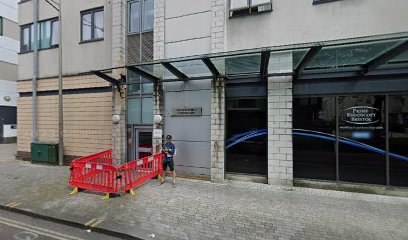
Essential bars & hidden hideouts

The Clockwork Rose
0.2 km
Bristol's steampunk speakeasy where airship captain's cocktails blend Victorian flair, fantastical lore, and masterful mixology into unforgettable evenings.
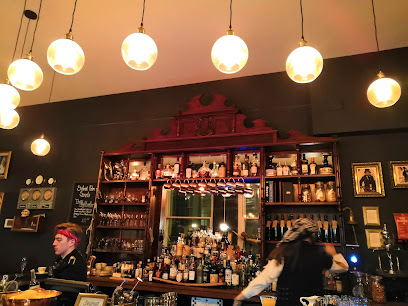
The Milk Thistle
0.2 km
Bristol's multi-level speakeasy masterpiece: inventive cocktails, taxidermy charm, and intimate lounges in a historic townhouse—pure nightlife alchemy.
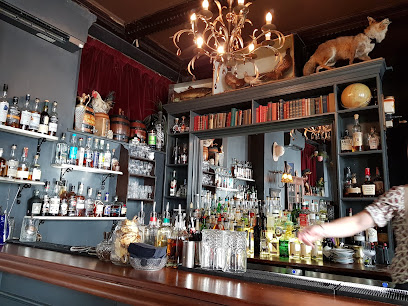
Brozen Bar - Bristol
0.2 km
Discover Bristol’s Brozen Bar, where inventive frozen cocktails and a cosy atmosphere create a unique, must-visit cocktail experience.
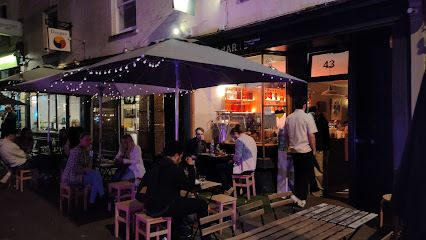
Secret Cocktail Club - Bristol
0.2 km
Discover Bristol’s hidden basement bar blending historic charm with expertly crafted cocktails in an intimate, secretive setting.
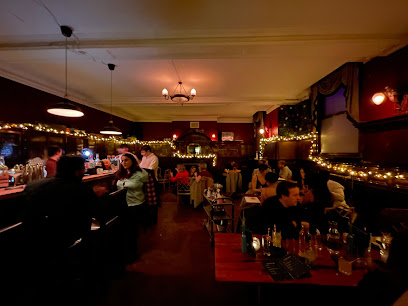
The Cocktail Club - Corn Street Bristol
0.2 km
Experience Bristol’s vibrant nightlife with expertly crafted cocktails, galactic-themed interiors, and an unforgettable party atmosphere at The Cocktail Club Corn Street.
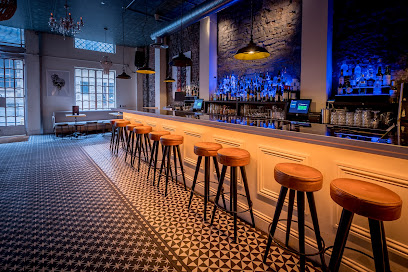
Flight Club Bristol
0.2 km
Experience the thrill of Social Darts® and vibrant cocktails in Bristol’s lively, carnival-inspired cocktail bar on historic Corn Street.
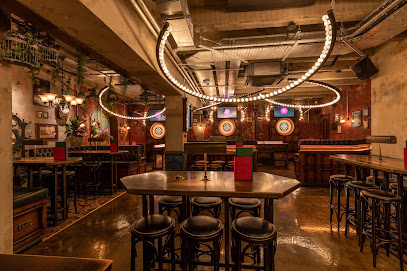
Dirty Martini - Bristol
0.2 km
Bristol's dazzling cocktail bar on Corn Street, blending royal elegance, masterful martinis, bottomless brunches, and electric nights in the heart of Old City.
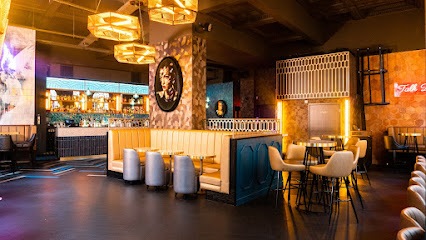
Slug & Lettuce - City Centre Bristol
0.2 km
Bristol's go-to cocktail haven on St Nicholas Street, blending lush drinks, tasty bites, and vibrant nights in the Old City heart.
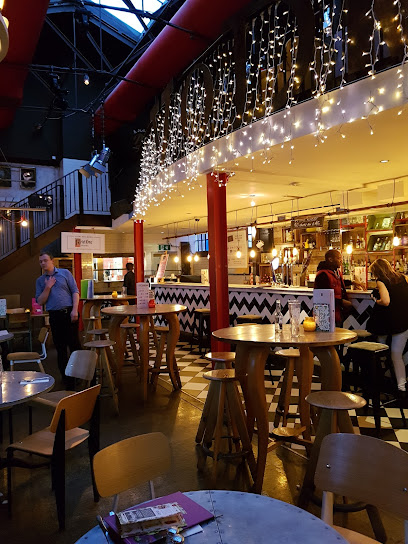
Blame Gloria - Bristol
0.2 km
Dive into Bristol’s wildest retro cocktail bar with themed brunches, dazzling performances, and a party atmosphere like no other.
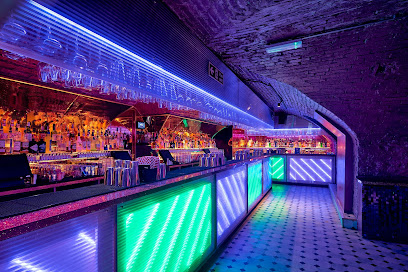
Revolution Bristol
0.3 km
Two-storey cocktail bar in Bristol’s Old Fish Market — colourful interiors, mezzanine balcony and cocktails for day and night.
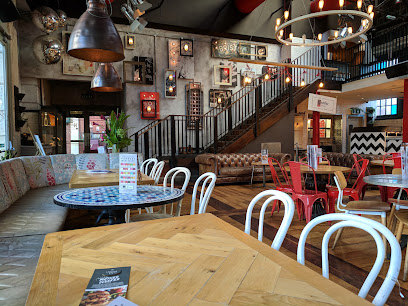
The Gold Bar
0.3 km
Experience Bristol’s ultimate speakeasy-style cocktail bar with opulent décor, masterful mixology, and vibrant weekend entertainment.
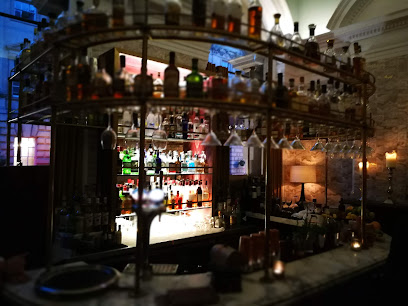
The Boardroom
0.3 km
Grazing boards, rum mastery and historic charm in Bristol's Old City—perfect for intimate drinks or private hires till late.
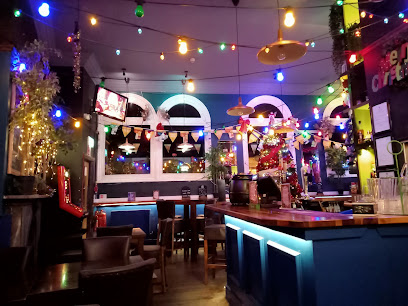
Small Bar
0.3 km
Bristol's compact craft beer gem: sample microbrew masterpieces in rustic intimacy amid King Street's historic buzz.
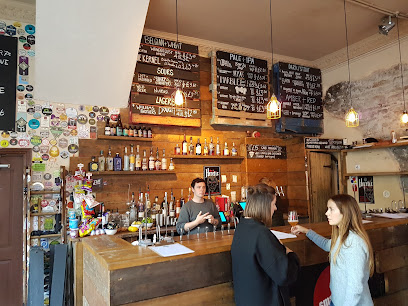
The Mothers' Ruin
0.3 km
Bristol's dive bar legend: cheap pints, basement beats, live tunes, and pizza in a historic street nook – pure debauchery awaits.
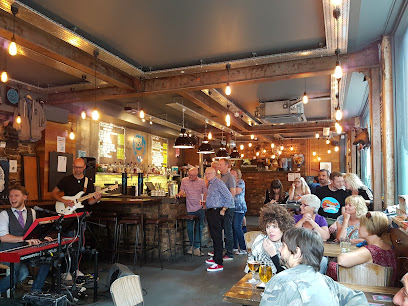
The Rummer
0.3 km
A cozy, spirit-focused pub in the medieval heart of Bristol—fireside rooms, hundreds of gins and a distilled approach to cocktails.
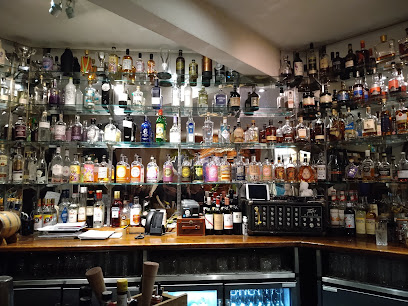
Nightclubs & after hour spots

Popworld - Bristol
0.1 km
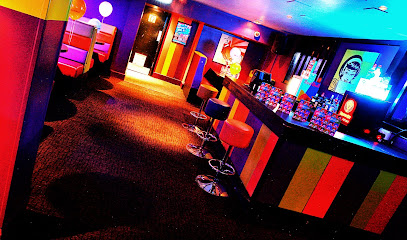
Dance to 90s and 00s pop anthems under neon lights at Bristol's ultimate nostalgic nightclub, where cheesy hits and POPTAIL cocktails fuel epic nights out.
Forró Bristol
0.1 km
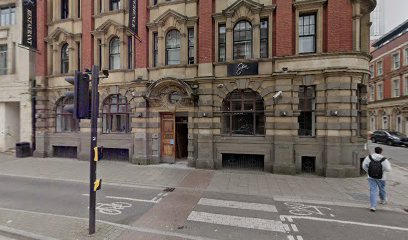
Ignite your night with Brazilian forró rhythms: partner dances, live bands, and sweaty joy in Bristol's beating heart.
Basement 45
0.2 km
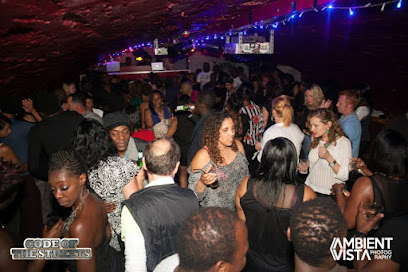
Experience Bristol’s underground nightlife at Basement 45, where eclectic music, intimate vibes, and vibrant events come alive until the early hours.
Queenshilling - Bristol Bar and Nightclub
0.3 km
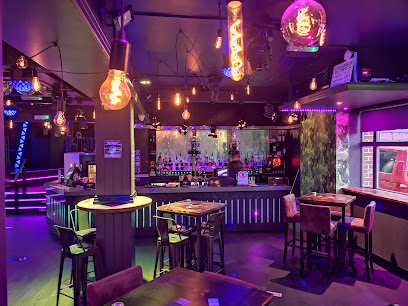
Bristol's iconic LGBTQ+ haven: dance, drag, and drinks in an intimate Frogmore Street gem fueling the city's electric nightlife.
OMG
0.3 km
Southwest's biggest gay club: massive dance floor, killer sound, themed nights, and inclusive vibes until dawn in Bristol's heart.
Antix
0.3 km
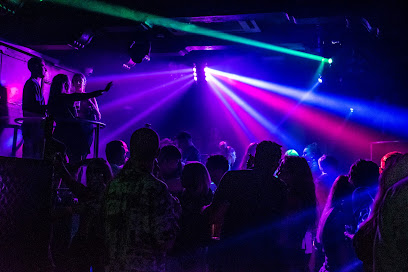
Bristol's enduring late-night haven on Park Street: cocktails till 1am, DJ beats till 6am, dancing into dawn with house, R&B, and reggaeton vibes.
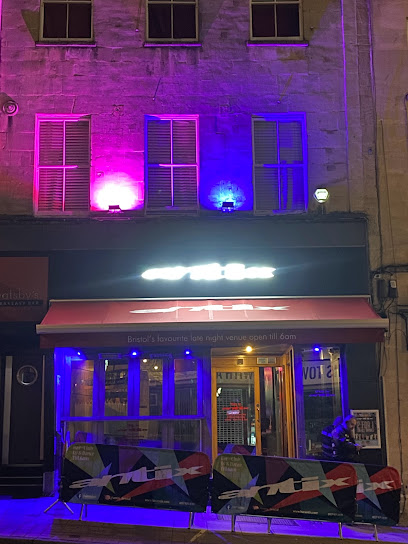
Silk Nightclub
0.4 km
Experience Bristol’s vibrant nightlife at Silk Nightclub, where energetic beats and a lively crowd create unforgettable nights in the city center.
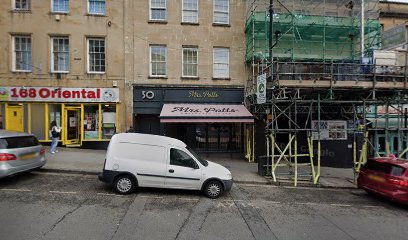
Marquee Cocktail Bar & Nightclub
0.4 km
From refined cocktails to dawn-dancing beats, Marquee delivers Bristol's ultimate nightlife evolution in one stylish venue.
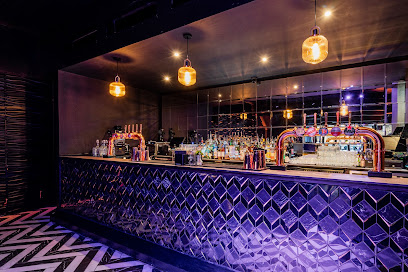
PRYZM
0.4 km
Experience Bristol’s vibrant nightlife at PRYZM, a multi-room club with themed music floors, student deals, and a lively party atmosphere.
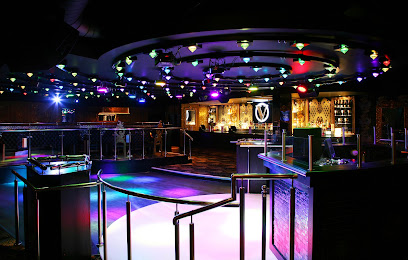
Thekla
0.6 km
A converted cargo ship transformed into Bristol’s compact, industrial live-music venue and late-night club, famed for close-up shows and throbbing club nights.
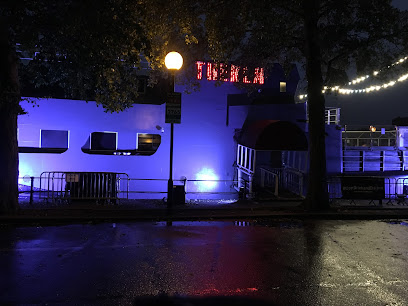
The Pearl NightClub
0.7 km
Bristol's intimate Clifton nightclub where fire DJs ignite weekend dance floors from 10pm till dawn—pure energy in a compact, electric space.
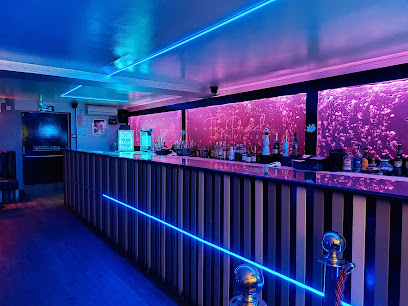
La Rocca
0.7 km
A lively Clifton nightclub blending classic tunes, affordable drinks, and a vibrant social scene in Bristol’s dynamic nightlife district.
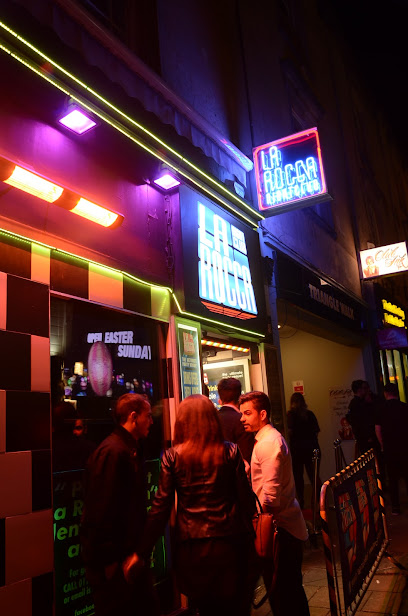
Bristol Lola Lo
0.7 km
An intimate, vintage‑Tiki nightclub in Clifton with neon cocktails, paper lanterns and a compact dancefloor for themed late‑night parties.
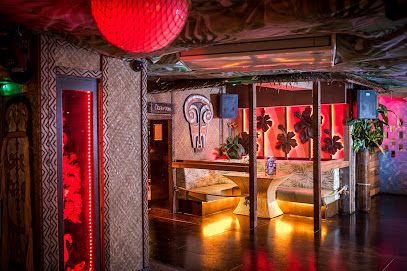
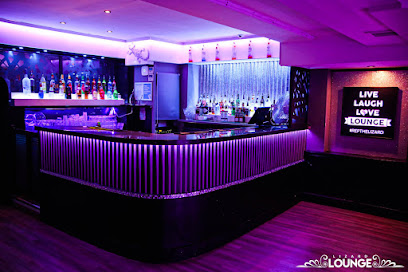
Lizard Lounge
0.8 km
A small, loud student nightclub on Queens Road famed for cheap drinks, DJ nights and a packed, party-first atmosphere.
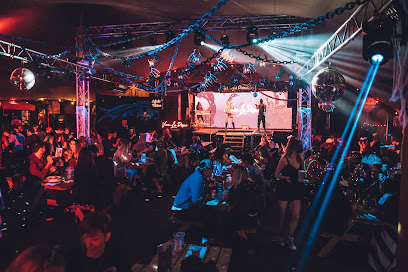
Lakota
1.0 km
Bristol's gritty heartbeat: underground raves, thunderous bass, and nights that blur into dawn at this St Paul's legend.
For the vibe & atmosphere seeker
- Historic
- Scenic
- Tranquil
For the design and aesthetic lover
- Vintage Styles
For the architecture buff
- Historic
- Landmarks
For the view chaser and sunset hunter
- Iconic Views
For the social media creator & influencer
- Instagrammable
- Photo Spots
- Architectural Shots
For the eco-conscious traveler
- Public-Transport Accessible
For the kind of experience you’re after
- Cultural Heritage
- Photowalk
- Day Trip
For how adventurous you want the journey to be
- Easy Access
Location Audience
- Family Friendly
- Senior Friendly
- Child Friendly
- Wheelchair Access
- Solo Friendly
- Couple Friendly


