National Trust - Chastleton House Travel Guide
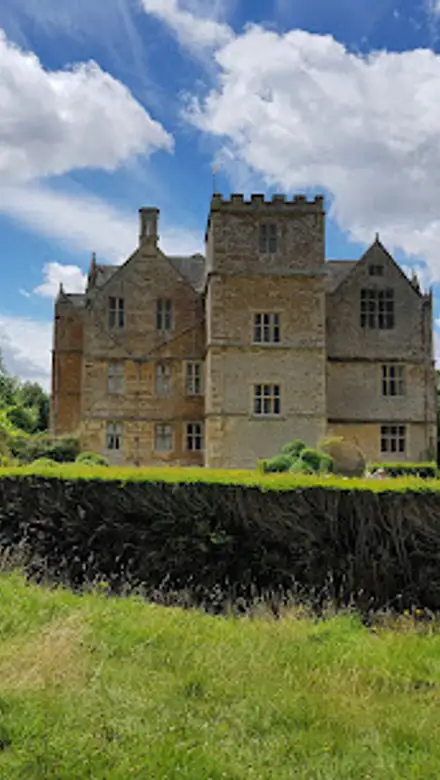
Free Guide: Step back in time at Chastleton House, a beautifully preserved Jacobean mansion with historic gardens where croquet was born.


A brief summary of National Trust - Chastleton House
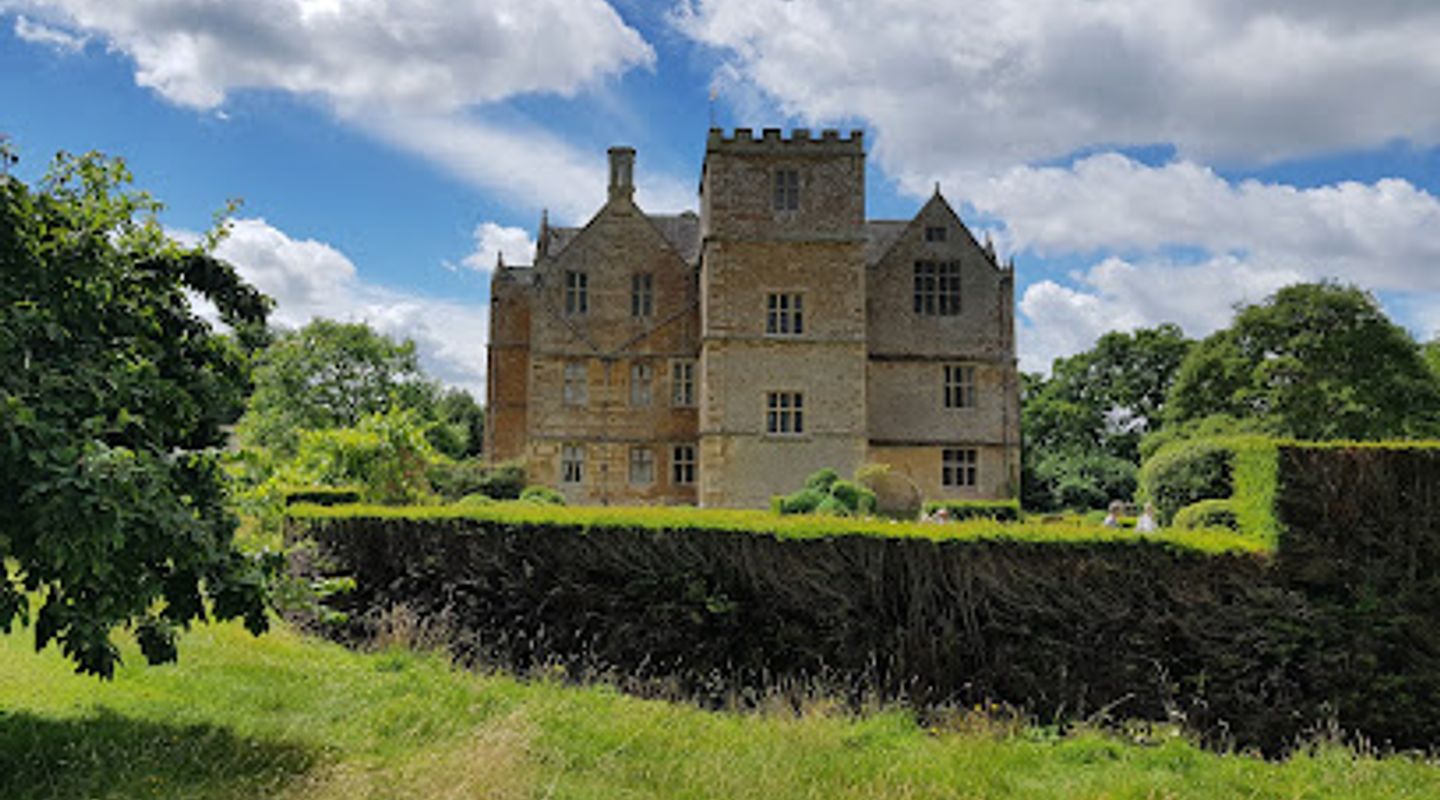
Step back in time at Chastleton House, a beautifully preserved Jacobean mansion with historic gardens where croquet was born.
Chastleton House, near Moreton-in-Marsh in Oxfordshire, is a remarkably preserved Jacobean mansion built between 1607 and 1612. Retaining much of its original character and contents, it offers visitors an atmospheric glimpse into early 17th-century English country life. The house is set within intimate, walled gardens where the rules of croquet were codified, making it a unique blend of history, architecture, and tranquil outdoor spaces.
On-site amenities
 Restrooms
 Seating areas
 Information boards
 Visitor centre
Opening hours
- MonClosed
- TueClosed
- Wed1 pm–5 pm
- Thu1 pm–5 pm
- Fri1 pm–5 pm
- Sat1 pm–5 pm
- Sun1 pm–5 pm
Opening hours as listed on the venue’s Google Business Profile. Hours can change for services and special events, so check with the venue before you go.
- Address
- Chastleton, Moreton-in-Marsh GL56 0SU
- Phone
- Website
Getting there
Car
Bus
Train
Walking
Discover more about National Trust - Chastleton House
A Glimpse into Jacobean England
Chastleton House stands as a rare and authentic example of Jacobean architecture, constructed in the early 17th century by Walter Jones to showcase his newly acquired wealth. Unlike many historic homes, it has undergone minimal alteration over the centuries, largely due to the financial constraints of its owners. This lack of modernization has preserved original features such as the longest surviving barrel-vaulted ceiling in England, high-relief ceilings, grand chimneypieces, and rare grotesque mask heads dating from the 1600s. The interiors also house nationally significant textiles, including handwoven Flemish tapestries from the 16th century and intricate crewelwork bed hangings from the 1720s.
Stories of Family and Time
Owned by the same family until 1991, Chastleton exudes a sense of romantic neglect, with dust tolerated to maintain its time-capsule atmosphere. The bohemian couple Barbara and Alan Clutton-Brock, who inherited the house in 1955, left a distinct mark visible in the presence of their paintings, books, and records. Visitors can explore rooms that reveal the lives of past inhabitants, including rare Jacobite glassware engraved with emblems supporting the Jacobite cause, a dangerous political statement in the 1740s. The house’s kitchen remains largely unchanged, featuring original elements like a serving hatch and wooden ceiling rack.
Gardens That Tell a Story
Surrounding the house are a series of intimate, walled garden 'rooms' that invite peaceful exploration. These include the Best Garden, Kitchen Garden, Wilderness Walk, and the croquet lawns where the rules of the game were first codified. The gardens are both beautiful and productive, with homegrown produce such as strawberries and peaches available seasonally. The croquet set is often available for visitors to enjoy, weather permitting, adding a playful dimension to the historic setting.
Visitor Experience and Conservation
Chastleton offers a unique experience that balances preservation with accessibility. While the house has no step-free access and limited wheelchair availability on the ground floor, accessible parking and toilets are provided nearby. Visitors can join conservation tours to learn about the care and preservation of the house and its collections. Although there is no official National Trust café on site, refreshments are often available in the adjacent church or brewhouse, with proceeds supporting local charities. The house is open to visitors from March to October, Wednesday through Sunday, typically from 1 pm to 5 pm, with last entry an hour before closing.
Architectural and Cultural Significance
Chastleton House is not only architecturally significant but also culturally rich, reflecting centuries of English history and social change. Its well-preserved state provides an invaluable resource for understanding Jacobean life and the evolution of English country houses. The property also includes a traditional dovecote from a now-demolished house, adding to the layered history of the estate. The intimate scale and unspoiled condition make it a compelling destination for those interested in heritage, architecture, and garden design.
Seasonal Highlights and Special Events
The house participates in Heritage Open Days, offering free entry on select dates such as in September, allowing visitors to experience the site without charge. Seasonal events often include garden activities and family-friendly adventure packs to engage younger visitors. The peaceful gardens and historic interiors provide a tranquil retreat through the warmer months, with changing foliage and seasonal blooms enhancing the visitor experience.
Evendo Review Centre
 Google
Guest reviews
Best time to go
Quietest: Jan, Feb & Dec · before 7am or at 8pm
Busy times are Evendo estimates for a typical year, to help you plan. Actual crowds vary with events, school holidays and the weather.
Explore National Trust - Chastleton House on the map
A handpicked selection of must-see spots near National Trust - Chastleton House, mapped for you.
Get your free copy of our complete guide to National Trust - Chastleton House, delivered straight to you.
Everything on this page, from opening hours and how to get there to Eve’s tips and the best time to go, in one PDF you can read offline, print or share.
Already have an account? Sign in
Your National Trust - Chastleton House guide is ready.
We'll send it to · Not you? Sign out

Getting your guide ready…
We are putting together a fresh copy of the National Trust - Chastleton House guide. This can take up to a minute.
This can take a few moments. If your browser asks, choose Allow so the download can start. You'll find the guide in your Downloads folder.
Nothing happened? Download it again
Sorry, the guide is taking longer than usual. Please try again in a minute, or get it by email instead.
Unlock the best of National Trust - Chastleton House
Skip-the-line tickets, guided tours with entry, and walking tours of the area, booked in a few clicks.

Other nearby places you may find interesting
The closest places of the same kind, if this one is not quite what you had in mind.
-
-
-
-
-


Swipe for more places
More to explore near National Trust - Chastleton House
-
 Best experiences near National Trust - Chastleton House
-
 Best hotels near National Trust - Chastleton House
-
 Best landmarks near National Trust - Chastleton House
-
 Best attractions near National Trust - Chastleton House
-
 Best shops near National Trust - Chastleton House
-
 Best restaurants near National Trust - Chastleton House
-
 Best bars near National Trust - Chastleton House


Do you manage this location?
Take control to get all the benefits, like improved information, better appearance, and stronger visibility across AI-powered discovery.
Explore more
Explore more of Cotswolds
Discover the idyllic beauty of the Cotswolds, where timeless villages and rolling hills create a perfect escape into England's pastoral heartland.
Explore Cotswolds
Explore more of United Kingdom
Discover the United Kingdom: A blend of rich history, stunning landscapes, and vibrant cities, offering a unique travel experience for every visitor.
Explore United Kingdom