
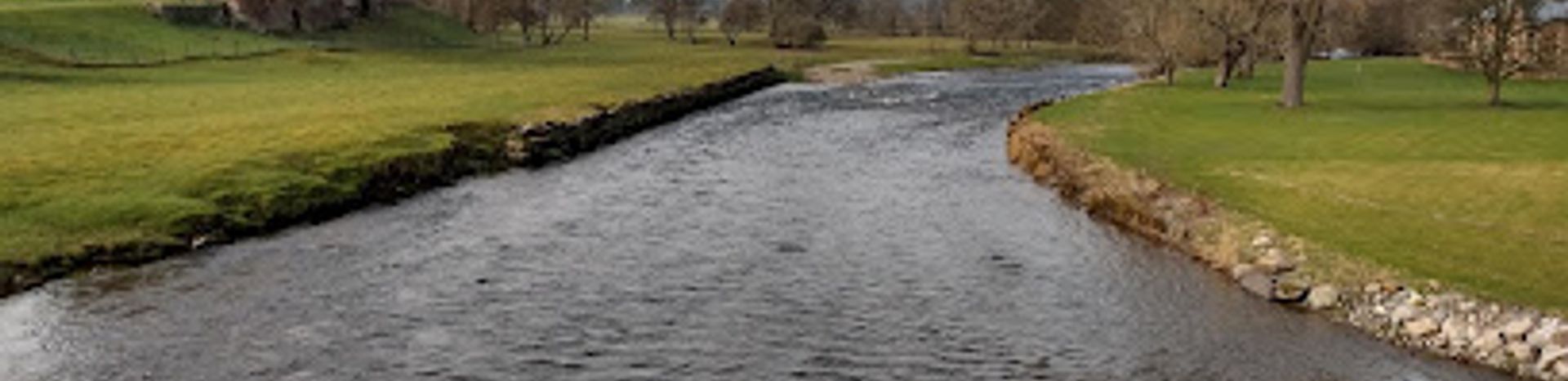
Brocavum Roman Fort at Brougham
Explore the ancient Roman fort of Brocavum and the medieval Brougham Castle ruins nestled by the rivers in scenic Cumbria.
Brocavum Roman Fort, located near Brougham in Penrith, Cumbria, is the site of a significant Roman military installation dating from around AD 78 to the late 4th century. Though largely surviving as earthworks, it marks the strategic intersection of three Roman roads and the confluence of two rivers. The fort's legacy continues with the medieval Brougham Castle built atop its remains, blending Roman and medieval history in a scenic riverside setting.
A brief summary to Brocavum Roman Fort
- Penrith, Brougham, GB
- Duration: 1 to 3 hours
- Mid ranged
-
 Outdoor
- Mobile reception: 4 out of 5
Local tips
- Wear sturdy footwear to safely explore the uneven earthworks and castle ruins, especially if climbing the keep.
- Visit during weekday mornings for a quieter experience with fewer crowds.
- Bring a picnic to enjoy by the River Eamont, soaking in the tranquil riverside setting.
- Check opening times and ticket prices in advance on the English Heritage website; members enter free.

For the on-the-go comforts that matter to you
- Restrooms
- Drink Options
- Food Options
- Seating Areas
- Information Boards
- Visitor Center
Getting There
-
Car
Driving from Penrith, the site is approximately 5 km southeast, accessible via the A66 and local roads. Parking is available on nearby roadside areas as there is no on-site parking. The journey takes about 10–15 minutes. Note that parking spaces may be limited during peak seasons.
-
Bus
Local bus services connect Penrith town center to stops near Brougham village, approximately 2 km from the site. From the bus stop, a 25-minute walk over mostly flat terrain leads to the fort and castle. Bus frequency varies; check local timetables for schedules.
-
Walking
For those staying in Penrith, a scenic 40-minute walk along country lanes and footpaths leads to Brougham Roman Fort and Castle. The terrain is mostly flat and suitable for casual walkers, though some sections are on minor roads without pavements.
Brocavum Roman Fort location weather suitability
-
 Any Weather
-
 Rain / Wet Weather
-
 Clear Skies
-
 Mild Temperatures
Discover more about Brocavum Roman Fort
Ancient Strategic Crossroads
Brocavum Roman Fort was established in the late 1st century AD, likely shortly after the revolt of Venutius around the early 70s AD. Positioned near the confluence of the rivers Eamont and Lowther, the site provided natural defenses and fertile land, making it an ideal military and logistical hub. The fort lay at the convergence of three major Roman roads connecting York, Manchester, and the Roman port of Glannaventa (modern Ravenglass), facilitating troop movements and trade across northern Britain.Roman Military Presence and Civilian Life
The fort was occupied continuously from the governorship of Agricola (AD 78–84) until the end of the 4th century. Archaeological finds, including dedications to the local deity Belatucadrus and a 3rd-century altar to Mars, indicate the presence of cavalry units, possibly from Asia Minor, and a diverse population. Excavations have revealed a civilian settlement (vicus) and a cemetery, suggesting a vibrant community around the fort. Despite no major excavations of the fort earthworks themselves, the site is protected as an Ancient Monument.Medieval Transformation and Brougham Castle
In the early 13th century, the Norman lord Robert de Vieuxpont built Brougham Castle on the site, reusing stones from the Roman fort. The castle became a key defensive stronghold during the Anglo-Scottish Wars, especially under the Clifford family, who enhanced its fortifications. Lady Anne Clifford restored the castle in the 17th century, commemorated by a stone panel referencing Isaiah. The castle's keep, halls, and gatehouse remain impressive ruins overlooking the Eden Valley and the rivers.Historical Layers and Preservation
The site uniquely encapsulates over two millennia of history, from Roman military engineering to medieval fortification and later restoration. The Roman tombstone incorporated into the castle’s keep ceiling and the nearby exhibitions of Roman artifacts highlight this layered heritage. English Heritage manages the site, maintaining the ruins and offering visitors insight into its military and cultural significance through informative signage and a small exhibition.Scenic Setting and Visitor Experience
Brocavum Roman Fort and Brougham Castle sit beside the River Eamont, providing picturesque views and a tranquil atmosphere. Visitors can explore the castle ruins, climb the keep for panoramic vistas of the Eden Valley, and reflect on the site's continuous occupation and strategic importance. The surrounding landscape, with rivers and fertile plains, enhances the sense of place, blending natural beauty with deep historical resonance.Legacy and Cultural Importance
Brocavum’s role as a military and administrative center in Roman Britain, combined with the medieval castle’s significance in border defense, underscores the site's enduring importance. It offers a tangible connection to the Roman conquest and settlement of northern England, the medieval conflicts with Scotland, and the heritage of the Clifford family. The preservation efforts ensure that this rich history remains accessible and engaging for future generations.Iconic landmarks you can’t miss

Lodore Falls
29.1 km
Experience the breathtaking beauty of Lodore Falls, a stunning waterfall in Keswick, where nature's splendor awaits every visitor.
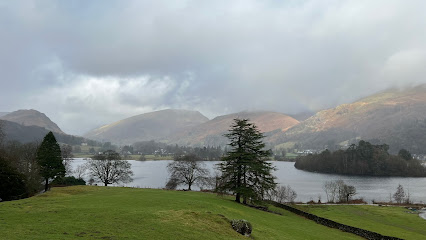
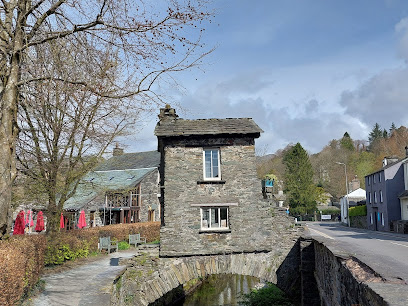
The Bridge House
29.2 km
Explore the historic Bridge House in Ambleside, a stunning 17th-century riverside gem in the heart of the Lake District's breathtaking landscapes.
Wordsworth Grasmere
29.3 km
Explore the enchanting world of William Wordsworth at Wordsworth Grasmere, a museum nestled in the breathtaking landscapes of the Lake District.
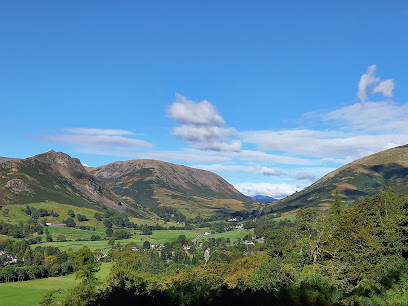
National Trust - Allan Bank and Grasmere
29.4 km
Experience the tranquil beauty and rich literary history of Allan Bank and Grasmere, a must-visit destination in the heart of the Lake District.
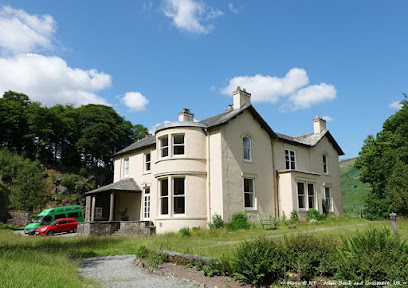
Rydal Cave
29.5 km
Experience the stunning beauty of Rydal Cave in Ambleside, a perfect blend of nature, adventure, and breathtaking landscapes.
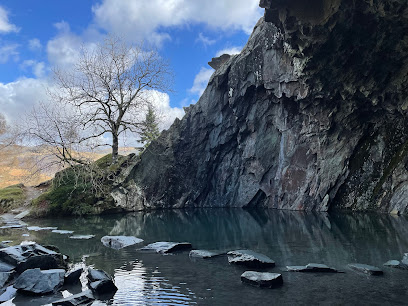
Westmorland Street
29.6 km
Experience the heart of Carlisle at Westmorland Street, your essential transit hub to explore historic attractions and local charm.

National Trust - Townend
29.6 km
Explore the picturesque Townend, a historic farmhouse and garden in the Lake District, where heritage and nature meet in a beautiful setting.
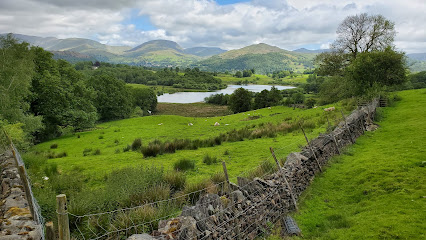
Talkin Tarn Country Park
29.9 km
Experience the serene beauty of Talkin Tarn Country Park, a perfect retreat for nature lovers and families seeking outdoor adventures.
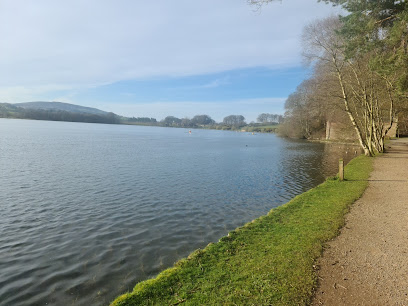
The Citadel
30.0 km
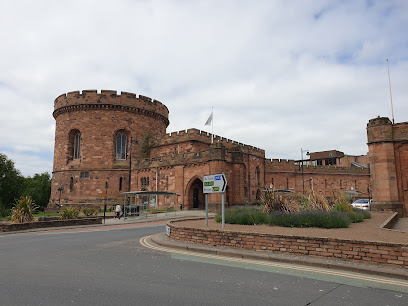
Discover the rich history and stunning architecture of The Citadel in Carlisle, a must-visit historical landmark for every traveler.
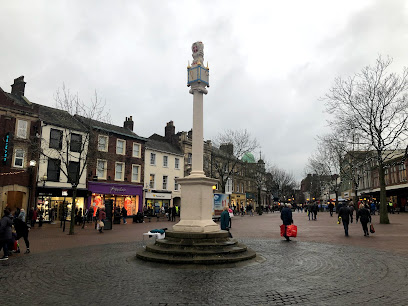
Market Cross Monument
30.3 km
Historic 1682 Market Cross in Carlisle, a Grade I listed monument marking centuries of market heritage and civic pride.
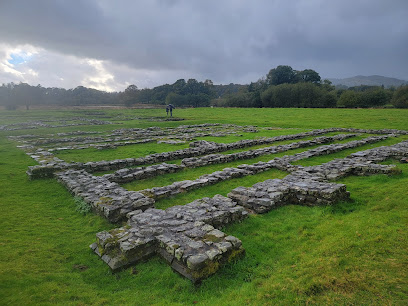
Ambleside Roman Fort
30.3 km
Experience the rich history at Ambleside Roman Fort, a key archaeological site in the heart of the Lake District, offering stunning views and engaging exhibits.
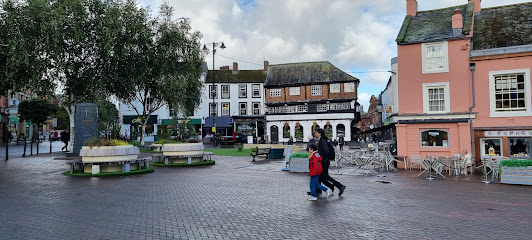
Guildhall Museum
30.4 km
Explore Carlisle’s medieval heritage in the historic Guildhall Museum, a Grade I listed building and former guild meeting place dating back to 1407.
Carlisle Cathedral
30.4 km
Discover over 900 years of history, art, and spirituality beneath Carlisle Cathedral’s stunning starry ceiling in the heart of the border city.
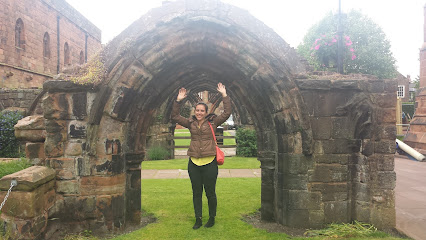
Mirehouse & Gardens
30.5 km
Explore Mirehouse & Gardens: A tranquil escape in the Lake District, blending beautiful gardens, rich history, and breathtaking views of nature.
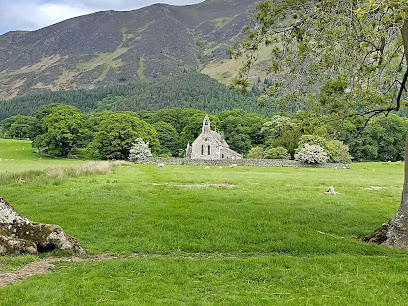
Lake District National Park
30.7 km
Explore the breathtaking beauty of Lake District National Park – a UNESCO World Heritage site with stunning landscapes, charming villages, and endless outdoor adventures.
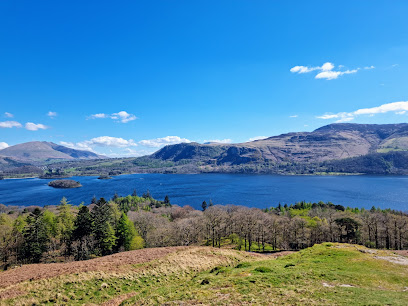
Unmissable attractions to see

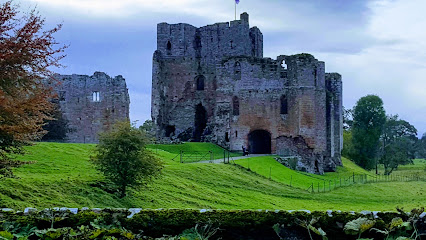
Brougham Castle
0.2 km
Explore Brougham Castle’s medieval ruins, Roman roots, and stunning Eden Valley views in a historic riverside setting.
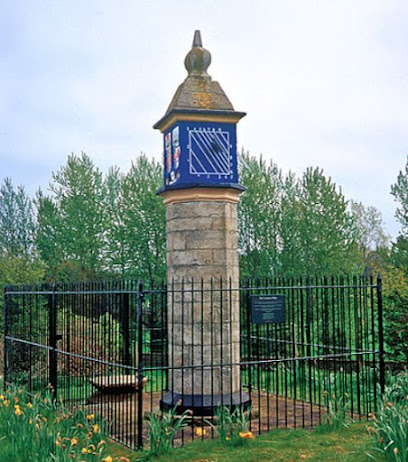
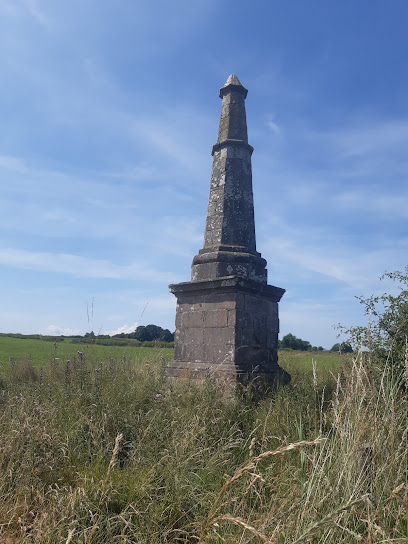
Countess Pillar, Brougham
0.8 km
A 17th-century monument near Brougham Castle marking a heartfelt farewell and lasting legacy of Lady Anne Clifford and her mother.
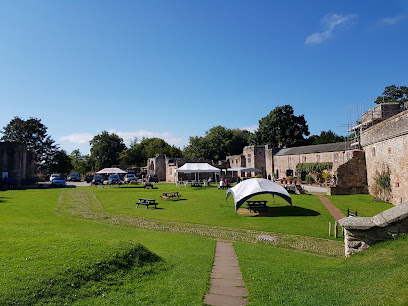
Brougham Hall Charitable Trust
1.1 km
Explore centuries of history and vibrant artisan culture at Brougham Hall, a fortified estate near Penrith blending medieval roots with Victorian grandeur.
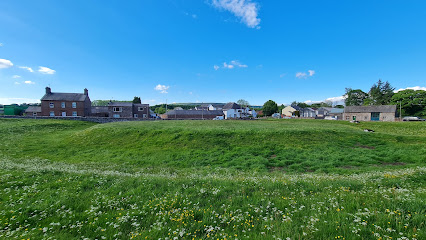
King Arthur's Round Table
1.6 km
Explore the mysterious Neolithic earthwork near Penrith that inspired legends of King Arthur’s legendary Round Table.
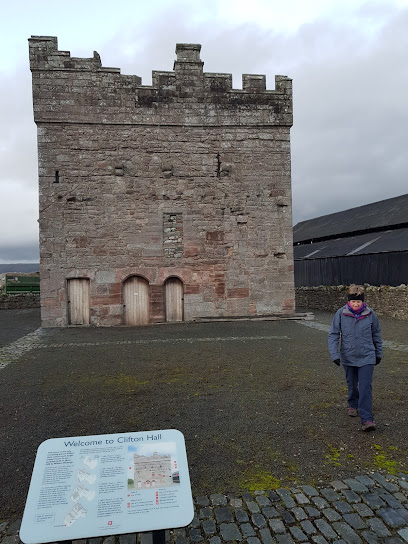
Clifton Hall
1.9 km
Explore Clifton Hall’s 15th-century pele tower, a striking relic of medieval Cumbria’s feudal past and border conflicts.
Mayburgh Henge
2.0 km
Explore Mayburgh Henge, a monumental Late Neolithic cobblestone circle aligned with the equinox sun, steeped in ancient ritual and mystery near Eamont Bridge.
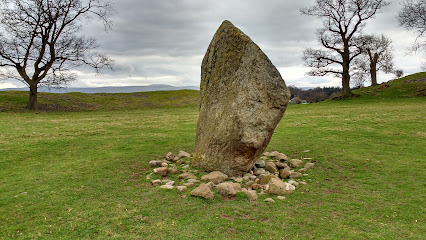
Penrith Clock Tower
2.6 km
Explore the historical charm of Penrith Clock Tower, a captivating landmark in the heart of the town, perfect for history lovers and casual visitors alike.
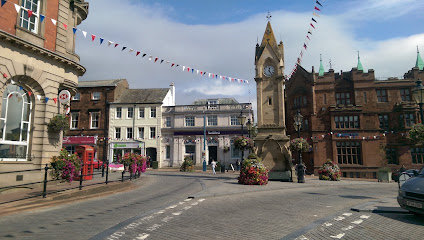
Castle Park
2.7 km
Explore Penrith Castle’s historic ruins and enjoy Castle Park’s gardens, sports, and memorials in the heart of Cumbria.
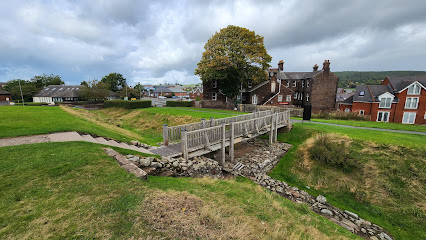
Penrith Castle
2.8 km
Explore the evocative ruins of Penrith Castle, a historic fortress turned royal residence nestled in a scenic park in Cumbria.
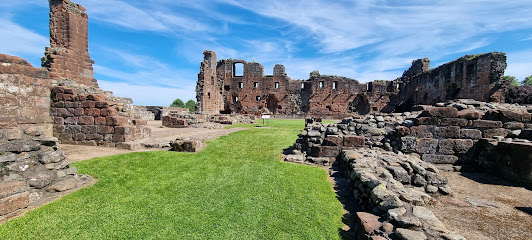
Penrith and Eden Museum
2.8 km
Discover Cumbria’s rich history and art in Penrith’s historic Robinson's School, home to the Penrith and Eden Museum with free entry and diverse exhibits.
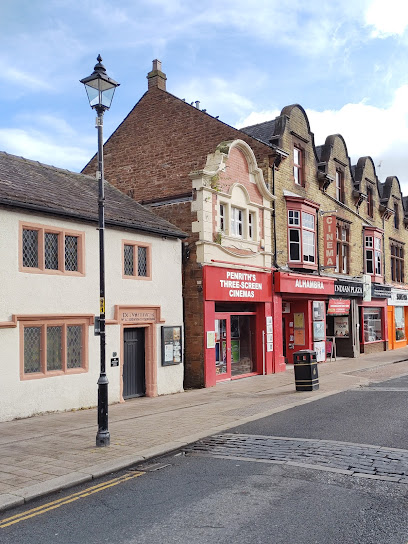
Yanwath Hall
3.1 km
Explore Yanwath Hall, a stunning 14th-century pele tower blending medieval fortification with historic charm in Cumbria’s scenic Eden Valley.
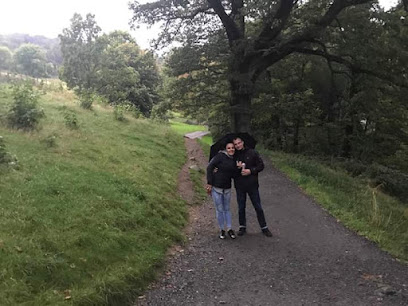
Thacka Beck Nature Reserve
3.6 km
A peaceful urban nature reserve in Penrith offering diverse habitats and year-round wildlife discovery close to town.
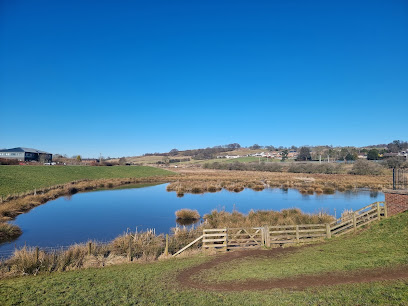
Lowther Park
4.2 km
Explore 152 hectares of wild, tranquil woodland near Penrith, rich in native flora and wildlife, perfect for nature walks and peaceful escapes.
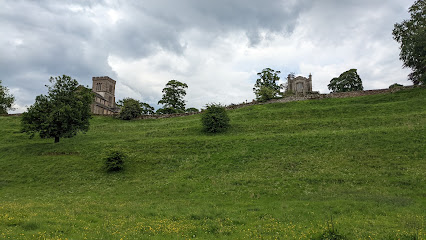
Greystoke Pillar
4.6 km
Explore the timeless beauty and rich history of Greystoke Pillar, a captivating landmark in the heart of England's scenic Lake District.
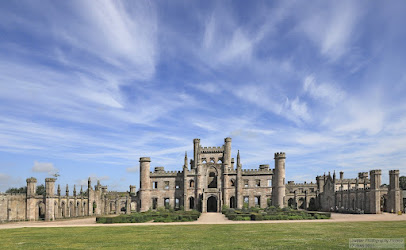
Lowther Castle & Gardens
5.3 km
Explore the dramatic ruins of a Gothic castle, wander through historic and modern gardens, and let children loose in one of the UK’s largest adventure playgrounds in the heart of the Lake District.
Essential places to dine

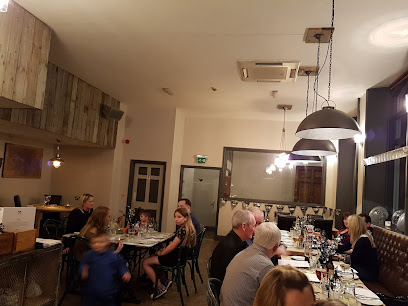
Four & Twenty
2.5 km
A charming Penrith bistro serving fresh, seasonal British dishes with global flair and a curated wine and cocktail selection.
FYR Grill at North Lakes Hotel
2.6 km
Experience modern British grilling with local flavors and a relaxed atmosphere at FYR Grill, Penrith’s acclaimed restaurant within North Lakes Hotel.
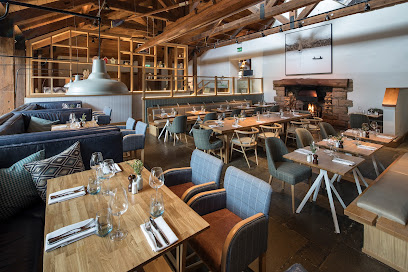
The Hired Lad Restaurant
3.0 km
A cozy café and restaurant in Penrith’s Agricultural Hall serving hearty British fare in a warm, community-focused setting.
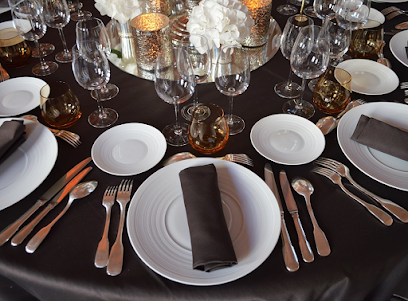
The Clickham Inn
7.4 km
A stylish Mediterranean tapas inn near Penrith offering authentic flavors, warm hospitality, and a dog-friendly atmosphere on the edge of the Lake District.
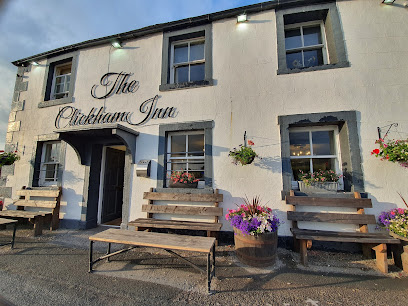
1863 Restaurant with Rooms
7.9 km
Elegant boutique lodging and Michelin-level modern British dining in the heart of Pooley Bridge, overlooking Ullswater’s serene beauty.
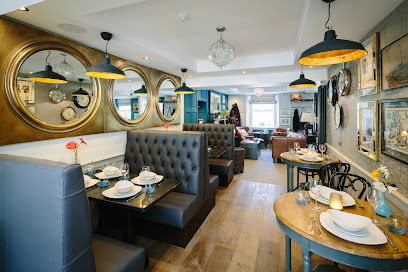
Horse and Farrier
8.2 km
Lake District gastropub serving exceptional seasonal cuisine in a charming village setting near Ullswater.
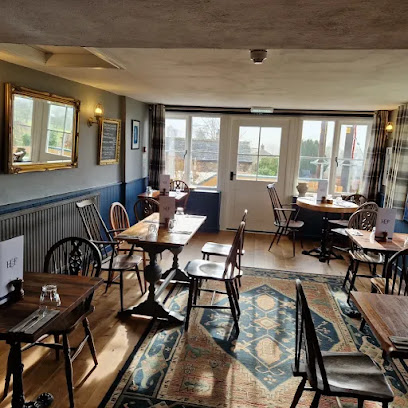
Rampsbeck Restaurant
10.3 km
Contemporary British dining with lake views, seasonal Cumbrian produce, and a relaxed, elegant atmosphere in Watermillock.
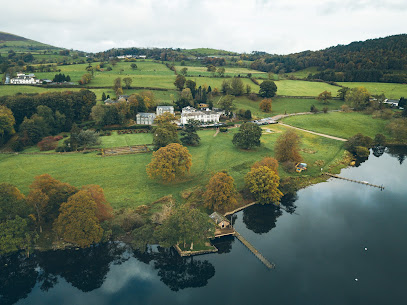
The New Crown Inn
11.5 km
A charming 4-star country pub and boutique inn in Bolton, offering cozy rooms, hearty food, and warm hospitality near Appleby-in-Westmorland.
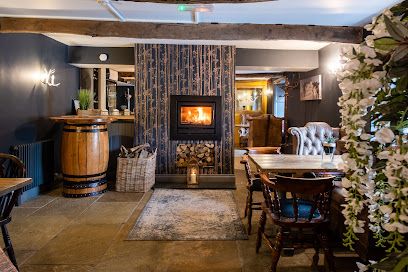
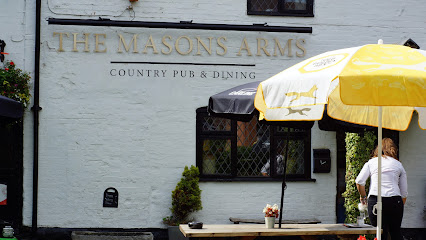
Masons Arms-CUMBRIA-LONG MARTON- APPLEBY-IN WESTMORLAND- CUMBRIA CA166BN CA16 6BN
13.4 km
Historic village pub in Cumbria offering classic British dishes, warm hospitality, and scenic gardens with sunset views.
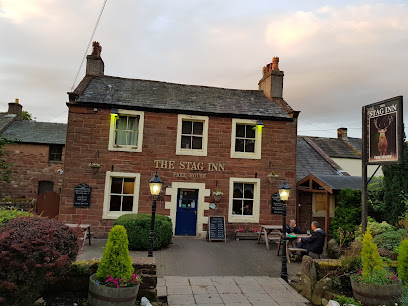
The Stag Inn
15.5 km
Experience authentic Cumbrian hospitality at The Stag Inn—your perfect retreat in Dufton with delicious food and stunning views.
Crown & Cushion Inn
16.8 km
Experience traditional British hospitality at Crown & Cushion Inn in scenic Appleby-in-Westmorland with cozy accommodations and delicious meals.
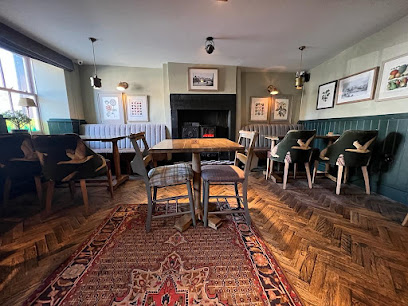
7eventy1 Appleby-in-westmorland, Cumbria
16.8 km
Authentic Indian flavors with personalized service in the historic heart of Appleby-in-Westmorland.
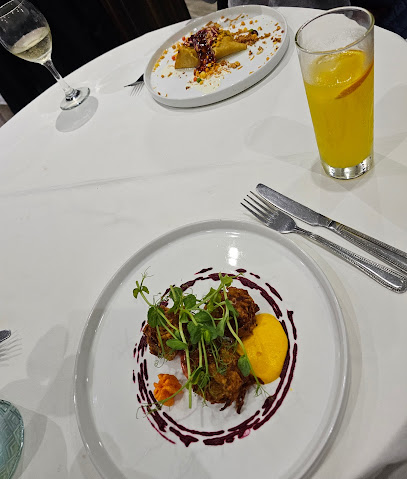
The Inn on the Lake
19.1 km
Elegant lakeside retreat blending Victorian charm with modern comfort on Ullswater’s scenic shores in the Lake District.
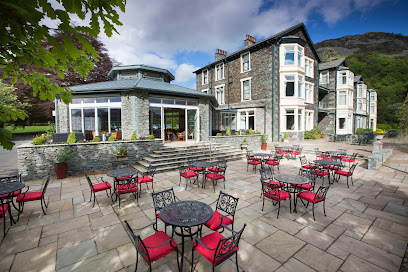
The Three Greyhounds Inn
21.2 km
A cozy, traditional Cumbrian pub offering hearty home-cooked food, local ales, and warm hospitality in the heart of Great Asby.
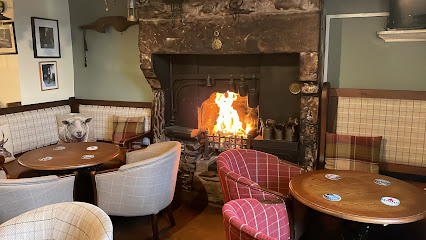
Westmorland Hotel
23.7 km
A peaceful Lake District haven offering cosy rooms, local cuisine, and scenic fell views just off the M6 motorway.
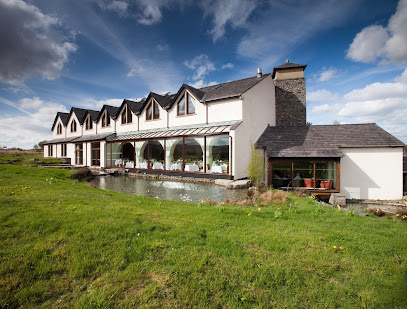
Markets, malls and hidden boutiques

The Unicorn
2.6 km
Discover unique gifts and artistic treasures in Penrith’s beloved independent shop, The Unicorn, open Monday to Saturday.
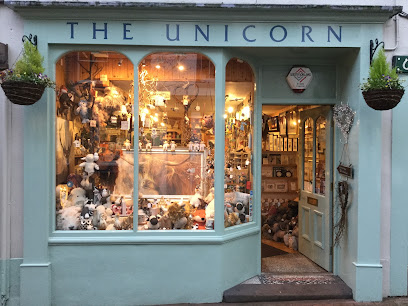
The Barn
7.9 km
Discover locally sourced gifts, quality outdoor gear, and delightful treats at The Barn in scenic Pooley Bridge.
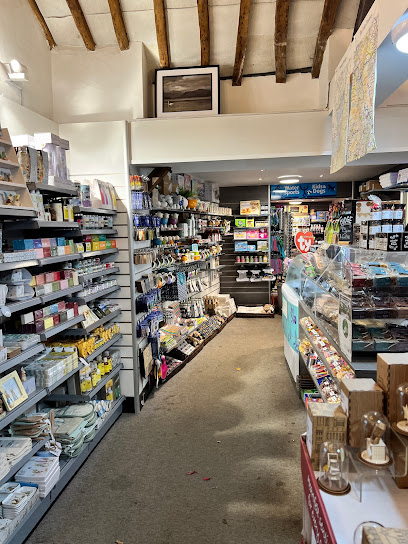
Barry Mckay Rare Books
16.5 km
Discover rare and fine books celebrating the art and history of the book in a charming Appleby-in-Westmorland setting.
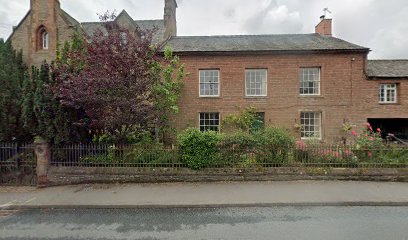
The Cupboard Under The Stairs
16.8 km
Discover unique handcrafted gifts and magical Harry Potter treasures in the heart of Appleby-in-Westmorland’s historic market street.
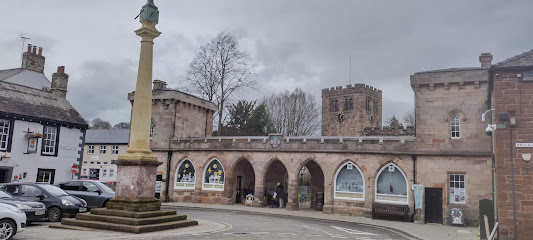
Branthwaites of Appleby
16.8 km
Discover unique local gifts and warm hospitality at Branthwaites, a charming shop nestled in the historic heart of Appleby-in-Westmorland.
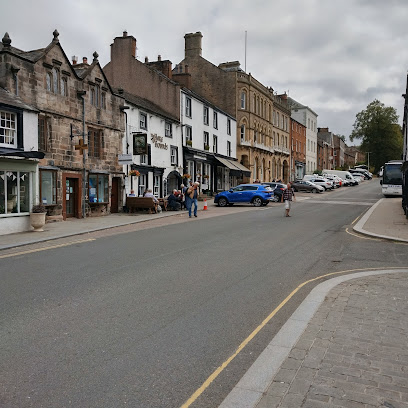
Mellow Yellow
25.1 km
Discover Mellow Yellow, Alston’s quirky and welcoming gift shop with a treasure trove of vintage and contemporary finds at the top of Front Street.
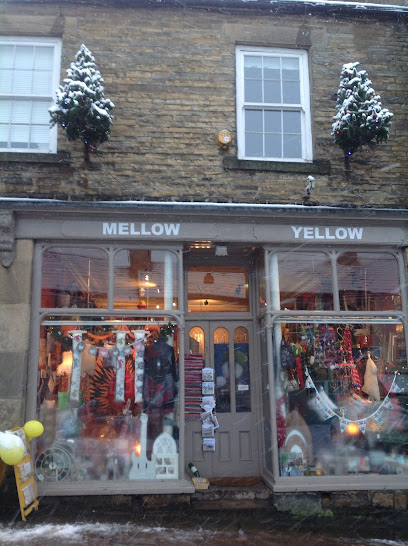
Suziebou
27.1 km
Discover unique gifts, stylish fashion, and locally sourced homewares in the welcoming boutique of Suziebou in Dalston, Carlisle.
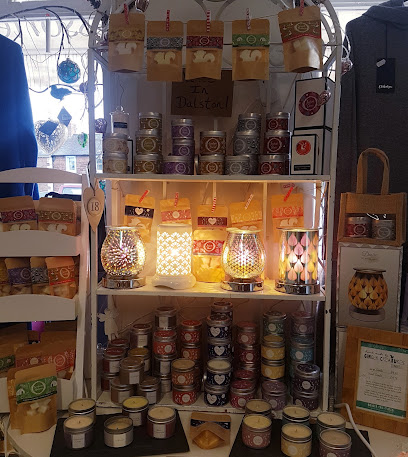
Alternative
27.6 km
Discover original gifts and Lake District treasures at Alternative, Keswick’s beloved family-run gift and interiors shop.
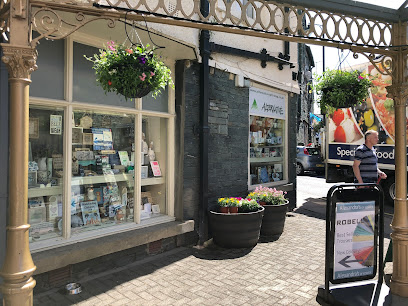
Love the Lakes Keswick
27.6 km
Discover unique Lake District gifts and local crafts in the heart of Keswick’s charming market town.
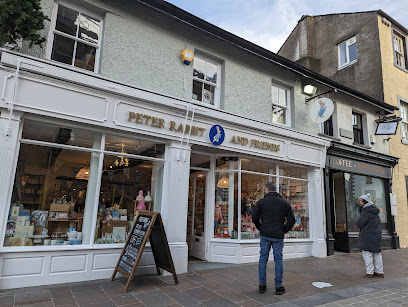
Peter Rabbit & Friends Ltd
27.7 km
Step into a storybook world at Peter Rabbit & Friends Ltd, Keswick’s enchanting toy shop and café inspired by Beatrix Potter’s beloved characters.
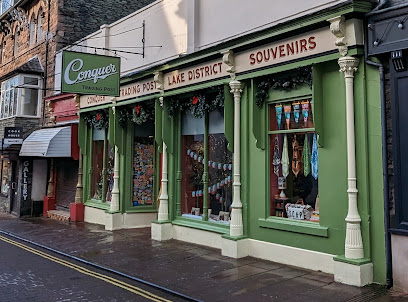
CONQUER Trading Post
27.7 km
Discover authentic Lake District spirit through unique patches, crafts, and gifts at Keswick’s vibrant Conquer Trading Post.
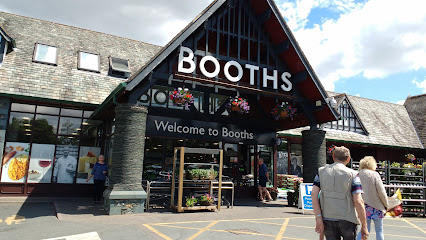
Booths, Keswick
27.9 km
A premium supermarket and café in Keswick, offering local Lake District produce, fresh counters, and community-focused shopping.
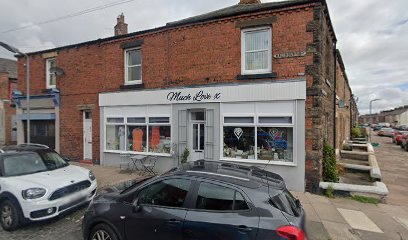
Much Love X
28.8 km
Discover unique gifts and local crafts at Much Love X, a charming gift shop in Currock, Carlisle, perfect for tourists seeking authentic souvenirs.
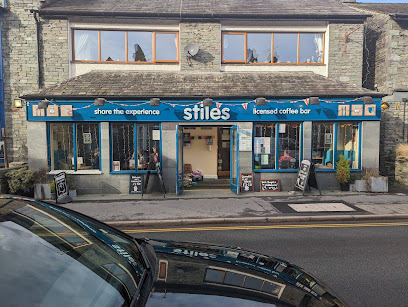
RockShop
29.2 km
Discover unique gifts and delightful toys at RockShop in Ambleside, a must-visit for family-friendly shopping and local crafts.
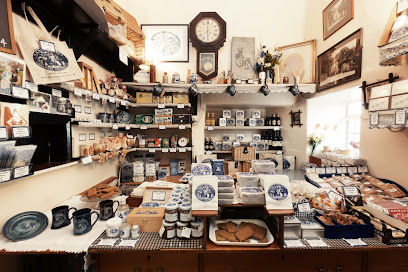
The Grasmere Gingerbread Shop
29.3 km
Explore the sweetness of tradition at The Grasmere Gingerbread Shop, a must-visit bakery in the heart of the Lake District.
Essential bars & hidden hideouts

The Dog Beck
2.4 km
Historic charm meets modern hospitality at The Dog Beck, Penrith’s welcoming Wetherspoon pub open from early morning until late night.
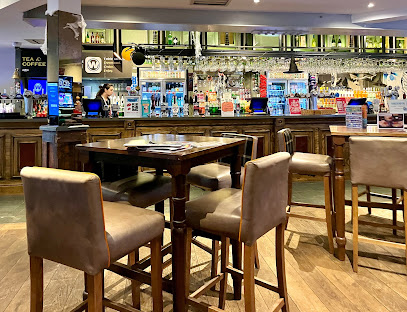
Penrith Conservative Club
2.4 km
A welcoming social venue in Penrith offering lively events, a classic bar, and community spirit in the heart of Cumbria.
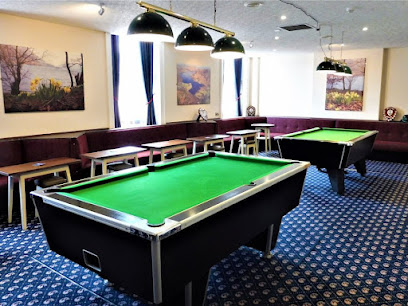
The Warehouse
2.6 km
A lively multi-bar nightclub in Penrith offering vibrant weekend nightlife with music, dancing, and a welcoming social scene.
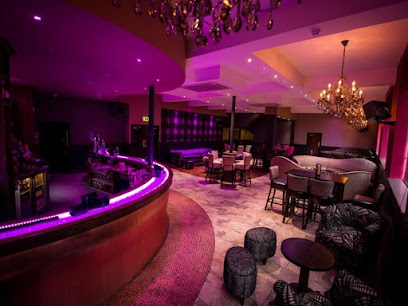
Board & Elbow
2.6 km
A lively, family-friendly pub in Penrith serving traditional British classics, local ales, and offering a warm atmosphere with a charming beer garden.
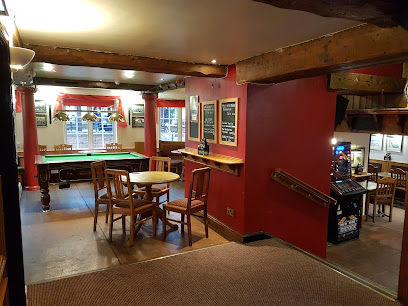
The Pooley Bridge Inn, Pooley Bridge
8.0 km
Traditional Lakeland inn with cozy rooms, hearty pub fare, and lakeside charm in the heart of Pooley Bridge village.
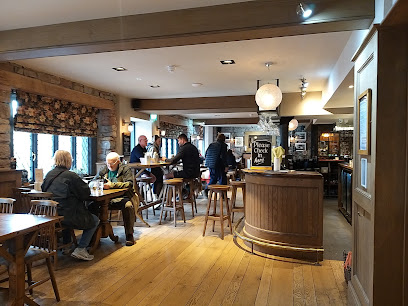
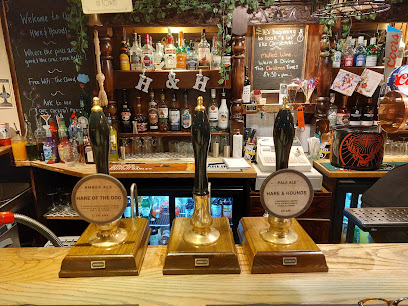
Hare & Hounds
16.8 km
Traditional British pub in Appleby with cozy log fire, excellent real ales, and a friendly, welcoming atmosphere.
Royal Oak Inn
17.5 km
Charming 17th-century coaching inn in Appleby with cozy rooms, excellent local food, and warm, dog-friendly hospitality in the heart of Eden Valley.
Ramblers Bar and the Candleroom
19.2 km
A charming lakeside pub and restaurant in Glenridding with scenic views, friendly service, and a welcoming atmosphere for all visitors.
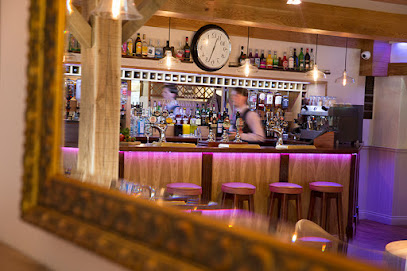
Pennine View Bar/Restaurant
20.1 km
Rustic charm and local flavors meet breathtaking Pennine views at this cozy bar and restaurant in Appleby-in-Westmorland.
String of Horses Inn
26.3 km
Historic coaching inn with charming rooms, cozy fires, and quality dining nestled in Cumbria’s scenic countryside near Hadrian’s Wall.
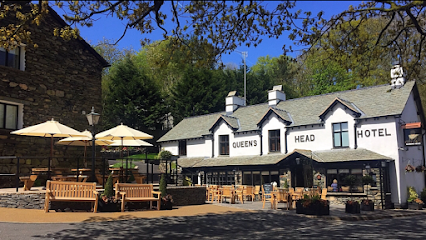
Queens Head, Troutbeck
28.0 km
Historic Lake District pub and inn offering hearty fare, local ales, and cosy rooms with stunning Troutbeck Valley views.
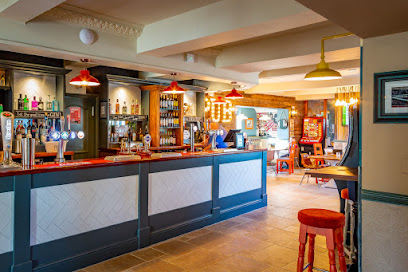
Harraby Pub & Kitchen
28.2 km
A family-friendly British pub in Carlisle offering classic dishes, local ales, a lively beer garden, and a warm, welcoming atmosphere all day long.
Golden Rule
29.1 km
A historic Ambleside pub offering traditional ales, cozy fires, and a welcoming atmosphere away from the tourist bustle.
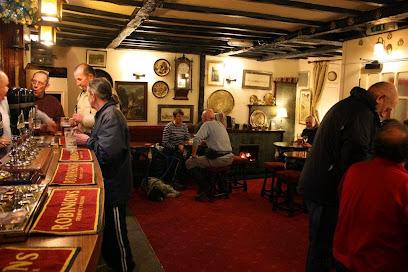
The Vault
29.3 km
Historic charm meets fresh cocktails and tapas in Ambleside’s vibrant social hub, The Vault.
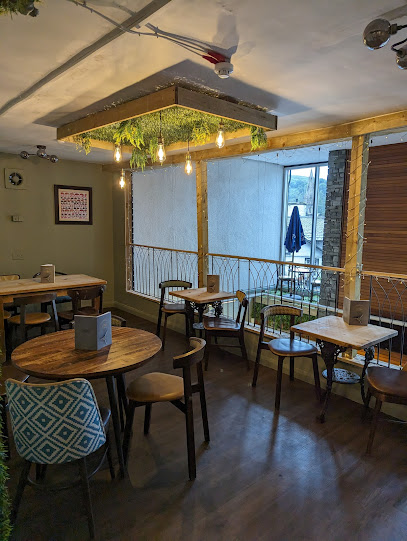
The Cranemakers
29.4 km
A welcoming traditional pub in Carlisle offering real ales, casual dining, and a friendly local atmosphere on London Road.
Nightclubs & after hour spots

The loose moose
2.6 km
A lively and welcoming nightclub in Penrith offering cocktails, music, and community spirit in the heart of Cumbria’s Eden District.

secret bridge
12.0 km
Experience vibrant nightlife and lively music at Secret Bridge, Milburn’s premier nightclub near Penrith in the scenic Eden District.
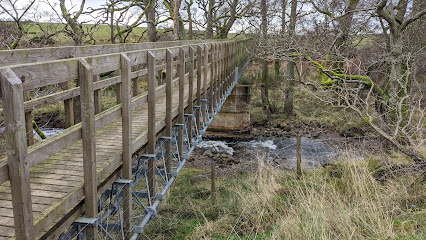
Secret Carlisle
29.8 km
Experience energetic nights and vibrant music at Secret Carlisle, the city centre nightclub where Carlisle’s historic charm meets modern nightlife.
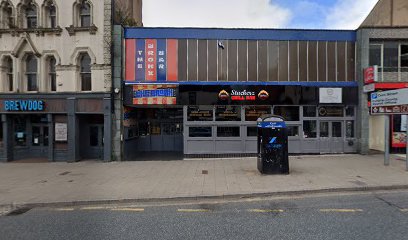
Club Britannia
30.1 km
A vibrant social club in Carlisle offering live music, friendly vibes, and affordable drinks in a smart, welcoming setting.
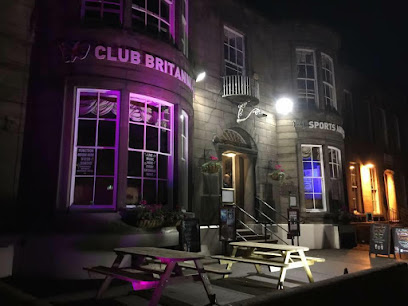
Carlisle R A O B Club
30.5 km
Historic social club in Carlisle offering lively events and a welcoming atmosphere rooted in the Royal Antediluvian Order of Buffaloes tradition.
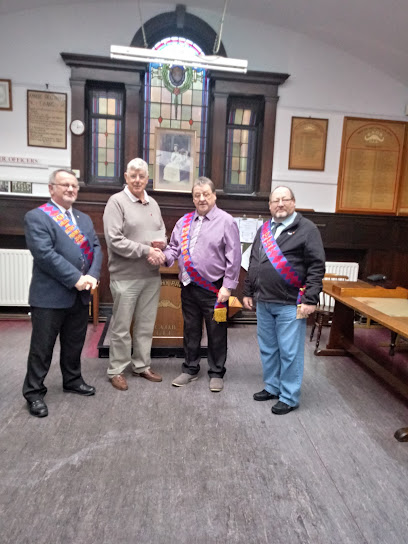
Black Box Music Institute
30.6 km
An intimate old-style nightclub and cultural hub in Carlisle offering live music, festivals, and art exhibitions in a vibrant setting.
Windermere Social Club
33.3 km
A friendly and versatile social club in Windermere offering games, sports viewing, and community events in a welcoming atmosphere.
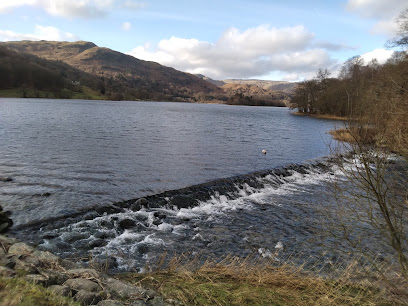
Wheelhouse Nightclub
35.2 km
Experience vibrant weekend nightlife with dynamic music, drinks, and dancing at Wheelhouse Nightclub in scenic Bowness-on-Windermere.
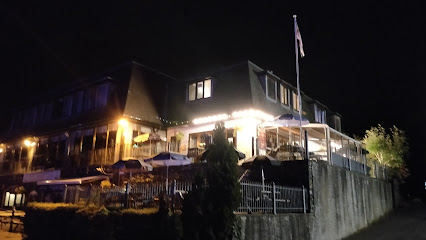
The Moorcock Inn
44.5 km
Discover the charm of The Moorcock Inn in Sedbergh, where cozy accommodations meet delicious local cuisine amidst breathtaking Yorkshire Dales views.
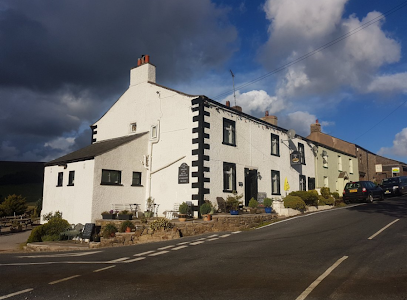
Hawes Club
51.4 km
Discover the charm of Hawes Club, a cozy bar offering affordable drinks and a welcoming atmosphere in the heart of Yorkshire's stunning Dales.
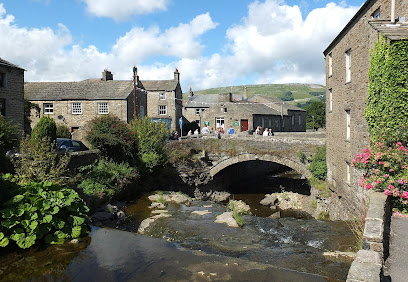
Phoenix Club & Bar
53.3 km
Discover the lively spirit of Hexham at Phoenix Club & Bar, where great drinks and a welcoming atmosphere await.
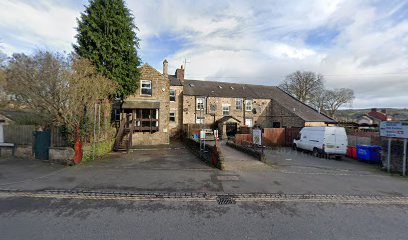
The George Inn
63.7 km
Experience rustic charm and modern comforts at The George Inn, a delightful bar and cafe in the heart of the Yorkshire Dales.
The Lounge C9
68.4 km
Experience Barrow-in-Furness’ vibrant nightlife at The Lounge C9, where music, drinks, and community come alive every weekend.
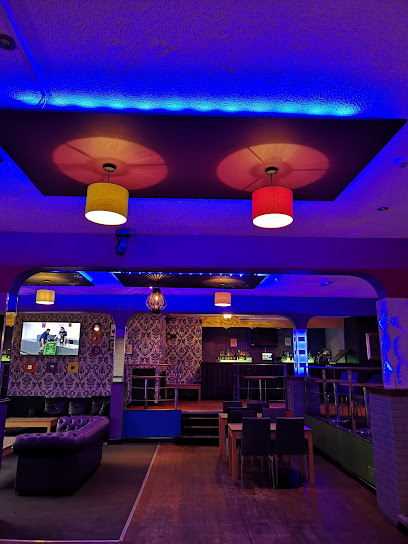
Manhattans Nightclub
68.4 km
Barrow-in-Furness’s top nightclub for themed parties, DJ nights, and vibrant late-night entertainment on Cavendish Street.

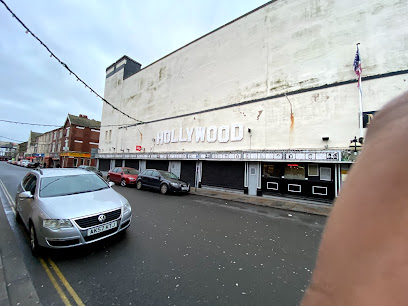
Hollywood Nightclub
68.5 km
Experience the vibrant late-night pulse of Barrow-in-Furness at Hollywood Nightclub, where music and dance light up Cavendish Street.
For the vibe & atmosphere seeker
- Tranquil
- Scenic
- Historic
- Relaxing
For the design and aesthetic lover
- Rustic Designs
- Vintage Styles
For the architecture buff
- Historic
- Landmarks
- Heritage Neighborhoods
For the view chaser and sunset hunter
- Iconic Views
- Panoramas
- Waterfront
For the social media creator & influencer
- Instagrammable
- Photo Spots
- Architectural Shots
For the eco-conscious traveler
- Protected Area
- Public-Transport Accessible
- Locally Managed
For the kind of experience you’re after
- Cultural Heritage
- Photowalk
- Nature Escape
- Day Trip
- Weekend Getaway
For how adventurous you want the journey to be
- Easy Access
Location Audience
- Family Friendly
- Senior Friendly
- Child Friendly
- Teen Friendly
- Wheelchair Access
- Pet Friendly
- Solo Friendly
- Couple Friendly
- Solo Female Friendly


