King Arthur's Round Table, Westmorland Travel Guide
Explore the mysterious Neolithic earthwork near Penrith that inspired legends of King Arthur’s legendary Round Table.
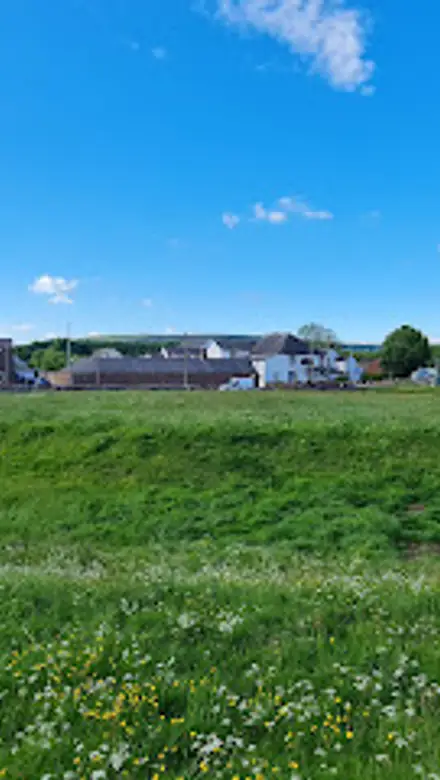
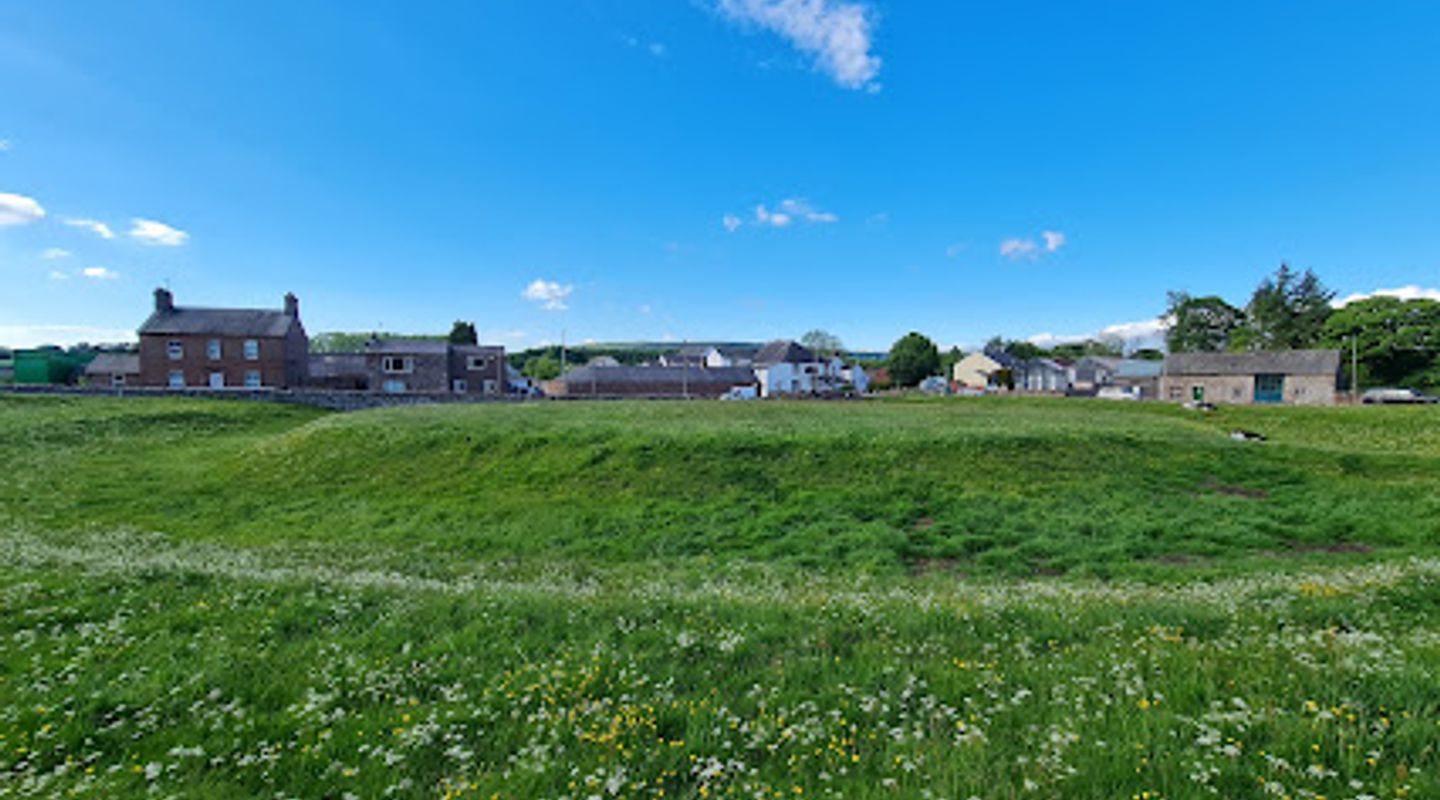
King Arthur's Round Table near Penrith is a prehistoric Neolithic henge dating back around 3,000 to 4,000 years. This ancient circular earthwork features a wide ditch and raised bank, originally part of a sacred ceremonial site. Despite its legendary name, the site predates the Arthurian legends by millennia and is unrelated to the medieval King Arthur myth. It is open to the public during daylight hours with free entry, offering visitors a tranquil glimpse into prehistoric Britain’s ritual landscapes.
A brief summary to King Arthur's Round Table
- B5320, Penrith, CA10 2BX, GB
- Click to display
- Click to display
- Duration: 0.5 to 2 hours
- Free
-
 Outdoor
- Mobile reception: 3 out of 5

Know before you go
Hi, I'm Eve. Here are a few practical things to know before exploring King Arthur's Round Table.
- Visit during daylight hours for the best visibility and to appreciate the site's earthworks.
- Combine your visit with nearby Mayburgh Henge and Brougham Castle for a fuller historical experience.
- Wear sturdy footwear as the terrain is grassy and uneven.
- Bring a camera to capture the scenic countryside and the atmospheric ancient earthworks.
- Be mindful of livestock and keep dogs on leads when visiting.
Do you manage this location?
Take control to get all the benefits, like improved information, better appearance, and stronger visibility across AI-powered discovery. Learn more about listing your business on Evendo
Activate your presenceOther nearby places you may find interesting
The closest places of the same kind, if this one is not quite what you had in mind.
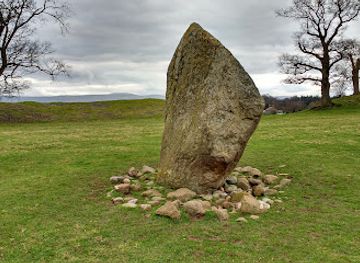
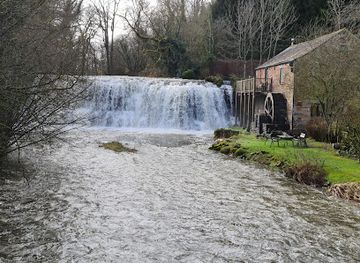
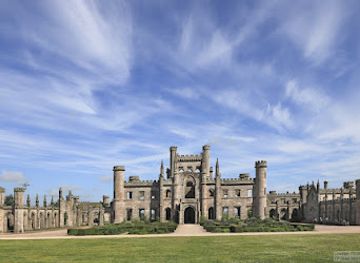
Explore King Arthur's Round Table on the Map
A handpicked selection of must-see spots near King Arthur's Round Table, mapped for you.
Getting There
-
Car
Driving from Penrith to King Arthur's Round Table takes approximately 15 to 20 minutes. Parking is available in a layby near Mayburgh Henge or in Eamont Bridge village. Note that the site is rural with limited street lighting and no dedicated parking lot, so park considerately.
-
Bus
Local buses run from Penrith towards Eamont Bridge with a travel time of around 20 to 30 minutes. However, bus stops are not immediately adjacent to the site, so expect a 10 to 15-minute walk over uneven terrain to reach the earthwork.
-
Taxi
Taxis from Penrith to King Arthur's Round Table take about 15 minutes and offer a convenient option if public transport schedules are limited. Taxi fares typically range between £15 and £25 one way.
-
Walking
For active visitors, walking from Eamont Bridge village to the site is a pleasant 10 to 15-minute stroll over grassy paths. Terrain is uneven and may be muddy after rain, so suitable footwear is recommended.
For the on-the-go comforts that matter to you
-
 Restrooms
-
 Food Options
-
 Drink Options
-
 Information Boards
Discover more about King Arthur's Round Table
Ancient Origins and Archaeological Significance
King Arthur's Round Table is a Neolithic earthwork henge located at Eamont Bridge, near Penrith in Cumbria. Estimated to be between 3,000 and 4,000 years old, it consists of a large circular bank and ditch enclosing a sacred space. Unlike stone circles, this site originally featured standing stones near its northern entrance, though these have long since disappeared, partly due to modern road construction. The earthwork is a rare surviving example of prehistoric ceremonial architecture, reflecting the ritual practices of early farming communities in Britain.Myth, Legend, and Misnomer
The site’s evocative name, King Arthur's Round Table, is a Victorian-era romantic invention with no historical connection to the legendary king or his knights. The henge predates the Arthurian legends by at least 2,500 years. Its name likely arose from the circular shape reminiscent of the mythical Round Table where King Arthur and his knights gathered. This association has helped maintain public interest and adds a layer of cultural mythology to the otherwise archaeological site.Setting and Landscape Context
Situated near the Eamont River and only a few hundred meters from the similarly ancient Mayburgh Henge, King Arthur's Round Table forms part of a complex prehistoric ritual landscape. The surrounding countryside is characterized by lush green fields and gentle rolling hills typical of Cumbria. The site is partially bisected by a modern road, which has impacted its original form, but the earthworks remain clearly visible and evocative.Visitor Experience and Interpretation
Visitors can explore the site freely at any reasonable daylight hour, as entry is unrestricted and free of charge. Informational signage provides context about the henge’s age, structure, and significance. The open-air setting invites quiet contemplation and imagination, encouraging visitors to envision the ancient ceremonies that may have taken place here. Nearby Brougham Castle offers additional facilities including restrooms, a café, and a gift shop.Conservation and Access Considerations
The site is managed by English Heritage and is part of a protected archaeological landscape. Visitors are advised to respect the fragile earthworks and be mindful of livestock grazing nearby. Parking is available in Eamont Bridge, a short walk from the henge. Dogs on leads are permitted unless livestock are present. The site’s rural location means mobile reception can vary.Complementary Attractions Nearby
King Arthur's Round Table is best experienced in combination with a visit to Mayburgh Henge and Brougham Castle, creating a rich itinerary of prehistoric and medieval heritage. The Eden Rivers Trust promotes walking routes linking these sites, offering a scenic and educational day out in the Lake District’s historic heartland.More to explore near King Arthur's Round Table













Your all‑in‑one travel companion app
Explore expert travel guides, compare and book tours, experiences, hotels, and more—all from the palm of your hand. Download now for seamless trip planning wherever your wanderlust takes you.


Explore More of Westmorland

Looking beyond King Arthur's Round Table? Discover Westmorland for broader travel guides, local hot-spots, and regional highlights.
Explore Westmorland
Explore the immersive Norman Centre within Appleby Castle’s 12th-century keep, where history and stunning Eden Valley views converge.
Explore Mayburgh Henge, a vast Neolithic pebble-built circle aligned with the equinox sunrise, steeped in ancient ritual and mystery near Eamont Bridge.