Brougham Castle, Westmorland Travel Guide
Explore Brougham Castle’s medieval ruins, Roman roots, and stunning Eden Valley views in a historic riverside setting.
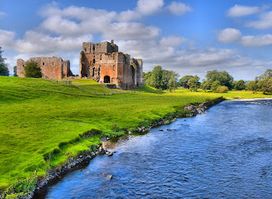
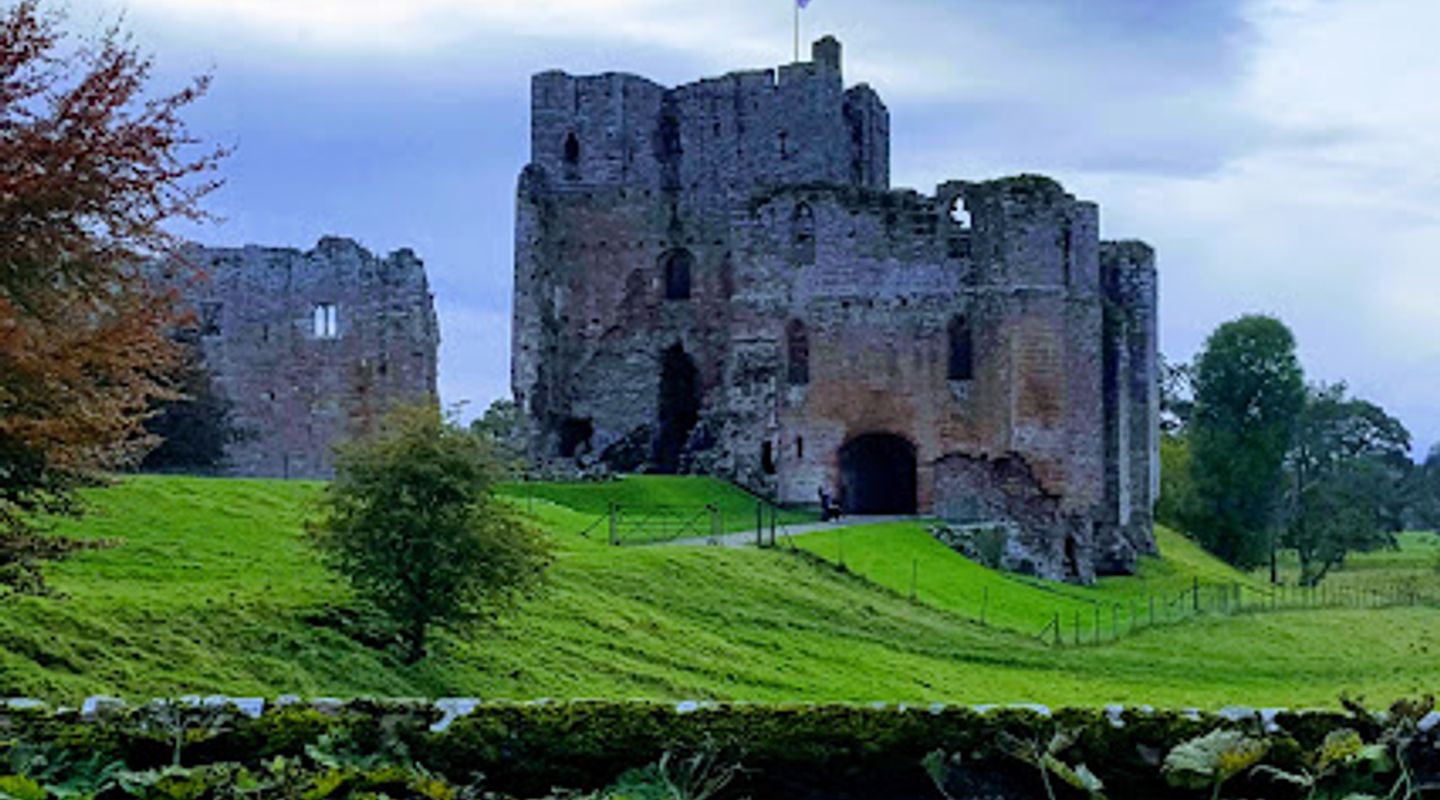
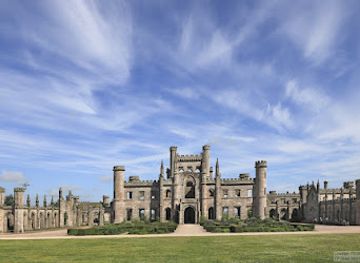
Brougham Castle, near Penrith in Cumbria, is a striking medieval fortress built in the early 13th century atop a Roman fort site. Famous for its impressive stone keep, double gatehouses, and riverside setting by the Eamont and Lowther, the castle played a key role in border defense against Scottish invasions. Restored in the 17th century by Lady Anne Clifford, it offers panoramic views over Eden Valley and a fascinating glimpse into centuries of English history.
A brief summary to Brougham Castle
- Moor Ln, Penrith, CA10 2AA, GB
- Click to display
- Click to display
- Duration: 1 to 3 hours
- Mid ranged
-
 Outdoor
- Mobile reception: 4 out of 5
- Monday 10 am-5 pm
- Tuesday 10 am-5 pm
- Wednesday 10 am-5 pm
- Thursday 10 am-5 pm
- Friday 10 am-5 pm
- Saturday 10 am-5 pm
- Sunday 10 am-5 pm

Know before you go
Hi, I'm Eve. Here are a few practical things to know before exploring Brougham Castle.
- Wear sturdy footwear to safely navigate the steep, narrow spiral staircases inside the keep.
- Visit on weekday mornings for a quieter experience with fewer crowds.
- Bring a picnic to enjoy in the scenic riverside grounds beside the River Eamont.
- Check English Heritage’s website for up-to-date ticket prices and opening times before your visit.
- The castle is dog-friendly, making it a great outing for visitors with pets.
Do you manage this location?
Take control to get all the benefits, like improved information, better appearance, and stronger visibility across AI-powered discovery. Learn more about listing your business on Evendo
Activate your presenceOther nearby places you may find interesting
The closest places of the same kind, if this one is not quite what you had in mind.
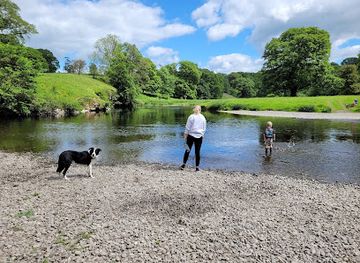
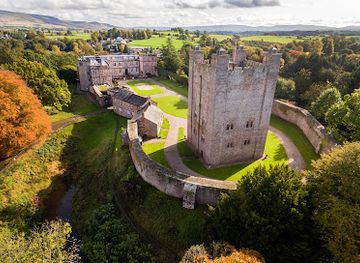
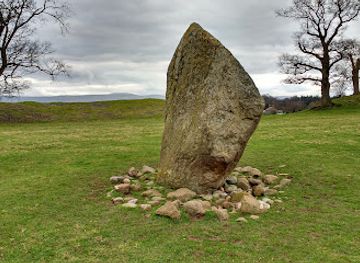
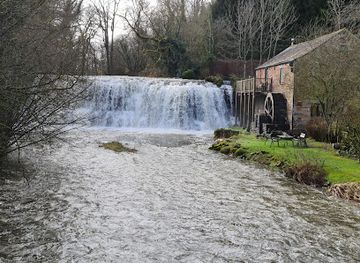
Explore Brougham Castle on the Map
A handpicked selection of must-see spots near Brougham Castle, mapped for you.
Getting There
-
Train and Bus
From Penrith railway station, take a local bus towards Brougham village; the journey takes approximately 30-40 minutes. Bus services run several times daily but check schedules seasonally. Tickets cost around £5-£8 GBP one way.
-
Car
Driving from Penrith town center to Brougham Castle takes about 10 minutes via Moor Lane. Parking is available near the site but limited, especially on weekends. There is no parking fee. The roads are well maintained and accessible year-round.
-
Walking
For active visitors, a scenic 3.5 km walk from Penrith town center to the castle follows quiet country lanes and footpaths, taking about 45-60 minutes. Terrain is mostly flat and suitable for most walkers, though some sections may be muddy in wet weather.
For the on-the-go comforts that matter to you
-
 Restrooms
-
 Drink Options
-
 Food Options
-
 Seating Areas
-
 Information Boards
Discover more about Brougham Castle
Origins on Ancient Foundations
Brougham Castle is uniquely positioned on the site of the Roman fort Brocavum, established in the 1st century to guard vital routes crossing the rivers Eamont and Lowther. Roman earthworks and artifacts, including a 3rd-century altar dedicated to Mars, highlight the site's long military significance. The Romans chose this confluence for its strategic value, a legacy that shaped the castle's medieval incarnation.Medieval Fortress of Power and Defense
Construction of the castle began around 1214 under Robert I de Vieuxpont, an agent of King John, who built the stone keep and initial timber defenses. It was designed both as a formidable barrier against Scottish incursions and as a symbol of lordly authority. The Clifford family, inheriting the castle in 1268, expanded and fortified it extensively, replacing wooden palisades with stone curtain walls, adding a second gatehouse, and erecting the Tower of League to strengthen defenses.Historic Significance and Royal Connections
Brougham Castle was a key military base during the Wars of Scottish Independence and hosted King Edward I in 1300. It witnessed numerous sieges and changes in ownership, notably during the Wars of the Roses when control shifted between the Lancastrian Cliffords and Yorkist Nevilles. Despite damage from Scottish raids, the castle remained a vital stronghold and noble residence for centuries.Lady Anne Clifford’s Restoration Legacy
In the mid-17th century, Lady Anne Clifford undertook significant restoration to preserve the castle’s fabric, commemorating her efforts with an inscription referencing the biblical prophet Isaiah. Her work ensured the castle’s survival beyond its military prime, transforming it into a historical monument and family seat until her death in 1676.Exploring the Ruins and Scenic Surroundings
Today, visitors can explore the evocative ruins, including the great keep with its steep spiral staircases offering panoramic views of Eden Valley. The castle’s riverside setting beside the Eamont provides tranquil spots for reflection and photography. The unique double gatehouses and surviving medieval stonework allow visitors to imagine the castle’s former grandeur and defensive might.Preservation and Visitor Experience
Managed by English Heritage since 1984, Brougham Castle is preserved as a scheduled monument. The site is dog-friendly and family-oriented, with informative displays and a small museum nearby. While much of the castle is ruinous, its atmospheric remains and historical layers offer a rich journey through England’s northern border history and architectural evolution.












Your all‑in‑one travel companion app
Explore expert travel guides, compare and book tours, experiences, hotels, and more—all from the palm of your hand. Download now for seamless trip planning wherever your wanderlust takes you.


Explore More of Westmorland

Looking beyond Brougham Castle? Discover Westmorland for broader travel guides, local hot-spots, and regional highlights.
Explore Westmorland