

The Hermitage, Perthshire Travel Guide
Explore towering Douglas firs, dramatic waterfalls, and historic Ossian’s Hall in Scotland’s enchanting Hermitage woodland near Dunkeld.
The Hermitage is a magical woodland walk near Dunkeld, Scotland, featuring towering Douglas firs, the dramatic Black Linn Falls, and the historic Ossian’s Hall folly. This National Trust for Scotland site offers scenic trails through ancient forest, spectacular waterfall views, and a rich 18th-century heritage, making it a must-visit for nature lovers and history enthusiasts alike.
A brief summary to The Hermitage
- Old Military Rd, Dunkeld, PH8 0JR, GB
- Click to display
- Click to display
- Duration: 1 to 3 hours
- Free
-
 Outdoor
- Mobile reception: 4 out of 5

Know before you go
Hi, I'm Eve. Here are a few practical things to know before exploring The Hermitage.
- Arrive early to avoid crowds and secure parking, especially during peak seasons.
- Wear sturdy footwear for woodland trails, some of which can be uneven or slippery.
- Visit Ossian’s Hall to experience its unique mirrored interior and stunning waterfall views.
- Look out for wildlife such as red squirrels and salmon leaping the falls in autumn.
- Bring water and snacks as facilities are limited; the coffee and donut van at the car park is a popular treat.
Do you manage this location?
Take control to get all the benefits, like improved information, better appearance, and stronger visibility across AI-powered discovery. Learn more about listing your business on Evendo
Activate your presenceOther nearby places you may find interesting
The closest places of the same kind, if this one is not quite what you had in mind.
Explore The Hermitage on the Map
A handpicked selection of must-see spots near The Hermitage, mapped for you.
Unlock the Best of The Hermitage
Buy tickets
-
No tickets available
Book tours with entry


Book tours without entry
-
No tours available
Getting There
-
Car
Driving from central Dunkeld, the Hermitage is approximately 5 minutes by car via the A9 and Old Military Road. On-site parking is available for a £5 fee, payable by card or coins. Parking can fill during busy periods, so early arrival is recommended.
-
Train and Taxi
Take a train to Dunkeld & Birnam station from Perth or Inverness (journey times 25–90 minutes). From the station, a taxi ride of about 5 minutes will bring you to The Hermitage entrance. Taxi fares typically range from £8 to £15.
-
Walking
For walkers staying in Dunkeld, it is a scenic 3 km (around 45 minutes) walk along well-marked paths to The Hermitage. Terrain is mostly flat but includes some natural woodland trails; suitable for most fitness levels but may be challenging for wheelchair users on certain routes.
For the on-the-go comforts that matter to you
-
 Restrooms
-
 Drink Options
-
 Food Options
-
 Seating Areas
-
 Information Boards
-
 Visitor Center
Discover more about The Hermitage
Historic Origins and Designed Landscape
The Hermitage was created in the mid to late 18th century by John Murray, the 3rd Duke of Atholl, as a pleasure ground for guests of Dunkeld House. The landscape was carefully designed to heighten visitors' experience through dramatic natural features and architectural follies. Ossian’s Hall, built between 1757 and 1758, serves as a focal point overlooking the powerful Black Linn Falls on the River Braan. This folly was originally adorned with mirrors, sliding panels, and paintings to create illusions that amazed visitors, a theatrical effect that has been restored today.Natural Wonders and Wildlife
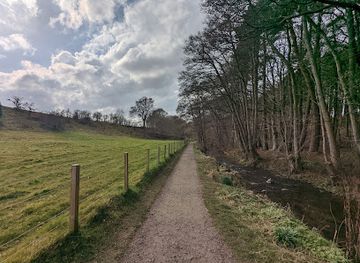
Visitors wander beneath some of Britain’s tallest Douglas fir trees along well-maintained woodland paths. The River Braan crashes into deep pools at Black Linn Falls, offering a thunderous spectacle best viewed from Ossian’s Hall’s balcony. In autumn, salmon leap up the falls on their spawning journey, adding to the area's vibrant wildlife scene. Red squirrels and the occasional signs of beavers can be spotted, while a totem pole carved by members of the Squamish Nation of Vancouver adds a unique cultural touch to the forest.Architectural Charm and Visitor Experience
Ossian’s Hall is described as one of Scotland’s most elaborately decorated garden buildings, attracting famous visitors such as Queen Victoria, William Wordsworth, and J.M.W. Turner. Despite partial destruction in 1869, the hall has been restored with modern glass doors and metallic mirrors, preserving its historic charm. The Hermitage also features the Hermitage Bridge and Ossian’s Cave, enhancing the mystical atmosphere of the grounds.Access and Facilities
The Hermitage is open year-round from dawn till dusk and managed by the National Trust for Scotland. Entry to the woodland and trails is free, though there is a parking charge at the site. Paths are largely wheelchair accessible, with some routes suitable for cycling. Facilities include a car park, a coffee and donut van, and information boards, though restroom facilities are limited and found mainly in nearby Dunkeld. Visitors are encouraged to carry out all litter, as there are no trash bins on site.Seasonal Highlights and Events
The Hermitage is spectacular in all seasons, with autumn bringing colorful foliage and the salmon run, while winter mists add an ethereal quality to the forest. Ossian’s Hall and the woodland are also popular venues for weddings between April and October, offering a romantic and scenic setting. The site hosts occasional events and volunteer opportunities, connecting visitors with Scotland’s natural heritage.Surrounding Attractions and Extended Walks
Beyond the main trail to the falls, longer walks lead to Pinecone Point and the Rumbling Sawmill, providing more immersive nature experiences. The nearby town of Dunkeld offers additional amenities, including restaurants and accommodation, making the Hermitage an ideal destination for a day trip or weekend getaway in Highland Perthshire.












Your all‑in‑one travel companion app
Explore expert travel guides, compare and book tours, experiences, hotels, and more—all from the palm of your hand. Download now for seamless trip planning wherever your wanderlust takes you.


Explore More of Perthshire
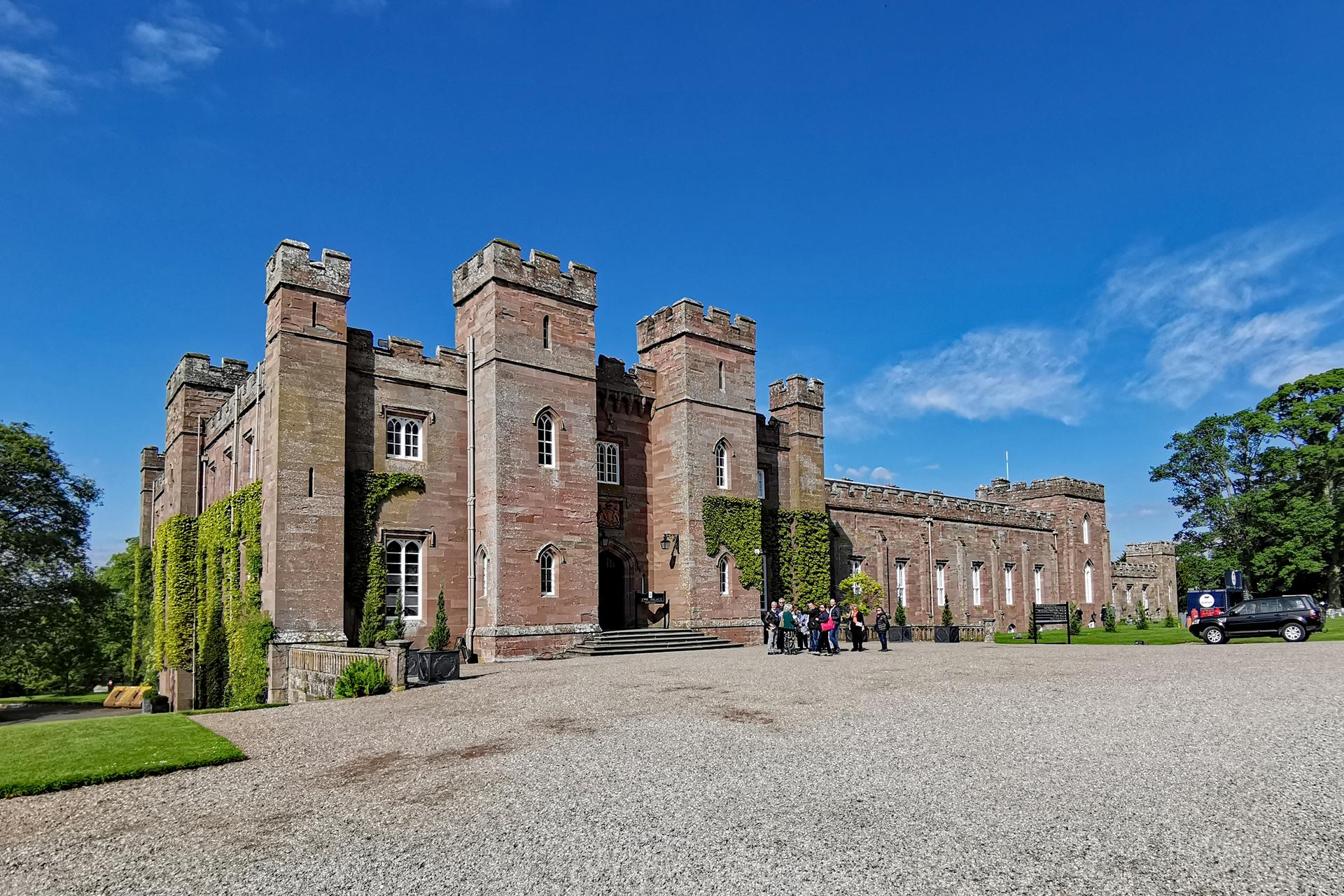
Looking beyond The Hermitage? Discover Perthshire for broader travel guides, local hot-spots, and regional highlights.
Explore Perthshire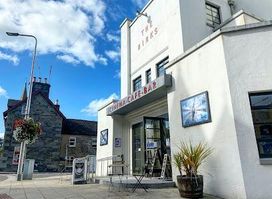
Restored Art Deco cinema and café bar in Aberfeldy's heart—a community hub for films, events, cozy meals, and Highland gatherings where history meets modern entertainment.
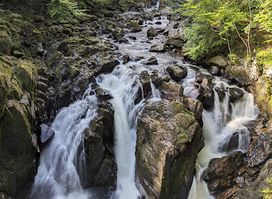
Discover towering Douglas firs, roaring waterfalls, and historic Ossian’s Hall in the enchanting woodland of The Hermitage near Dunkeld.
