Dalden Tower
Explore the atmospheric ruins of a 14th-century pele tower in a peaceful Durham village, where medieval history meets quiet woodland walks.
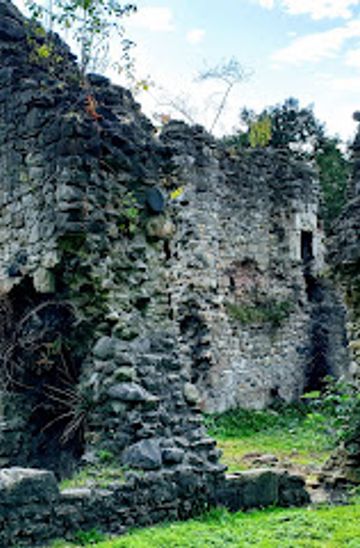
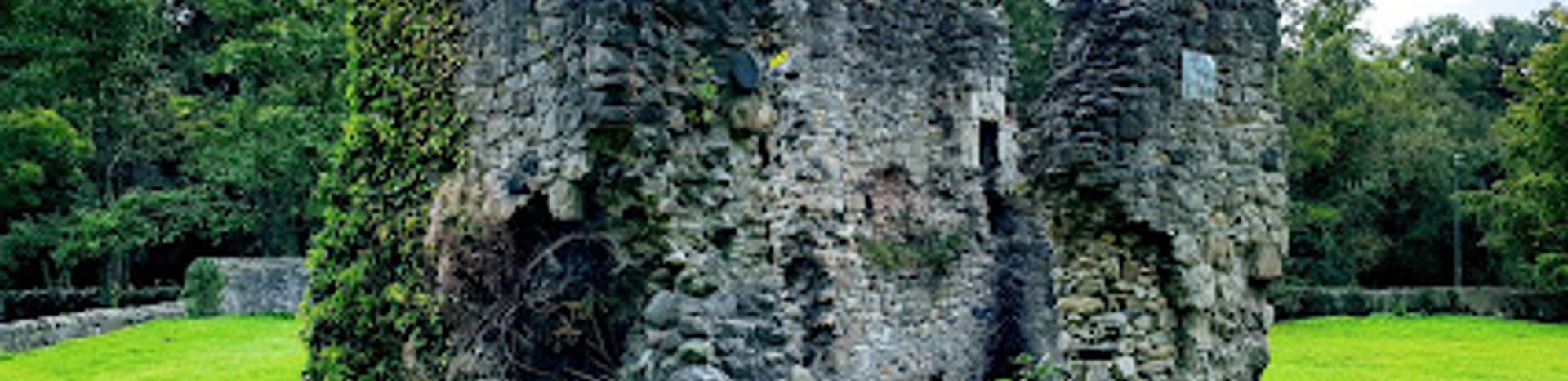
Dalden Tower is the evocative ruin of a medieval fortified manor house, nestled in the quiet village of Dalton-le-Dale near Seaham, County Durham. Dating back to at least 1375, this Grade II* listed pele tower once belonged to the Escolland (later Dalden) family and later passed through the Bowes, Collingwood, Millbankes and Londonderry families. Now a scheduled ancient monument, the site offers a peaceful, atmospheric glimpse into North East England’s medieval past, surrounded by woodland and a small stream, with a free car park nearby and footpaths leading through the surrounding countryside.
A brief summary to Dalden Tower
- 9 Dene Rd, Seaham, Dalton-le-Dale, Seaham, SR7 8QW, GB
- Click to display
- Duration: 0.5 to 2 hours
- Free
-
 Outdoor
- Mobile reception: 4 out of 5
- Monday 12 am-12 am
- Tuesday 12 am-12 am
- Wednesday 12 am-12 am
- Thursday 12 am-12 am
- Friday 12 am-12 am
- Saturday 12 am-12 am
- Sunday 12 am-12 am

Know before you go
Hi, I'm Eve. Here are a few practical things to know before exploring Dalden Tower.
- Visit on a clear day to appreciate the tower’s stonework and the surrounding greenery; overcast skies add to the ruin’s moody, historic atmosphere.
- Wear sturdy shoes as the paths across grass and woodland can be muddy, especially after rain.
- Bring a local history guide or use a smartphone app to learn more about the Escolland, Bowes and Londonderry families connected to the tower.
- Combine your visit with a walk along the nearby stream and to the small well for a fuller sense of the area’s rural charm.
Do you manage this location?
Take control to get all the benefits, like improved information, better appearance, and stronger visibility across AI-powered discovery. Learn more
Activate your presenceOther nearby places you may find interesting


Getting There
-
Car
From Seaham, follow the A182 towards Peterlee and turn onto Dene Road in Dalton-le-Dale; a small free car park is located directly opposite the tower site, with a short walk across the road and grass to the ruins.
-
Public Transport
Take a bus to Seaham or Peterlee and then a local service to Dalton-le-Dale; from there, walk along Dene Road for about 10–15 minutes to reach the tower, with the car park and footpaths clearly visible from the main road.
-
Walking
From Seaham town centre, follow footpaths and quiet roads through Dalton-le-Dale for around 30–40 minutes; the route is mostly flat but includes some grassy and potentially muddy sections near the tower.
For the on-the-go comforts that matter to you
-
 Seating Areas
-
 Trash Bins
Discover more about Dalden Tower
Medieval Roots and Noble Lineage
Dalden Tower began life as a fortified manor house in the late 14th century, with records indicating occupation by the Escolland family from at least 1375. Over time, the family adopted the name Dalden, giving the tower its enduring name. The site later passed by marriage to the powerful Bowes family, who held it for around two centuries, embedding it in the region’s gentry networks. Subsequent owners included the Collingwood, Millbankes and Londonderry families, each adding to its layered history before the tower fell into decline and was abandoned in the early 1700s. Today, only atmospheric ruins remain, protected as a scheduled ancient monument and a Grade II* listed building, preserving its significance as a rare example of a medieval pele tower in County Durham.Atmosphere and Setting
The tower stands in a quiet, green corner of Dalton-le-Dale, surrounded by trees and a small stream that adds to its secluded, almost secret feel. The site is easily accessible from a small free car park just across the main road, with well-used footpaths winding through the grass and woodland nearby. On a clear day, the combination of crumbling stone, dappled sunlight and birdsong creates a contemplative, slightly melancholic atmosphere, perfect for those who enjoy quiet historical sites away from crowds. The surrounding area is popular with local walkers, and the nearby well and stream paths add to the sense of a hidden, rural pocket within easy reach of Seaham and the Durham coast.What to See Today
Visitors will find the remains of the tower’s stone walls and foundations, enough to give a clear sense of its original layout and scale. Interpretive signs are limited, so the site rewards those with an interest in local history or a willingness to imagine its past life as a defended residence. The stonework shows the typical robust construction of a pele tower, built for protection in a turbulent border region. While the site is not formally maintained as a tourist attraction, its authenticity and lack of commercialisation are part of its charm. Nearby, the small well and the network of footpaths offer a natural extension to a visit, making it easy to turn a short stop into a longer walk through the Durham countryside.Visiting and Practicalities
The tower is freely accessible at all times, with no entrance fee or opening hours to worry about. A small free car park opposite the site provides convenient access, though the paths across the grass can become muddy after rain. The site is best suited to casual exploration rather than a structured tour, and visitors should come prepared with sturdy footwear, especially in wet weather. Local community groups occasionally organise litter picks, but the area can still show signs of casual use, so a respectful, leave-no-trace approach is encouraged. There are no on-site facilities such as toilets or cafes, so it’s wise to plan refreshments before or after your visit in nearby Seaham or Peterlee.Explore the best of what Dalden Tower has to offer















More about North East England
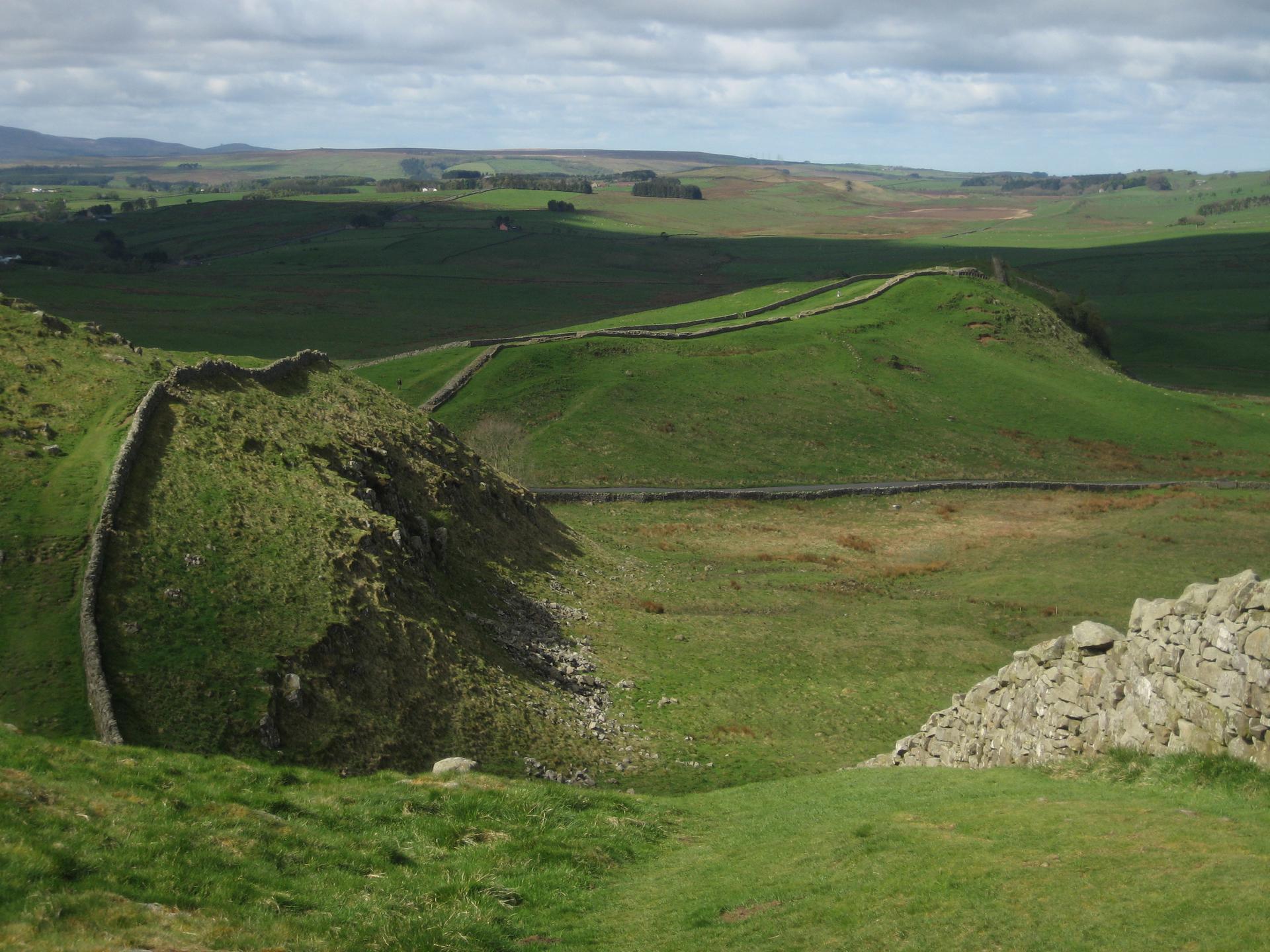
Explore North East England: From Roman Walls to Majestic Cathedrals and Scenic Coastlines, Discover a Region Rich in History and Natural Beauty.
Tell me more about North East England
A graceful tilting bridge spanning the Tyne, linking culture and city with iconic elegance and stunning river views.
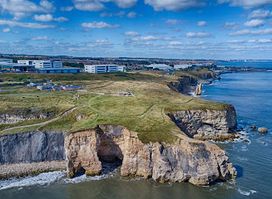
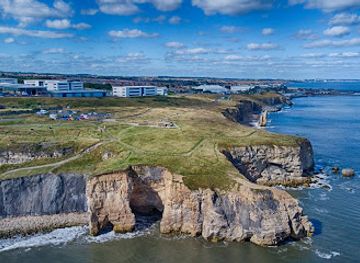
Discover the wild beauty and tranquil charm of Durham Heritage Coast, where rugged cliffs meet serene beaches and rich wildlife thrives.