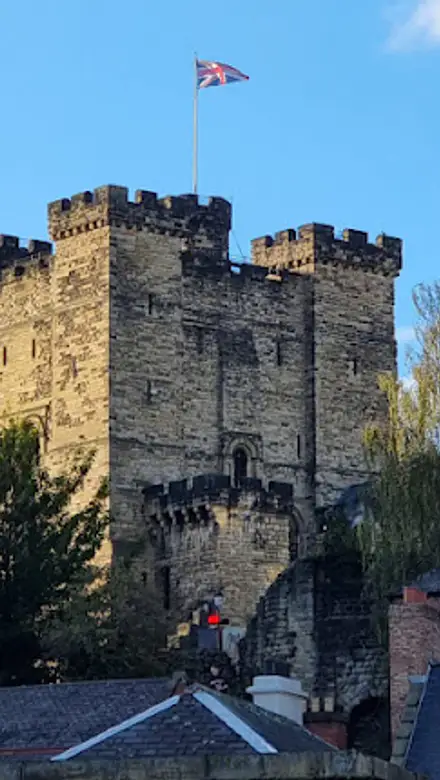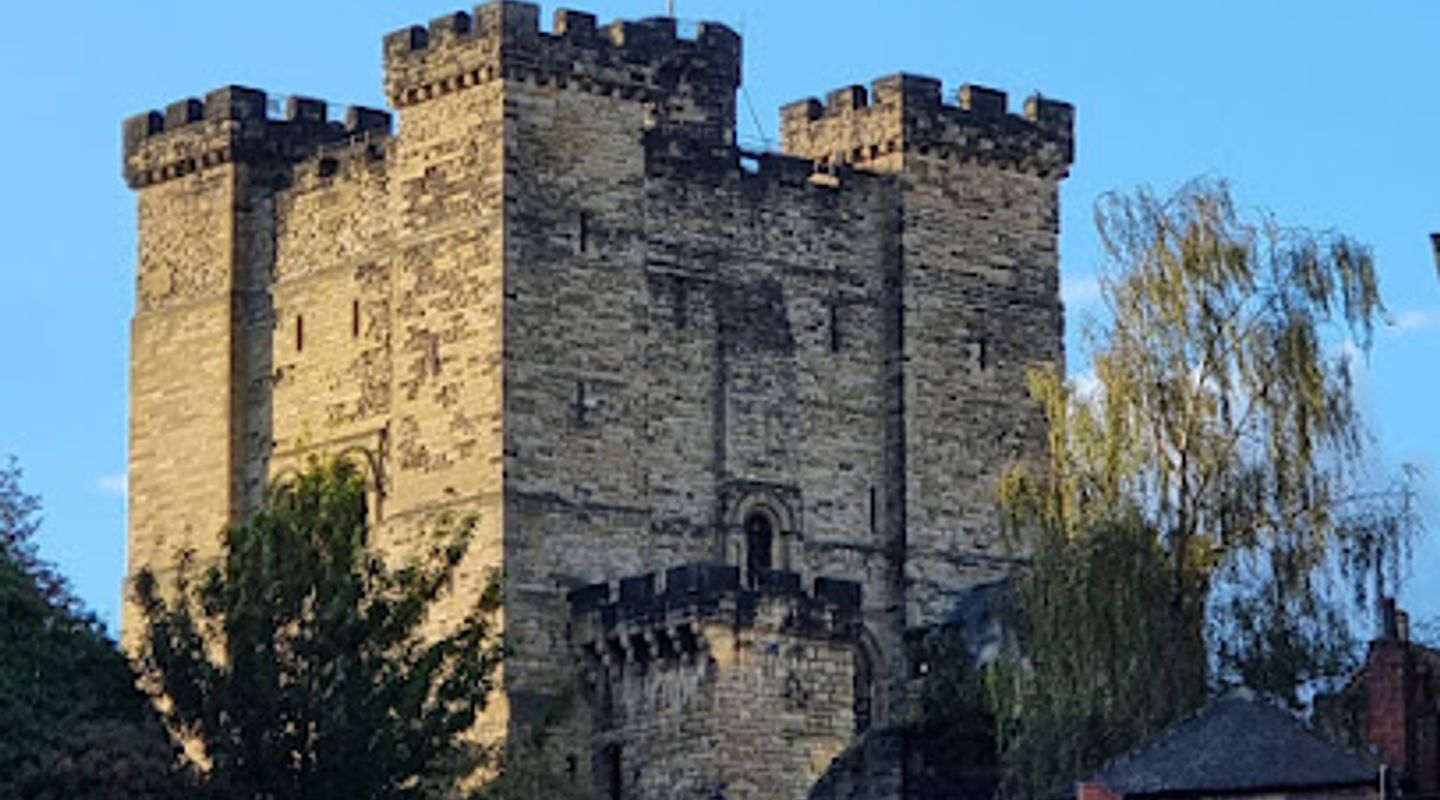
Newcastle Castle, North East England Travel Guide
Explore Newcastle Castle, a Norman fortress steeped in history with panoramic city views and medieval charm in the heart of Newcastle upon Tyne.
Newcastle Castle is a historic Norman fortress located in the heart of Newcastle upon Tyne, England. Comprising the Castle Keep and the Black Gate, it offers a unique glimpse into nearly 2,000 years of history, royal authority, and medieval architecture. Visitors can explore ancient chambers, exhibitions, and enjoy panoramic city views from the rooftop. Open daily with seasonal hours, it stands as a key cultural landmark and gateway to Old Newcastle.
A brief summary to Newcastle Castle
- The Black Gate, Castle Garth, Newcastle upon Tyne, NE1 1RQ, GB
- Click to display
- Click to display
- Duration: 1 to 1.5 hours
- Mid ranged
-
 Outdoor
- Mobile reception: 5 out of 5
- Monday 10 am-5 pm
- Tuesday 10 am-5 pm
- Wednesday 10 am-5 pm
- Thursday 10 am-5 pm
- Friday 10 am-5 pm
- Saturday 10 am-5 pm
- Sunday 10 am-5 pm

Know before you go
Hi, I'm Eve. Here are a few practical things to know before exploring Newcastle Castle.
- Book tickets online in advance to guarantee entry and avoid queues, especially during peak tourist seasons.
- Visit the Castle Keep rooftop for stunning 360-degree views of Newcastle and the River Tyne.
- The Black Gate is fully wheelchair accessible, while the Castle Keep has limited accessibility due to stairs.
- Allow 1 to 1.5 hours to explore both the Castle Keep and the Black Gate thoroughly.
- Plan your visit during weekday mornings for a quieter, more peaceful experience.
Do you manage this location?
Take control to get all the benefits, like improved information, better appearance, and stronger visibility across AI-powered discovery. Learn more about listing your business on Evendo
Activate your presenceOther nearby places you may find interesting
The closest places of the same kind, if this one is not quite what you had in mind.

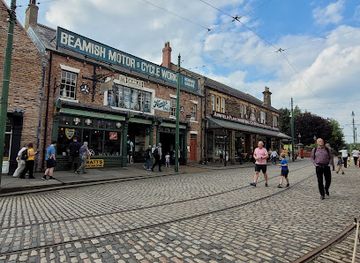
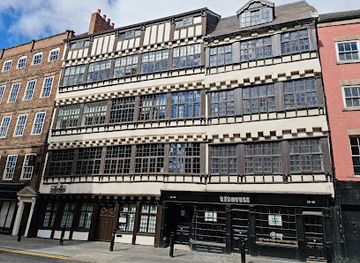
Explore Newcastle Castle on the Map
A handpicked selection of must-see spots near Newcastle Castle, mapped for you.
Unlock the Best of Newcastle Castle
Buy tickets
-
No tickets available
Book tours with entry


Getting There
-
Train
From Newcastle Central Station, it is a 15-20 minute walk to Newcastle Castle through the city centre. The station is well connected with frequent services from regional and national rail networks.
-
Metro
Take the Tyne and Wear Metro to Monument Station or Central Station, both approximately a 10-15 minute walk to the castle. Metro services run frequently from across the city and surrounding areas.
-
Bus
Multiple local bus routes stop near the city centre, within a 10-15 minute walk to Newcastle Castle. Tickets typically cost £2-£4 depending on distance, with frequent daytime services.
-
Car
Parking is limited in the city centre; nearest public car parks are available around 10-15 minutes’ walk from the castle. Expect charges of approximately £2-£4 per hour. Walking from parking areas involves city centre terrain with some cobbled streets.
For the on-the-go comforts that matter to you
-
 Restrooms
-
 Information Boards
-
 Seating Areas
Discover more about Newcastle Castle
Origins and Historical Significance
Newcastle Castle stands as a formidable symbol of northern England’s turbulent medieval past and the very foundation of the city of Newcastle upon Tyne. The Castle Keep, constructed between 1172 and 1178, is a prime example of Norman military architecture, built to assert royal authority and defend the region. The site has been occupied for nearly two millennia, originally chosen for its naturally defensible position overlooking the River Tyne. Throughout history, the castle served as a military stronghold, a prison, and a gathering place for armies, reflecting the strategic importance of Newcastle as a border city.Architectural Features and Layout
The castle complex comprises two main structures: the Castle Keep and the Black Gate. The Castle Keep is a massive stone tower featuring several floors, including the Great Hall, a Norman chapel, and former prison cells. Visitors can ascend winding spiral staircases to reach the rooftop, which offers spectacular 360-degree panoramic views of Newcastle’s skyline and the River Tyne. The Black Gate, built around 1250, served as the main fortified entrance to the castle and now houses exhibitions detailing the city’s rich history. It is fully wheelchair accessible and includes a gift shop and an adapted accessible toilet.Visitor Experience and Exhibitions
Exploring Newcastle Castle is a journey through time, with ancient passageways, chambers, and exhibitions that reveal stories of the castle’s inhabitants and the city’s evolution. The Black Gate’s displays provide context on Newcastle’s long and eventful history, while the Castle Keep immerses visitors in medieval life. The site hosts a variety of events throughout the year, from medieval talks to live theatre, enhancing the cultural experience. Entry tickets are valid for a full year, allowing for multiple visits to fully appreciate the castle’s offerings.Accessibility and Facilities
While the Castle Keep’s upper floors are not wheelchair accessible due to steep stairs and uneven surfaces, the Black Gate has been adapted with ramps and an external lift to ensure access to its upper levels. Visitors with mobility challenges can also enjoy a video tour of the Castle Keep’s inaccessible areas. Dogs, except guide dogs, are not permitted inside, and buggies can be parked in a designated area. Nearby amenities include cafes and bars within walking distance, particularly along the Quayside.Location and Surroundings
Situated on Castle Garth in central Newcastle, the castle overlooks the iconic Quayside and is a short walk from the city’s historic Grey Street. Its commanding position offers striking views and a tangible connection to the city’s past. The castle is a Scheduled Ancient Monument and a Grade I-listed site, emphasizing its cultural and architectural importance. Visitors can combine their visit with nearby attractions and enjoy the vibrant atmosphere of Newcastle’s city centre.Opening Hours and Admission
Newcastle Castle is open daily from 10am to 5pm during the summer months (April to October) with last entry at 4pm. In winter (November to March), it is closed on Tuesdays and Wednesdays but open the other days on the same schedule. Admission prices are reasonable, with concessions available for seniors, students, and children, and family tickets offered. The castle encourages advance booking, especially during peak times, to ensure entry and a smooth visit.












Your all‑in‑one travel companion app
Explore expert travel guides, compare and book tours, experiences, hotels, and more—all from the palm of your hand. Download now for seamless trip planning wherever your wanderlust takes you.


Explore More of North East England
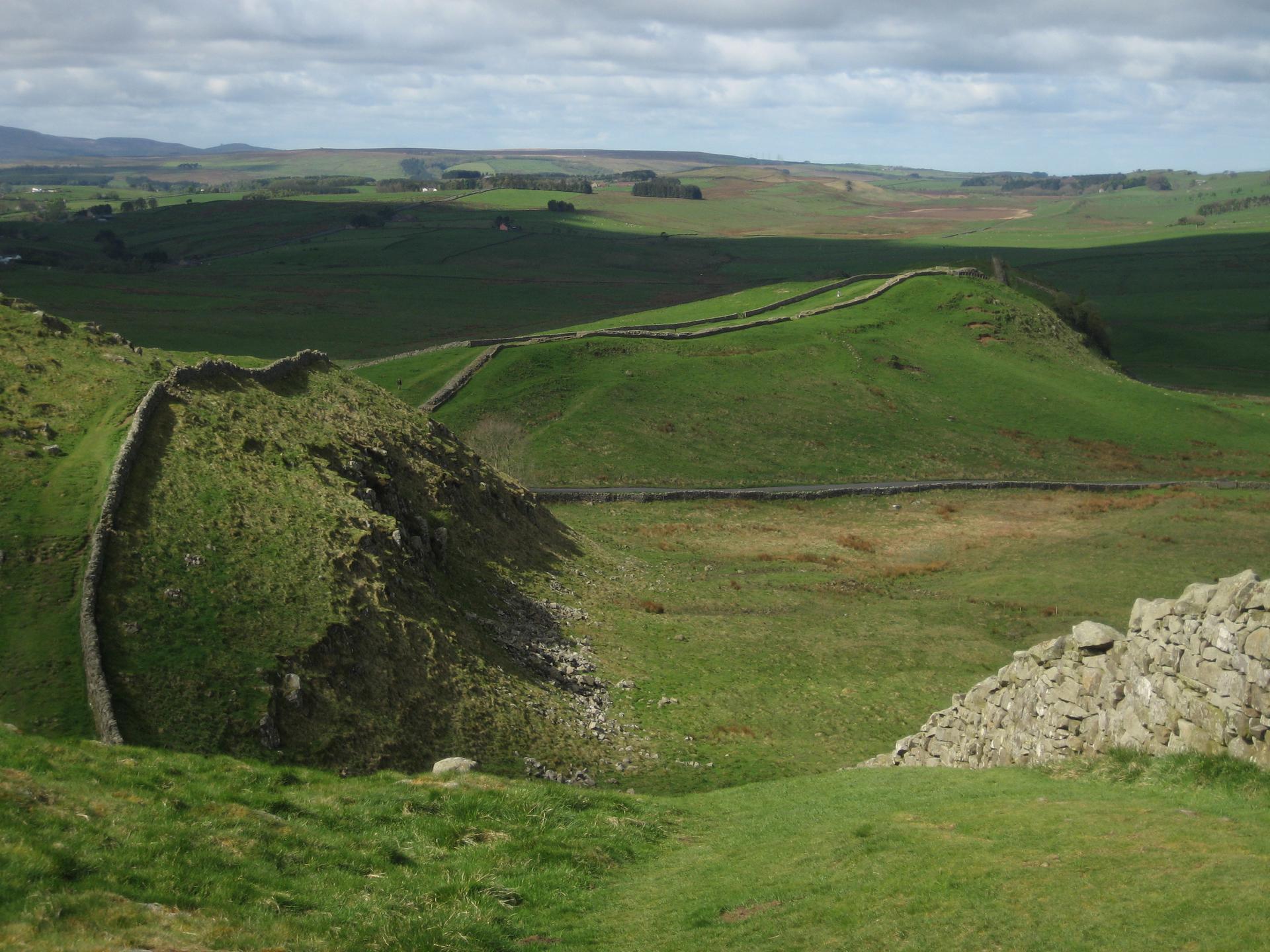
Looking beyond Newcastle Castle? Discover North East England for broader travel guides, local hot-spots, and regional highlights.
Explore North East England
Discover Newcastle’s artisan jewellery boutique and creative workshop hub nestled in the historic Old George Yard.
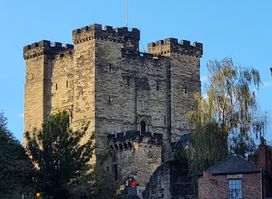
Explore nearly 2,000 years of history at Newcastle Castle, a Norman fortress offering stunning views and immersive medieval heritage in central Newcastle.