Trinity House, Newcastle upon Tyne
A 500‑year‑old maritime guild on Newcastle’s Quayside, preserving ship models, nautical instruments and one of the city’s oldest private chapels.
Trinity House on Newcastle’s Quayside is a historic maritime guild founded in 1505, occupying a centuries‑old complex on Broad Chare. This private corporation and charity preserves a unique collection of ship models, nautical instruments, paintings and artefacts, and maintains one of the city’s oldest private chapels. Access is by guided tour only, offering an intimate look at Newcastle’s seafaring heritage, from pilotage and navigation to almshouses and maritime traditions that have shaped the River Tyne for over 500 years.
A brief summary to Trinity House
- Broad Chare, Newcastle upon Tyne, Newcastle upon Tyne, NE1 3DQ, GB
- Click to display
- Click to display
- Duration: 1 to 2 hours
- Mid ranged
-
 Mixed
Mixed
- Mobile reception: 4 out of 5
- Thursday 10 am-10 pm
- Friday 10 am-10 pm
- Saturday 10 am-10 pm
- Sunday 10 am-10 pm

Know before you go
Hi, I'm Eve. Here are a few practical things to know before exploring Trinity House.
- Tours are by prior arrangement only; contact Trinity House in advance to book a visit and confirm availability.
- Photography may be restricted in some areas; always ask permission before taking photos inside the chapel and collection rooms.
- Combine your visit with a walk along the Quayside to see the High and Low Lights and other historic riverside buildings.
- Allow extra time to explore the surrounding area, including nearby museums, galleries and riverside restaurants.
Do you manage this location?
Take control to get all the benefits, like improved information, better appearance, and stronger visibility across AI-powered discovery. Learn more
Activate your presence
Getting There
-
On foot from Newcastle city centre
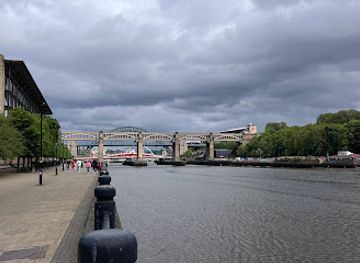
From Newcastle city centre, follow signs toward the Quayside and walk along the riverfront for about 15–20 minutes to reach Broad Chare. The route is flat and well‑lit, suitable for most visitors, with clear views of the Tyne and surrounding landmarks.
-
By public transport (Metro and bus)
Take the Tyne & Wear Metro to Monument or Central Station, then transfer to a Quayside‑bound bus or walk 10–15 minutes along the river. Local buses also stop near the Quayside, from where Trinity House is a short, level walk along Broad Chare.
-
By car
Drive to Newcastle city centre and use one of the central car parks; from there, follow signs to the Quayside and walk to Broad Chare. Street parking near the Quayside is limited and often time‑restricted, so a central car park is more practical for a visit.
-
From Newcastle Castle
From Newcastle Castle, walk downhill toward the river, passing Castle Keep and the Castle Keep Museum, then follow the riverside path for about 10 minutes to reach Broad Chare and Trinity House.
For the on-the-go comforts that matter to you
-
 Restrooms
-
 Seating Areas
-
 Information Boards
Discover more about Trinity House
Heart of Newcastle’s Maritime Guild
Trinity House stands on Broad Chare, just off Newcastle’s Quayside, on a site granted in 1505 to the Guild of the Blessed Trinity of Newcastle upon Tyne. Established as a fraternity of mariners, it quickly evolved into a powerful maritime authority, responsible for pilotage, navigation aids and the safety of ships on the River Tyne. For over five centuries, this private corporation has occupied the same riverside location, making it one of the oldest continuously functioning maritime guilds in England. Its royal charter from Henry VIII in 1536 gave it the right to levy dues on ships and required it to build and maintain navigational towers and lights on the Tyne, laying the foundations for the modern port.A Living Archive of Seafaring Life
The complex has grown and adapted over the centuries, with Tudor, 18th‑ and 19th‑century buildings standing side by side. Inside, visitors encounter a remarkable private collection: intricate ship models, historic nautical instruments, logbooks, paintings and maritime artefacts from around the world. These objects tell the story of Newcastle’s deep connection to the sea, from local pilotage and coastal trade to long‑distance voyages. The interiors retain much of their historic character, with period furniture, panelling and fittings that reflect the lives and traditions of the Brethren – the master pilots and seamen who have governed the House for generations.The Ancient Chapel and Hidden Spaces
At the heart of Trinity House is its private chapel, believed to be the oldest private religious space in continuous use within Newcastle. The oak pews, reputedly salvaged from the Venerable Bede’s monastery at Jarrow, are adorned with cherubs carved in the 17th century, while later stained‑glass panels and commemorative plaques honour past Brethren. The chapel is still used for services on Trinity Sunday, Remembrance Day and for family occasions, preserving a centuries‑old spiritual and communal tradition. Elsewhere in the complex, spaces once used as a rigging loft, hospital, almshouses and schoolhouse now house collections and function rooms, each layer of history visible in the architecture and layout.Charity, Tradition and Modern Role
Beyond its professional maritime functions, Trinity House has long been a charitable institution, providing almshouses for aged mariners and their families and running a free school for Brethren’s children until 1870. Today, as a registered charity, it focuses on preserving its historic buildings and collections while continuing to support Newcastle’s maritime community. The House remains one of only three bodies in England authorised to examine and license deep‑sea pilots, maintaining a direct link between its ancient charters and modern port operations. This blend of heritage, charity and ongoing maritime responsibility gives Trinity House a unique place in the city’s civic and nautical life.Visiting the House
Trinity House is not a conventional museum; access is by guided tour only, arranged in advance, which adds to its sense of exclusivity and authenticity. These tours offer a rare opportunity to step inside a working maritime guild, to see its treasures up close and to hear stories of pilots, shipwrecks and river navigation passed down through the centuries. The intimate scale and depth of the collection make it ideal for those with a serious interest in maritime history, architecture and local heritage. Given its location on the Quayside, a visit to Trinity House can be combined with a walk along the river, exploring Newcastle’s industrial past and vibrant waterfront culture.Explore the best of what Trinity House has to offer















More about North East England
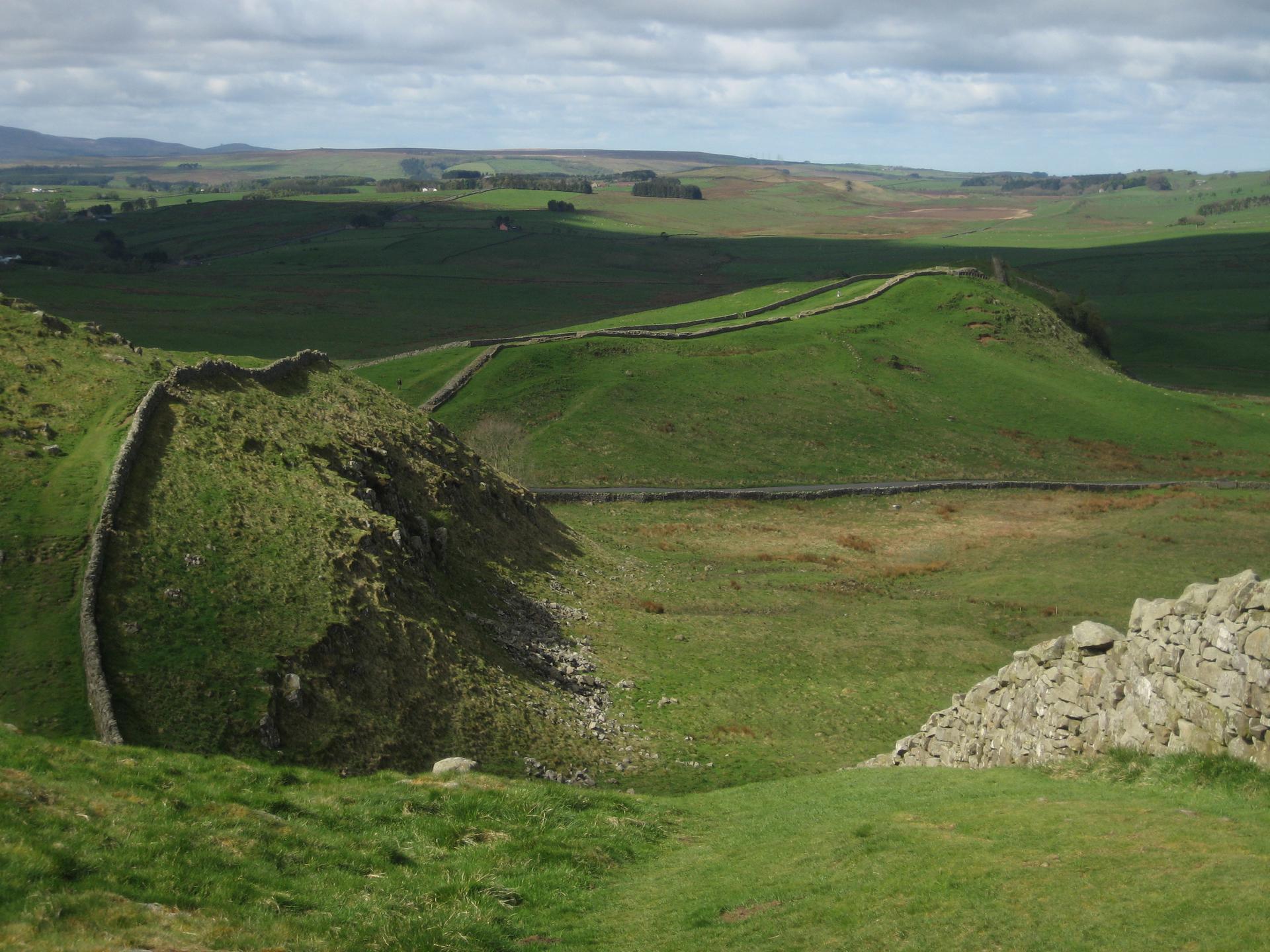
Explore North East England: From Roman Walls to Majestic Cathedrals and Scenic Coastlines, Discover a Region Rich in History and Natural Beauty.
Tell me more about North East England