
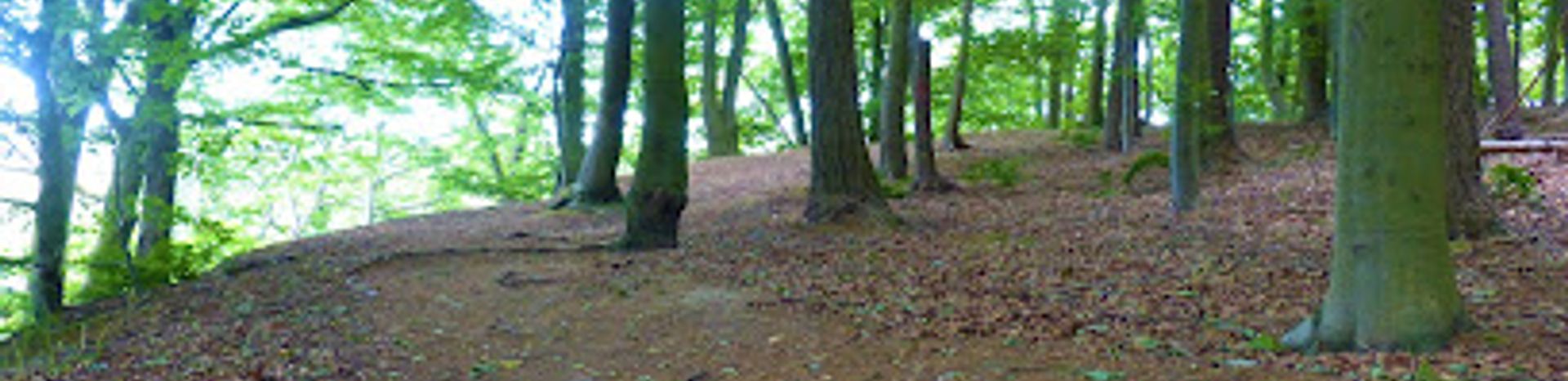
Maiden Castle Earthwork, Durham
Explore Durham’s ancient Iron Age promontory fort with its impressive earthworks nestled in tranquil woodland overlooking the River Wear.
Maiden Castle in Durham is an Iron Age promontory fort featuring extensive earthworks, including a wide rampart and ditch system, set on a wooded hill overlooking the River Wear. Though largely wooded today with no visible surface occupation, its defensive structures reveal a complex history of construction phases from prehistoric to medieval times, making it a significant archaeological and historical landmark.
A brief summary to Maiden Castle Earthwork
- Durham, GB
- Duration: 1 to 2.5 hours
- Free
-
 Outdoor
- Mobile reception: 3 out of 5
Local tips
- Wear sturdy footwear as the terrain around the ramparts can be uneven and steep in places.
- Bring water and snacks as there are no facilities or shops at the site.
- Respect the scheduled monument status by staying on marked paths and avoiding disturbance to the earthworks.
- Visit during daylight hours to fully appreciate the views and safely explore the wooded interior.

For the on-the-go comforts that matter to you
- Information Boards
- Seating Areas
- Trash Bins
Getting There
-
Bus
Take the local bus service from Durham city center to the Shincliffe area; from there, it is a 20-minute walk uphill to Maiden Castle. Bus journeys typically take 15-25 minutes with fares around £2-£4. Service frequency varies, so check schedules in advance.
-
Car
Driving from Durham city center to Maiden Castle takes approximately 10-15 minutes. Limited parking is available near the site; visitors should be prepared for a short uphill walk on uneven terrain. Parking is free but spaces are limited.
-
Walking
For those staying in Durham, a 45-60 minute walk to Maiden Castle offers a scenic route through residential and woodland areas. The path includes some steep sections and uneven ground, so suitable footwear and moderate fitness are recommended.
Maiden Castle Earthwork location weather suitability
-
 Any Weather
-
 Rain / Wet Weather
-
 Clear Skies
-
 Windy Conditions
-
 Mild Temperatures
Discover more about Maiden Castle Earthwork
Ancient Defensive Architecture on Whinney Hill
Perched atop Whinney Hill overlooking the River Wear, Maiden Castle is an Iron Age promontory fort characterized by its natural steep slopes on all sides except the west. The western approach is fortified by a substantial rampart approximately 18 feet wide and 7 feet high, accompanied by an external ditch about 4 feet deep. This defensive earthwork encloses a wedge-shaped area roughly 145 meters east-west and between 50 to 120 meters across, reflecting a strategic use of terrain to protect its inhabitants. The original entrance likely lay at the northern end of the western rampart, where a break in the ditch remains visible.Phases of Construction and Medieval Enhancements
Excavations have revealed that the ramparts underwent at least three construction phases. Initially, a clay rampart was reinforced externally with cobbles and topped with a wooden palisade. Later modifications included cutting back the rampart interior to build a stone revetment wall, some stones bearing medieval mason’s marks. Wooden stakes were added for further strengthening, which were eventually burnt, indicating the ramparts’ final abandonment. The presence of 15th and 16th-century pottery fragments in the topsoil suggests continued activity or disturbance during the medieval period, though the main fortification dates back to the Iron Age.Wooded Interior and Archaeological Context
Today, the interior of Maiden Castle is densely wooded, with no visible surface signs of ancient occupation. This natural overgrowth conceals the historic earthworks but adds to the site's tranquil ambiance. The morphology and location of the fort strongly suggest its Iron Age origins, with later medieval activity. Despite limited excavation, the site remains a scheduled monument, protected for its archaeological significance within County Durham.Historical Significance and Preservation
Maiden Castle is one of the few well-preserved prehistoric defensive sites in the region, providing valuable insights into Iron Age settlement patterns and defensive strategies. Its scheduled monument status ensures legal protection, preserving this heritage site for future generations. The combination of natural landscape and man-made earthworks offers a tangible connection to the distant past, inviting reflection on the lives of those who once inhabited this strategic hilltop.Visitor Experience and Environment
Visitors to Maiden Castle experience a peaceful, wooded environment with scenic views of the River Wear floodplain. The site’s natural setting and historical earthworks create a unique atmosphere of quiet contemplation. While there are no visitor facilities on-site and the terrain can be uneven, the site offers an evocative glimpse into ancient defensive architecture amid a tranquil woodland setting.Context within Durham’s Archaeological Landscape
Situated east of Durham city, Maiden Castle complements the rich archaeological tapestry of the area. Its proximity to the River Wear and commanding views underscore its strategic importance in prehistoric times. The site’s preservation amidst modern development highlights Durham’s commitment to protecting its cultural heritage, making Maiden Castle a key landmark for those interested in England’s ancient past.Iconic landmarks you can’t miss

Maiden Castle Earthwork
0.0 km
Explore Durham’s ancient Iron Age promontory fort with its impressive earthworks nestled in tranquil woodland overlooking the River Wear.
Durham Band Stand
0.7 km
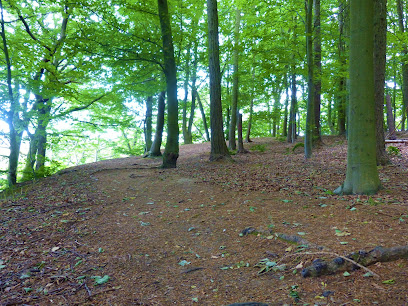
A peaceful riverside bandstand with one of Durham’s most iconic cathedral views, perfect for quiet moments and photography by the River Wear.
Kathedra
1.2 km
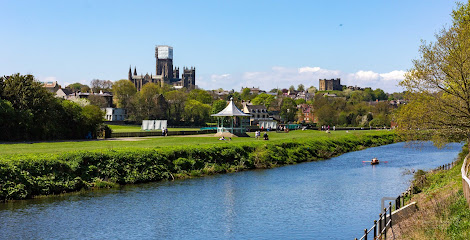
Explore the Kathedra in Durham, a stunning gothic stone chair by the river, perfect for history lovers and photography enthusiasts alike.
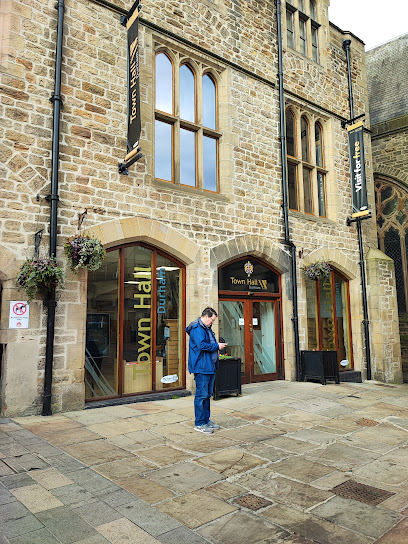
Durham Town Hall
1.3 km
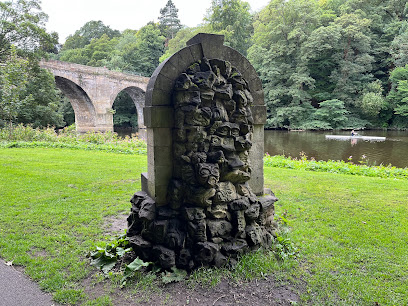
Victorian civic landmark hosting culture, heritage, and community in Durham's historic heart.
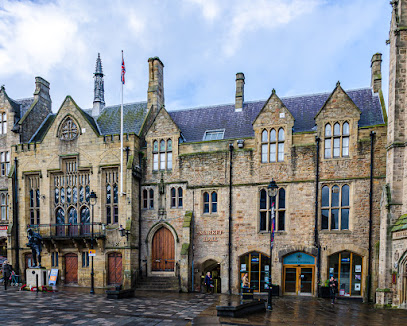
Market place
1.3 km
Medieval marketplace meets Victorian grandeur—Durham's beating heart of commerce, culture, and community.
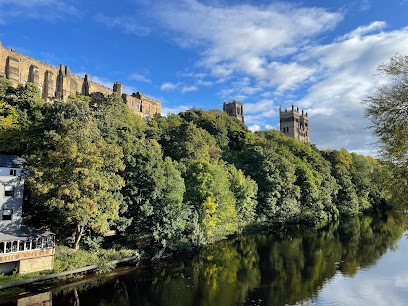
Framwellgate Bridge
1.3 km
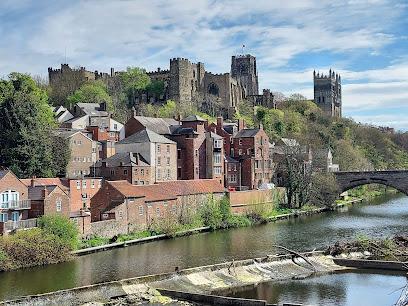
Durham’s oldest stone bridge, a medieval marvel offering iconic views of the cathedral and river, steeped in history and timeless charm.
Durham British Israel Fellowship
1.5 km
Discover the Durham British Israel Fellowship: A historical church offering community spirit, stunning architecture, and a glimpse into Durham's rich heritage.
Durham
1.7 km
Explore Durham Cathedral, a Norman architectural masterpiece and spiritual sanctuary with stunning views, sacred relics, and rich medieval heritage.
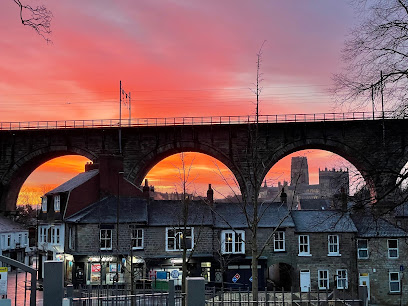
Durham Viaduct
1.8 km
A majestic Victorian railway viaduct soaring over Durham’s River Wear, blending engineering excellence with stunning historic city views.
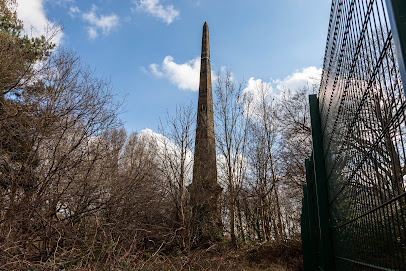
Durham Obelisk
2.1 km
A hidden 90-foot sandstone tower concealed by woodland, marking Durham's forgotten astronomical heritage.
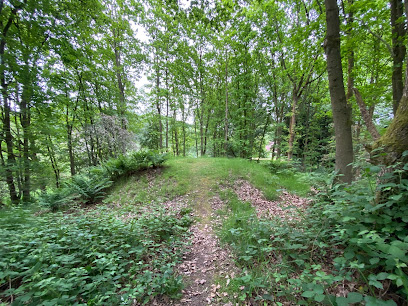
Maiden's Bower
2.2 km
Explore Maiden's Bower, a serene Bronze Age cairn nestled in Durham's Flass Vale, where ancient history meets tranquil woodland beauty.
Ludworth Tower
7.2 km
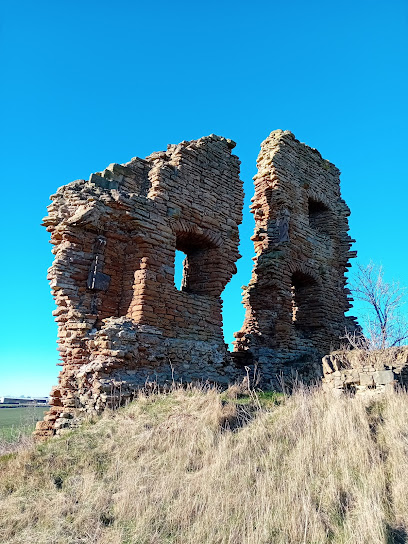
A rare 15th-century pele tower standing as a testament to medieval border fortifications
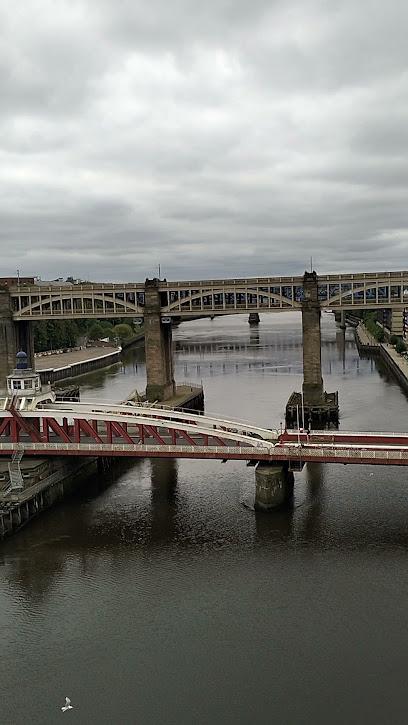
The High Level Bridge
22.2 km
A pioneering double-deck Victorian bridge uniting rail and road across the River Tyne, symbolizing Newcastle’s industrial heritage.
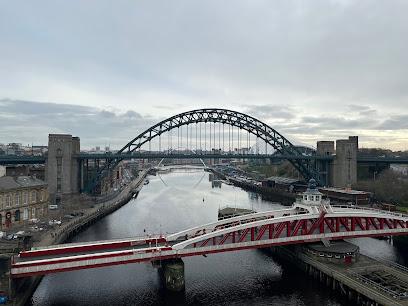
Tyne Bridge
22.3 km
An iconic steel arch bridge spanning the River Tyne, symbolising NewcastleGateshead’s industrial heritage and modern spirit.
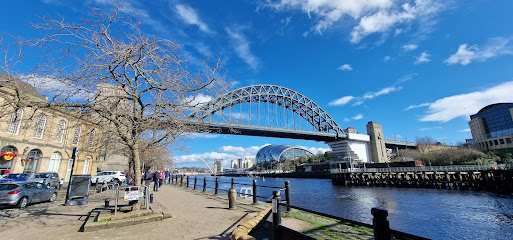
Quayside
22.3 km
Quayside is a dynamic riverside district where iconic bridges meet vibrant culture, blending industrial heritage with modern art and lively waterfront life.
Unmissable attractions to see

Old Durham Gardens
0.5 km
A peaceful 17th-century walled garden and orchard beside the River Wear, open 24/7 with special afternoons in the upper garden from April to September.
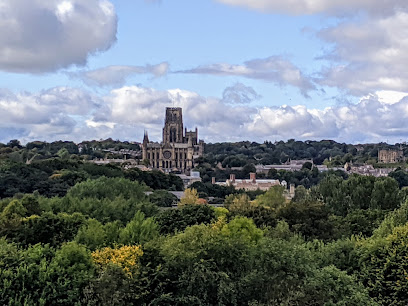
The Durham Cow
0.7 km
Step into Durham’s oldest pub, The Dun Cow, where Tudor charm and legendary tales blend with excellent ales in a cozy historic setting.
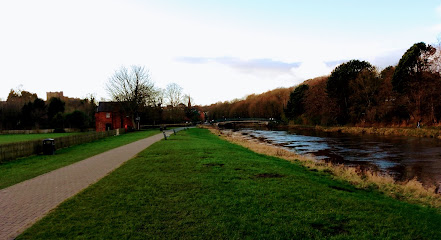
What Lies Beneath Us
0.8 km
Explore the hidden layers beneath Durham’s historic streets and discover the city’s rich geological and cultural foundations.
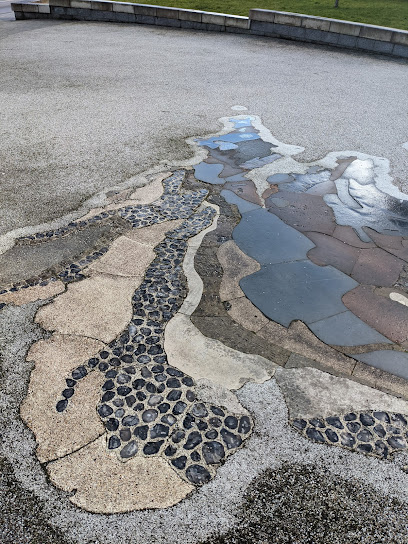
Durham Big Sing
0.9 km
A joyful community choral event in Durham celebrating inclusive singing and vibrant local music culture.
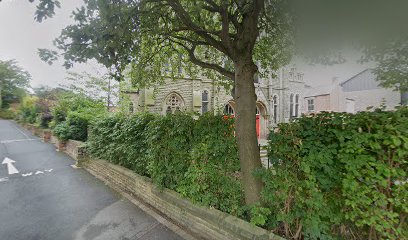
No 59 Old Elvet
1.0 km
An intimate evening bistro on historic Old Elvet street, blending local heritage with contemporary dining in the heart of Durham.
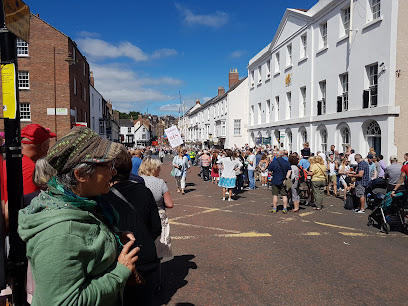
Elvet Waterside
1.0 km
Scenic riverside charm meets historic Durham city life at Elvet Waterside, a tranquil urban retreat by the iconic Elvet Bridge.

Department of Classics and Ancient History • Durham University
1.0 km
Classical scholarship in a medieval setting: Durham's premier centre for ancient languages, philosophy, and Mediterranean studies.
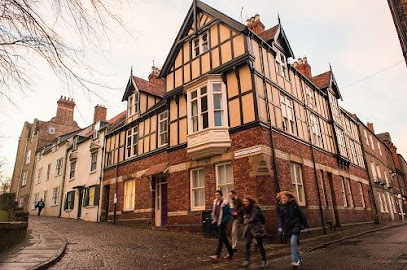
Durham Museum
1.0 km
Medieval heritage and local history in the heart of historic Durham, near the cathedral.
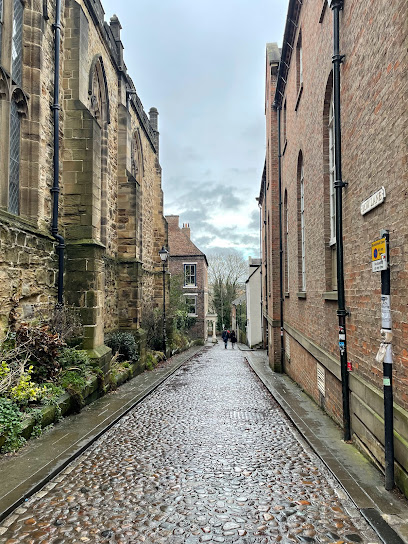
The Count's House
1.0 km
A quaint neoclassical riverside summerhouse in Durham, steeped in history and linked to the legendary Count Boruwlaski.
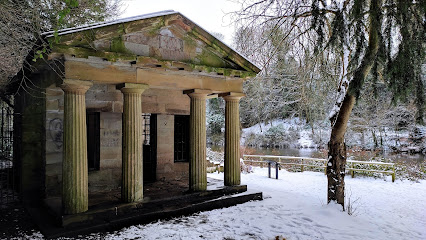
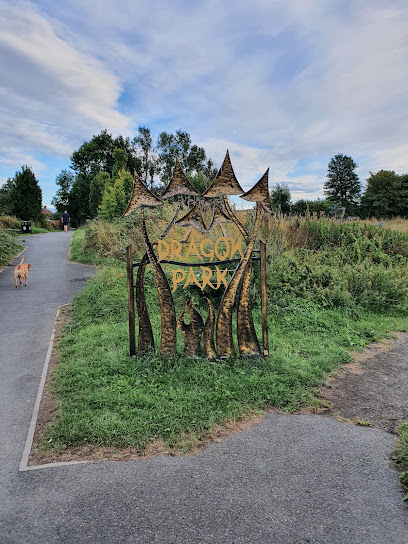
Dragon Park
1.1 km
Experience the beauty of Dragon Park in Durham, where nature, tranquility, and community come together in a stunning urban oasis.
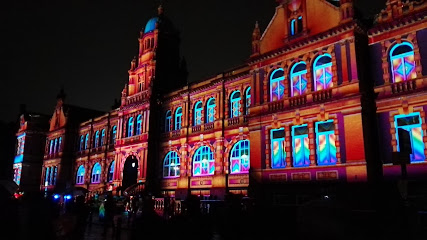
Department of History • Durham University
1.1 km
Explore history where Durham’s rich past meets vibrant academic excellence at the University’s historic North Bailey location.
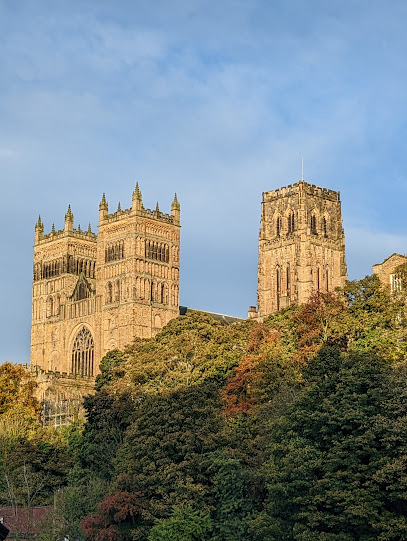
Durham Cathedral
1.1 km
Discover Durham Cathedral’s Norman grandeur, sacred relics, and breathtaking views in the heart of a UNESCO World Heritage Site.
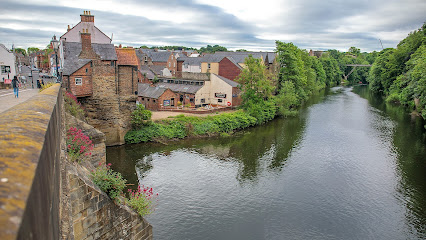
Elvet Bridge
1.1 km
A medieval stone arch bridge over the River Wear, now a lively pedestrian walkway with cafes, restaurants and stunning views of Durham Cathedral and the city’s dramatic river gorge.
Escape Rooms Durham
1.1 km
Immersive puzzle adventures in Durham's historic centre—from spy missions to gothic mysteries.
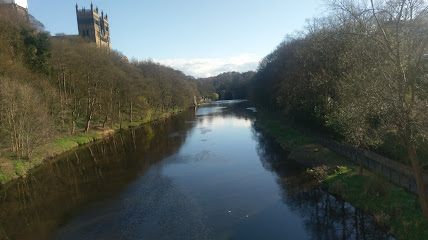
Museum of Archaeology • Durham University
1.1 km
Explore northeast England’s ancient past in a historic university library at the heart of Durham’s UNESCO World Heritage Site.
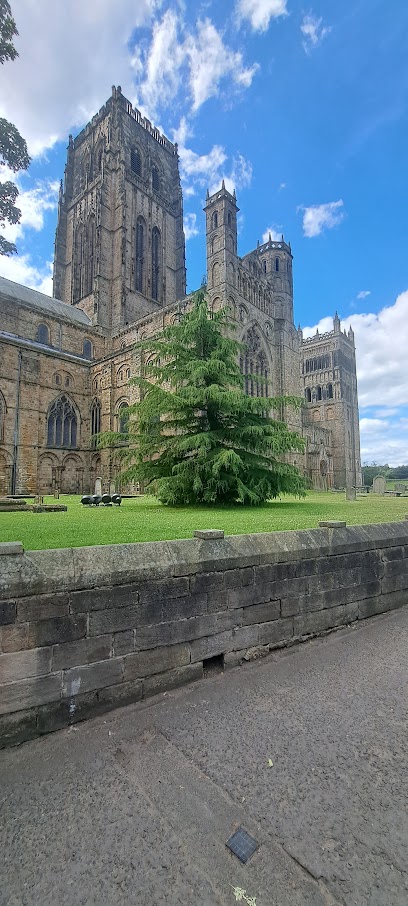
Essential places to dine

The Rabbit Hole
0.6 km
A 1920s Shanghai supper club with live jazz, Cantonese fusion cuisine, and intimate vintage elegance.
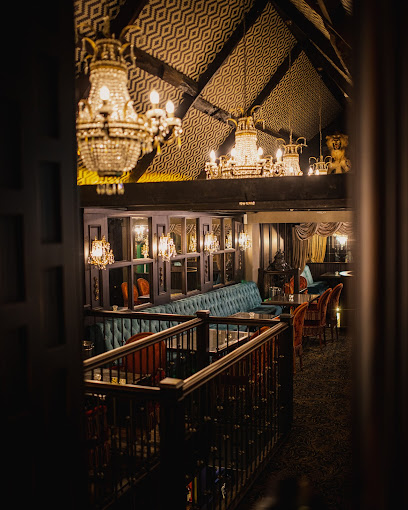
Amaani at the Pumphouse, Durham
0.8 km
Experience authentic Indian flavors in a plush riverside setting at Amaani, Durham’s elegant dining destination by the River Wear.
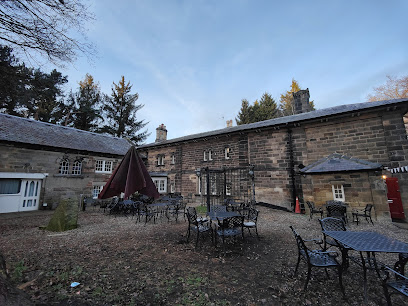
The Townhouse Restaurant
0.8 km
A chic and intimate spot in Durham serving modern British cuisine with a stylish, welcoming atmosphere.
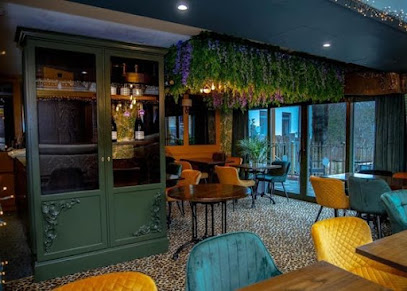
Zen
0.8 km
Experience authentic Asian fusion cuisine in a stylish Durham setting, blending traditional flavours with modern flair.
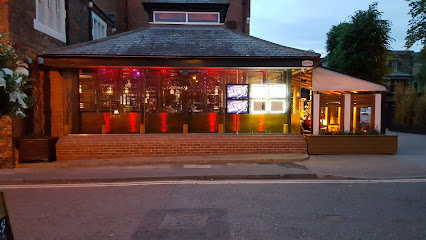
Whitechurch Durham
0.8 km
Cozy and festive dining in Durham’s historic heart, offering versatile café, breakfast, and pub fare with friendly service and moderate prices.
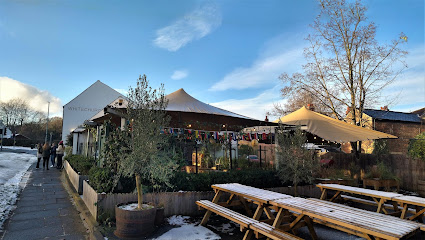
Marco Pierre White Steakhouse Bar & Grill Durham
0.9 km
Historic charm meets exquisite steakhouse dining in Durham’s unique circular room at Marco Pierre White Steakhouse Bar & Grill.
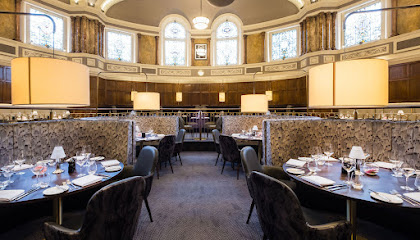
Notch Durham
1.0 km
Slow-cooked American barbecue and craft cocktails in Durham's vibrant city centre.

Lebaneat
1.1 km
Experience authentic Lebanese flavors with generous portions and diverse dietary options in the heart of historic Durham.
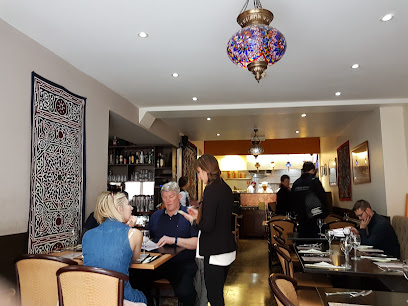
Little Sicily
1.1 km
Authentic Sicilian Italian restaurant in Durham offering fresh, affordable dishes in a warm, family-friendly atmosphere.
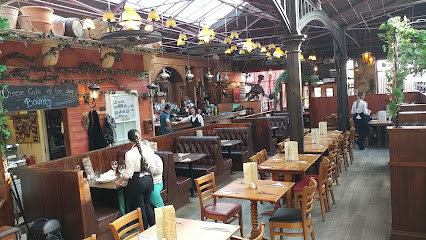
The Boat Club & Tomahawk Steakhouse
1.1 km
Discover exquisite steaks and crafted cocktails at The Boat Club & Tomahawk Steakhouse on Elvet Riverside - where taste meets tranquility.
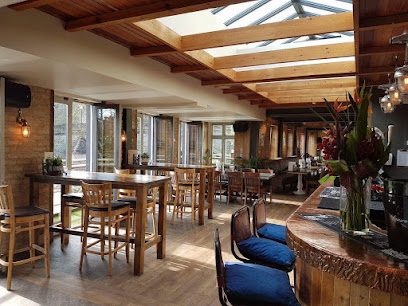
Zizzi - Durham
1.1 km
Modern Italian dining in the heart of Durham – wood-fired pizzas, fresh pasta, and a relaxed atmosphere just steps from the cathedral.
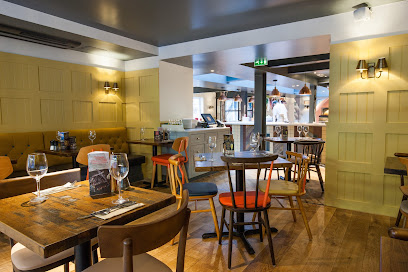
The Undercroft Restaurant
1.1 km
Historic charm meets locally sourced British fare in Durham Cathedral’s tranquil medieval café.
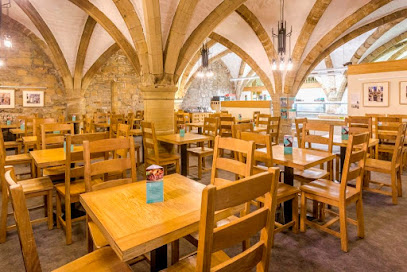
19Twenty Bar & Grill
1.1 km
Modern grill and cocktail bar on Durham’s Elvet Bridge, serving gourmet burgers and steaks with scenic riverside views.
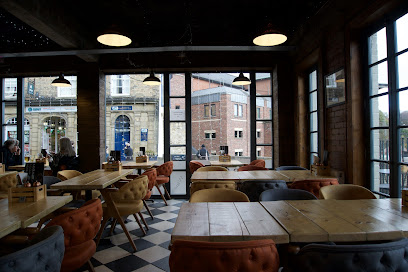
The Cellar Door
1.1 km
Historic riverside dining with seasonal Modern European cuisine and scenic terraces in the heart of Durham.
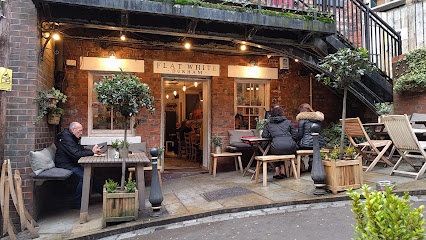
Flat White Kitchen
1.1 km
Experience Durham’s finest coffee and brunch in a cozy 17th-century townhouse with a modern rustic vibe and welcoming atmosphere.
Markets, malls and hidden boutiques

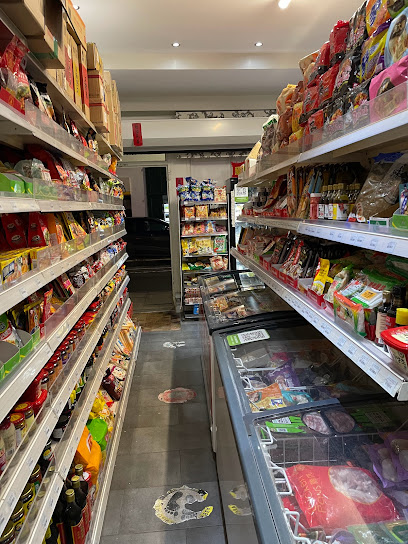
7 Day Store
1.0 km
Discover authentic Asian flavors and ingredients at Durham’s vibrant 7 Day Store, open daily for your culinary adventures.
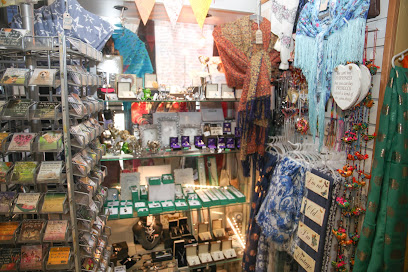
The Georgian Window
1.1 km
Discover stylish ladies’ fashion, unique gifts, and elegant accessories in the heart of Durham at The Georgian Window.
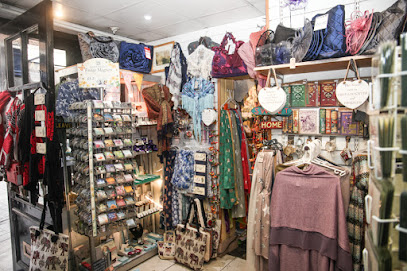
Italian Clothes Room Inside Georgian Window
1.1 km
Discover elegant Italian fashion in Durham’s historic Georgian window boutique, blending timeless style with personalized service.
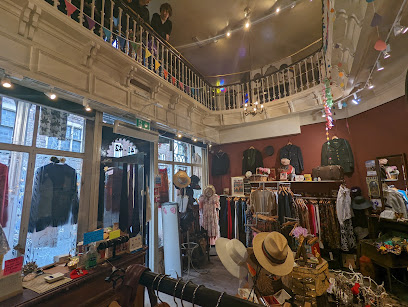
Circle Vintage Durham
1.1 km
Discover Durham’s largest curated vintage clothing collection in a charming historic boutique on Saddler Street.
The Cathedral Shop
1.1 km
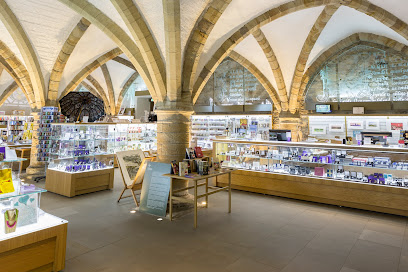
Curated gifts and books supporting Durham Cathedral's conservation, housed in medieval undercroft spaces.
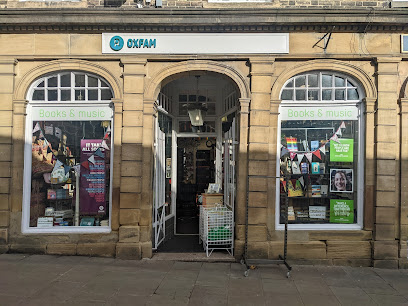
Oxfam Shop
1.1 km
Discover pre-loved books, music, and more at Durham’s Oxfam Shop—where every purchase supports global poverty relief and sustainability.
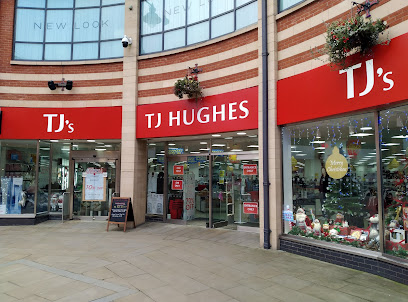
TJ Hughes
1.1 km
Durham’s trusted discount department store offering top brands in home, fashion, and electronics at unbeatable prices.
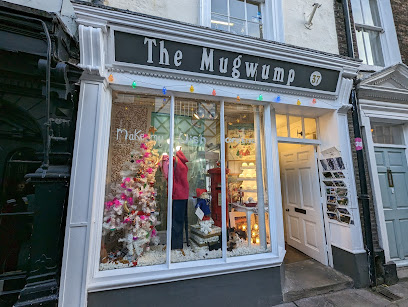
The Mugwump
1.2 km
Discover Durham’s iconic boutique blending vintage fashion, unique gifts, and local art in a charming historic setting.
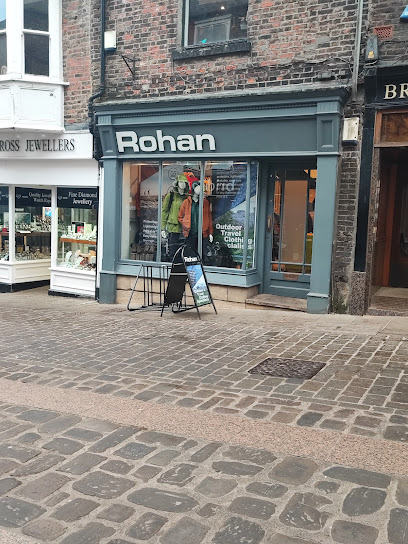
Rohan Durham - Outdoor Clothing & Walking Gear
1.2 km
Discover Rohan Durham, your premier destination for high-quality outdoor clothing and gear, perfect for every adventurer in the beautiful English countryside.
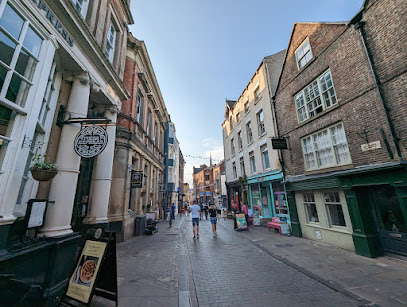
Waceland Durham
1.2 km
Discover handpicked vintage gems and streetwear essentials in a family-run boutique at the heart of Durham’s Saddler Street.
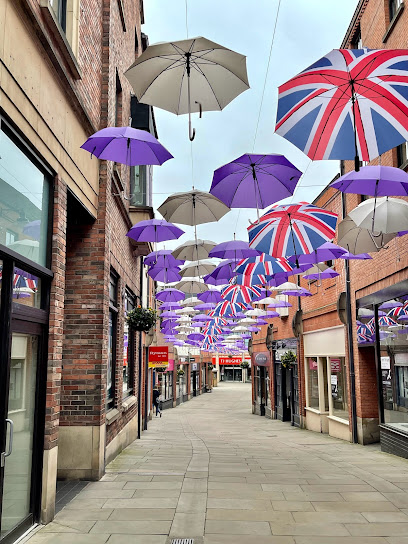
Prince Bishops Place
1.2 km
Durham’s vibrant shopping centre blending high street brands, local boutiques, and award-winning facilities in the city’s historic heart.
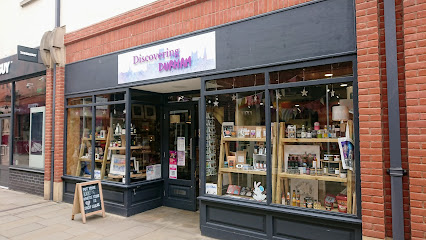
Discovering Durham CIC
1.2 km
Empowering Durham’s local producers through unique crafts, gifts, and community-driven retail on historic High Street.
Elvet & Bailey
1.2 km
Discover unique handmade gifts and local artisan treasures at Elvet & Bailey, Durham’s beloved boutique in Prince Bishops Shopping Centre.
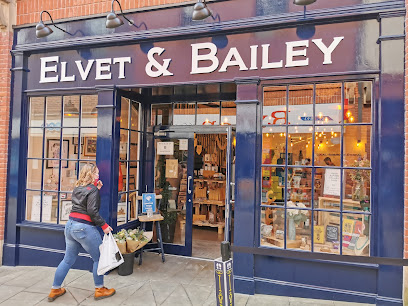
People's Bookshop Durham
1.2 km
Discover Durham’s vibrant radical bookshop, a volunteer-run haven for second-hand books and community stories.

The Boathouse
1.2 km
Discover unique clothing and accessories at The Boathouse in Durham, a charming shop showcasing local designs and a welcoming atmosphere.

Essential bars & hidden hideouts

Dun Cow Durham
0.8 km
Historic Durham pub famed for traditional ales, Tudor Revival interiors, and a warm, authentic local atmosphere.
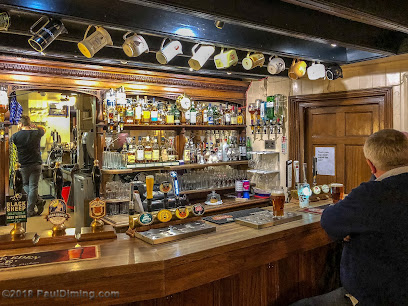
24 North Bailey Club
1.0 km
Durham students’ beloved late-night bar and social club, blending historic charm with lively events on the iconic North Bailey.
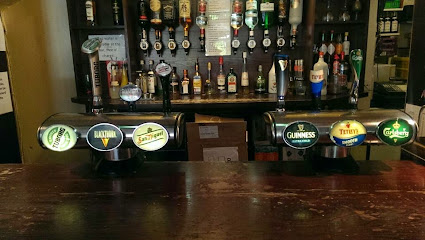
The Half Moon Inn
1.0 km
Historic Tudor pub on Durham’s riverside offering award-winning ales, scenic courtyard views, and a warm local atmosphere.
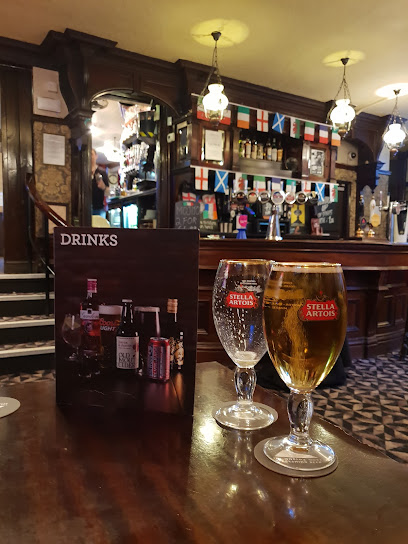
Swan & Three Cygnets
1.0 km
Traditional riverside pub with a no-technology policy, affordable drinks, and cosy charm beside Durham’s historic Elvet Bridge.
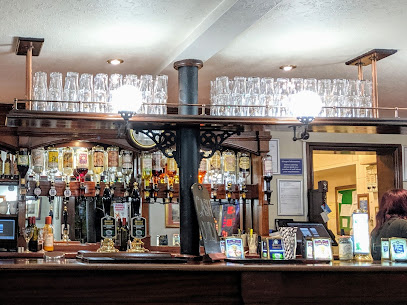
The Library
1.1 km
A lively pub and social hub in Durham offering quality drinks, creative vegan dishes, and a quirky, welcoming atmosphere from morning till late.
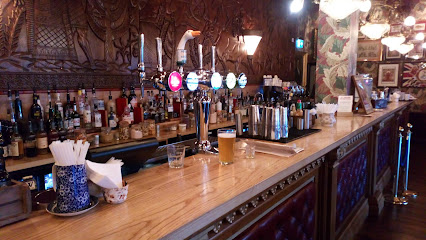
The Woodman Inn - Durham
1.1 km
A traditional Durham pub with a spacious beer garden, diverse drinks, and a welcoming atmosphere for locals and visitors alike.
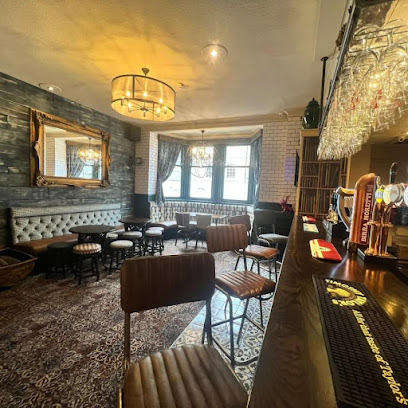
Tin Of Sardines Gin Bar - Durham
1.1 km
Discover Durham’s tiniest gin bar with a colossal selection, expert service, and an intimate, unforgettable atmosphere on Elvet Bridge.
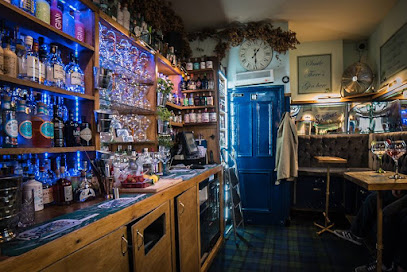
Osbournes
1.1 km
A vibrant, intimate bar and club in Durham known for its lively music nights, extensive gin selection, and welcoming local vibe.

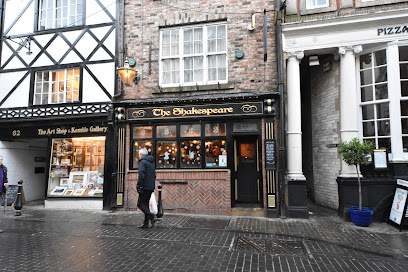
The Shakespeare
1.2 km
A historic and quirky Durham pub famed for its real ales, theatrical roots, and ghostly tales in a cosy 12th-century setting.
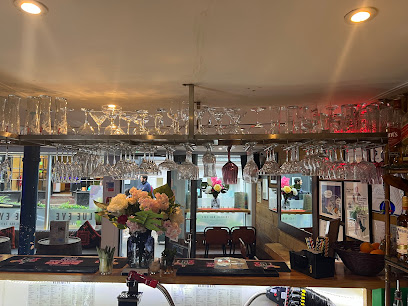
Blue Eye
1.2 km
Durham’s stylish cocktail bar with creative drinks, lively vibes, and a welcoming atmosphere on historic Elvet Bridge.
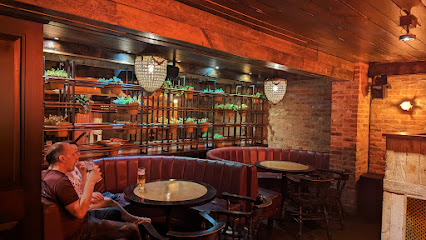
The Drunken Duck
1.3 km
A welcoming and lively British pub in Durham's heart, offering quality drinks and a classic atmosphere for locals and visitors alike.
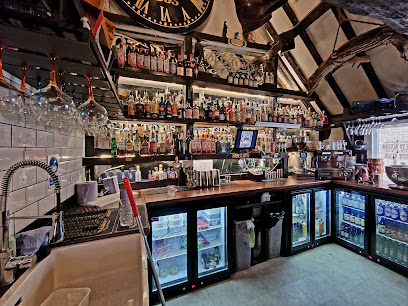
Old Toms Gin Bar
1.4 km
Discover Durham’s riverside gem with over 250 gins, artisan boards, and expert Ginologists crafting unforgettable cocktails.
Champagne Bar
1.4 km
Sophisticated vintage champagnes and crafted cocktails in Durham’s vibrant Walkergate, blending chic style with welcoming warmth.
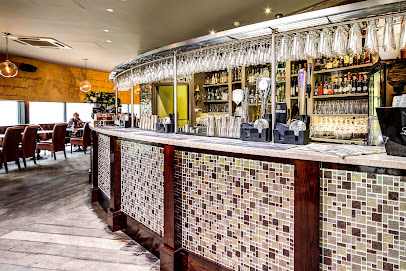
The Fighting Cocks
1.4 km
A lively, affordable pub in Durham’s city centre, perfect for casual drinks and socializing in a friendly, unpretentious setting.
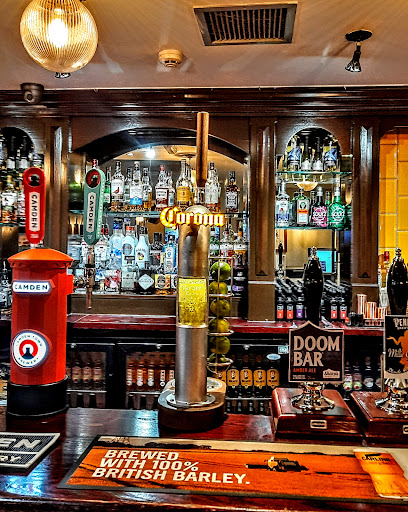
Slug & Lettuce - Durham
1.4 km
Lively cocktail bar and restaurant in Durham’s city center, perfect for social drinks, tasty meals, and vibrant events year-round.

Nightclubs & after hour spots

Klute
1.1 km
Durham’s iconic, unapologetically rough nightclub famed for nostalgic beats, cheap drinks, and a legendary student party atmosphere.

Jimmy Allens
1.1 km
Dive into Durham’s iconic vaulted nightclub where free entry, cheap drinks, and lively crowds create unforgettable nights beneath Elvet Bridge.

Fabio's Bar
1.2 km
Durham’s lively student nightclub and live music bar above the iconic La Spaghettata, buzzing with events and authentic local charm.

Bohemia Durham
1.4 km
Bohemia Durham pulses with vibrant nightlife energy, offering dynamic music and a lively social scene in the heart of historic Durham.
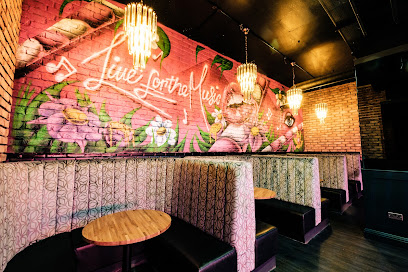
Loft Durham
1.5 km
Discover Loft Durham, the ultimate nightlife destination offering vibrant music, energetic dancing, and a chic atmosphere in the heart of Durham.
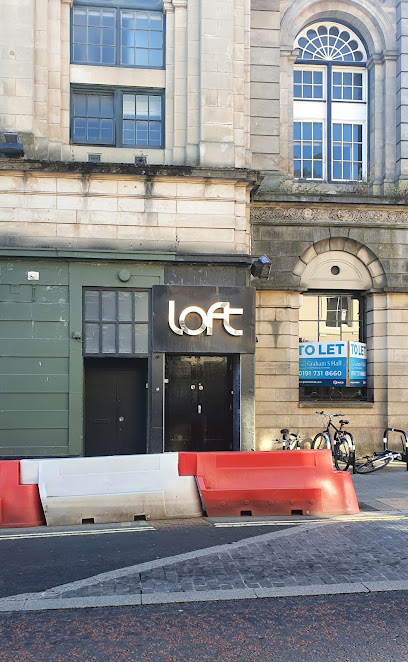
7even Nightclub
18.7 km
Sunderland’s alternative nightclub with two floors of indie, soul, and rock music, hosting themed parties and vibrant late-night events.

Warehouse Night Club(SR44)
22.3 km
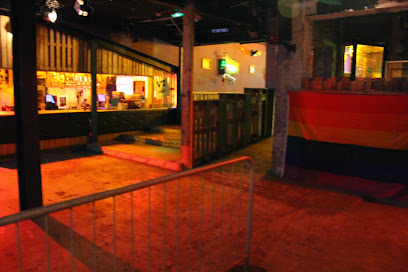
Experience Newcastle’s vibrant underground gay nightclub scene at Warehouse Night Club (SR44), where eclectic music and lively parties come alive.
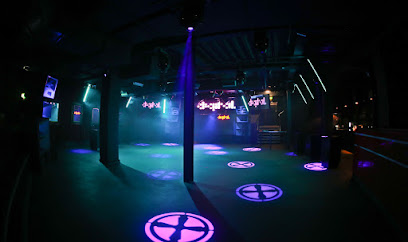
Digital
22.4 km
Experience cutting-edge nightlife with superior sound and vibrant energy at Digital, Newcastle’s premier clubbing destination in Times Square.
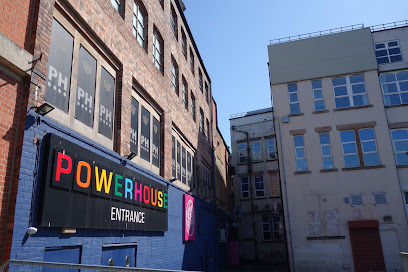
Powerhouse
22.5 km
Newcastle’s iconic four-floor nightclub blending rich LGBTQ+ history with vibrant, inclusive nightlife and dynamic music scenes.
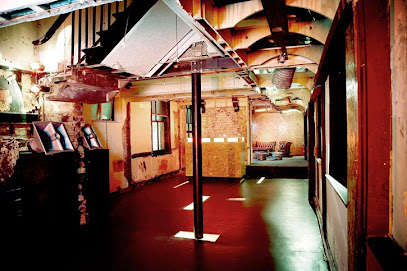
TheCUT Newcastle
22.5 km
Discover Newcastle’s vibrant alternative nightclub with themed indie, rock, and disco nights in a cozy, unpretentious setting.
Tup Tup Palace
22.5 km
Experience Newcastle’s vibrant nightlife in style at Tup Tup Palace, a luxurious club blending exotic décor with pulsating beats until the early hours.
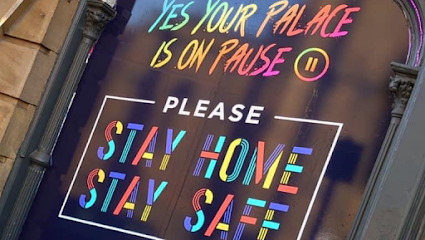
The Social Club
22.6 km
Experience Newcastle’s vibrant nightlife at The Social Club, where music, cocktails, and dancing come alive until the early hours.
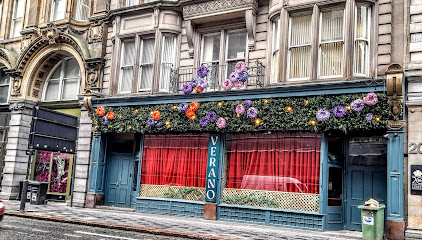
Bohemia Newcastle
22.6 km
Neon-lit cocktail bar and compact club with graffiti murals, a mezzanine dance space and a sheltered courtyard terrace for late-night socialising.
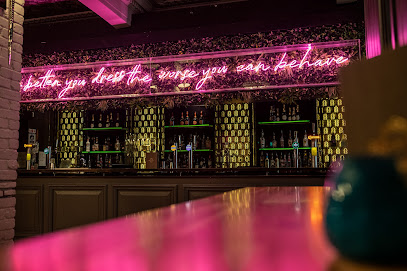
TROPICANA NEWCASTLE
22.6 km
Experience Newcastle’s vibrant nightlife at Tropicana, a lively nightclub blending cocktail sophistication with energetic club beats in the city’s heart.

Loca Loca | Newcastle
22.6 km
A compact, neon-lit nightclub on Groat Market serving late-night dance, chart and urban sets in an intimate city-centre setting.

For the vibe & atmosphere seeker
- Tranquil
- Scenic
- Unique
- Casual
For the design and aesthetic lover
- Rustic Designs
For the architecture buff
- Historic
- Landmarks
For the view chaser and sunset hunter
- Iconic Views
- Panoramas
For the social media creator & influencer
- Photo Spots
- Selfie Spots
- Architectural Shots
For the eco-conscious traveler
- Protected Area
- Public-Transport Accessible
- Leave-No-Trace Critical
- Locally Managed
For the kind of experience you’re after
- Cultural Heritage
- Photowalk
- Nature Escape
- Day Trip
- Weekend Getaway
For how adventurous you want the journey to be
- Easy Access
Location Audience
- Family Friendly
- Senior Friendly
- Child Friendly
- Teen Friendly
- Wheelchair Access
- Pet Friendly
- Solo Friendly
- Couple Friendly
- Solo Female Friendly


