Pont George Ⅳ, Edinburgh Travel Guide
George IV Bridge: Edinburgh’s historic elevated street linking Old Town charm with New Town vibrancy through stunning architecture and rich heritage.
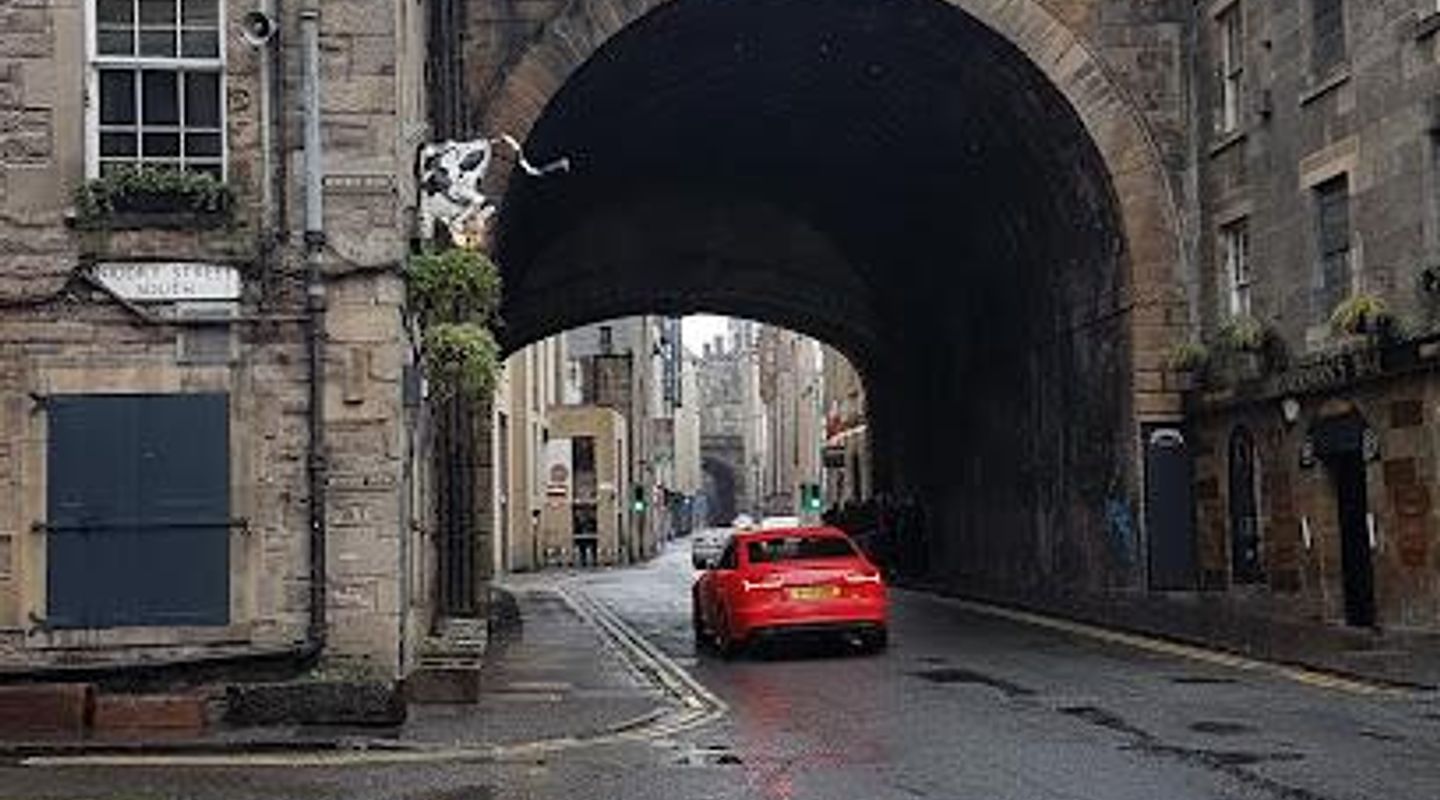
George IV Bridge is a prominent elevated street and bridge in central Edinburgh, completed in 1832 to connect the Old Town’s South Side with the New Town. Stretching about 300 metres, it spans the historic Cowgate and Merchant Street, supporting a vibrant urban corridor lined with important public buildings, libraries, bars, and cultural venues. Named after King George IV following his 1822 visit, the bridge is a key feature of Edinburgh’s architectural and civic landscape.
A brief summary to Pont George Ⅳ
- George IV Bridge, Edinburgh, GB
- Duration: 0.5 to 2 hours
- Free
-
 Outdoor
- Mobile reception: 5 out of 5

Know before you go
Hi, I'm Eve. Here are a few practical things to know before exploring Pont George Ⅳ.
- Look up to admire the neoclassical stonework and sculptures, especially near the National Library of Scotland.
- Visit in summer to experience cultural events held under the bridge’s arches during the Edinburgh Festival.
- Explore the Cowgate below for a contrasting perspective of Edinburgh’s layered urban history.
- Check out the statue of Greyfriars Bobby near Candlemaker Row at the southern end of the bridge.
Do you manage this location?
Take control to get all the benefits, like improved information, better appearance, and stronger visibility across AI-powered discovery. Learn more about listing your business on Evendo
Activate your presenceOther nearby places you may find interesting
The closest places of the same kind, if this one is not quite what you had in mind.
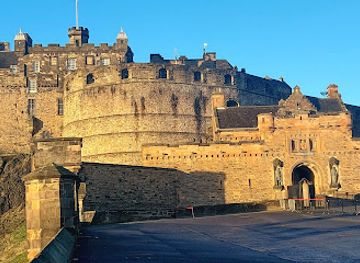


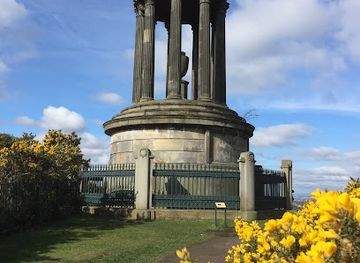
Explore Pont George Ⅳ on the Map
A handpicked selection of must-see spots near Pont George Ⅳ, mapped for you.
Getting There
-
Bus
Several Lothian Buses routes serve stops near George IV Bridge, including routes 3, 27, and 41, with travel times from Edinburgh city center ranging 5–15 minutes. Buses run frequently but may be busy during peak hours; single fares cost approximately £1.80.
-
Tram and Walking
Take the Edinburgh Tram to Princes Street stop, then enjoy a 10–15 minute walk downhill to George IV Bridge. The walk is on paved urban streets with some gentle slopes, suitable for most travelers.
-
Taxi or Rideshare
Taxis and rideshare services can reach George IV Bridge from central Edinburgh within 5–10 minutes depending on traffic. Fares typically range from £5 to £10.
-
Walking
From Edinburgh Waverley Station, a 15-minute walk via Market Street and the Royal Mile leads to George IV Bridge. The route is fully paved but includes some steps and slopes, so moderate mobility is recommended.
For the on-the-go comforts that matter to you
-
 Restrooms
-
 Drink Options
-
 Food Options
-
 Seating Areas
-
 Information Boards
Discover more about Pont George Ⅳ
Origins and Engineering of George IV Bridge
George IV Bridge was constructed between 1827 and 1832 as part of Edinburgh’s Improvement Act of 1827, designed by architect Thomas Hamilton. The bridge was conceived to provide a direct, linear connection from the South Side district to the New Town, spanning the deep valley carved by the Cowgate and Merchant Street. Measuring approximately 300 metres in length, it was built over a series of arches and vaults, creating a striking elevated street that integrates with the city’s medieval street pattern below. The foundation stone was laid in August 1827, and the bridge opened fully in 1836, transforming access and urban flow in Edinburgh’s historic core.Architectural and Urban Significance
The bridge’s design reflects early 19th-century neoclassical influences, with solid stone construction and elegant proportions. It replaced older, more convoluted routes and required the demolition of several historic closes and buildings, including the well-known John Dowie’s Tavern. Today, the bridge supports a bustling street lined with tall stone buildings housing important public institutions such as the National Library of Scotland and the Edinburgh Central Library, the latter funded by philanthropist Andrew Carnegie. The bridge’s elevated position offers views over the Cowgate’s narrow streets and the distant Arthur’s Seat.Cultural and Social Landscape Along the Bridge
George IV Bridge is not just a structural marvel but also a vibrant cultural artery. The street hosts a variety of bars, restaurants, and takeaways, alongside educational institutions like the ESL institute Wallace College and the Augustine United Church. The southern end connects to Candlemaker Row, home to the statue of Greyfriars Bobby, and Chambers Street, where the National Museum of Scotland stands. The former Elim Pentecostal Church has been repurposed as a public house, reflecting the area’s evolving social fabric.Historical Layers and Notable Events
The bridge’s history intertwines with Edinburgh’s broader urban development and social history. Named after King George IV following his 1822 visit, it symbolizes a period of civic pride and modernization. The construction led to the loss of historic tenements and the reshaping of the Old Town’s southern edge. Nearby, Melbourne Place, once home to the Royal Medical Society and various businesses, was demolished in the 1960s to accommodate council offices and later a hotel. Plaques and architectural details along the bridge recall these vanished layers, enriching the visitor’s understanding of Edinburgh’s complex past.Visual and Experiential Qualities
Walking along George IV Bridge, visitors experience a unique blend of elevated urban perspective and historic ambiance. The bridge’s arches and vaults create dramatic views both above and below, with glimpses of the Cowgate’s narrow streets and the distant skyline. The stone façades, intricate sculptures, and the interplay of light and shadow contribute to a distinctive atmosphere. The bridge is also a venue for cultural events, including performances under its arches during the summer festival season, adding to its lively character.Continuing Legacy and Modern Context
Today, George IV Bridge remains a vital part of Edinburgh’s cityscape, balancing its historic significance with contemporary urban life. It facilitates pedestrian and vehicular movement while hosting a mix of cultural, educational, and commercial activities. The bridge’s preservation and adaptive reuse of its buildings reflect ongoing efforts to maintain Edinburgh’s heritage while supporting a dynamic city environment. Its role as a connector—both physically and socially—continues to define its importance in the heart of Scotland’s capital.












Your all‑in‑one travel companion app
Explore expert travel guides, compare and book tours, experiences, hotels, and more—all from the palm of your hand. Download now for seamless trip planning wherever your wanderlust takes you.


Explore More of Edinburgh
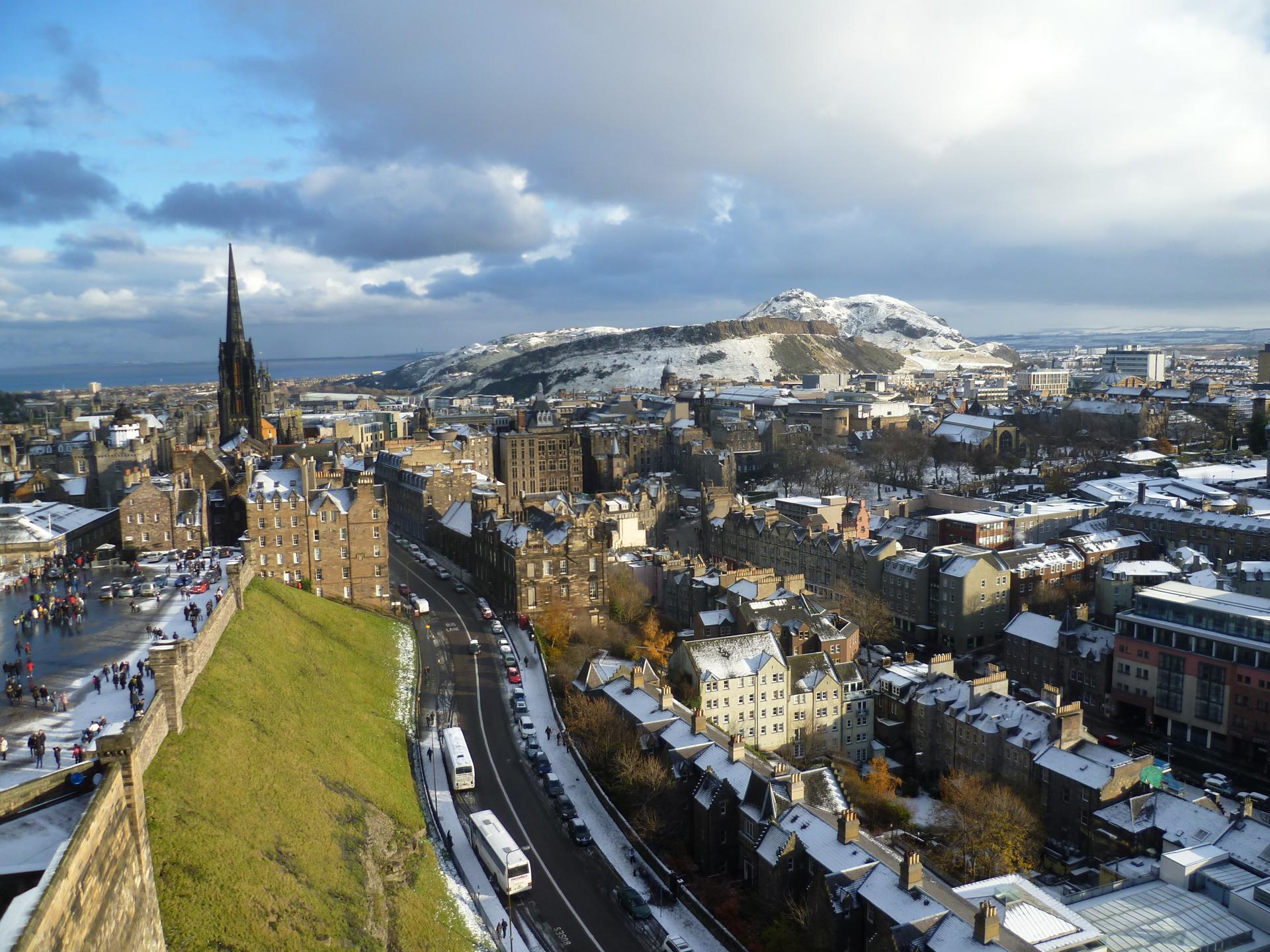
Looking beyond Pont George Ⅳ? Discover Edinburgh for broader travel guides, local hot-spots, and regional highlights.
Explore Edinburgh