
Old College, University of Edinburgh
Edinburgh's iconic neoclassical university building, crowned with the Golden Boy and steeped in Scottish Enlightenment heritage.
Old College stands as the iconic heart of the University of Edinburgh, a neoclassical masterpiece completed in 1827 on South Bridge. Designed by Robert Adam and finished by William Henry Playfair, this historic building features a distinctive golden dome topped with the celebrated Golden Boy sculpture. Home to one of Britain's oldest universities and a centerpiece of the Scottish Enlightenment, Old College remains a symbol of academic excellence and architectural grandeur in Edinburgh's Old Town.
A brief summary to The University of Edinburgh
- Old College, South Bridge, Edinburgh, EH8 9YL, GB
- +441316501000
- Visit website
- Duration: 0.75 to 2.5 hours
- Free
-
 Mixed
Mixed
- Mobile reception: 5 out of 5
Local tips
- Visit the courtyard during daylight hours to appreciate the neoclassical architecture and photograph the Golden Boy dome from below. The open quadrangle offers excellent sightlines and atmospheric views.
- Combine your visit with nearby attractions including McEwan Hall, the National Museum of Scotland, and the Royal Mile, all within easy walking distance in Edinburgh's Old Town.
- Check the university's official website for guided tour availability and any special events or exhibitions held within Old College, as access to certain areas may be restricted during academic activities.
- Arrive early in the morning or late afternoon to avoid peak student activity and enjoy a more contemplative experience of the historic spaces.
- Photograph the building from South Bridge and the surrounding streets to capture the Golden Boy dome against Edinburgh's skyline, particularly striking during golden hour.

For the on-the-go comforts that matter to you
- Restrooms
- Food Options
- Seating Areas
- Information Boards
- Visitor Center
Getting There
-
Walking from City Centre
From Edinburgh's Waverley Station or the Royal Mile, walk south along the High Street or Cockburn Street toward South Bridge. Old College is located directly on South Bridge in the heart of the Old Town. The walk takes approximately 10–15 minutes from the city centre. The building is easily accessible on foot with level pavements and clear signage marking the university entrance.
-
Public Transport (Bus)
Multiple bus routes serve South Bridge and the surrounding area, including services 2, 3, 5, 7, 8, 14, 29, 30, 33, 37, 45, and 47. Journey times from Waverley Station or Princes Street are typically 5–10 minutes depending on traffic. Single bus fares cost approximately £1.80–£2.00. Buses run frequently throughout the day, with reduced service on Sundays.
-
Taxi or Ride-Share
Taxis and ride-share services are readily available throughout Edinburgh. From Waverley Station or the airport, expect journey times of 5–15 minutes to Old College depending on traffic conditions. Typical taxi fares from the city centre range from £6–£12, while ride-share services charge similar rates with potential surge pricing during peak hours.
-
Parking (Limited)
Street parking on South Bridge and surrounding streets is extremely limited and subject to permit restrictions during weekday business hours. Several paid car parks operate nearby, including the Waverley Station car park (approximately 5 minutes' walk) and the Cowgate car park (approximately 10 minutes' walk), with hourly rates typically £2.50–£4.00. Parking is not recommended; public transport or walking is strongly advised.
The University of Edinburgh location weather suitability
-
 Any Weather
-
 Clear Skies
-
 Mild Temperatures
Discover more about The University of Edinburgh
A Monument to the Scottish Enlightenment
Old College represents the physical embodiment of the University of Edinburgh's rise to prominence during the Scottish Enlightenment. Founded in 1582 by Royal Charter of James VI, the university initially occupied rented accommodation throughout the city. It was not until the early nineteenth century that the institution acquired a purpose-built home worthy of its intellectual stature. The building stands on land that once held Kirk o'Field, a medieval church and hospital, creating a poignant historical continuity on a site of profound significance to Scottish history.Architectural Evolution and Design Transformation
The building's creation spans nearly four decades of architectural ambition and compromise. Robert Adam, the celebrated architect who shaped Edinburgh's New Town, drew up the original plans in the late eighteenth century. The foundation stone was laid on 16 November 1789 in a ceremony attended by over 30,000 people, marking the occasion as a major civic event. Adam envisioned an ambitious design featuring two square quadrangles in a figure-of-eight configuration, crowned by an ostentatious dome at the east entrance. However, his death in 1792 left the project incomplete, and funding constraints halted construction for nearly two decades. When work resumed in the early 1820s, architect William Henry Playfair inherited Adam's vision but adapted it pragmatically. To reduce costs and expedite completion, Playfair removed the central range to create a single rectangular courtyard and eliminated Adam's grand dome. His modifications, while economical, preserved the essential neoclassical character of the building, which was finally completed in 1827.The Golden Boy and Later Embellishments
The building's most recognizable feature arrived later. In the mid-nineteenth century, architect Robert Rowand Anderson added a new dome to the east entrance, designed by himself and topped with a gilded bronze statue popularly known as the Golden Boy. Sculpted by John Hutchison, this figure represents Youth holding the torch of Enlightenment, embodying the dual principles upon which the university was founded. The dome's stonework remains visibly distinct in colour and texture from the original construction, a testament to its later addition. This iconic sculpture has become one of Edinburgh's most recognizable skyline features, visible across the city's historic core.Significance Within the University and City
Old College occupies a central place in Edinburgh's academic and cultural landscape. The University of Edinburgh grew to become a beacon of intellectual achievement, prompting French philosopher Voltaire to declare that "we look to Scotland for all our ideas of civilization." The university library, now the largest in Scotland with over two million items, traces its origins to a collection begun in 1580. The institution expanded significantly in the nineteenth century, adding the Medical School in 1875 and the magnificent McEwan Hall in 1880, yet Old College remains the symbolic and historical core of the university.The Building's Enduring Character
Today, Old College continues to serve as the administrative and ceremonial heart of the University of Edinburgh. Its neoclassical facades, elegant courtyards, and historic interiors reflect centuries of Scottish academic tradition. The building bridges the ambitions of Robert Adam with the practical wisdom of William Henry Playfair, creating a harmonious whole that transcends its complex construction history. Visitors encounter not merely a university building but a tangible expression of Enlightenment ideals, architectural evolution, and Edinburgh's transformation into a centre of learning and culture.Iconic landmarks you can’t miss

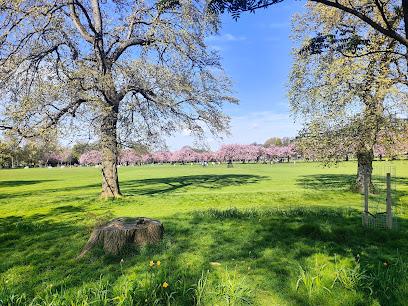
Meadows Compass
0.3 km
A serene landmark at the heart of Edinburgh’s beloved green space, blending history, community, and nature.
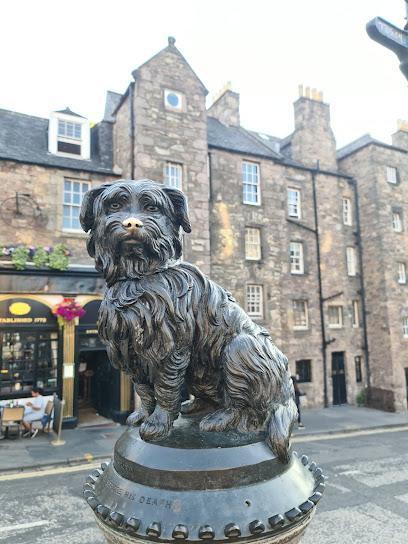
Greyfriars Bobby Statue
0.3 km
Discover the heartwarming tale of Greyfriars Bobby, Edinburgh’s beloved loyal Skye Terrier immortalized in bronze near Greyfriars Kirkyard.
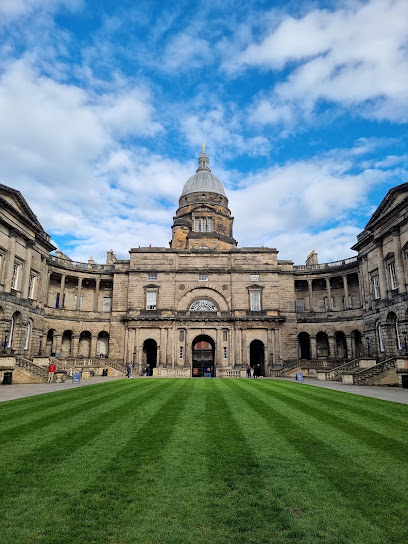
Old College, The University of Edinburgh
0.3 km
Iconic 18th-century classical quadrangle housing Edinburgh Law School and University administration in the heart of Edinburgh’s Old Town.
Pont George Ⅳ
0.4 km
Historic elevated street and bridge connecting Edinburgh’s South Side to Old and New Towns, rich in architecture, culture, and city views.
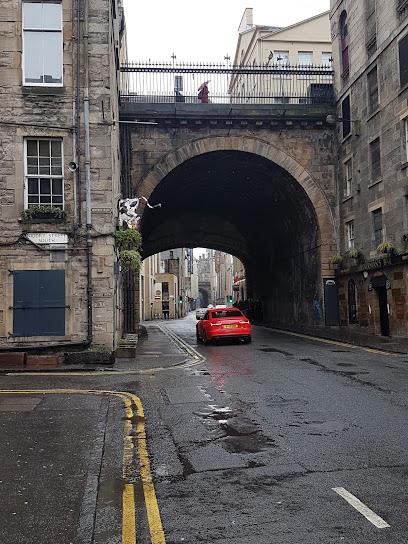
George IV Bridge
0.4 km
Historic elevated street connecting Old Town to the South Side, lined with Victorian architecture and cultural institutions.
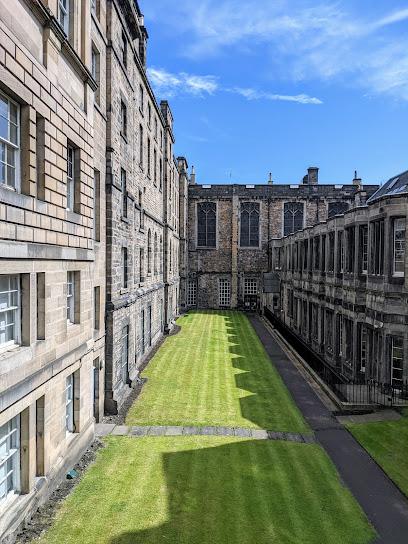
Old and New Towns of Edinburgh UNESCO
0.5 km
Discover Edinburgh’s UNESCO World Heritage Site where medieval charm meets Georgian elegance in a stunning urban landscape.
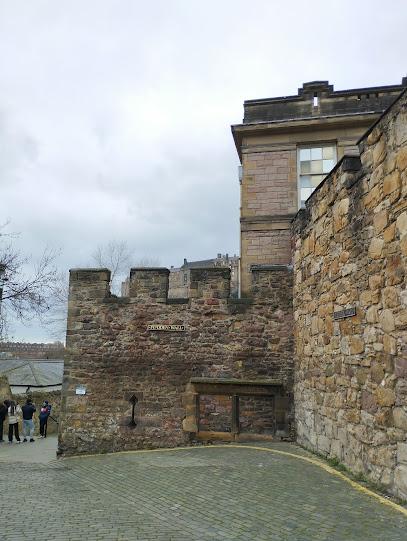
Flodden Wall
0.5 km
Explore Edinburgh’s medieval Flodden Wall, a historic sandstone fortification built after 1513 to protect the city and shape its iconic Old Town skyline.
Barrie's Close
0.5 km
Explore Barrie's Close, a historical landmark in Edinburgh that reveals the city's rich heritage through its captivating architecture and stories.
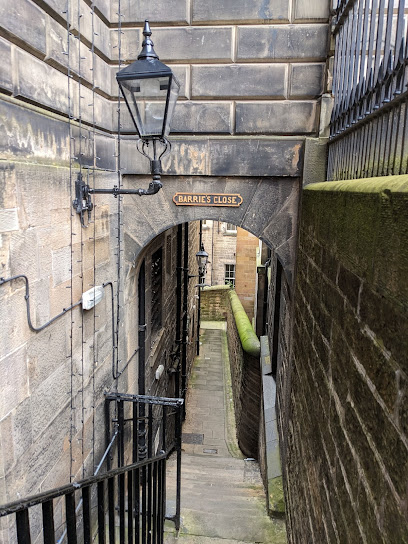
Uncovered Edinburgh
0.6 km
Discover the untold stories of Edinburgh's rich history and vibrant culture at Uncovered Edinburgh, a must-visit tourist attraction in Scotland's capital.
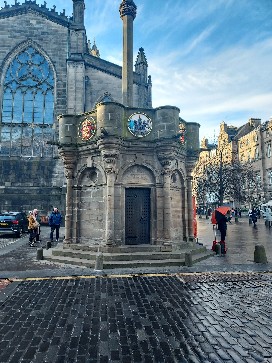
1 Parliament Sqr
0.6 km
Explore Edinburgh’s Parliament Square, a historic nexus of Scottish law, politics, and culture nestled beside the iconic St Giles’ Cathedral.
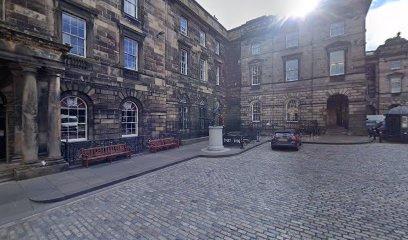
Heritage of Edinburgh
0.6 km
Discover authentic Scottish souvenirs, clothing, and gifts at Heritage of Edinburgh, a must-visit shop for tourists seeking a piece of Scotland.
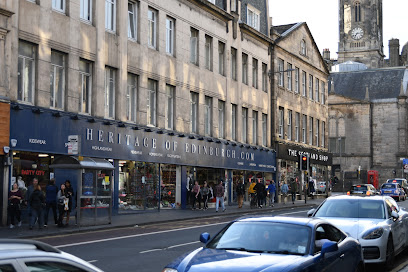
St Giles' Cathedral
0.6 km
Discover the architectural beauty and historical significance of St Giles' Cathedral, a must-visit landmark in the heart of Edinburgh.
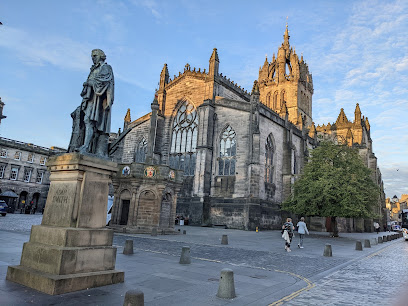
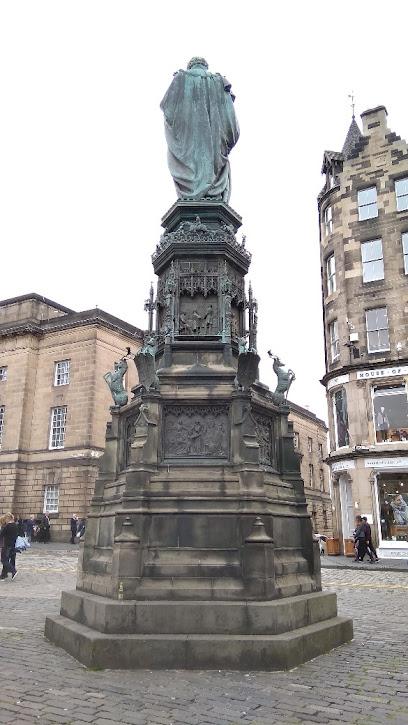
Statue Of Fifth Duke Of Buccleuch
0.6 km
Explore the historical beauty of Edinburgh with a visit to the Statue of the Fifth Duke of Buccleuch, a remarkable sculpture steeped in Scottish heritage.
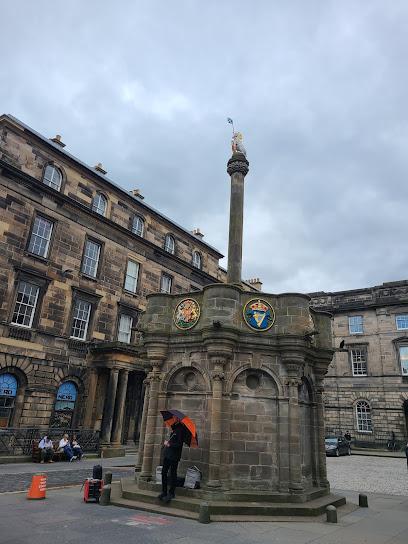
Mercat Cross
0.6 km
Edinburgh’s Mercat Cross: centuries-old market hub and ceremonial heart of the city’s royal proclamations and civic life.
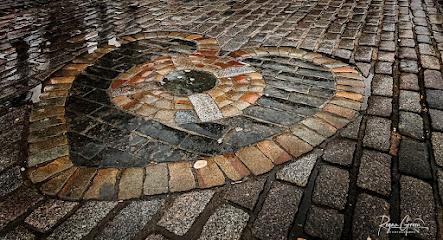
Heart of Midlothian Mosaic
0.6 km
Discover Edinburgh’s iconic Heart of Midlothian mosaic—a historic symbol of justice, tradition, and local lore on the Royal Mile.
Unmissable attractions to see

George Square
0.0 km
Historic Georgian square blending academic heritage, tranquil gardens, and vibrant culture in the heart of Edinburgh.
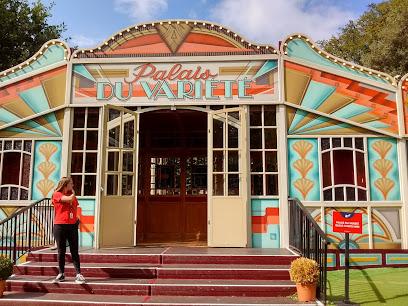
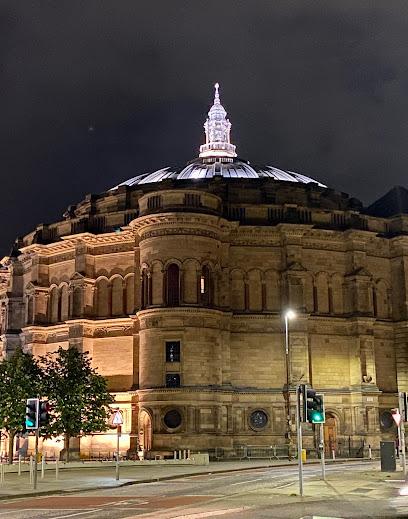
McEwan Hall, The University of Edinburgh
0.1 km
Discover the grandeur of McEwan Hall, a historic auditorium in Edinburgh that hosts cultural events and celebrates the city's rich heritage.
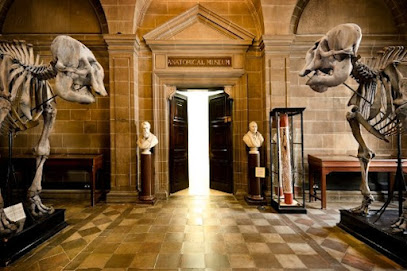
The Anatomical Museum, The University of Edinburgh
0.1 km
Explore Edinburgh’s rich medical heritage through rare anatomical specimens and historic teaching collections in a unique university museum.
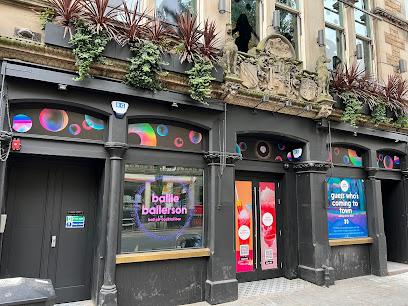
Ballie Ballerson
0.2 km
Experience the vibrant nightlife of Edinburgh at Ballie Ballerson, where cocktails and camaraderie come together in a whimsical pub setting.
Söderberg The Meadows
0.2 km
Experience authentic Swedish pastries and artisanal sourdough delights in a cozy Edinburgh café near the university.
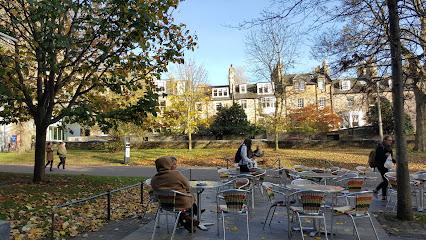
56 North
0.3 km
Discover the vibrant cocktail scene at 56 North in Edinburgh, where expertly crafted drinks and a welcoming atmosphere await.
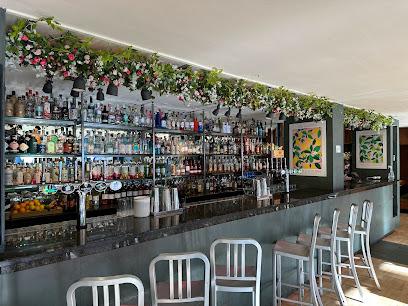
Greyfriars Kirkyard Cemetery Edinburgh
0.3 km
Historic Edinburgh cemetery famed for Covenanters, Greyfriars Bobby, haunting tales, and Harry Potter inspirations.
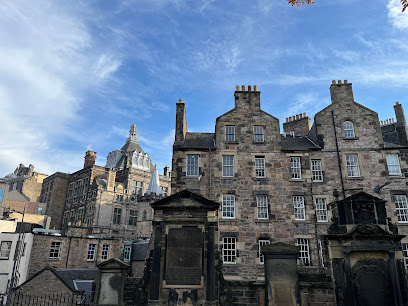
National Museum of Scotland
0.3 km
Explore Scotland’s rich heritage and global stories in this vast, family-friendly museum at Edinburgh’s cultural heart.
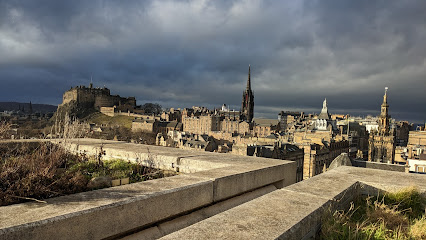
City Of The Dead Tours
0.3 km
Explore Edinburgh's haunted vaults and graveyards with expert guides blending history, atmosphere, and dark storytelling.
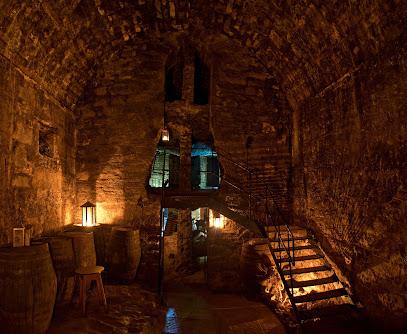
Greyfriars Bobby's Bar
0.3 km
Experience Edinburgh’s legendary loyalty tale at Greyfriars Bobby’s Bar, a historic pub serving real ales and classic Scottish hospitality.
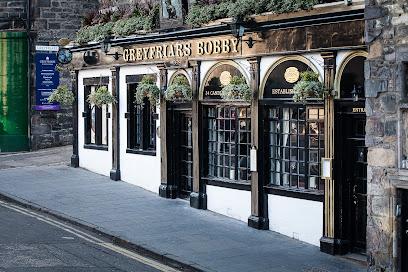
Talbot Rice Gallery, The University of Edinburgh
0.3 km
Explore cutting-edge contemporary art within the historic grandeur of Edinburgh University’s Old College at Talbot Rice Gallery.
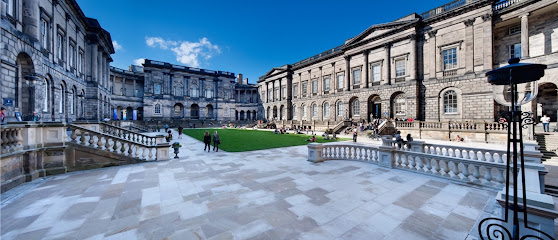
Surgeons' Hall Museums
0.3 km
Discover Edinburgh’s rich surgical history and groundbreaking medical collections in the award-winning Surgeons' Hall Museums.
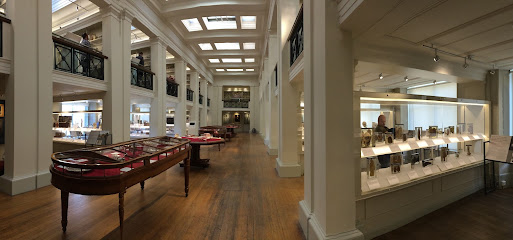
Thomas Riddell's Grave
0.4 km
Discover the grave that inspired Lord Voldemort’s name in Edinburgh’s historic Greyfriars Kirkyard, a must-visit for Harry Potter fans and history enthusiasts alike.
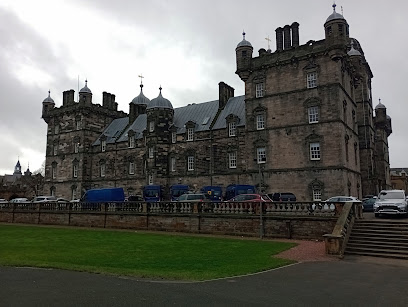
The Three Sisters
0.4 km
Experience a lively blend of Scottish hospitality, vibrant live music, and delicious food at The Three Sisters in Edinburgh's Cowgate.
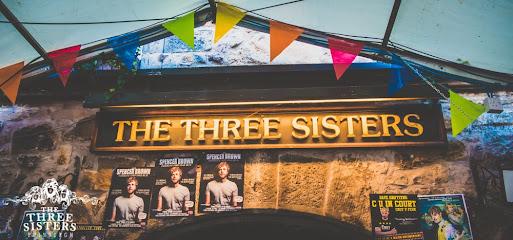
Stramash
0.5 km
Edinburgh’s vibrant live music venue with nightly bands, late-night dancing, and Scotland’s largest HD sports screen in a unique historic setting.
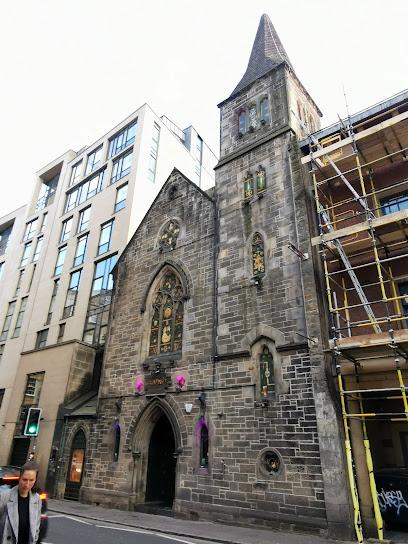
Essential places to dine

MUMS Great Comfort Food
0.2 km
Hearty Scottish comfort food served all day in a cozy diner setting with vegan options and locally sourced ingredients.
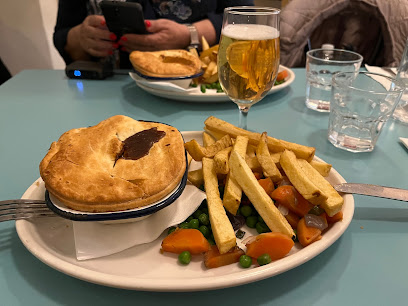
The Cellar Door
0.4 km
Discover modern Scottish cuisine in a cozy, historic underground setting beneath George IV Bridge in Edinburgh’s Old Town.
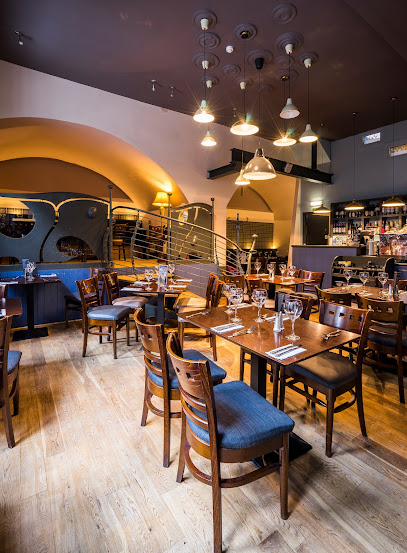
Divino Enoteca Italian Restaurant & Wine Bar
0.4 km
Elegant Italian dining and wine bar in Edinburgh’s Old Town, blending authentic flavors with a cozy, romantic ambiance.
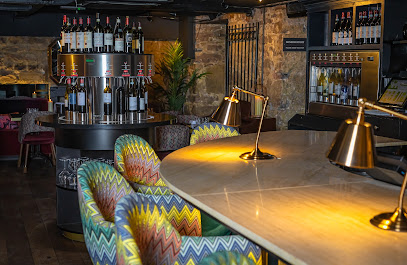
Under The Stairs
0.4 km
Discover Edinburgh’s cozy underground gem blending rustic charm, creative plates, and vibrant cocktails beneath George IV Bridge.
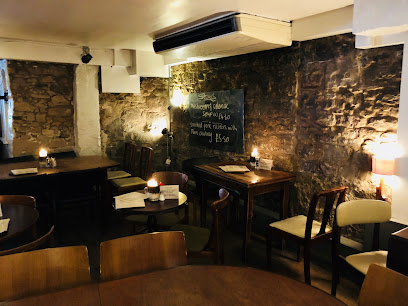
The Outsider Restaurant
0.4 km
Savor creative European cuisine with unbeatable Edinburgh Castle views in a lively, modern setting on George IV Bridge.
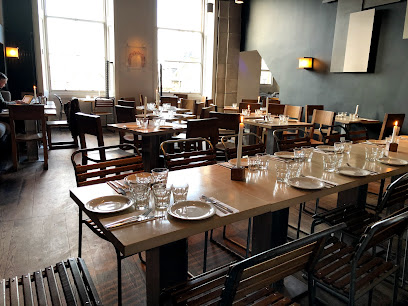
tapas3
0.4 km
Authentic Spanish tapas with generous portions and warm hospitality in Edinburgh’s charming Southside neighborhood.
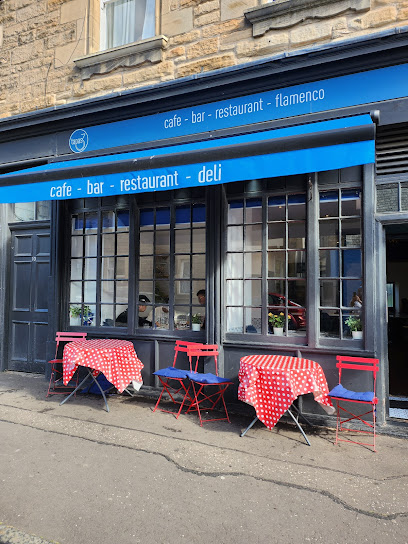
Ondine Restaurant
0.5 km
Edinburgh’s stylish seafood haven offering sustainable shellfish, fresh oysters, and elegant dining in a vibrant Old Town setting.
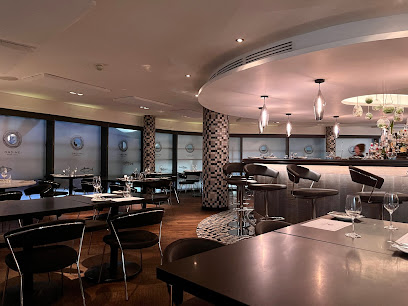
Howies Restaurant
0.6 km
Historic charm meets fresh Scottish flavors on Edinburgh’s iconic Victoria Street, offering seasonal dishes in a warm, relaxed setting.
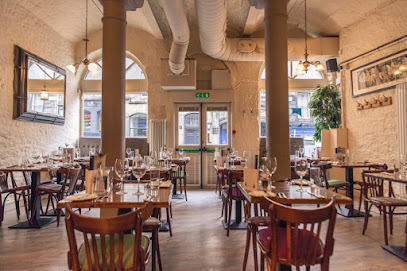
Maison Bleue
0.6 km
French-Moroccan dining in a historic Old Town setting with striking design and exceptional value.
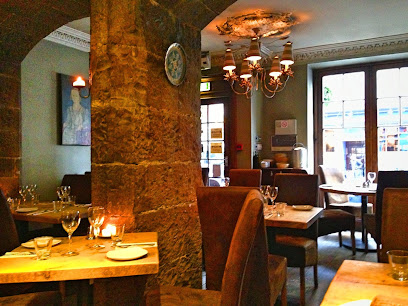
The Piper's Rest
0.6 km
Experience authentic Scottish hospitality with hearty fare, craft drinks, and nightly live music in Edinburgh’s historic Old Town.
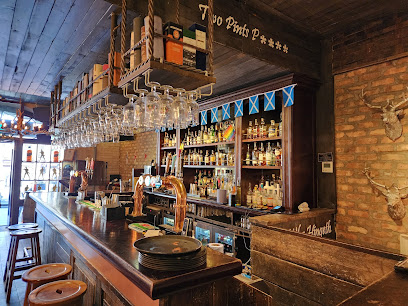
Beehive Inn
0.6 km
Historic pub and vibrant entertainment venue in Edinburgh’s Grassmarket, blending traditional Scottish charm with lively dining and comedy events.
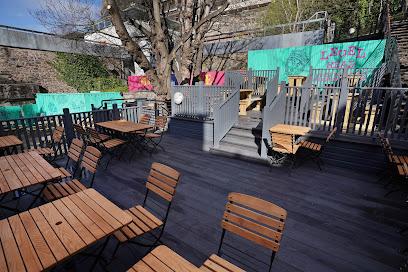
Angels with Bagpipes
0.6 km
Innovative Scottish small plates and seasonal delights in a cozy Old Town setting on Edinburgh’s historic Royal Mile.
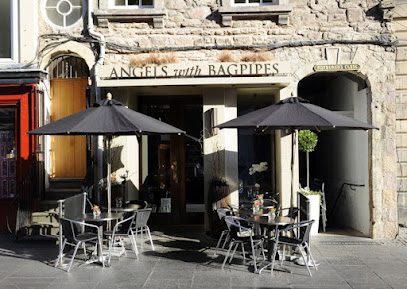
The Witchery by the Castle
0.6 km
A sumptuous gothic retreat on Edinburgh’s Royal Mile, blending historic grandeur with romantic luxury and award-winning Scottish cuisine.
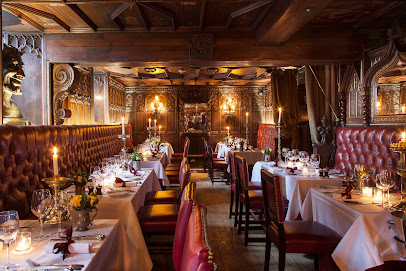
Amber Restaurant
0.6 km
Experience Scotland’s finest seasonal cuisine expertly paired with over 550 whiskies in the warm, amber-lit heart of Edinburgh’s Royal Mile.
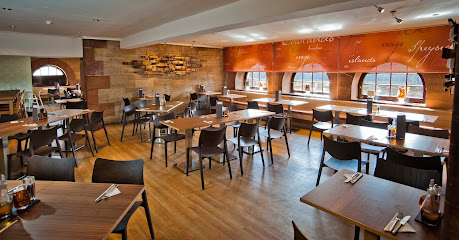
Makars Mash Bar
0.6 km
Scotland's beloved mash bar where premium Scottish meats meet nine distinctive potato creations.
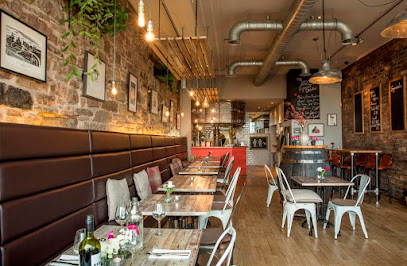
Markets, malls and hidden boutiques

The Enchanted Galaxy
0.4 km
A magical emporium in Edinburgh blending fandom treasures with Scottish charm for a unique shopping adventure.
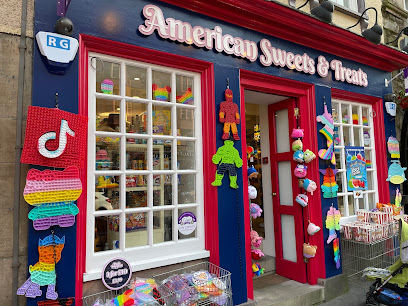
Galaxy
0.4 km
Discover a magical world of Harry Potter collectibles, pop culture treasures, and unique gifts in the heart of Edinburgh’s Old Town.
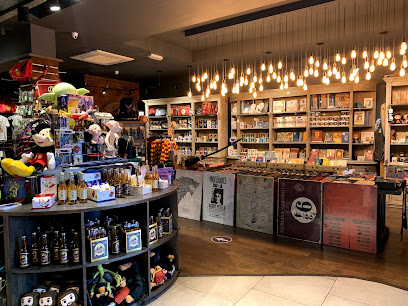
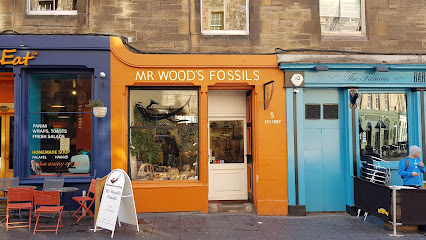
Mr Wood's Fossils
0.5 km
Discover rare fossils, minerals, and meteorites in Edinburgh’s iconic shop founded by legendary fossil hunter Stan Wood.
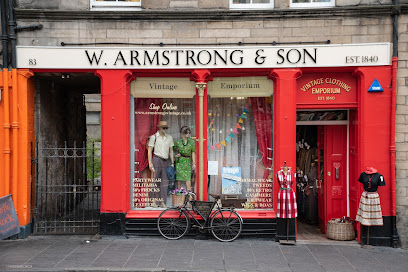
Armstrongs Vintage
0.5 km
Edinburgh's iconic vintage emporium in Grassmarket, brimming with bohemian dresses, chunky knits, and timeless treasures from decades past.
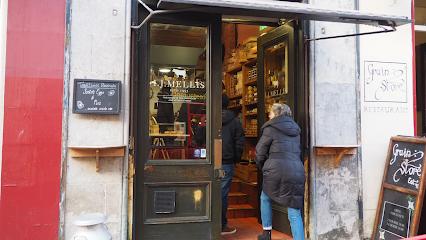
I.J. Mellis Cheesemonger Victoria Street
0.5 km
Edinburgh's iconic artisan cheese shop where small-scale makers meet passionate consumers on the city's most storied street.
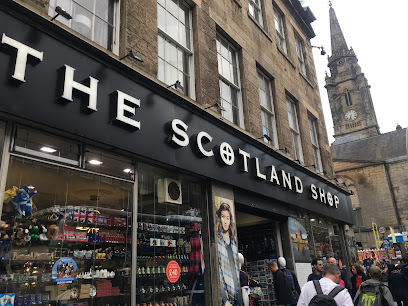
The Scotland Shop
0.6 km
Discover authentic Scottish tartans, bespoke kilts, and heritage gifts at The Scotland Shop in Edinburgh’s historic South Bridge.
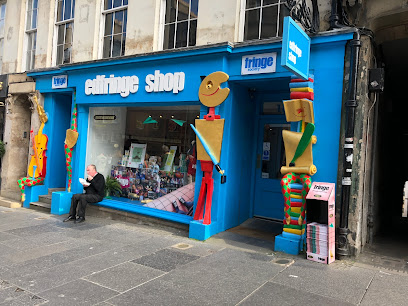
Fringe Shop
0.6 km
Official Edinburgh Festival Fringe Shop on the Royal Mile offering unique festival merchandise and cultural connection year-round.
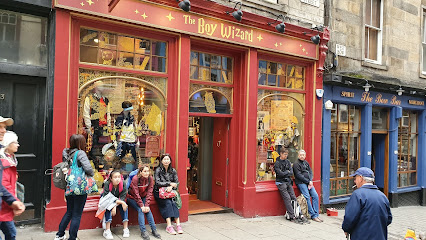
Scottish Experience
0.6 km
Explore the essence of Scotland with unique gifts and authentic souvenirs at the Scottish Experience in Edinburgh.
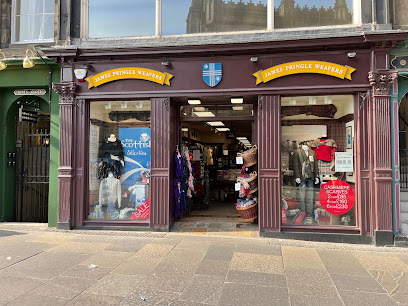
James Pringle Weavers of Inverness
0.6 km
Discover authentic Scottish textiles and menswear steeped in heritage on Edinburgh’s iconic Royal Mile.
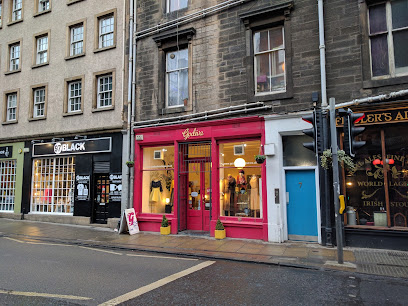
Godiva
0.6 km
Discover Edinburgh’s premier independent boutique blending vintage treasures with ethical, locally designed fashion in the heart of Grassmarket.
Olde Edinburgh
0.6 km
Independent Scottish gift shop on historic Lawnmarket, specializing in authentic local crafts and traditional shortbread.
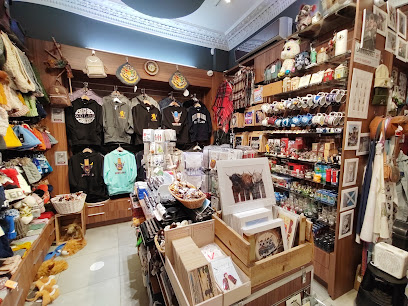
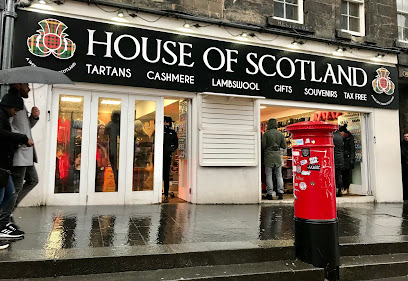
House of Scotland
0.6 km
Explore authentic Scottish gifts and souvenirs at the House of Scotland, located on the historic Royal Mile in Edinburgh.
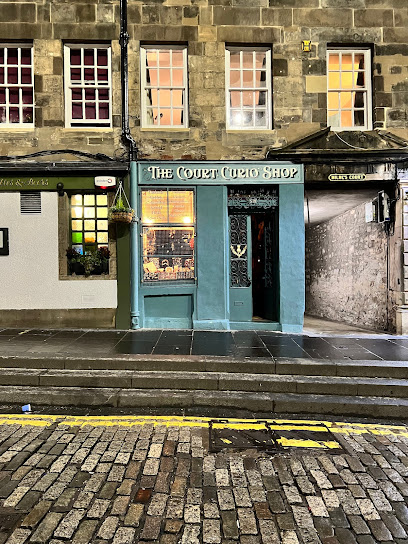
The Court Curio Shop
0.6 km
Discover unique Scottish gifts and artisan jewellery in the heart of Edinburgh’s historic Royal Mile at The Court Curio Shop.
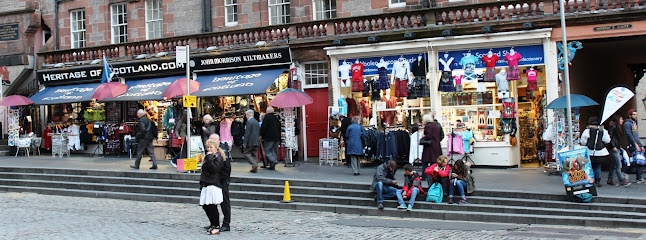
Heritage of Scotland
0.6 km
Discover authentic Scottish kilts, tartans, and treasures on Edinburgh's Lawnmarket, where Highland heritage meets Royal Mile magic in a shopper's delight.
I Love Scotland
0.6 km
Discover affordable, authentic Scottish souvenirs and gifts in the heart of Edinburgh at I Love Scotland on Bank Street.
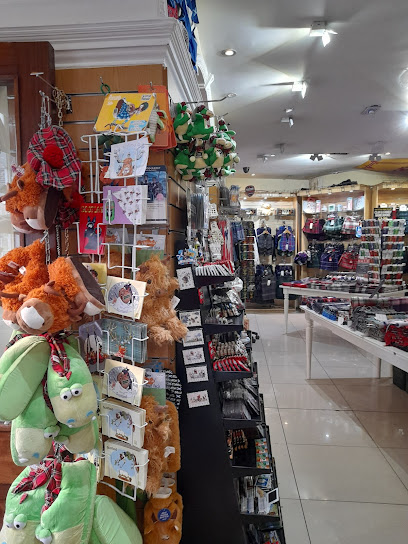
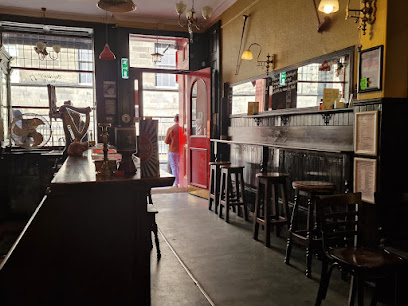
Essential bars & hidden hideouts

Captain's Bar
0.3 km
Historic Edinburgh pub with daily live Scottish folk music, local ales, and a warm, intimate atmosphere steeped in tradition.
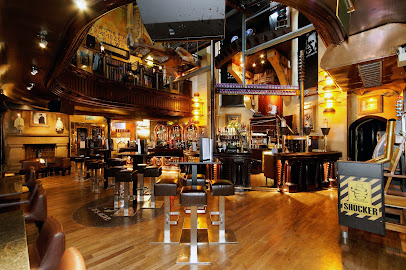
Frankenstein
0.4 km
Step into the gothic world of Mary Shelley’s Frankenstein in a unique bar set within a historic church on Edinburgh’s iconic George IV Bridge.
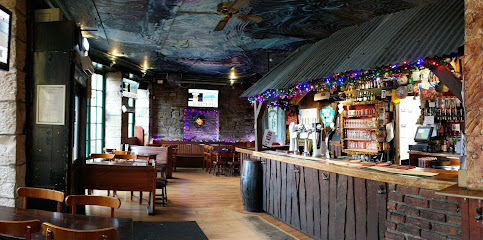
The Oz Bar
0.4 km
A lively, affordable pub in Edinburgh’s city center with friendly staff, Australian flair, pool tables, and a relaxed, welcoming atmosphere.
The Wee Pub - The Smallest Pub in Scotland
0.5 km
Discover Scotland’s smallest pub in Edinburgh’s Grassmarket—a cosy, whisky-rich haven perfect for intimate gatherings and private celebrations.
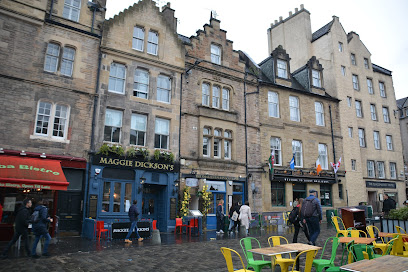
The Bow Bar
0.5 km
A historic Old Town pub famed for its vast whisky selection, traditional ales, and authentic Scottish atmosphere.
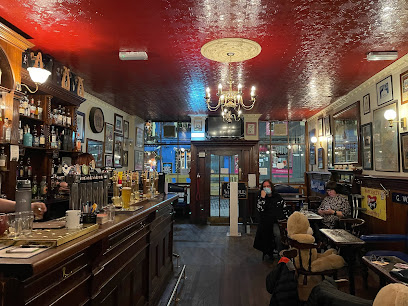
The Banshee Labyrinth
0.6 km
Discover Scotland’s most haunted pub, a labyrinth of eerie vaults and lively entertainment beneath Edinburgh’s Old Town.
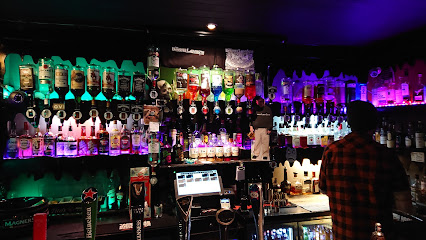
Copper Still
0.6 km
Cozy Royal Mile retreat dishing fresh Scottish eats and drams amid buskers and historic vibes – from breakfast brekkie to late-night cocktails.
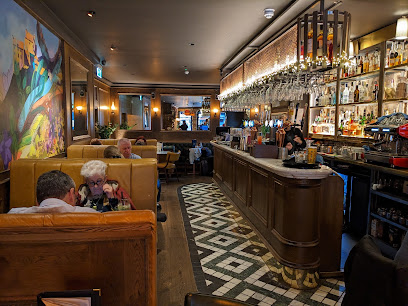
Deacon Brodies Tavern
0.6 km
Historic Royal Mile pub channeling Deacon Brodie's Jekyll-and-Hyde legacy with cask ales, hearty pies, and Old Town buzz—perfect for ale lovers and tale seekers.
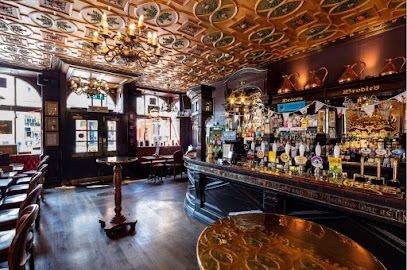
Whistlebinkies
0.6 km
Edinburgh’s legendary underground live music bar offering free entry, vibrant bands, and a cozy vaults atmosphere every night until the early hours.
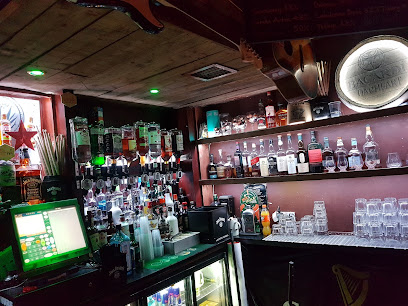
The Jolly Judge
0.6 km
A cozy, historic Scottish pub nestled in Edinburgh’s Old Town, famed for malt whiskies, real ales, and timeless hospitality just minutes from the Castle.

Arcade Bar Haggis & Whisky House, celebrating 20 years of serving The Best Haggis in Town!
0.7 km
Cozy Edinburgh bar serving renowned haggis and over 100 whiskies in a warm, traditional Scottish setting with hearty portions and friendly vibes.
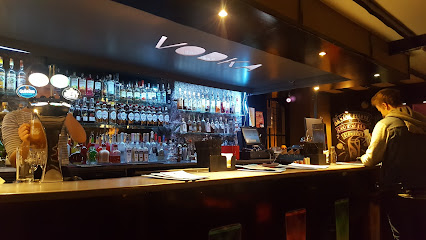
Dragonfly
0.7 km
Edinburgh’s oldest cocktail bar blending historic charm with innovative mixology in a cozy, lively setting.
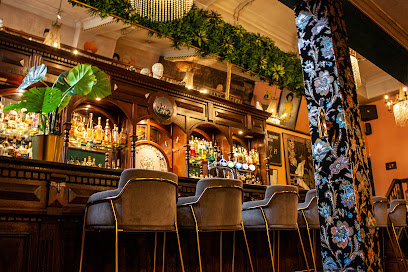
Royal Mile Tavern
0.7 km
Traditional Scottish pub on Edinburgh’s historic Royal Mile with over 100 whiskies, hearty fare, and nightly live music until 1am.
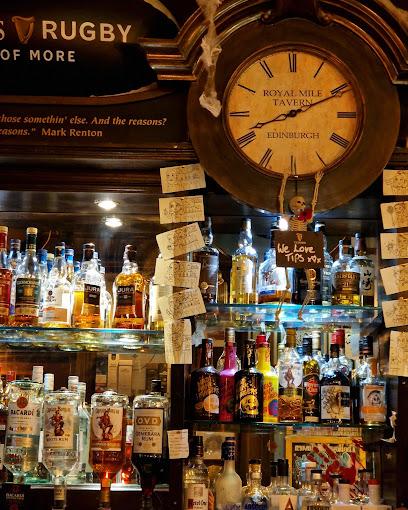
Whiski Bar & Restaurant
0.7 km
A cosy Royal Mile whisky bar with 300+ Scotch malts, hearty Scottish food and nightly live music in Edinburgh’s Old Town.
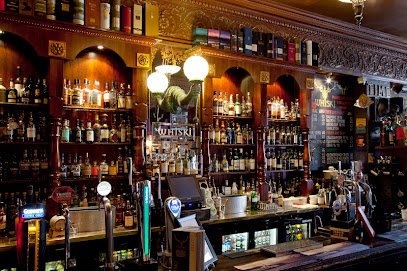
The Argyle and Cellar Bar
0.7 km
A vibrant Edinburgh pub with cozy cellar music, quality ales, and a welcoming atmosphere in the heart of Argyle Place.
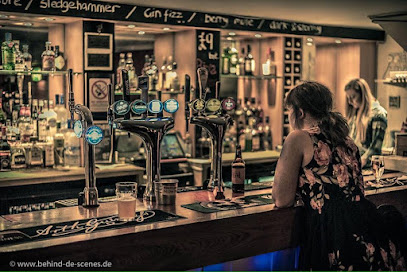
Nightclubs & after hour spots

Legends
0.4 km
Edinburgh’s only 24/7 rock nightclub, Legends pulses with raw energy and live alternative music in the heart of Cowgate.
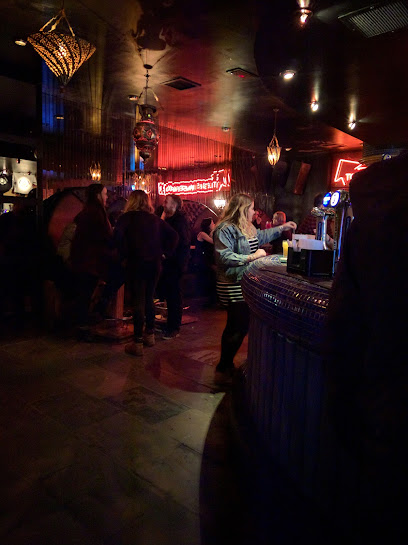
Sneaky Pete's
0.4 km
Intimate live music and club nights in Edinburgh’s Old Town, where emerging talent meets vibrant nightlife.
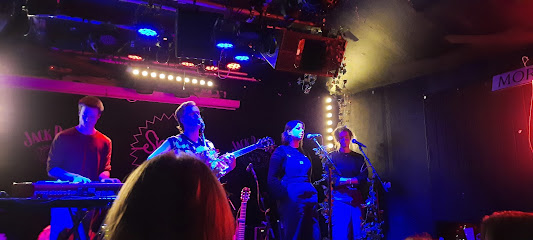
The Mash House
0.4 km
A vibrant Edinburgh nightclub and live music venue blending folk, electronic, and techno in a lively, casual setting.
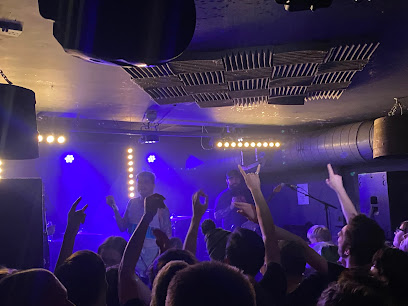
The Bongo Club
0.4 km
Edinburgh’s underground hotspot blending eclectic music, live art, and a vibrant late-night scene in the historic Old Town.
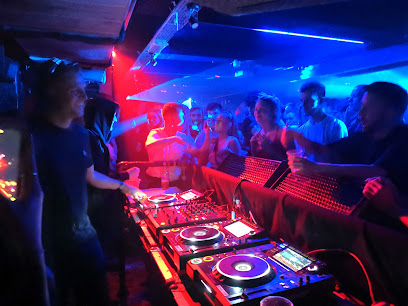
La Belle Angele
0.5 km
Edinburgh’s intimate nightclub and live music venue blending historic charm with vibrant themed nights and diverse performances.
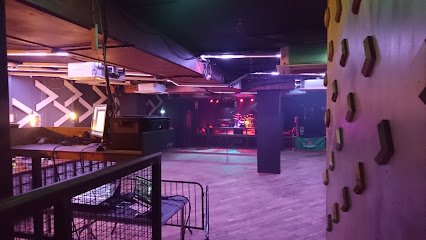
Cabaret Voltaire
0.5 km
Vaulted live-music rooms and a relaxed upstairs bar—Cabaret Voltaire is Edinburgh’s atmospheric hub for alternative gigs and late-night clubbing.
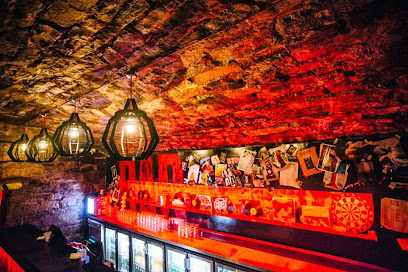
The Liquid Room
0.5 km
Edinburgh's multi-level nightlife gem: techno thumps, live gigs, and warehouse vibes on historic Victoria Street.
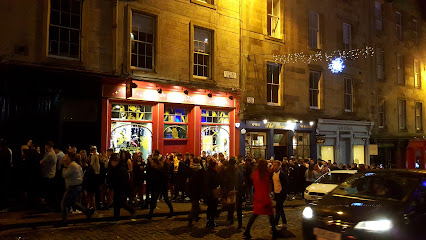
The Hive Nightclub & Venue
0.6 km
Edinburgh's gritty Cowgate nightclub: cheap drinks, multi-room beats, and non-stop energy until 3am in the heart of Old Town.
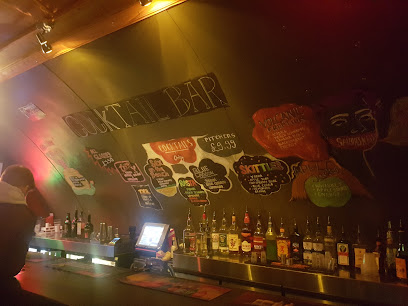
El Barrio Latino
1.1 km
Edinburgh's sizzling Latin nightclub where salsa beats pulse through New Town nights, drawing dancers to its vibrant Hanover Street heart until the early hours.
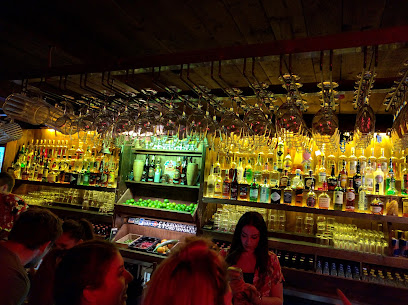
Shanghai Nightclub
1.1 km
Edinburgh's Oriental nightlife den: Asian decor, themed beats, VIP vibes, and non-stop energy on George Street.
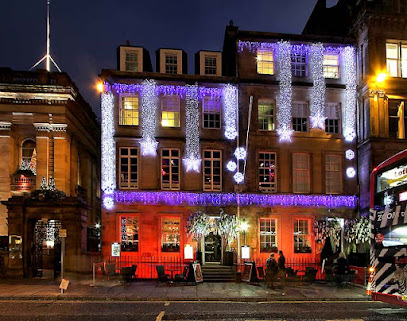
Why Not Nightclub
1.1 km
Edinburgh's multi-award-winning late-night haven with LED immersion, garden vibes, and non-stop beats on George Street.
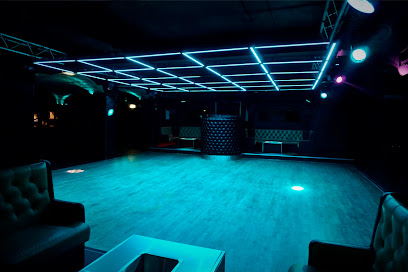
Club Tropicana
1.1 km
Experience Edinburgh’s vibrant retro nightlife with classic disco hits and lively dance floors at Club Tropicana on Lothian Road.
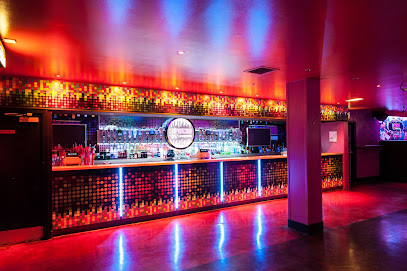
The Shack Retro Bar & Club
1.1 km
Edinburgh's retro dance den blasting 60s-90s hits amid quirky decor and sweaty dance floors—pure nostalgic escapism on Rose Street.
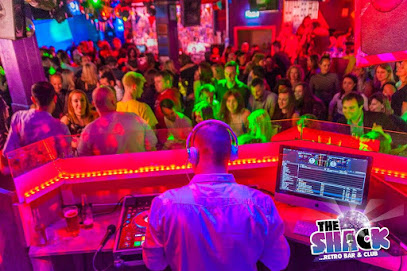
Opal Lounge
1.2 km
A stylish live music bar and nightclub in Edinburgh’s New Town, perfect for celebrations and vibrant nightlife.
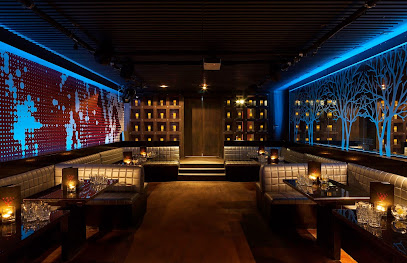
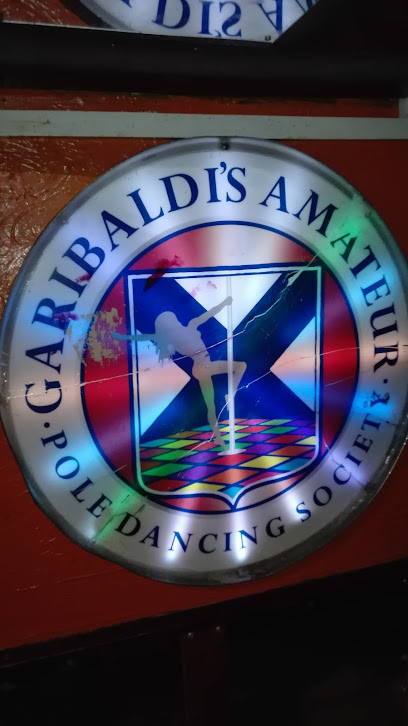
Garibaldi's
1.2 km
Edinburgh's tiniest nightclub packs the biggest late-night punch on Hanover Street, with killer margaritas and a dance floor that never quits till 3am.
For the vibe & atmosphere seeker
- Scenic
- Unique
- Romantic
- Entertaining
For the design and aesthetic lover
- Minimalist Designs
- Modern Designs
For the architecture buff
- Historic
- Landmarks
- Art & Design
- Heritage Neighborhoods
For the view chaser and sunset hunter
- Iconic Views
- Panoramas
- Skyline
For the social media creator & influencer
- Instagrammable
- Photo Spots
- Architectural Shots
- Aesthetic Corners
For the eco-conscious traveler
- Protected Area
- Locally Managed
For the kind of experience you’re after
- Cultural Heritage
- Photowalk
- Day Trip
- Myth & Legends
For how adventurous you want the journey to be
- Easy Access
Location Audience
- Family Friendly
- Solo Friendly
- Couple Friendly
- Senior Friendly
- Wheelchair Access
- Child Friendly
- Teen Friendly


