Peasholme Grn, Leeds Travel Guide
Free Guide: Historic Peasholme Green in York blends medieval market heritage, iconic pubs, and vibrant cultural life in a unique urban setting.


A brief summary of Peasholme Grn
Historic Peasholme Green in York blends medieval market heritage, iconic pubs, and vibrant cultural life in a unique urban setting.
Peasholme Green in York is a historic open space known for its rich medieval heritage, former markets, and notable buildings like the Black Swan pub. Once the site of the All Saints Church and a bustling wool and hay market, it remains a vibrant area blending history with local culture in the heart of York.
On-site amenities
 Restrooms
 Drink options
 Food options
 Seating areas
 Information boards
- Address
- York
Getting there
Bus
Walking
Taxi
Discover more about Peasholme Grn
Origins and Medieval Significance
Peasholme Green traces its roots back to the medieval period, originally a water meadow used for growing peas, which gave the area its name. It was the site of the Church of All Saints, first mentioned in documents from the early 12th century. This church served the community until its closure by an act of Parliament in 1586, after which it was partially demolished and the site gradually transformed. The former churchyard became integrated into Peasholme Green, which evolved into a key commercial area within York, strategically positioned with good transport links via Layerthorpe.
The Market Legacy and Urban Development
From the late 16th century, Peasholme Green became synonymous with fairs and markets, particularly the wool market established by the corporation in 1708. The wool was weighed here and tolls collected, making it a bustling trade hub well into the 19th century. The hay market was relocated to the former All Saints churchyard in 1827, further cementing Peasholme Green’s role as a focal point for commerce. Over time, the area developed a diverse built environment with multiple architectural styles reflecting its evolving functions.
The Black Swan: A Historic Landmark
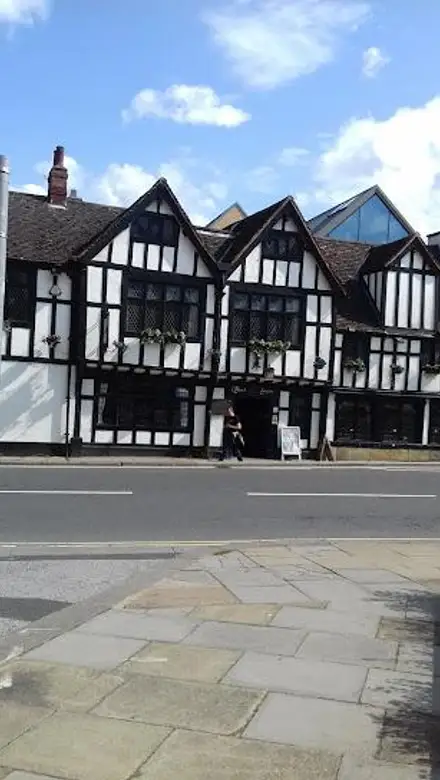
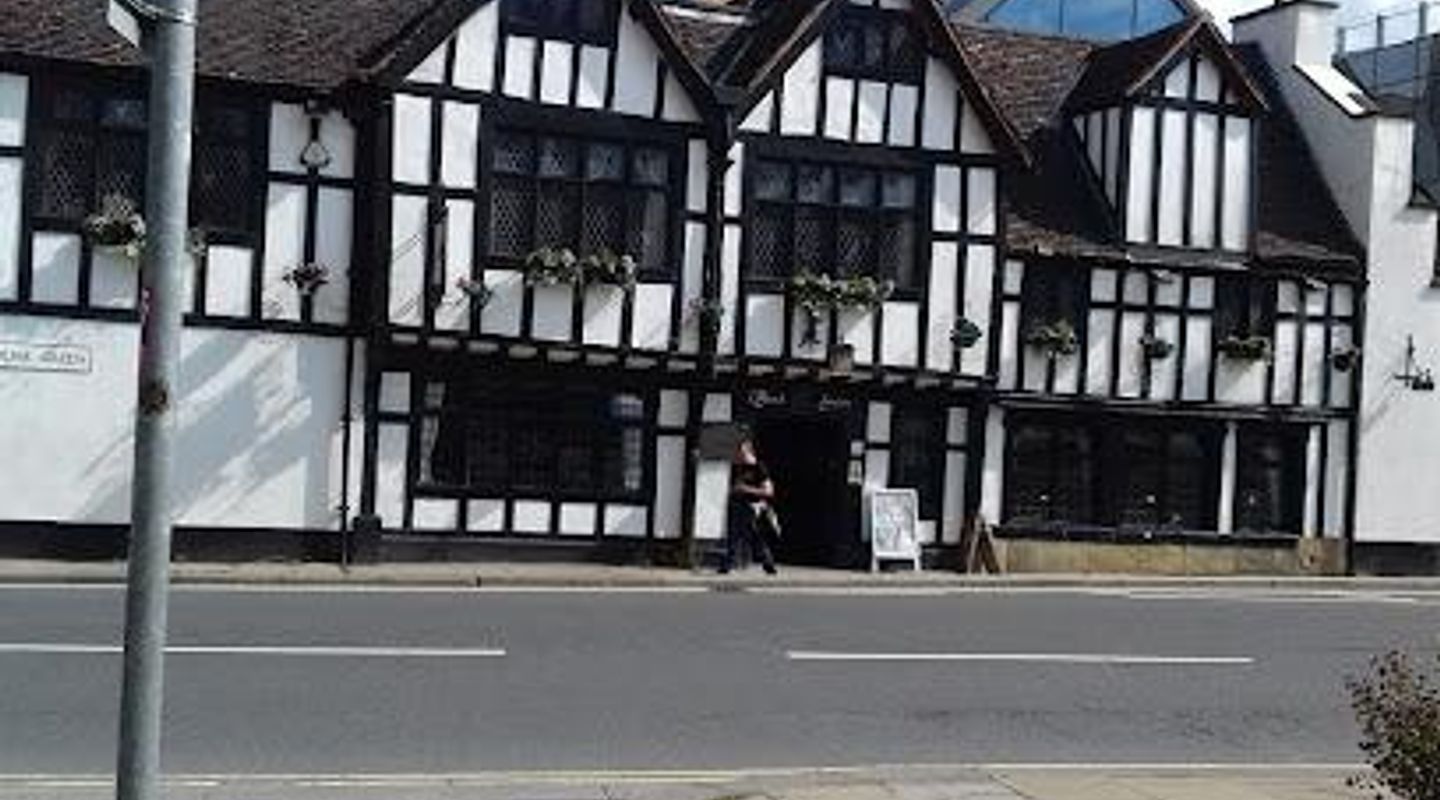
Among Peasholme Green’s most famous landmarks is the Black Swan pub, occupying a site with origins as a 15th-century merchant’s house built for William Bowes, a prominent York figure. The building evolved through the 16th and 17th centuries, retaining timber framing and distinctive architectural features like jettied upper floors and large fireplaces. The pub is steeped in local lore, including tales of an underground passage to St Cuthbert’s Church and ghost stories. It has hosted folk music events since the late 20th century and remains a cherished cultural venue.
Architectural and Archaeological Insights
Peasholme Green showcases a blend of timber-framed medieval structures alongside brick extensions from later centuries. Archaeological work near the Black Swan has revealed layers of history beneath the surface, including remnants of earlier buildings and market-related structures. The area’s streetscape reflects York’s layered history, with nearby medieval churches, historic inns, and market buildings contributing to a rich urban tapestry.
Peasholme Green in York’s Urban Fabric
Today, Peasholme Green sits within York’s Central Area of Archaeological Importance, surrounded by streets that echo the city’s Viking and medieval past. Its proximity to the city walls and former posterns underscores its strategic importance. The green remains a lively space, balancing its heritage with ongoing commercial and social activities, offering visitors a tangible connection to York’s historic marketplace and community life.
Continuing Cultural Relevance
Beyond its historical significance, Peasholme Green continues to be a vibrant part of York’s cultural scene. The Black Swan pub hosts annual folk festivals and music clubs, maintaining traditions that link the past with present-day community engagement. The area’s blend of history, architecture, and local stories makes it a compelling destination for those interested in York’s rich heritage and living culture.
Evendo Review Centre
 Google
Guest reviews
Best time to go
Quietest: Jan, Feb & Dec · before 6am or from 11pm
Busy times are Evendo estimates for a typical year, to help you plan. Actual crowds vary with events, school holidays and the weather.
Explore Peasholme Grn on the map
A handpicked selection of must-see spots near Peasholme Grn, mapped for you.
Get your free copy of our complete guide to Peasholme Grn, delivered straight to you.
Everything on this page, from opening hours and how to get there to Eve’s tips and the best time to go, in one PDF you can read offline, print or share.
Already have an account? Sign in
Your Peasholme Grn guide is ready.
We'll send it to · Not you? Sign out

Getting your guide ready…
We are putting together a fresh copy of the Peasholme Grn guide. This can take up to a minute.
This can take a few moments. If your browser asks, choose Allow so the download can start. You'll find the guide in your Downloads folder.
Nothing happened? Download it again
Sorry, the guide is taking longer than usual. Please try again in a minute, or get it by email instead.
Unlock the best of Peasholme Grn
Skip-the-line tickets, guided tours with entry, and walking tours of the area, booked in a few clicks.

Other nearby places you may find interesting
The closest places of the same kind, if this one is not quite what you had in mind.
-
-
-
-
-


Swipe for more places
More to explore near Peasholme Grn

 Best experiences near Peasholme Grn
 Best hotels near Peasholme Grn
 Best landmarks near Peasholme Grn
 Best attractions near Peasholme Grn
 Best shops near Peasholme Grn
 Best restaurants near Peasholme Grn
 Best bars near Peasholme Grn
Do you manage this location?
Take control to get all the benefits, like improved information, better appearance, and stronger visibility across AI-powered discovery.
Explore more

Explore more of Leeds
Discover Leeds: A dynamic city where history meets innovation, offering cultural treasures, stunning architecture, and a gateway to the scenic Yorkshire Dales.
Explore Leeds
Explore more of United Kingdom
Discover the United Kingdom: A blend of rich history, stunning landscapes, and vibrant cities, offering a unique travel experience for every visitor.
Explore United Kingdom