Bedern Hall, Leeds Travel Guide
Step into Bedern Hall, a stunning medieval guild hall in York where history, architecture, and community converge in timeless elegance.
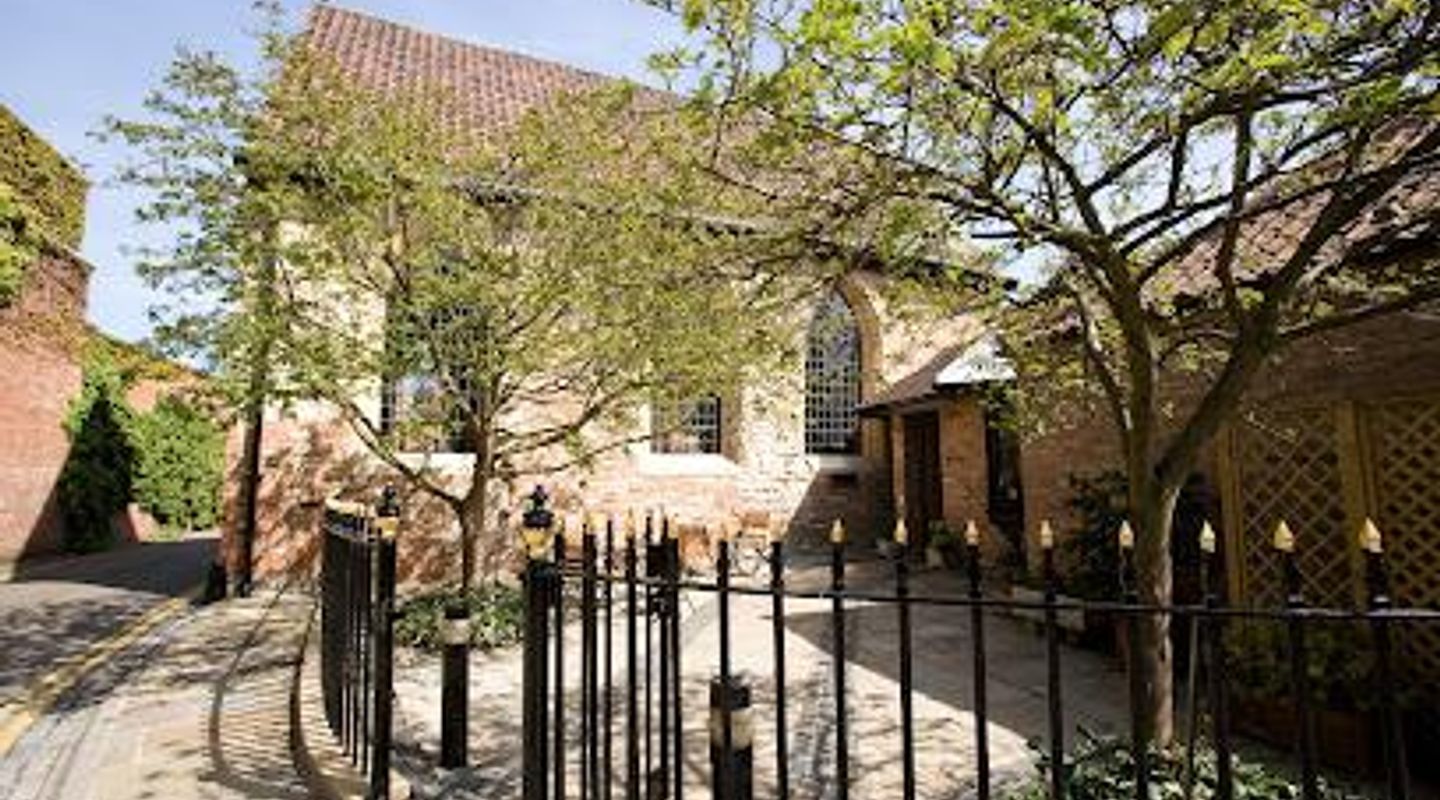
Bedern Hall is a remarkable 14th-century medieval hall in York, originally serving as the refectory for the Vicars Choral college. Featuring medieval timber framing, York stone flooring, and a soaring beamed roof, it has evolved from a dining hall to a vibrant events and guild venue, preserving centuries of York’s rich history in its walls.
A brief summary to Bedern Hall
- Bartle Garth, St Andrewgate, York, YO1 7AL, GB
- Click to display
- Click to display
- Duration: 0.5 to 2 hours
- Mid ranged
-
 Indoor
- Mobile reception: 4 out of 5
- Wednesday 10:30 am-3:30 pm
- Thursday 10:30 am-3:30 pm
- Friday 10:30 am-3:30 pm

Know before you go
Hi, I'm Eve. Here are a few practical things to know before exploring Bedern Hall.
- Visit during weekday afternoons when the hall is open for events to experience its historic ambiance with fewer crowds.
- Explore the medieval timber framing and fan-vaulted bay window closely to appreciate the craftsmanship.
- Check the schedule for guild meetings or special events to witness the hall’s living heritage.
- Combine your visit with a walk around York’s historic center to fully immerse in the city’s medieval character.
Do you manage this location?
Take control to get all the benefits, like improved information, better appearance, and stronger visibility across AI-powered discovery. Learn more about listing your business on Evendo
Activate your presenceOther nearby places you may find interesting
The closest places of the same kind, if this one is not quite what you had in mind.


Explore Bedern Hall on the Map
A handpicked selection of must-see spots near Bedern Hall, mapped for you.
Unlock the Best of Bedern Hall
Buy tickets
-
No tickets available
Book tours with entry


Getting There
-
Bus
Take York’s local bus services from the city center to St Andrewgate; the journey typically takes 10-15 minutes. Buses run frequently during the day, with tickets costing around £2-£3. Note that services reduce on weekends and evenings.
-
Taxi
A taxi ride from York city center to Bedern Hall takes approximately 5-10 minutes depending on traffic. Expect fares around £5-£8. Taxis offer flexible, direct access but may be limited during peak hours.
-
Walking
For those staying nearby, a walk from York Minster to Bedern Hall takes about 15-20 minutes across mostly flat, paved streets. The route is accessible for wheelchairs and strollers.
For the on-the-go comforts that matter to you
-
 Restrooms
-
 Seating Areas
-
 Information Boards
Bedern Hall location weather suitability
-
 Any Weather
-
 Rain / Wet Weather
-
 Mild Temperatures
Discover more about Bedern Hall
Medieval Origins and Architectural Heritage
Bedern Hall was constructed in the mid-14th century as the refectory for the College of the Vicars Choral, a group of clergy who served York Minster. The hall’s medieval timber framing remains visible in one wall, while the rest of the structure combines coursed limestone and brickwork. Originally, the floor was covered with green glazed tiles—two of which were uncovered during archaeological excavations—though today it features durable York stone. A notable architectural highlight is a bay window with a fan-vaulted roof, an early example of this style closely linked to the craftsmanship seen in York Minster, possibly by masons William Hoton or Robert de Patryngton.Evolution Through Centuries
From its origins as a communal dining space for clergy in the 1390s, Bedern Hall’s function shifted over the centuries. By the mid-17th century, it passed into private ownership and was adapted for various uses including housing St Peter’s School during the turmoil of the English Civil War. Despite challenges in upkeep, the hall survived periods of neglect and Victorian-era slum conditions surrounding it. The 20th century saw archaeological studies and restoration efforts that uncovered and preserved its medieval features, including original window tracery and timber elements.Modern Restoration and Guild Revival
In the late 20th century, a dedicated restoration project revitalized Bedern Hall, blending the medieval fabric with modern oak and softwood replacements carefully marked to distinguish old from new. A modern annexe was added to provide contemporary facilities while respecting the historic character. Since 1980, the hall has served as the home for several of York’s surviving guilds, including the Company of Cordwainers, the Gild of Freemen, and the York Guild of Building. In 2024, the Company of Butchers established their base here, continuing the hall’s centuries-old tradition as a gathering place for trade guilds.A Living Venue in Historic Surroundings
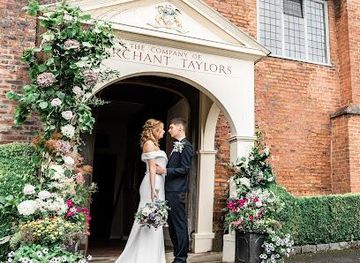
Today, Bedern Hall is a cherished venue for weddings, events, and cultural gatherings, offering a unique atmosphere where medieval history meets modern hospitality. Its soaring beamed roof and stone floor create a memorable backdrop for celebrations, while its location in the heart of York links visitors to the city’s rich ecclesiastical and civic past. The hall’s story—from a house of prayer and dining hall to a vibrant guild and event space—reflects York’s evolving social fabric and architectural heritage.Architectural Details and Archaeological Insights
The hall’s medieval stonework and timber framing are complemented by archaeological discoveries made during redevelopment, revealing the intricate craftsmanship of the 14th century. The fan-vaulted bay window is a rare architectural gem, paralleling designs in York Minster, and the surviving medieval window tracery offers a direct visual connection to the hall’s original appearance. Restoration efforts have been meticulous, ensuring that modern interventions are identifiable while preserving the hall’s authentic medieval character.Community and Cultural Significance
Bedern Hall stands not only as a monument to medieval architecture but also as a symbol of community continuity. Its use by historic guilds ties it to York’s long-standing traditions of craft and commerce. The hall’s adaptive reuse as an event venue ensures that it remains a living part of the city’s cultural life, bridging past and present in a setting that invites reflection on York’s layered history and enduring heritage.












Your all‑in‑one travel companion app
Explore expert travel guides, compare and book tours, experiences, hotels, and more—all from the palm of your hand. Download now for seamless trip planning wherever your wanderlust takes you.


Explore More of Leeds

Looking beyond Bedern Hall? Discover Leeds for broader travel guides, local hot-spots, and regional highlights.
Explore Leeds