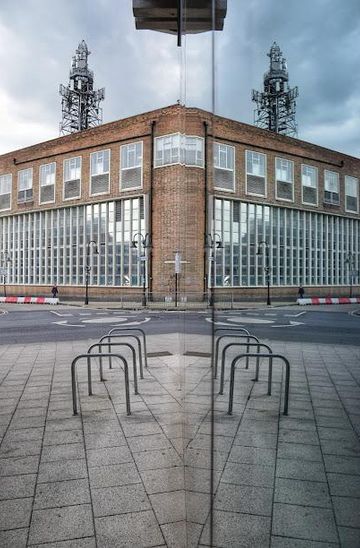
The Stonebow
York's architectural crossroads where brutalist boldness meets medieval heritage and urban renewal.
The Stonebow is a historic street and architectural landmark in York's medieval city center, serving as a gateway between the city's past and present. Originally created in the mid-20th century as part of York's urban development, it connects Walmgate Bar to the heart of York's heritage district. The street is dominated by Stonebow House, a distinctive brutalist structure that has evolved from a controversial symbol into an iconic representation of York's architectural journey and commitment to conservation.
A brief summary to The Stonebow
- York, GB
- Free
-
 Outdoor
- Mobile reception: 5 out of 5

Know before you go
Hi, I'm Eve. Here are a few practical things to know before exploring The Stonebow.
- Visit early morning or late afternoon to experience the street with fewer crowds and better light for photography, particularly for capturing Stonebow House's architectural details.
- Combine your visit with exploration of nearby Walmgate Bar and the medieval city walls for a comprehensive understanding of York's defensive and urban history.
- Take time to observe Stonebow House from multiple angles—street level, elevated positions, and from the adjacent car park—to appreciate how the building's brutalist form interacts with its surroundings.
- Explore the surrounding streets and alleyways to discover how the Stonebow connects to York's broader medieval street pattern and contemporary commercial districts.
- Check for any local heritage walks or guided tours that include the Stonebow, as local guides provide valuable context about York's twentieth-century urban development and conservation philosophy.
Do you manage this location?
Take control to get all the benefits, like improved information, better appearance, and stronger visibility across AI-powered discovery. Learn more
Activate your presenceOther nearby places you may find interesting



Getting There
-
Walking from York City Centre
From York Railway Station, walk north through the city center toward Walmgate Bar. The Stonebow is directly accessible from the main shopping district, approximately 10–15 minutes on foot depending on your starting point. The route is entirely on paved urban streets with clear signage. No parking required; the area is pedestrian-friendly with good accessibility.
-
Public Bus Service
Multiple local bus routes serve the York city center and stop near Stonebow. Journey times from York Railway Station are typically 5–10 minutes depending on the route and traffic conditions. Bus fares are approximately £1.50–£2.50 per journey. Services run regularly throughout the day, with reduced frequency in early morning and late evening.
-
Taxi or Ride-Share
Taxis and ride-share services are available from York Railway Station and throughout the city center. Journey time to the Stonebow is typically 5–10 minutes depending on traffic. Estimated cost ranges from £6–£12 depending on starting location and time of day. This option is convenient if you're carrying luggage or prefer direct transport.
-
Parking and Car Access
The Stonebow area has limited on-street parking. Several multi-story car parks are located within 2–5 minutes' walk, including the Stonebow car park adjacent to Stonebow House. Parking costs typically range from £1.50–£3.00 per hour, with daily rates around £8–£15. Street parking restrictions apply; check signage carefully before parking.
For the on-the-go comforts that matter to you
-
 Food Options
-
 Drink Options
-
 Restrooms
-
 Seating Areas
-
 Information Boards
Discover more about The Stonebow
A Gateway Through Time
The Stonebow represents one of York's most significant urban spaces, functioning as both a physical and symbolic connection between the medieval city and its modern evolution. This historic street links Walmgate Bar, one of York's four medieval gates, to the vibrant heart of the city center, creating a vital pathway through which residents and visitors traverse the layers of York's rich heritage. The street's creation marked an important moment in York's post-war development, introducing contemporary urban planning to a city steeped in medieval tradition.Architectural Evolution and Stonebow House
The defining feature of the Stonebow is Stonebow House, an imposing structure that opened in 1964 as a key component of York Corporation's urban regeneration strategy. Originally conceived as a monument to 1960s modernism, the building exemplifies brutalist architecture with its bold concrete forms and distinctive geometric design. Over the decades, Stonebow House has housed diverse functions, including administrative offices and commercial spaces, reflecting the changing needs of the city. The building's architectural language—characterized by raw concrete, strong lines, and functional design—initially sparked considerable debate within York's conservation-conscious community, positioning it at the intersection of progress and preservation.From Controversy to Conservation Icon
Stonebow House became a focal point for discussions about York's architectural identity and conservation philosophy. Rather than being demolished, the building underwent sensitive rehabilitation that transformed its brutalist character while respecting its historical significance. This transformation demonstrated York's commitment to understanding and valuing diverse architectural periods, moving beyond purely aesthetic judgments to recognize the building's role in the city's twentieth-century story. The rehabilitation project, incorporating contemporary materials and design sensibilities, proved that buildings initially perceived as problematic could be reimagined and integrated into the city's evolving character.Medieval and Georgian Heritage
Beyond Stonebow House, the street itself connects to York's extensive medieval infrastructure. The proximity to Walmgate Bar—one of the finest surviving medieval city gates in England—anchors the Stonebow within York's authentic historical landscape. The surrounding area contains layers of architectural heritage, from medieval timber-framed buildings to Georgian townhouses, creating a rich tapestry of construction techniques and design philosophies spanning centuries. This architectural diversity makes the Stonebow an essential location for understanding how York has continuously adapted and evolved while maintaining its historical character.A Living Urban Space
The Stonebow functions as more than a tourist destination; it is an active part of York's urban fabric where residents and visitors navigate daily life. The street provides access to shops, services, and cultural venues while maintaining its role as a contemplative passage through the city's history. The space invites exploration and reflection, encouraging visitors to consider how cities balance preservation with progress, tradition with innovation, and heritage with contemporary needs. Walking through the Stonebow offers an opportunity to experience York's commitment to conservation and thoughtful urban stewardship.Explore the best of what The Stonebow has to offer















More about Leeds

Discover Leeds: A vibrant city blending rich history with modern culture, offering world-class museums, shopping, dining, and nightlife in the heart of Yorkshire.
Tell me more about Leeds