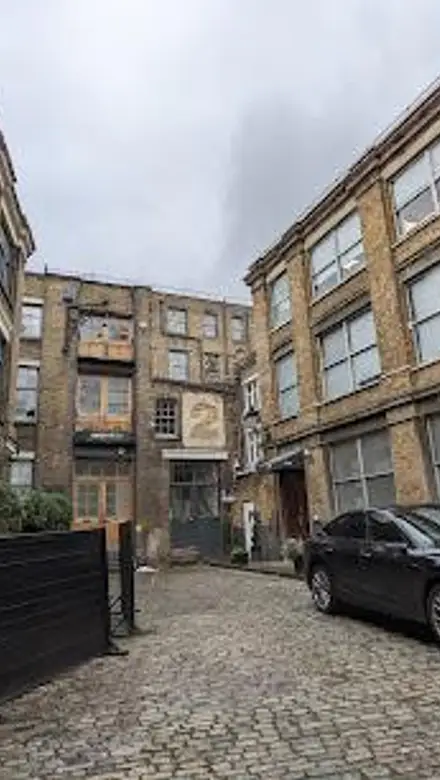
Bleeding Heart Yard, London Travel Guide
A small Farringdon courtyard with Dickens links, a folklore-heavy name, and the close, weathered feel of older London behind Hatton Garden.
Bleeding Heart Yard is a small historic courtyard off the streets of Farringdon and Hatton Garden, known for its unusual name, literary links, and tucked-away atmosphere. It is not a major attraction, but a brief, atmospheric stop for walkers tracing older London fabric. Expect narrow space, restaurant frontage, and a quick visit rather than a long stay.
A brief summary to Bleeding Heart Yard
- London, GB
- Duration: 0.2 to 2 hours
- Free
-
 Outdoor
- Mobile reception: 4 out of 5

Know before you go
Hi, I'm Eve. Here are a few practical things to know before exploring Bleeding Heart Yard.
- Treat it as a short stop on a wider Farringdon or Hatton Garden walk rather than a standalone attraction.
- If you want the best atmosphere, come outside the lunch rush or early evening dining peak.
- Facilities are limited in the yard itself, so assume restaurant-based amenities rather than public ones.
Do you manage this location?
Take control to get all the benefits, like improved information, better appearance, and stronger visibility across AI-powered discovery. Learn more about listing your business on Evendo
Activate your presenceOther nearby places you may find interesting
The closest places of the same kind, if this one is not quite what you had in mind.


Explore Bleeding Heart Yard on the Map
A handpicked selection of must-see spots near Bleeding Heart Yard, mapped for you.
Unlock the Best of Bleeding Heart Yard
Buy tickets
-
No tickets available
Book tours with entry
-
No tours available
Book tours without entry

Getting There
-
Public transport
Farringdon is the most practical nearby station, with strong rail and Underground connections and a short onward walk.
-
Public transport
Chancery Lane is another workable Underground option, though it is usually less convenient than Farringdon for overall connectivity.
-
Walking
The yard is best reached on foot from surrounding central London streets; it fits naturally into a heritage walk.
-
Taxi or rideshare
Useful if you are combining several central London stops, but traffic can make this slower than rail.
For the on-the-go comforts that matter to you
-
 Restrooms
-
 Drink Options
-
 Food Options
-
 Seating Areas
-
 Sheltered Areas
-
 Trash Bins
Discover more about Bleeding Heart Yard
What it is
Bleeding Heart Yard is a small historic courtyard and passage in central London, best understood as an urban heritage side street rather than a standalone sight. Its appeal lies in its name, its place in local lore, and its survival within a dense commercial district that has been reshaped many times over. The yard is also linked to Dickens, who used it in Little Dorrit, which gives it a literary edge beyond its modest size.What it feels like
The setting is compact and enclosed, with surrounding buildings creating a sense of being slightly removed from the main street grid. It feels more like a working city courtyard than a polished tourist square. The strongest impression is architectural: old London geometry, close walls, and a quiet pocket of space that can feel surprisingly still between lunch and evening service. At dining peaks, the mood shifts to a low-key bustle around the restaurants; at quieter times, it reads as a short, atmospheric pause in the middle of the city.Why people come
Most visitors come for a quick look, a photo, or to fold the yard into a wider walk through Farringdon, Hatton Garden, and Ely Place. The visit is usually brief. You enter, take in the courtyard, perhaps pause for a drink or meal if you are using the Bleeding Heart restaurants, and then move on. That makes it a good fit for heritage walkers, photographers, and travellers who enjoy places with a strong name and a layered backstory, even when the physical site is small.History and atmosphere
The yard sits in a district shaped by post-medieval development, later commercial use, and the long evolution of central London’s back streets and service yards. Its name is tied to folklore, including a dramatic murder legend that is widely repeated but should be treated cautiously as legend rather than verified history. The area’s real historical value is more grounded: it is part of the surviving street fabric behind Hatton Garden, where old yards and passages still interrupt the modern office-and-shop landscape.Practical expectations
Bleeding Heart Yard is easy to combine with nearby transport and other central London stops, especially from Farringdon. It is free to look at, but facilities are limited unless you are using the restaurants. Public seating, restrooms, and visitor services are not guaranteed as standalone amenities. Most travellers need only 10 to 20 minutes for a quick visit, though a meal or a broader walking route can stretch that to an hour or more. It is best approached as a short, low-cost stop with strong character rather than a destination that fills an afternoon.












Your all‑in‑one travel companion app
Explore expert travel guides, compare and book tours, experiences, hotels, and more—all from the palm of your hand. Download now for seamless trip planning wherever your wanderlust takes you.


Explore More of London

Looking beyond Bleeding Heart Yard? Discover London for broader travel guides, local hot-spots, and regional highlights.
Explore London
Discover the world’s largest collection of antique and contemporary silver in London’s historic subterranean shopping vaults beneath Chancery Lane.
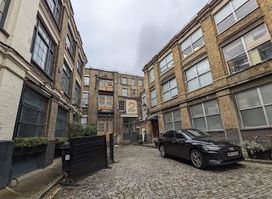
Explore Bleeding Heart Yard, a hidden gem in London filled with historic charm, delightful dining, and a tranquil atmosphere amidst the bustling city.