Well Court, Middlesex Travel Guide
Discover the hidden medieval Clerks' Well beneath Well Court, a timeless symbol of Clerkenwell’s rich history and architectural charm.
Well Court at 14-16 Farringdon Lane in London houses the ancient Clerks' Well, a significant medieval water source that gave the Clerkenwell district its name. This hidden historical landmark features a stone-built circular well chamber located in the basement of a modern office building, preserving a rare glimpse of London's medieval past intertwined with Victorian architecture. The well is linked to the parish clerks’ mystery plays and the nearby medieval religious establishments, offering a unique cultural and architectural experience in central London.
A brief summary to Well Court
- 14-16 Farringdon Ln, London, EC1R 3AU, GB
- Duration: 0.5 to 1.5 hours
- Free
-
 Mixed
Mixed
- Mobile reception: 4 out of 5

Know before you go
Hi, I'm Eve. Here are a few practical things to know before exploring Well Court.
- Visit early morning or late afternoon for the best natural light to photograph the well and surrounding Victorian architecture.
- Arrange a group visit through the Islington Local History Centre to gain closer access to the well and historical displays.
- Explore the nearby streets of Clerkenwell for charming cafes and independent shops to complement your visit.
- Check local event listings for occasional cultural activities or open days related to Clerks' Well and Clerkenwell heritage.
- Respect the residential nature of the area by keeping noise levels low and preserving the tranquil atmosphere.
Do you manage this location?
Take control to get all the benefits, like improved information, better appearance, and stronger visibility across AI-powered discovery. Learn more about listing your business on Evendo
Activate your presenceOther nearby places you may find interesting
The closest places of the same kind, if this one is not quite what you had in mind.


Explore Well Court on the Map
A handpicked selection of must-see spots near Well Court, mapped for you.
Getting There
-
Public Transportation
Take the London Underground to Farringdon Station, located in Zone 1. From there, it is a short 5-minute walk to Well Court at 14-16 Farringdon Lane. Single journey fares using contactless payment cost approximately £2.40. Service frequency is high throughout the day, though check Transport for London schedules for any updates.
-
Taxi or Rideshare
Taxis and rideshare services such as Uber can take you directly to Well Court from anywhere in London. Expect fares ranging from £20 to £40 depending on traffic and starting location. This option offers convenience but can be affected by central London congestion.
-
Car
Driving to Well Court involves accessing the A40 into central London and following signs to Farringdon Lane. Parking is limited and expensive in central London, so consider nearby parking facilities or park-and-ride options. Traffic congestion is common during peak hours.
-
Walking
If staying nearby in Clerkenwell or Farringdon, walking to Well Court is pleasant and accessible on mostly flat, paved streets. The walk offers a chance to enjoy local architecture and cafes, taking approximately 10-20 minutes depending on your starting point.
For the on-the-go comforts that matter to you
-
 Information Boards
-
 Seating Areas
Discover more about Well Court
Origins of Clerks' Well and Its Medieval Significance
Clerks' Well, located beneath Well Court at 14-16 Farringdon Lane, is an ancient water source that has shaped the identity of the Clerkenwell area. Documented since 1174, the well was likely used even earlier and was associated with St Mary’s nunnery, a 12th-century Benedictine and later Franciscan convent nearby. The well served the nuns and the local community, providing fresh water drawn from the River Fleet’s underground springs. The well’s name derives from the parish clerks who performed annual mystery plays at the site, attracting crowds in medieval times and embedding the well deeply in local cultural heritage.Architectural and Historical Features Within Well Court
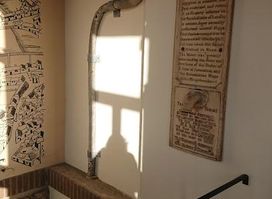
Today, the well is housed in a stone-built circular chamber located down steps in the basement of Well Court, a modern office building. Despite the contemporary surroundings, elements of Tudor brickwork and remnants of the medieval nunnery walls can still be seen adjacent to the well. The site holds Grade I listed status, emphasizing its architectural and historical importance. Although the well was filled in during the 19th century due to pollution concerns, it was rediscovered in 1924 during construction works and preserved as a rare surviving medieval structure beneath the bustling city.The Cultural Legacy of Clerks' Well in London’s History
The well’s cultural significance extends beyond its function as a water source. The parish clerks’ mystery plays performed here were an important part of medieval London’s religious and social life, blending theatrical performance with spiritual tradition. The well also connects to the history of the Knights Hospitallers, whose priory stood nearby. Over centuries, the well witnessed the transformation of Clerkenwell from a religious precinct into a vibrant urban district, maintaining its symbolic presence through changing times.Visitor Experience and Preservation Efforts
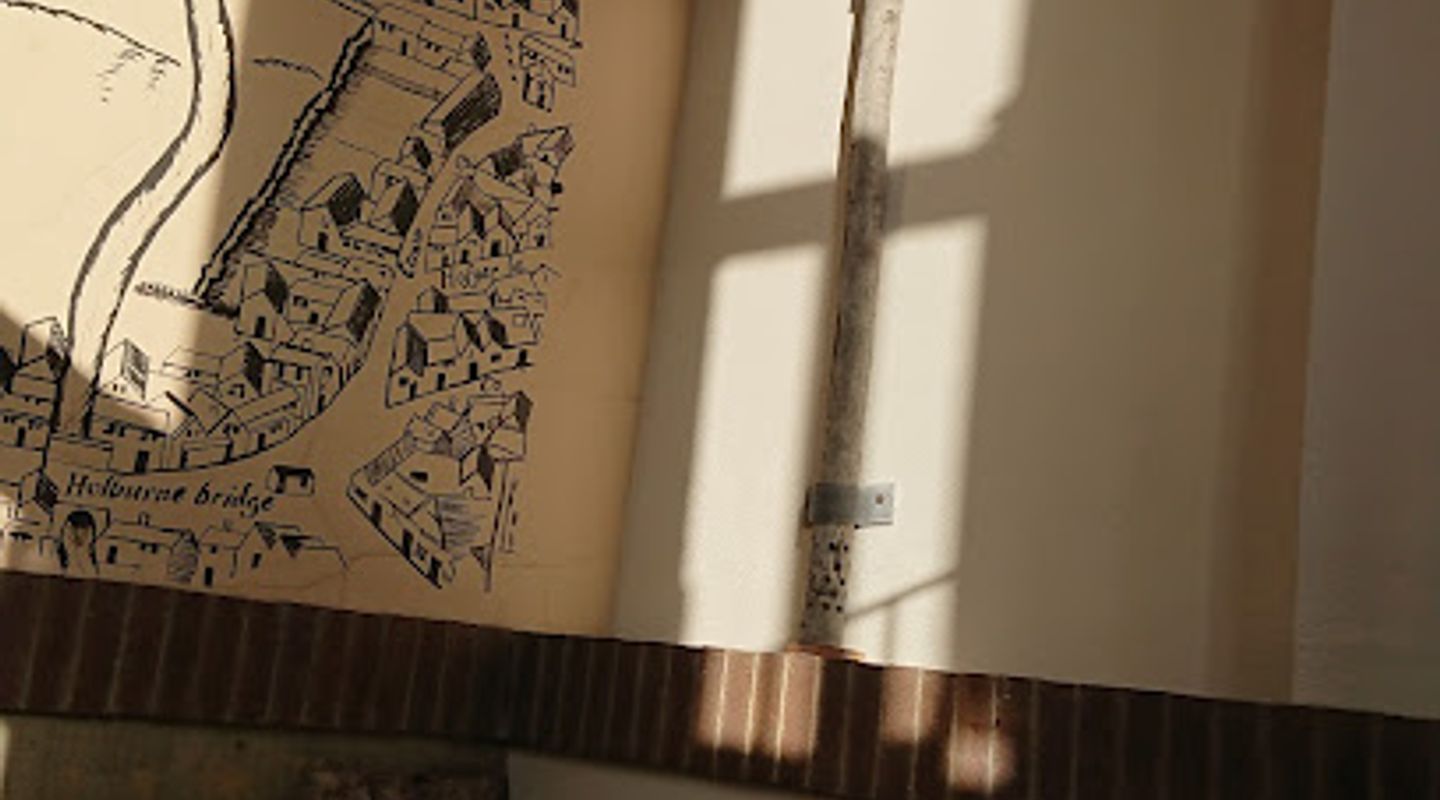
While the well is not regularly open to the public, it can be viewed through large windows at Well Court, with informational displays providing historical context. Access is possible by appointment through the Islington Local History Centre, which occasionally hosts open days. Visitors can appreciate the juxtaposition of ancient heritage within a modern cityscape and reflect on the layers of history beneath London’s streets. The surrounding Clerkenwell area offers charming cobblestone streets, historic architecture, and nearby cultural attractions, enriching the visit.Well Court’s Place in Contemporary London
Well Court itself is a rare example of a self-contained office space in Clerkenwell, blending Victorian charm with modern functionality. Its location near Farringdon Station makes it easily accessible, situating this historic landmark within a lively urban environment. The preservation of Clerks' Well within this setting highlights London’s commitment to conserving its heritage amid ongoing development, offering a unique window into the city’s medieval roots.Historical Anecdotes and Modern Connections
Notable historical figures have commented on the well’s water quality, with 18th-century historian John Strype praising it as “excellently clear, sweet and well tasted.” The well’s water was even used for brewing beer in the late 17th century. Despite the challenges of urban pollution leading to its temporary closure, the well’s rediscovery and preservation underscore its enduring significance. Today, it stands as a testament to London’s layered history, where medieval spirituality, Victorian architecture, and modern urban life converge beneath Well Court’s facade.












Your all‑in‑one travel companion app
Explore expert travel guides, compare and book tours, experiences, hotels, and more—all from the palm of your hand. Download now for seamless trip planning wherever your wanderlust takes you.


Explore More of Middlesex
Looking beyond Well Court? Discover Middlesex for broader travel guides, local hot-spots, and regional highlights.
Explore Middlesex